
You probably have a system for organizing your pantry, but even the most careful shoppers get surprised by food that spoils way sooner than expected. Some items look and smell fine on the outside but have already started breaking down.
Knowing how quickly certain foods go bad can save you money, reduce waste, and keep your family safe. Here are 15 common pantry and kitchen staples that have a much shorter shelf life than most people realize.
1. Fresh-Squeezed Juice

That bright, fresh glass of juice you squeezed this morning has a much shorter window than you might expect. Freshly squeezed or cold-pressed juice lasts only 2 to 3 days in the refrigerator.
Without pasteurization, harmful bacteria can multiply quickly.
Store-bought juice goes through heat treatment to extend its life, but homemade versions skip that step entirely. Always label your juice with the date you made it, and when in doubt, throw it out.
2. Fresh Fish
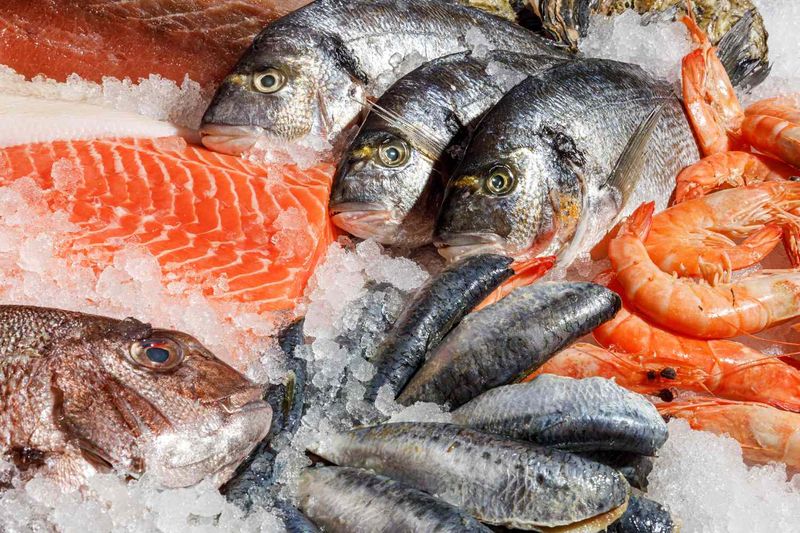
Fresh fish is one of the fastest-spoiling proteins you can bring home from the store. Cold-adapted bacteria keep growing even inside your refrigerator, making fish risky to hold for too long.
The USDA recommends eating fresh fish within just 1 to 2 days of purchase.
If you are not planning to cook it right away, freeze it immediately. The smell test alone is not reliable enough to judge whether fish is still safe to eat.
3. Raw Ground Meat
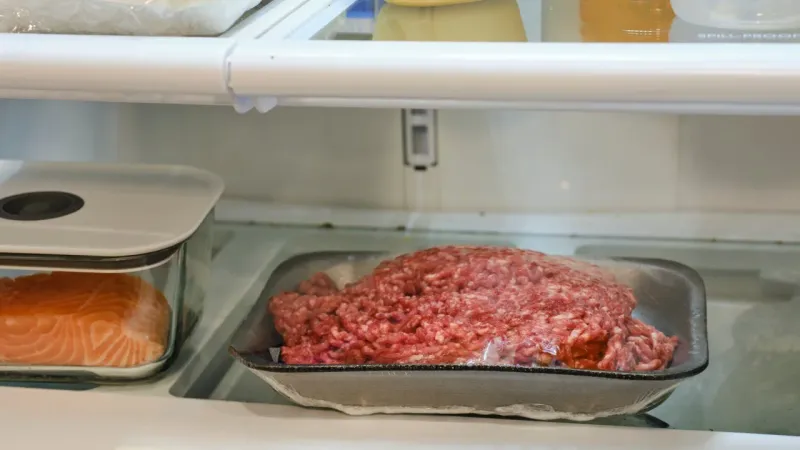
Whole cuts of beef or pork can hang out in your fridge for 3 to 5 days, but ground meat plays by completely different rules. Because grinding exposes so much more surface area, bacteria spread much faster through ground meat than through a steak or chop.
Raw ground beef, turkey, or pork should be used within 1 to 2 days of refrigerating. When in doubt, freeze it the same day you buy it to avoid any guesswork later.
4. Cooked Grains
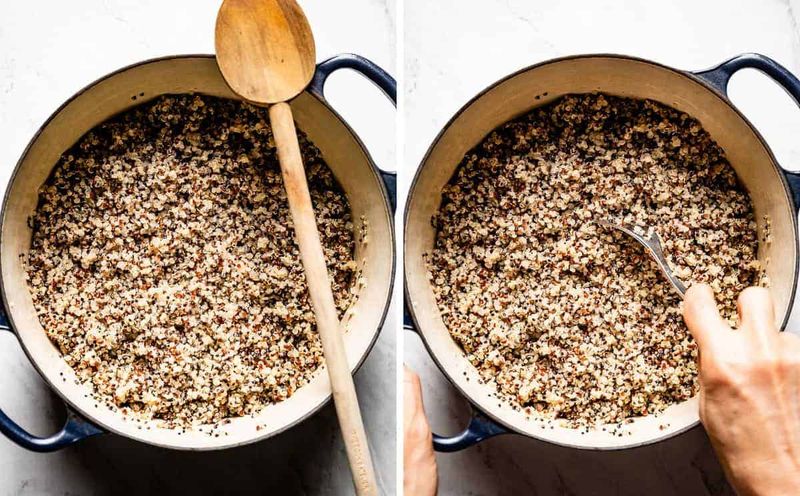
Cooking a big batch of grains feels like a smart meal-prep move, but those cooked leftovers have a surprisingly short lifespan. Cooked quinoa, farro, oats, and rice can develop harmful bacteria within 3 to 5 days, even when stored in a sealed container in the fridge.
Always let grains cool completely before refrigerating to avoid trapping steam that speeds up spoilage. Freeze extra portions right away if you know you will not eat them within a few days.
5. Brown Rice (Uncooked)
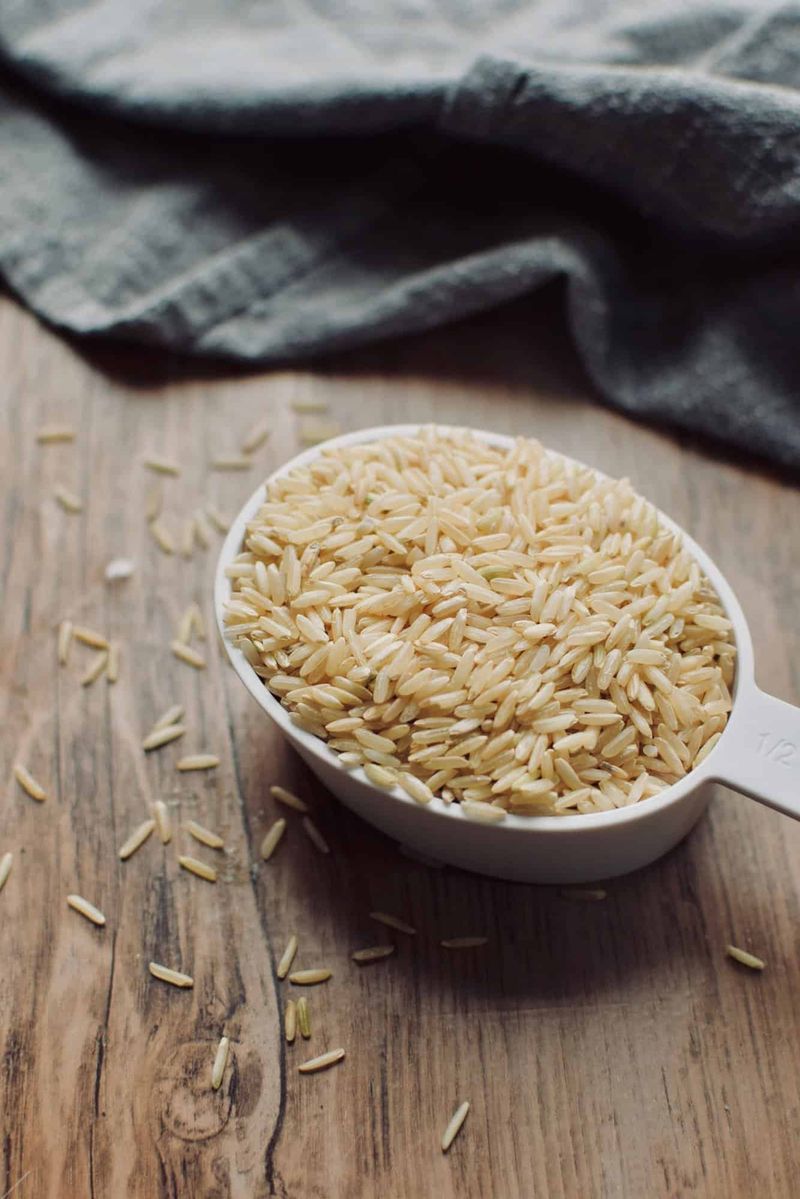
Most people assume dry rice lasts forever on the shelf, but uncooked brown rice tells a different story. Unlike white rice, brown rice still has its bran and germ layers, which contain natural oils that can go rancid over time.
Rancid rice does not smell great and loses its pleasant flavor.
Uncooked brown rice is best used within 6 to 12 months of purchase. Storing it in an airtight container in a cool, dark place can help slow down that process noticeably.
6. Ground Spices
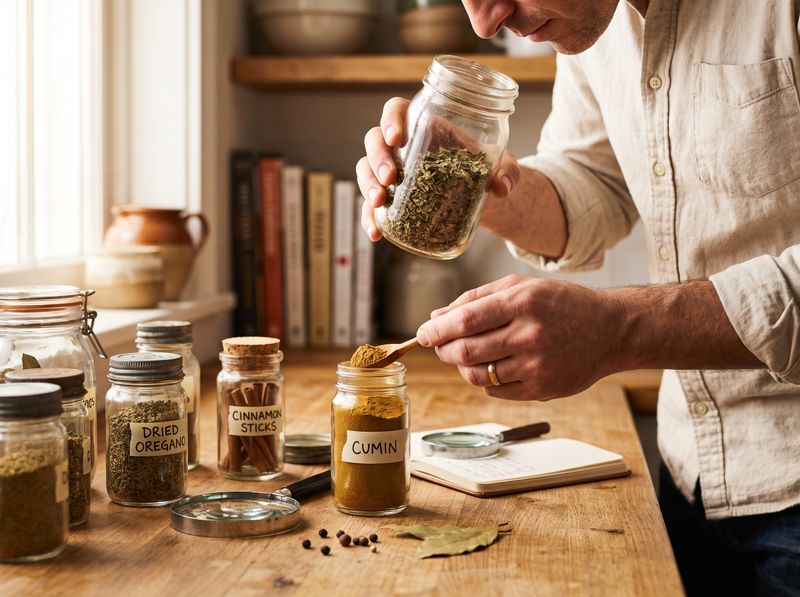
Ground spices do not exactly spoil in a dangerous way, but they quietly lose their punch long before most people notice. Cinnamon, paprika, cumin, and similar spices start fading after about 2 to 3 years, leaving your food tasting flat and bland.
Check your spice jars by giving them a sniff. If the aroma is weak or missing, it is time to replace them.
Buying smaller amounts more frequently is a smarter move than stocking up on large containers you will not finish quickly.
7. Cut Melon
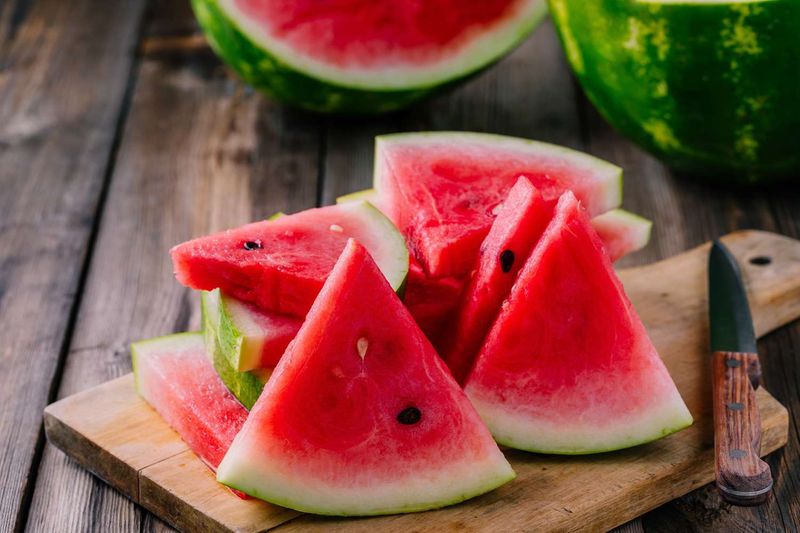
A whole, uncut melon can sit on your counter for weeks without any problem, but the moment you slice into it, the clock starts ticking fast. Cut melon is exposed to air and potential bacteria from your hands, knife, and counter surfaces.
That combination speeds up spoilage significantly.
Refrigerate cut melon right away and plan to eat it within 3 to 5 days at most. Leaving sliced melon at room temperature for more than 2 hours is genuinely risky, especially in warm weather.
8. Homemade Tomato Sauce
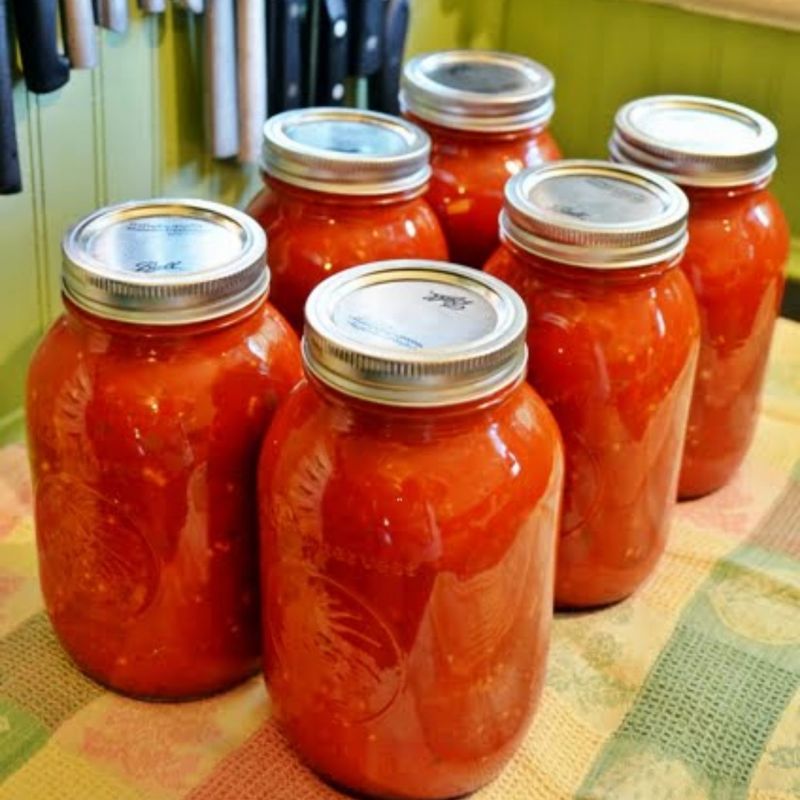
Store-bought tomato sauce stays shelf-stable for months because it contains preservatives and goes through commercial processing. Homemade tomato sauce skips all of that, which means it starts going bad much sooner than people expect.
Most homemade batches last only 3 to 5 days in the refrigerator.
Freezing extra portions in small containers right after cooking is the best way to make a big batch work for you. Glass jars with tight lids help maintain quality better than loosely covered bowls in the fridge.
9. Natural Nut Butters
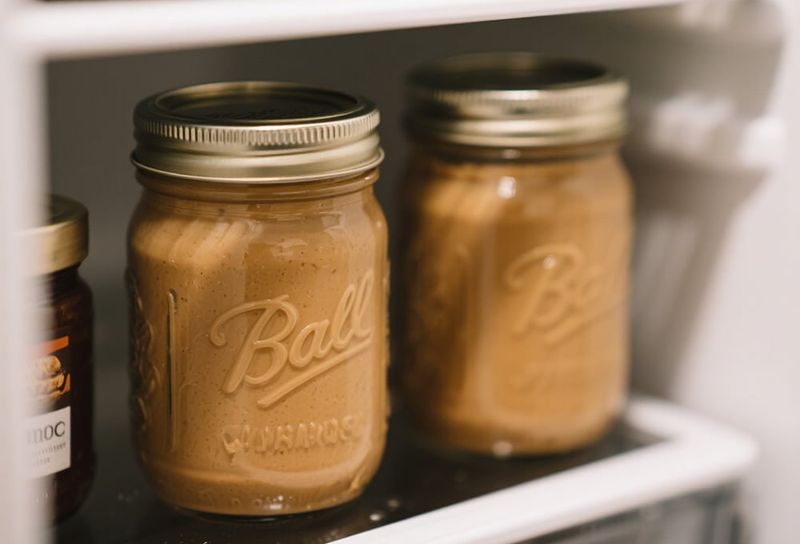
Natural nut butters are a pantry favorite, but that layer of oil floating on top is a clue that things can go wrong quickly. Without added stabilizers, the fats in natural peanut or almond butter oxidize when exposed to air and heat, turning the product rancid.
Once opened, natural nut butter should be stored in the refrigerator and used within 1 to 3 months. A rancid, bitter taste or an off smell is your signal that it has turned and needs to be replaced.
10. Opened Cooking Oils
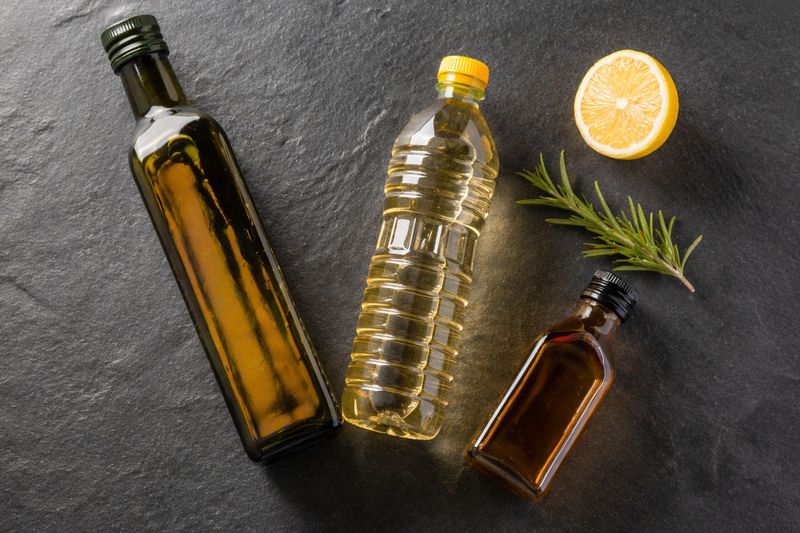
Cooking oil might seem like it lasts forever, but once you crack open that bottle, the countdown begins. Olive oil and vegetable oil start to lose their flavor and go rancid 6 to 12 months after being opened, especially when stored near heat or sunlight.
Keep oils in a cool, dark cabinet away from the stove. If your oil smells musty, crayon-like, or just off, toss it.
Rancid oil will not make you sick immediately, but it ruins the flavor of everything you cook.
11. Fresh Berries

Berries are delicious, but they are also some of the most fragile fruits you will ever bring home. Raspberries and blackberries last just 2 to 3 days, strawberries about 5 to 7 days, and blueberries a slightly longer 1 to 2 weeks.
Moisture on their skin is the fastest way to trigger mold.
Do not wash berries until you are ready to eat them. Store them in a single layer on a paper towel inside the fridge to absorb extra moisture and extend their freshness as long as possible.
12. Leftovers
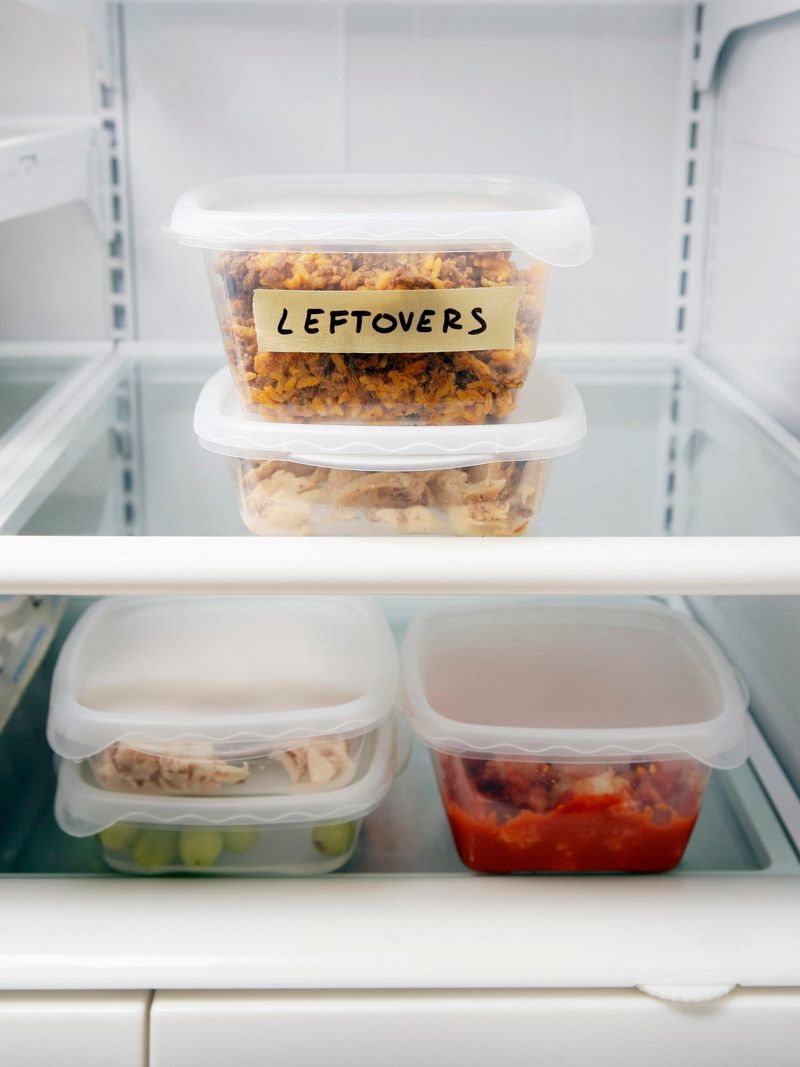
Leftovers feel like a gift at the time, but many people push their luck by keeping them far too long. Most cooked leftovers are only safe in the refrigerator for 3 to 4 days, regardless of how good they still look or smell.
Bacteria can grow without any visible signs of spoilage.
Label containers with the date before placing them in the fridge. If you know you will not eat something within 4 days, freeze it right away instead of letting it slowly turn in the back of the fridge.
13. Opened Soft Cheese
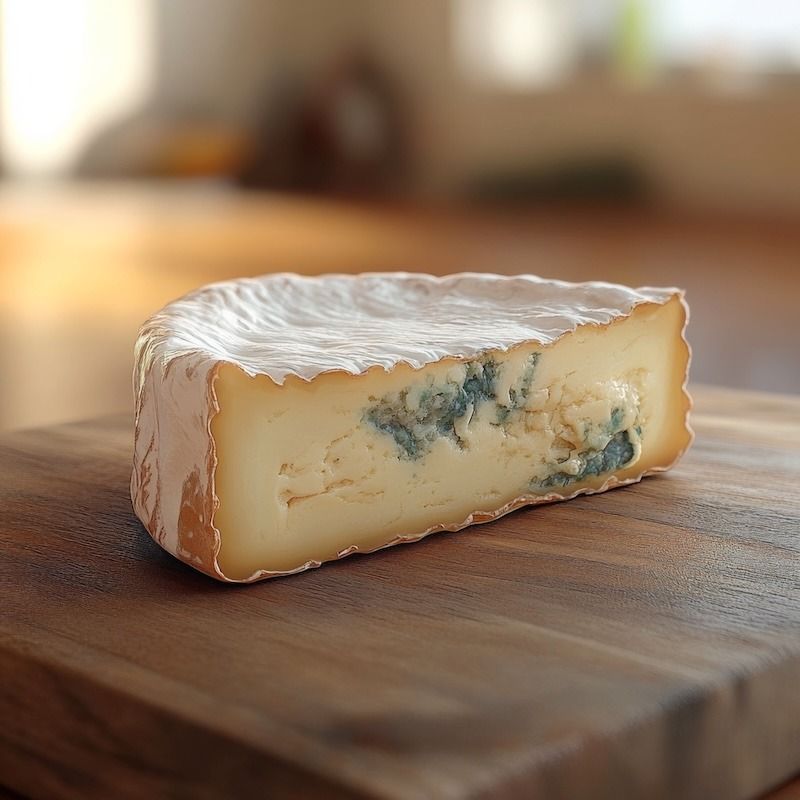
Soft cheeses like brie, ricotta, and cream cheese have a high moisture content that makes them a playground for mold and bacteria once the package is opened. Unlike hard cheeses that can last weeks after opening, soft varieties can turn within just a week.
Always reseal soft cheese tightly and store it in the coldest part of your refrigerator. If you notice any pink or green discoloration, an off smell, or a slimy texture, do not try to salvage it.
Toss the whole thing.
14. Avocados (Once Ripe)
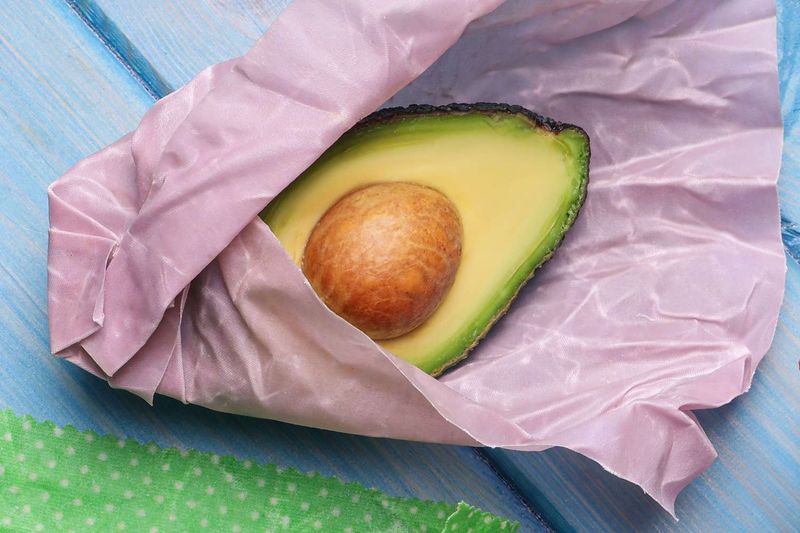
Avocados have a narrow window between perfectly ripe and completely mushy, and many people miss it. Once a ripe avocado sits on the counter, you only have about 3 to 4 days before it turns brown and soft.
Moving it to the refrigerator can stretch that to 7 to 10 days.
If you cut one open and only use half, squeeze lemon juice on the exposed flesh and wrap it tightly. The acid slows browning and helps preserve the creamy texture a little longer before your next meal.
15. Hard-Boiled Eggs
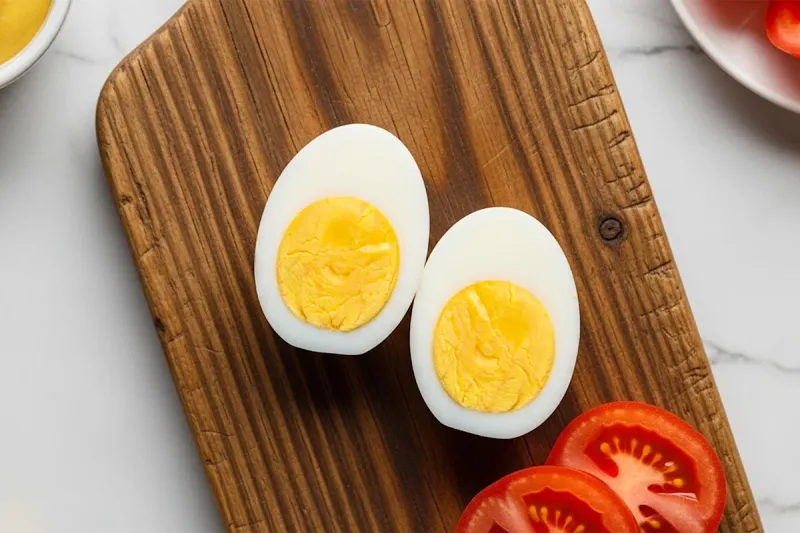
Hard-boiled eggs seem like a sturdy, long-lasting snack, but they actually spoil faster than raw eggs still in their shells. The cooking process removes the protective coating on the shell, making the egg more vulnerable to bacteria.
In the refrigerator, hard-boiled eggs last about one week.
Left at room temperature, they become unsafe in just 2 hours. Keep them in the fridge in a sealed container, and if you have already peeled them, eat them within 5 days for the best safety and quality.