
Eating the right vegetables can make a real difference when it comes to keeping your heart healthy. Many doctors and nutrition experts point to specific veggies that are packed with nutrients known to support good blood pressure, lower cholesterol, and reduce inflammation.
Adding more of these foods to your plate does not have to be complicated or boring. Here are 16 vegetables that are frequently recommended for heart-friendly eating.
1. Spinach
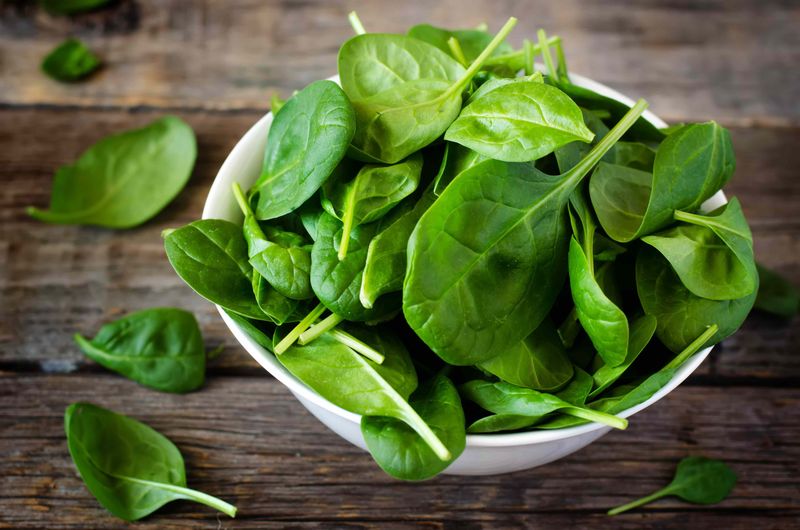
Popeye was onto something. Spinach is loaded with potassium, which helps your body manage blood pressure by balancing out the effects of sodium.
It also contains folate, a B vitamin that keeps your arteries flexible and healthy.
Adding spinach to smoothies, salads, or scrambled eggs is one of the easiest ways to sneak in heart-supporting nutrients. Even a small handful each day adds up to real benefits over time.
2. Kale
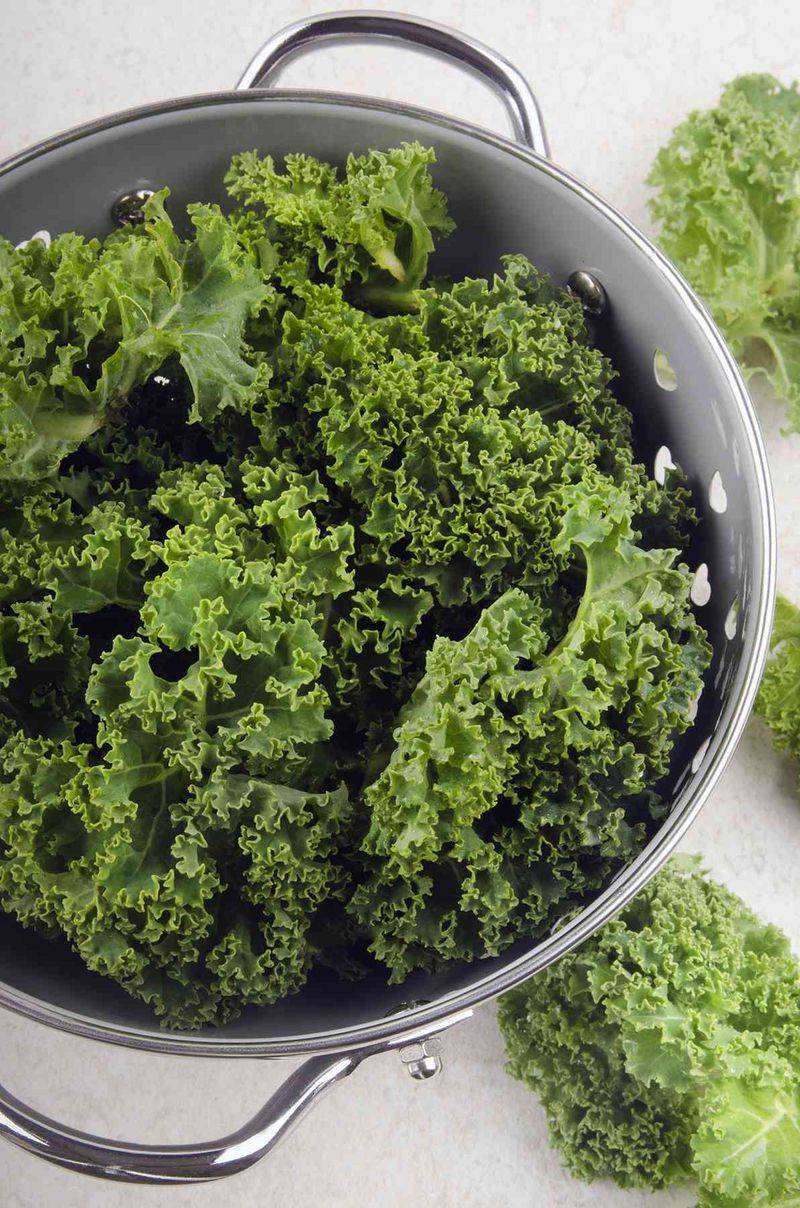
Kale has earned its reputation as a nutritional powerhouse, and your heart is one of its biggest fans. It contains antioxidants like quercetin and kaempferol, which help reduce inflammation, a key factor in heart disease.
Rich in fiber and vitamin K, kale also helps manage cholesterol levels. Try roasting it into crispy chips or tossing it into soups for a satisfying way to support cardiovascular health without sacrificing flavor.
3. Broccoli
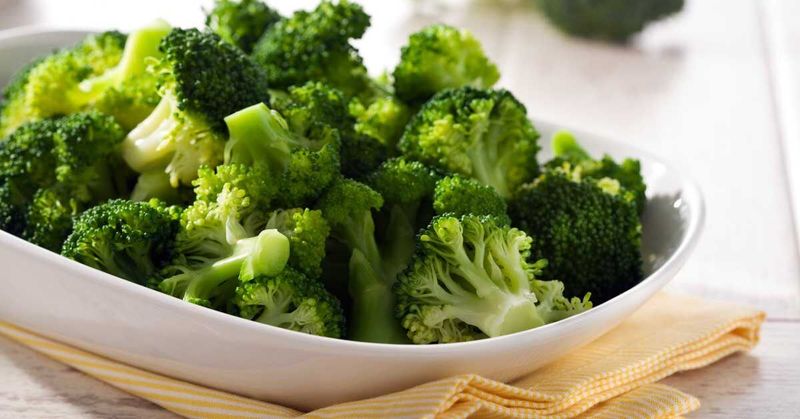
Broccoli brings a lot more to the table than just its bright green color. It is rich in sulforaphane, a compound that has been studied for its ability to protect blood vessels from damage caused by inflammation.
It also packs a solid amount of fiber, which helps lower LDL cholesterol – the kind often called bad cholesterol. Steam it lightly to keep the most nutrients intact and pair it with a squeeze of lemon for extra flavor.
4. Beets
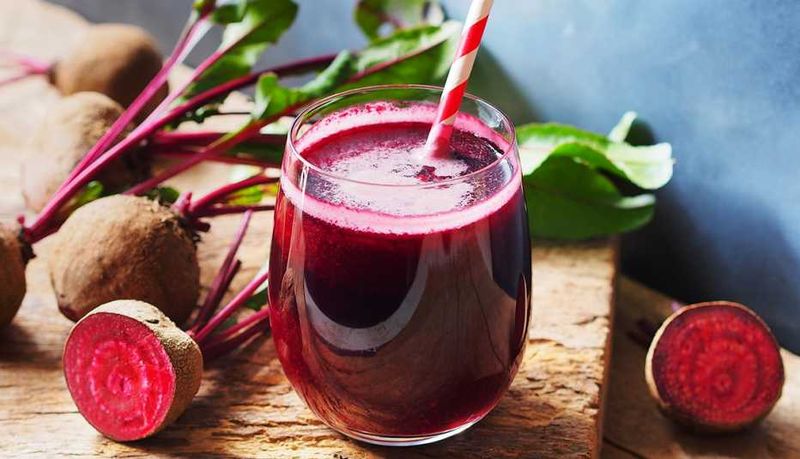
Bright red and earthy, beets contain natural nitrates that the body converts into nitric oxide. That compound helps relax and widen blood vessels, making it easier for your heart to pump blood efficiently.
Studies have shown that drinking beet juice can noticeably lower blood pressure within hours. Roast them for a sweet side dish or blend them into a smoothie.
Either way, your cardiovascular system gets a solid, natural boost.
5. Garlic
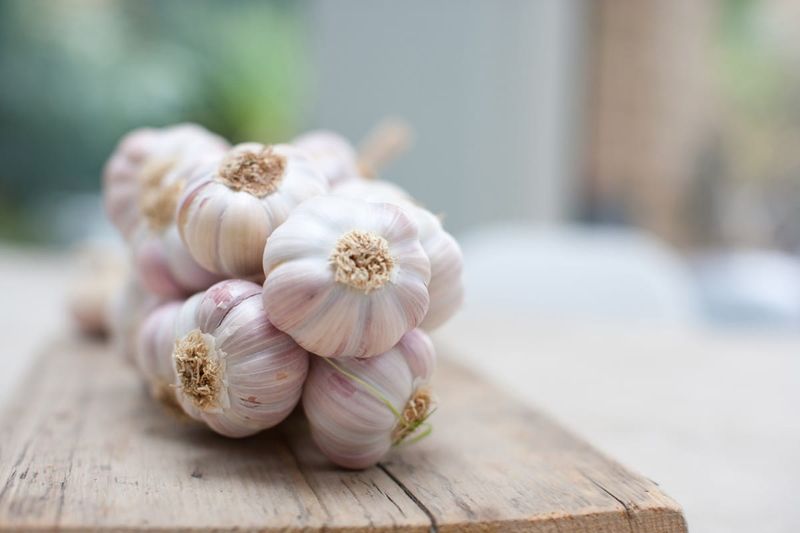
Few vegetables pack the punch that garlic does in such a small package. Allicin, the active compound released when garlic is chopped or crushed, has been shown to help lower blood pressure and reduce LDL cholesterol levels.
Regular garlic consumption has also been linked to reduced arterial stiffness. Toss minced garlic into stir-fries, pasta sauces, or roasted vegetables.
Just a clove or two daily can make a meaningful difference for heart health over time.
6. Sweet Potatoes
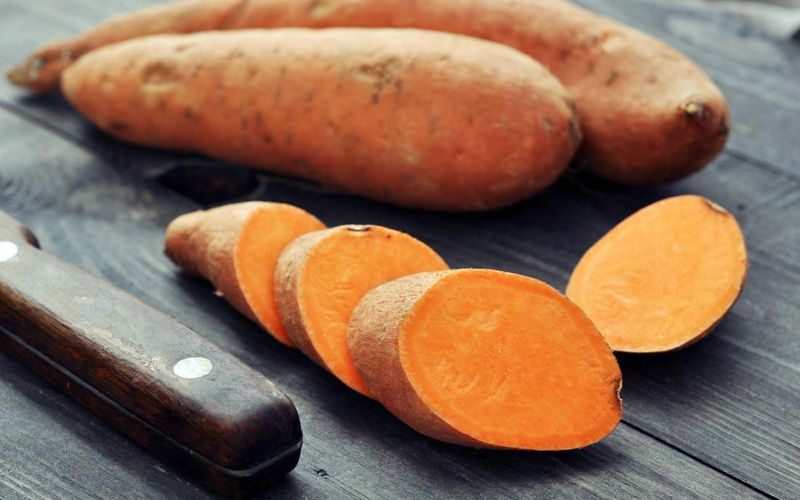
Sweet potatoes are more than just a tasty side dish at holiday dinners. They are rich in potassium and magnesium, two minerals that play a major role in regulating blood pressure and keeping your heart rhythm steady.
Their natural orange color comes from beta-carotene, an antioxidant linked to lower risk of heart disease. Baking or steaming sweet potatoes preserves the most nutrients, and they are naturally sweet enough to enjoy without heavy toppings.
7. Tomatoes
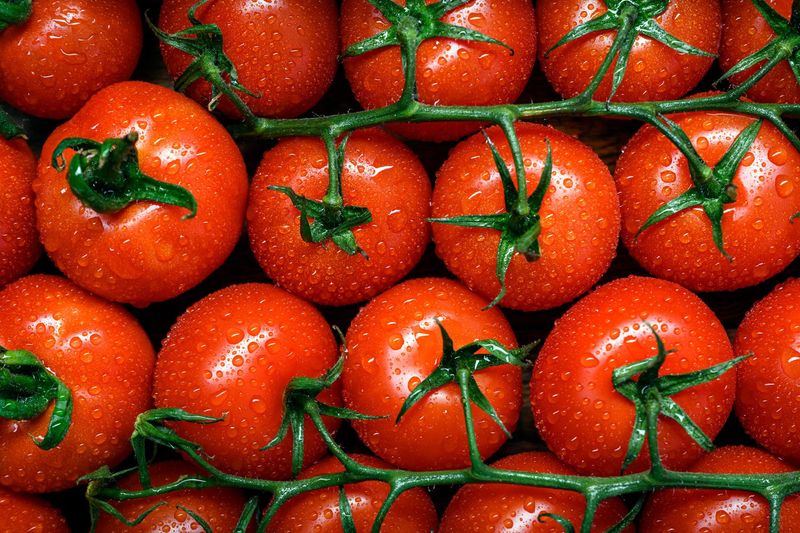
Technically a fruit but commonly treated as a vegetable, tomatoes are a heart-health staple worth highlighting. They are an excellent source of lycopene, a powerful antioxidant that has been associated with lower rates of heart disease and stroke.
Cooking tomatoes actually increases lycopene availability, making tomato sauce and roasted tomatoes especially beneficial. They also provide potassium and vitamin C, both of which support healthy blood pressure and blood vessel function.
8. Asparagus
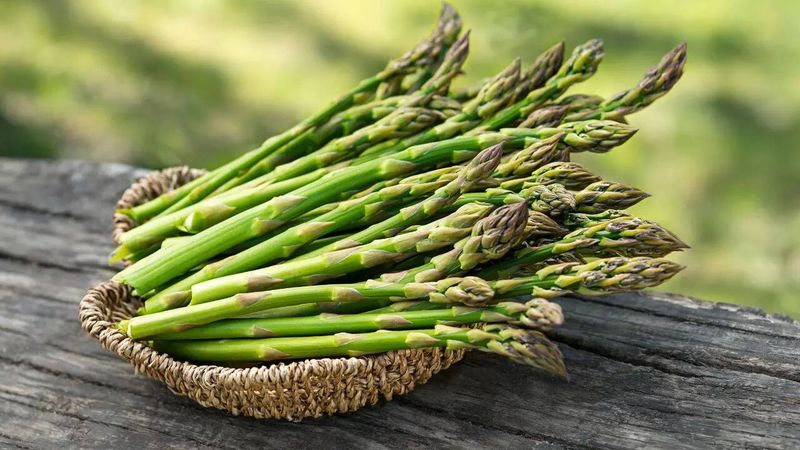
Asparagus has a long history as both a culinary delicacy and a health food, and your heart benefits from both. It is high in folate, which helps break down homocysteine, an amino acid that can damage blood vessels when levels get too high.
Asparagus also contains rutin, a compound that strengthens blood vessel walls. Roast it with olive oil and a pinch of sea salt for a simple, elegant side that genuinely supports cardiovascular wellness.
9. Avocado
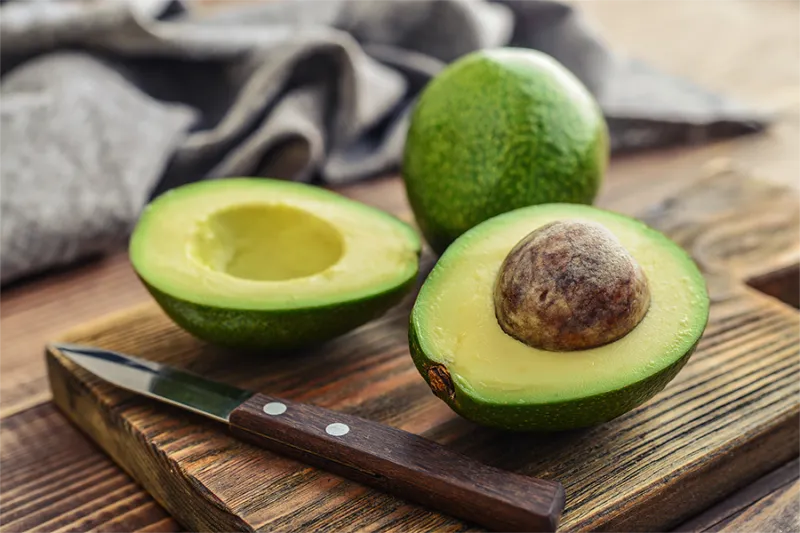
Creamy, rich, and surprisingly heart-friendly, avocados are packed with monounsaturated fats – the kind that help raise HDL cholesterol (the good kind) while lowering LDL. That balance is exactly what cardiologists look for in a heart-supportive diet.
Avocados also provide potassium and fiber, both of which contribute to healthy blood pressure. Spread them on whole grain toast, blend into dressings, or enjoy plain with a pinch of salt and lemon juice.
10. Edamame
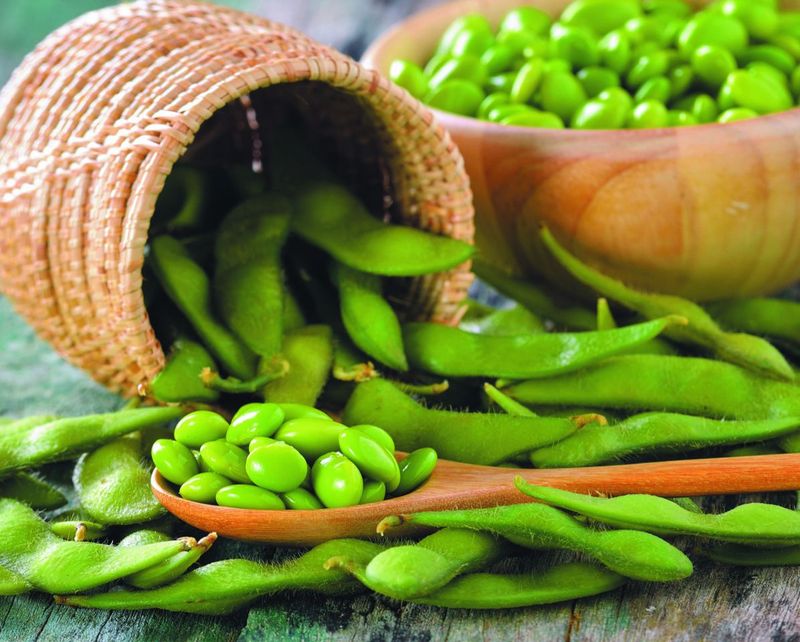
Edamame, or young soybeans, might seem like a simple snack, but they carry serious heart-health credentials. They are rich in isoflavones, plant compounds that have been shown to help lower total cholesterol and reduce inflammation in blood vessels.
One cup of edamame provides about 8 grams of fiber and 17 grams of protein. That combination helps you feel full while keeping blood sugar steady – another factor that matters for long-term heart health.
11. Carrots
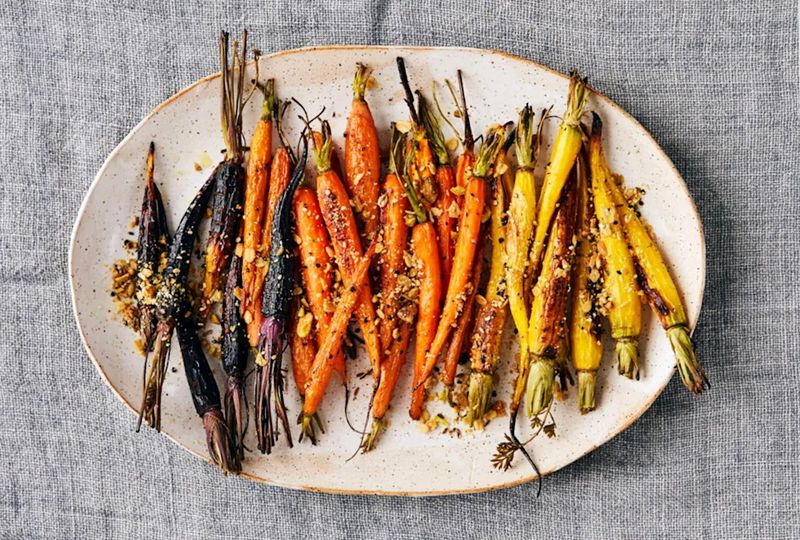
Crunchy, colorful, and easy to grab on the go, carrots are a reliable heart-friendly choice. They are high in beta-carotene and other carotenoids, antioxidants that help prevent the oxidation of LDL cholesterol – a process that contributes to artery blockages.
Carrots are also a good source of soluble fiber, which binds to cholesterol in the digestive system and helps remove it from the body. Raw or roasted, they are one of the most accessible heart-support vegetables available.
12. Brussels Sprouts
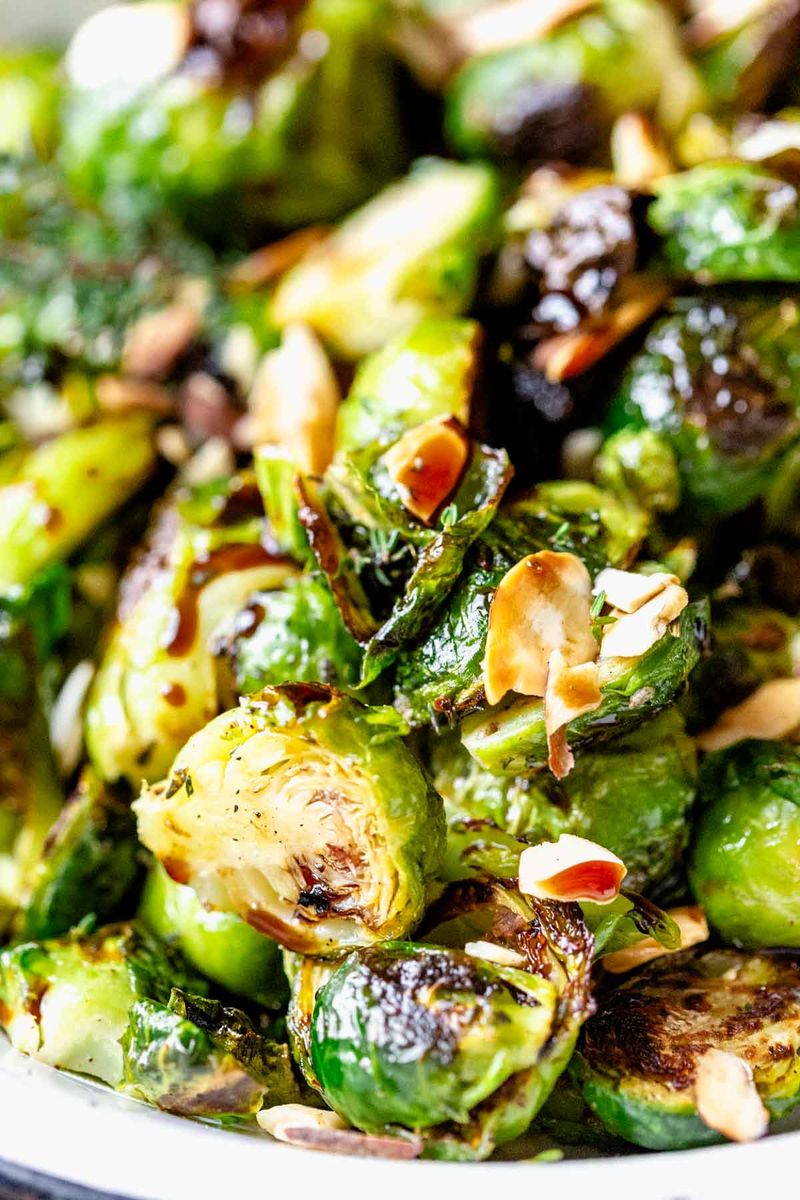
Brussels sprouts tend to get a bad reputation, but roasted correctly, they are absolutely delicious – and remarkably good for your heart. They contain glucosinolates, sulfur compounds that help reduce inflammation and support healthy blood vessel function.
They are also high in vitamin C and fiber. Fiber helps lower cholesterol, while vitamin C acts as an antioxidant that protects artery walls.
Try roasting them with a drizzle of balsamic vinegar to bring out their natural sweetness.
13. Onions
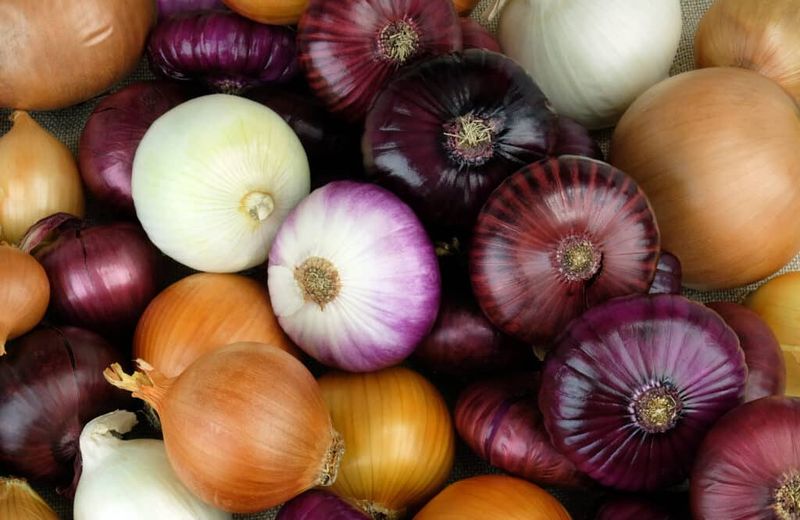
Onions share a family with garlic, and they bring similar heart benefits to your kitchen. They are loaded with quercetin, a flavonoid antioxidant that has been studied for its ability to lower blood pressure and reduce arterial inflammation.
Research suggests that people who eat onions regularly tend to have lower rates of cardiovascular disease. Whether raw in salads, caramelized over low heat, or stirred into soups, onions add flavor and genuine heart-protective value to almost any meal.
14. Cabbage
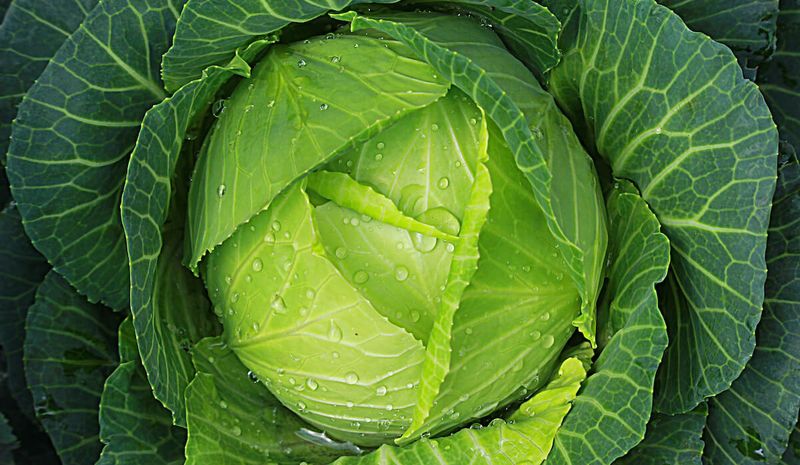
Cabbage is one of those humble, affordable vegetables that quietly delivers impressive health benefits. It contains anthocyanins, especially in purple varieties, which are antioxidants linked to reduced risk of heart disease and lower blood pressure readings.
High in fiber and low in calories, cabbage is also a smart choice for maintaining a healthy weight – another important piece of the heart-health puzzle. Fermented as sauerkraut, it adds probiotics that may further support cardiovascular function.
15. Bell Peppers

Bell peppers are among the most vitamin C-rich vegetables you can find, and that matters a lot for your heart. Vitamin C is a potent antioxidant that helps prevent oxidative damage to blood vessels, reducing the risk of plaque buildup over time.
Red bell peppers also contain lycopene, the same antioxidant found in tomatoes. Crunchy and naturally sweet, bell peppers are easy to enjoy raw with hummus, stir-fried with other vegetables, or stuffed and baked for a colorful, heart-supportive meal.
16. Cauliflower
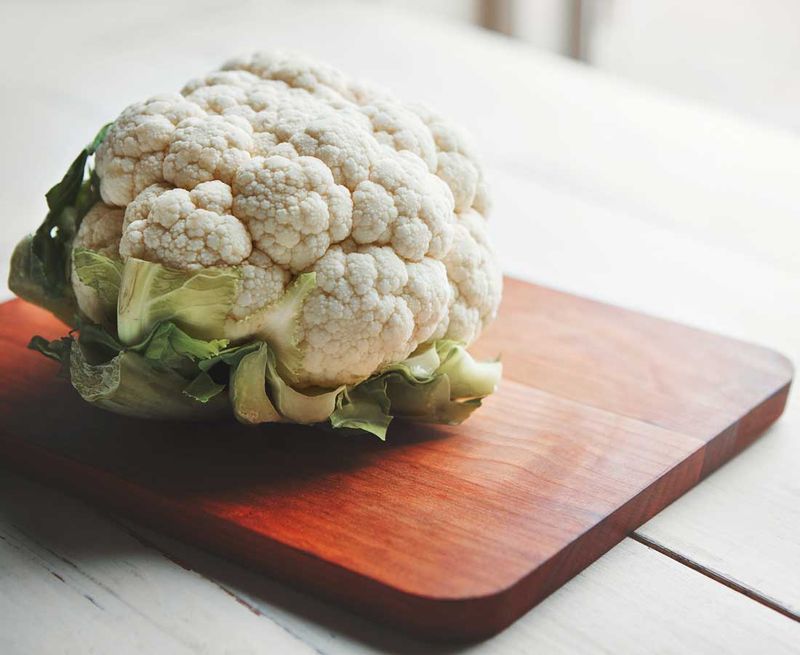
Cauliflower might look plain, but it is quietly one of the best vegetables for heart health. It is rich in choline, a nutrient that helps reduce inflammation and supports healthy cell membranes throughout the cardiovascular system.
It also contains sulforaphane, the same protective compound found in broccoli. Cauliflower is incredibly versatile – roast it, rice it, mash it, or blend it into soups.
Any preparation keeps the heart-friendly nutrients intact while keeping meals interesting and satisfying.