
Italian biscuits have quietly found a permanent spot in British hearts, and it is not hard to see why. From crispy almond treats to soft, crumbly classics, these biscuits bring a little taste of Italy to everyday life.
Britons are reaching for them at coffee time, after dinner, and everything in between. Here are 15 Italian biscuits that keep people coming back for more.
1. Cantucci
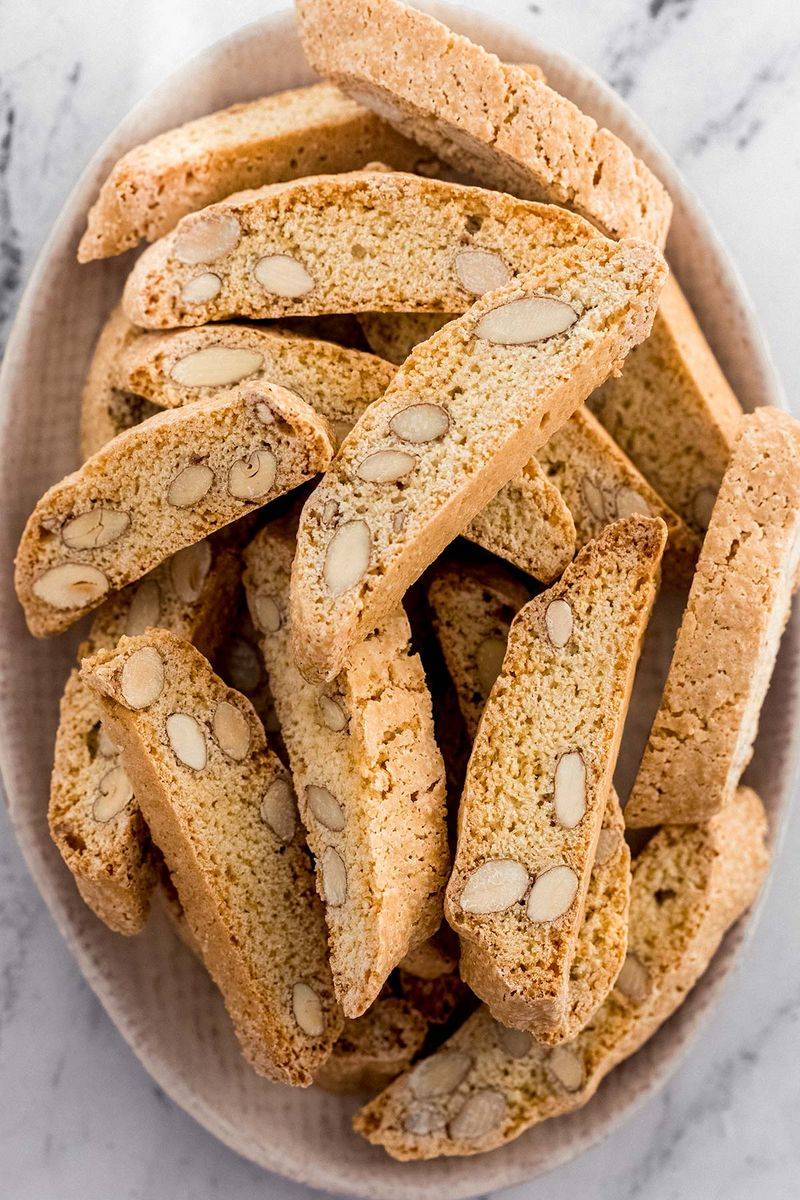
Hard, crunchy, and packed with whole almonds, cantucci are the original Italian dunking biscuit. Tuscans have been baking them for centuries, and the tradition of dipping them into sweet wine has travelled far beyond Italy’s borders.
Britons love them with coffee just as much as with dessert wine. Their twice-baked texture means they stay crisp for weeks, making them a brilliant treat to keep in the cupboard.
Once you start, stopping is genuinely difficult.
2. Amaretti
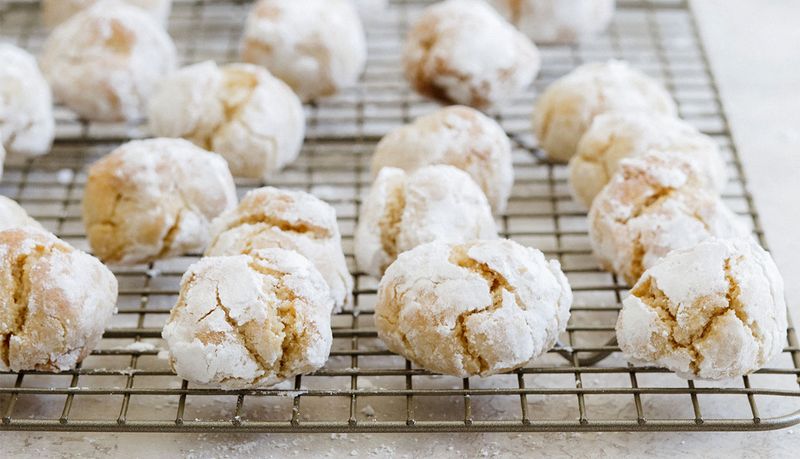
Wrapped in colourful tissue paper and crinkled at the ends, amaretti are as charming to look at as they are to eat. Made from almonds, egg whites, and sugar, they have a satisfying snap followed by a chewy centre.
The bitter almond flavour is what sets them apart from ordinary sweet biscuits. Some people crush them over desserts or fold them into ice cream.
Most Britons, though, simply eat them straight from the bag without any guilt whatsoever.
3. Savoiardi (Ladyfingers)
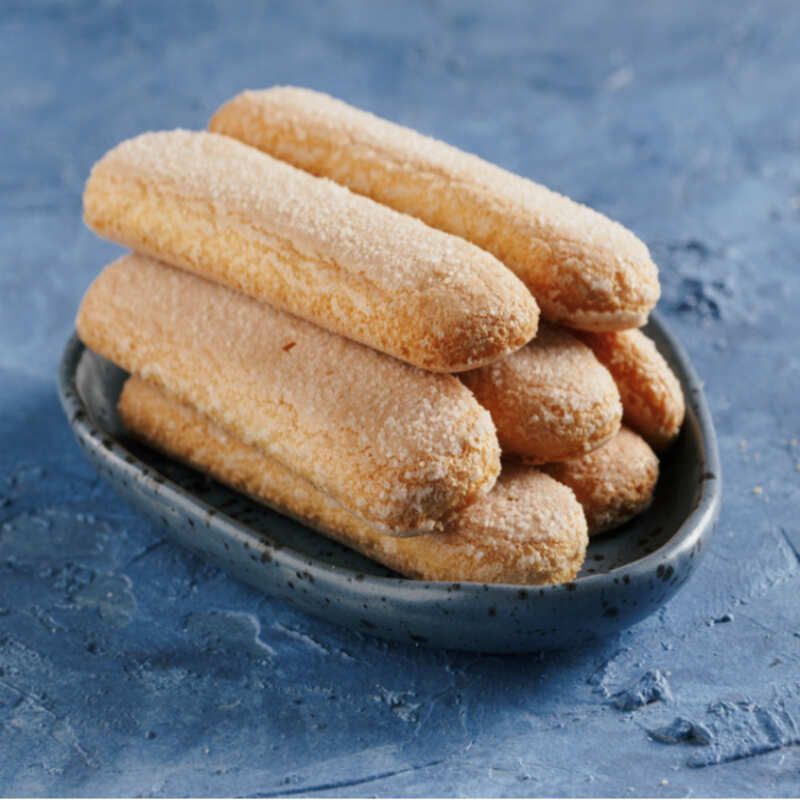
Savoiardi look almost too delicate to be useful, but these airy, finger-shaped sponge biscuits are incredibly versatile. Most people know them from tiramisu, where they soak up espresso and mascarpone beautifully.
Back in the 15th century, they were baked for the Duke of Savoy, which is how they got their royal-sounding name. Britons buy them by the boxful, often using them in homemade desserts.
They also taste surprisingly good eaten plain with a hot drink.
4. Ricciarelli
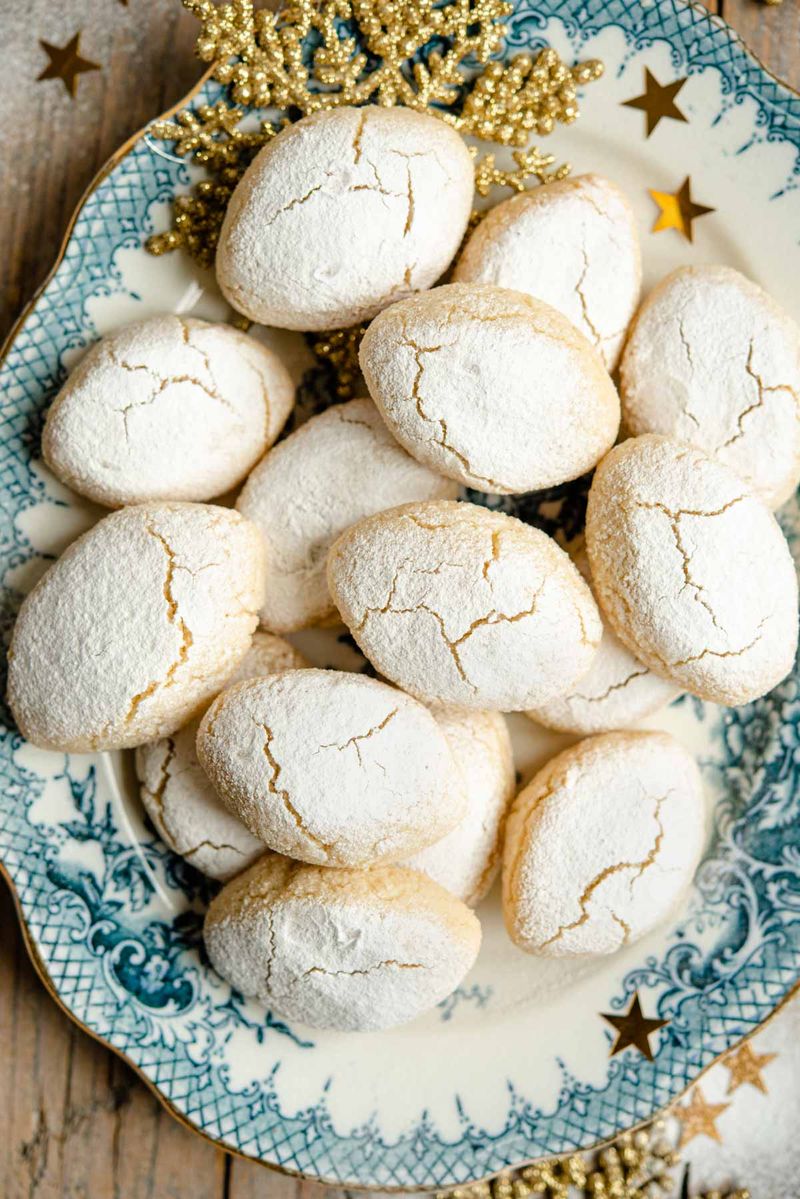
Soft, chewy, and generously coated in icing sugar, ricciarelli come from Siena and have been a Christmas favourite for hundreds of years. They look almost like little white pillows, which makes them hard to resist on a biscuit plate.
Almond paste gives them a rich, marzipan-like flavour that feels genuinely indulgent. Britons who enjoy softer biscuits often prefer them to cantucci.
They pair wonderfully with tea, which makes them a natural fit for British biscuit culture.
5. Brutti ma Buoni
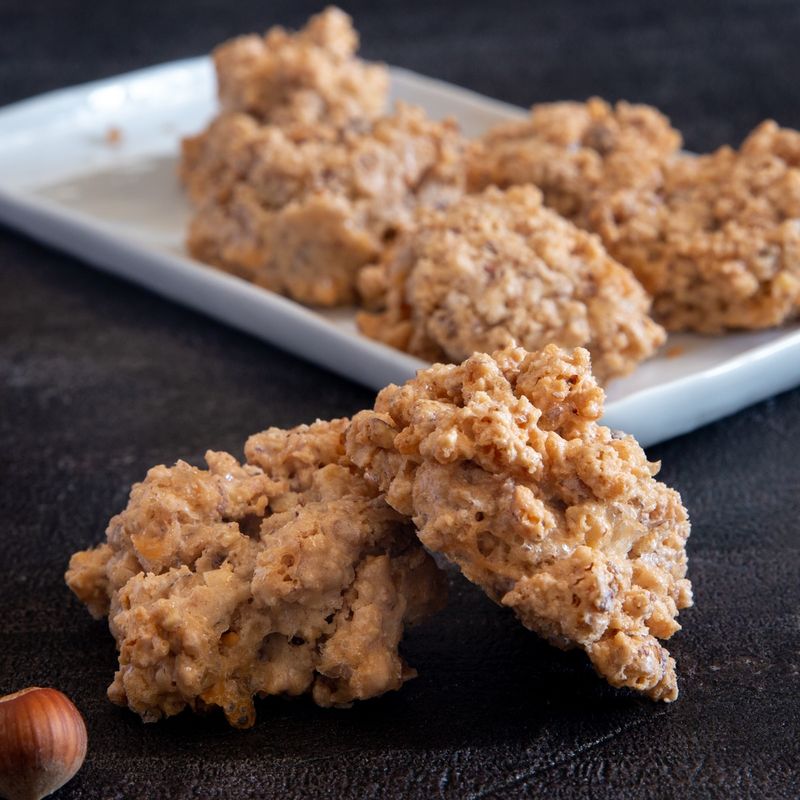
The name literally means “ugly but good,” and that sums them up perfectly. Brutti ma buoni are lumpy, misshapen little biscuits made with hazelnuts or almonds, and they taste far better than they look.
Originating in northern Italy, they have a satisfying crunch with a slightly chewy middle that keeps you reaching for another one. Britons who discover them often say they become an instant favourite.
Honest, unfussy, and absolutely delicious, these biscuits prove that looks are not everything.
6. Pizzelle
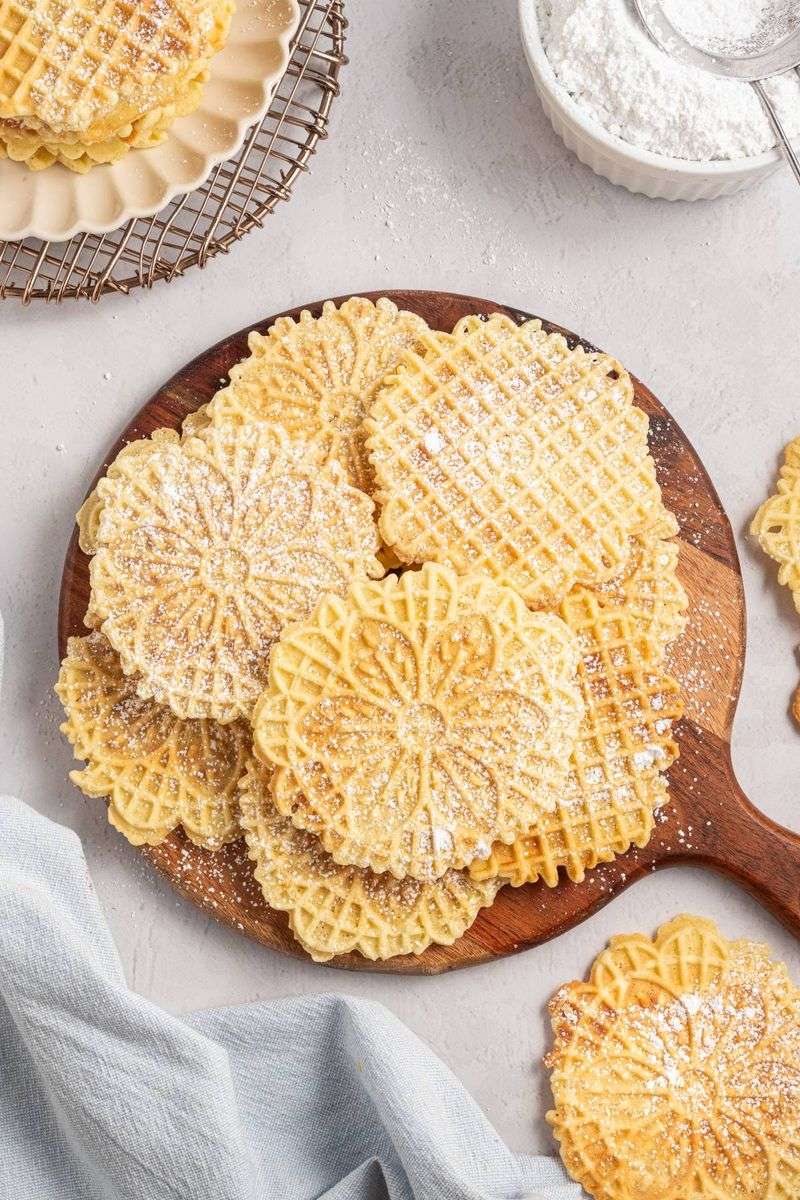
Pressed between a decorative iron, pizzelle come out thin as paper with beautiful patterns stamped right into them. They are one of the oldest baked biscuits in Italy, with roots going back to ancient Roman times.
Flavoured with anise, vanilla, or lemon, they have a light, wafer-like crunch that feels almost fragile. Britons often serve them alongside ice cream or coffee.
Some people roll them into cones while still warm, which makes for an impressive homemade dessert presentation.
7. Canestrelli
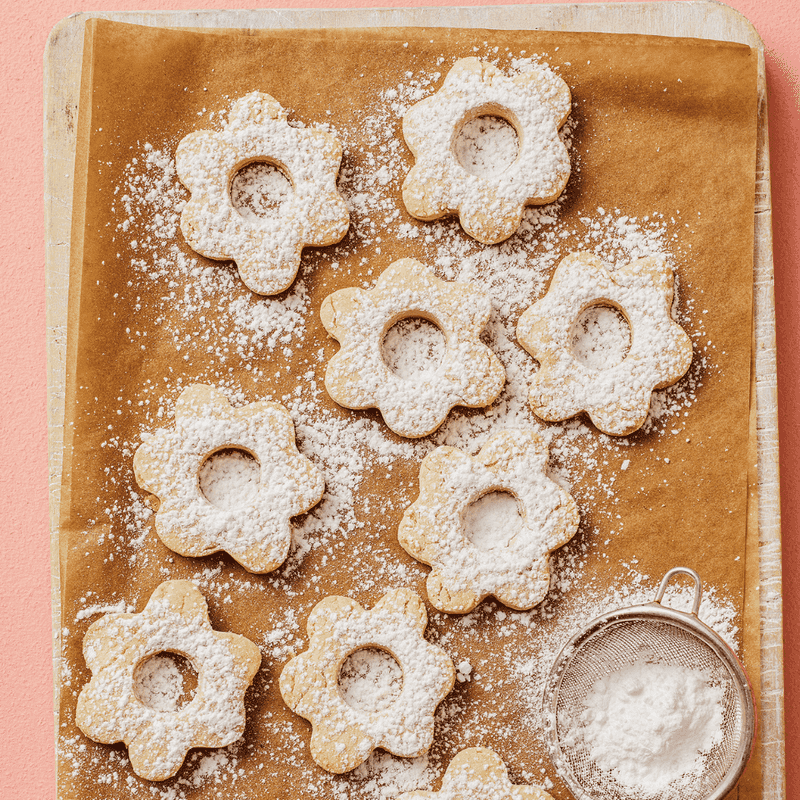
Flower-shaped and dusted with icing sugar, canestrelli are the kind of biscuit that looks almost too pretty to eat. They come from Liguria and have a buttery shortbread texture that practically melts on your tongue.
A hint of lemon zest gives them a fresh, bright flavour that stops them from being too rich. Britons who enjoy shortbread tend to fall for canestrelli immediately, recognising the familiar texture with an exciting Italian twist.
They are perfect alongside afternoon tea.
8. Baci di Dama
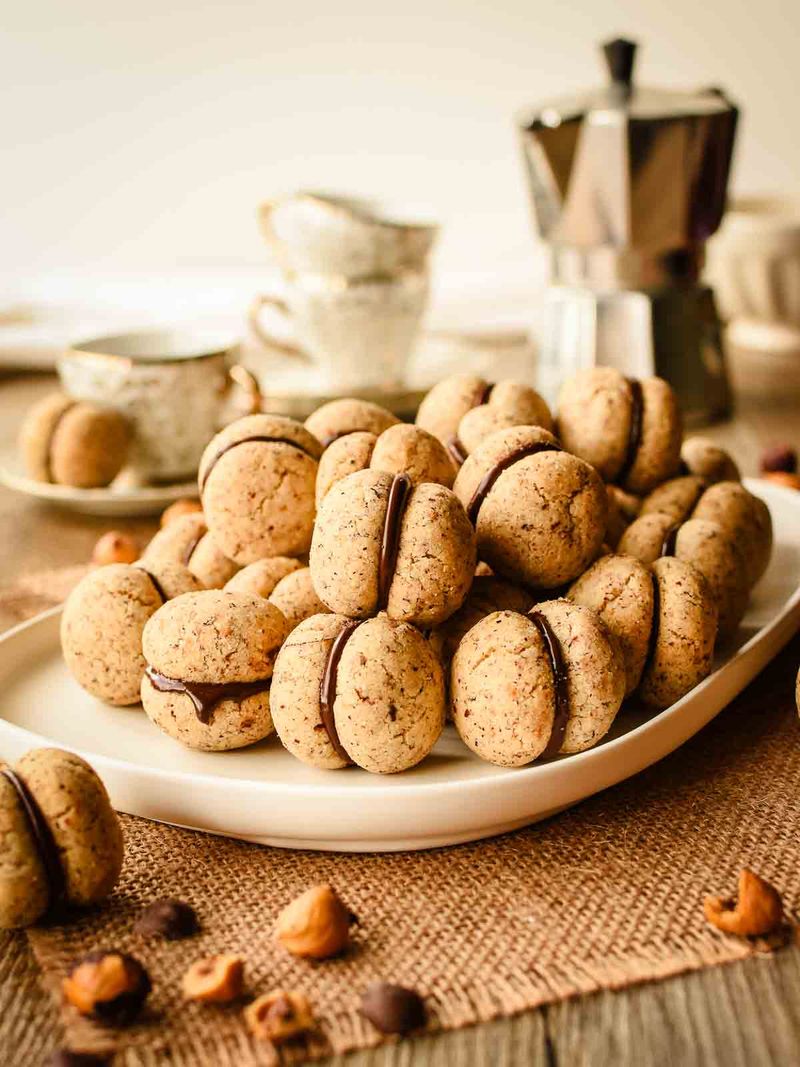
Two tiny hazelnut shortbread rounds held together by a dot of dark chocolate, baci di dama translates to “lady’s kisses.” They are dainty, delicate, and dangerously easy to eat by the handful.
Originally from Tortona in Piedmont, they became popular across Italy and then quietly won over British biscuit lovers too. The combination of nutty shortbread and rich chocolate is hard to argue with.
They work beautifully as a gift, though most people finish the box before wrapping it.
9. Frollini
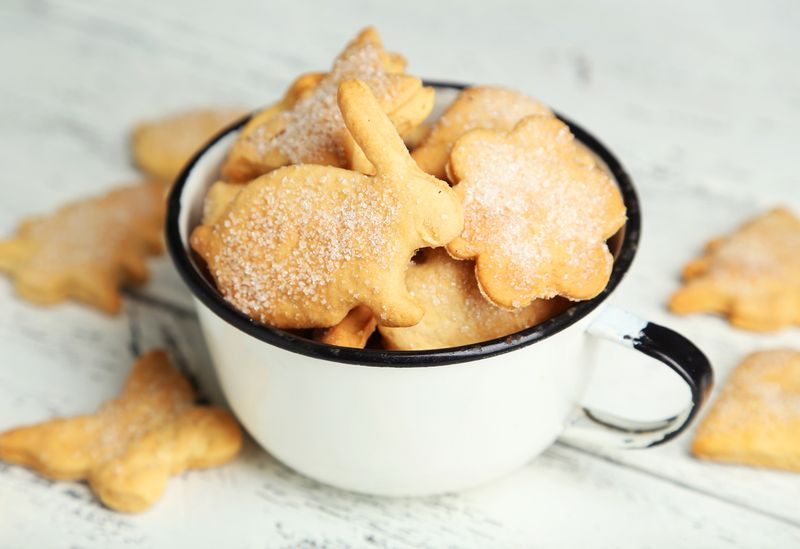
Simple, buttery, and reliably delicious, frollini are Italy’s answer to the classic shortbread biscuit. They come in all sorts of shapes and flavours, from plain rounds to lemon-scented stars, making them endlessly adaptable.
Italian families often make them at home for everyday snacking, but the shop-bought versions are just as satisfying. Britons appreciate their no-fuss appeal, especially when paired with a strong cup of tea.
They are the kind of biscuit you reach for without thinking and then find the packet empty.
10. Ossi di Morto
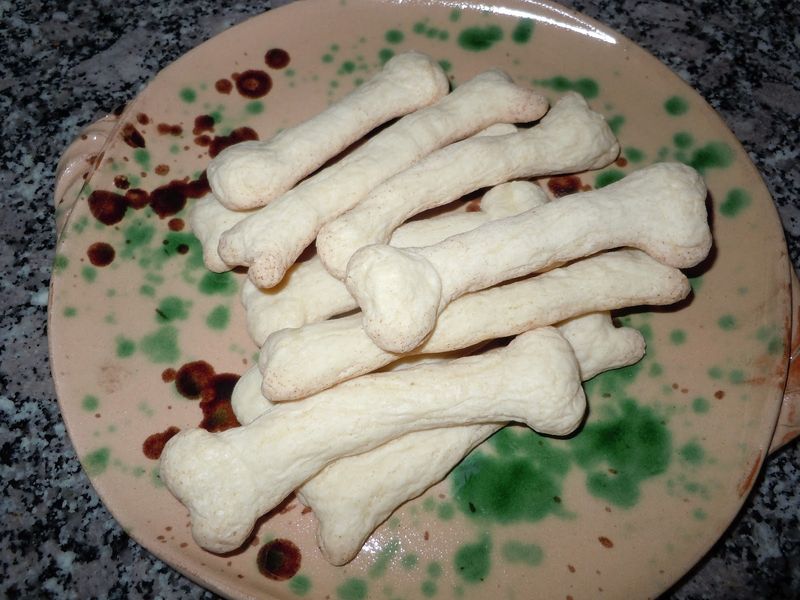
With a name that means “dead men’s bones,” these biscuits sound alarming but taste wonderful. Traditionally eaten around All Saints’ Day in early November, they are hard, pale, and shaped like little bones.
Made with egg whites, sugar, and almonds, they have a crisp snap and a subtly sweet flavour. Britons with a taste for the unusual enjoy both the story and the biscuit itself.
Finding them outside specialist Italian delis makes the discovery feel like a real treat.
11. Mostaccioli
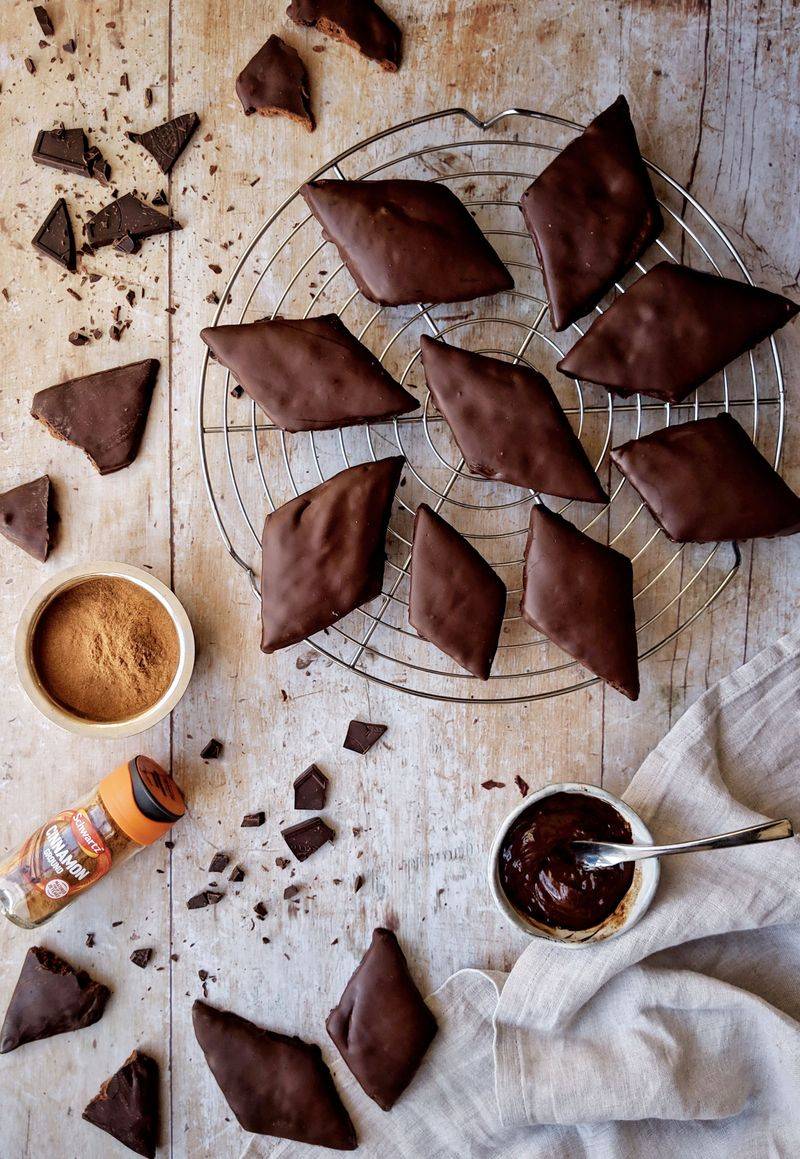
Rich with spices like cinnamon, cloves, and pepper, mostaccioli are the kind of biscuit that fills a room with an incredible scent while baking. They are often dipped in dark chocolate, which turns them into something seriously special.
These festive biscuits are popular across southern Italy, especially around Christmas. Britons who enjoy gingerbread and spiced biscuits tend to love mostaccioli for similar reasons.
The spice blend feels warming and festive, making them a brilliant seasonal discovery for anyone who stumbles upon them.
12. Lingue di Gatto
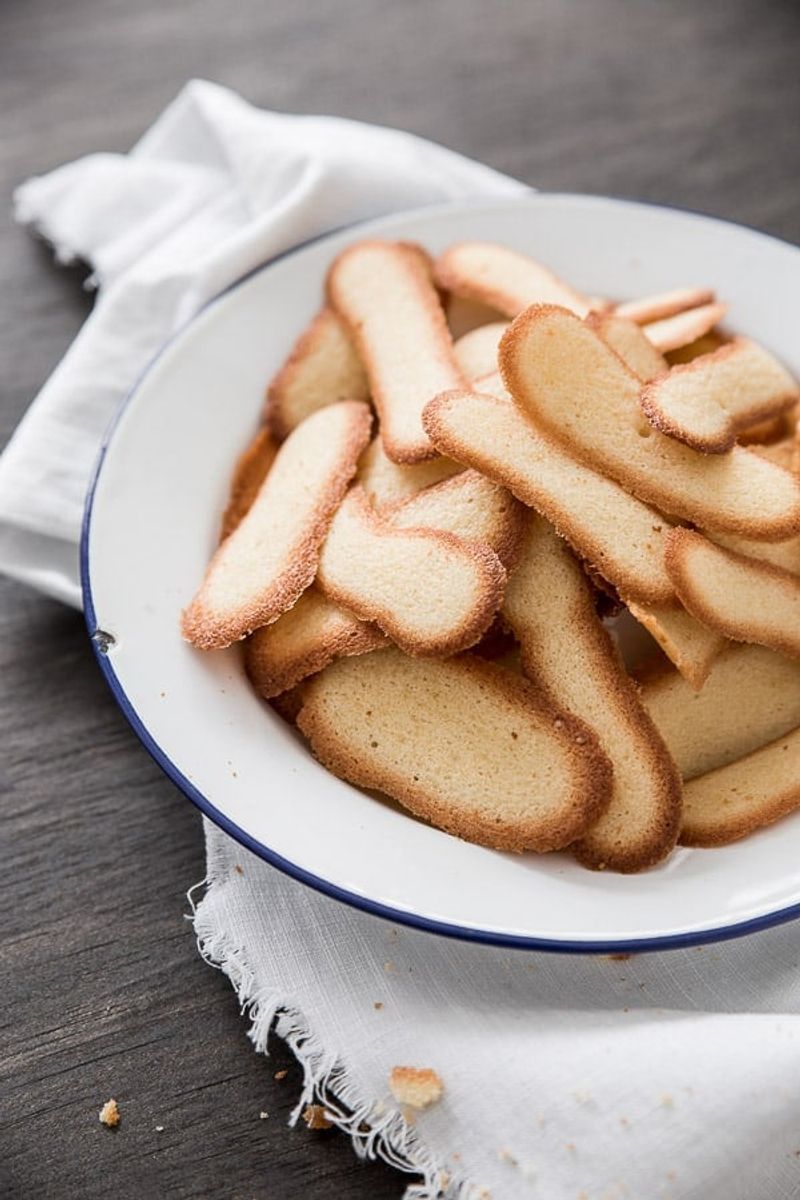
Slender, pale, and barely sweet, lingue di gatto are named after cats’ tongues because of their long, narrow shape. They are a classic Italian biscuit that pairs effortlessly with ice cream, mousse, or a glass of dessert wine.
Their light, crisp texture comes from a simple batter of butter, egg whites, flour, and sugar. Britons often use them as a sophisticated alternative to plain wafers.
Once spotted on a restaurant dessert plate, they tend to inspire a shopping trip to find them at home.
13. Paste di Meliga
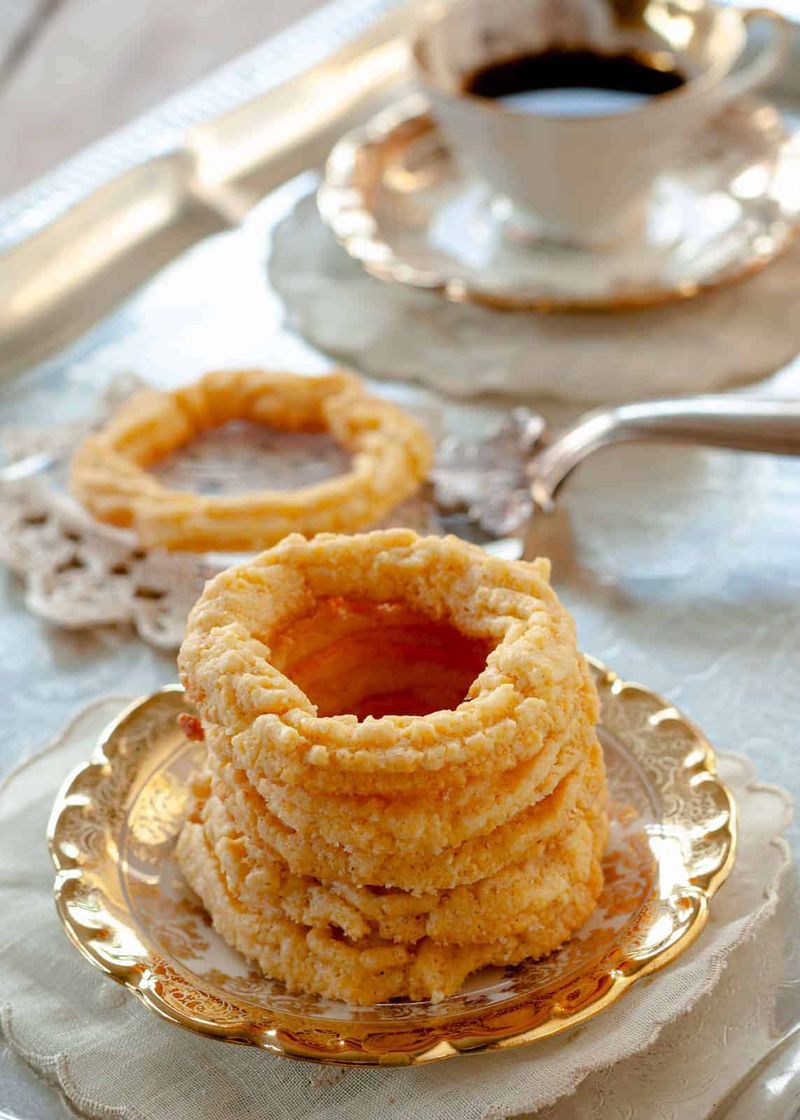
Made with cornmeal, butter, and a little honey, paste di meliga have a golden colour and a slightly grainy texture that sets them apart from regular shortbread. They come from Piedmont in northern Italy and have a warm, earthy sweetness.
The cornmeal gives them a satisfying crumble that feels rustic and homemade even when bought from a shop. Britons who enjoy polenta in savoury cooking often find the flavour immediately familiar.
They are brilliant with coffee and hold up well to dunking.
14. Zaletti
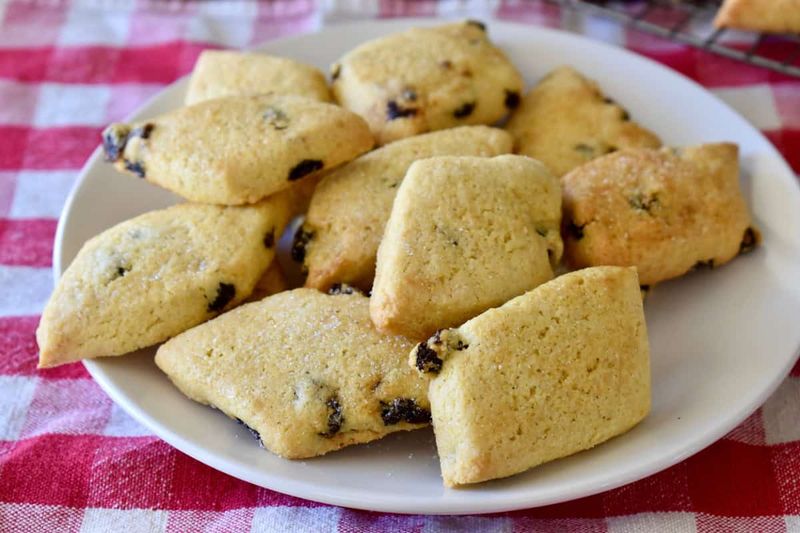
Studded with plump raisins and made with polenta flour, zaletti are a Venetian biscuit with real character. Their bright yellow colour comes from the cornmeal, and their texture is somewhere between crumbly and chewy depending on how they are baked.
Venetians traditionally enjoy them with a small glass of wine, which feels wonderfully civilised. Britons who try zaletti for the first time often compare them favourably to Welsh cakes or fruited shortbread.
They are unpretentious, flavourful, and genuinely hard to put down.
15. Tozzetti
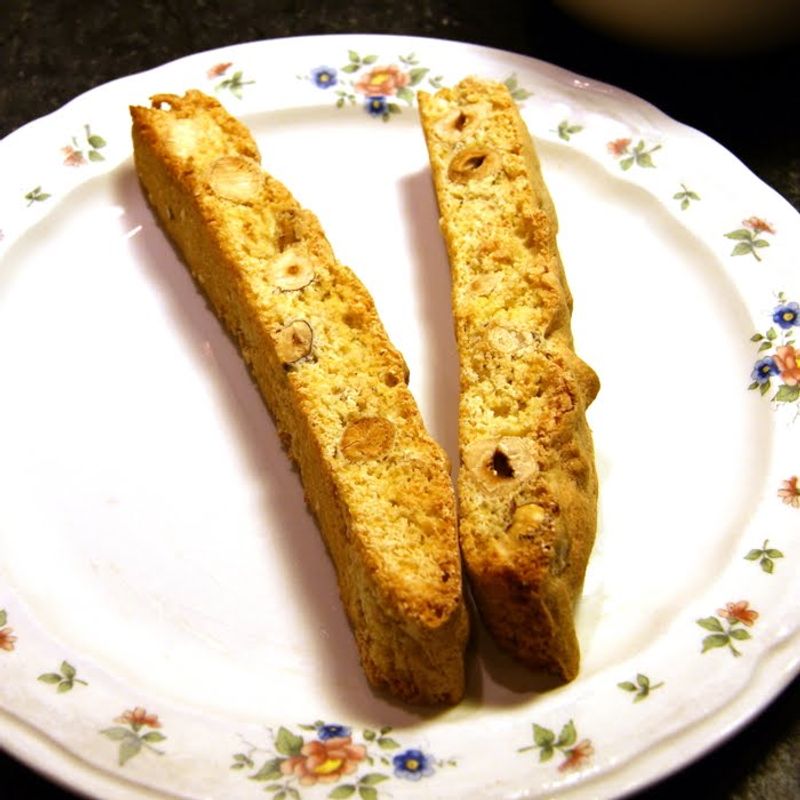
Tozzetti are the Roman cousin of Tuscan cantucci, twice-baked and packed with hazelnuts rather than almonds. They are crunchier and slightly richer, with a toasty nut flavour that comes through in every bite.
Romans dip them into sweet wine called Cannellino di Frascati, but they work just as well with a strong espresso or even a builder’s tea. Britons who already love cantucci often find tozzetti an exciting step sideways.
Same satisfying crunch, completely different personality, and equally impossible to eat just one.