
Winning an Oscar used to feel like a stamp of greatness that would last forever. But looking back at some of Hollywood’s most celebrated films, it’s clear that not every Best Picture winner has stood the test of time.
Some are now remembered more for their offensive stereotypes, problematic storylines, or the real-life scandals of their creators. Here are 17 Oscar-winning movies that critics and audiences now view very differently.
1. Gone With the Wind (1940)
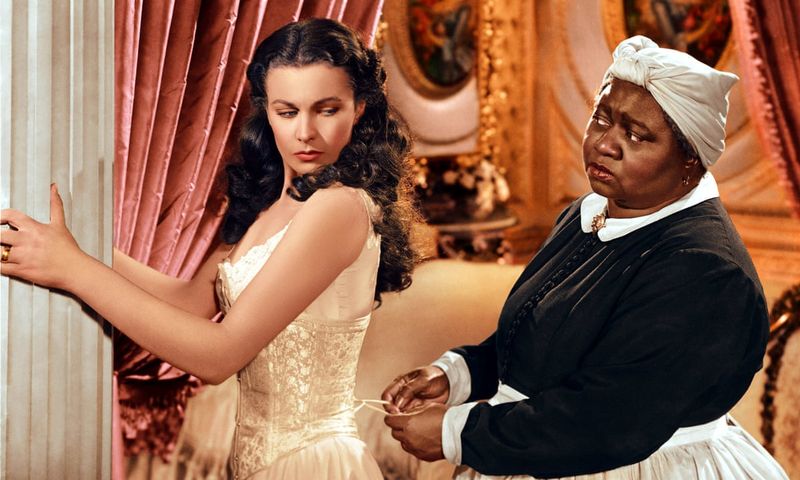
Few films have fallen from grace quite as dramatically as this one. Winning 10 Academy Awards including Best Picture, Gone With the Wind was once called the greatest movie ever made.
Today, it is widely criticized for romanticizing slavery and the Confederate South.
The film presents enslaved people as happy and loyal, which historians and critics call deeply dishonest. Protests against its racist content actually began at its very first release in 1939, long before modern audiences started speaking up.
2. Breakfast at Tiffany’s (1961)
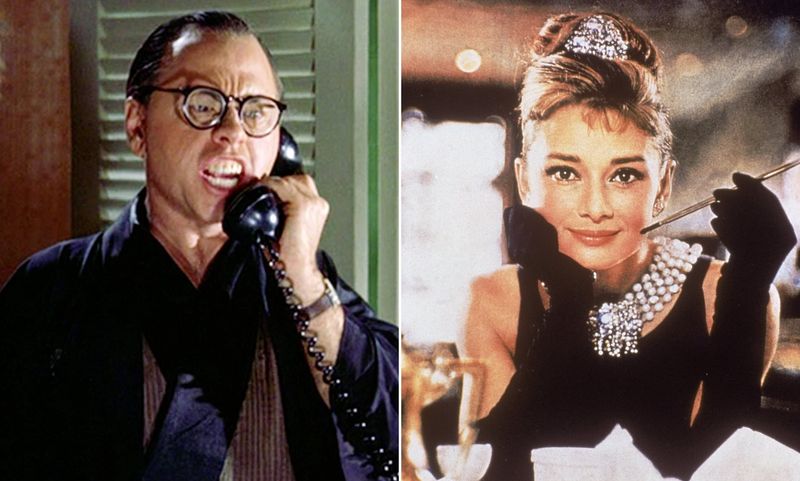
Audrey Hepburn’s iconic little black dress and pearl necklace made this film a fashion legend. Two Oscar wins, including Best Original Song for “Moon River,” cemented its place in Hollywood history.
But one character completely ruins the charm for modern viewers.
Mickey Rooney’s portrayal of Japanese neighbor Mr. Yunioshi is a painful example of “yellowface” acting, using heavy makeup and an exaggerated accent for laughs. Rooney himself later admitted the role was a mistake he deeply regretted.
3. Swing Time (1936)
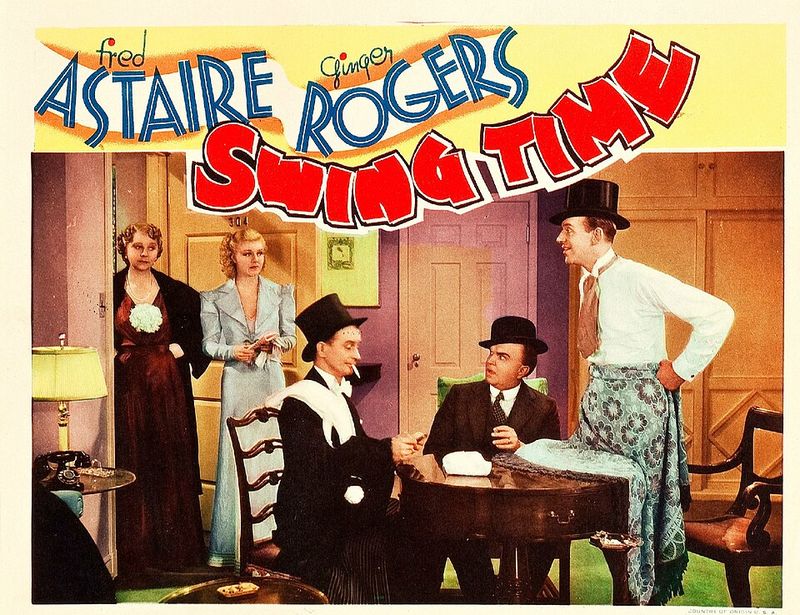
Fred Astaire and Ginger Rogers were the ultimate dance duo of old Hollywood, and Swing Time earned an Oscar for Best Original Song. Most of the film holds up beautifully as a charming, witty musical romance.
Then comes one number that stops everything cold.
The “Bojangles of Harlem” sequence features Astaire performing in blackface, a practice now recognized as deeply offensive. Even fans who adore the rest of the film admit this scene is nearly impossible to watch without serious discomfort.
4. Gigi (1958)
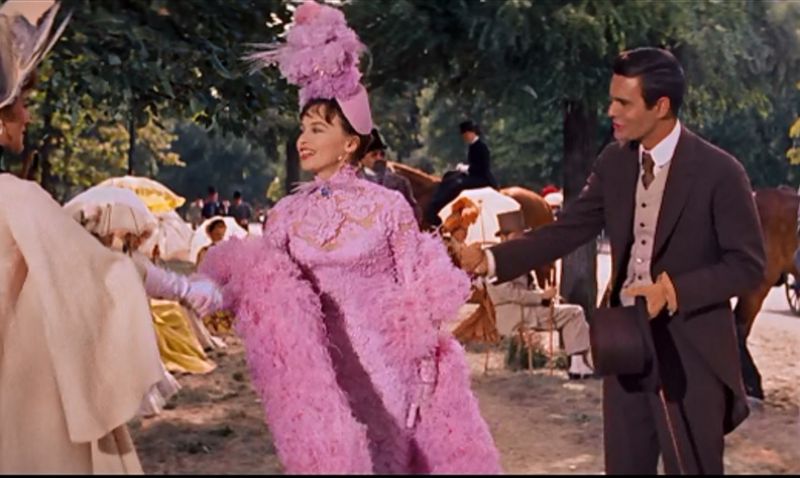
Back in 1959, Gigi swept the Oscars with nine wins including Best Picture, making it the most decorated film of its time. Audiences loved its lush Parisian settings and catchy songs.
Watching it today, though, many viewers find the central story genuinely unsettling.
The plot follows a young girl being groomed to become a courtesan, and the opening song “Thank Heaven for Little Girls” has aged about as badly as anything in Hollywood history. The film treats Gigi almost entirely as an object of male desire.
5. Mississippi Burning (1988)
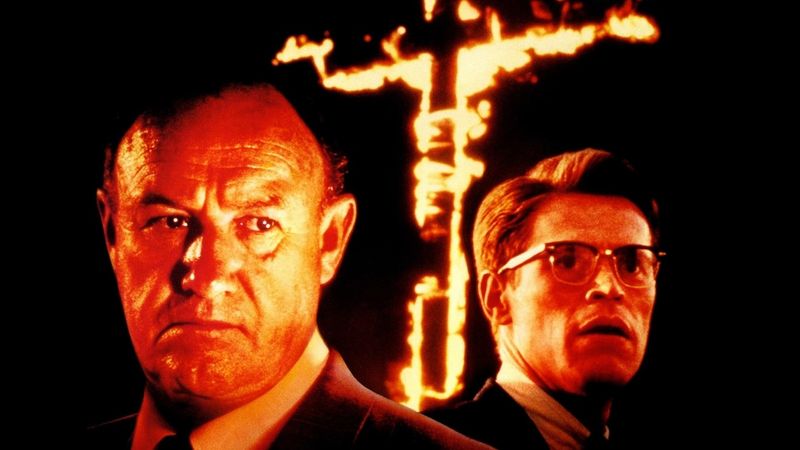
Based on the real murders of civil rights workers in 1964, Mississippi Burning won an Oscar for Best Cinematography and received wide praise for its gripping tension. Critics at the time called it brave and important.
Many Black viewers and historians called it something else entirely.
The film sidelines the actual civil rights activists and instead makes white FBI agents the heroes of the story. One writer famously described it as a “flaming dumpster of lies” for how completely it erased the Black community from its own history.
6. Driving Miss Daisy (1989)
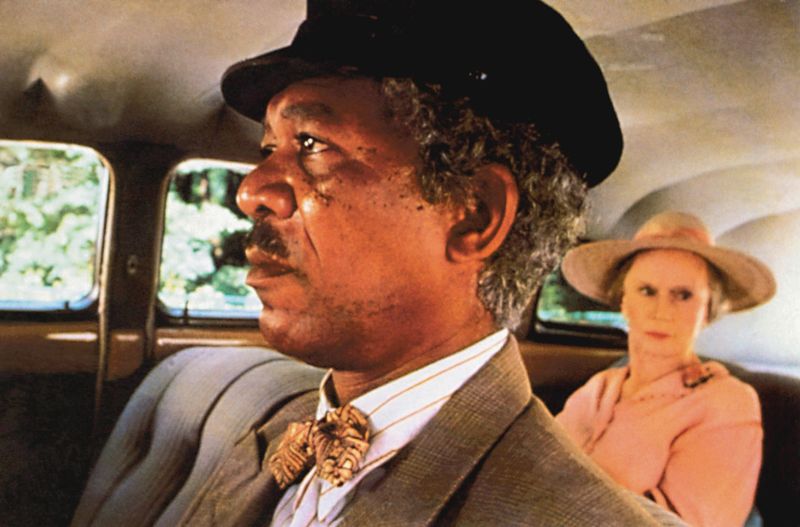
Winning four Oscars including Best Picture, Driving Miss Daisy felt like a warm, feel-good story about friendship crossing racial lines. Morgan Freeman and Jessica Tandy gave beautiful performances.
Over time, though, the film’s approach to race has drawn serious criticism.
Many critics argue it relies on the “Magical Negro” trope, centering the white woman’s journey while treating the Black character as a supporting device. Freeman himself has reportedly called his involvement in the film a mistake, which says quite a lot about how its legacy has shifted.
7. Dances with Wolves (1990)
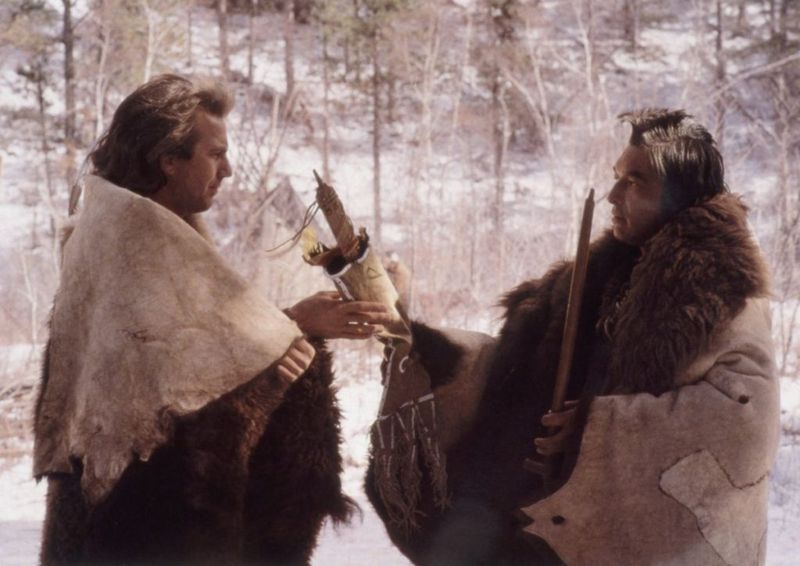
Kevin Costner’s sweeping epic about a Civil War soldier living among the Lakota Sioux felt genuinely groundbreaking when it won seven Oscars including Best Picture in 1991. Many praised it for showing Native American culture with more dignity than Hollywood usually managed.
But a key problem sits right at the center of the story.
Modern critics point out that a white man still becomes the hero who ultimately saves the Indigenous community, reinforcing the “white savior” narrative. The Lakota characters, despite being portrayed respectfully, remain secondary to the white protagonist’s personal journey.
8. The Silence of the Lambs (1991)
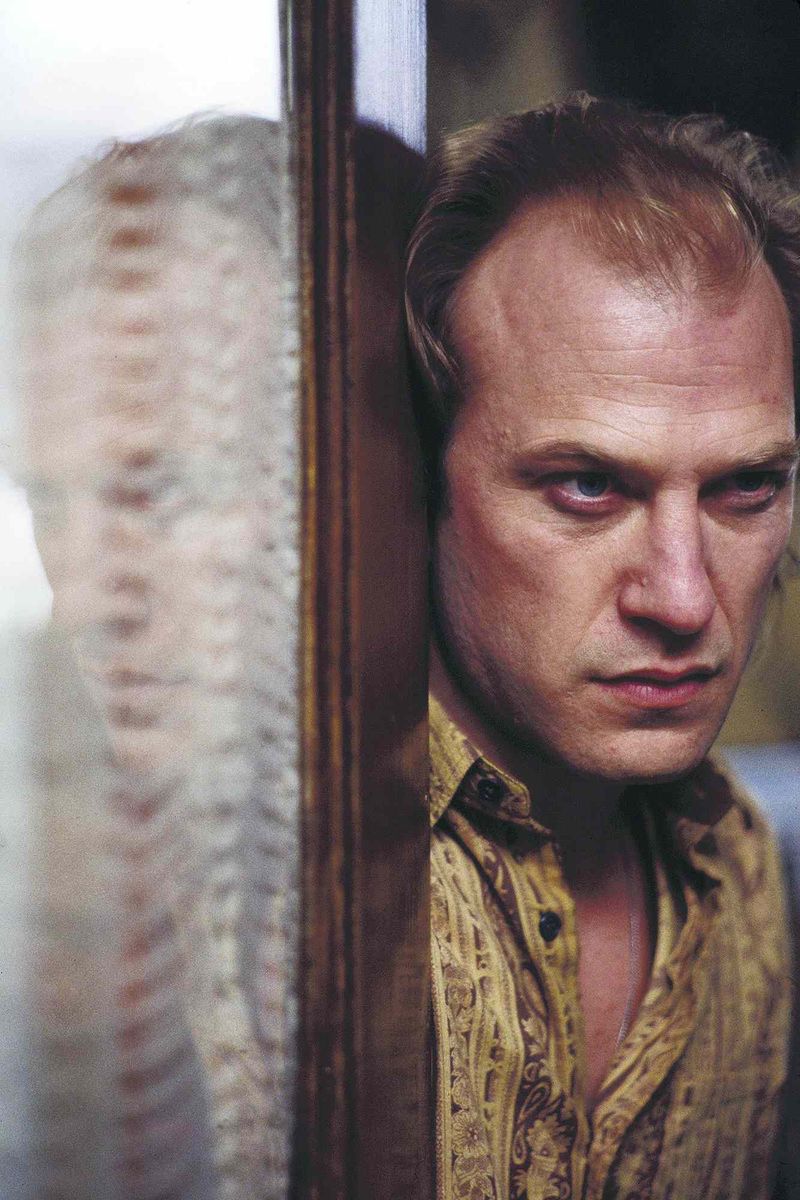
Clarice Starling tracking a serial killer with help from Hannibal Lecter remains one of the most gripping thrillers ever put on screen. Its five Oscar wins, including Best Picture, were well-earned by almost any measure of filmmaking craft.
One element, however, has become increasingly hard to defend.
The villain Buffalo Bill is a character whose identity as a cross-dresser is directly tied to his violence, a portrayal that LGBTQ+ advocates say misrepresents and stigmatizes transgender and gender-nonconforming people. For many viewers, this aspect now overshadows the film’s genuine brilliance.
9. Braveheart (1995)
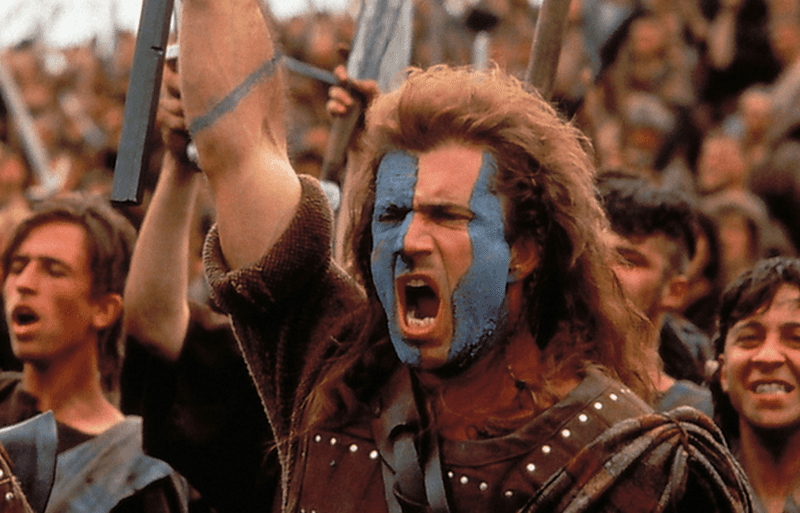
Mel Gibson’s blood-soaked Scottish epic won five Oscars including Best Picture and became one of the biggest films of the 1990s. Audiences worldwide pumped their fists at William Wallace’s battle cries.
Historians, meanwhile, were busy making a very long list of inaccuracies.
The kilts, the face paint, the timeline – almost none of it is accurate. Beyond the history problems, the film includes a mean-spirited, homophobic portrayal of Prince Edward II.
Gibson’s own well-documented history of offensive public behavior has also made revisiting the film increasingly uncomfortable for many viewers.
10. Forrest Gump (1994)

Forrest Gump charmed almost everyone when it won six Oscars including Best Picture in 1995. Tom Hanks delivered a performance full of warmth, and the film’s journey through American history felt magical.
Some viewers today find a different story hiding underneath the nostalgia.
Critics argue the film mocks counterculture protesters and presents a simplified, almost dismissive view of the Vietnam War. The character of Jenny is especially troubling to many, as her suffering and trauma seem to exist mainly to give Forrest emotional motivation rather than to tell her own story.
11. Annie Hall (1977)
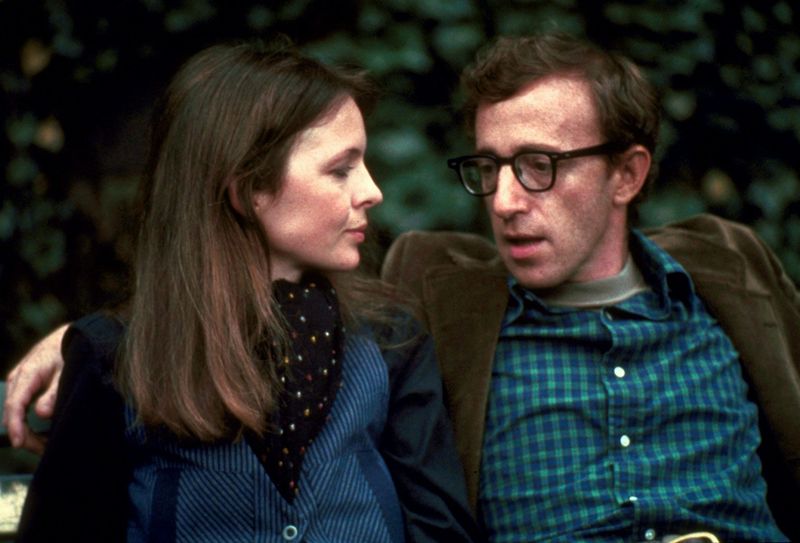
Woody Allen’s witty, neurotic romantic comedy is still studied in film schools as a masterpiece of structure and comedy writing. Winning four Oscars including Best Picture, it beat out Star Wars in one of the most surprising upsets in Academy history.
The film itself has not really changed. The conversation around it has changed enormously.
Sexual assault allegations against Allen, made by his adopted daughter Dylan Farrow, have led many viewers and critics to reconsider his entire filmography. Watching Annie Hall today means navigating those allegations alongside the jokes, which many people find genuinely impossible.
12. American Beauty (1999)
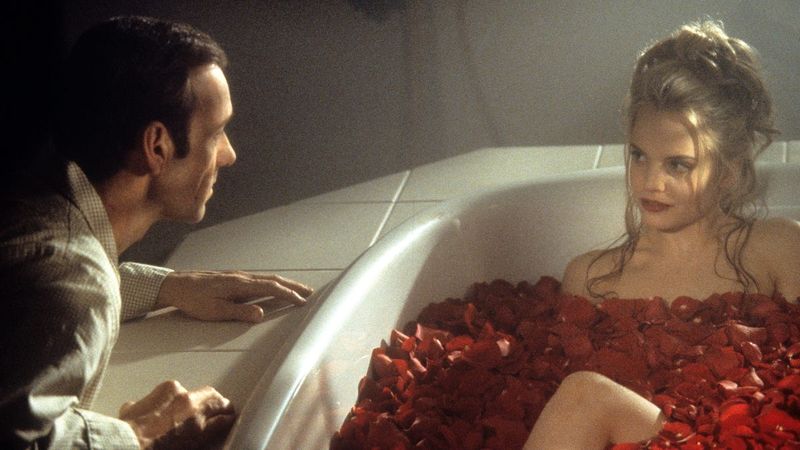
At the time of its release, American Beauty felt like a daring, provocative look beneath the surface of suburban life. Five Oscar wins including Best Picture made it the defining film of its era.
Rewatching it now is a genuinely uncomfortable experience for most people.
The central storyline involves a middle-aged man obsessing over his teenage daughter’s best friend, framed in a way that asks audiences to sympathize with him. Kevin Spacey’s later sexual misconduct allegations have made that dynamic even harder to sit with, turning a once-celebrated film into something many viewers simply cannot stomach.
13. The Pianist (2002)
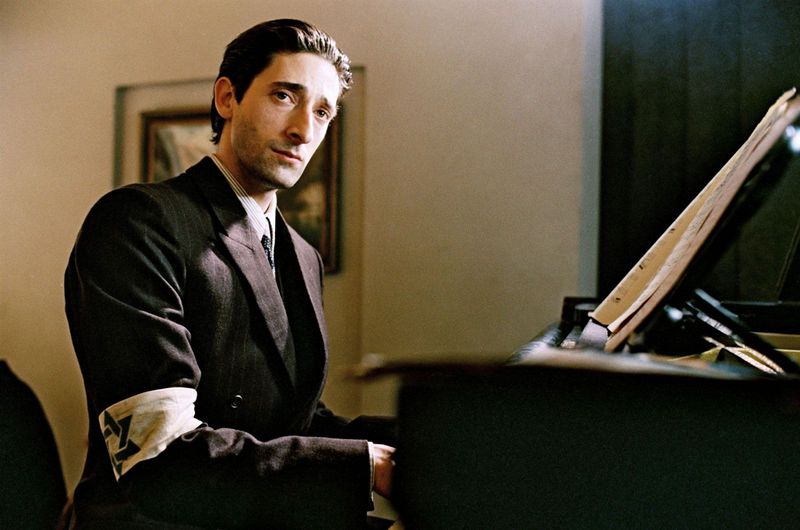
Roman Polanski’s deeply moving portrait of pianist Wladyslaw Szpilman surviving the Holocaust earned three Oscars, including Best Director. The film is genuinely powerful, and many critics still consider it a masterwork of historical filmmaking.
The problem is that the director’s own history makes it hard to separate the art from the artist.
Polanski was convicted of sexually assaulting a 13-year-old girl in 1977 and has been a fugitive from U.S. justice ever since. For many viewers, celebrating his work feels ethically complicated in a way that simply cannot be ignored.
14. Crash (2004)
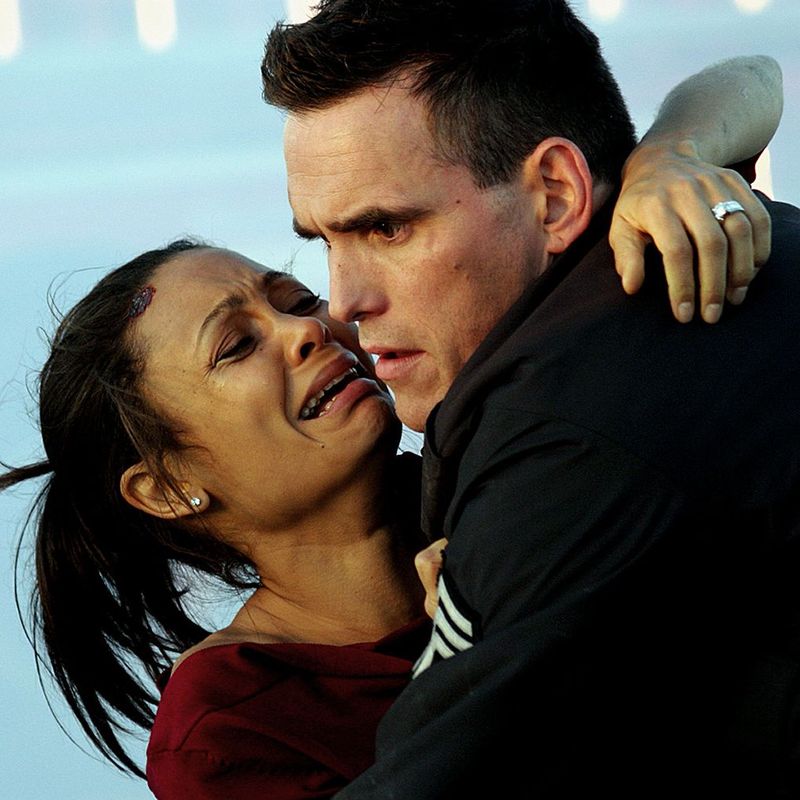
When Crash beat Brokeback Mountain for Best Picture at the 2006 Oscars, it shocked the film world. Many believed Ang Lee’s film was the obvious choice, and that belief has only grown stronger over time.
Crash’s three Oscar wins now feel like one of the Academy’s most regrettable decisions.
The film tackles racism by having characters constantly collide over racial tension in ways critics describe as heavy-handed and oversimplified. Rather than exploring real complexity, it stacks stereotype upon stereotype and calls it insight.
Many film writers now rank it among the worst Best Picture winners ever.
15. Dallas Buyers Club (2013)
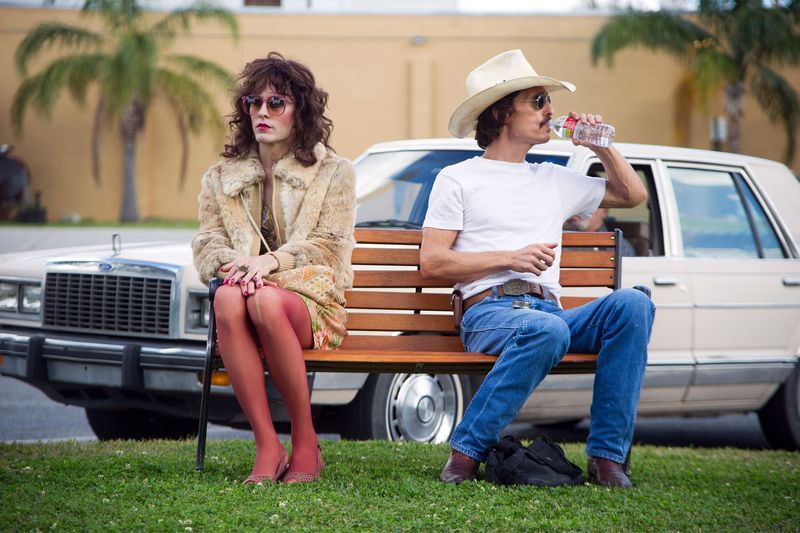
Jared Leto won Best Supporting Actor for playing Rayon, a transgender woman living with AIDS, and his performance received enormous praise at the time. The film won three Oscars total and was widely celebrated as an important AIDS-era story.
Today, the casting choice is the main thing people talk about.
Having a cisgender man play a trans woman, especially using physical transformation as an Oscar strategy, is now widely criticized as harmful. Many advocates also point out that Rayon exists almost entirely to support the straight, white male lead’s story rather than having real depth of her own.
16. Green Book (2018)
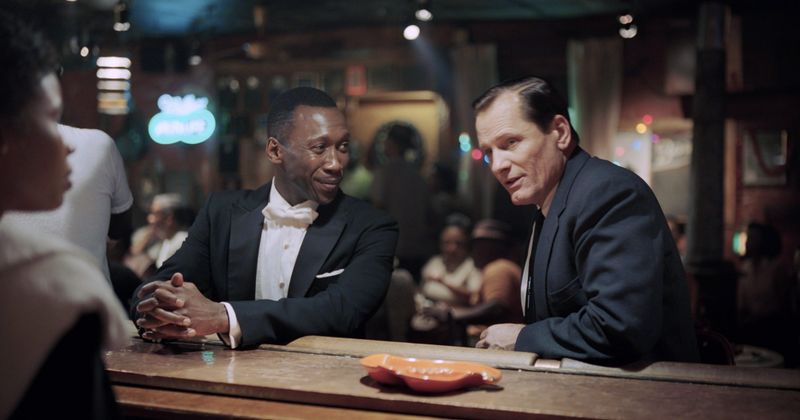
Green Book arrived at the 2019 Oscars with buzz and goodwill, winning three awards including Best Picture. The story of a Black classical musician touring the South with his white driver sounded like a crowd-pleasing crowd-pleaser.
The backlash, however, was swift and lasting.
The family of Dr. Don Shirley publicly disputed the film’s portrayal of him. Critics hammered it for centering the white character’s growth while treating the Black protagonist as a teaching tool.
Accusations of historical inaccuracy and the “white savior” trope have made this one of the most contested Best Picture wins in recent memory.
17. The Artist (2011)
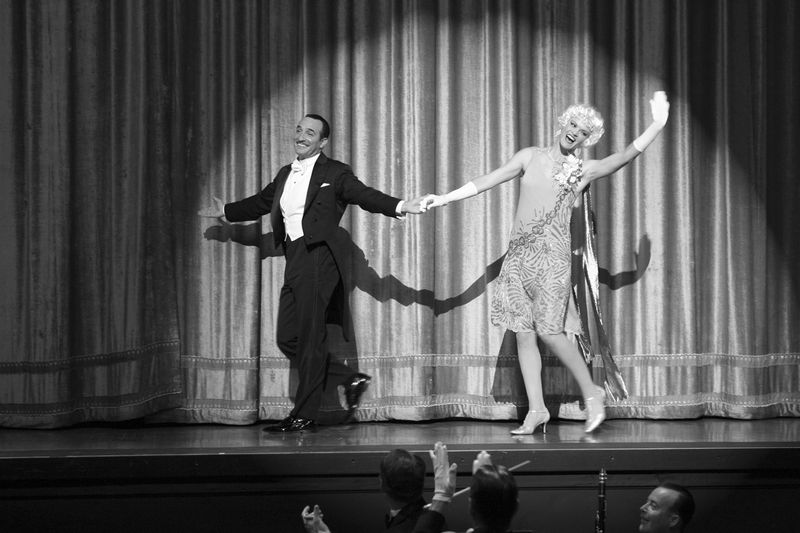
Winning five Oscars including Best Picture, The Artist was the toast of Hollywood in 2012, celebrated as a loving tribute to the silent film era. Its novelty as a modern black-and-white silent film felt fresh and exciting.
A few years later, many people struggle to remember much about it at all.
Some critics called it a charming gimmick rather than a great film, arguing it coasts on its concept without delivering real emotional depth. Others say it actually misrepresents the silent era it claims to honor, making it a case where the Oscar love faded almost as fast as the applause.