
Music has a funny way of playing tricks on our memories. Some songs are so catchy and iconic that we end up remembering them wrong, crediting the wrong artist entirely.
Whether it is because of a similar voice, a famous guest vocalist, or just the way a song sounds, mix-ups happen all the time. Here are 16 beloved songs that have been fooling listeners for years.
1. “Somebody’s Watching Me” – Rockwell (Not Michael Jackson)
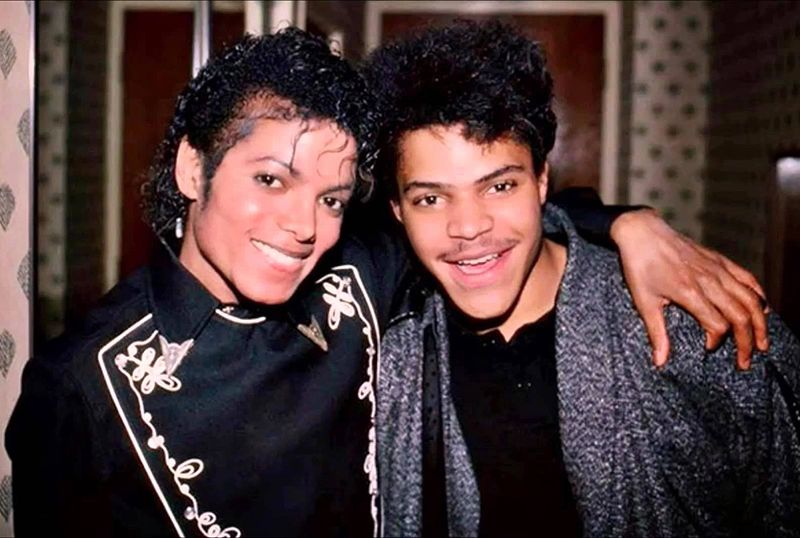
That unforgettable chorus sounds so much like Michael Jackson that almost everyone assumes he sang the whole song. But the track actually belongs to Rockwell, a lesser-known artist who happened to be signed to Motown in 1984.
Jackson only contributed the chorus as a backing vocalist.
Rockwell’s real name is Kennedy William Gordy, and he is actually Berry Gordy’s son. The song hit number two on the Billboard Hot 100, riding entirely on the confusion fans felt about who was really singing.
2. “Don’t Leave Me This Way” – Thelma Houston (Not Donna Summer)
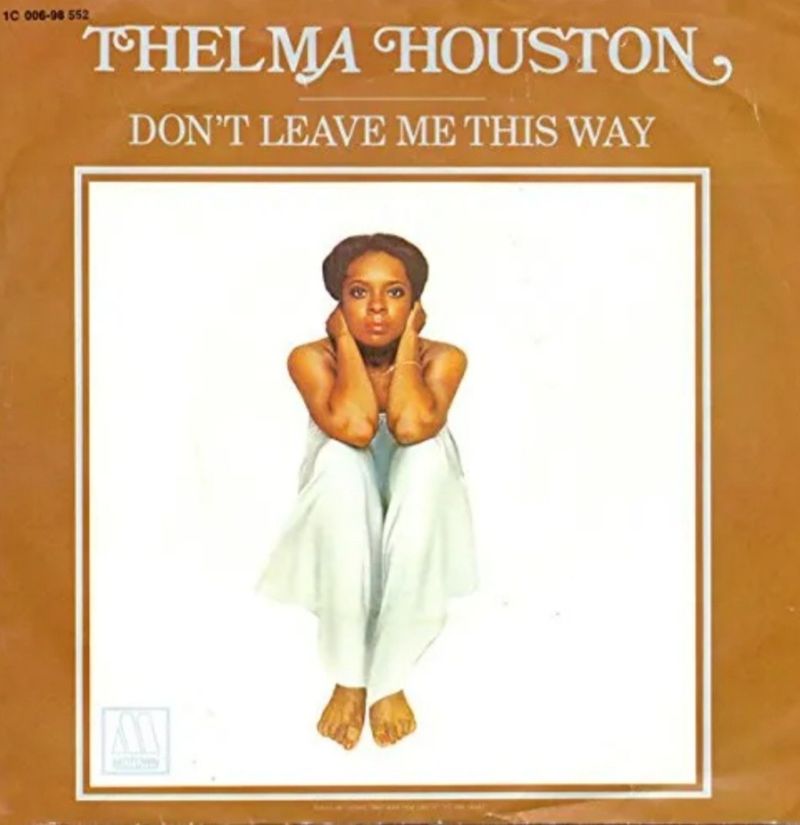
Thelma Houston brought raw emotion and serious vocal power to this disco anthem in 1977, earning herself a Grammy for Best R&B Vocal Performance. Still, casual listeners often tag Donna Summer as the artist behind it, likely because both women ruled the disco era with powerful voices and similar vibes.
Houston’s version was actually a cover of Harold Melvin and the Blue Notes’ original. That layered history makes the misattribution even more interesting, since the song had already changed hands once before.
3. “Bitch” – Meredith Brooks (Not Alanis Morissette)
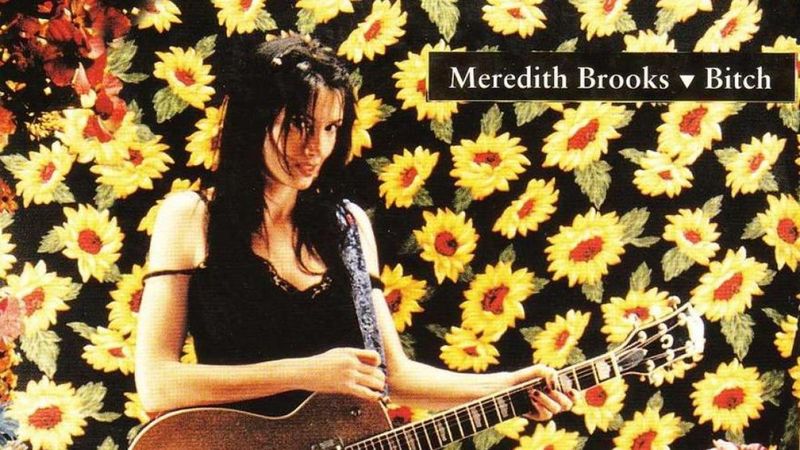
Meredith Brooks released this bold, guitar-driven anthem in 1997, and it shot up the charts fast. The problem?
Alanis Morissette was everywhere that same year, and the two artists shared an edgy, raw vocal style that made it easy for listeners to mix them up.
Brooks has spoken openly about the frustration of being confused with Morissette so often. Her song stood on its own as a feminist statement about complex womanhood, but the mix-up stuck around long after the 90s ended.
4. “A Horse With No Name” – America (Not Neil Young)
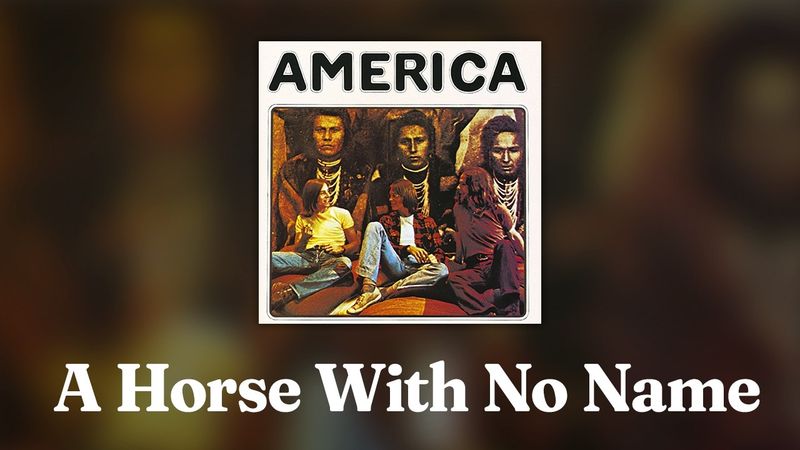
When this dreamy, acoustic track first hit radio stations in 1972, countless listeners called in convinced they were hearing a new Neil Young song. The lead singer of America, Dewey Bunnell, had a vocal tone so close to Young’s that even seasoned music fans were fooled.
Ironically, Neil Young himself reportedly was not a fan of the comparison. America went on to have a long and successful career, but this one case of mistaken vocal identity followed the band for decades.
5. “The Warrior” – Scandal (Not Pat Benatar)
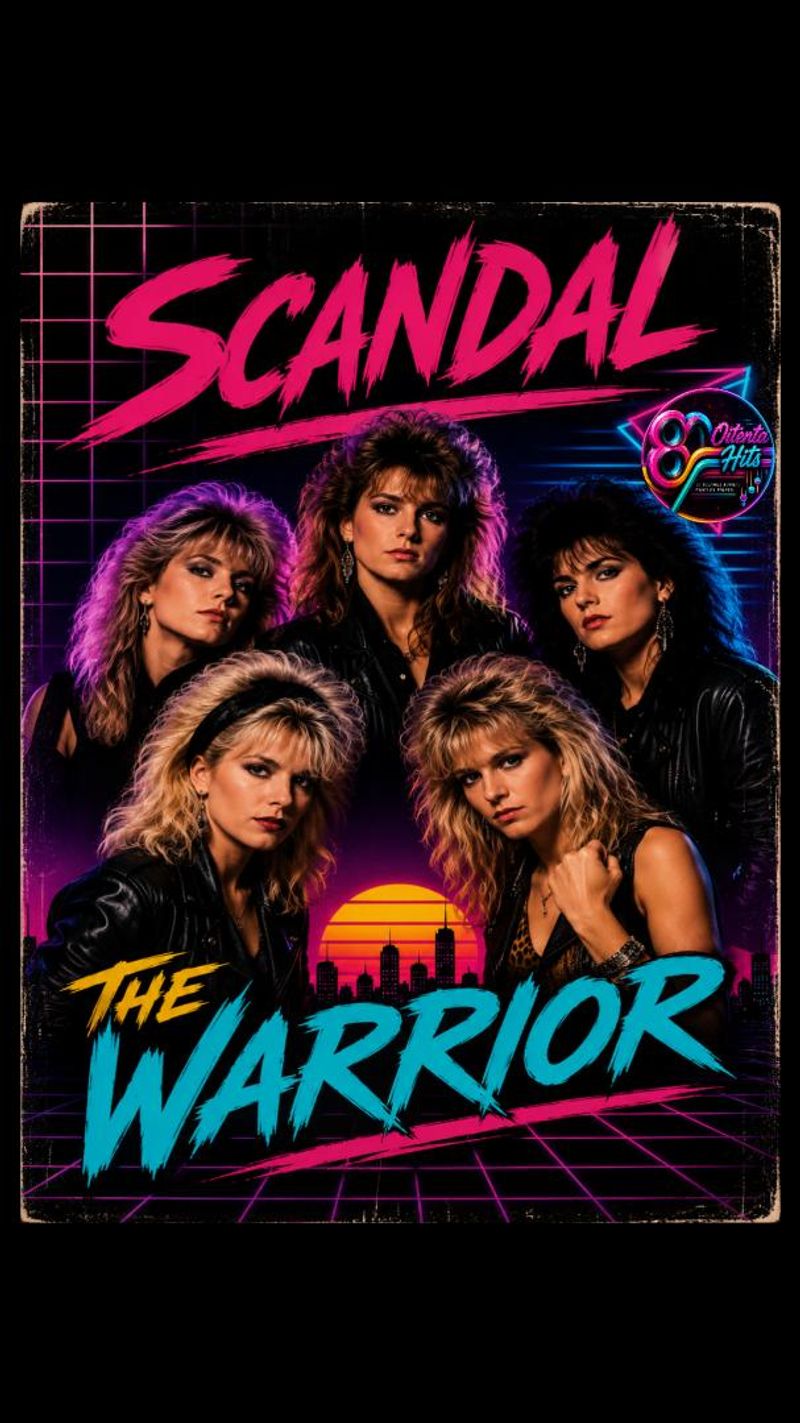
Patty Smyth had pipes that could rival just about anyone in 80s rock, and her powerhouse delivery on this 1984 hit made listeners instantly think of Pat Benatar. Both women dominated rock radio at the same time with fierce, commanding vocals that sounded cut from the same cloth.
Scandal was actually a full band with Smyth as the face, not just a solo act. The song hit number seven on the Billboard Hot 100, yet Pat Benatar still gets the credit at karaoke nights everywhere.
6. “I Swear” – All-4-One (Not Boyz II Men)
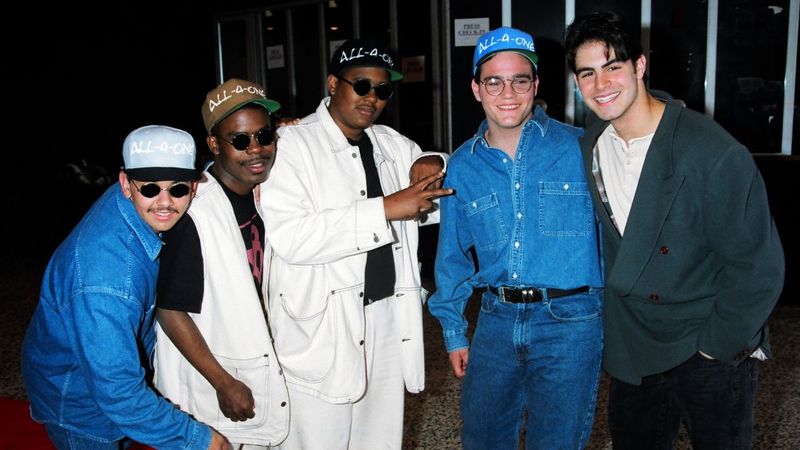
Smooth harmonies, heartfelt lyrics, and a slow-burn romance vibe made this 1994 song a wedding playlist staple for years. Since Boyz II Men was the dominant R&B group of that exact era, fans naturally assumed they were behind any slow jam that sounded this polished.
All-4-One actually took the song from a country version by John Michael Montgomery and transformed it into an R&B gem. Their version spent 11 weeks at number one, which is a record few people know belongs to them and not to Boyz II Men.
7. “Black Magic Woman” – Santana (Not the Original Fleetwood Mac)
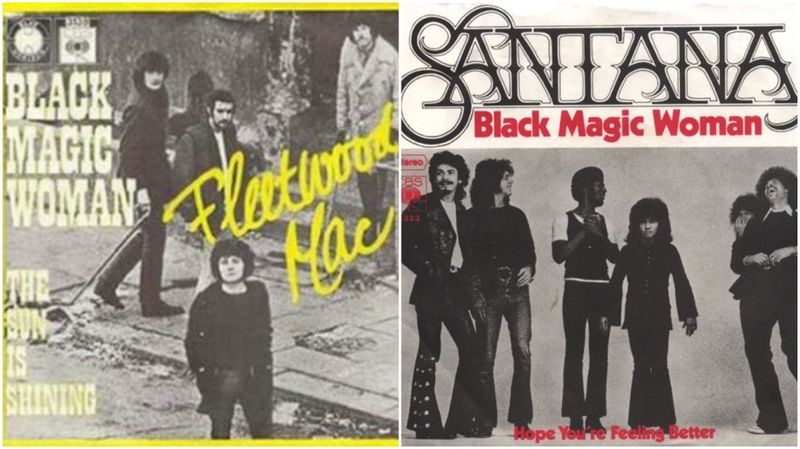
Carlos Santana turned this track into one of rock’s most recognizable guitar showcases, weaving Latin rhythms into a blues foundation so seamlessly that most people assume he wrote it. But the original version came from Peter Green’s Fleetwood Mac back in 1968, years before Santana ever touched it.
Santana’s 1970 cover became far more famous than the original, which is a classic case of a cover overshadowing its source. Peter Green was a masterful guitarist in his own right, and knowing this song’s origin story adds a whole new layer to every listen.
8. “All the Young Dudes” – Mott the Hoople (Not David Bowie)
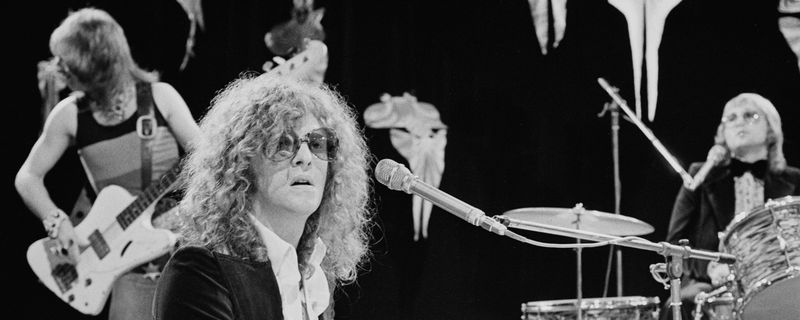
David Bowie wrote this song, produced it, and even sang backup on it, so the confusion is honestly understandable. But the band that recorded and released it in 1972 was Mott the Hoople, a glam rock group that Bowie essentially saved from breaking up by handing them this track.
Bowie offered the song after hearing the band was about to call it quits. His generosity gave Mott the Hoople their biggest hit and gave the world a glam rock classic, even if Bowie’s fingerprints are all over every second of it.
9. “Stuck in the Middle With You” – Stealers Wheel (Not Bob Dylan)
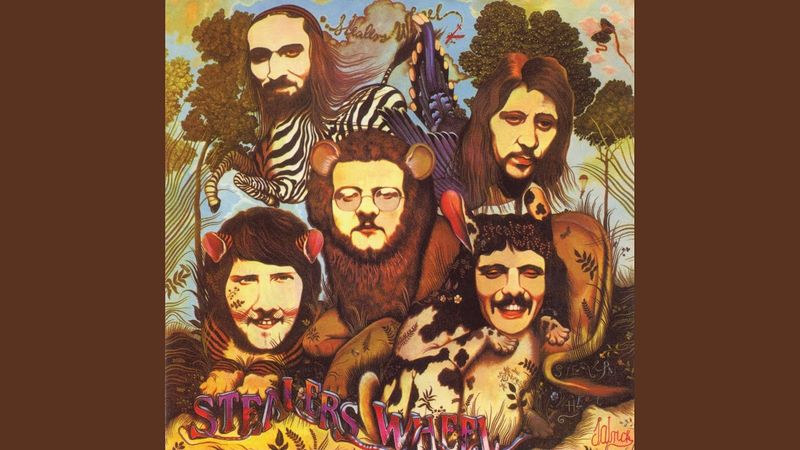
Gerry Rafferty and Joe Egan wrote this quirky, breezy tune in 1972 as a lighthearted jab at the music industry. The Dylan-esque delivery and clever wordplay had listeners completely convinced it was a Dylan track, and even some radio DJs introduced it that way when it first aired.
The song became even more famous after appearing in Quentin Tarantino’s Reservoir Dogs in 1992, introducing it to a whole new generation. Most of those new fans probably still think Dylan sang it, which would likely make Rafferty and Egan chuckle.
10. “Long Cool Woman in a Black Dress” – The Hollies (Not CCR)
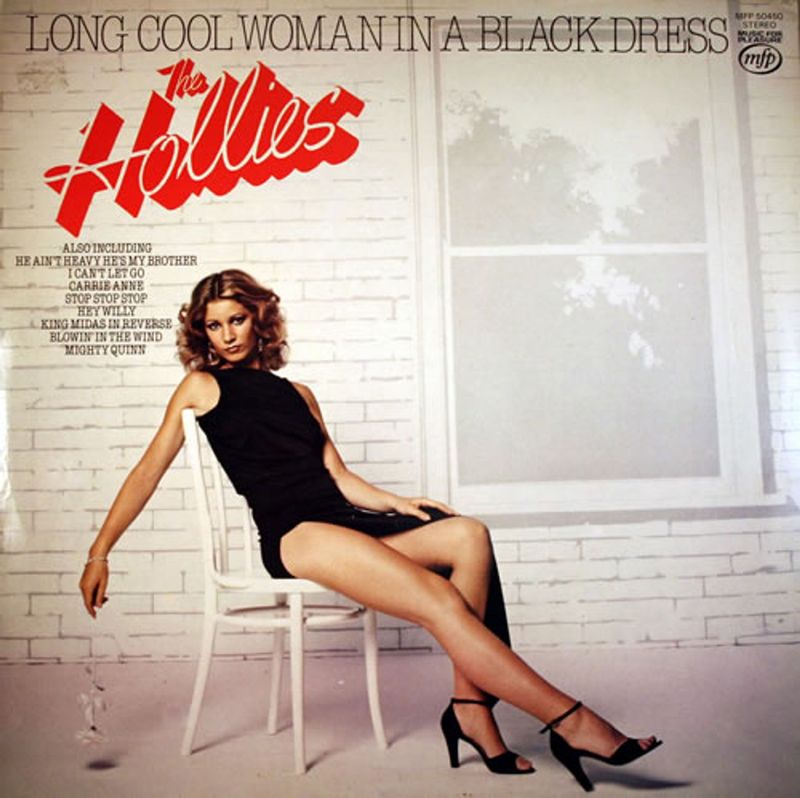
Allan Clarke’s gravelly, driving vocal on this 1972 track sounds so much like John Fogerty of Creedence Clearwater Revival that even dedicated rock fans get tripped up. The swampy, raw energy of the song fits perfectly into CCR’s catalog, which is exactly why the mix-up keeps happening.
The Hollies were actually a British Invasion band far better known for polished pop harmonies. This track was a sharp stylistic departure for them, which may explain why listeners never quite connected it to the group behind hits like “Bus Stop” and “He Ain’t Heavy.”
11. “I Will Survive” – Gloria Gaynor (Not Donna Summer)
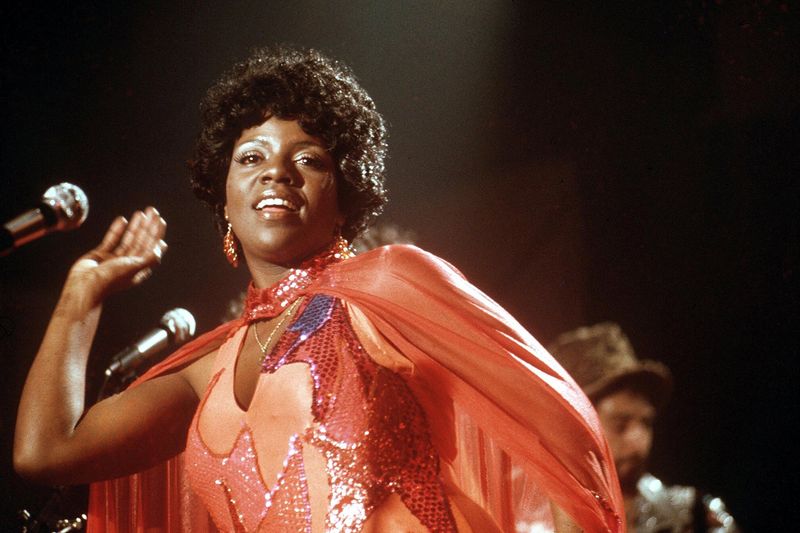
Gloria Gaynor turned personal heartbreak into a universal anthem of strength with this 1978 disco classic. Yet Donna Summer, the undisputed Queen of Disco, gets credited for it constantly, simply because she dominated the same era with the same genre energy.
Gaynor actually won the first-ever Grammy Award for Best Disco Recording for this song in 1980. Considering the track became one of the most recognized songs in pop history, it is a little surprising that the wrong name still comes up so often.
12. “Cum On Feel the Noize” – Quiet Riot (Not Twisted Sister)
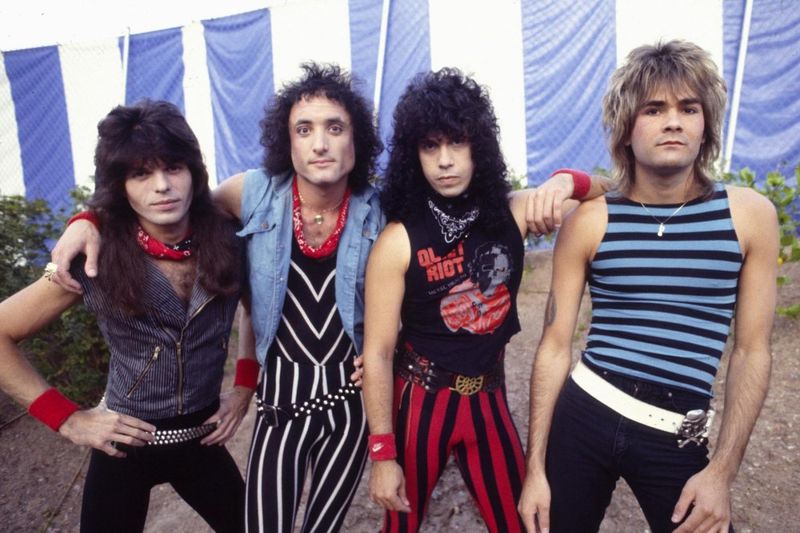
Quiet Riot’s 1983 cover of this Slade original was one of the first heavy metal songs to hit number one on the Billboard 200. Since Twisted Sister was tearing up the same era with a similar look and sound, fans lumped the two bands together constantly.
Both groups had spandex, big hair, and loud guitars, so the mix-up made a certain kind of sense. Still, Quiet Riot’s version of this track was a genuinely groundbreaking moment for heavy metal on the mainstream charts, and that credit belongs to them alone.
13. “Cat’s in the Cradle” – Harry Chapin (Not Cat Stevens)
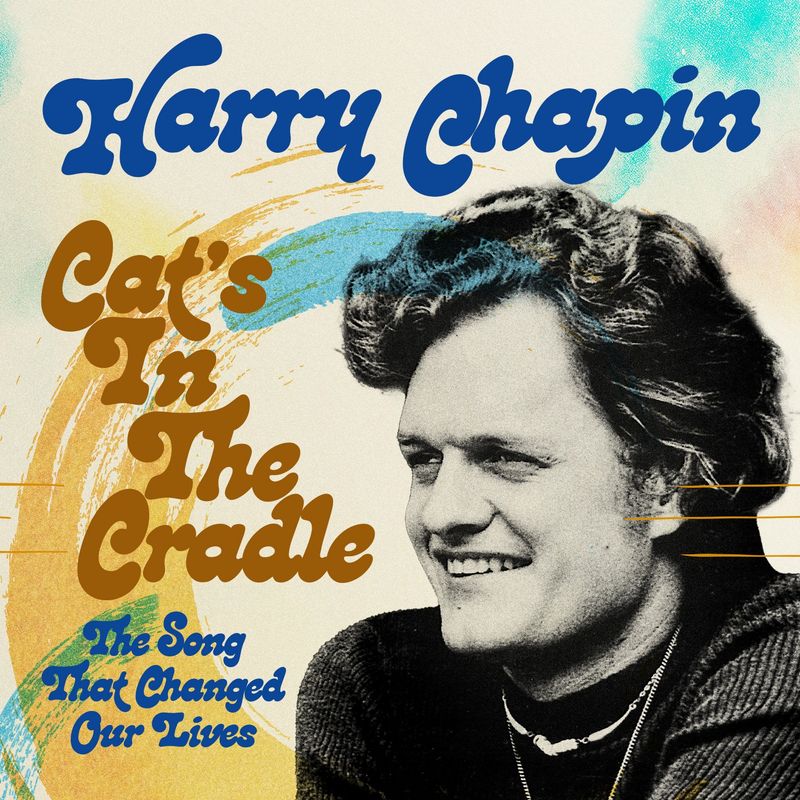
Harry Chapin wrote this emotional folk song with his wife Sandra in 1974, drawing from real feelings about fatherhood and the passage of time. The title alone sends many listeners straight to Cat Stevens, whose name includes the word “Cat” and whose gentle, acoustic style feels similar.
Chapin was a deeply passionate storyteller who used music to advocate for hunger relief causes throughout his life. He passed away in a car accident in 1981, leaving behind a legacy far bigger than this one song, even if it remains his most recognized work.
14. “No Matter What” – Badfinger (Not The Beatles)
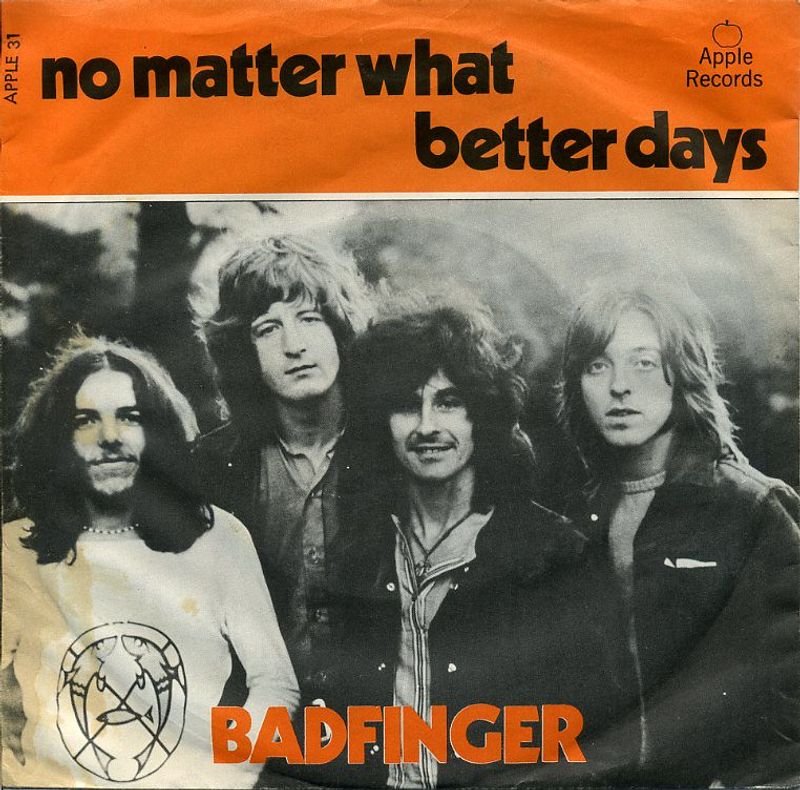
Badfinger had the unfortunate and somewhat bittersweet distinction of sounding almost exactly like The Beatles, which makes sense since they were signed to Apple Records and produced by Beatles insiders. This 1970 track dropped right around the same time as The Beatles’ Let It Be album, and the timing sealed the confusion permanently.
Paul McCartney actually wrote Badfinger’s first hit, so the connection was very real. Even so, Badfinger deserved recognition as their own band, and this power-pop gem stands as proof of their genuine talent beyond just being Beatles-adjacent.
15. “Bad Boys” – Inner Circle (Not Bob Marley)
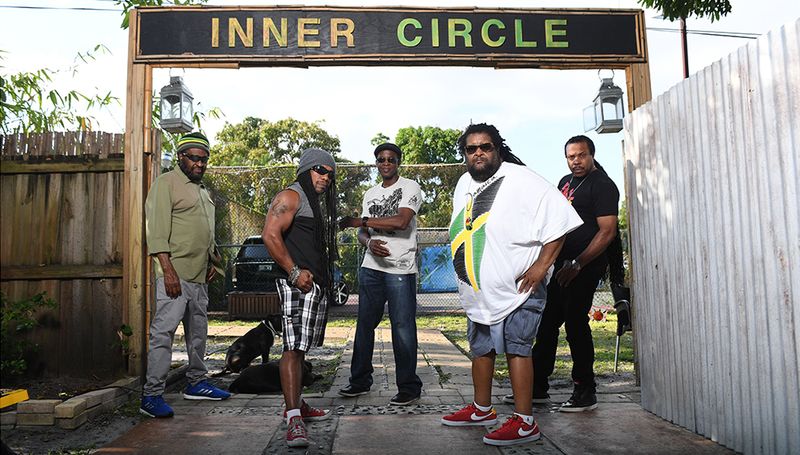
Anyone who grew up watching COPS knows this reggae theme by heart, but most people have no idea who actually made it. Inner Circle, a Jamaican reggae group, recorded “Bad Boys” in 1987, and it became a global earworm after COPS adopted it in 1989.
Bob Marley gets the credit in casual conversation mostly because he is the most famous name in reggae music. Inner Circle had been performing since the 1970s and deserved far more recognition than a case of mistaken identity on a long-running reality TV show ever gave them.
16. “American Woman” – The Guess Who (Not Jimi Hendrix or Lenny Kravitz)
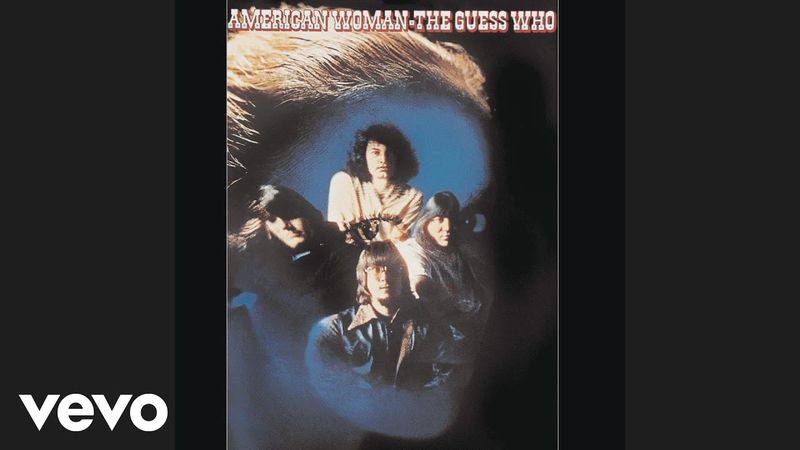
The Guess Who, a Canadian rock band, wrote and recorded this hard-driving anthem in 1970, and it became their only number one hit in the United States. But over the years, Jimi Hendrix’s name gets attached to it because of the electric guitar-heavy sound, and Lenny Kravitz muddied the waters further with his popular 1999 cover version.
Kravitz’s cover appeared in the Austin Powers film, reaching millions of new ears and cementing yet another round of confusion. The original belongs proudly to The Guess Who, and their version is rawer and more politically charged than most people realize.