
Have you ever bitten into a slice of cold pizza and thought it tasted totally different from when it was fresh out of the oven? Temperature changes the way our taste buds pick up flavors, sweetness, and even texture in surprising ways.
Some foods go from amazing to awful, while others become a whole new experience just by cooling down or heating up. Get ready to look at some everyday foods in a brand new way.
1. Pizza
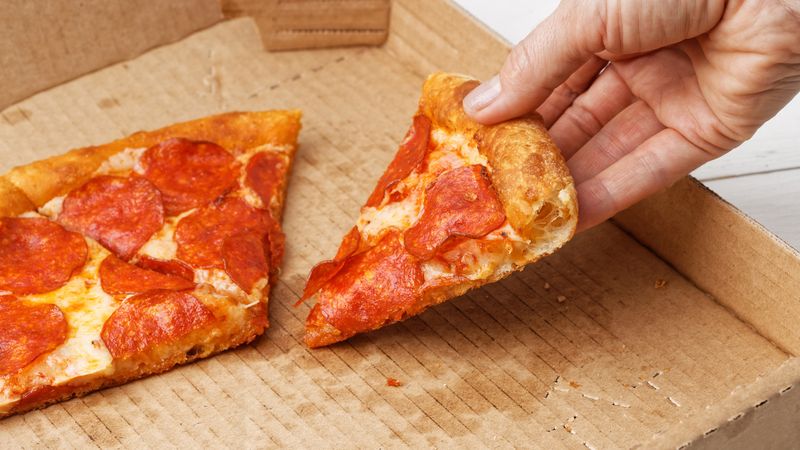
Hot pizza is a gooey, saucy masterpiece with melted cheese that stretches with every bite. The tomato sauce tastes bright and tangy, and the crust is crispy on the outside but soft inside.
Cold pizza, though, is a completely different animal. The cheese firms up, the sauce gets thicker and more concentrated, and the crust turns chewy.
Many people actually prefer cold pizza the next morning – the flavors meld together overnight into something almost richer.
2. Chocolate
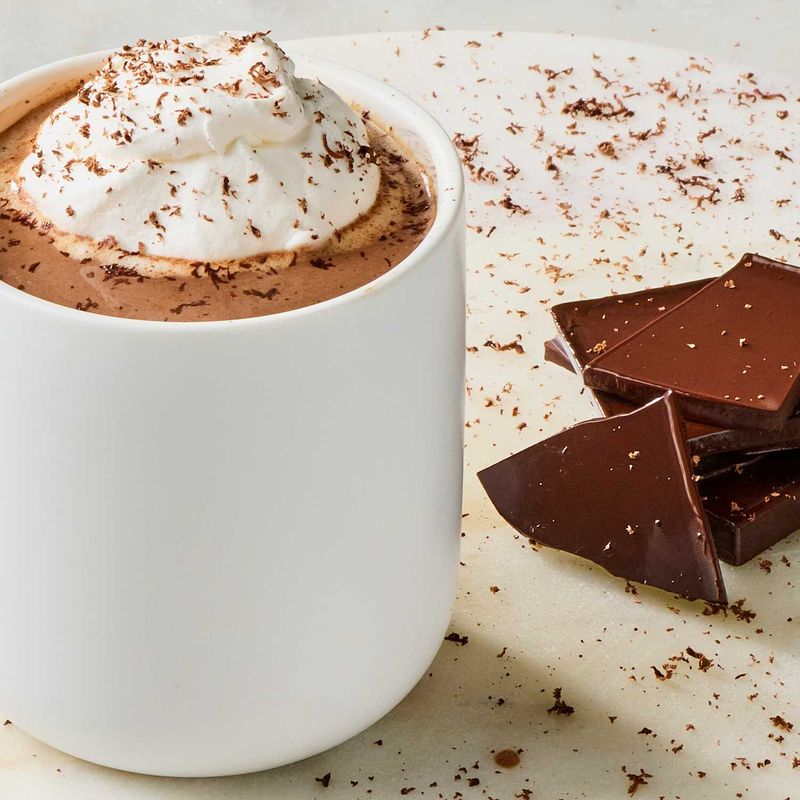
Warm chocolate melts on your tongue instantly, releasing a flood of rich, deep cocoa flavors all at once. The fat in the chocolate spreads quickly, making it taste creamier and more intense.
Cold chocolate is a firmer, slower experience. You have to chew it more, and the flavors release gradually as it warms up in your mouth.
Fun fact: chocolate was originally served as a warm drink by the Aztecs, not as a solid snack.
3. Coffee

Hot coffee hits you with bold, slightly bitter notes and a sharp aroma that wakes up your whole face. The heat opens up the volatile compounds in the coffee, making it smell and taste more complex.
Cold brew coffee, served chilled, is naturally sweeter and smoother because the cold brewing process pulls out fewer bitter acids. The same beans can taste like two totally different drinks depending on how they are served.
4. Honey
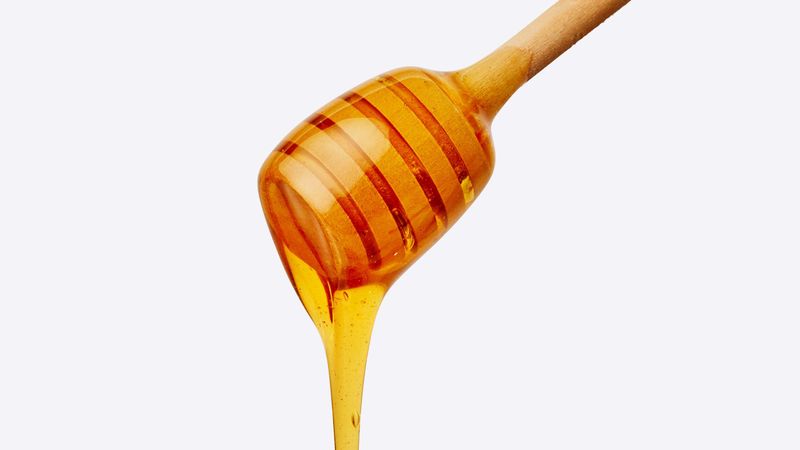
Straight from the jar on a cold day, honey can taste almost flat and very thick, barely releasing any of its floral sweetness. Cold temperatures slow down the molecules, which means your taste buds pick up less flavor.
Warm honey, on the other hand, becomes runny and fragrant, with a much more noticeable sweet and floral taste. Bakers often warm honey before adding it to recipes for exactly this reason – it blends better and tastes stronger.
5. Soup
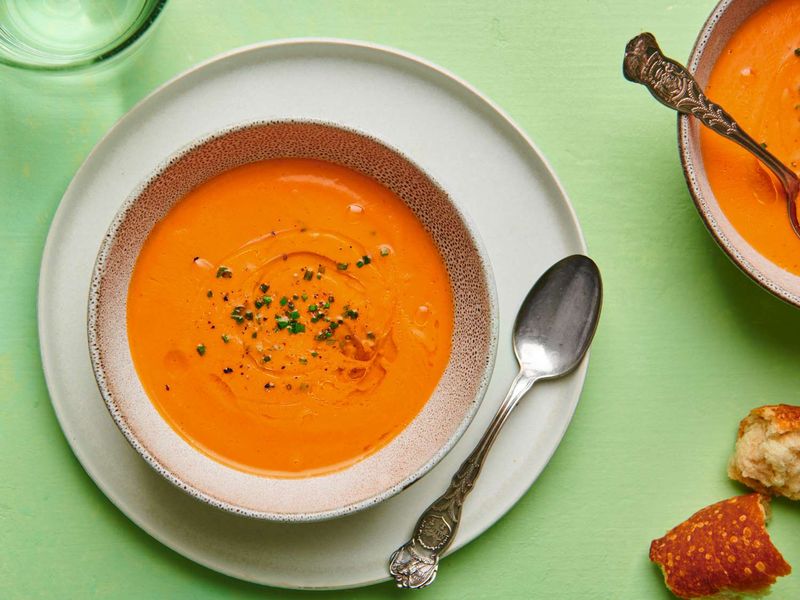
Hot soup is comforting, savory, and full of rich aromas that hit you before you even take a sip. The heat carries the smell of herbs and spices right to your nose, making everything taste more intense.
Cold soup, like gazpacho, is a completely different experience. The flavors taste fresher and more vegetal, and the texture feels lighter.
Some soups are actually designed to be eaten cold because chilling them creates a totally new flavor profile.
6. Butter
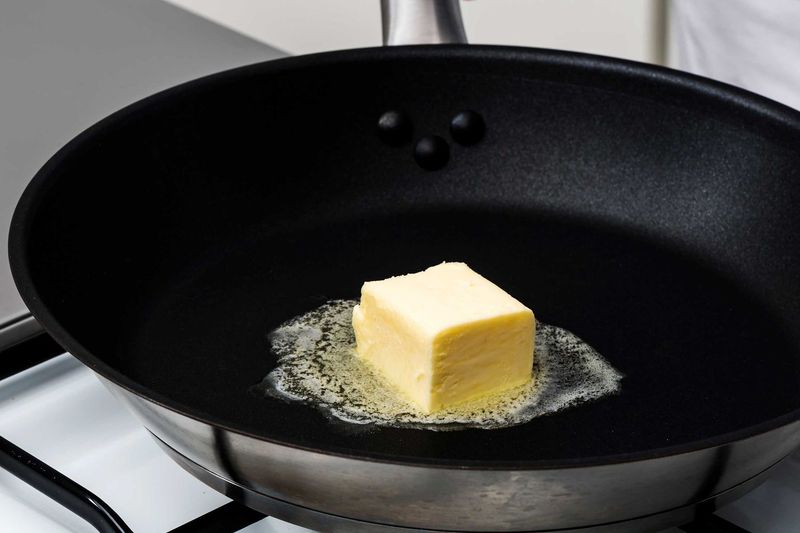
Cold butter from the fridge has almost no smell and a very mild, slightly salty flavor that is hard to notice. It sits heavy on your tongue and takes a while to melt, which slows down the flavor release.
Melted or room-temperature butter is a completely different story. The fat becomes aromatic and rich, tasting noticeably creamier and more savory.
That is why chefs almost always use softened butter in cooking – it brings out far more flavor than cold butter ever could.
7. Watermelon
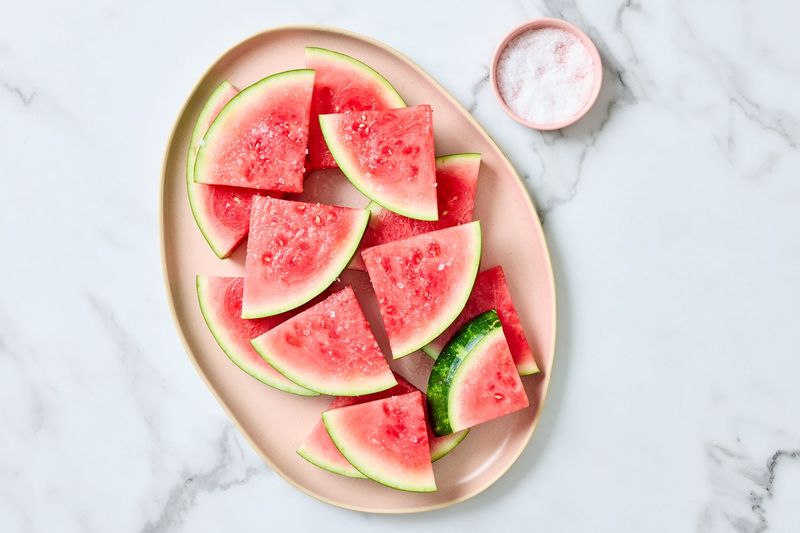
Room-temperature watermelon can taste surprisingly bland and almost mushy, with the sweetness feeling muted and the texture soft in a not-so-great way.
Ice-cold watermelon, though, is one of summer’s greatest joys. Chilling it sharpens the sweetness, makes the texture feel crisp and refreshing, and enhances the light, fruity flavor.
The cold also slows down the release of some off-flavors that can develop at room temperature, keeping every bite tasting clean and bright.
8. Fried Chicken
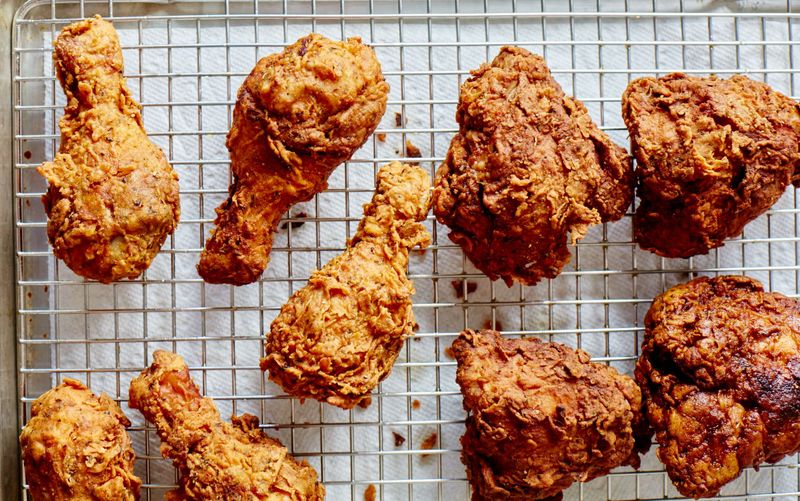
Fresh hot fried chicken is a textural masterpiece. The skin is shatteringly crispy, the meat is juicy, and every bite is packed with savory, seasoned flavor that feels bold and satisfying.
Cold fried chicken is softer, with the skin losing its crunch entirely. But here is the quirky part – many people love it cold because the flavors from the seasoning and the meat actually deepen overnight.
It becomes less about crunch and more about pure, concentrated savory goodness.
9. Oatmeal
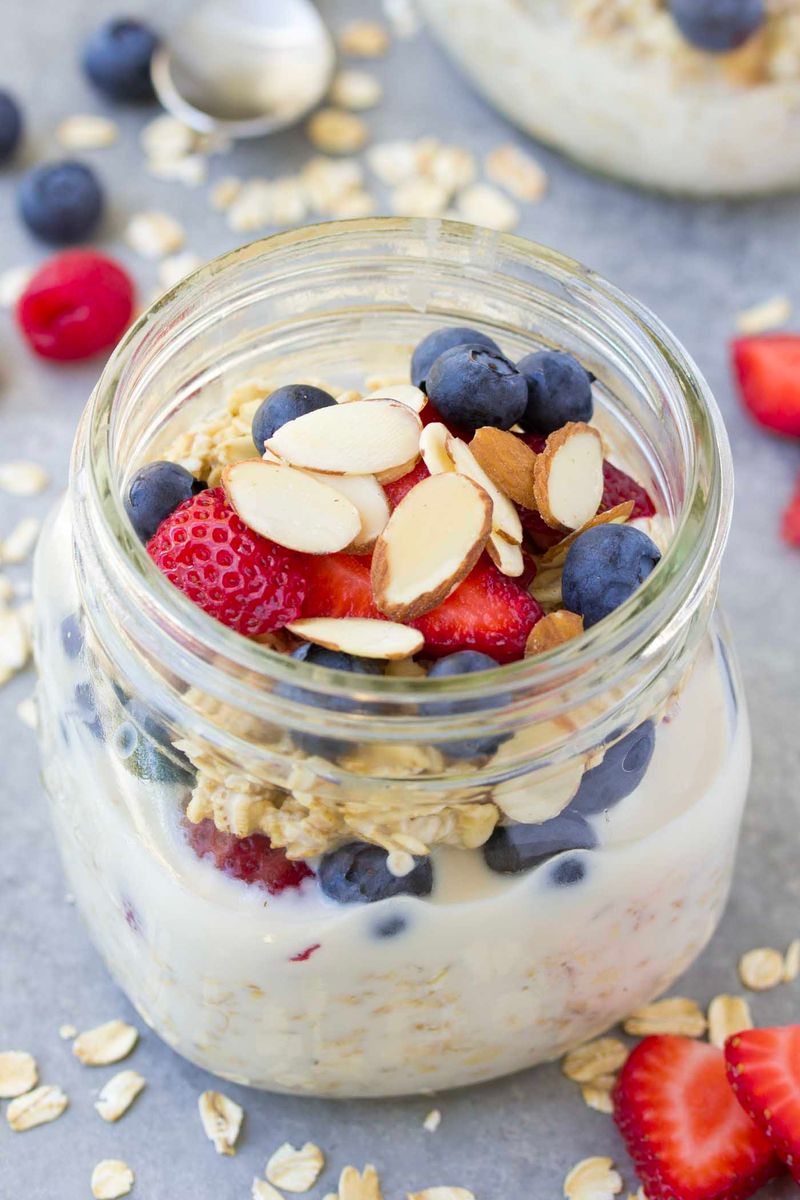
Hot oatmeal is creamy, soft, and comforting, with a mild, nutty flavor that soaks up whatever toppings you add. The warmth makes it feel hearty and filling right away.
Cold overnight oats are chewier and denser, with a slightly tangier taste if made with yogurt or milk. The texture is almost pudding-like, and the flavors from mix-ins like fruit or nut butter tend to stand out more.
Both versions are made from oats but feel like totally separate meals.
10. Pasta
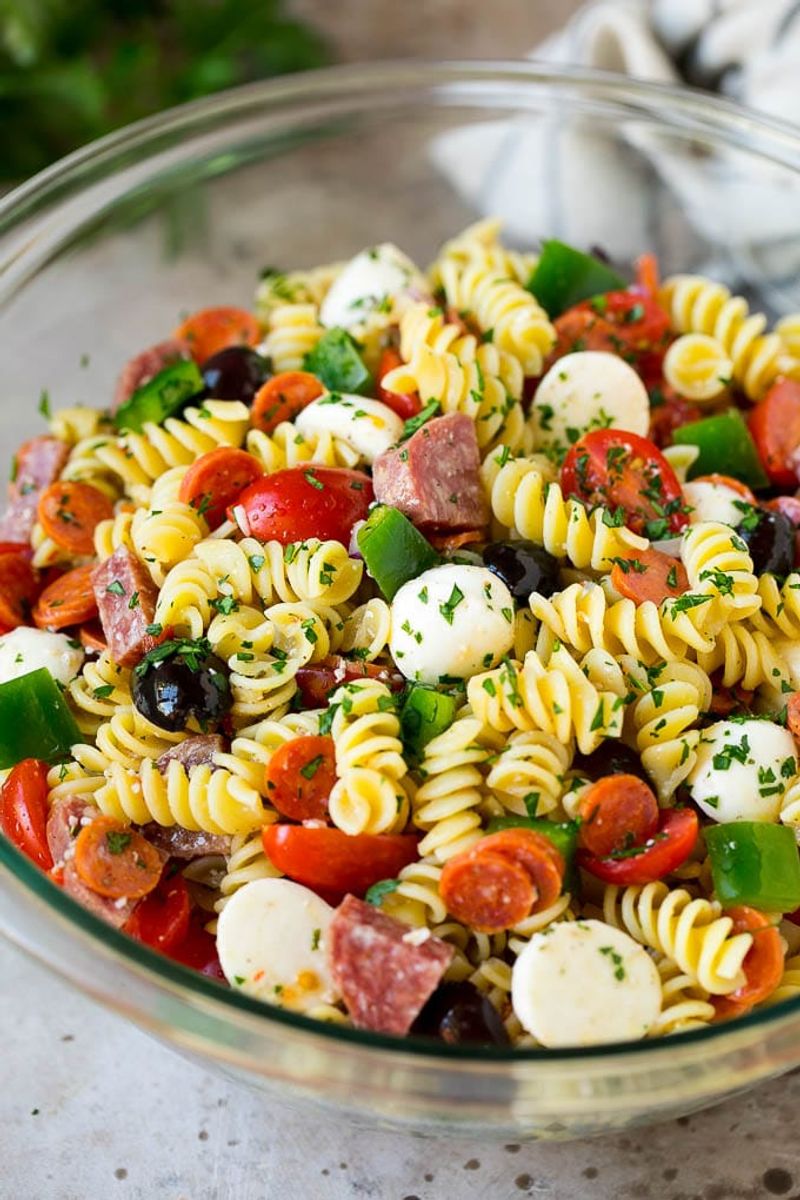
Hot pasta is tender, silky, and perfectly coated in sauce, with the heat helping everything stick together in the best way. The starch in the pasta is soft and easy to chew.
Cold pasta from the fridge turns firmer and slightly rubbery as the starch molecules rearrange. The sauce can taste more acidic and less balanced.
Pasta salad works around this by using oil-based dressings that taste just as good cold – it is really a different dish built for a different temperature.
11. Tea

Hot tea releases tannins more readily, giving it a slightly bitter, astringent quality that pairs perfectly with a splash of milk or a squeeze of lemon. The warmth also enhances the herbal and floral aromas.
Iced tea tastes noticeably sweeter and smoother because cold water extracts fewer bitter compounds. Sweet tea, a Southern classic, is almost always served cold because the sugar dissolves and blends into the chilled tea in a way that just works beautifully.
12. Cheese

Cold cheese straight from the refrigerator can taste sharp, salty, and a bit one-dimensional because the fat is solidified and the aroma compounds are locked in.
Warm or melted cheese transforms into something almost magical. The fat softens and spreads, releasing nutty, buttery, and savory aromas that make every bite feel richer.
Cheese experts actually recommend letting cheese sit at room temperature for 30 minutes before eating it – that small change makes a huge difference in flavor depth.
13. Apple Pie
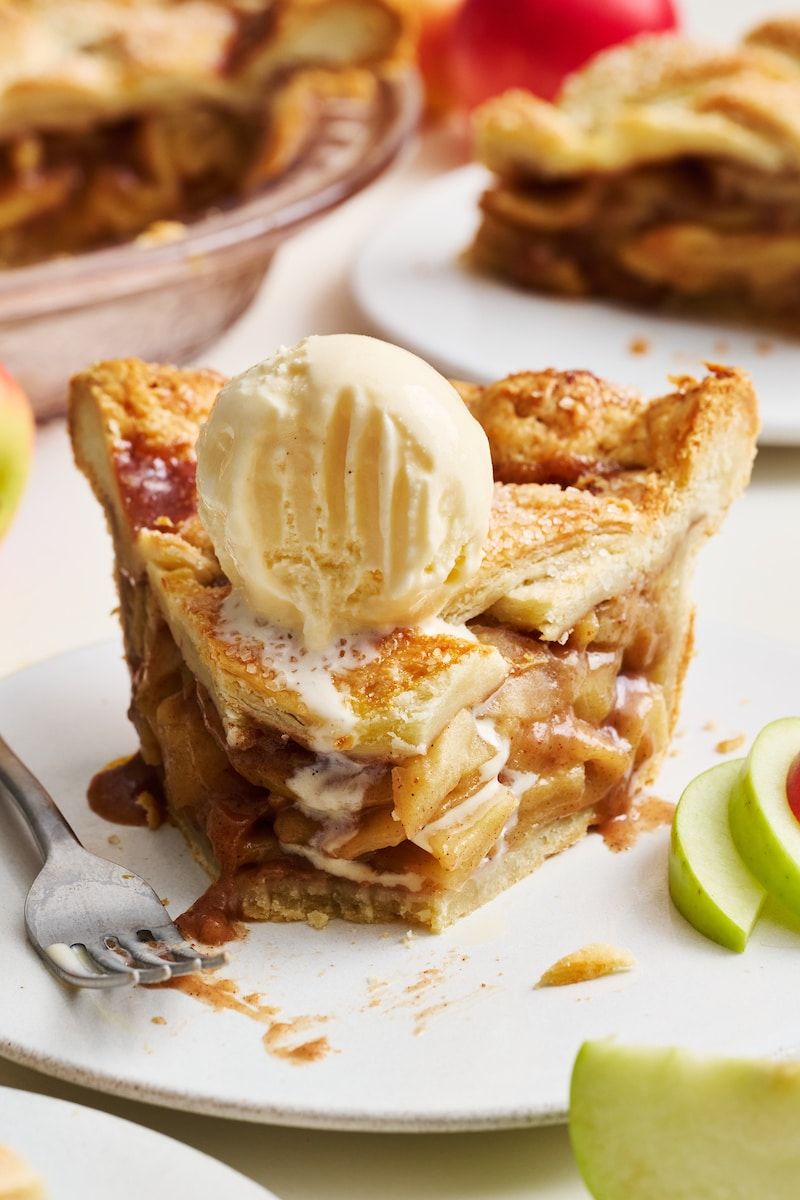
Warm apple pie fresh from the oven is fragrant with cinnamon and brown sugar, with soft, jammy apples and a buttery, flaky crust that almost dissolves in your mouth.
Cold apple pie is denser and chewier, with the crust turning firm and the filling becoming more gelatinous. The spice flavors are less prominent when cold, and the sweetness feels more muted.
Some people prefer it cold with ice cream because the contrast between the two temperatures creates its own kind of magic.
14. Rice
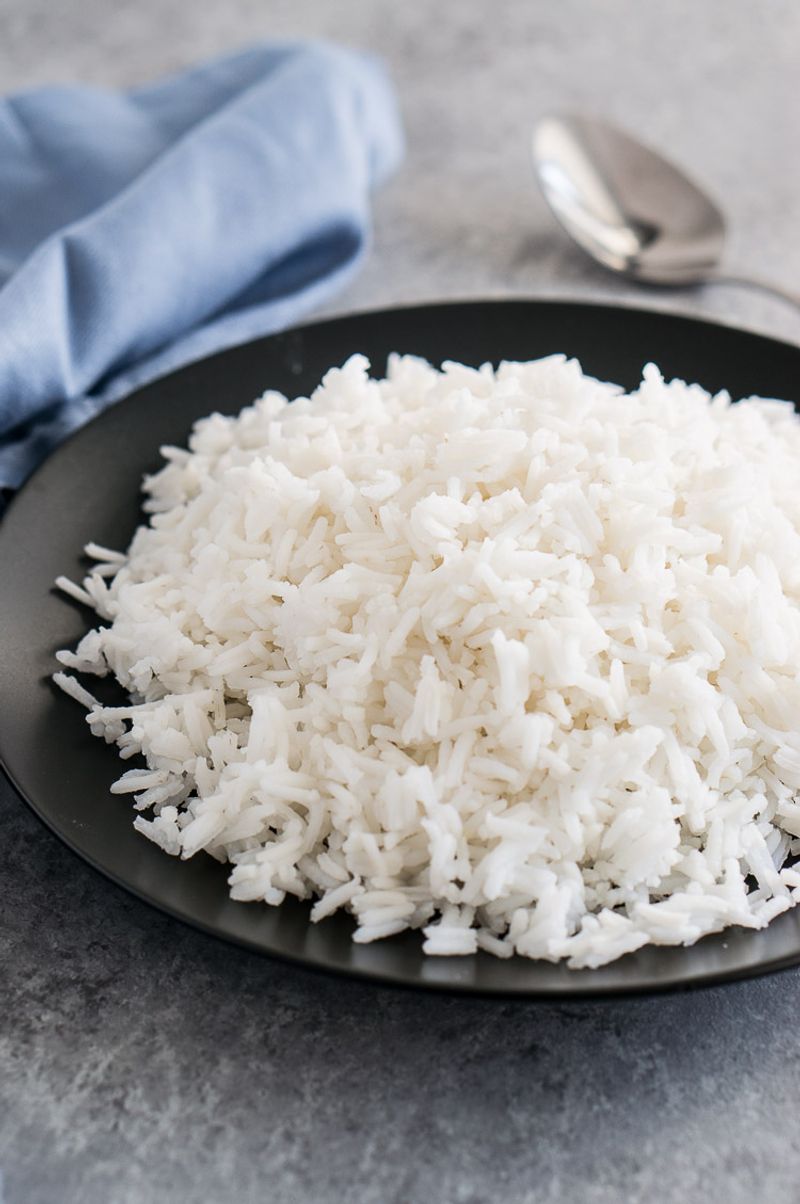
Freshly cooked hot rice is fluffy, slightly sticky, and has a subtle, clean sweetness from the starch. Each grain is soft and separate, absorbing whatever sauce or seasoning you add very easily.
Cold rice from the fridge becomes firm and clumps together as the starch retrogrades overnight. It loses some of that natural sweetness and takes on a more neutral, almost starchy flavor.
Cold rice is actually better for frying because it holds its shape without turning mushy in the pan.
15. Caramel
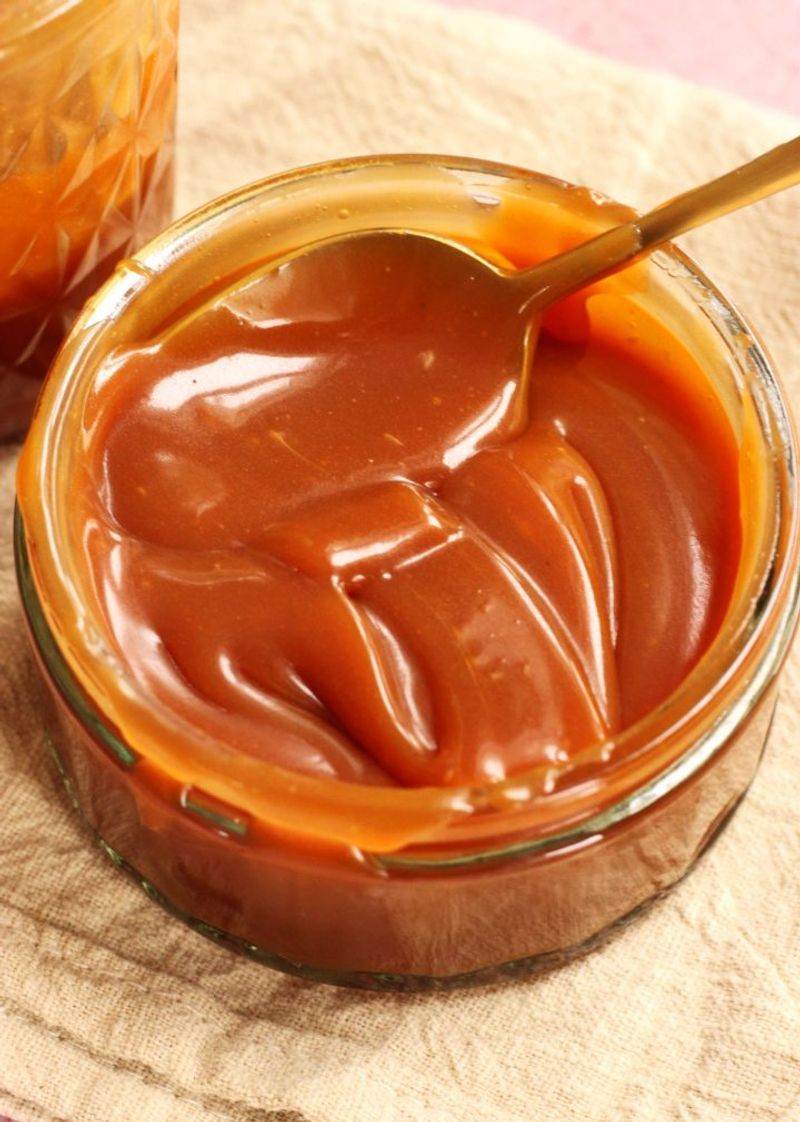
Hot caramel is a flowing, buttery sauce with a deep, almost smoky sweetness and a rich aroma that fills the whole room. The heat keeps the sugar fluid and the flavor bold.
Cold caramel hardens into a chewy or brittle candy, and the flavor shifts toward a denser, more concentrated sweetness with less of that warm, toasty note. Both forms taste unmistakably like caramel, but they feel like they belong to completely different dessert categories.
16. Brie Cheese
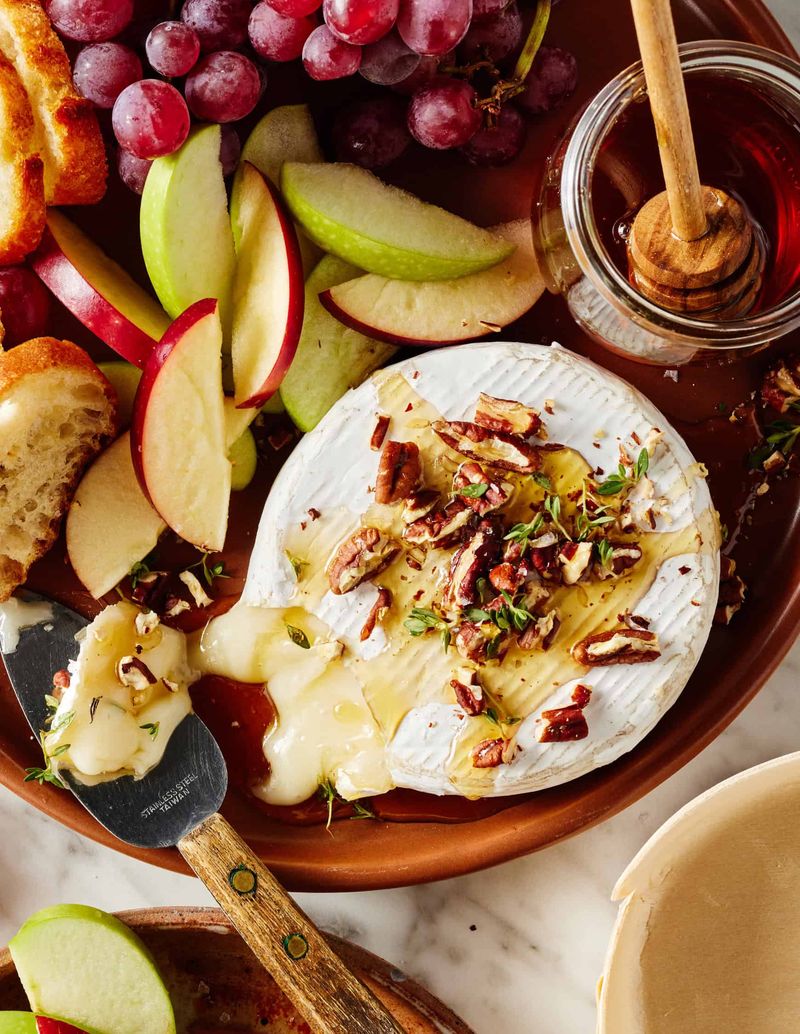
Cold Brie has a firm, almost rubbery texture with a mild, slightly chalky flavor that does not hint at how complex it can actually be.
Baked or warm Brie is one of the most dramatic food transformations out there. The inside turns completely liquid and creamy, with a rich, buttery, and slightly mushroomy flavor that feels luxurious.
The rind softens and becomes almost nutty. Serving Brie warm with honey and crackers is a classic appetizer trick that turns a quiet cheese into the star of the table.
17. Coca-Cola
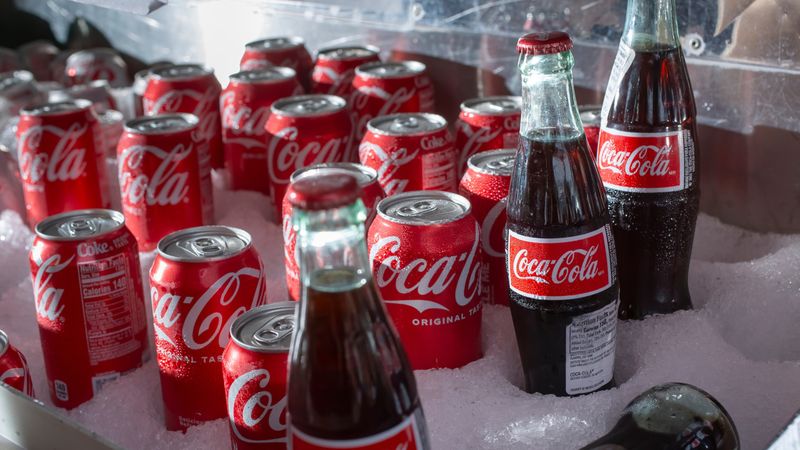
Ice-cold Coca-Cola is crisp, refreshing, and perfectly balanced between sweetness and carbonation. The cold temperature keeps the CO2 dissolved longer, meaning more fizz in every sip.
Warm Coke is noticeably sweeter and flatter, with the carbonation escaping quickly and the syrupy base flavor becoming more prominent. The sugar content has not changed at all, but the cold version tastes less sweet because cold temperatures suppress the perception of sweetness on your taste buds.
18. Scrambled Eggs
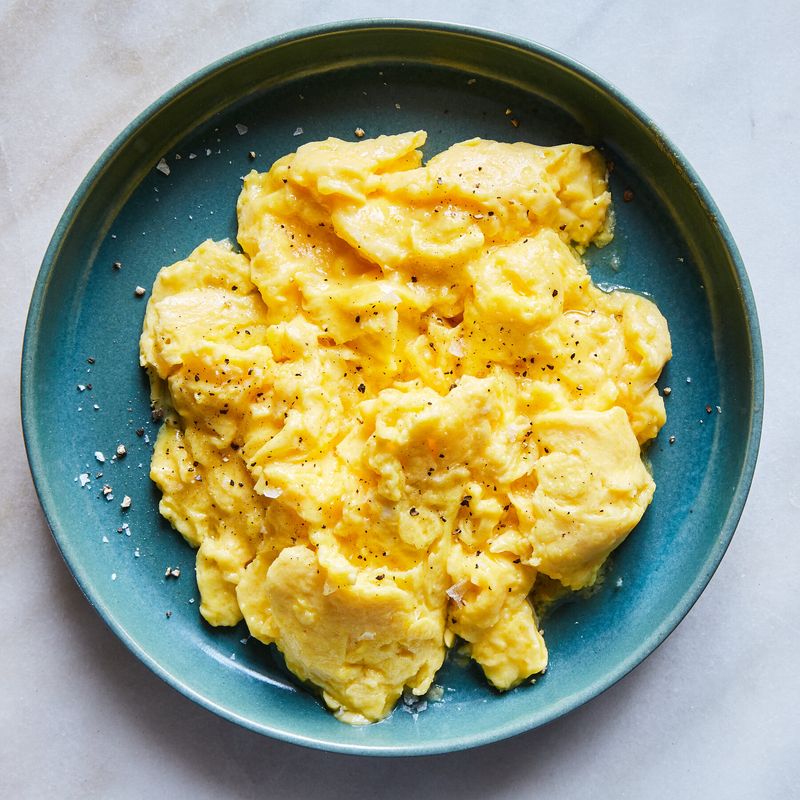
Hot scrambled eggs are soft, custardy, and have a mild, rich, eggy flavor with a creamy texture that feels almost luxurious when cooked just right.
Cold scrambled eggs are one of the most dramatic taste downgrades in the food world. The texture turns rubbery and dense, and the flavor becomes flat and sulfurous.
The proteins in eggs tighten as they cool, squeezing out moisture and changing everything about the eating experience. Eggs are one food that really, truly need to be eaten hot.
19. Brownies
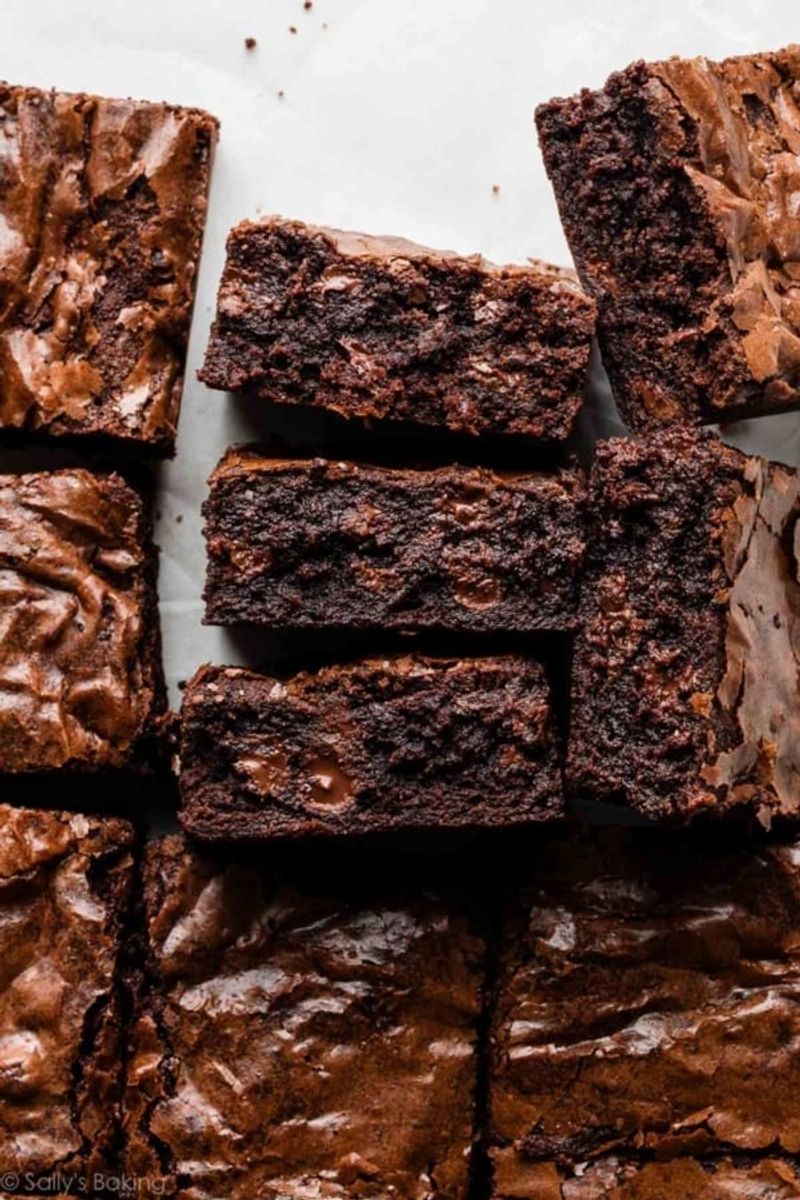
Warm brownies are soft, fudgy, and intensely chocolatey, with the gooey center practically melting as you eat them. The aroma alone is enough to make your mouth water.
Cold brownies from the fridge are denser and chewier, with a firmer texture that some people actually prefer. The chocolate flavor becomes more concentrated and less sweet-smelling, giving them a more serious, almost bittersweet quality.
Depending on your mood, both versions are great – they just feel like completely different treats.
20. Mashed Potatoes
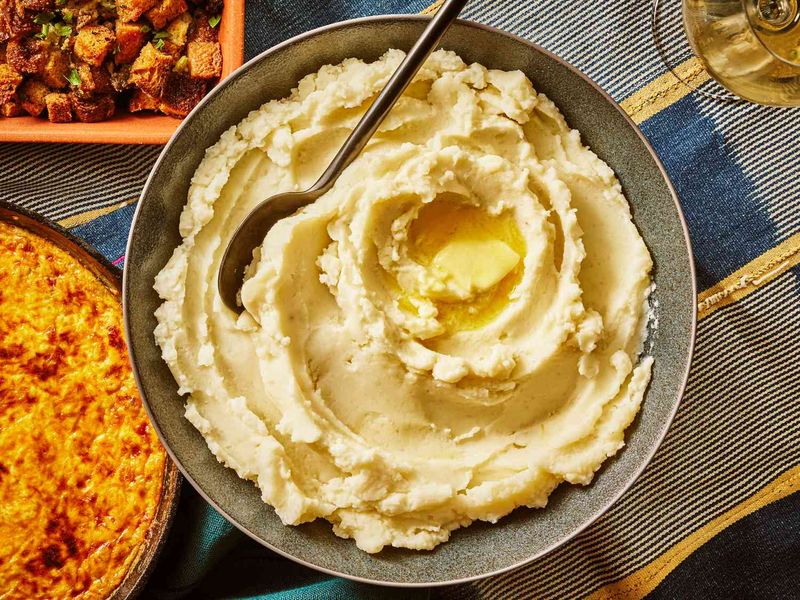
Hot mashed potatoes are creamy, fluffy, and buttery, with a mild starchy sweetness that makes them one of the ultimate comfort foods. The warmth keeps the butter and cream fully incorporated and silky.
Cold mashed potatoes turn thick, gluey, and dense as the starch sets. The buttery flavor almost disappears, and they can taste more bland and heavy.
Reheating them with a splash of cream or milk brings them close to their original glory, but cold mashed potatoes are rarely anyone’s first choice.
21. Peanut Butter
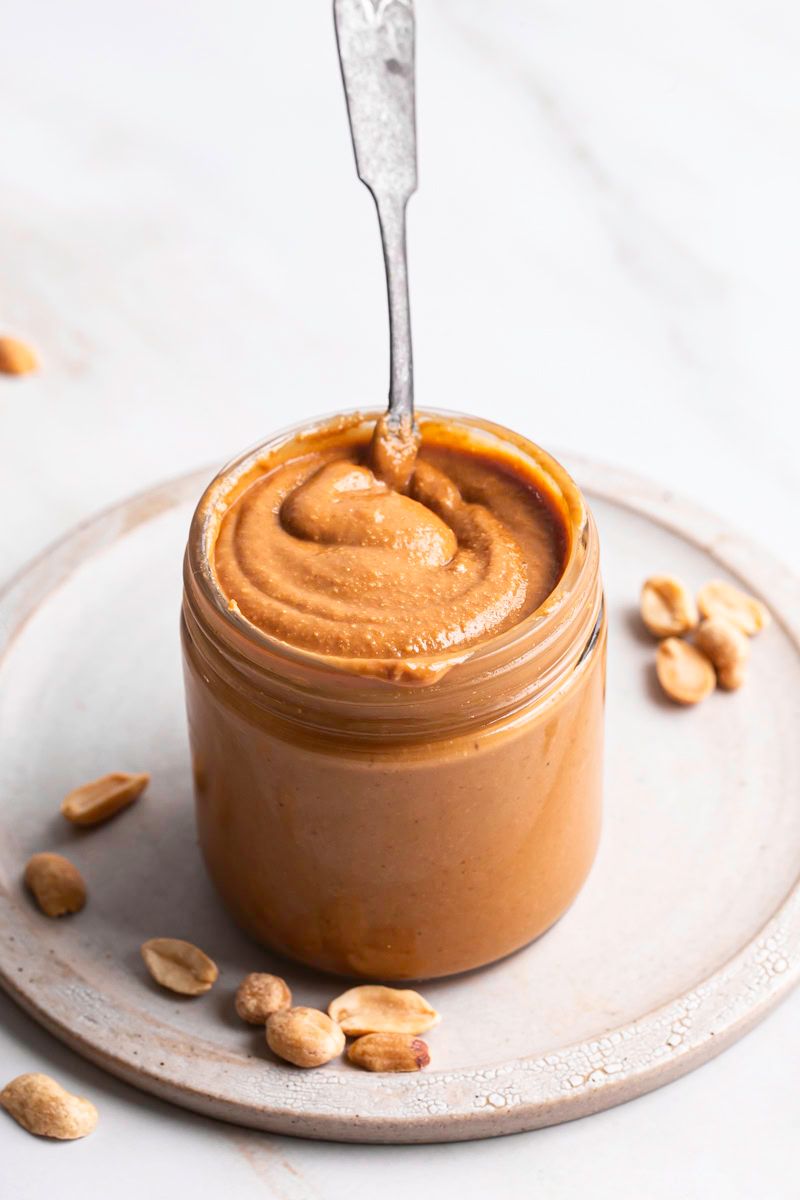
Cold peanut butter straight from the fridge is thick, almost paste-like, and the flavor is there but muted – the oils are solidified and the aroma is barely noticeable.
Warm peanut butter is a whole new experience. The oils loosen up, the nutty aroma blooms, and the flavor tastes noticeably richer and more pronounced.
Drizzling warm peanut butter over oatmeal or pancakes is a game-changer. Many chefs warm it slightly before using it in sauces or dressings because the flavor payoff is genuinely worth the extra step.