
The words you choose say a lot about how confident, clear, and credible you are. Some phrases seem harmless but actually make you sound unsure, vague, or even unprofessional.
Swapping out a few key words can completely change how people see you. Here are 19 words and phrases worth cutting from your everyday vocabulary.
1. Just
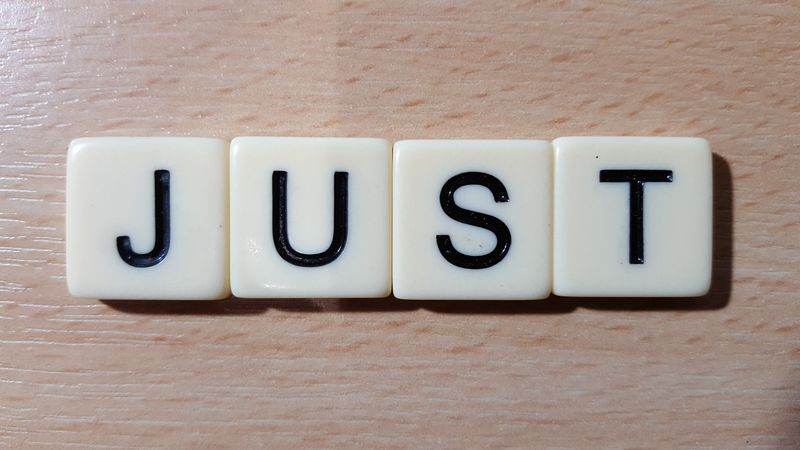
Slipping the word “just” into your sentences might feel polite, but it quietly shrinks your message. Saying “I just wanted to ask” sounds apologetic before you even get to your point.
Strong communicators drop this word and speak directly. Compare “I just think we should try this” to “We should try this.” The second version sounds far more confident and worth listening to.
2. I Think / I Believe

Prefacing facts with “I think” or “I believe” is fine for sharing opinions, but it gets tricky when you actually know something for certain. It signals doubt where there should be none.
If you have the data, the experience, or the expertise, own it. Say “The research shows” instead of “I think the research shows.” Dropping the hedge keeps your authority intact and your audience paying attention.
3. Literally / Actually / Honestly / Really

Words like “literally,” “actually,” and “honestly” have become verbal wallpaper. People say them so often they stop meaning anything at all, and listeners start tuning out the speaker.
These intensifiers are supposed to add emphasis, but overuse does the opposite. Try recording yourself in a conversation and count how many times these sneak in.
You might be surprised. Cutting them makes every sentence cleaner and more powerful.
4. Maybe / Perhaps

“Maybe we could do it this way” and “Perhaps that is a good idea” both carry the same quiet problem: they make you sound like you are waiting for someone else to decide. Wishy-washy language rarely inspires confidence.
When you have a real suggestion or recommendation, commit to it. Replace “maybe” with a clear statement of what you actually believe.
People respect someone who takes a stance, even if they disagree.
5. I Feel (When Expressing Opinions)

“I feel like this report needs more data” sounds emotional rather than analytical. Using “feel” to introduce a judgment or professional opinion softens the message in a way that can actually undercut your expertise.
Swapping “I feel” for “I believe,” “I think,” or better yet a direct statement gives your words more authority. Save “I feel” for moments when you are genuinely talking about emotions.
Context matters a lot here.
6. Jargon (Synergy, Circle Back, Leverage)
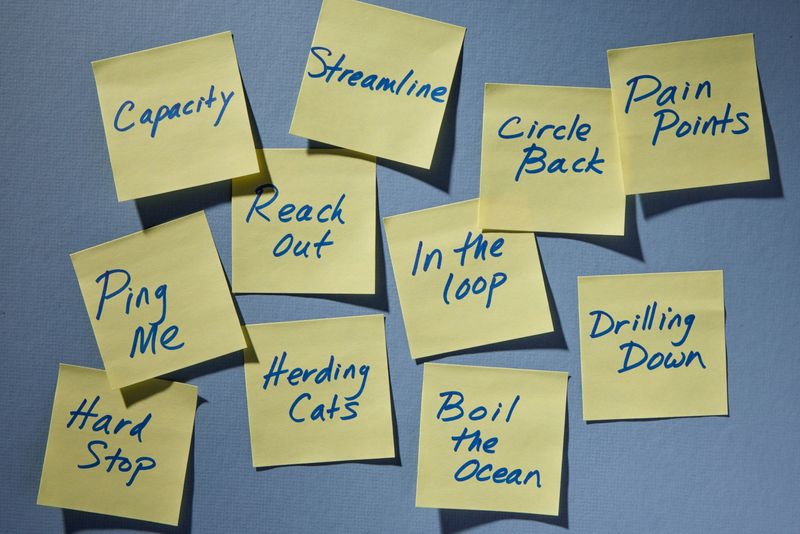
Corporate buzzwords like “synergy,” “low-hanging fruit,” and “circle back” were once fresh and useful. Now they mostly make people roll their eyes or quietly check out of the conversation.
Jargon can also exclude people who are not familiar with the lingo, which is the opposite of good communication. Replacing “leverage our core competencies” with “use our strengths” gets the point across faster and sounds far more genuine.
Plain language wins every time.
7. Cliches (At The End Of The Day, Think Outside The Box)
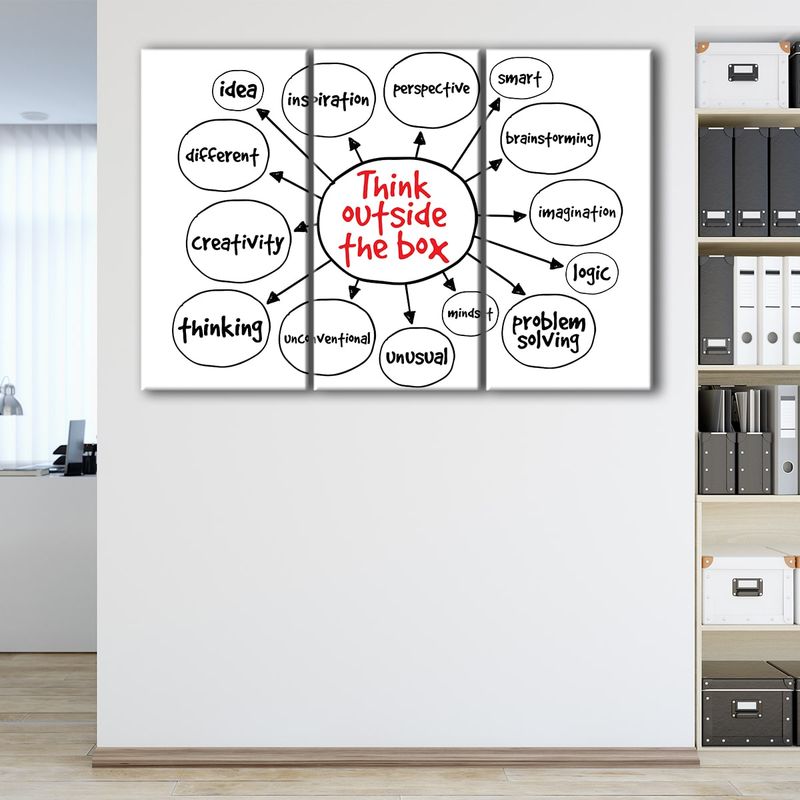
Cliches are phrases that were once clever but got repeated so many times they lost all their spark. Saying “at the end of the day” or “think outside the box” in a presentation rarely impresses anyone anymore.
Stale language signals lazy thinking, even when your ideas are actually good. Audiences want originality.
Try saying exactly what you mean in your own words. Fresh, specific language is almost always more memorable than a worn-out expression.
8. I’m Sorry To Bother You

Opening with “I’m sorry to bother you” immediately frames you as an inconvenience before you have even said anything. It sets a tone of apology that puts you at a disadvantage right from the start.
Your questions and requests are legitimate. Lead with the request itself: “Do you have a moment to look at this?” is direct without being rude.
Confident communication does not start with a built-in apology for simply reaching out to someone.
9. Does That Make Sense?

Asking “does that make sense?” after explaining something can accidentally imply that your explanation might have been confusing. It plants a seed of doubt in the listener’s mind before they even had a chance to process what you said.
A better move is to invite questions more confidently: “What questions do you have?” or “Let me know if you want me to expand on anything.” These alternatives keep the energy positive and your credibility solid.
10. Things / Stuff
“We need to sort out some stuff” and “there are a few things to go over” both have one big problem: they say almost nothing. Vague nouns like “things” and “stuff” leave your listener guessing what you actually mean.
Specificity is a superpower in communication. Instead of “things,” name what you are talking about. “We need to review the budget, the timeline, and the vendor list” is clear, direct, and shows you actually know your material.
11. Always / Never

“You always do this” or “that never works” are fighting words in most conversations, and they are rarely accurate. Absolute statements shut down dialogue and often come across as unfair or exaggerated.
In professional settings, they can also backfire quickly. Someone will find the one exception to your “always” or “never” and use it to dismiss your entire point.
Try “often,” “rarely,” or “in most cases” to sound more measured and credible.
12. Try / Hopefully

“I’ll try to have that ready by Friday” sounds like you are already building in an excuse. “Hopefully this goes well” suggests you are crossing your fingers rather than taking control of the outcome.
These words signal low commitment, even when that is not your intention at all. Replacing “try” with a firm statement of action changes everything. “I will have it ready by Friday” is accountable, clear, and far more reassuring to anyone counting on you.
13. Why?

A single blunt “why?” can land like an accusation, especially in a tense or high-stakes workplace conversation. Even if your curiosity is completely genuine, the word can make the other person feel judged or put on the spot.
Reframing helps a lot. “What led to this decision?” or “Help me understand the thinking behind this” gets you the same information with a much friendlier tone. The goal is understanding, not interrogation, and your word choice reflects that.
14. But
“That’s a great point, but…” is a classic setup that erases everything before the comma. The word “but” signals to listeners that whatever came before it does not really count, which can leave people feeling dismissed.
Swapping “but” for “and” is a small change with a big impact. “That’s a great point, and here is another angle to consider” keeps both ideas alive in the conversation. It feels more collaborative and far less like a shutdown.
15. So (As A Sentence Starter)
Starting every answer or statement with “So…” has become a widespread habit, especially in interviews and presentations. It often sounds like the speaker is stalling, buying themselves a second to think before committing to a real thought.
Occasional use is fine, but when “so” becomes your default opener, it chips away at how polished and confident you seem. Try pausing briefly instead.
A moment of silence before speaking actually signals confidence rather than uncertainty.
16. You Know

“You know” sneaks into conversations as a filler phrase, often used to check that the listener is following along. The problem is it rarely helps, and when repeated, it becomes more of a verbal tic than a communication tool.
Frequent use can make a speaker seem less prepared or less sure of what they are saying. The fix is straightforward: slow down, take a breath, and trust your words.
Confidence does not need a safety net phrase propping it up.
17. It’s Complicated

Responding to a direct question with “it’s complicated” can come across as a way to avoid explaining something you do not fully understand yourself. Even when the topic genuinely is complex, the phrase does not help anyone.
A smarter approach is to simplify: break the answer into steps or offer a brief overview. Saying “There are a few moving parts, let me walk you through them” shows competence and willingness to communicate, rather than throwing up a wall.
18. We Should…

“We should really get together and brainstorm that” sounds positive in the moment, but without a time or plan attached, it usually goes nowhere. “We should” is the professional cousin of “someday,” and someday rarely shows up on a calendar.
Turning a “we should” into a “we will” or “let’s schedule” moves ideas into action. Specific commitments get things done.
Vague suggestions feel good but fade fast, and people notice who follows through versus who just talks about it.
19. Self-Deprecating Statements

Saying things like “I’m not great with names” or “I’m the worst at remembering faces” might feel like harmless humility, but it actually signals a lack of effort or interest in connecting with others.
Repeated self-deprecating remarks can quietly chip away at how others perceive your competence. Owning your weaknesses is one thing, but broadcasting them as fixed traits is another.
Swap them for growth-oriented language: “I am working on getting better with names” shows awareness without surrender.