
Sometimes the biggest decision an actor makes is saying no. Throughout Hollywood history, many well-known performers have walked away from iconic roles because the script’s message clashed with their personal values or beliefs. These choices reveal that for some stars, a paycheck and fame are not always enough.
Their decisions often sparked debate and left fans wondering what could have been.
1. Laurence Fishburne Passed on Pulp Fiction
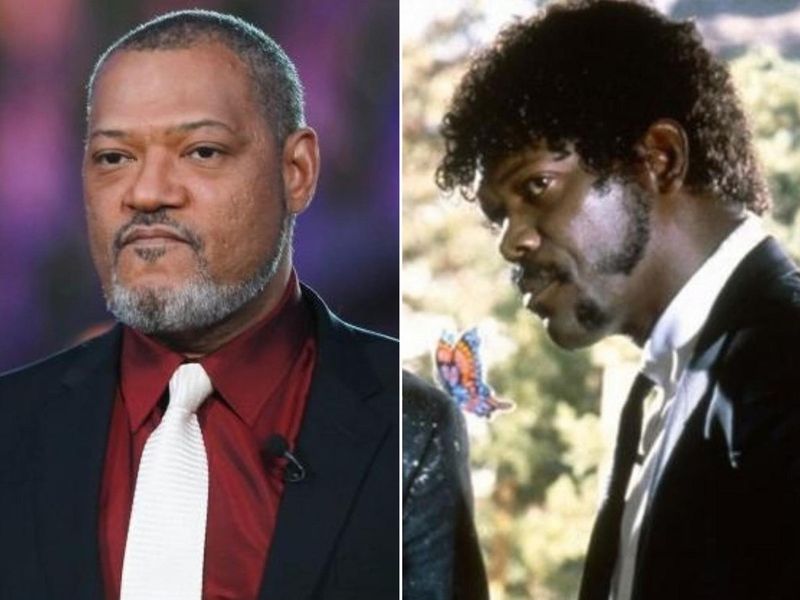
Laurence Fishburne turned down the role of Jules Winnfield in Quentin Tarantino’s “Pulp Fiction” for a reason that surprised many fans. He felt the script made heroin use look cool and glamorous, which deeply troubled him.
Fishburne did not want to be part of a story that might convince young viewers that drug addiction was exciting or harmless. Samuel L.
Jackson took the role and earned legendary status. Fishburne stood firm on his values, no regrets.
2. Gene Hackman Said No to Hannibal Lecter
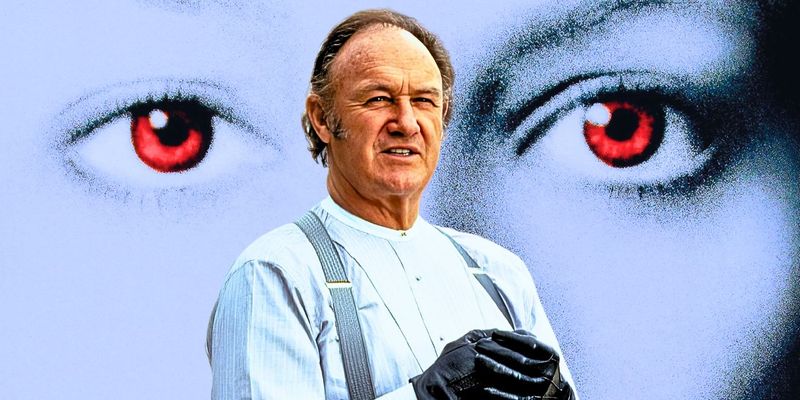
Before Anthony Hopkins made Hannibal Lecter one of cinema’s most chilling villains, Gene Hackman was actually attached to the project. He was set to both direct and star in “The Silence of the Lambs,” but ultimately walked away.
The script’s dark and violent content was simply too much for him. Hackman found the material deeply disturbing and could not see himself bringing that kind of darkness to life.
Hopkins stepped in and won an Oscar.
3. Jack Nicholson Declined The Godfather
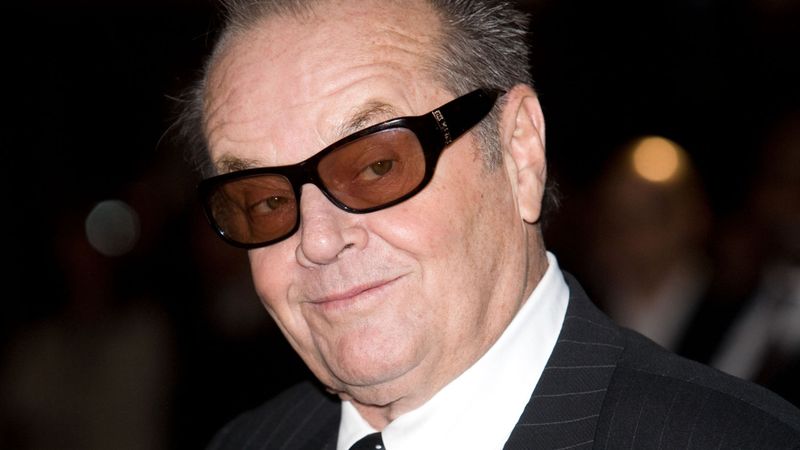
Jack Nicholson was offered the iconic role of Michael Corleone in “The Godfather,” and his reason for turning it down was surprisingly straightforward. He believed the part should go to an Italian actor, not him.
“Italians should play Italians,” he reportedly said, feeling it was not his place to take on the character. Al Pacino landed the role and delivered one of the greatest performances in film history.
Nicholson’s principled stance became a famous Hollywood footnote.
4. Matthew Modine Skipped Top Gun Over Anti-War Beliefs
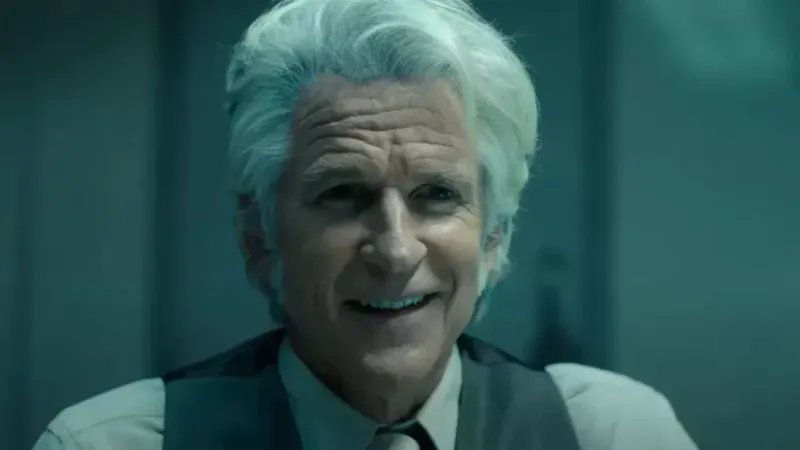
Not everyone wanted to suit up for “Top Gun.” Matthew Modine was offered the starring role of Maverick but turned it down because the film’s message clashed with his strong anti-war beliefs.
He felt the movie glorified military combat and painted war in an exciting, heroic light that he personally disagreed with. Tom Cruise took the role and became a global superstar practically overnight.
Modine has spoken openly about his choice and says he has no regrets.
5. Michelle Pfeiffer Rejected Clarice Starling
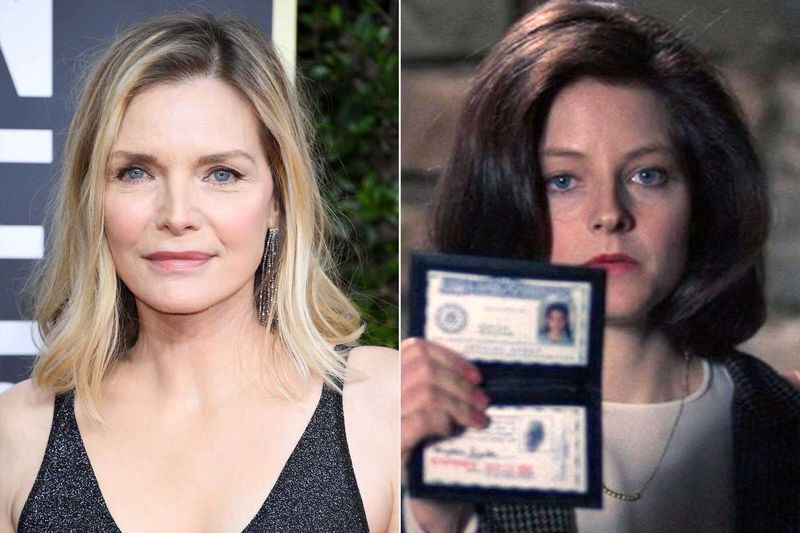
Michelle Pfeiffer was offered the role of Clarice Starling in “The Silence of the Lambs,” but she passed on it for a very personal reason. The script’s dark tone and its ending, where evil seemed to win, made her deeply uncomfortable.
She described the material as simply too “evil” for her to engage with comfortably. Jodie Foster stepped in and won the Academy Award for Best Actress.
Pfeiffer later acknowledged it was likely a missed opportunity, though she stood by her decision.
6. Angela Bassett Turned Down Monster’s Ball
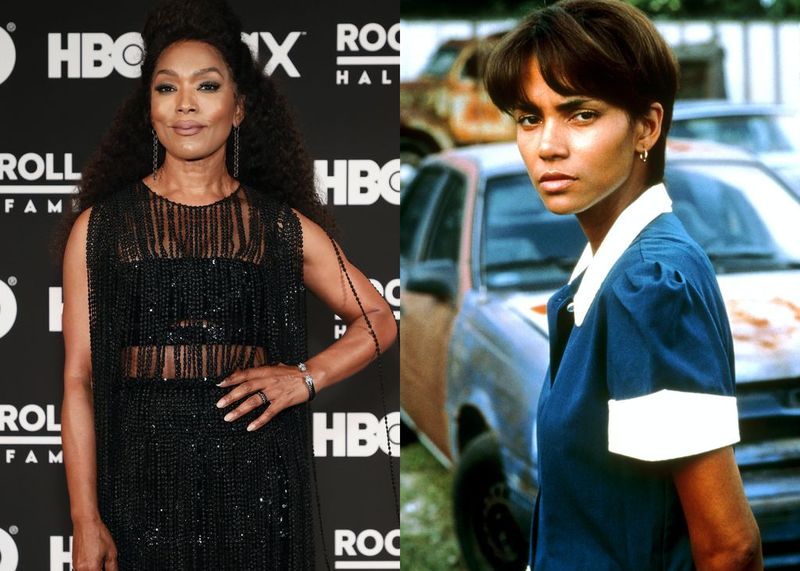
Angela Bassett was offered the lead role of Leticia in “Monster’s Ball,” a film that went on to earn Halle Berry an Academy Award. Bassett chose to walk away, and she was not quiet about her reasons.
She publicly stated that the role felt demeaning to her as a Black woman, and she refused to portray what she saw as a degrading character. Her decision sparked a wide conversation about representation and dignity in Hollywood.
Bassett stood her ground with confidence.
7. Crispin Glover Had Issues With Charlie’s Angels
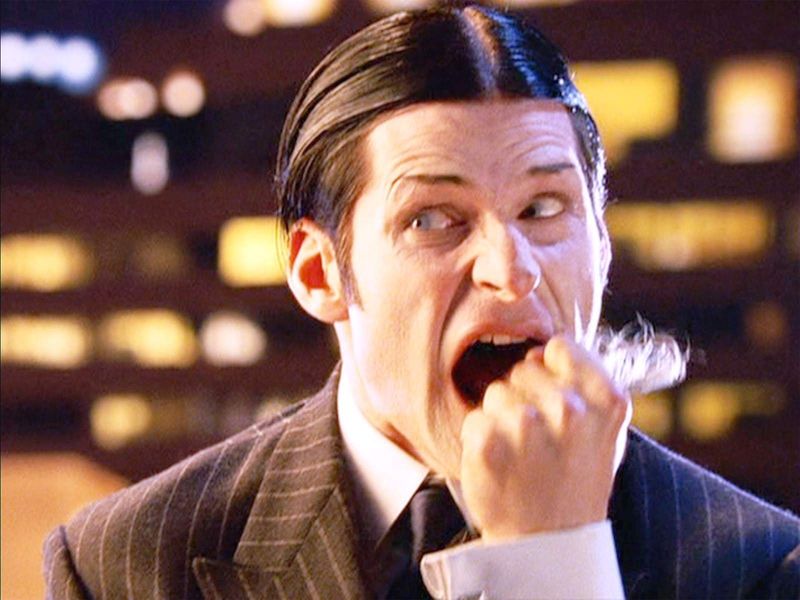
Crispin Glover’s path to playing the Thin Man in “Charlie’s Angels” was anything but smooth. He originally refused the role because he thought the character’s dialogue was poorly written and felt too expository and clunky.
Rather than rewrite the lines to his satisfaction, the filmmakers took a creative shortcut: they simply removed all of his character’s dialogue entirely. Glover then agreed to take the part.
The result was a silently menacing villain who many fans remember as one of the film’s highlights.
8. Patrick Warburton Refused a Family Guy Script
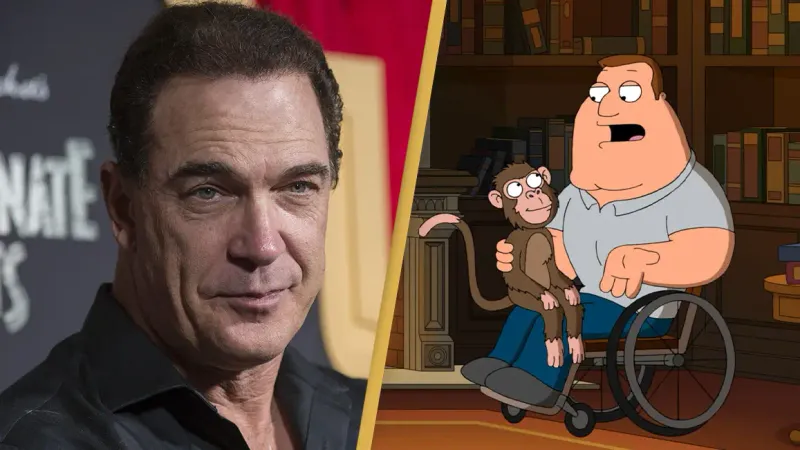
Patrick Warburton is well known for voicing Joe Swanson on “Family Guy,” but even longtime cast members have limits. He refused to record lines for a specific episode after reading content he found genuinely offensive.
Warburton described the material as “unbelievably offensive” and chose not to participate in that segment. His willingness to push back on a show known for crossing lines says a lot about where his personal boundaries lie.
Even in animated comedy, some words are simply not worth saying.
9. Keanu Reeves Drew the Line at Objectifying Women
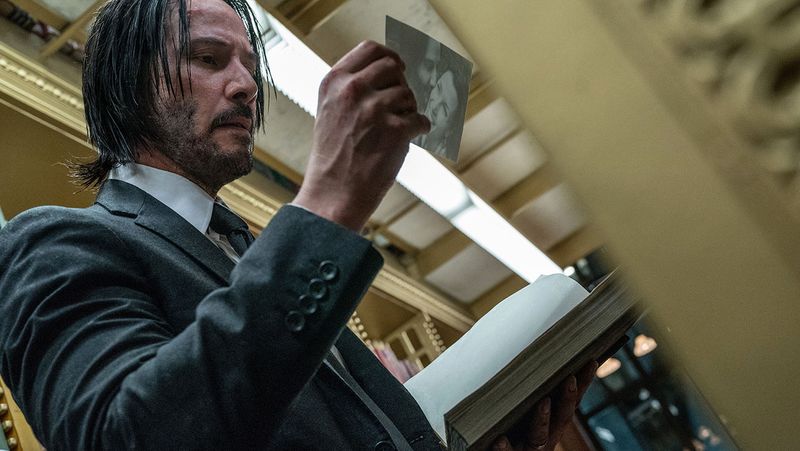
Keanu Reeves has a reputation for being one of the most genuinely kind people in Hollywood, and his on-set choices back that up. He reportedly refused to film scenes that he felt unnecessarily objectified women.
Rather than go along with what was written, Reeves pushed back and insisted on changes that treated his co-stars with more dignity. His quiet advocacy behind the scenes earned him even more respect from colleagues.
Good values, it turns out, can reshape a script.
10. Denzel Washington Avoided Se7en’s Dark World
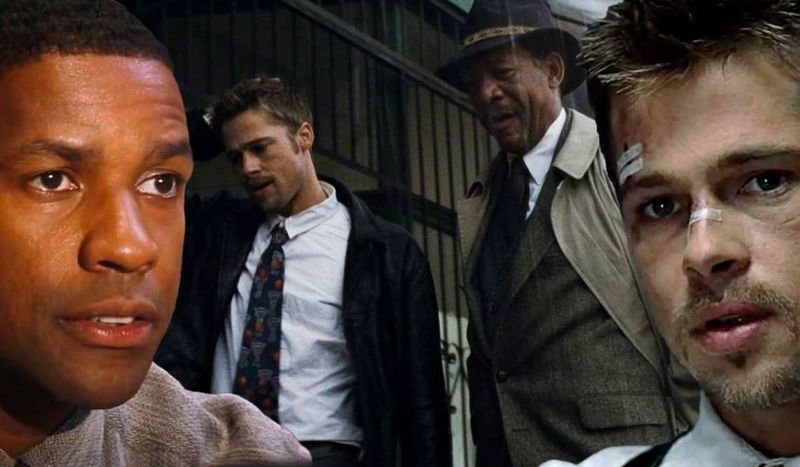
Denzel Washington was originally offered a starring role in the psychological thriller “Se7en,” but he turned it down because the film’s dark and bleak tone did not sit well with him. He has always been thoughtful about the messages his films send.
Washington has also been known to decline romantic scenes that he felt could disrespect the institution of marriage or send the wrong message to his audience. For him, a script’s moral weight matters just as much as its dramatic power.
11. Emma Watson Said No to Explicit Scenes in This Is the End
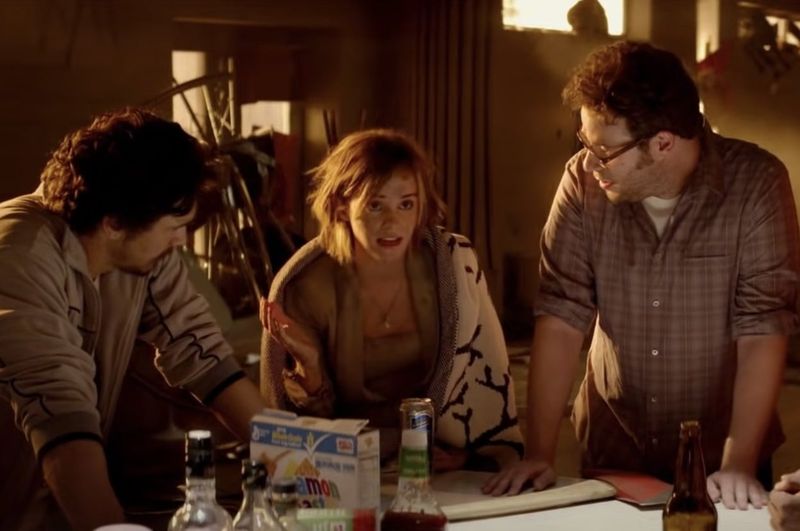
Emma Watson appeared briefly in the comedy “This Is the End,” but she famously walked off set mid-filming over a scene she was not comfortable with. The explicit tone of certain scenes did not align with what she had signed up for.
Rather than push through something that felt wrong, she chose to leave. Her decision was widely respected, and the film was adjusted.
Watson has consistently made choices that reflect her values, both on screen and off, which has shaped her public image in a meaningful way.
12. Leonardo DiCaprio Passes on Controversial Projects
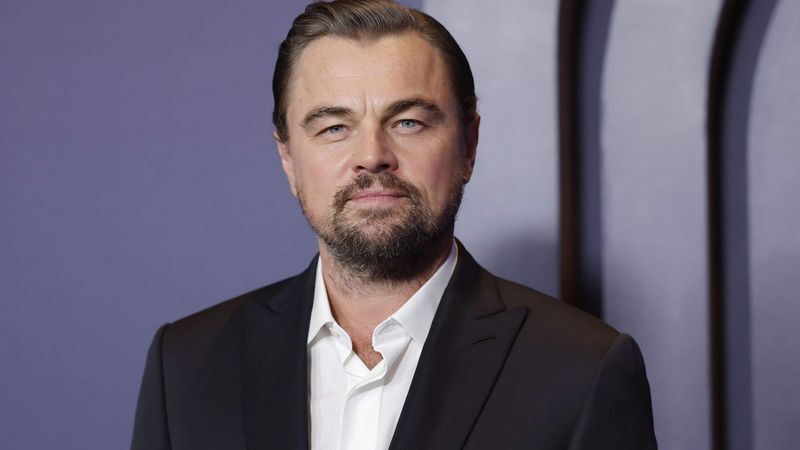
Leonardo DiCaprio is one of Hollywood’s most selective stars, and his choices go beyond just picking great scripts. He has reportedly passed on multiple projects because their themes conflicted with his personal beliefs and the public image he has carefully built over decades.
DiCaprio is deeply passionate about environmental causes and social responsibility, and he tends to avoid roles that could undermine those values. For him, every film choice is also a statement about who he is.
That level of intention is rare in the industry.
13. Tom Cruise Is Careful About Character Messaging
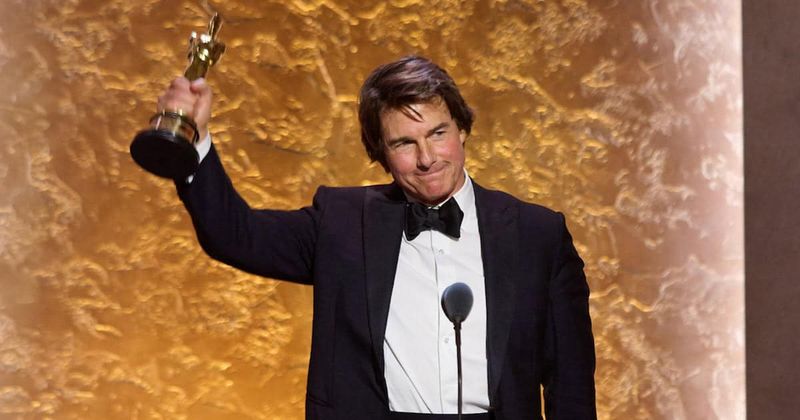
Tom Cruise has built one of the longest-running careers in Hollywood partly by being very deliberate about the roles he accepts. He has occasionally stepped away from projects when the script’s messaging or character portrayal did not sit right with him.
Cruise tends to gravitate toward heroes and characters with a clear moral compass, which fits his brand both on screen and off. When a role feels like it sends the wrong message, he has shown he is willing to walk away.
His consistency has helped define his stardom.
14. Julia Roberts Stays True to Her Values
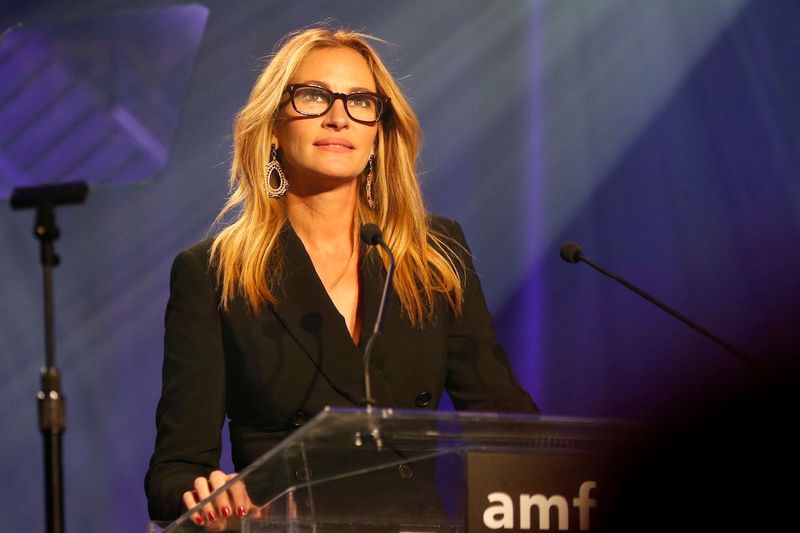
Julia Roberts has never been shy about turning down roles that clash with who she is as a person. Over her long career, she has declined projects that did not reflect her personal values or the kind of stories she wants to tell.
Roberts has spoken about the importance of choosing roles with purpose and meaning, not just prestige or profit. Her willingness to say no has helped her build a filmography she is genuinely proud of.
In Hollywood, knowing your limits is its own kind of power.
15. Brad Pitt Avoided Glorifying Bad Behavior
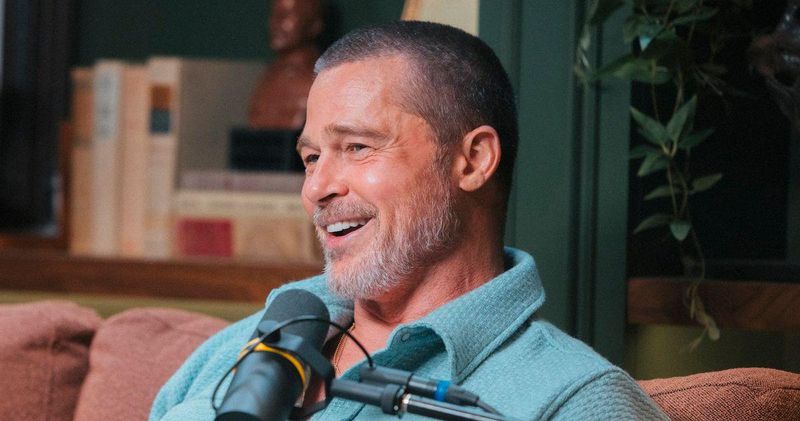
Brad Pitt has reportedly steered clear of projects that he felt celebrated or normalized behavior he personally disagreed with. Despite being one of the most bankable stars in Hollywood, he has shown a willingness to turn down work that conflicts with his worldview.
Pitt is known for being selective, often choosing films with layered storytelling and meaningful themes. When a script seems to glorify harmful choices without consequence, he tends to move on.
That kind of selectivity has helped keep his career both respected and diverse.
16. Christopher Lee Hated the Dracula Script
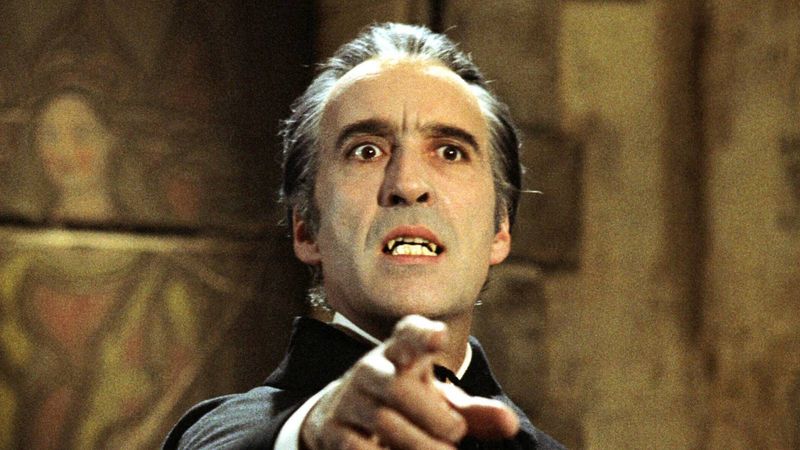
Christopher Lee had serious reservations about the 1958 film “Dracula” before he ever stepped on set. He found the script farcical and believed it made the legendary vampire appear almost laughable rather than truly terrifying.
His solution was bold: he convinced the filmmakers to cut nearly all of Dracula’s dialogue. Lee relied entirely on his towering physical presence, piercing eyes, and commanding body language to convey menace.
The result became one of cinema’s most iconic horror performances, proving silence can be scarier than any words.