
Across the world, food has always been more than just fuel. Before setting off on a big adventure, many cultures have special foods they eat to bring good luck, protection, and safe travels.
From ancient rituals to modern family traditions, these pre-journey meals carry deep meaning and a whole lot of hope. Whether you believe in the magic or just love the stories, these 15 lucky foods are fascinating to explore.
1. Long Noodles (China)
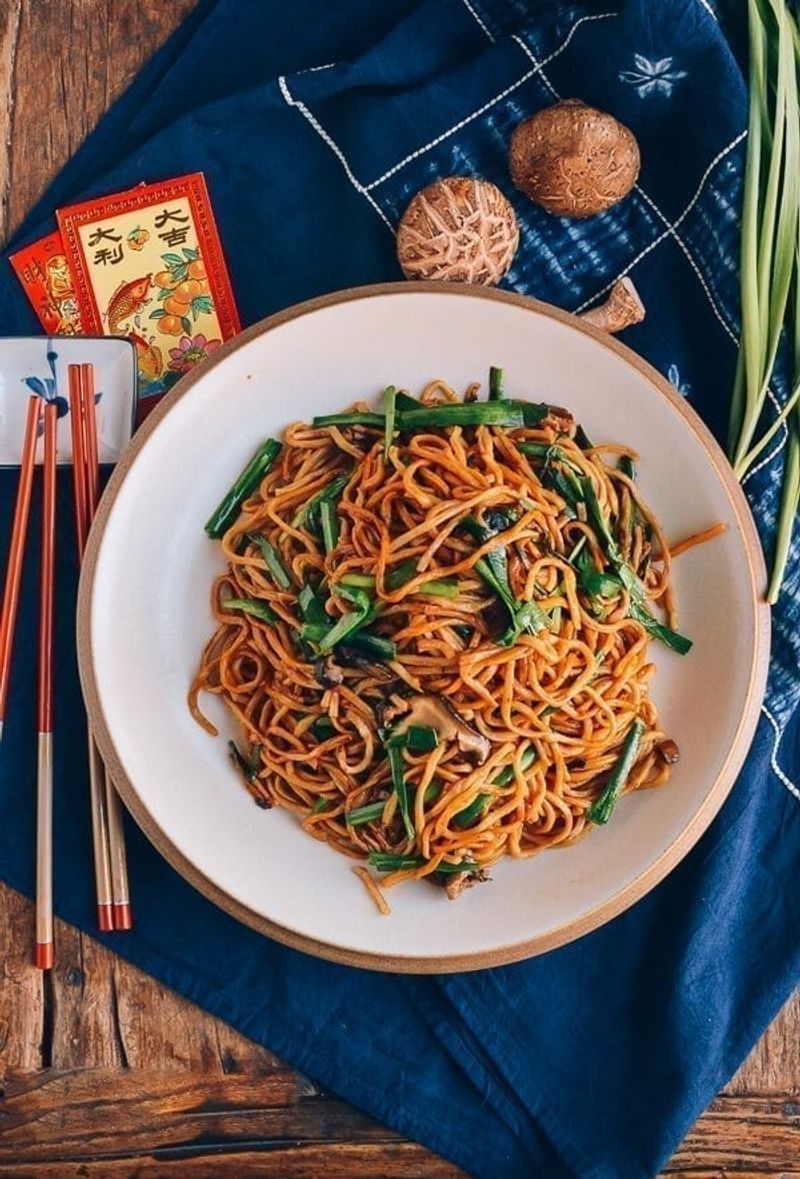
In Chinese culture, long noodles are a powerful symbol of a long and safe journey. The key rule?
Never cut them. Breaking the noodles is believed to cut short your luck or even your life.
Families gather to slurp these lengthy strands before a loved one travels far from home. The longer the noodle, the better the fortune.
It is a tradition that has been passed down for thousands of years and still holds strong today.
2. Rice (Japan and Southeast Asia)
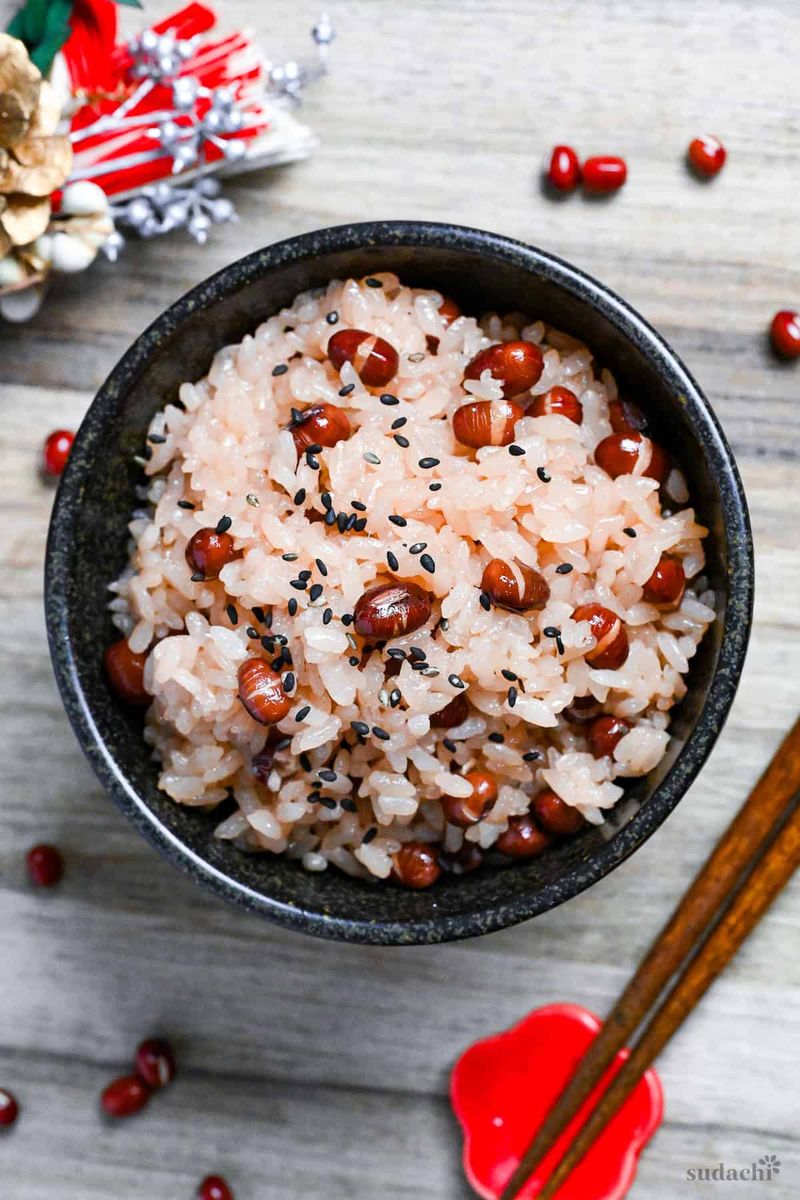
Rice is considered sacred in many Asian cultures, especially in Japan and across Southeast Asia. Before a journey, eating a full bowl of rice is thought to fill the traveler with strength and divine protection.
Leaving even a single grain behind is considered bad luck in many households. Farmers and sailors alike relied on this ritual for centuries.
Today, it remains a quiet but meaningful part of pre-travel meals in millions of homes.
3. Lentils (Italy and Germany)
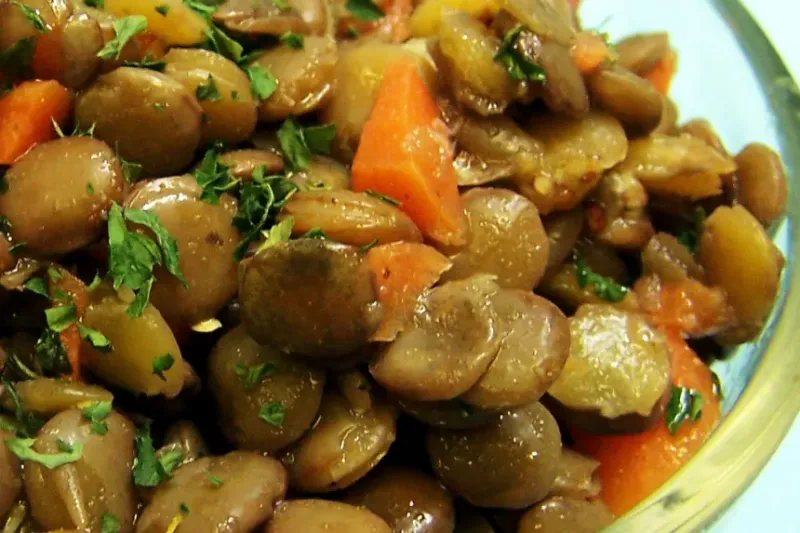
Lentils might seem like simple food, but in Italy and Germany they carry serious good luck meaning. Their round, coin-like shape makes them a symbol of wealth, abundance, and smooth travels ahead.
Italians traditionally eat lentils on New Year’s Day and before big life changes, including long trips. Germans share a similar belief, often pairing them with sausage.
A warm bowl of lentils before departure is believed to bring prosperity wherever the road leads.
4. Black-Eyed Peas (American South)
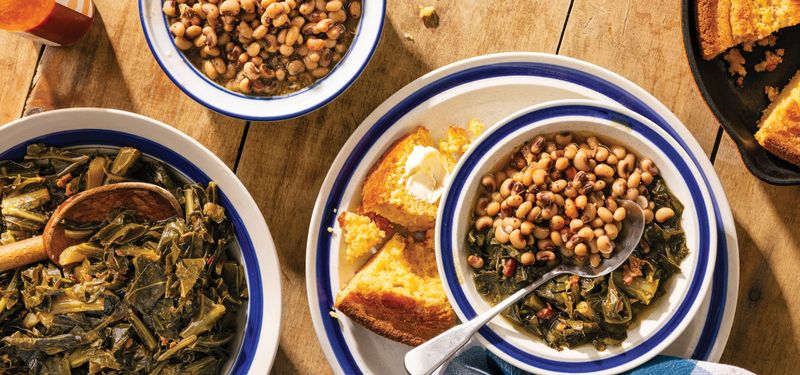
Down in the American South, black-eyed peas have been a symbol of good luck for centuries. Many believe their origin traces back to African and Native American traditions that blended together over generations.
Before a major journey or life event, eating black-eyed peas is thought to bring good fortune and protection. They are often cooked with greens and cornbread for a full lucky meal.
The tradition is especially strong around New Year’s and big family milestones.
5. Fish (Various Cultures Worldwide)
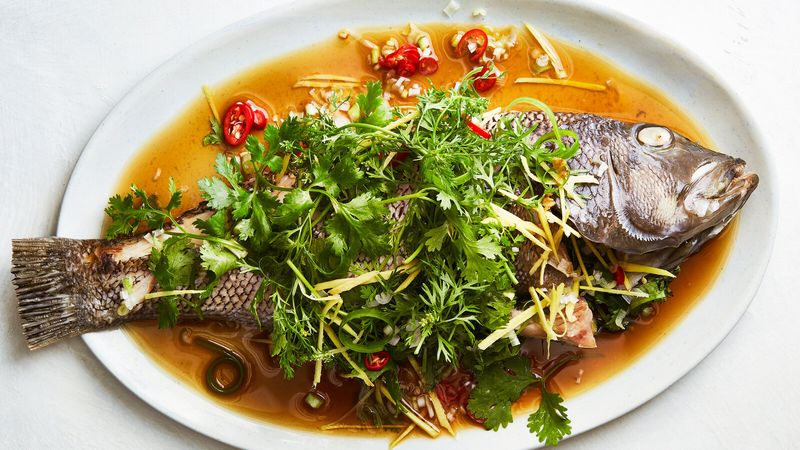
Fish swim forward, never backward, and that simple fact has made them a symbol of progress and good luck in cultures from China to Greece to the Philippines. Eating fish before a journey is believed to keep the traveler moving in the right direction.
Whole fish are especially lucky because they represent completeness. In many coastal communities, fishermen’s families would prepare a fish dish before any long voyage to call on the sea’s protection.
The tradition runs deep in maritime history.
6. Dumplings (China)
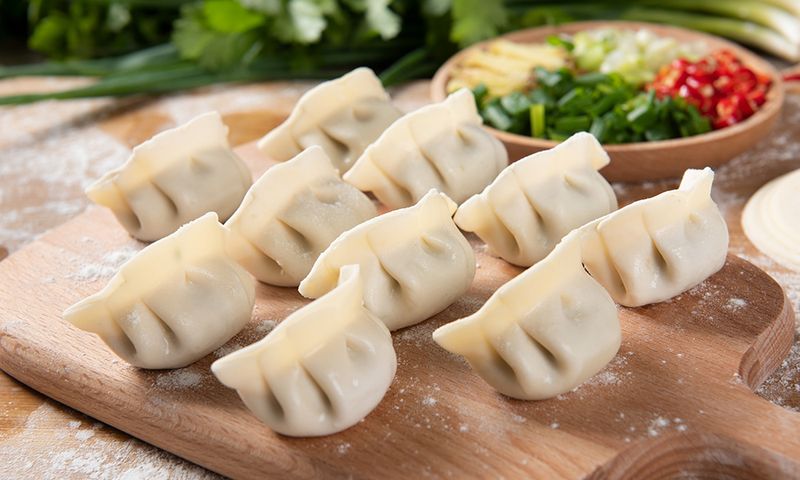
Shaped like ancient gold ingots, Chinese dumplings are one of the most beloved good luck foods before any major event, including travel. The folded shape is said to hold good fortune inside, keeping it close to whoever eats them.
Families often gather to make dumplings together the night before someone leaves on a big trip. Hiding a coin inside one dumpling is a fun tradition, and whoever finds it is said to enjoy extra luck on the road ahead.
7. Pomegranate (Greece and Middle East)
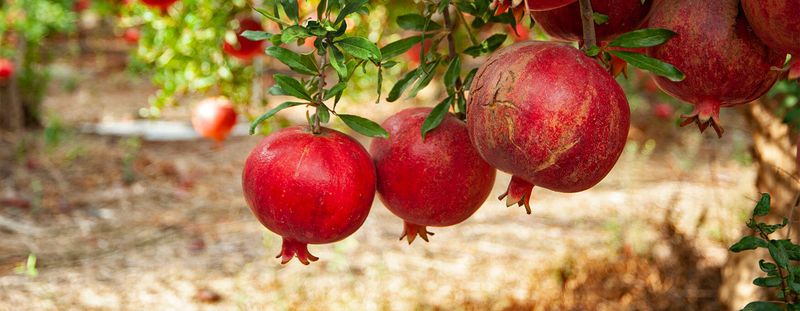
Bursting with hundreds of seeds, the pomegranate has long been a symbol of abundance, fertility, and good luck across Greece, Turkey, and the wider Middle East. Before a long journey, eating or even carrying a pomegranate is believed to ensure a fruitful return.
In Greek tradition, a pomegranate is sometimes smashed on the ground at the start of a new venture, releasing its seeds like scattered blessings. The vibrant red color also symbolizes life and energy for the road ahead.
8. Bread and Salt (Eastern Europe and Russia)
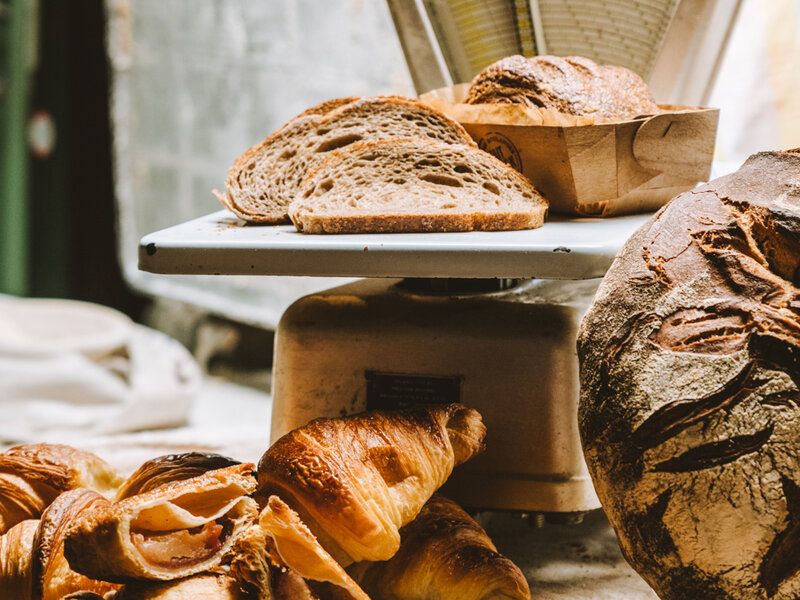
In Russia, Poland, and other Eastern European countries, bread and salt are offered to travelers as a farewell blessing. Bread represents prosperity, while salt symbolizes loyalty and protection from evil on the road.
The traveler takes a small bite of bread dipped in salt before departing, sealing the good wishes from family and friends. This ancient ritual has roots going back hundreds of years and is still practiced at weddings, homecomings, and big send-offs today.
9. Grapes (Spain and Latin America)
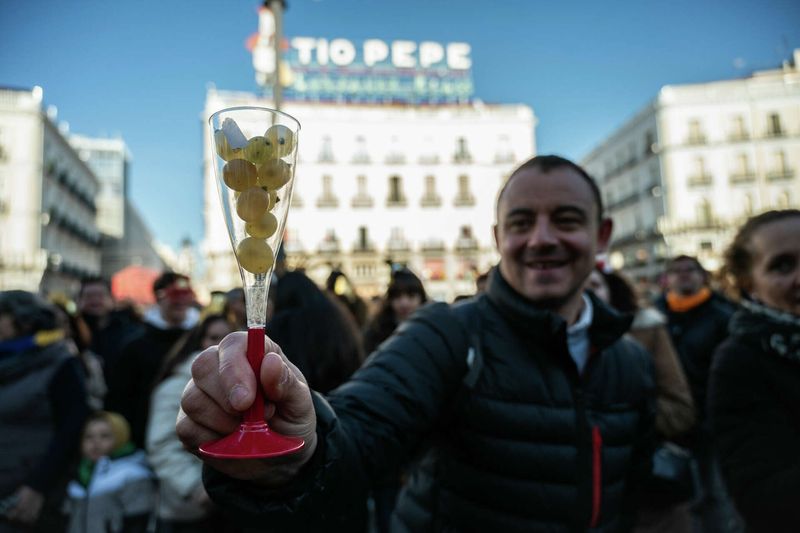
Eating twelve grapes at midnight on New Year’s Eve is a famous Spanish tradition, but grapes are also eaten for good luck before big journeys throughout Spain and Latin America. Each grape represents a month of safe and happy travel ahead.
The ritual is believed to have started in Spain in the early 1900s and spread quickly across the Spanish-speaking world. Travelers pop one grape at a time, making a small wish with each one.
It is a sweet and hopeful way to hit the road.
10. Honey Cake (Jewish Tradition)
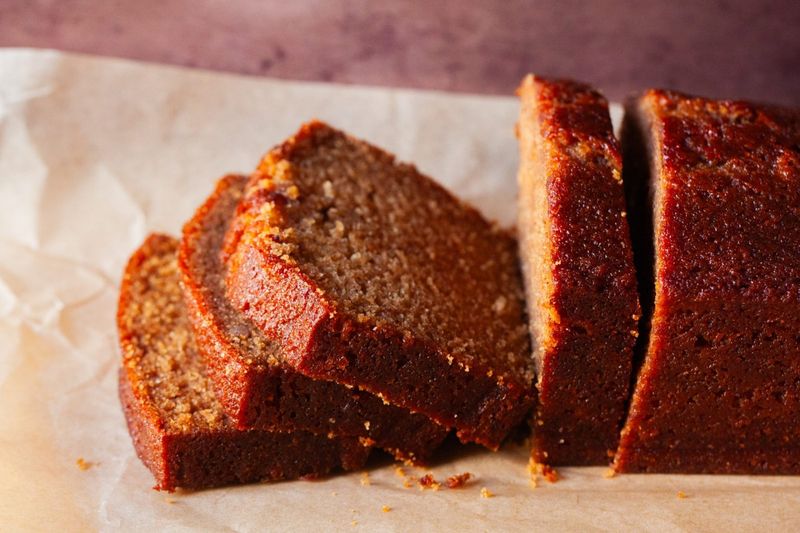
Honey cake, known as lekach in Yiddish, is a beloved treat in Jewish tradition, especially around Rosh Hashanah and before significant life journeys. Honey symbolizes the wish for a sweet and prosperous path ahead.
Sharing honey cake with a traveler is a warm and heartfelt way to say, “May your road be sweet.” The rich, spiced cake has been baked in Jewish homes for centuries. Its aroma alone feels like a hug before a long goodbye, carrying warmth and hope in every slice.
11. Tamales (Mexico and Central America)
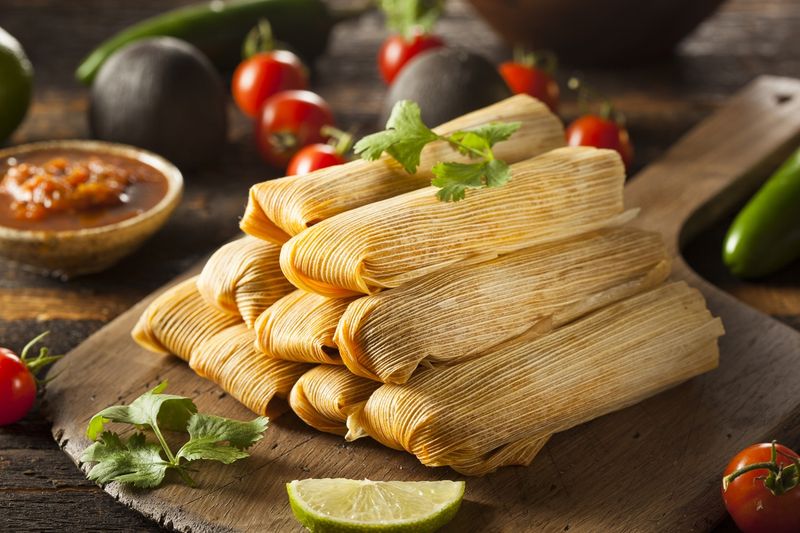
Tamales have been made in Mexico and Central America for over 5,000 years, and they have always carried ceremonial importance. Before a long journey, families prepare tamales as a send-off meal, wrapping love and good wishes right into the corn dough.
The act of making tamales together is a community ritual. It takes many hands and many hours, which makes the meal feel extra meaningful.
Travelers carry tamales on the road too, since they travel well and serve as a warm reminder of home.
12. Soba Noodles (Japan)
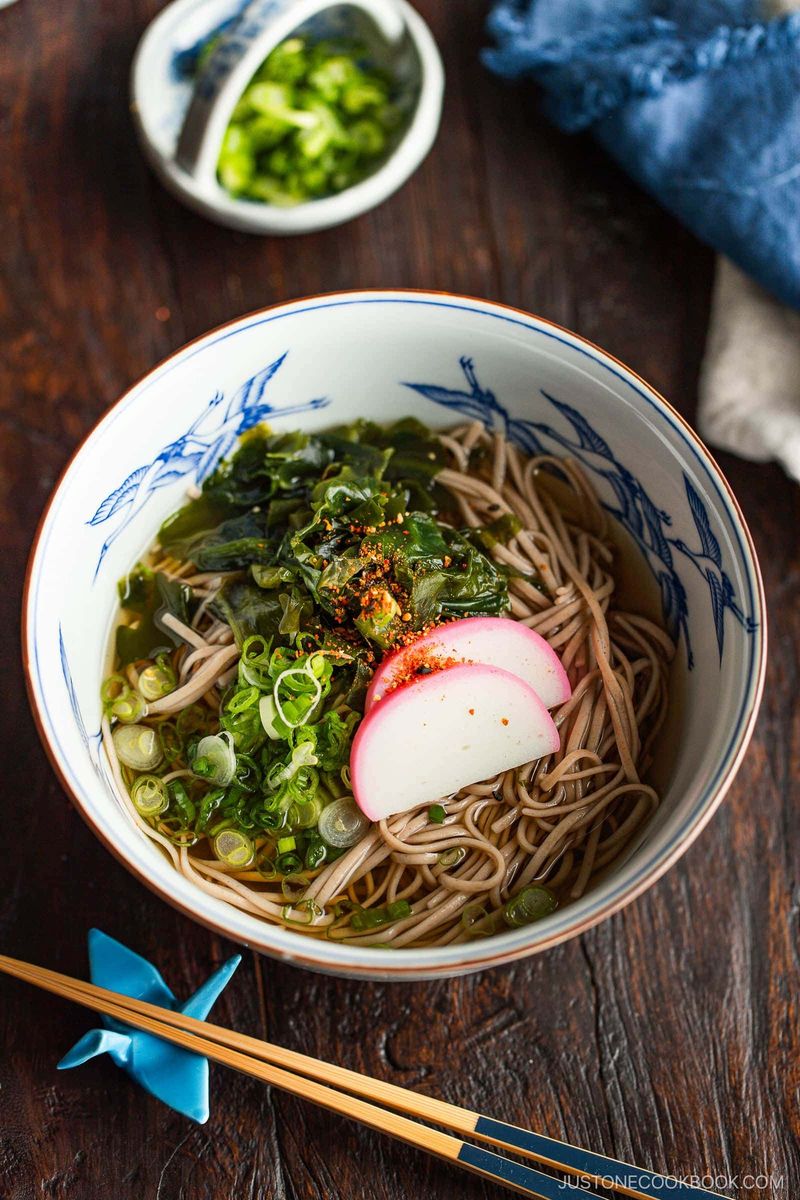
Soba noodles are eaten in Japan on New Year’s Eve and before major life changes, including travel. Their long, thin shape symbolizes a long life and a smooth journey without too many bumps in the road.
Unlike some lucky foods, soba noodles are also practical. They are quick to prepare, light on the stomach, and easy to digest before a tiring trip.
The Japanese saying goes that eating soba helps you “let go” of the past year and move forward with a clear mind.
13. Oranges (Chinese New Year and Travel Tradition)
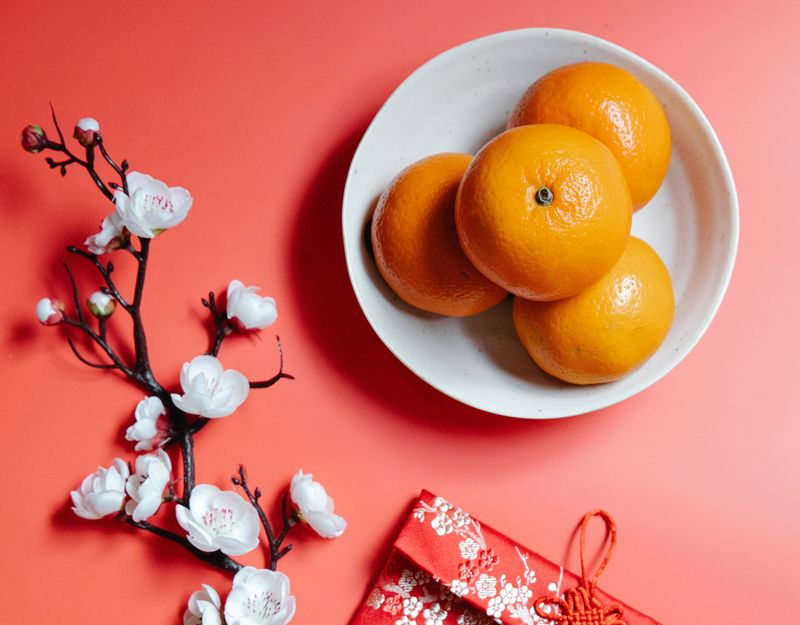
Round, golden, and brilliantly bright, oranges are one of the most iconic lucky foods in Chinese culture. Their color resembles gold coins, and their sweetness is thought to attract good fortune and safe passage.
Before a trip, travelers in China are often gifted pairs of oranges because the number two is considered lucky. Mandarin oranges are especially popular during Chinese New Year and before long journeys.
Giving an odd number is avoided, as only pairs are said to double the good luck.
14. Fufu and Soup (West Africa)
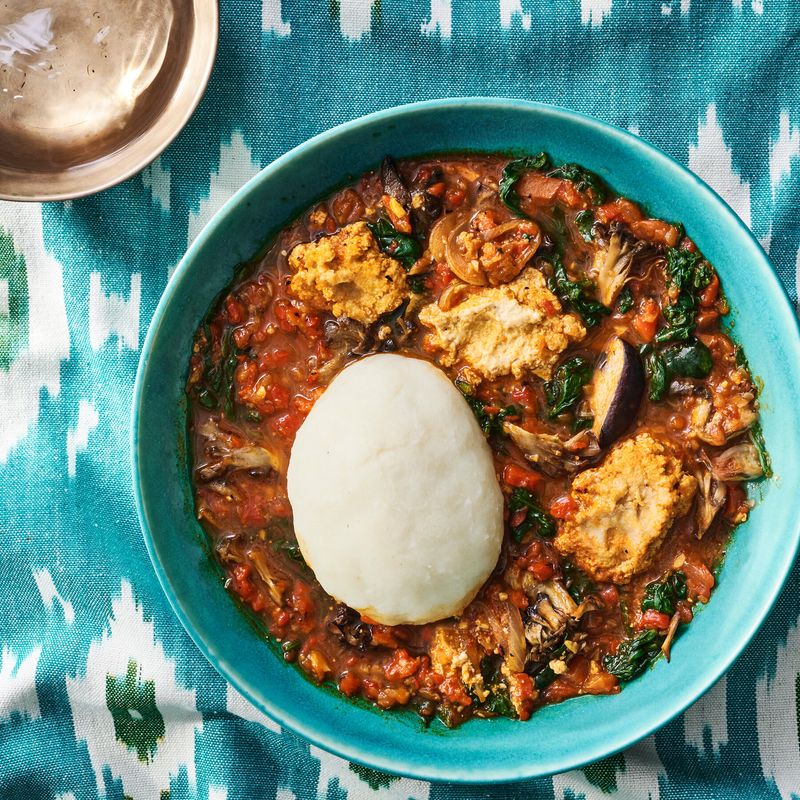
Fufu, a starchy dough made from cassava or yam, holds deep cultural and spiritual significance across West Africa. Before a traveler sets off on a long journey, sharing a meal of fufu and soup is a communal blessing rooted in tradition.
The act of eating together from a shared bowl is believed to transfer the community’s protective energy to the traveler. Elders often say prayers or offer words of guidance during the meal.
It is less about superstition and more about love passed through food.
15. Sticky Rice Cakes (Korea)
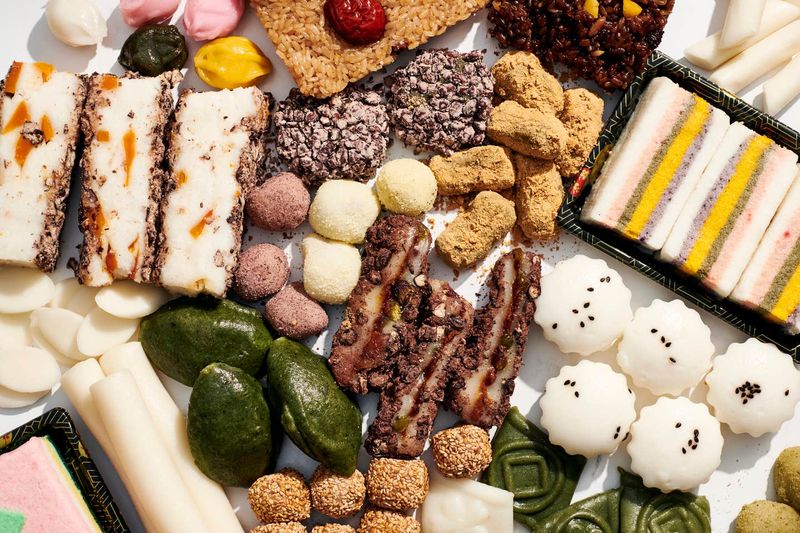
Korean tteok, or sticky rice cakes, are eaten before exams, weddings, and big journeys for one very sticky reason. Their chewy, clingy texture is believed to help good luck “stick” to the person eating them.
Families gift tteok to students before major tests and to travelers before long trips abroad. The cakes come in dozens of flavors and colors, each with its own symbolic meaning.
Red tteok, for instance, is believed to ward off bad spirits and keep the traveler safe from harm.