
Traveling back to the United States from another country can be exciting, but packing the wrong snacks could land you in serious trouble at the border. U.S.
Customs and Border Protection agents are trained to spot foods that could carry dangerous pests or diseases into the country. Many travelers are surprised to learn that even common, everyday foods can be confiscated on the spot.
Knowing what you cannot bring home could save you from hefty fines and a very awkward customs line.
1. Fresh, Dried, or Canned Meats and Meat Products
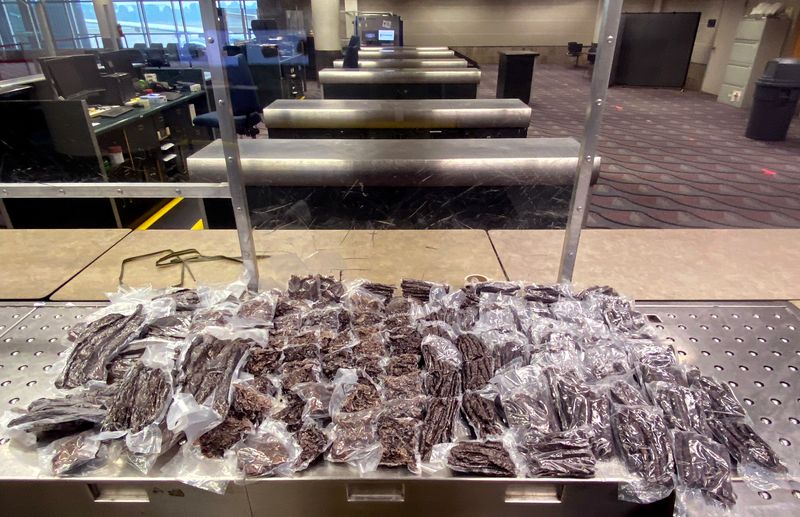
Packing that delicious salami or homemade jerky might seem harmless, but U.S. Customs takes meat very seriously.
Most fresh, frozen, cooked, cured, or dried meats from foreign countries are restricted, especially from places dealing with diseases like foot-and-mouth disease or African swine fever.
Even soup mixes or bouillon cubes that contain meat ingredients can be flagged. Border agents will confiscate these items without hesitation to protect American livestock from devastating outbreaks.
2. Poultry and Poultry Products
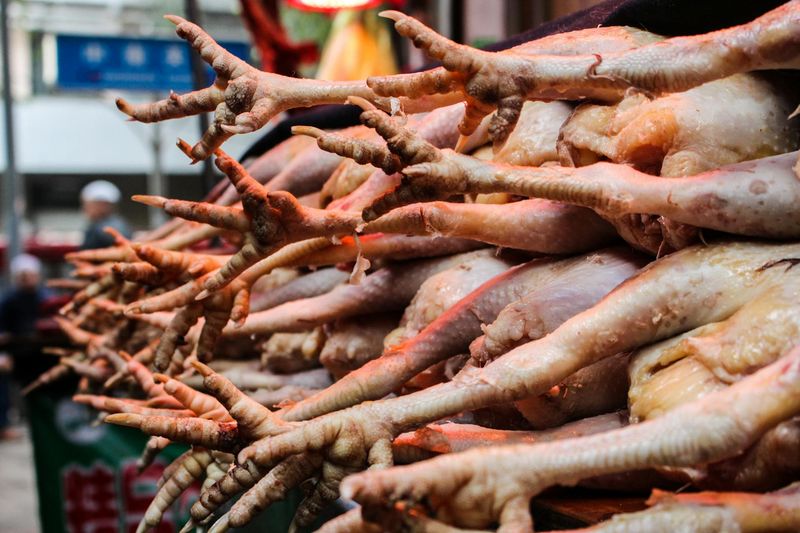
Chicken, turkey, duck, and other poultry products face strict restrictions when crossing into the United States. Countries experiencing avian flu outbreaks are especially scrutinized, and most fresh or dried poultry from those regions is flat-out banned.
Even packaged or processed poultry snacks can trigger a confiscation. The risk of spreading avian influenza to American farms is simply too great, so CBP agents follow a firm no-exceptions policy when poultry shows up undeclared.
3. Fresh Fruits
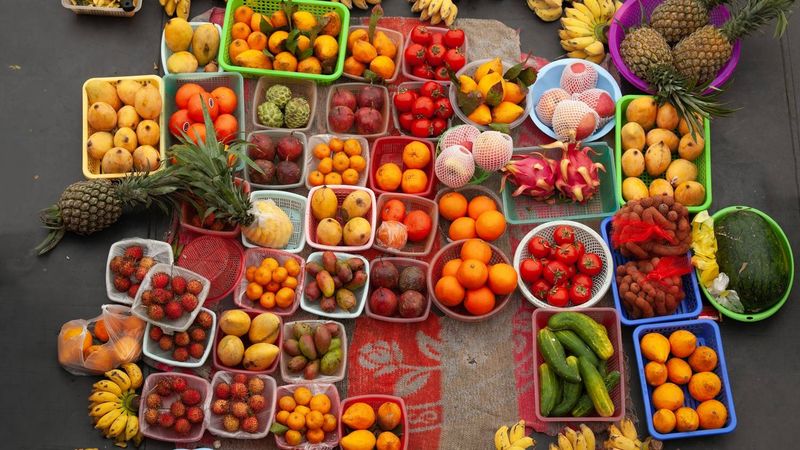
Bringing home a ripe mango from the Caribbean or a bag of lychees from Asia sounds wonderful, but fresh fruits are among the most commonly confiscated items at U.S. borders. Foreign fruits can carry invasive insects, larvae, or plant diseases that American crops have no defense against.
A single piece of infested fruit could potentially devastate entire farming regions. Always check CBP guidelines before packing any fresh fruit in your carry-on or checked luggage.
4. Fresh Vegetables
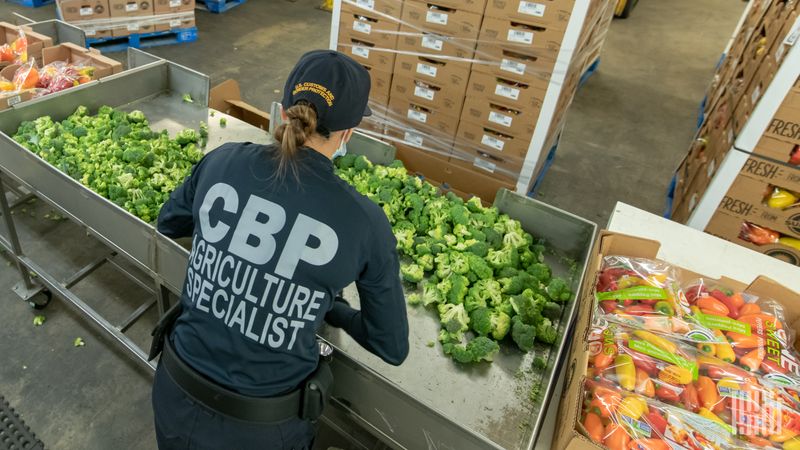
Just like fresh fruits, fresh vegetables are almost always prohibited entry into the United States from foreign countries. Soil clinging to roots and leaves can harbor harmful pests, bacteria, and plant diseases that could wreak havoc on American agriculture.
Even a sealed plastic bag of salad greens or a bundle of herbs can be seized. The USDA and CBP work together to inspect all declared produce, and undeclared veggies face immediate confiscation at the border.
5. Certain Dairy Products
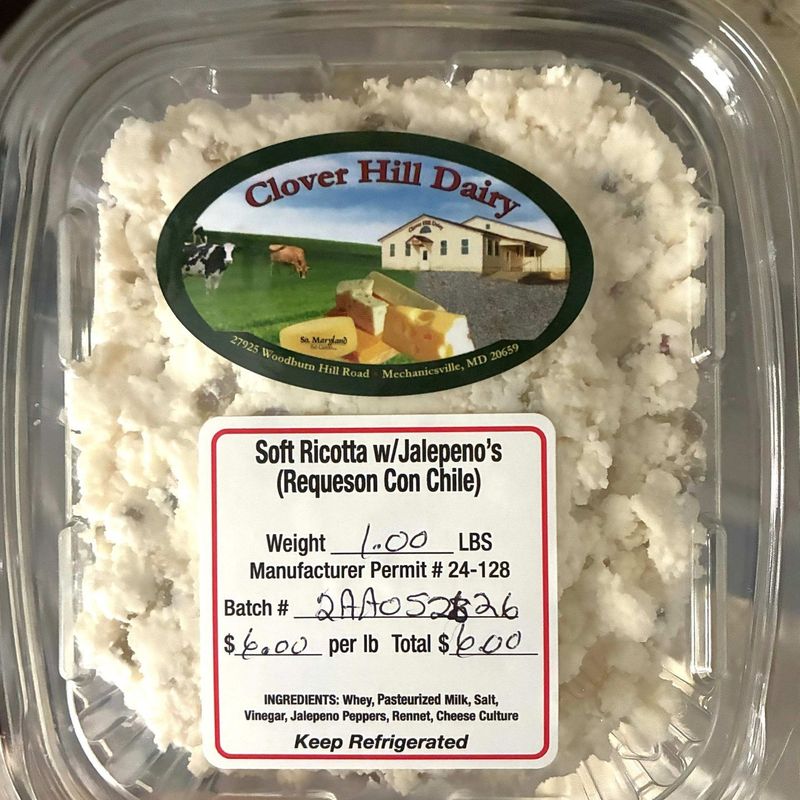
Hard cheeses are usually fine to bring across the border, but liquid or soft dairy products are a different story. Cottage cheese, ricotta, and Greek feta are often restricted depending on where they come from, and milk is generally not allowed unless it is formula or food for infants.
These restrictions exist because liquid dairy can harbor harmful bacteria and pathogens. When in doubt, leave the creamy souvenirs behind and pick up something similar at a local American grocery store instead.
6. Eggs
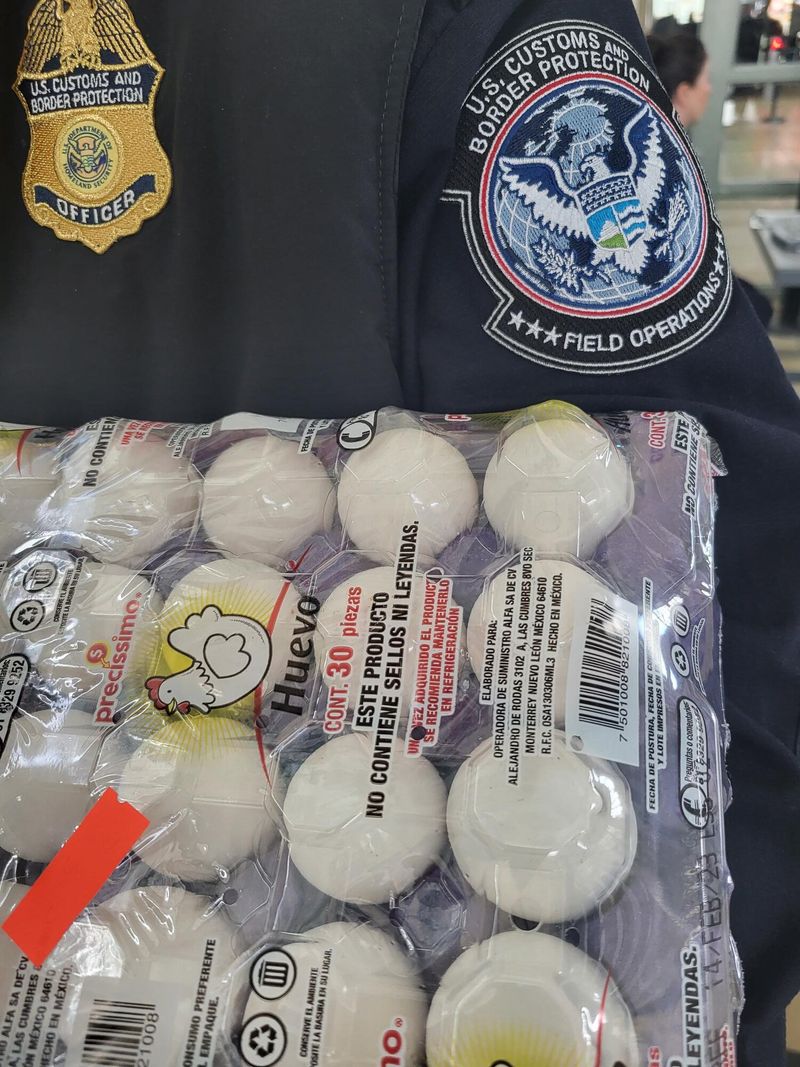
Eggs seem like the most ordinary food imaginable, yet they are frequently denied entry at U.S. borders. Outbreaks of Exotic Newcastle Disease and avian flu make eggs a high-risk item that CBP agents are trained to spot and confiscate.
Even hard-boiled or preserved eggs packed as snacks can be flagged during inspection. If you are traveling from a country with active poultry disease concerns, do not risk bringing eggs along, no matter how they are packaged or prepared.
7. Unshelled Nuts with Husks
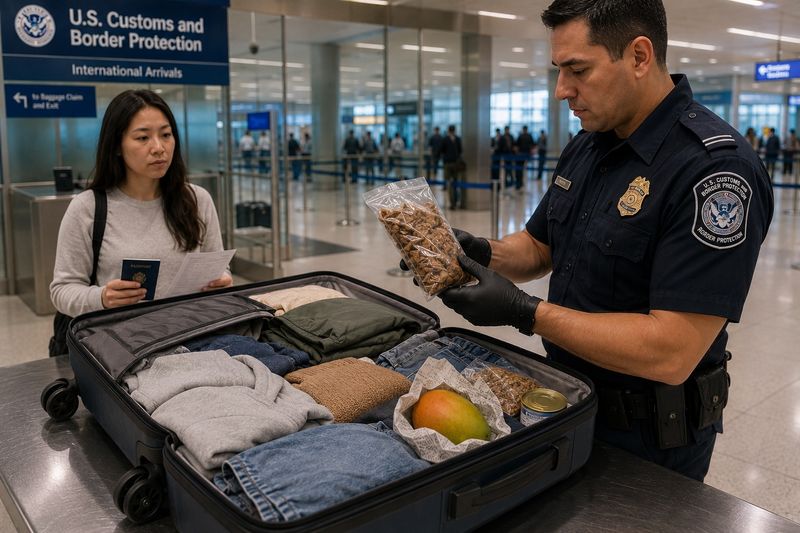
Roasted, boiled, or shelled nuts are generally welcome in the United States, but nuts still wearing their full husks are a red flag for customs agents. Those intact husks can hide insects, larvae, and plant pathogens that have no business crossing international borders.
Travelers often do not realize the distinction until their bag of fresh chestnuts or unprocessed walnuts gets pulled at inspection. Stick to pre-packaged, processed nuts to avoid any unpleasant surprises when passing through customs.
8. Soil and Soil-Contaminated Items
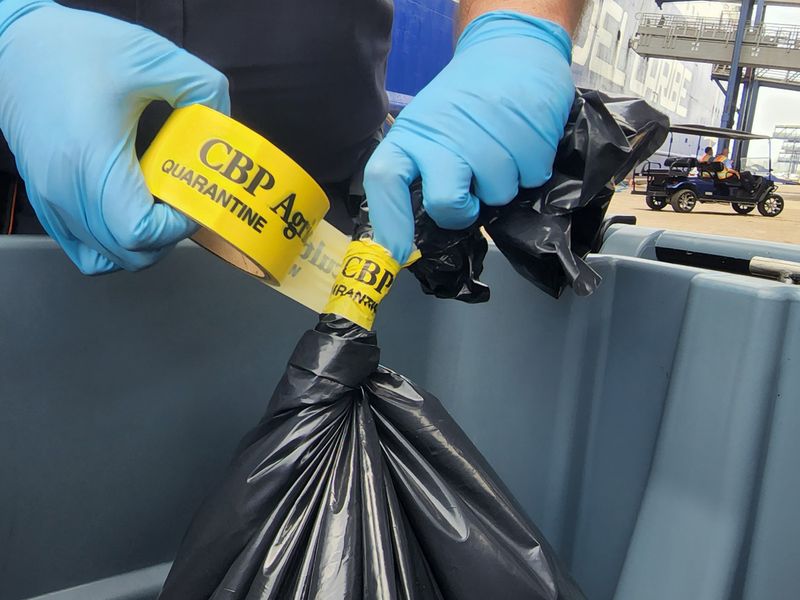
Soil might not sound like food, but it often hitches a ride on root vegetables, potted herbs, or even unwashed produce. Any item containing soil is strictly prohibited from entering the United States because foreign soil can carry plant pests, fungi, and diseases that American ecosystems are not equipped to handle.
Even a thin layer of dirt on a carrot or potato is enough to trigger confiscation. Thoroughly clean any produce before travel, or better yet, leave root vegetables at home entirely.
9. Plants and Seeds Without Permits
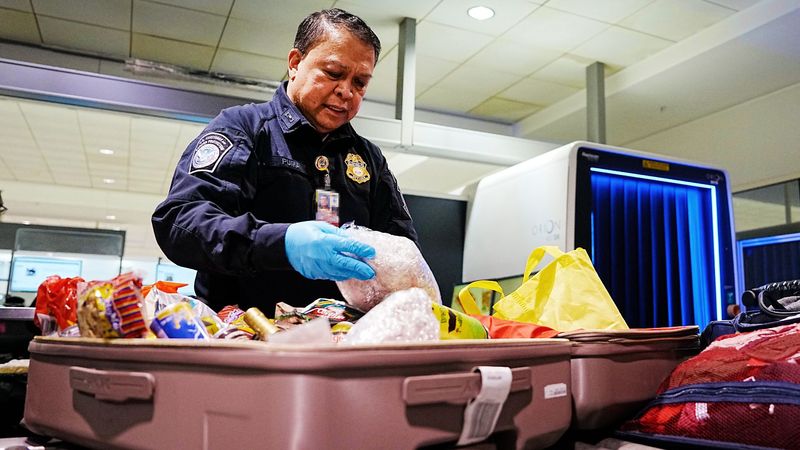
Picking up exotic seeds or small plants as souvenirs is tempting, but bringing them into the U.S. without the proper permits is a serious violation. Propagative plants and seeds require phytosanitary certificates and USDA permits to legally cross the border, and most travelers simply do not have those documents.
Uninspected seeds can introduce invasive plant species or agricultural diseases that are nearly impossible to eradicate once established. Declare any plant material and be prepared for it to be confiscated if paperwork is missing.
10. Rice
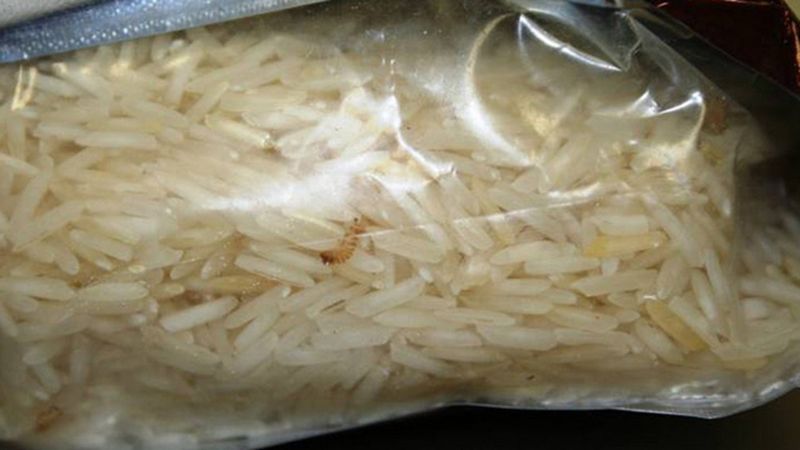
Rice seems like the most harmless grain you could carry, yet customs officials regularly advise against bringing it across U.S. borders. Uncooked rice can harbor insects and their eggs that are invisible to the naked eye, making it a surprisingly sneaky agricultural risk.
Khapra beetles, for example, are a major threat that has been intercepted in imported rice shipments. Unless your rice is commercially sealed and labeled, there is a real chance customs will take it from you at inspection.
11. Caviar Exceeding 125 Grams
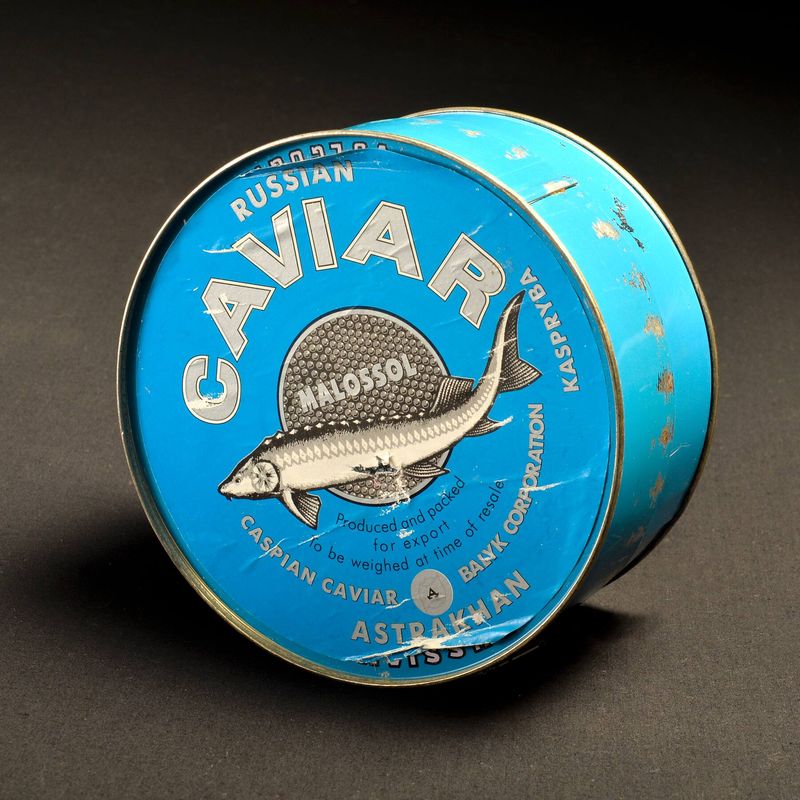
Caviar lovers, take note: you are allowed to bring caviar into the United States, but only up to 125 grams per person. Anything beyond that limit will be seized by customs agents, and it does not matter how fancy or expensive the tin is.
This rule exists partly to protect endangered sturgeon populations from illegal poaching and trade. Traveling with a large quantity of caviar without proper documentation raises serious red flags, so always stick within the legal limit to keep your luxury snack safe.
12. Bushmeat
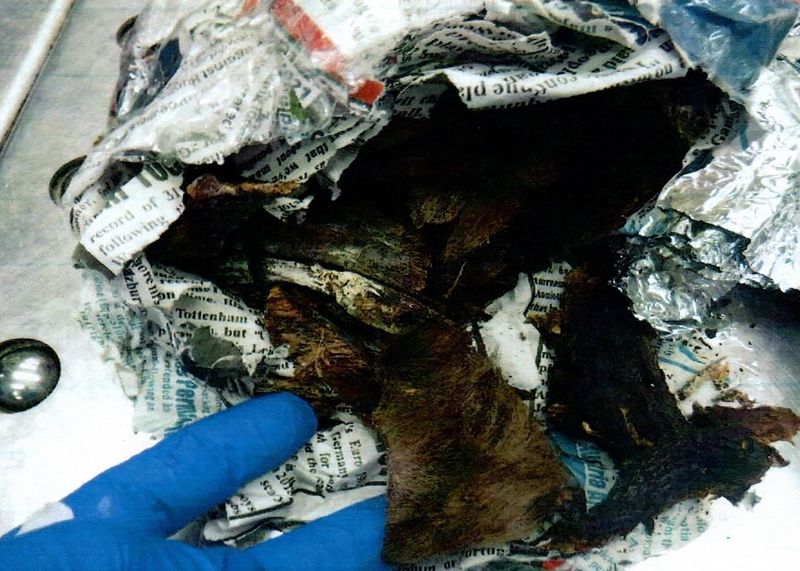
Bushmeat, which refers to meat from African wildlife like monkeys, bats, or other wild animals, is completely banned from entering the United States. Beyond the ethical concerns, bushmeat poses extreme public health risks because it can carry viruses like Ebola and other dangerous zoonotic diseases.
CBP agents are specifically trained to identify bushmeat and will confiscate it immediately. Penalties for attempting to smuggle bushmeat can go far beyond a simple fine, potentially including criminal charges under wildlife protection laws.
13. Moon Cakes with Prohibited Fillings
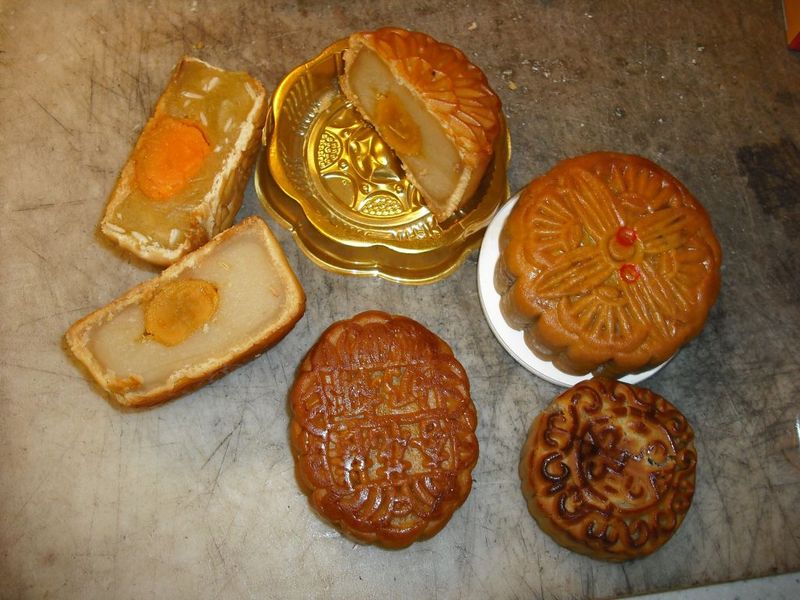
Moon cakes are beloved treats during the Mid-Autumn Festival, but bringing them into the U.S. can be tricky. Those filled with uncooked egg, beef, pork, or poultry from non-Canadian origins may be refused entry, and even commercially packaged ones can be confiscated if a CBP specialist cannot confirm the ingredients are safe.
The safest option is to buy moon cakes after you land in the United States. Many Asian grocery stores carry a wide variety that will satisfy any craving without the customs headache.
14. Cooked or Baked Goods with Meat or Egg Fillings
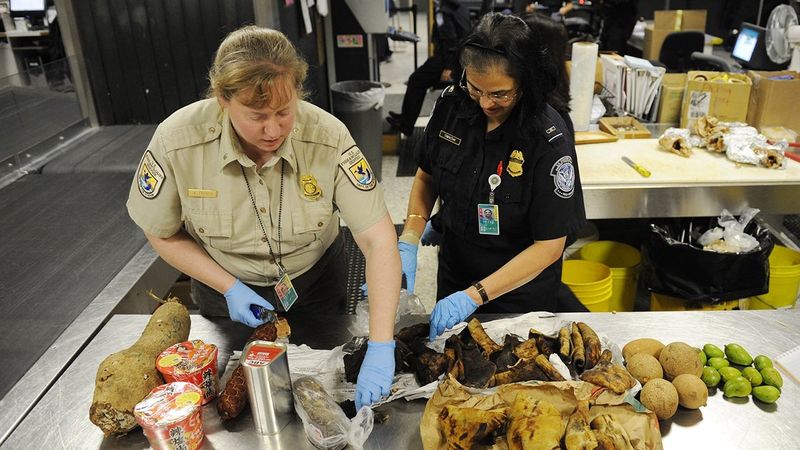
Plain breads, cookies, and cakes generally sail through customs without any trouble. However, baked goods stuffed with meat or egg fillings enter a much grayer area, and customs agents may confiscate them depending on the country of origin and the specific ingredients inside.
Empanadas filled with beef, pork buns, or egg-stuffed pastries are classic examples of items that can get flagged. When traveling internationally, enjoy those savory pastries before you board your flight home rather than risk losing them at the border.
15. Foods Prepared with Restricted Ingredients
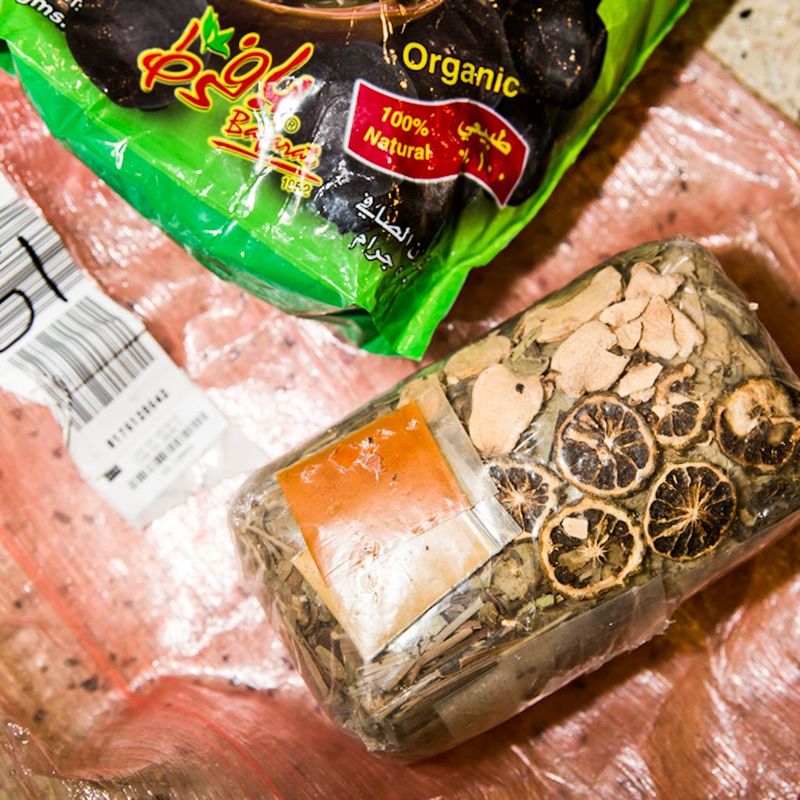
A food item does not have to look dangerous to get confiscated. If a sauce mix, seasoning packet, or prepared dish contains prohibited ingredients like meat, poultry, or restricted plant matter, the whole thing gets taken away regardless of how processed or packaged it appears.
Many travelers are caught off guard by this rule when carrying popular international condiments or spice blends. Reading ingredient labels carefully before you pack and checking the CBP website for updated restrictions can save you from a frustrating and costly surprise at the border.