
The 2000s were a golden era for horror fans, delivering some of the most frightening and unforgettable movies ever made. From creepy cursed tapes to terrifying cave creatures, this decade had something to scare just about everyone.
Many of these films changed the way horror was made and watched, leaving audiences shocked long after the credits rolled. Get ready to revisit the movies that made sleeping with the lights on feel completely reasonable.
1. Final Destination (2000)
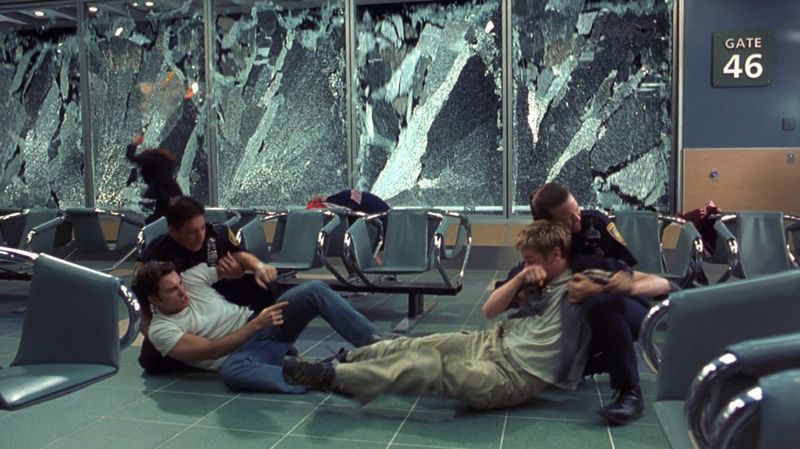
Death never forgets, and “Final Destination” made sure audiences never forgot that. The film introduced a wild premise where a group of teens cheat death after a premonition, only to have fate hunt them down one by one through freak accidents.
Everyday objects like escalators and kitchen appliances suddenly felt terrifying. The movie spawned a hugely popular franchise and completely changed how horror fans look at ordinary life situations.
Pure, creative nightmare fuel from start to finish.
2. Ginger Snaps (2000)
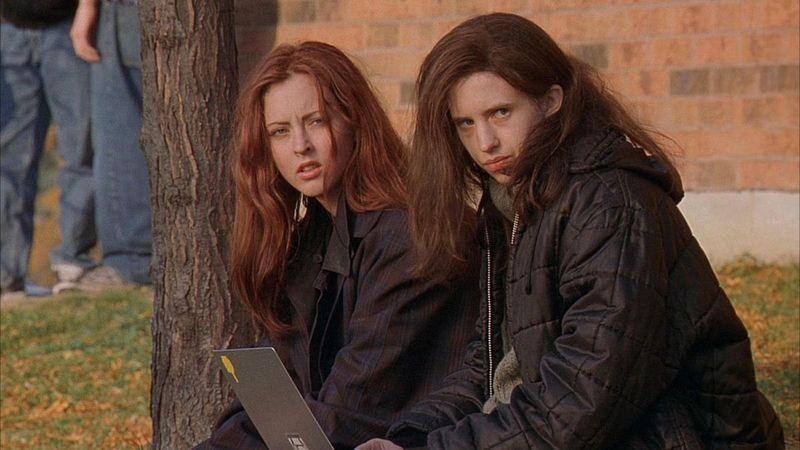
Few horror movies manage to feel so deeply personal while also being about werewolves. “Ginger Snaps” follows two outcast sisters whose bond is tested when one begins transforming after a strange bite, using lycanthropy as a sharp metaphor for puberty and female rage.
Made in Canada on a modest budget, it became a genuine cult classic. The film is raw, emotional, and surprisingly funny at times.
It resonates strongly with anyone who ever felt like an outsider growing up.
3. American Psycho (2000)
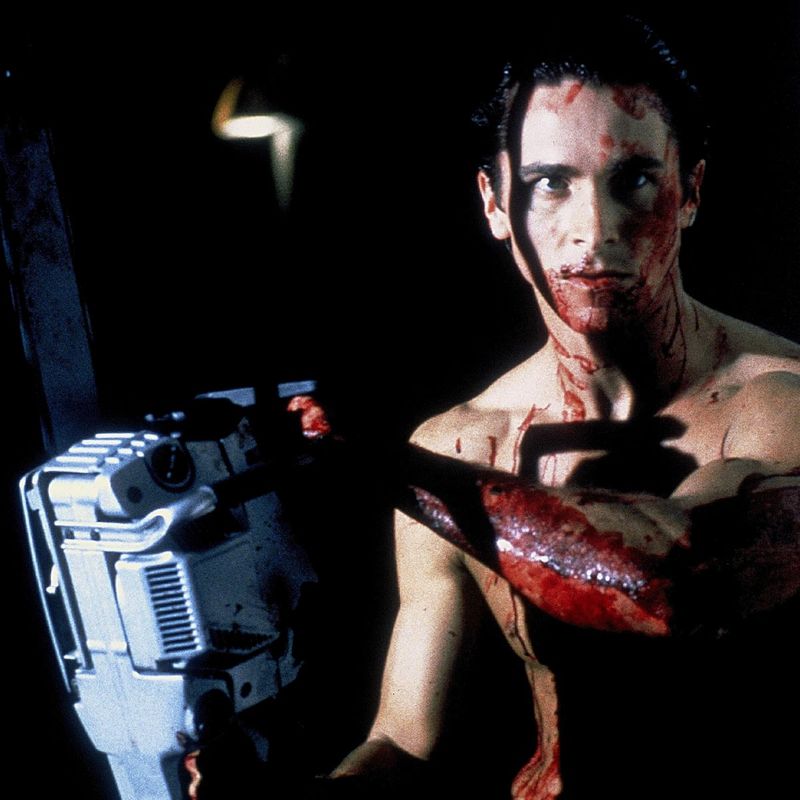
Christian Bale delivered one of horror cinema’s most chilling performances as Patrick Bateman, a wealthy Wall Street banker hiding a monstrous secret. The film blends dark comedy with genuine terror, making viewers laugh one moment and deeply uncomfortable the next.
Its ambiguous ending sparked debates that fans still argue about today. Is Bateman a real killer or just a man lost in violent fantasy?
That lingering uncertainty is exactly what makes “American Psycho” so enduringly disturbing and fascinating.
4. Thirteen Ghosts (2001)
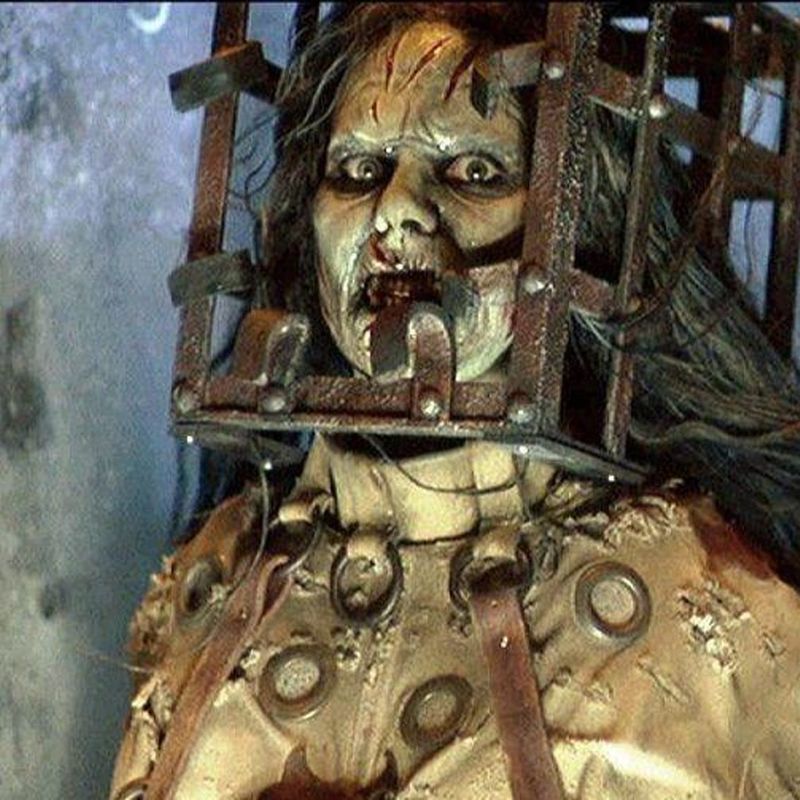
Forget generic haunted houses. “Thirteen Ghosts” dropped its characters into a spectacular glass mansion designed to trap and channel supernatural energy, making every room feel like a deadly puzzle box.
Each ghost had its own elaborate, gruesome backstory and unforgettable design, from the Jackal to the Torn Prince. The practical effects were genuinely impressive for the time.
Fans still love hunting down the lore behind each spirit, and the film remains a visually inventive standout from early 2000s horror.
5. Session 9 (2001)
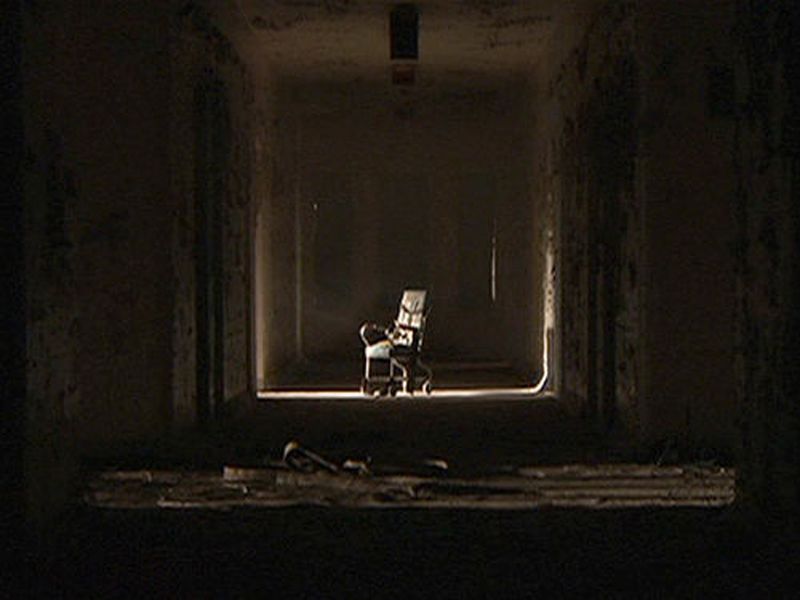
Slow-burn horror fans often point to “Session 9” as one of the most underrated films of the decade. Shot entirely inside the genuinely creepy Danvers State Hospital in Massachusetts, the film uses its real location to build suffocating dread with almost no jump scares.
An asbestos crew slowly unravels mentally while listening to disturbing therapy recordings from a former patient. The horror creeps up quietly and hits hard at the end.
It rewards patient viewers with one of the era’s most unsettling conclusions.
6. The Ring (2002)
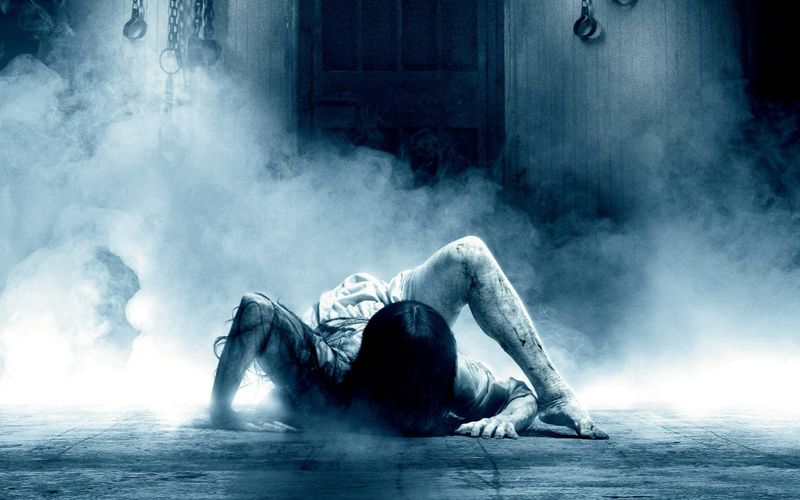
A cursed videotape. Seven days to live.
That premise alone was enough to terrify an entire generation. “The Ring” brought Japanese horror to mainstream Western audiences in a massive way, introducing the iconic image of Samara crawling out of a television set.
The film worked because it built psychological dread slowly rather than relying on cheap scares. Many viewers refused to answer their phones for days after watching it.
Its cultural impact was enormous, helping launch a wave of American remakes of Asian horror films.
7. 28 Days Later (2002)
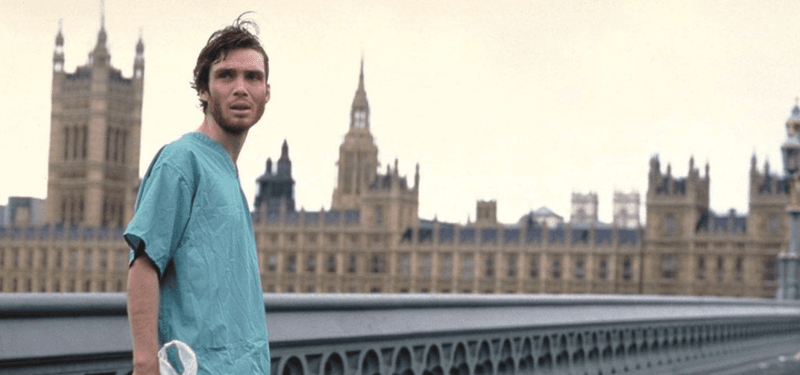
Waking up alone in an empty London hospital sounds bad enough. Discovering that a rage virus has turned most of humanity into sprinting, bloodthirsty monsters makes it catastrophically worse.
Danny Boyle’s “28 Days Later” reinvented zombie horror by making the infected terrifyingly fast and aggressive.
Shot on handheld digital cameras, the film had a raw, documentary-like quality that made everything feel horribly real. It sparked huge debates about whether the infected counted as zombies, and it gave the genre a much-needed shot of adrenaline.
8. Cabin Fever (2002)
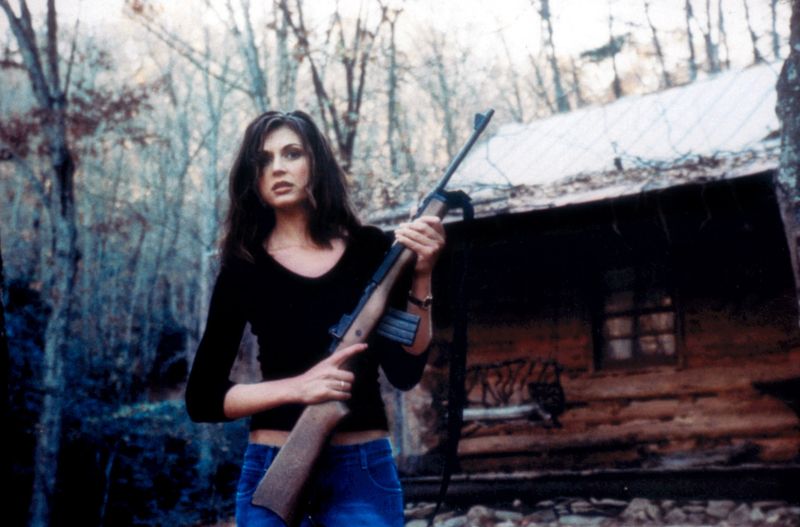
Eli Roth made his directorial debut with this gleefully disgusting body horror film, and horror fans immediately took notice. A group of college friends renting a remote cabin discover a flesh-eating bacterial virus spreading among them, turning their vacation into a fight for survival.
What makes “Cabin Fever” memorable is how it weaponizes paranoia. Nobody knows who is infected, and trust collapses fast.
The film leans hard into gross-out horror with a dark comedic edge, making it a wild, memorable ride that still holds up surprisingly well.
9. The Texas Chainsaw Massacre (2003)
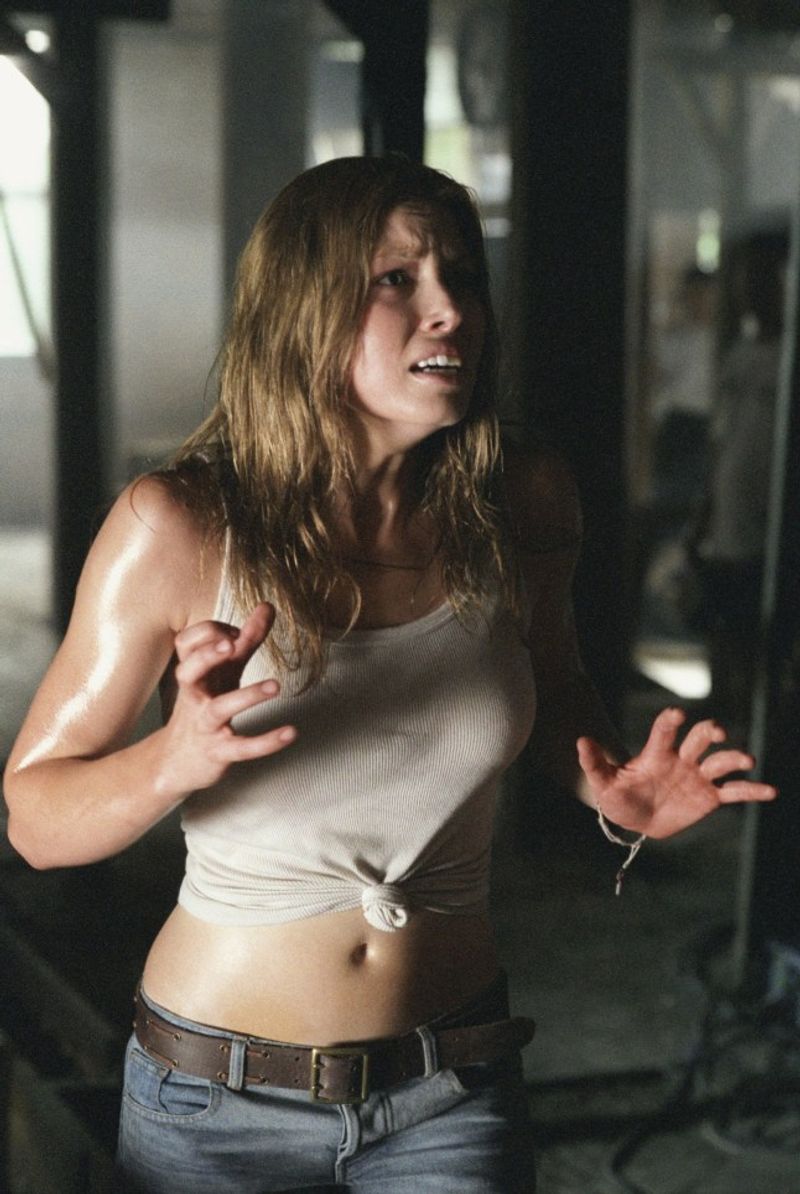
Rebooting a horror legend is risky business, but this 2003 remake pulled it off with brutal confidence. Jessica Biel led the film as a fierce, determined survivor, giving audiences a “Final Girl” worth rooting for hard against one of horror’s most iconic villains.
The production was slick, the tension relentless, and the gore plentiful. It proved that classic horror stories could be retold for new generations without losing their power.
Many fans who grew up in the 2000s consider this version their definitive Leatherface experience.
10. Wrong Turn (2003)
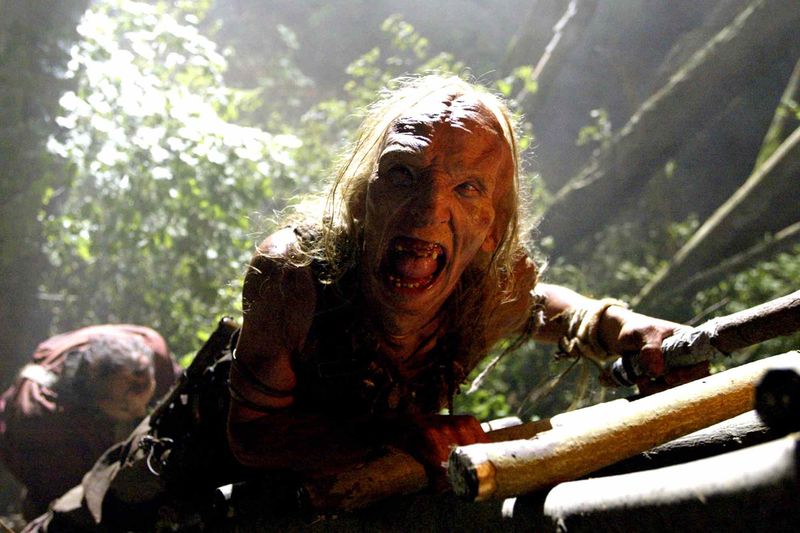
Stranded in the West Virginia mountains with cannibalistic mutants hunting you through the trees? “Wrong Turn” turned a simple road trip detour into a relentless survival nightmare. The film wore its love for 1970s backwoods horror classics proudly on its sleeve.
Practical effects gave the villains a genuinely threatening physical presence, and the forest setting created a claustrophobic tension that never let up. Audiences loved its straightforward, no-nonsense scares.
The film launched its own franchise, proving that sometimes the most effective horror is also the most straightforward.
11. Dawn of the Dead (2004)
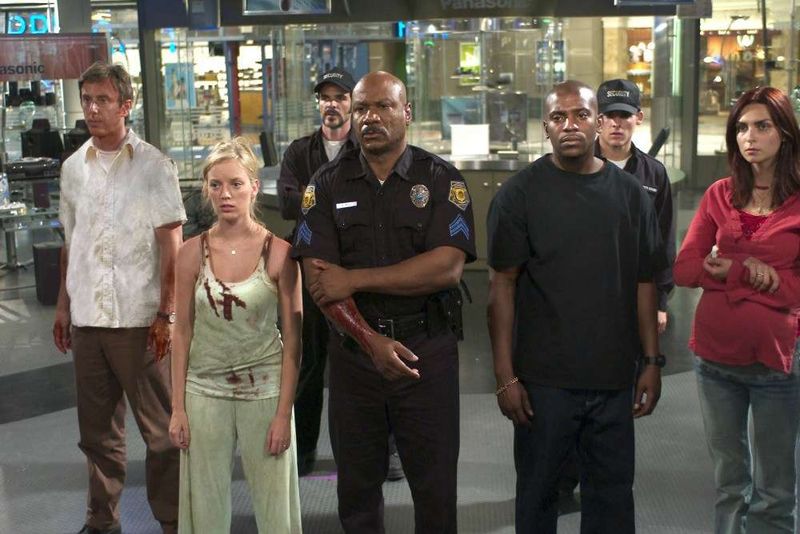
Zack Snyder’s feature film debut hit audiences like a freight train, opening with one of the most shocking and memorable first acts in modern horror history. Replacing Romero’s slow, shambling undead with sprinting, ferocious zombies was a controversial but brilliant choice.
The mall setting added dark social commentary to the chaos, echoing the original while feeling completely fresh. Gory, fast-paced, and surprisingly emotional in spots, “Dawn of the Dead” 2004 remains a high-water mark for zombie films and introduced Snyder’s kinetic visual style to the world.
12. Saw (2004)
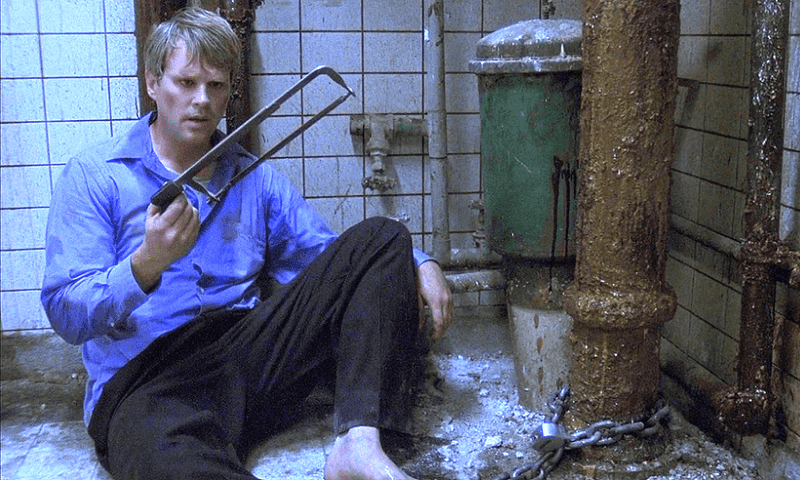
Two strangers wake up chained in a disgusting bathroom with a corpse between them and a tape recorder nearby. That setup alone launched one of horror’s biggest franchises ever. “Saw” was never just about gore; it was a tightly crafted psychological puzzle built around a deeply unsettling villain.
Jigsaw’s philosophy about appreciating life through extreme suffering gave the film a disturbing moral core that set it apart. The twist ending genuinely shocked audiences everywhere.
Low budget, high impact, and endlessly influential on horror films that followed.
13. House of Wax (2005)
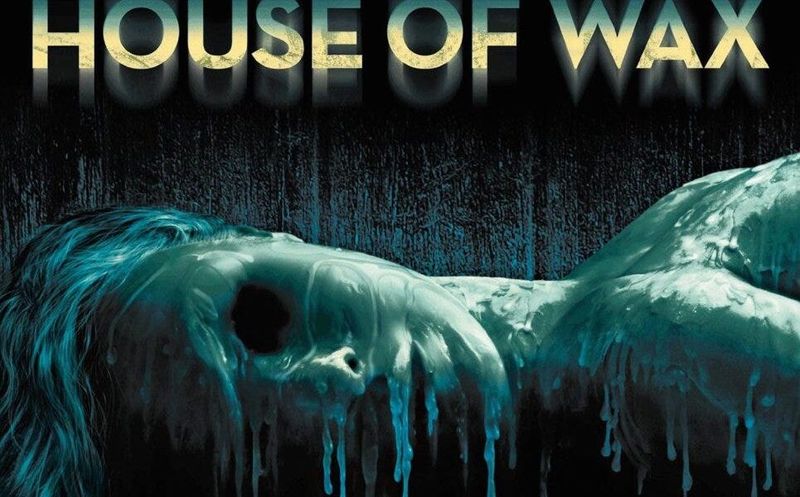
Critics were not kind to “House of Wax” when it first came out, but horror fans eventually embraced it for exactly what it is: a wildly entertaining, creepy slasher with genuinely impressive practical effects. The wax-coated kills are creative and deeply unsettling in the best possible way.
The abandoned town setting gives the film a unique, eerie charm that lingers. Beyond the infamous Paris Hilton scene, the film features committed performances and a memorably grim villain.
It has earned its cult status fair and square over the years.
14. The Descent (2005)
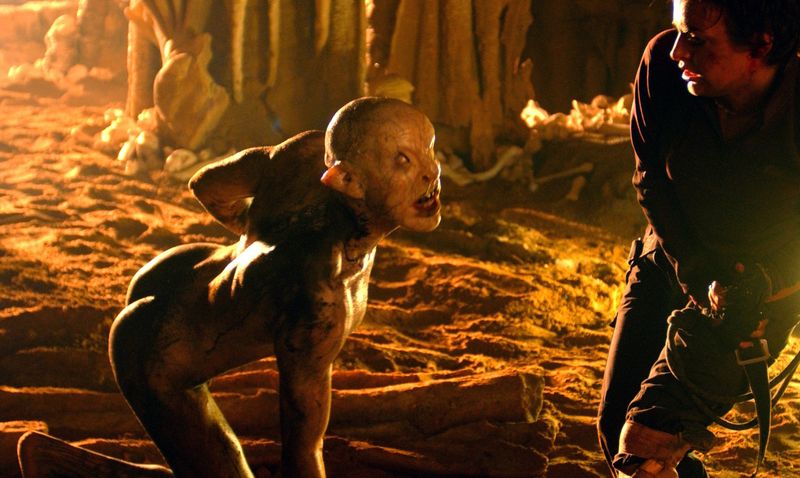
Claustrophobia alone would make “The Descent” terrifying, but director Neil Marshall had far more nightmarish tricks waiting in the dark. Six women explore an uncharted cave system and discover they are not alone, encountering pale, eyeless humanoid predators perfectly adapted for underground hunting.
The all-female cast delivers raw, powerful performances, and the interpersonal drama between characters adds real emotional weight to the horror. Filmed in near-total darkness, the film uses light brilliantly.
The UK version’s bleaker ending hits even harder and is considered superior by most fans.
15. [REC] (2007)
![[REC] (2007)](https://onyourjourney.co.uk/wp-content/uploads/2026/08/The-Descent-2005-1.jpg)
Shot entirely as found footage from the perspective of a news crew trapped inside a quarantined Barcelona apartment building, “[REC]” delivers 78 minutes of escalating, breathless terror. The realistic style made everything feel uncomfortably authentic, like watching an actual disaster unfold in real time.
Spanish directors Jaume Balaguero and Paco Plaza built tension masterfully, never letting the audience breathe. The final scene is genuinely one of the scariest moments in modern horror history.
Widely considered a near-perfect example of found-footage filmmaking done right, it influenced countless films afterward.
16. The Mist (2007)
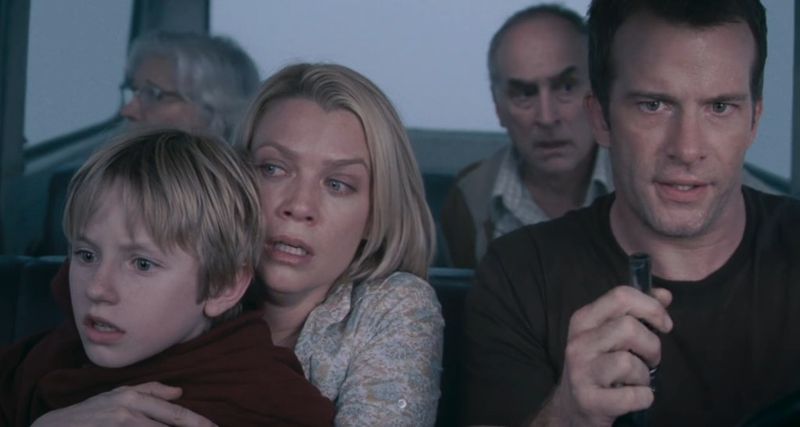
Frank Darabont adapted Stephen King’s novella and delivered something rare in horror: a film where the monsters outside are somehow less terrifying than the humans inside. A small group of survivors trapped in a grocery store while creatures lurk in the mist outside quickly turns into a study of panic, faith, and human cruelty.
The ending is so brutal and unexpected that it reportedly made even Stephen King emotional. It is one of the most discussed and debated horror conclusions ever filmed, leaving viewers genuinely gutted every single time.
17. Paranormal Activity (2007)
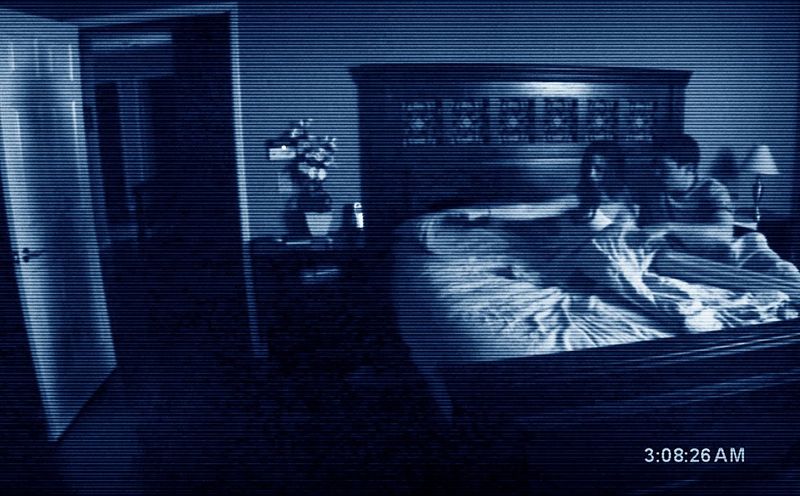
Made for roughly $15,000 and earning nearly $200 million worldwide, “Paranormal Activity” proved that restraint can be scarier than spectacle. The film follows a couple using a home camera to document strange nighttime occurrences in their house, and the scares build with agonizing patience.
Nothing is shown directly for most of the film, which makes the imagination do the terrifying work. Audiences reportedly fled theaters during screenings.
It revived found-footage horror and launched a massive franchise, all from a filmmaker working with almost no resources at all.
18. Martyrs (2008)
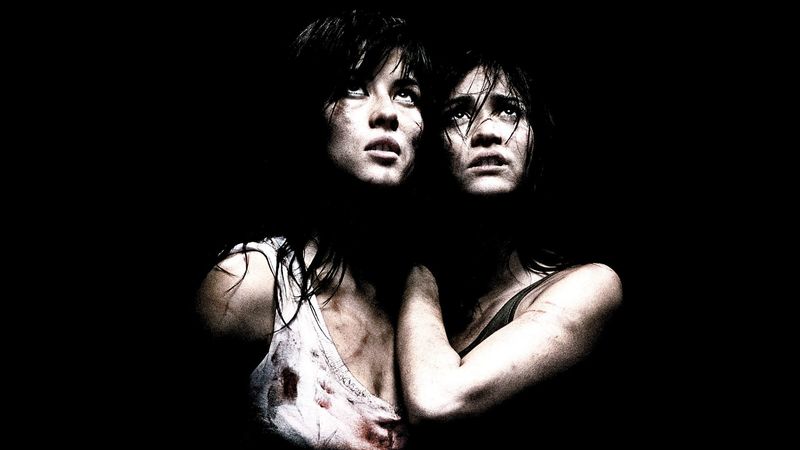
“Martyrs” is not an easy film to watch, and it is not meant to be. Pascal Laugier’s brutal French horror film starts as a revenge story and transforms into something far darker and more philosophically disturbing than almost anything else from the decade.
Part of the “New French Extremity” movement, the film pushes extreme violence toward a genuinely thought-provoking question about suffering, transcendence, and human obsession. It is unforgettable in the truest sense: once seen, it cannot be unseen.
Hardcore horror fans consider it essential, if deeply challenging, viewing.