
More women over 50 are choosing to end their marriages than ever before, and the reasons go far deeper than most people realize. This growing trend, often called “gray divorce,” reflects a generation of women who know their worth and refuse to settle for less.
Whether it is emotional exhaustion, lost identity, or simply growing apart, the decision to leave is rarely made lightly. Understanding these reasons can offer clarity, comfort, and even courage to anyone facing a similar crossroads.
1. Empty Nest Brings Clarity
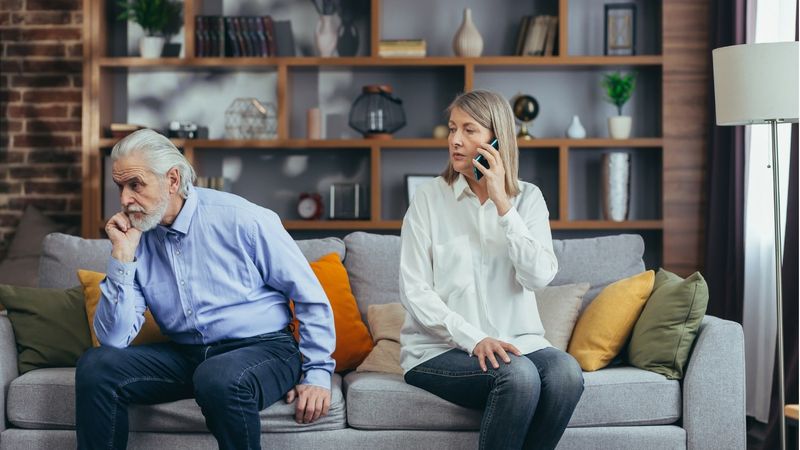
When the last child finally moves out, the house gets quiet in a way that can feel almost startling. Suddenly, there are no school lunches to pack, no carpools to manage, and no busy schedules to hide behind.
That silence has a way of revealing just how disconnected a couple has become.
Many women realize they and their spouse have been living as roommates rather than partners. Without the kids as a shared focus, the emotional gap becomes impossible to ignore.
2. Burnout from Emotional Labor
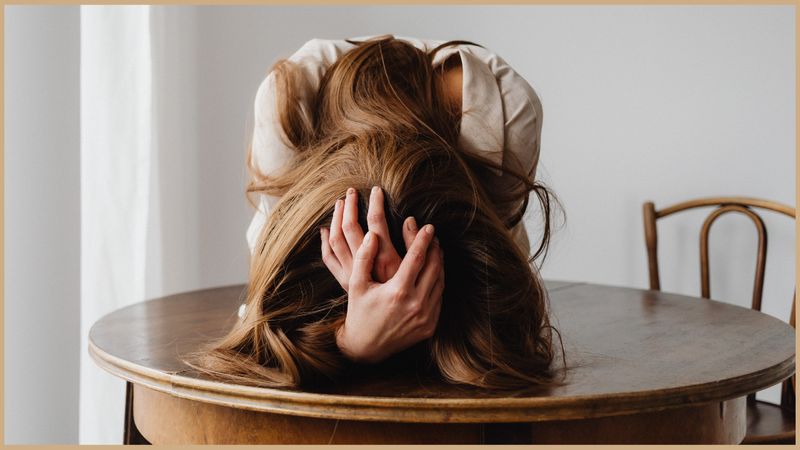
For decades, many women have quietly carried the emotional weight of the entire household. From remembering every birthday to managing conflicts and keeping the family emotionally afloat, the mental load is enormous and often invisible.
By the time a woman reaches 50, that exhaustion can reach a breaking point. When a partner never steps up to share that burden equally, the resentment that builds can quietly erode even the strongest love over time.
3. Unequal Partnership Becomes Intolerable
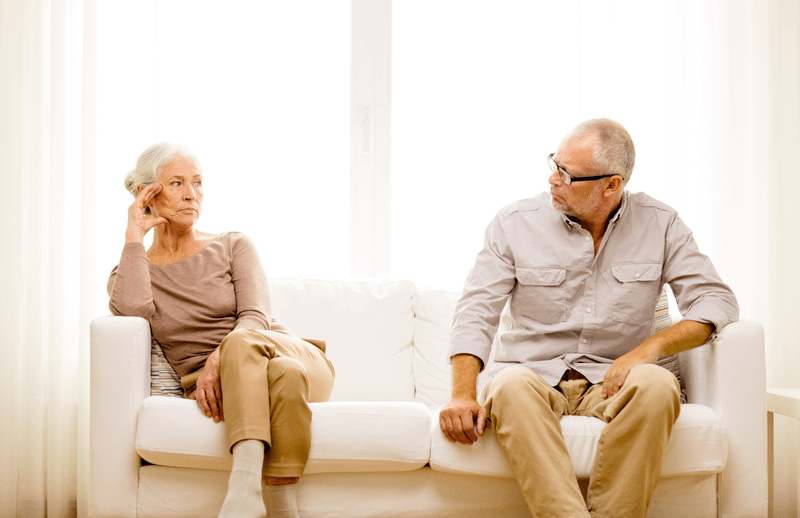
Years of unbalanced responsibilities have a way of piling up. When one partner consistently does more of the housework, caregiving, and decision-making, resentment quietly takes root and grows.
At 50, many women stop waiting for things to change on their own. They have spent long enough hoping their spouse would step up and become a true equal partner.
Choosing to leave is often less about anger and more about finally valuing themselves enough to demand better.
4. Midlife Sparks a Desire for Meaningful Change
A health scare, the loss of a parent, or even a milestone birthday can flip a switch inside a person. Suddenly, the question is no longer “Can I make this work?” but “Do I even want to?”
Women over 50 are living longer, healthier lives than any generation before them. With potentially 30 or more years ahead, many decide they owe it to themselves to spend that time in a relationship that truly fulfills them rather than one that simply endures.
5. Feeling Emotionally Invisible

Feeling unseen in a marriage is one of the loneliest experiences imaginable. When a woman shares something meaningful and is met with indifference, dismissal, or silence, it chips away at her sense of self over time.
Many women over 50 describe their marriages as feeling more like shared living arrangements than real relationships. Being emotionally invisible day after day is not something most people are willing to accept forever, and rightly so.
6. Conflicting Retirement Dreams
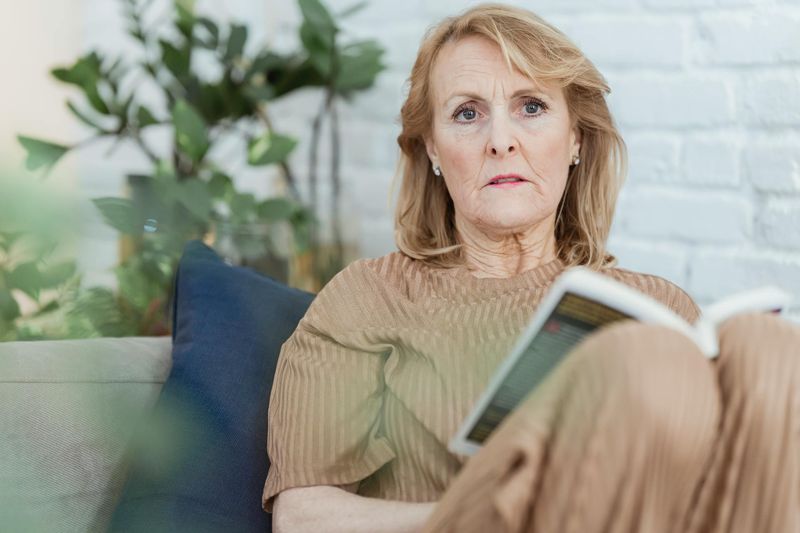
Retirement is supposed to be the reward after decades of hard work, but what happens when two people have completely different visions of what that looks like? One partner may dream of traveling the world while the other wants to stay close to home and grandchildren.
These clashing visions are not just about lifestyle preferences. They often reveal deeper incompatibilities that have been simmering for years.
For many women, retirement planning becomes the moment they realize they and their spouse are simply heading in different directions.
7. Rediscovering a Lost Identity

Somewhere between raising kids, building a career, and being a devoted spouse, many women quietly lose track of who they actually are. Their dreams, hobbies, and personal goals often get shelved for what the family needs right now.
At 50, a powerful urge to reclaim that lost self can take over. Leaving a marriage is sometimes less about escaping a bad situation and more about finally having the space and freedom to figure out who she is outside of every role she has ever played.
8. Lack of Emotional Intimacy
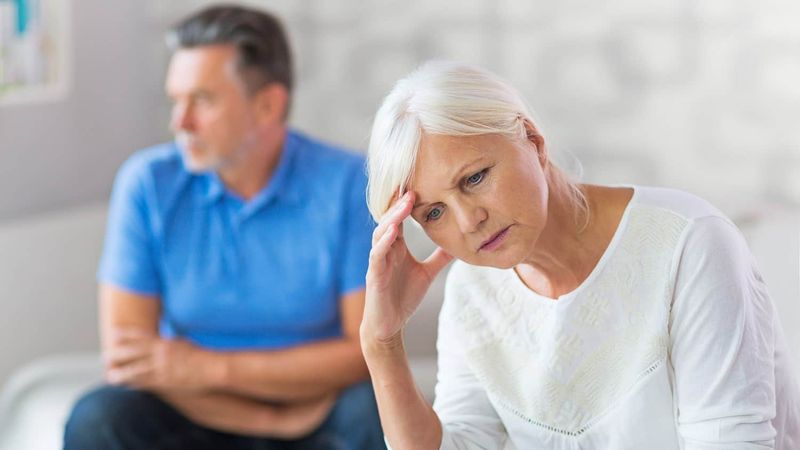
Physical intimacy gets a lot of attention, but emotional intimacy is the real glue that holds a marriage together. When deep conversations fade and partners stop truly connecting, the relationship can start to feel hollow.
Many women describe a slow drift where meaningful talks are replaced by logistics and small talk. Over time, that absence of real emotional closeness becomes unbearable.
Choosing to leave is often a search for genuine connection, not just an escape from loneliness.
9. No Longer Willing to Compromise Personal Dreams

There comes a point when a woman stops putting her dreams on the back burner and starts asking why she ever agreed to in the first place. Maybe she always wanted to move to another city, start a business, or go back to school.
Years of compromising can quietly breed a deep frustration that is hard to shake. By 50, many women decide that their aspirations matter just as much as anyone else’s.
Staying in a marriage that consistently sidelines those goals stops feeling like love and starts feeling like a loss.
10. Fear of Regret Outweighs Fear of Change

Leaving a long marriage is terrifying. The financial uncertainty, the social upheaval, and the sheer unknowing of what comes next can feel paralyzing.
But for many women over 50, a different fear starts to feel even bigger.
The fear of looking back at 80 and wondering “what if” becomes more powerful than the fear of starting over. Life feels finite in a way it never did at 30.
That shift in perspective gives many women the push they need to finally choose their own happiness.
11. Financial Independence Opens New Doors

Not long ago, many women stayed in unhappy marriages simply because they could not afford to leave. That reality has shifted significantly for women in their 50s today.
Careers, savings, retirement accounts, and greater financial literacy have given them real options.
Economic independence does not cause divorce, but it does remove one of the biggest barriers to leaving. When a woman knows she can support herself comfortably, the decision to leave a marriage that no longer serves her becomes far less daunting.
12. Reduced Stigma Around Divorce
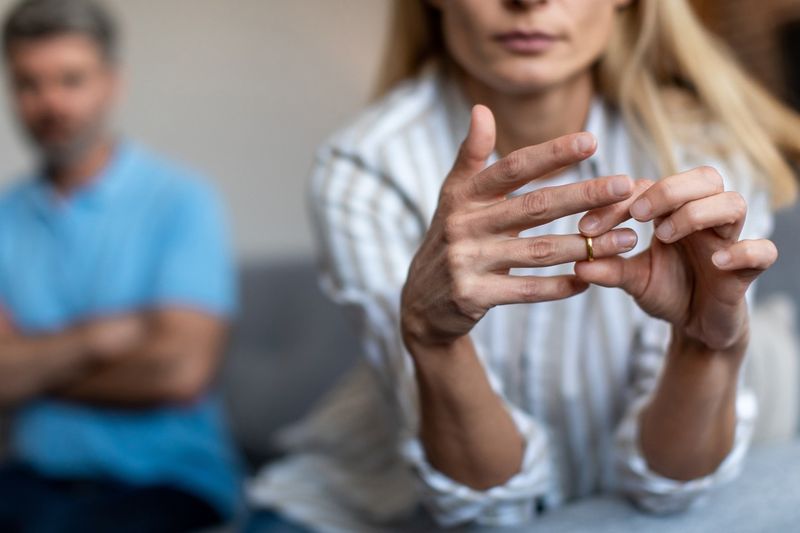
A generation ago, divorce carried a heavy social stigma, especially for women. Being the one who “broke up the family” came with judgment from neighbors, relatives, and even close friends.
That cultural pressure kept many women in unhappy marriages for far too long.
Today, attitudes have shifted in a big way. Divorce is widely accepted as a valid and even healthy choice.
Knowing that friends and family are more likely to offer support than shame makes it much easier for women to trust their own instincts and move forward.
13. Emotional or Psychological Abuse
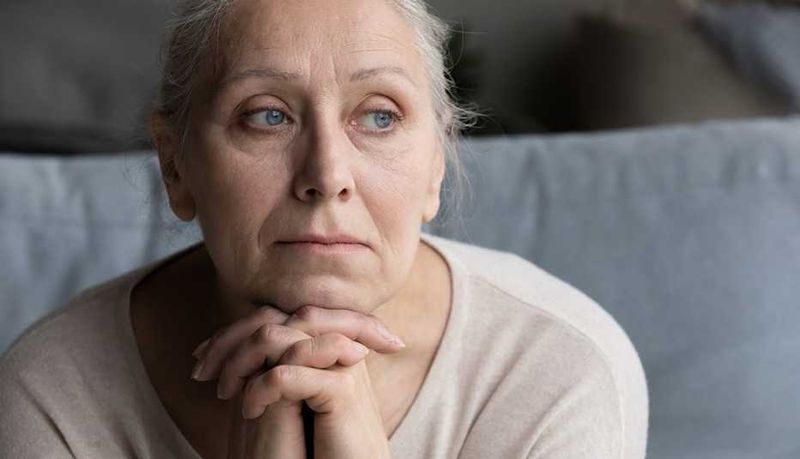
Emotional abuse does not always look the way people expect. There are no visible bruises, but the damage runs deep.
Constant criticism, manipulation, belittling comments, and controlling behavior can wear a person down to nothing over years and years.
Many women only recognize the abuse after it has been going on for a long time, sometimes with the help of a therapist. Once the pattern becomes clear, staying feels impossible.
For these women, leaving is not just a personal choice; it is an act of survival and self-respect.
14. Infidelity or Broken Trust
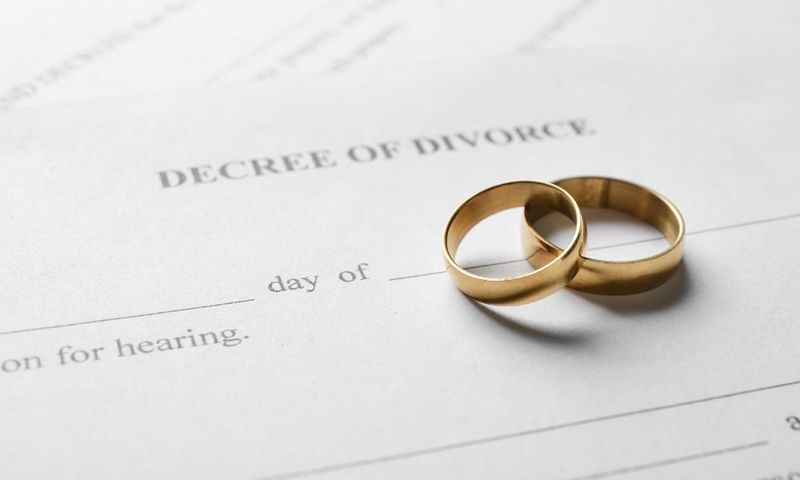
Discovering a partner has been unfaithful after 20 or 30 years together is a specific kind of devastation. The betrayal is not just about the act itself; it calls into question the entire history of the relationship and everything a woman thought she knew.
Some couples do survive infidelity, but many do not, especially when the trust has been shattered more than once. Addiction can carry a similar weight, breaking down honesty and safety in the relationship.
For plenty of women, that breach is simply too large to cross back over.
15. Simply Growing Apart Over Time
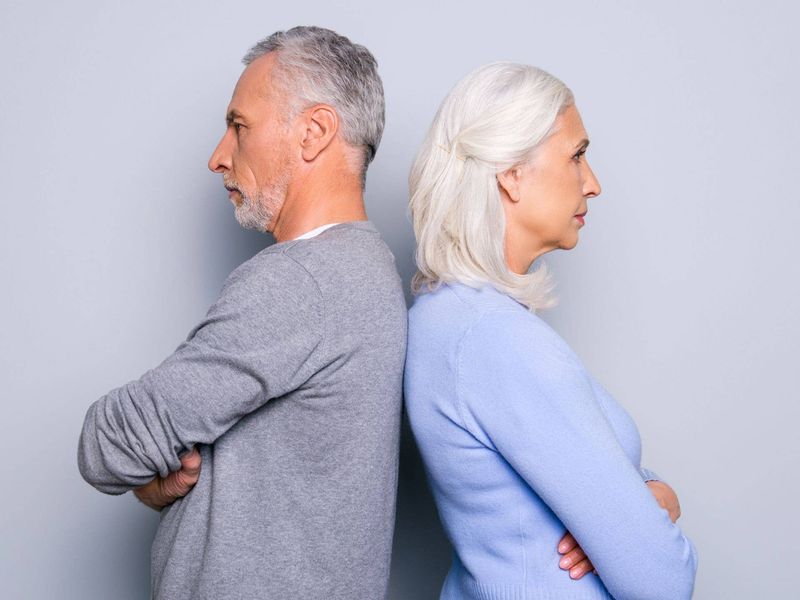
Not every divorce is rooted in a dramatic event or a single moment of betrayal. Sometimes, two people just slowly drift in different directions without anyone doing anything obviously wrong.
Interests change, values shift, and worldviews evolve in ways that pull people apart.
When the daily busyness of raising kids and building careers quiets down, couples sometimes look across the table and realize they no longer truly know each other. Growing apart is painful, but acknowledging it honestly can be the most respectful thing two people do for each other.
16. Menopause and Hormonal Changes Shift Priorities

Menopause brings a lot of physical changes, but the emotional ones can be just as significant. Mood shifts, reduced emotional resilience, and a much lower tolerance for ongoing stress can make existing problems in a marriage feel suddenly unbearable.
Interestingly, many women describe menopause as a kind of clarity. The hormonal shift strips away the tendency to keep the peace at all costs and replaces it with a stronger, clearer sense of what they actually need.
For some, that clarity leads straight to the decision to leave.