
Most people think of fruit as something sweet, meant for desserts, smoothies, or a quick snack. But across many cultures and centuries, cooks have been tucking fruit into hearty, savoury dishes with surprisingly delicious results.
From tangy tamarind in Indian curries to plums stuffed inside dumplings, these combinations might sound odd at first but taste absolutely amazing. Get ready to discover 15 traditional recipes that prove fruit belongs on the dinner table just as much as the dessert plate.
1. Moroccan Chicken Tagine with Preserved Lemons and Olives
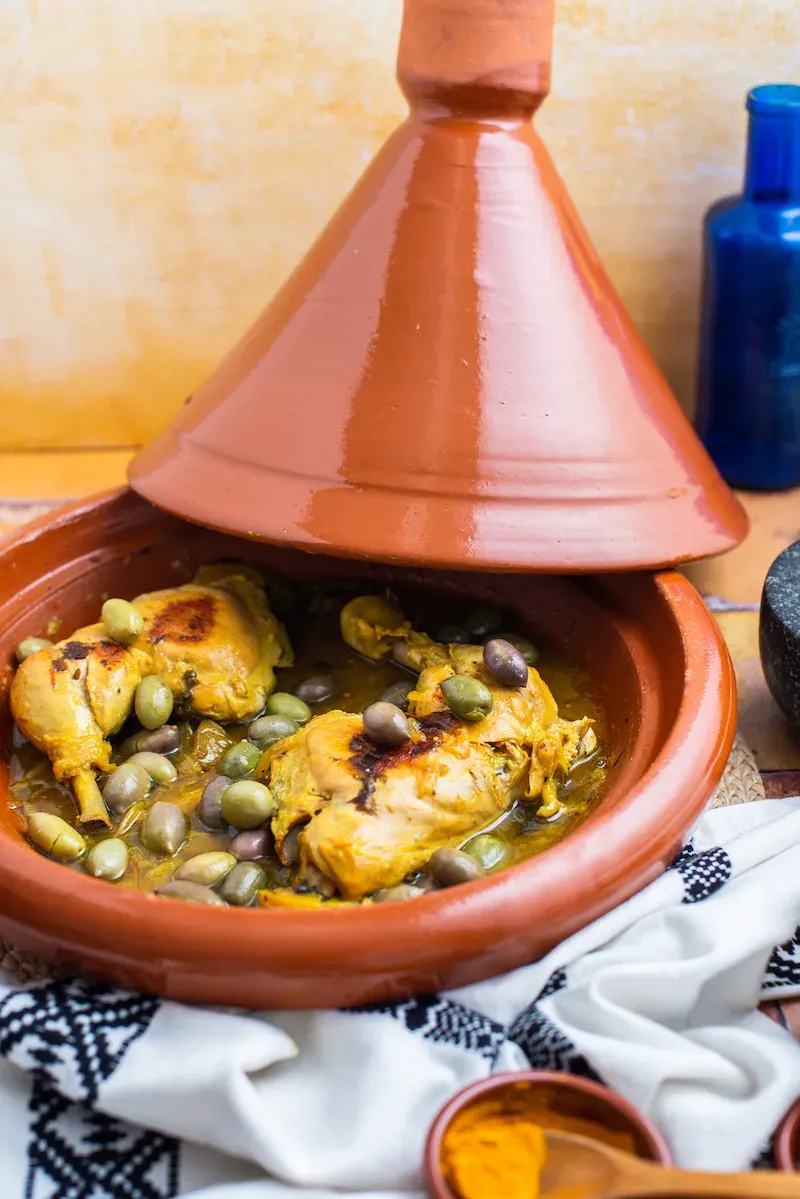
Preserved lemons might look a little strange, but they are one of the most magical ingredients in Moroccan cooking. Slow-cooked with chicken, olives, and warming spices like cumin and coriander, they melt into the sauce and add a deep, salty-sour flavour that is impossible to replicate.
This dish has been simmered in Moroccan homes for centuries. The lemon rind softens completely, turning the whole pot into something rich, fragrant, and utterly unforgettable.
2. Persian Fesenjan – Walnut and Pomegranate Stew
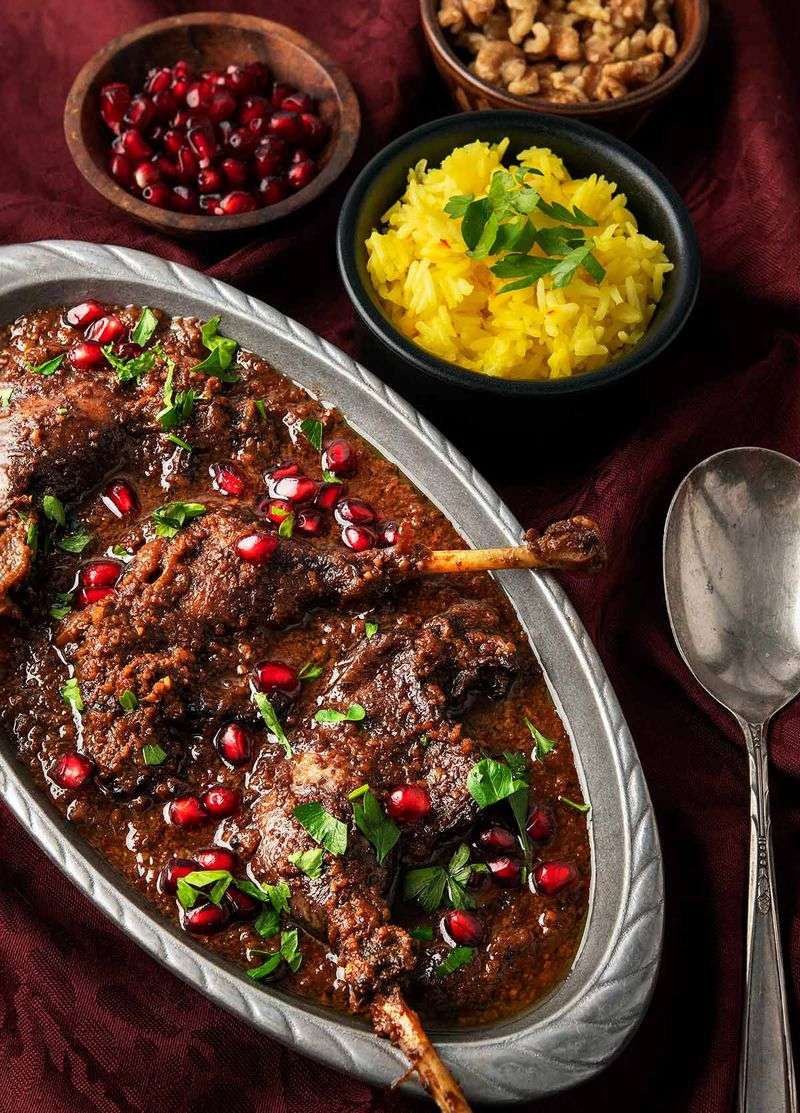
Pomegranate molasses gives this ancient Persian stew its signature sweet-sour punch that keeps you going back for another spoonful. Ground walnuts thicken the sauce into something almost velvety, while chicken or duck slowly absorbs all those bold, complex flavours.
Fesenjan has roots going back thousands of years in Iranian cuisine. The combination of fruit and nuts in a savoury pot might seem unusual, but one taste and you will completely understand why this dish has survived so long.
3. German Sauerbraten with Raisins and Ginger Gravy
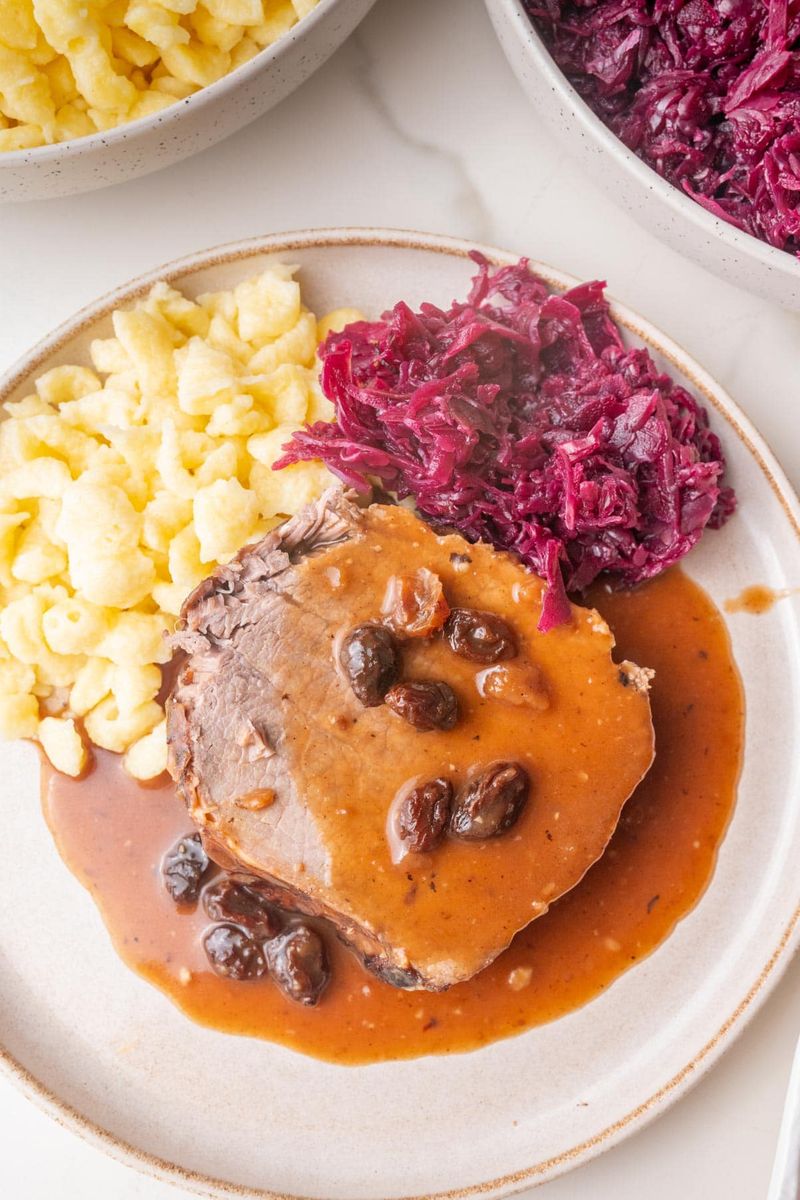
Raisins in a pot roast gravy sounds like a mistake until you actually taste it. German Sauerbraten is marinated beef, slow-braised until tender, then finished with a gravy that includes raisins, gingerbread crumbs, and vinegar for a flavour that is sweet, tangy, and deeply savoury all at once.
This dish is considered a national treasure in Germany. The raisins plump up in the braising liquid and add little bursts of sweetness that perfectly balance the sour marinade.
4. Indian Aam Panna Chutney – Raw Mango Relish
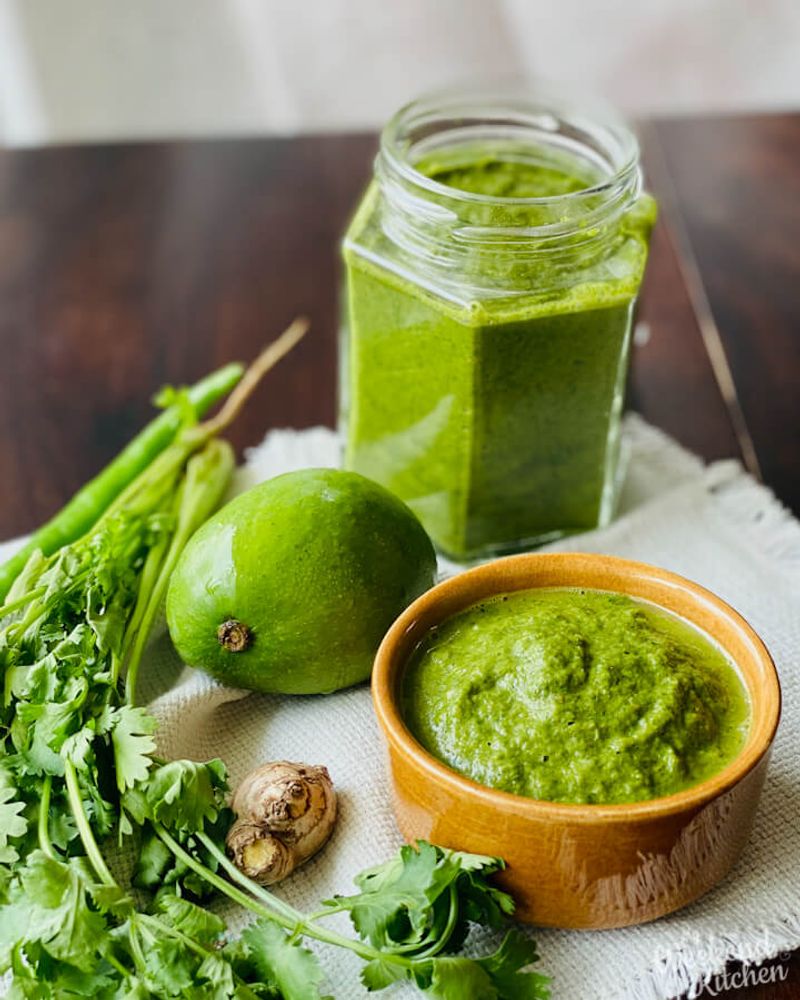
Raw mango is sharp, sour, and almost aggressively tart, which makes it perfect for cutting through rich, spicy Indian food. Aam Panna chutney is made by roasting or boiling unripe mangoes and blending them with mint, cumin, and chilli to create a cooling, tangy condiment.
Served alongside grilled meats or lentil dishes, this green relish wakes up every flavour on the plate. It has been a staple of Indian summer cooking for generations, long before refrigeration made fruit preservation easy.
5. Chinese Plum Sauce Duck – Peking Style
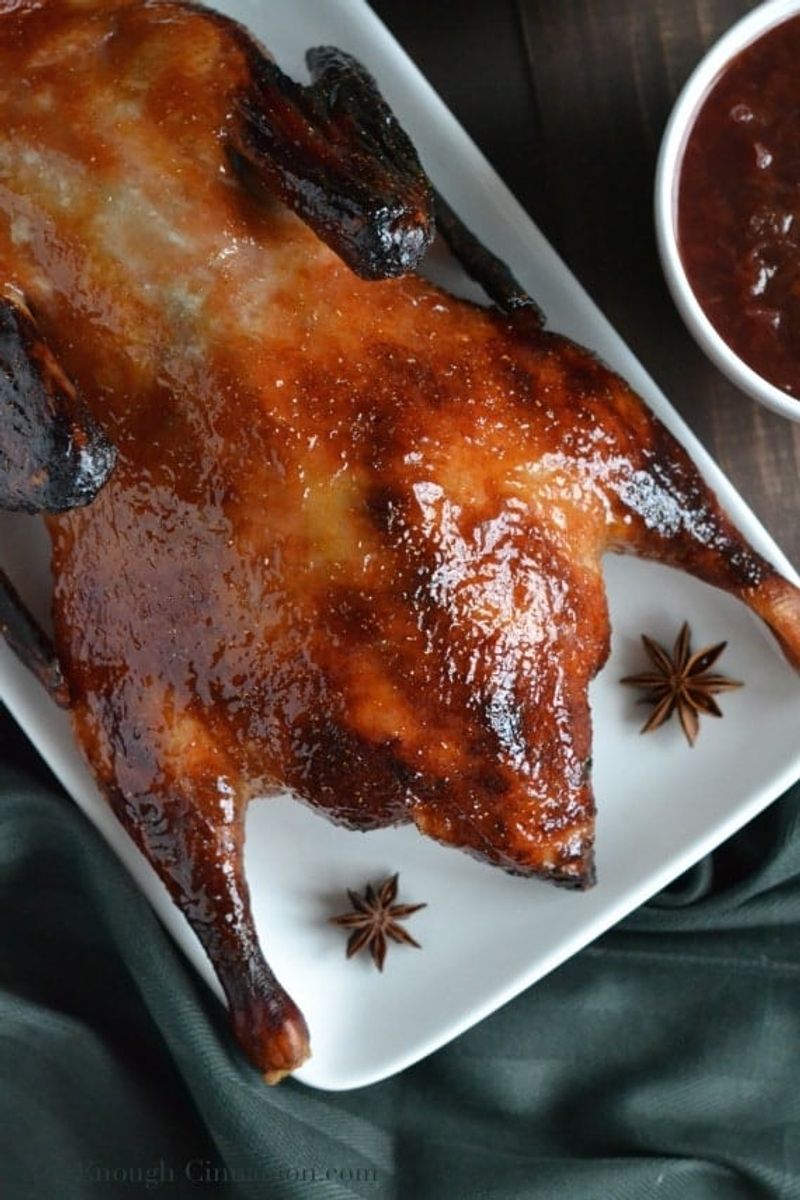
Plum sauce and roasted duck are one of those classic pairings that feel like they were always meant to find each other. The sweet, slightly tart sauce made from Chinese plums clings to the crispy skin and cuts right through the richness of the fatty meat.
This combination has been central to Cantonese and Peking-style cooking for hundreds of years. Plum sauce is not just a dipping condiment but often used as a glaze during roasting, creating that beautiful lacquered finish everyone recognises instantly.
6. Middle Eastern Lamb Tagine with Apricots and Almonds
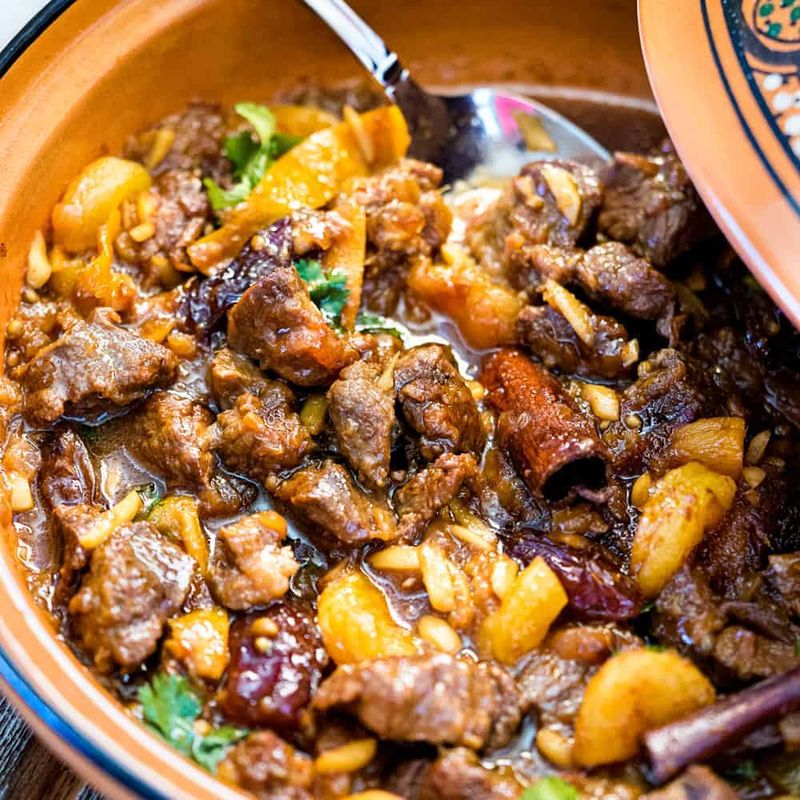
Dried apricots tucked into a lamb stew might raise an eyebrow, but this combination is a cornerstone of Middle Eastern and North African cooking. The apricots soften as they cook, releasing a gentle sweetness that balances the earthiness of lamb and the warmth of cinnamon and saffron.
Toasted almonds add crunch and a nutty depth that ties everything together beautifully. This style of cooking, where fruit meets meat in a fragrant pot, reflects centuries of spice trade influence across the region.
7. Swedish Meatballs with Lingonberry Sauce
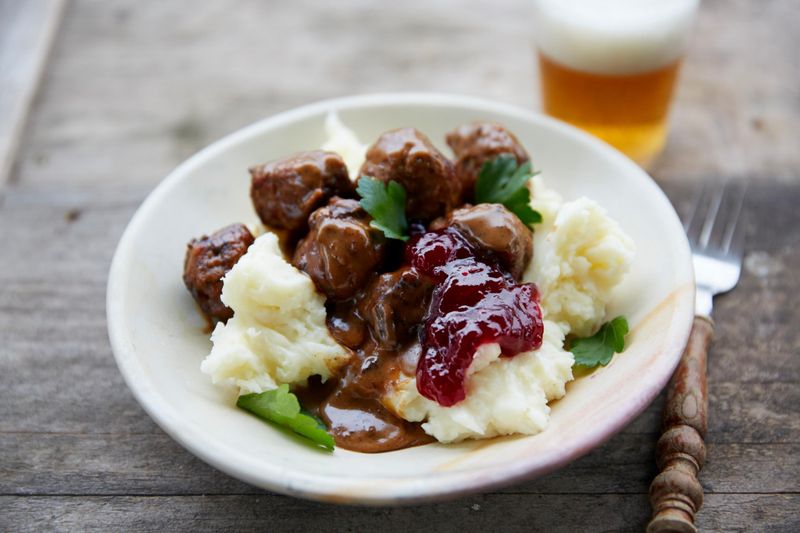
Lingonberries look like tiny cranberries and carry a tartness that is almost electric on the tongue. Swedes have been spooning this bright red berry sauce over their meatballs for generations, and the contrast between the creamy, savoury gravy and the sharp berry is genuinely brilliant.
The sauce is barely sweetened, letting the natural fruit flavour do the heavy lifting. Without it, the dish feels incomplete.
This is one of Scandinavia’s most beloved culinary traditions, and for very good reason.
8. Cuban Picadillo – Spiced Ground Beef with Raisins and Olives
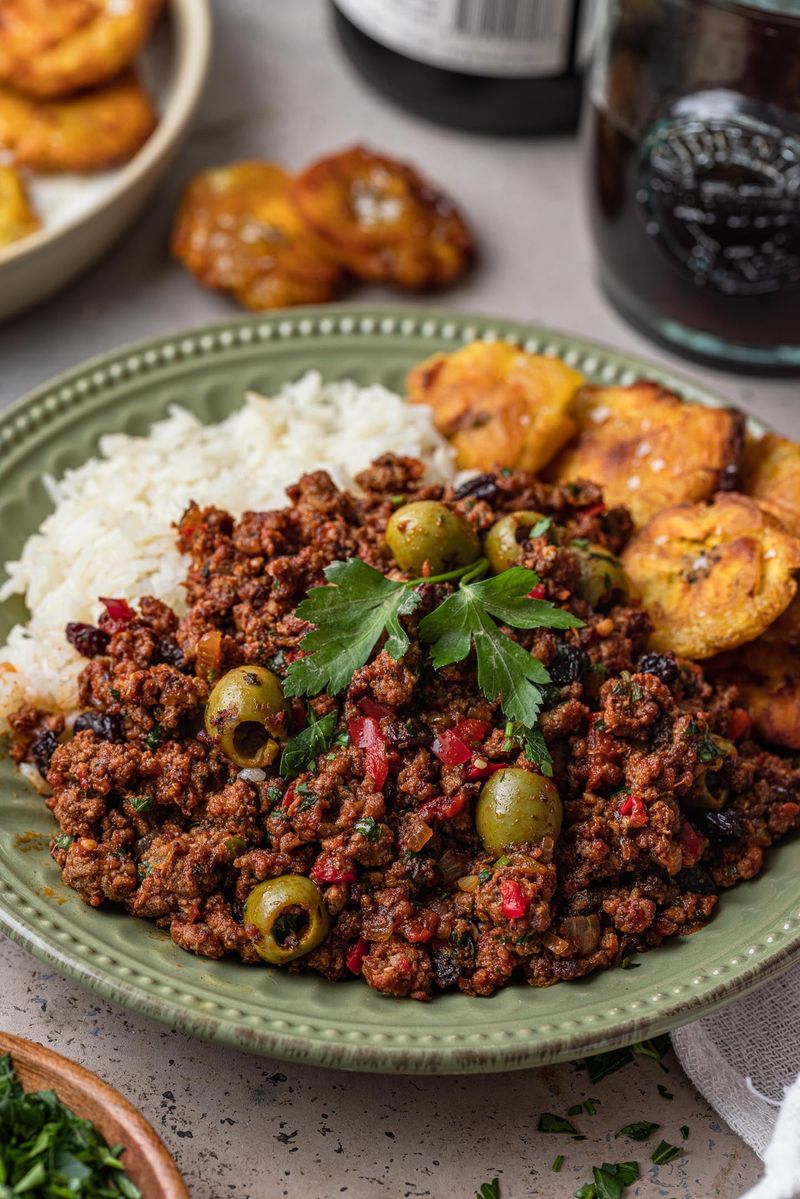
Cuban Picadillo is one of those dishes that surprises people every single time. Ground beef is cooked with tomatoes, garlic, and warm spices, then loaded with raisins and green olives, creating a flavour that swings between savoury, sweet, and briny in the most satisfying way.
The raisins plump up as they cook and add pops of sweetness that contrast brilliantly with the salty olives and capers. Served over rice, this humble dish is pure comfort food with a genuinely complex flavour profile.
9. English Pork and Apple Stuffing
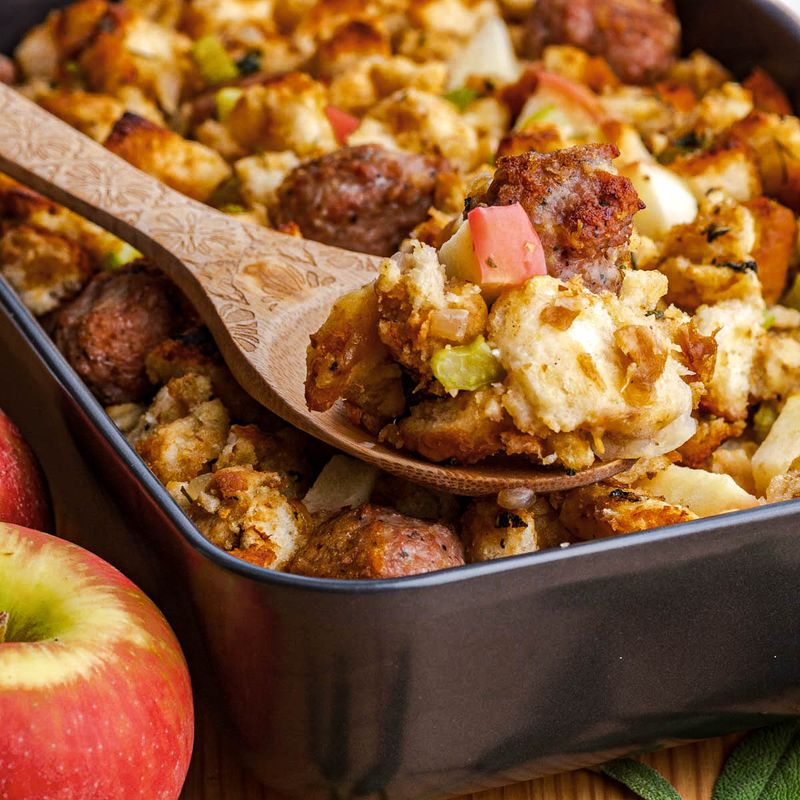
Apple and pork have been best friends in English cooking since at least the medieval period, and for good reason. The natural acidity in apple slices through the fattiness of pork beautifully, while the fruit softens into the stuffing and adds a subtle, fragrant sweetness.
Packed into a roasting dish or stuffed inside a whole pig, this combination appears on Sunday tables across Britain every week. Fresh sage ties everything together with its earthy, slightly peppery aroma that makes the whole kitchen smell incredible.
10. Vietnamese Tamarind Crab – Cua Rang Me
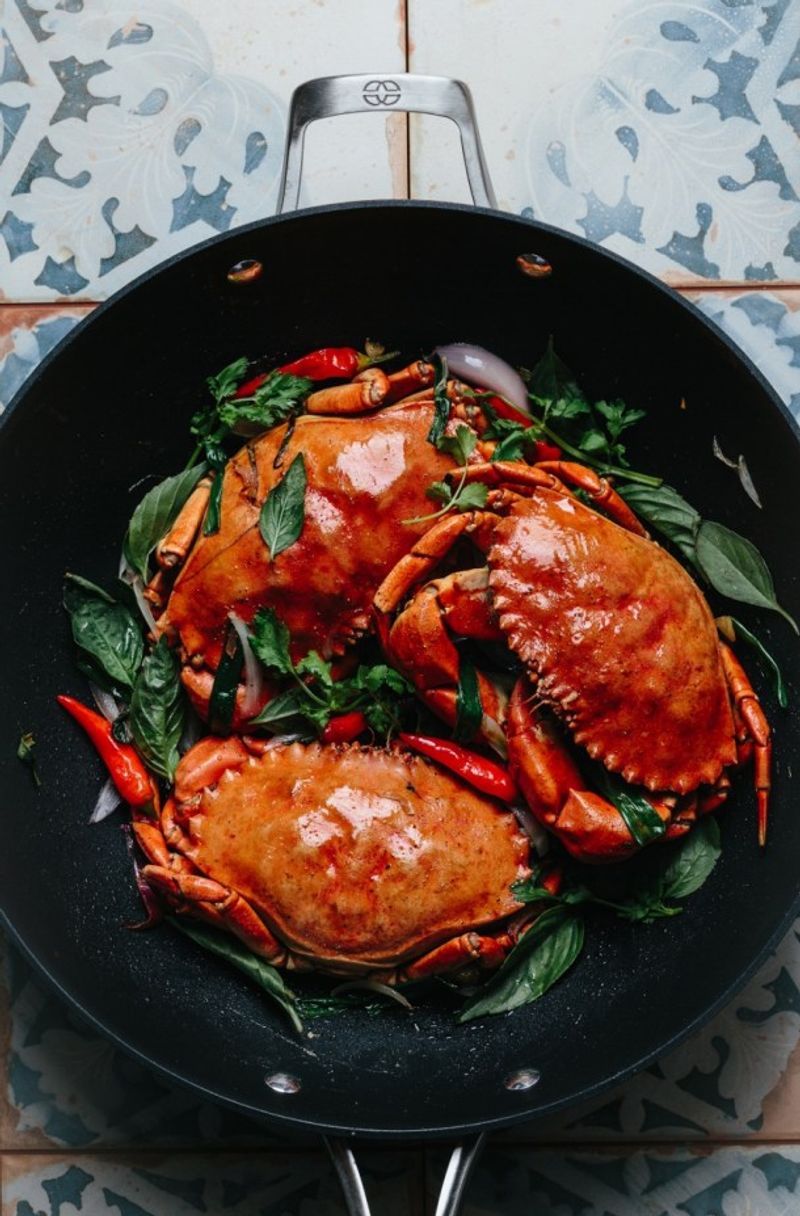
Tamarind is the unsung hero of Southeast Asian cooking, and nowhere does it shine brighter than in this Vietnamese crab dish. The sauce is sticky, sour, faintly sweet, and loaded with chilli heat, coating every crack and crevice of a fresh mud crab perfectly.
Cua Rang Me is a favourite at Vietnamese seafood restaurants and family gatherings alike. Eating it is messy, loud, and completely worth it.
The tamarind cuts through the richness of the crab meat in a way that feels both bold and refreshing.
11. Georgian Tkemali – Sour Plum Sauce for Grilled Meats
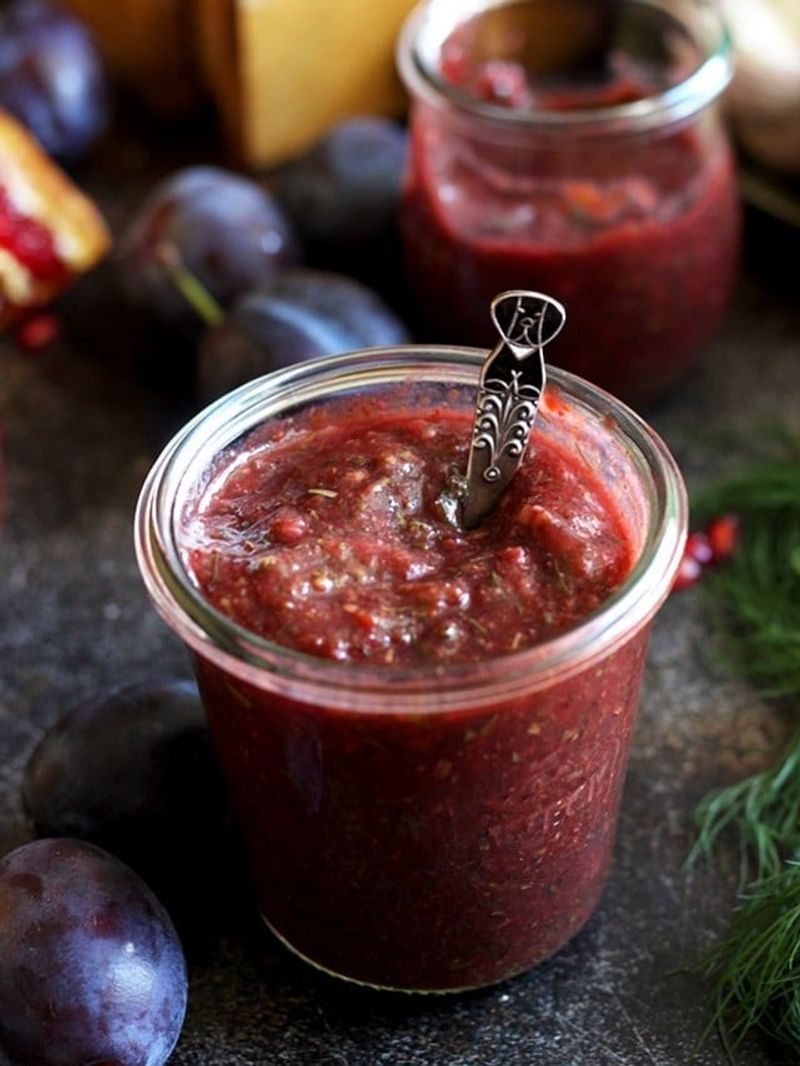
Georgia, the country nestled between Europe and Asia, has a sauce that rivals any condiment in the world. Tkemali is made from sour wild plums cooked down with garlic, dill, and coriander into a tangy, herbaceous sauce that pairs perfectly with grilled meats and roasted potatoes.
Every Georgian family has their own version, passed down through generations. Some prefer it greener and more herbal, others let the plums darken into something richer.
Either way, it is absolutely essential at any outdoor feast.
12. Jamaican Jerk Chicken with Scotch Bonnet and Pineapple Marinade
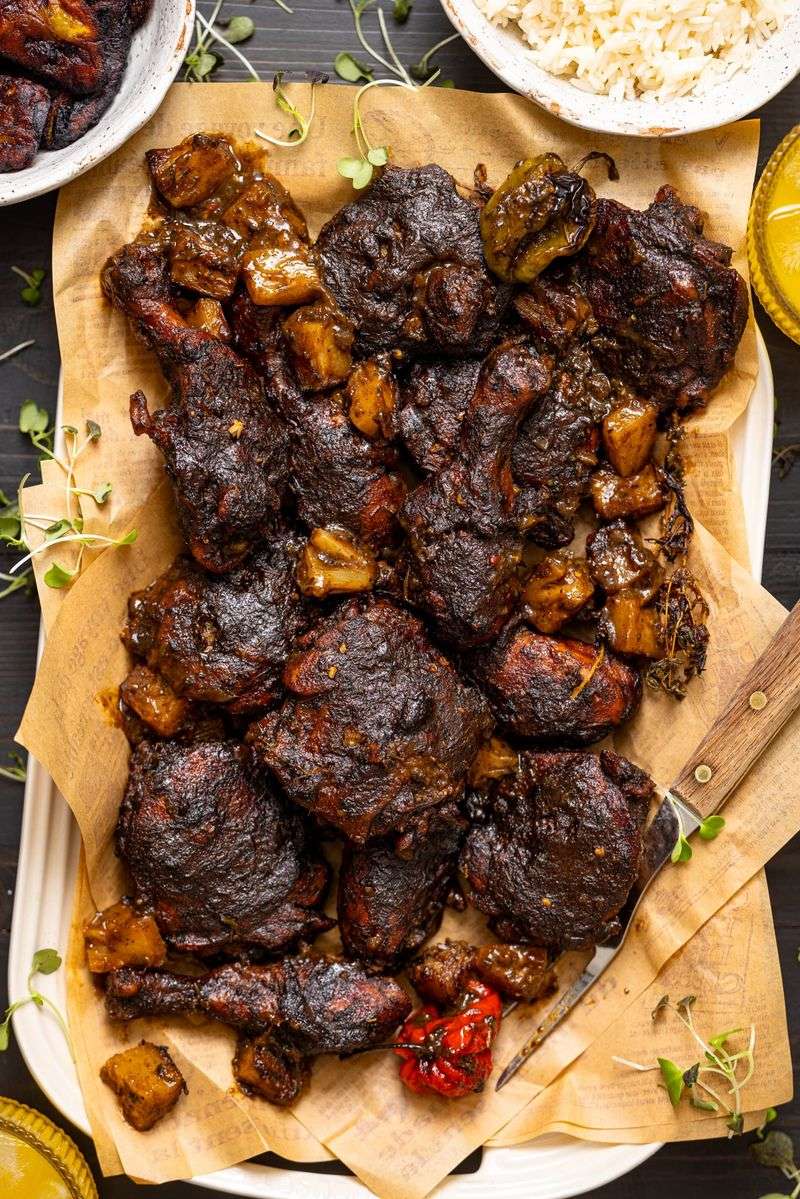
Pineapple in a chicken marinade does two incredible things at once. Its natural enzymes tenderise the meat while its sweetness balances the ferocious heat of Scotch bonnet peppers, creating a jerk marinade that is fiery, fruity, and deeply aromatic all at the same time.
Traditional Jamaican jerk seasoning has been evolving since the Maroon communities first developed it centuries ago. The addition of pineapple is a regional twist that adds tropical brightness to an already legendary dish without softening any of its bold, smoky character.
13. Italian Agrodolce – Sweet and Sour Sicilian Vegetable Dish
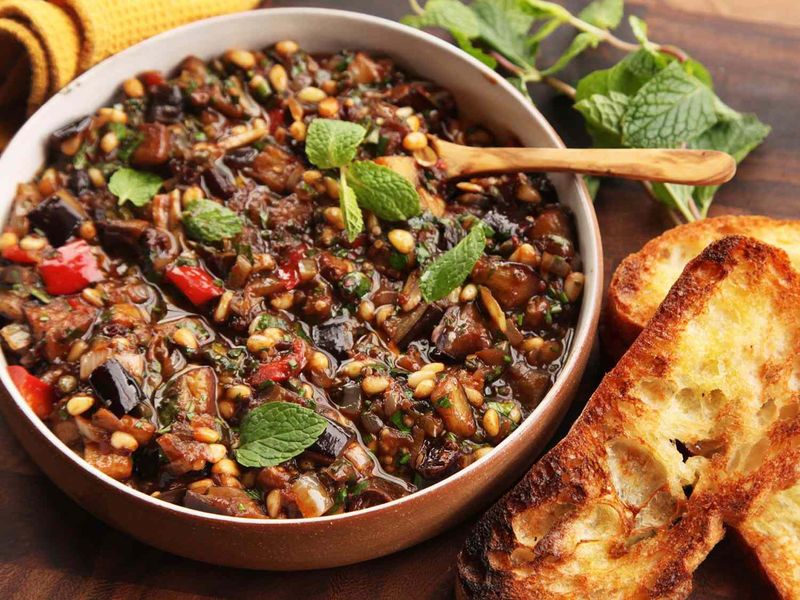
Agrodolce means sweet and sour in Italian, and this ancient Sicilian cooking style uses raisins and vinegar together to create a flavour balance that feels both simple and sophisticated. Caponata, the most famous agrodolce dish, combines aubergine, celery, capers, and raisins in a glossy tomato sauce.
The raisins add little bursts of sweetness that soften the sharpness of the vinegar beautifully. This style of cooking reflects Sicily’s long history of Arab influence, where mixing fruit with vegetables and savoury ingredients was completely natural and everyday.
14. Filipino Adobo with Pineapple – Chicken Adobo sa Pinya
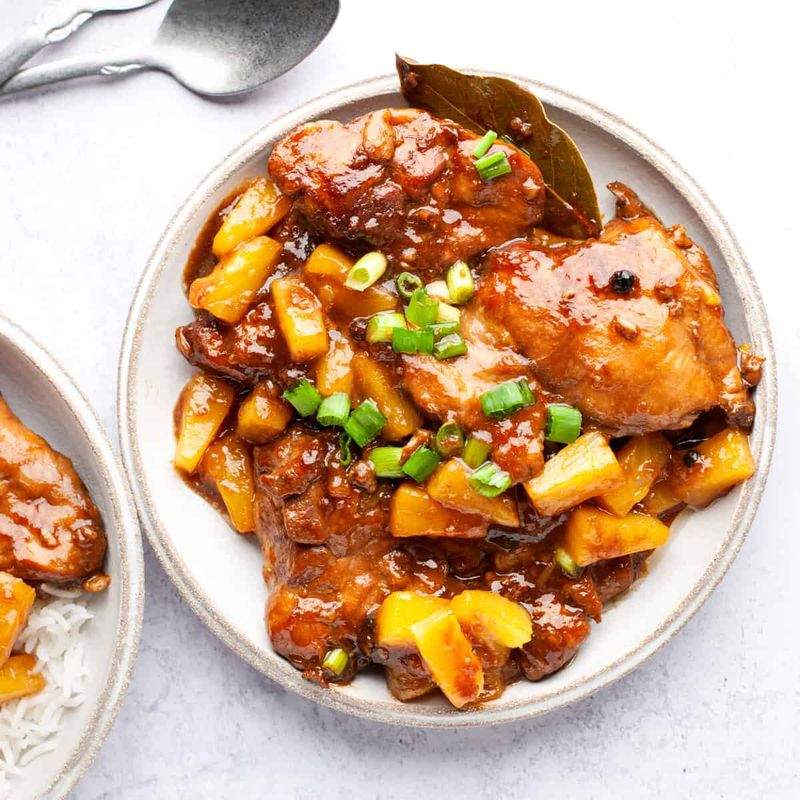
Filipino Adobo is already one of the most flavourful braised dishes in the world, but adding pineapple takes it somewhere truly special. The fruit breaks down as it cooks, releasing natural sugars that caramelise into the soy and vinegar sauce and add a tropical sweetness that feels completely at home.
Chicken Adobo sa Pinya is a popular regional variation found across the Philippine islands. The pineapple also gently tenderises the chicken while adding acidity, making the whole dish more balanced, bright, and absolutely irresistible over steamed white rice.
15. Iranian Ghormeh Sabzi with Dried Limes – Herb Stew
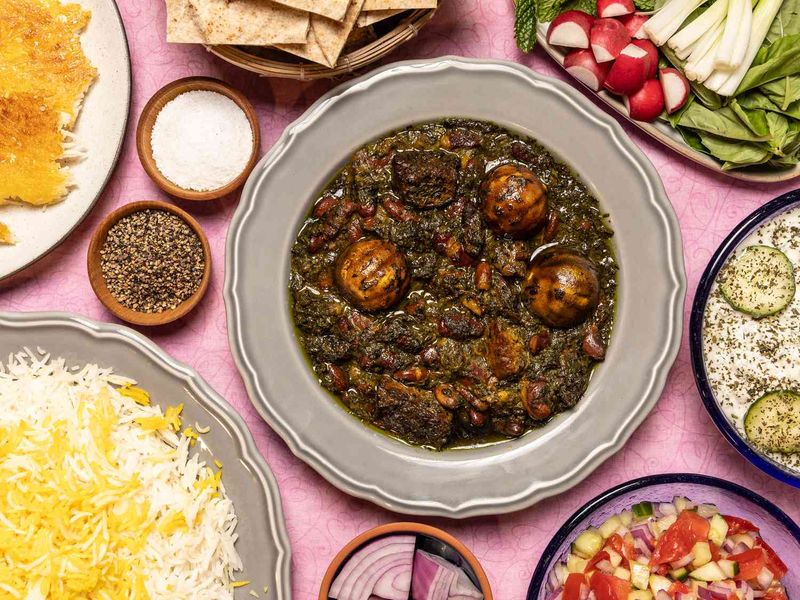
Dried black limes, called limu omani, are one of the most fascinating ingredients in Persian cooking. They are whole limes that have been dried until they turn dark and hollow, then added to stews where they slowly release a smoky, intensely sour citrus flavour unlike anything fresh limes can offer.
Ghormeh Sabzi is Iran’s beloved national herb stew, slow-cooked with lamb, kidney beans, and mountains of fresh herbs. The dried lime is not optional here.
It is the soul of the dish and the reason this stew tastes so hauntingly good.