
Sharing food from one big dish is one of the oldest and most meaningful traditions in cultures around the world. Whether gathered around a steaming pot or a wide clay platter, people have always found connection through communal eating.
These dishes are more than just meals – they carry history, family stories, and a sense of belonging. Get ready to discover 21 incredible foods that bring people together in the most delicious way possible.
1. Moroccan Tagine
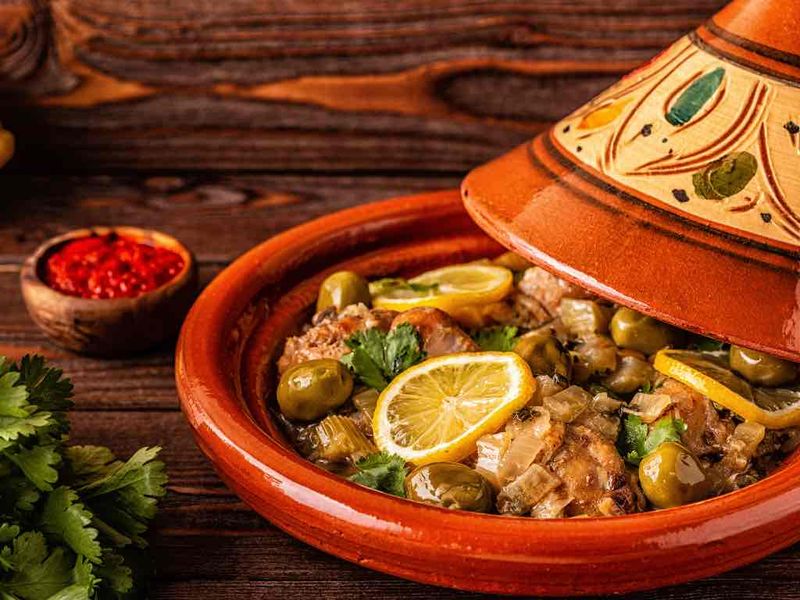
Picture a cone-shaped clay pot sitting at the center of the table, filling the room with the warm scent of cumin and cinnamon. Moroccan tagine is slow-cooked to perfection, blending tender meat with sweet dried fruits and earthy spices.
Families and guests gather around and eat directly from the communal dish using pieces of fresh bread. No forks needed – just hands, bread, and good company.
It is comfort food with centuries of tradition behind every bite.
2. Ethiopian Injera with Stews
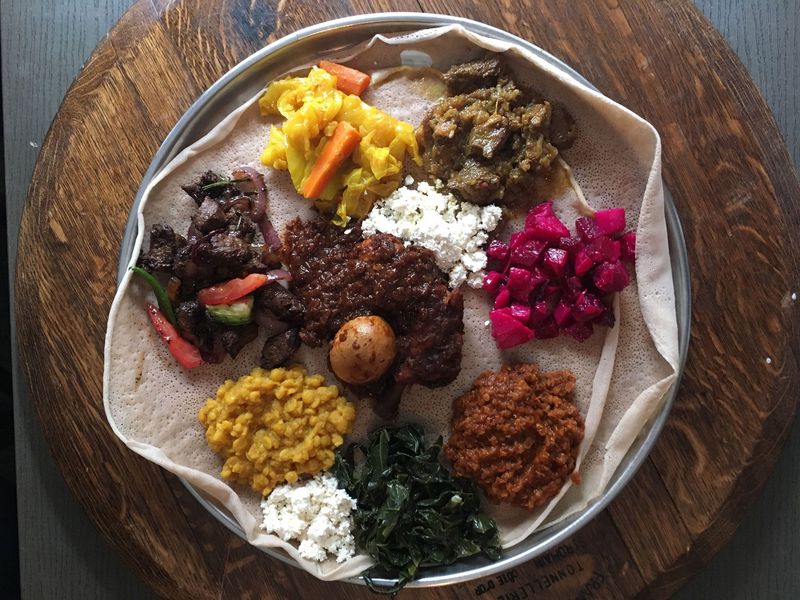
Eating Ethiopian injera is a full experience for all the senses. The large, spongy flatbread acts as both the plate and the utensil, soaking up rich, spiced stews called wats placed on top of it.
Everyone gathers around the same tray and tears off pieces of injera to scoop up the food. Feeding someone else from your hand, called “gursha,” is a sign of love and respect in Ethiopian culture.
It is a beautiful, edible tradition.
3. Spanish Paella
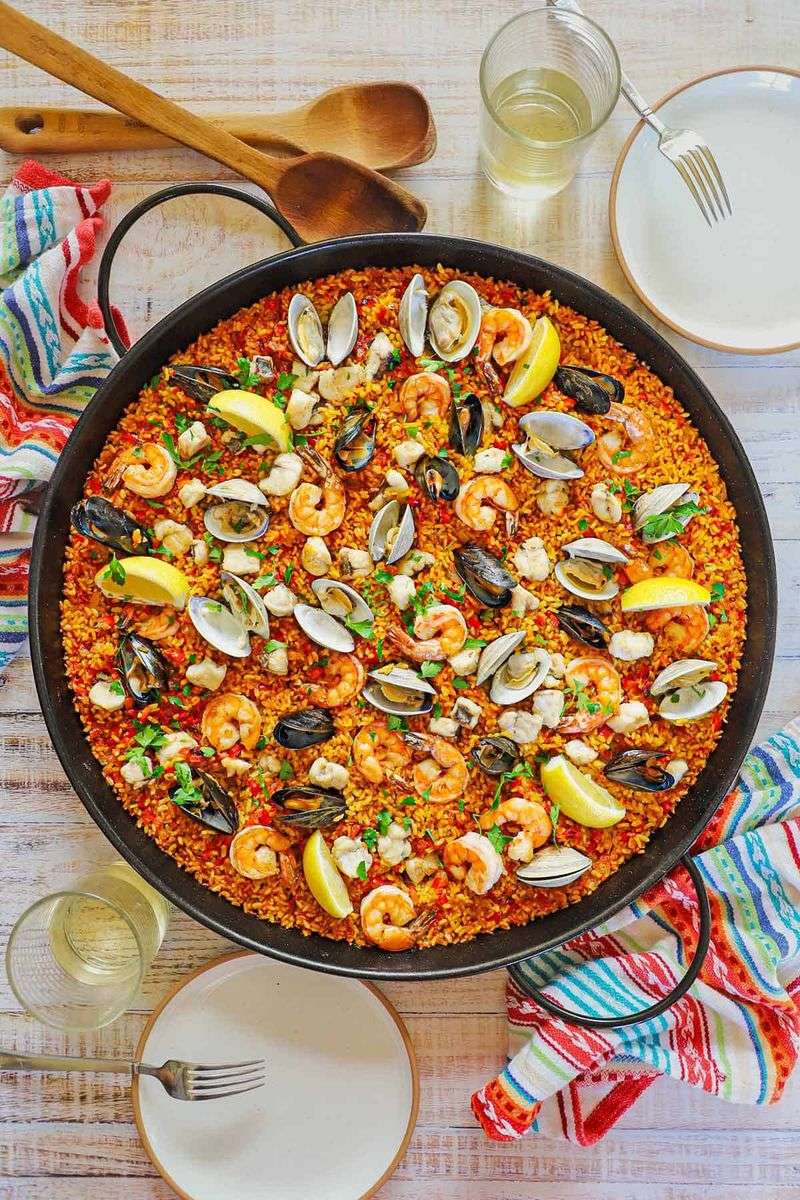
Born on the sunny coasts of Valencia, Spain, paella is the ultimate celebration dish. A wide, flat pan holds layers of saffron-scented rice packed with seafood, chicken, or vegetables, depending on the region.
The pan is placed right at the center of the table, and everyone digs in together. The crispy rice layer at the bottom, called socarrat, is the most prized part.
Sharing paella outdoors with family on a warm afternoon feels like pure joy.
4. Levantine Mezze
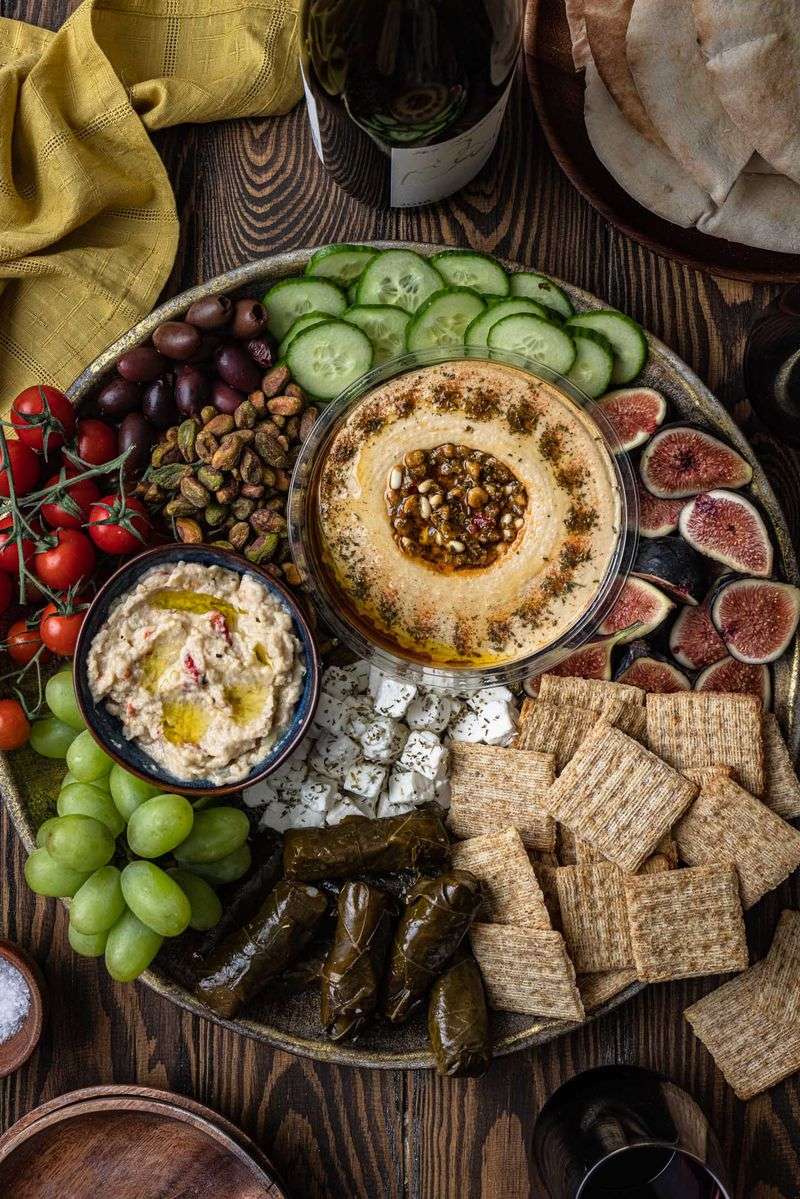
Mezze is not just a meal – it is an event. Across Lebanon, Syria, Jordan, and neighboring countries, mezze means dozens of small dishes spread across a big table for everyone to share freely.
Hummus, baba ganoush, fattoush, and stuffed grape leaves are just a few of the colorful options. The idea is to eat slowly, talk a lot, and enjoy every flavor.
Nobody rushes a mezze table, and that is exactly the point.
5. Chinese Hot Pot
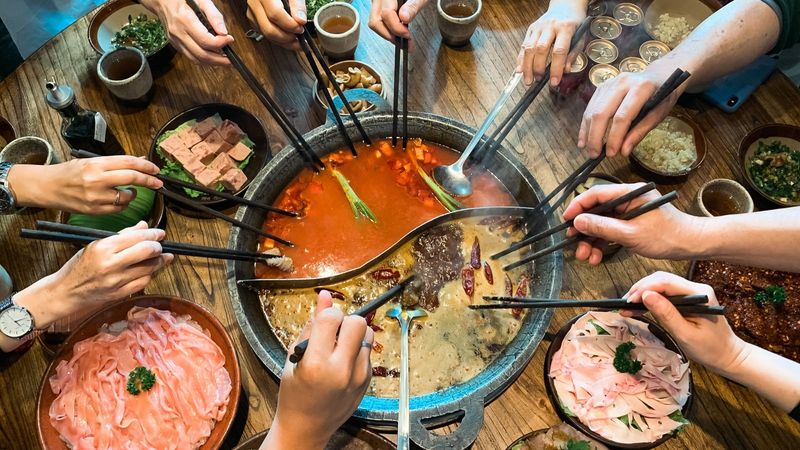
Few dining experiences match the fun and energy of a Chinese hot pot gathering. A pot of boiling broth sits right in the middle of the table, and everyone cooks their own ingredients – thinly sliced meat, tofu, noodles, and vegetables – right in the shared pot.
It is interactive, warm, and deeply social. Hot pot is especially popular during winter months and family reunions.
The longer the meal goes, the richer and more flavorful the broth becomes.
6. West African Fufu with Soup
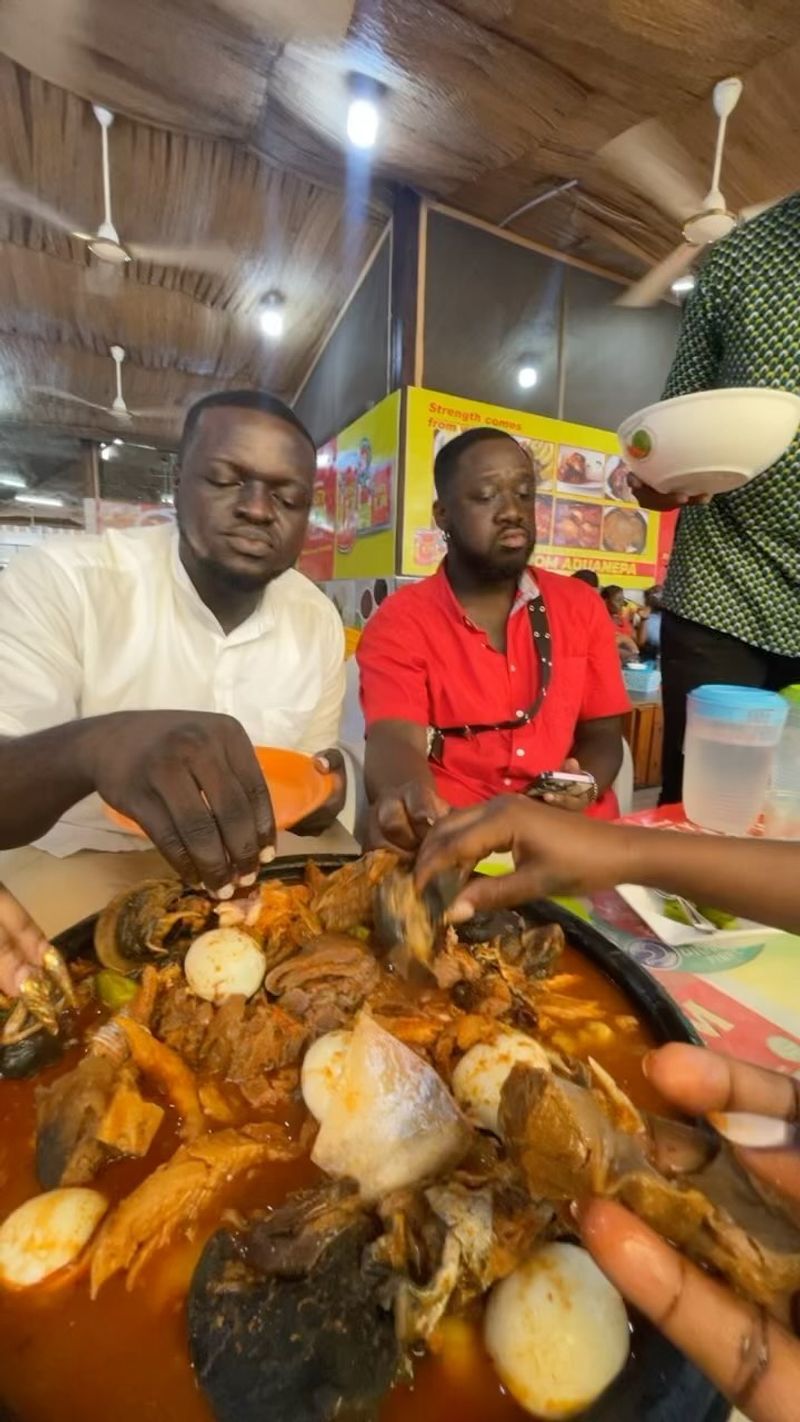
Fufu is made by pounding starchy vegetables like cassava or plantain into a smooth, stretchy dough. It is served alongside a deeply flavorful soup – egusi, groundnut, or palm nut – poured into one large shared bowl.
Everyone tears off a small piece of fufu, rolls it in their fingers, and dips it into the soup. No utensils, no separate plates – just one big bowl and shared hunger.
In many West African families, this is an everyday act of togetherness.
7. Saudi Arabian Kabsa
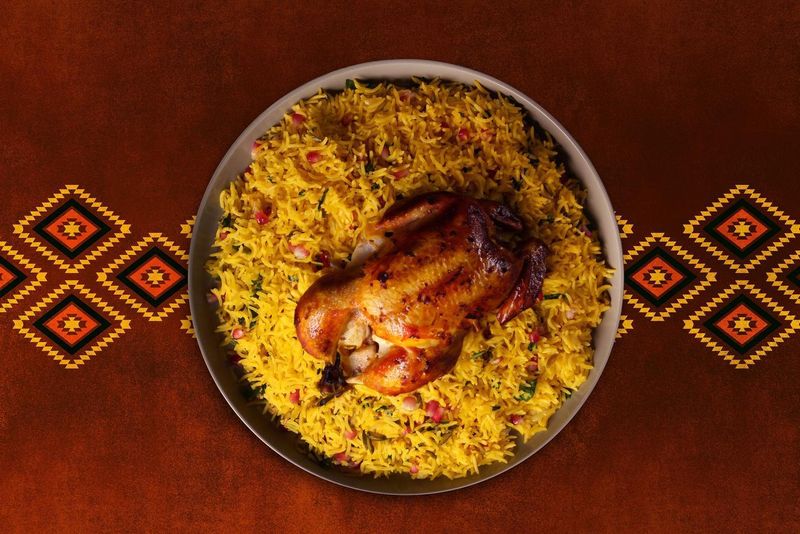
Kabsa is the national dish of Saudi Arabia, and it is built for big gatherings. A giant tray overflows with spiced rice cooked in broth, topped with roasted meat, nuts, and raisins – a feast for the eyes before it even hits your taste buds.
Traditionally, the tray is set on the floor or a low table, and guests sit around it together. Eating kabsa with your right hand, pulling from the same platter, is a deeply honored cultural ritual.
8. Georgian Supra Feast
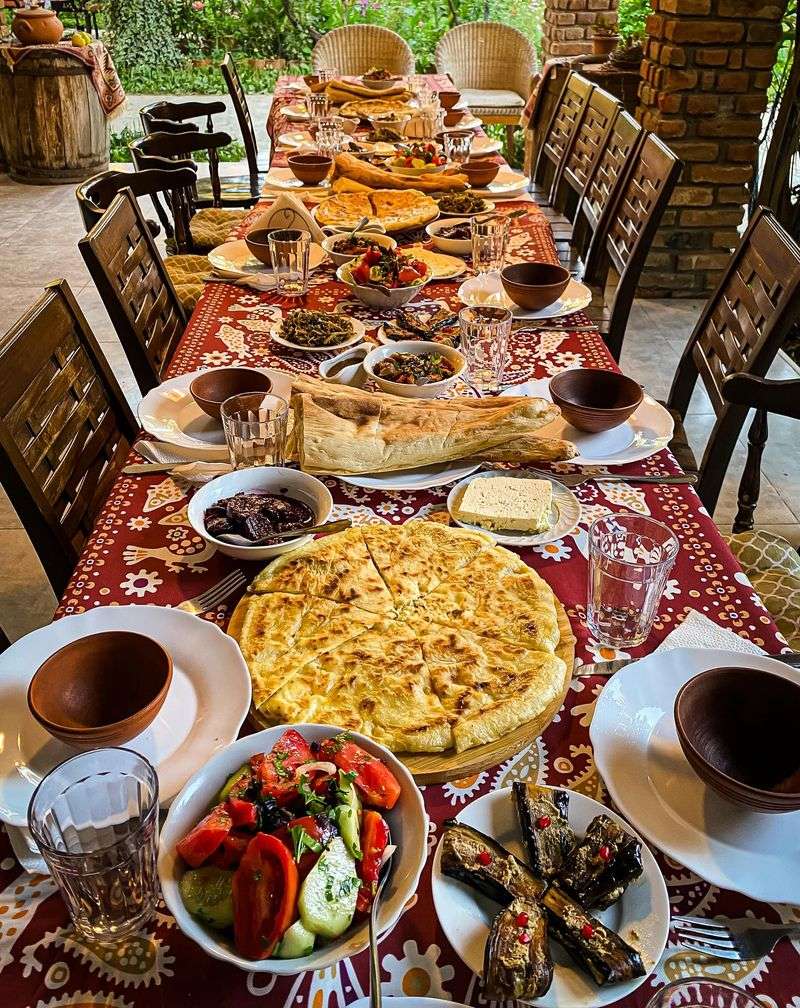
In Georgia – the country, not the state – a supra is not just dinner. It is a grand feast guided by a toastmaster called a tamada, who leads rounds of toasts while dish after dish fills the table.
Bread, cheese, grilled meats, walnut sauces, and pickled vegetables are all shared freely. The table is meant to overflow, because abundance shows love and respect for guests.
A Georgian supra can last for hours, and nobody minds one bit.
9. Filipino Boodle Fight
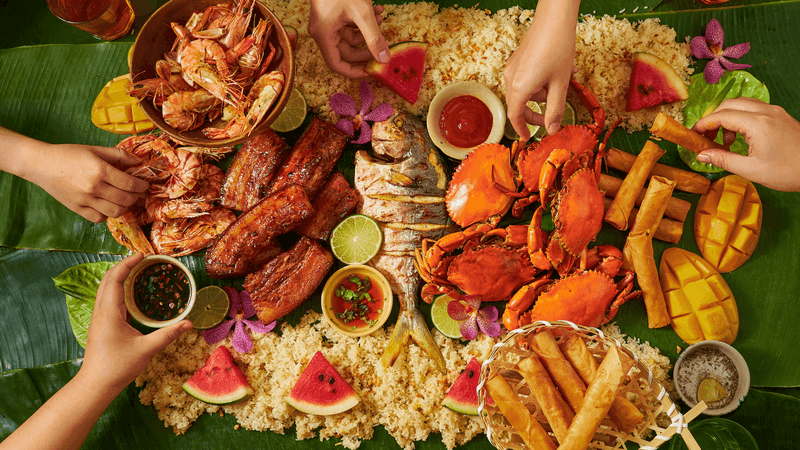
The Filipino boodle fight is one of the most visually striking communal meals on the planet. Banana leaves replace plates, and food is piled directly on top – mountains of rice, grilled meats, seafood, and vegetables all in one long, glorious spread.
Everyone stands or sits around the leaf-covered table and eats with their hands. Originally a military tradition, the boodle fight has become a beloved way to celebrate with friends and family.
It is messy, joyful, and absolutely unforgettable.
10. Indian Thali
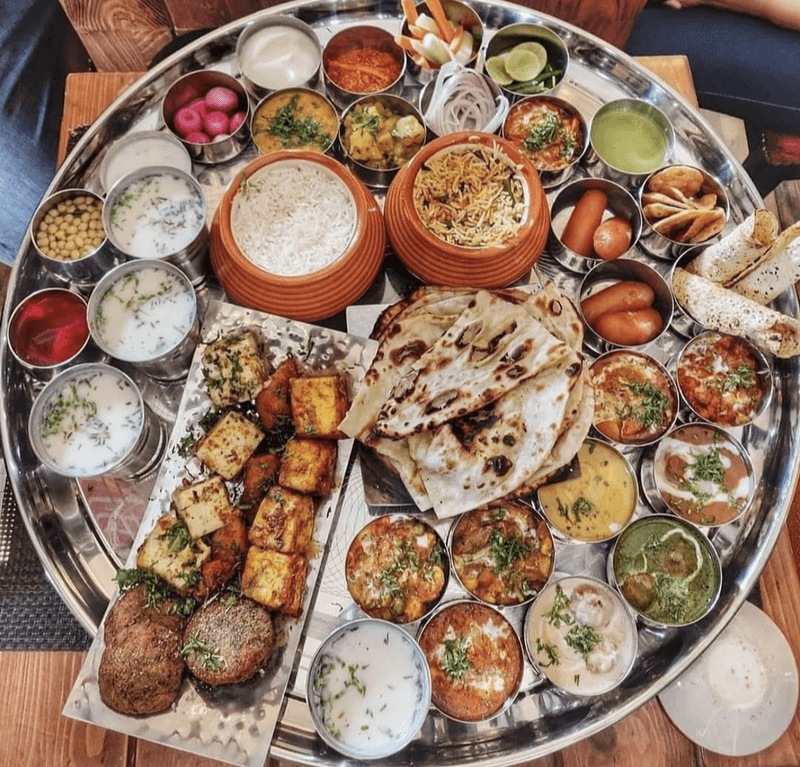
A thali is a complete universe of flavor on one single tray. Across India, a thali includes small bowls of dal, curry, rice, bread, chutney, and sweets – all arranged beautifully and meant to be shared or served family-style.
Each region has its own version: South Indian thalis lean on coconut and tamarind, while Rajasthani thalis are rich with ghee and lentils. Sharing a thali means experiencing balance – sweet, salty, spicy, and sour all at once.
Every bite tells a regional story.
11. Brazilian Feijoada
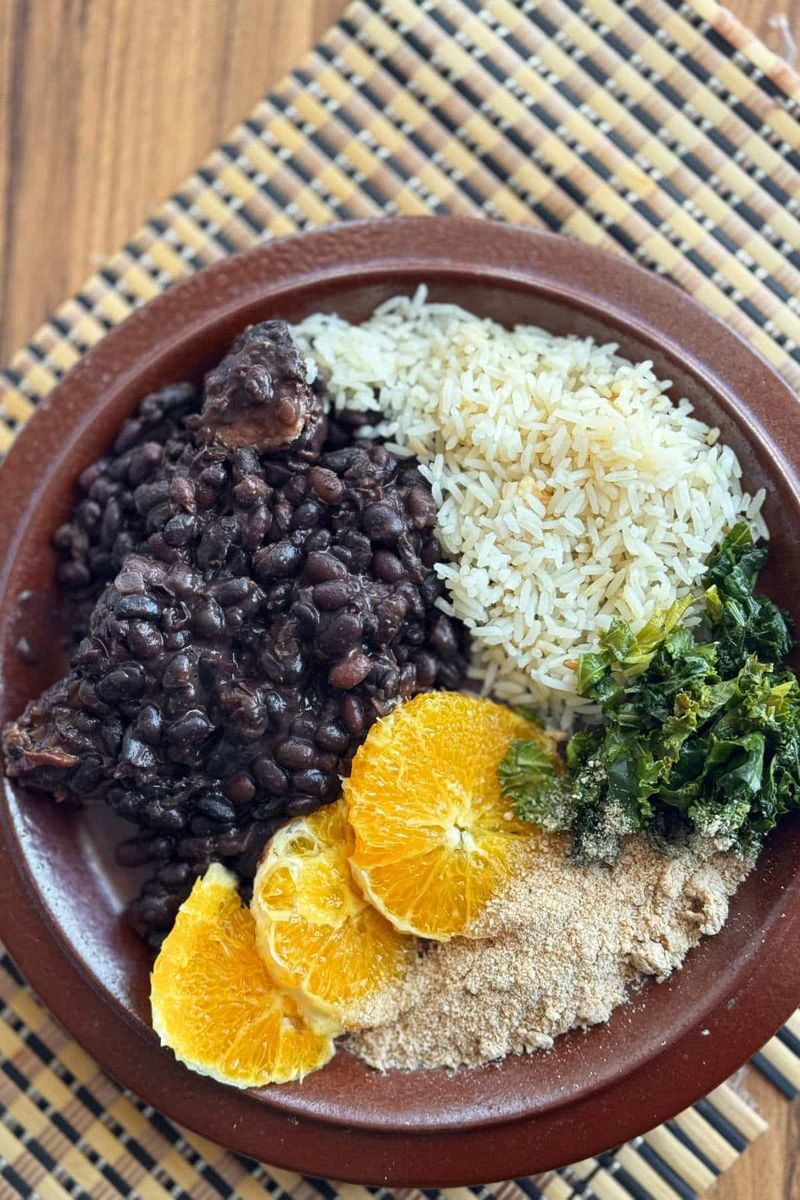
Saturday mornings in Brazil often smell like feijoada. This hearty black bean and pork stew simmers for hours, developing a smoky, rich depth of flavor that no quick recipe can replicate.
It is always served as a spread – the stew in a big pot, surrounded by rice, collard greens, orange slices, and toasted cassava flour. Friends and family gather around and serve themselves generously.
Feijoada is not fast food – it is slow, shared, and celebrated every single time.
12. Afghan Qabuli Pulao
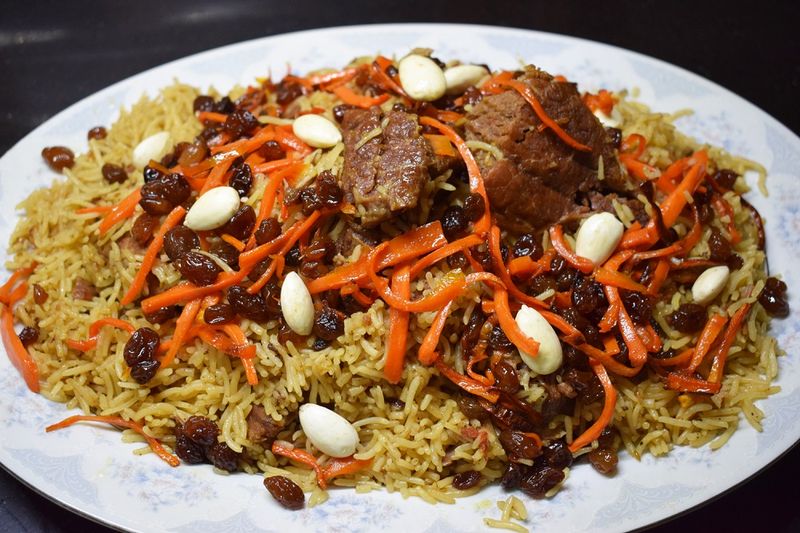
Qabuli pulao is considered Afghanistan’s national dish, and it earns that title with every fragrant bite. Long-grain rice is slow-cooked in lamb broth, then crowned with sweet caramelized carrots and plump raisins before being served on a wide communal platter.
The dish is traditionally cooked for weddings, celebrations, and honored guests. Everyone gathers around the platter and eats together, often with their hands.
The mix of savory and sweet in one dish makes it unlike anything else on this list.
13. Greek Lamb Kleftiko
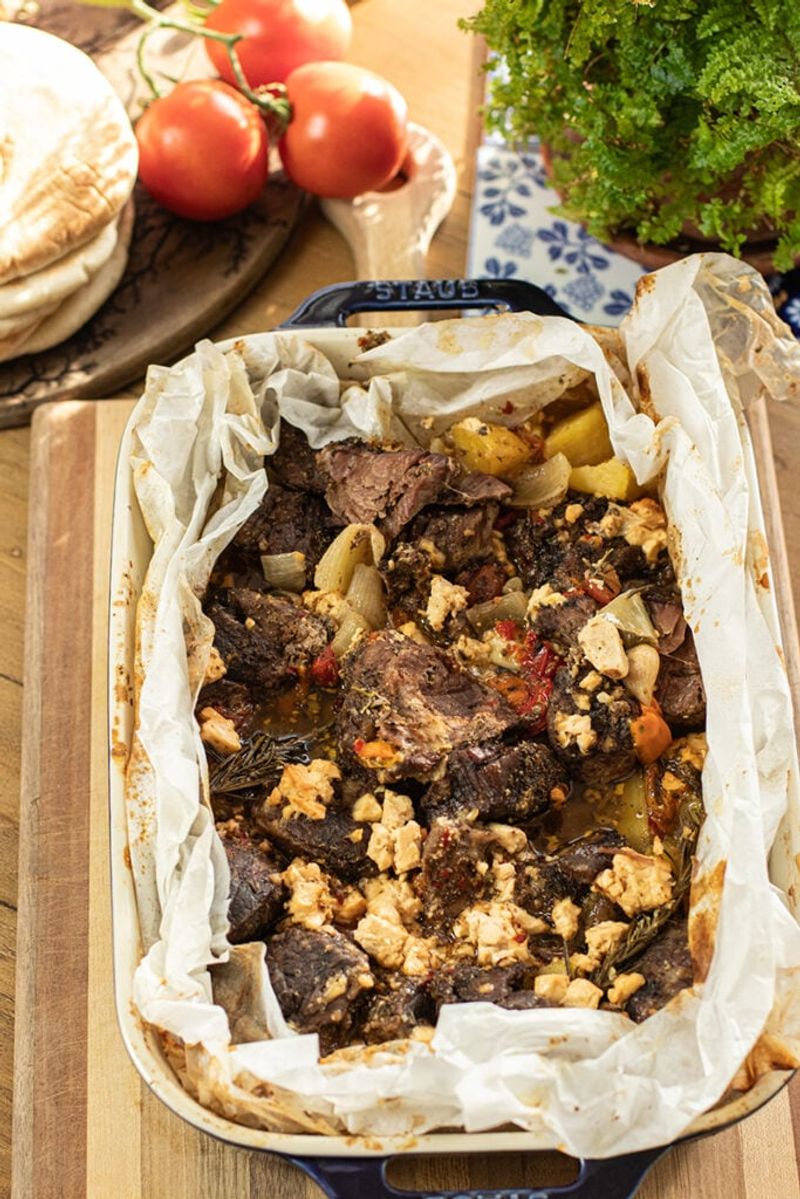
Legend says kleftiko was invented by Greek mountain rebels who cooked stolen lamb sealed underground to hide the smoke from their enemies. Today, this slow-roasted lamb dish is sealed in parchment or a clay pot and cooked until the meat falls off the bone.
Brought to the table in its cooking vessel, kleftiko is meant for sharing. The aroma when the seal is broken is unforgettable.
Potatoes, tomatoes, and herbs soak up all the juices, making every scoop from the pot a treasure.
14. Persian Ghormeh Sabzi
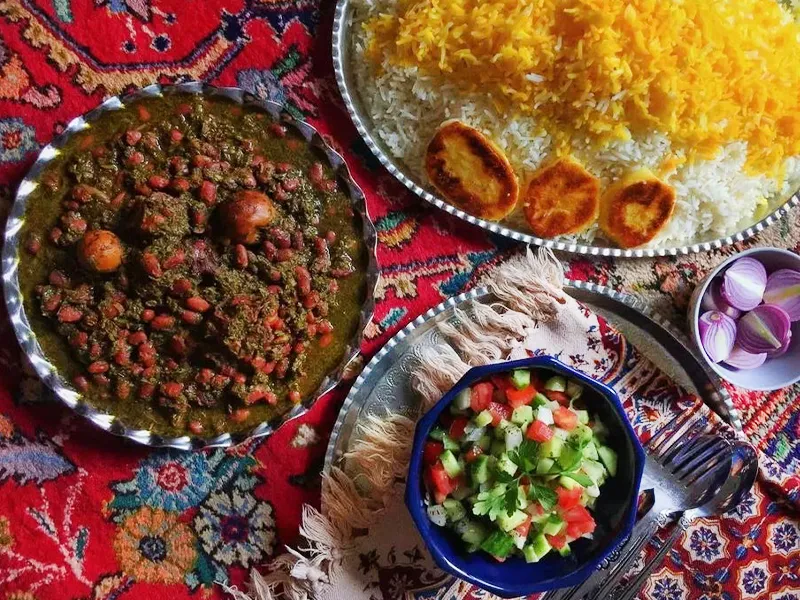
Ghormeh sabzi is one of the oldest stews in Persian cuisine, and Iranians take serious pride in it. Made with a blend of deeply sauteed herbs – fenugreek, parsley, and dried limes – it develops a complex, almost earthy flavor that grows richer the longer it cooks.
Served alongside saffron rice, the pot is placed at the center of the table for everyone to spoon from freely. It is a dish that feels like home, no matter where in the world you eat it.
15. Japanese Shabu-Shabu
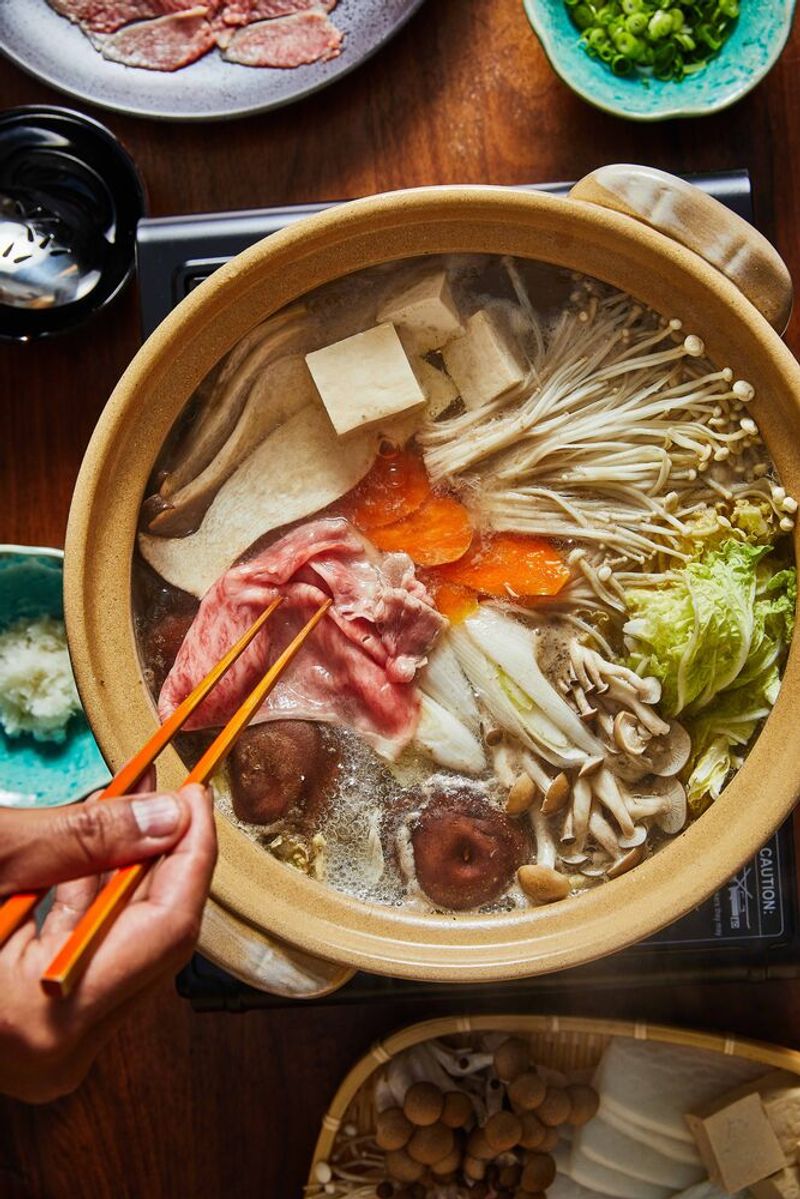
The name shabu-shabu comes from the swishing sound the thin meat slices make as you wave them through the hot broth. This Japanese hot pot is delicate, elegant, and built around the ritual of cooking together at the table.
Each person picks up ingredients with chopsticks and cooks them briefly in the shared pot, then dips them in sesame or ponzu sauce. It is a slow, mindful meal that encourages conversation.
Shabu-shabu turns eating into a peaceful, shared ceremony.
16. Nigerian Jollof Rice
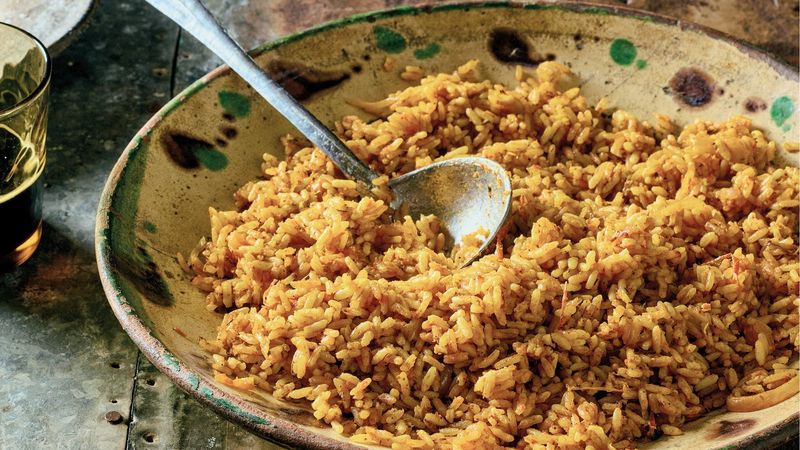
Ask any Nigerian about jollof rice and watch their eyes light up. Cooked in a rich tomato and pepper base, this vibrant red rice is the heartbeat of every Nigerian celebration – from weddings to birthdays to casual family Sundays.
The pot is always big, because jollof rice is made to feed a crowd. The slightly smoky bottom layer, called “party jollof,” is the most coveted scoop.
Sharing a pot of jollof rice is practically a national sport in Nigeria.
17. Uzbek Plov
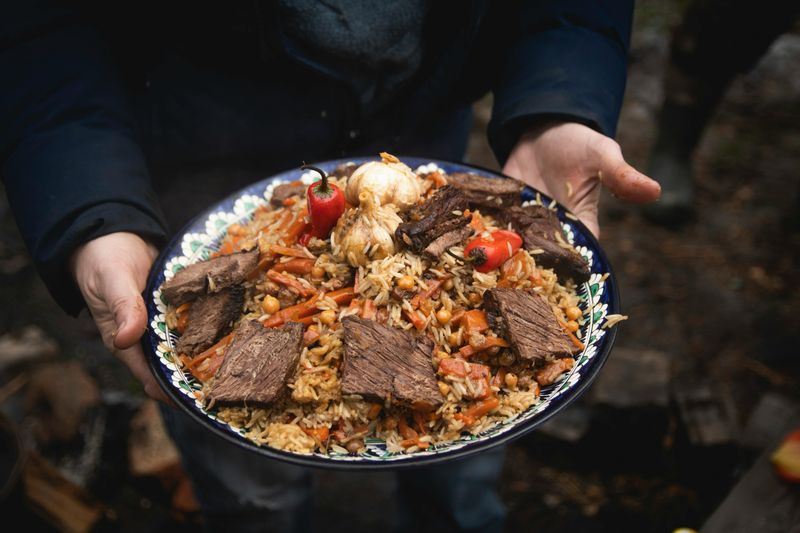
Plov is not just food in Uzbekistan – it is a cultural institution. Cooked in a massive cast-iron kazan pot over an open flame, this rice dish layers lamb, yellow carrots, garlic, and sometimes chickpeas into something truly spectacular.
Traditionally, a master cook called an oshpaz prepares plov for large gatherings, sometimes feeding hundreds of people from one enormous pot. Everyone eats from a shared platter, often without utensils.
There is a reason Uzbek plov was added to UNESCO’s cultural heritage list.
18. Lebanese Kibbeh Bil Sanieh
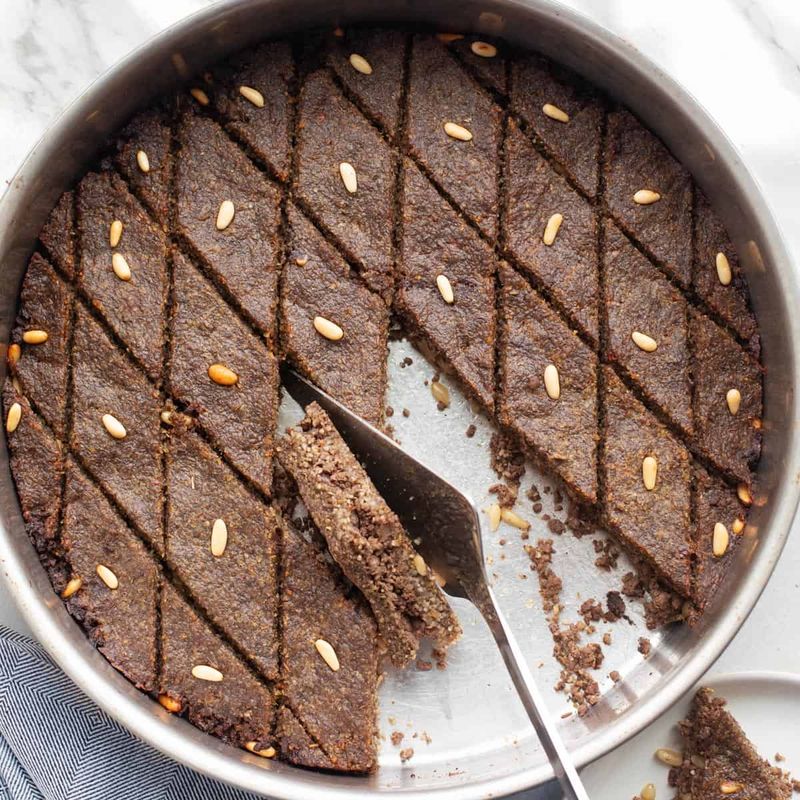
Kibbeh bil sanieh is Lebanese comfort food at its most communal. Ground lamb and bulgur wheat are layered in a wide baking tray – one layer of raw kibbeh, one layer of spiced filling with onions and pine nuts, and another layer on top.
It is scored into diamond shapes before baking, then brought to the table hot for everyone to serve themselves. The crunchy edges are always the first to disappear.
Every Lebanese family has their own version, and every version is “the best one.”
19. Peruvian Pachamanca
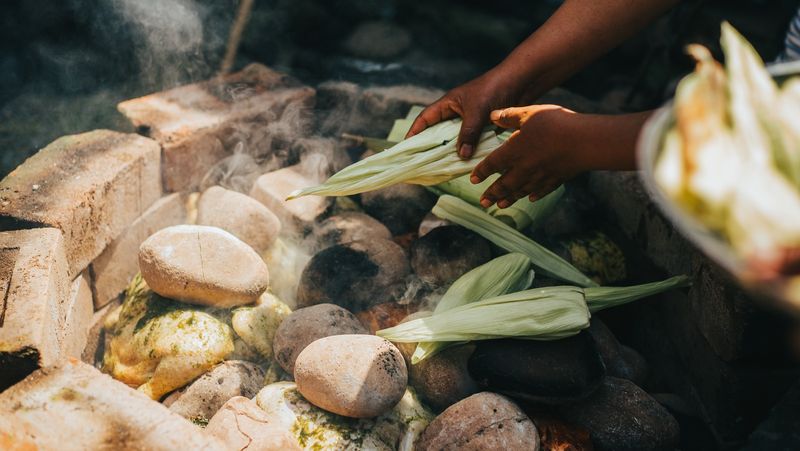
Pachamanca literally means “earth pot” in Quechua, and this ancient Andean tradition lives up to its name. Meats, potatoes, corn, and fava beans are seasoned with herbs and spices, then slow-cooked underground using heated stones.
When the earth is opened, the feast is spread out on leaves for everyone to share. It is a deeply ceremonial meal tied to Andean spirituality and respect for the earth.
Preparing pachamanca is a community effort – and eating it together is the reward.
20. Yemeni Mandi
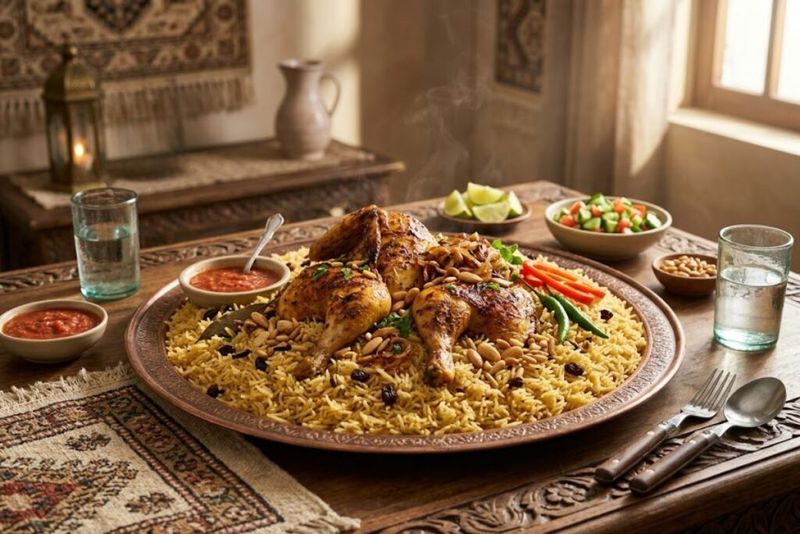
Mandi originated in Yemen and has since become one of the most beloved dishes across the Arabian Peninsula. Whole lamb or chicken is slow-cooked in a tandoor-style pit, infusing the meat with a smoky, tender quality that no oven can fully replicate.
The meat rests on a mountain of spiced rice, all served on one enormous tray. Guests gather around it and eat together with their hands.
Mandi is reserved for weddings, Eid celebrations, and welcoming honored visitors – it signals that you are truly welcome.
21. Korean Samgyeopsal BBQ
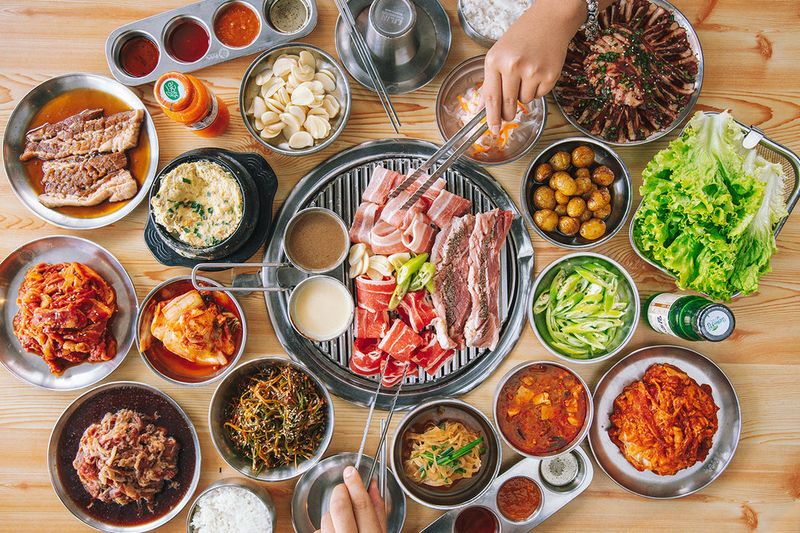
Korean samgyeopsal turns the dinner table into a grill station, and that is exactly what makes it so exciting. Thick slices of pork belly sizzle on a grill built right into the table, filling the air with an irresistible smoky aroma.
Everyone wraps the grilled meat in lettuce leaves with garlic, kimchi, and spicy paste – then pops the whole bundle into their mouth at once. Cooking and eating happen simultaneously, making samgyeopsal one of the most interactive communal meals in the world.