
Around the world, the birth of a baby is one of the most joyful events a family can experience. Many cultures have special foods they prepare to welcome a newborn and support the new mother.
These dishes are often packed with nutrients, symbolism, and love passed down through generations. From sweet rice desserts to hearty soups, these traditional foods tell beautiful stories about family, community, and new beginnings.
1. Red Eggs – China
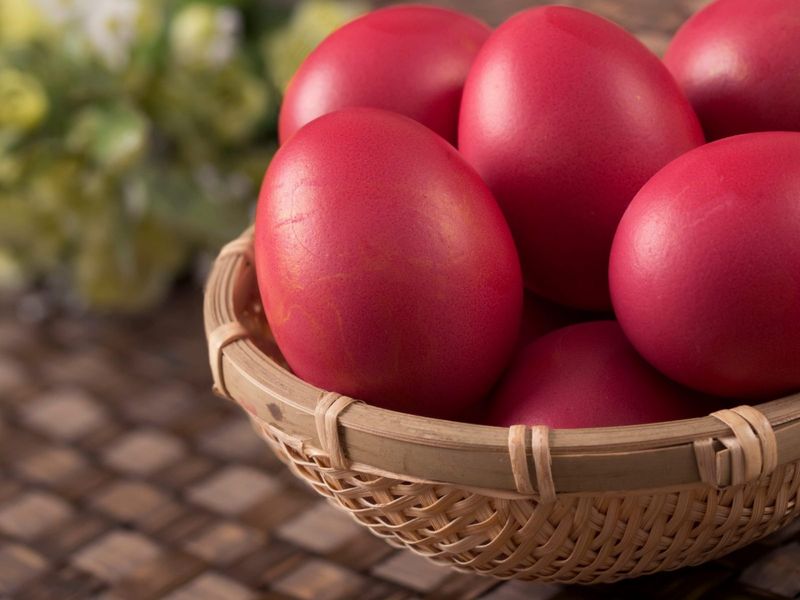
In Chinese culture, red is the color of luck and happiness, making red eggs a must-have at any baby celebration. Hard-boiled eggs are dyed bright red and handed out to family and friends to announce the new arrival.
The round shape of the egg symbolizes harmony and a smooth life ahead.
Families often give out eggs on the baby’s one-month birthday, called the “full moon” celebration. The number of eggs shared can even signal whether the baby is a boy or girl.
2. Turmeric Rice – Indonesia
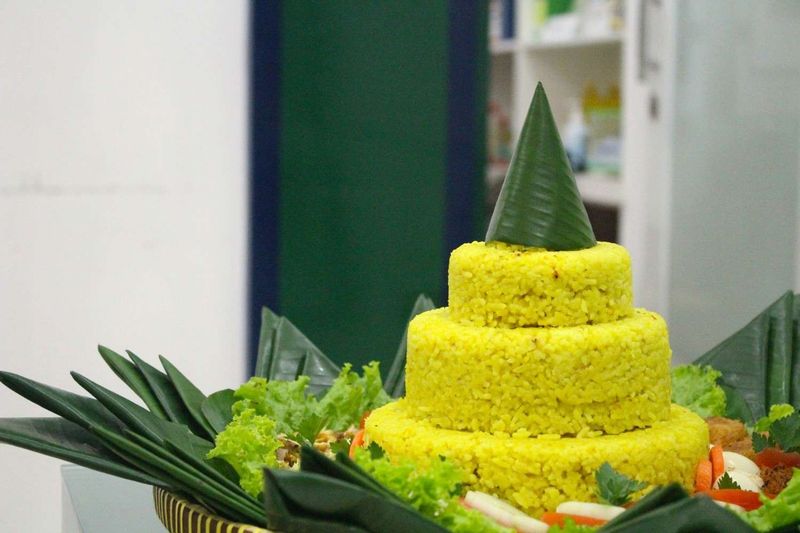
Known locally as “nasi kuning,” this golden rice dish is a staple at Indonesian celebrations, including the birth of a new baby. The bright yellow color comes from turmeric, which is believed to bring good fortune and ward off bad spirits.
It is usually shaped into a cone and surrounded by small side dishes.
Families prepare nasi kuning for the baby’s “selapanan,” a ceremony held 35 days after birth. The dish is shared among neighbors and relatives as a way of spreading joy.
3. Asida – Middle East and North Africa
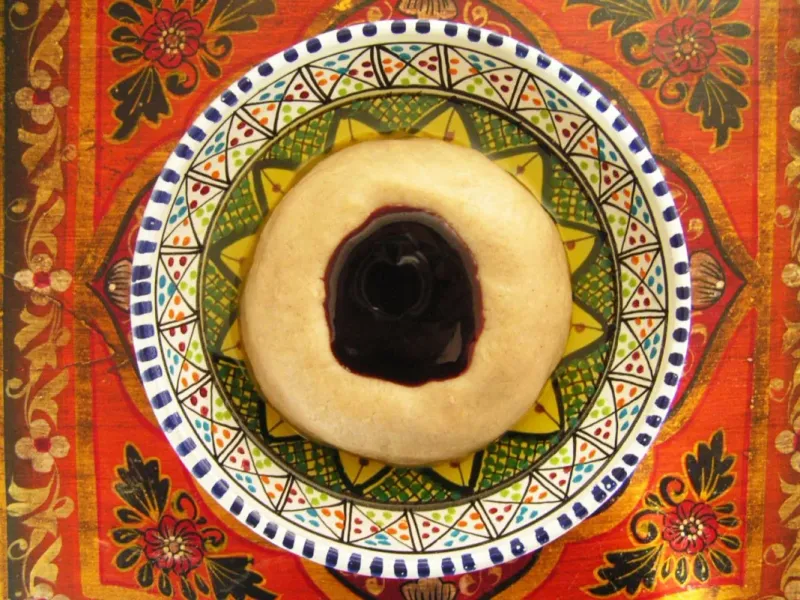
Asida is a thick, doughy porridge made from wheat or sorghum flour, and it holds deep meaning in many Arab and North African communities when a baby is born. Mothers who have just given birth are often fed asida to help them recover their strength.
The dish is warm, filling, and easy to digest.
In some regions, asida is sweetened with honey or dates and shared with guests at the baby’s naming ceremony. Making and sharing asida is seen as an act of community care and celebration.
4. Mochi – Japan
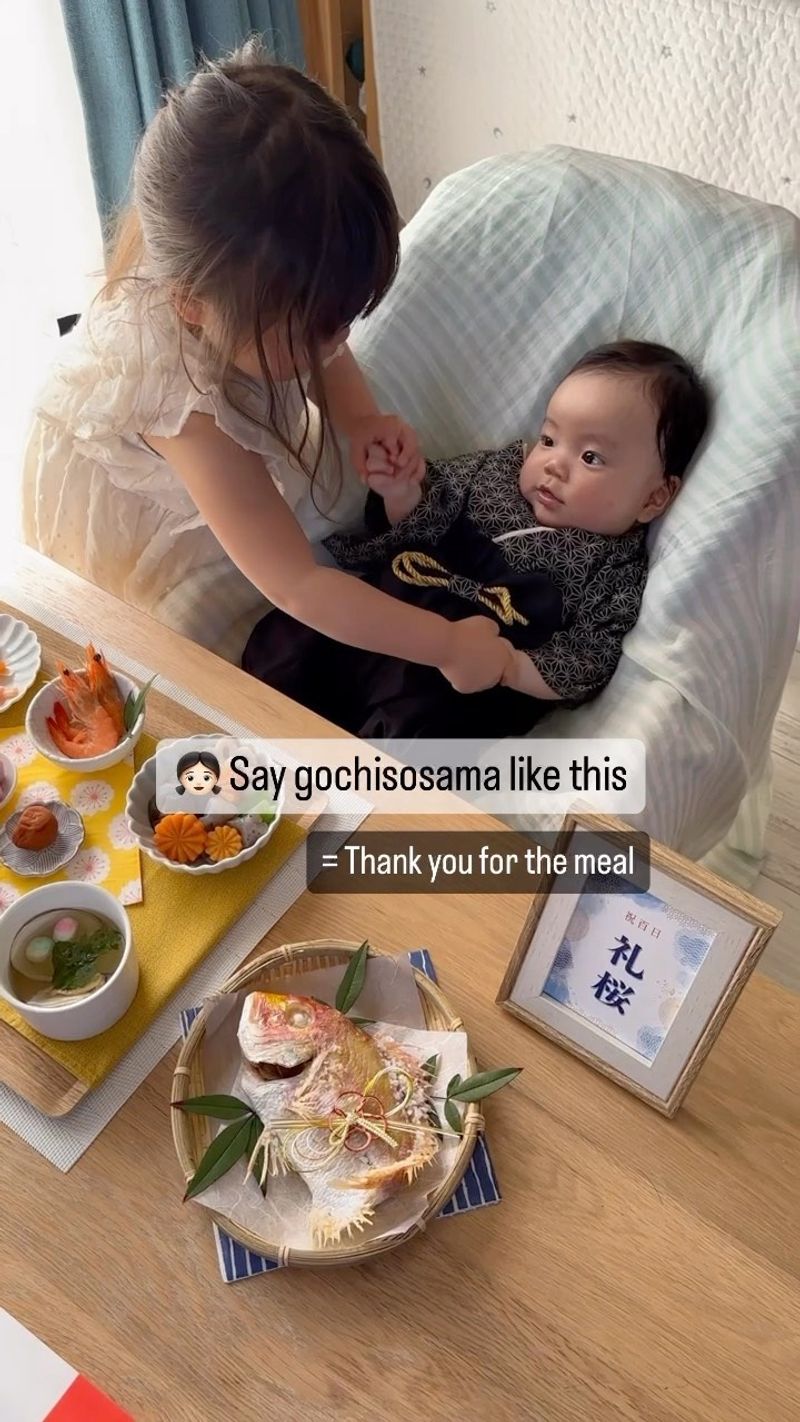
Soft, chewy, and made from pounded sticky rice, mochi has been a part of Japanese celebrations for centuries. When a baby is born, families often prepare mochi for the “Okuizome” ceremony, which takes place when the baby is about 100 days old.
The ceremony symbolizes the wish that the child will never go hungry.
Red and white mochi are especially popular at this event because those colors represent happiness and purity. Grandparents often lead the ceremony, feeding a symbolic first bite to the baby.
5. Jollof Rice – West Africa
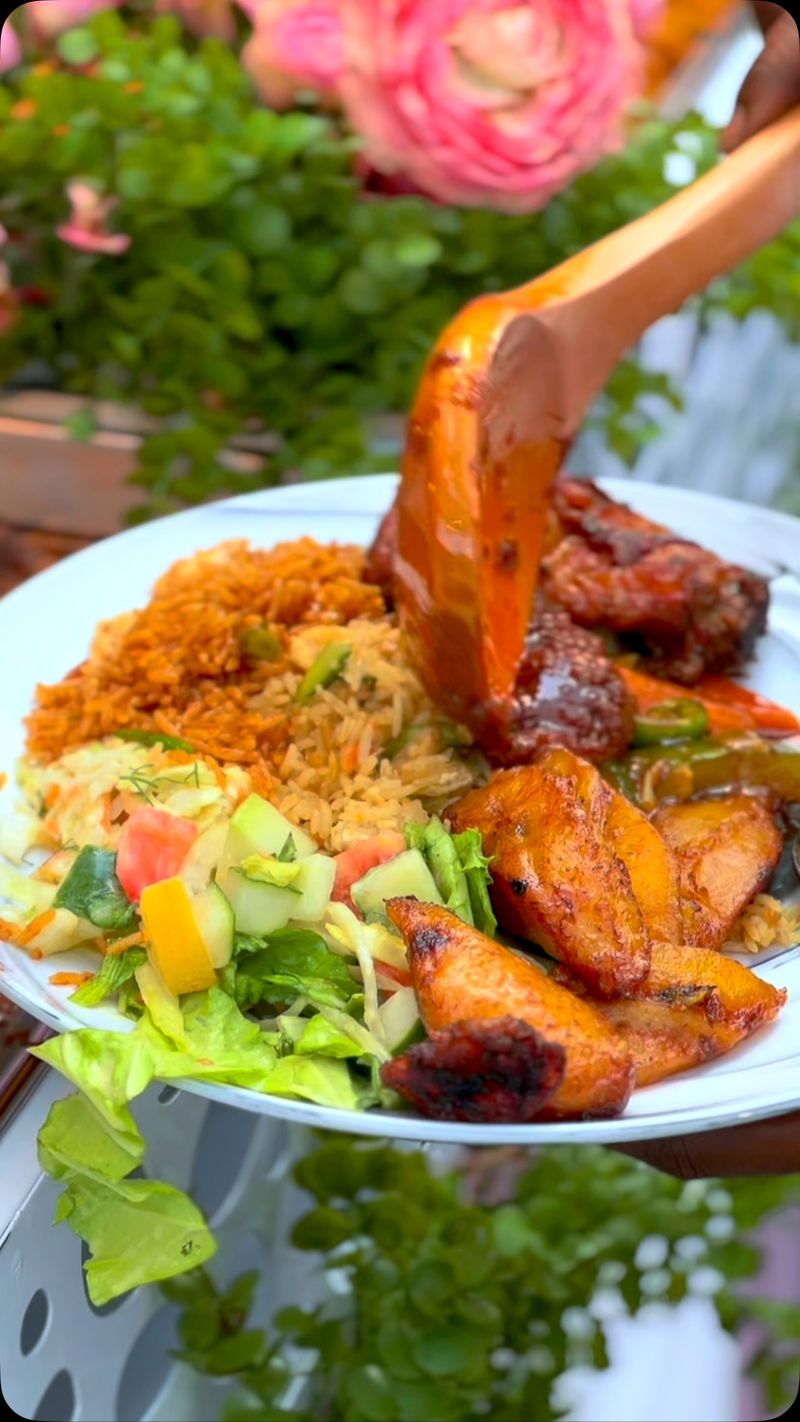
Few dishes bring a West African crowd together quite like Jollof rice. At baby naming ceremonies called “outdoorings” or “pulling outdoors,” Jollof rice is almost always the centerpiece of the feast.
Made with tomatoes, peppers, onions, and spices, the dish is full of bold flavor and color.
Each country in West Africa, from Ghana to Nigeria to Senegal, has its own version of Jollof rice, and debates about whose is best are legendary. Sharing this dish at a baby celebration is a way of welcoming the child into the wider community.
6. Kheer – India and Pakistan
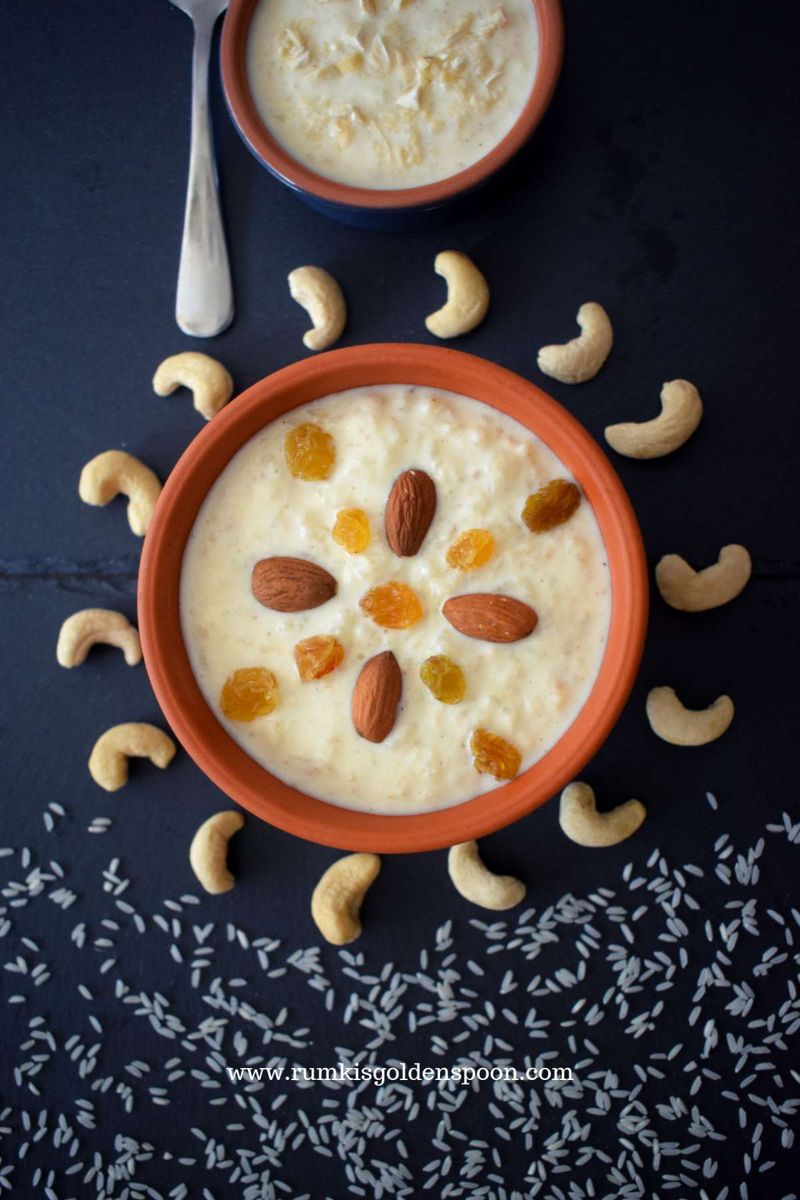
Kheer is a creamy, sweet rice pudding cooked slowly with milk, sugar, and cardamom, and it has been a part of South Asian celebrations for thousands of years. When a baby is born, kheer is prepared and offered to guests as a sign of sweetness and prosperity for the new child’s life.
In some Hindu traditions, a small amount of kheer is placed on the baby’s tongue during a ceremony called “annaprashana,” the first feeding. Saffron and nuts are often added to make it extra special.
7. Soup Joumou – Haiti
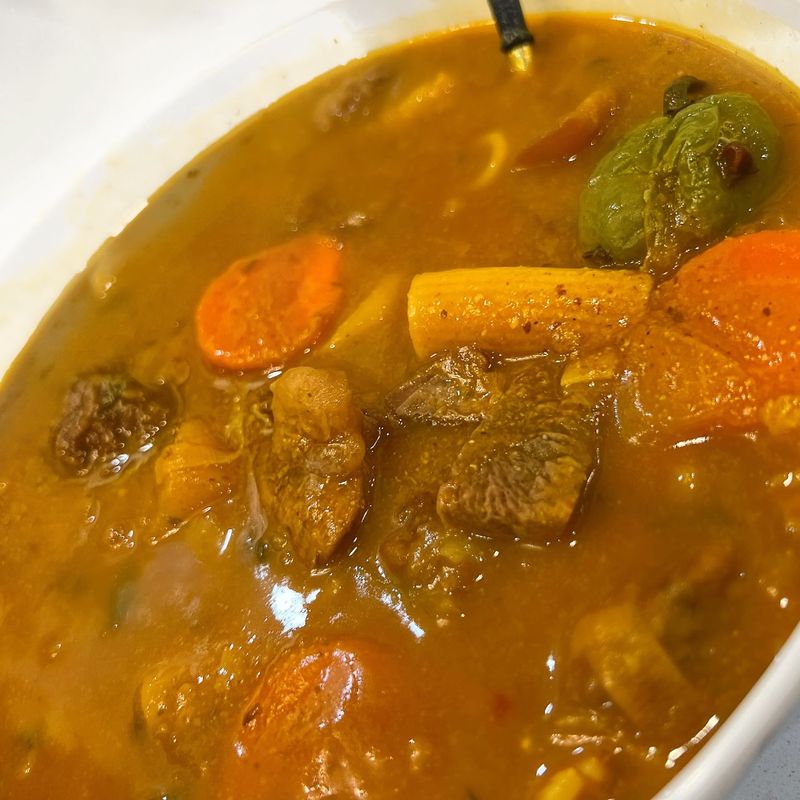
Soup joumou is a rich, hearty pumpkin soup that holds enormous cultural pride for Haitian people. While it is traditionally eaten on Haitian Independence Day, many families also prepare it to celebrate the arrival of a new baby as a symbol of strength and freedom.
The soup is loaded with squash, beef, and vegetables.
Preparing soup joumou is a labor of love that takes hours and involves the whole family. Sharing it with neighbors and relatives after a birth is a deeply rooted tradition that connects generations.
8. Fufu and Pepper Soup – Nigeria
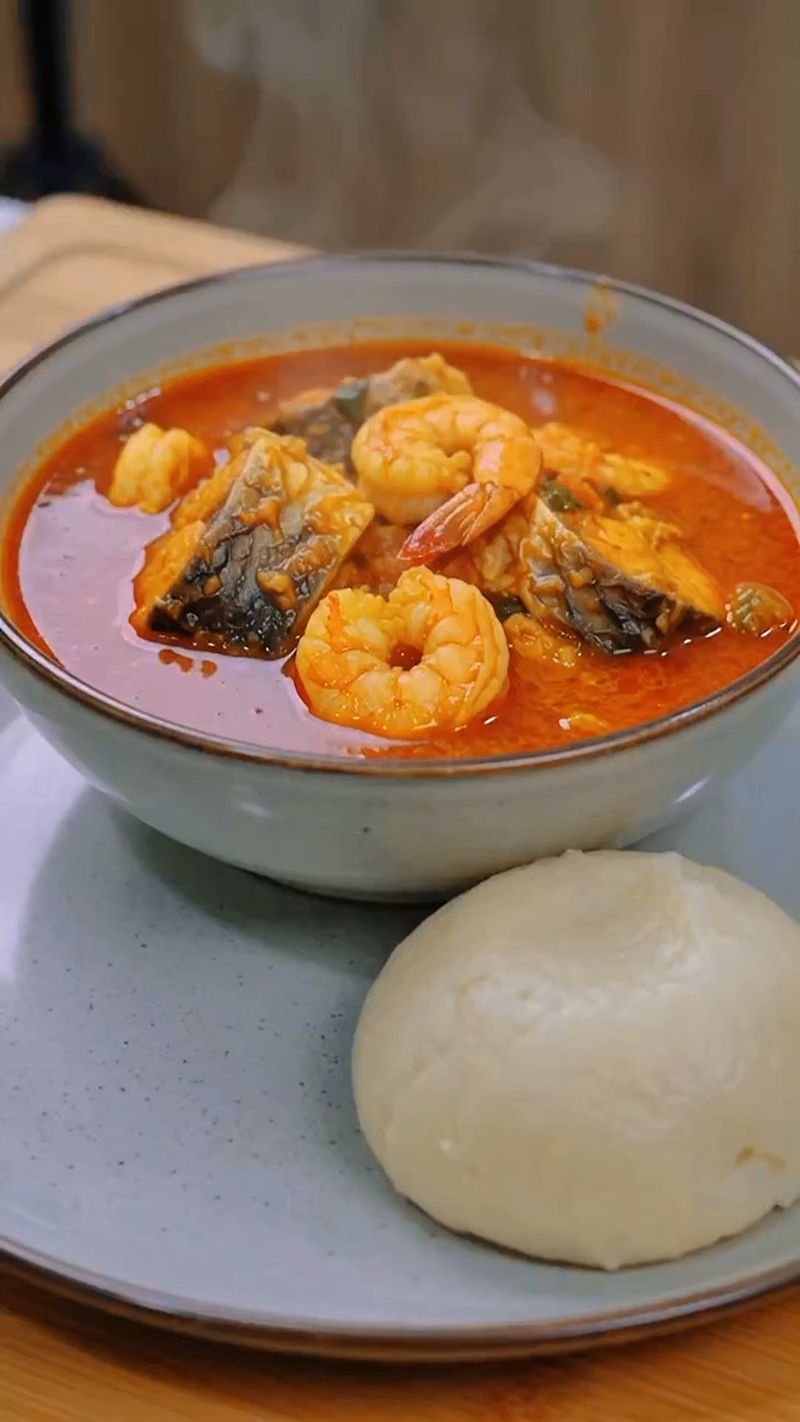
Pepper soup is one of the most beloved postpartum foods in Nigerian culture. Made with goat meat or fish and a blend of aromatic spices, it is given to new mothers to help them heal and regain their energy after childbirth.
The spices are believed to have warming, medicinal properties.
Fufu, a smooth dough-like staple made from cassava or yam, is often served alongside the soup. Together, they make a nourishing and comforting meal that family members lovingly prepare for the new mom.
9. Banh It – Vietnam
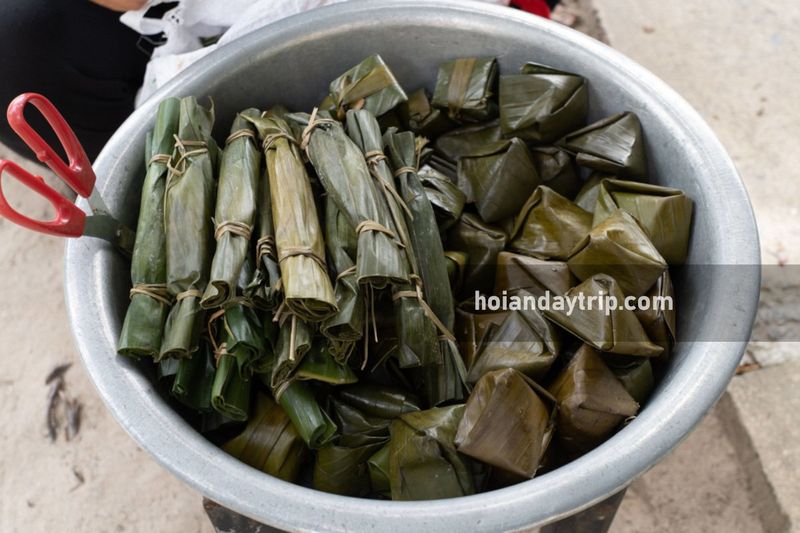
In Vietnamese culture, the one-month birthday of a baby is a major milestone worth celebrating with special food. Banh it are small sticky rice cakes filled with mung bean paste or pork, wrapped in banana leaves, and steamed to perfection.
Their round shape carries the wish for the baby to grow up whole and complete.
Families prepare large batches of banh it to share with extended family and neighbors. The process of making them together is a cherished bonding tradition that strengthens community ties.
10. Champorado – Philippines
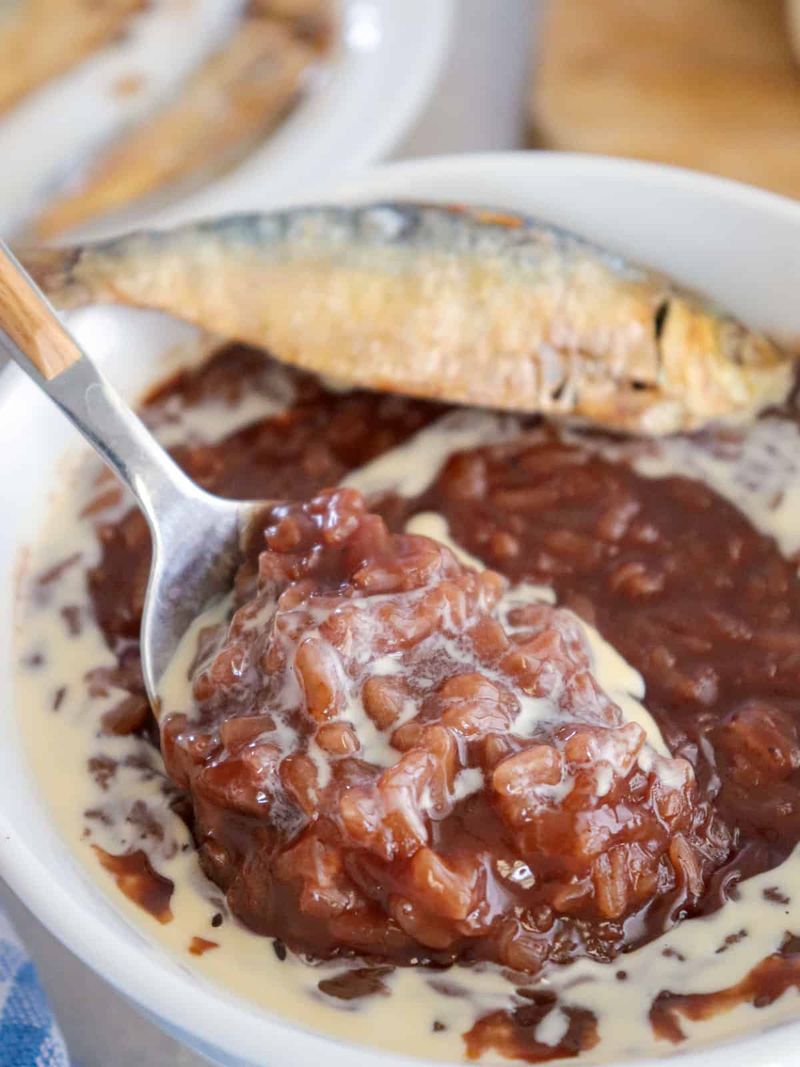
Champorado is a sweet chocolate rice porridge that holds a warm, nostalgic place in Filipino hearts. At baby celebrations, particularly the baptism feast, champorado is sometimes served as a comforting and crowd-pleasing dish that both children and adults enjoy.
Its rich chocolate flavor comes from tablea, a traditional cacao tablet.
The contrast of sweet porridge with salty dried fish on the side is a classic Filipino pairing that surprises first-timers. Making champorado for a gathering is a sign of hospitality and warmth that Filipinos take great pride in.
11. Injera with Doro Wat – Ethiopia
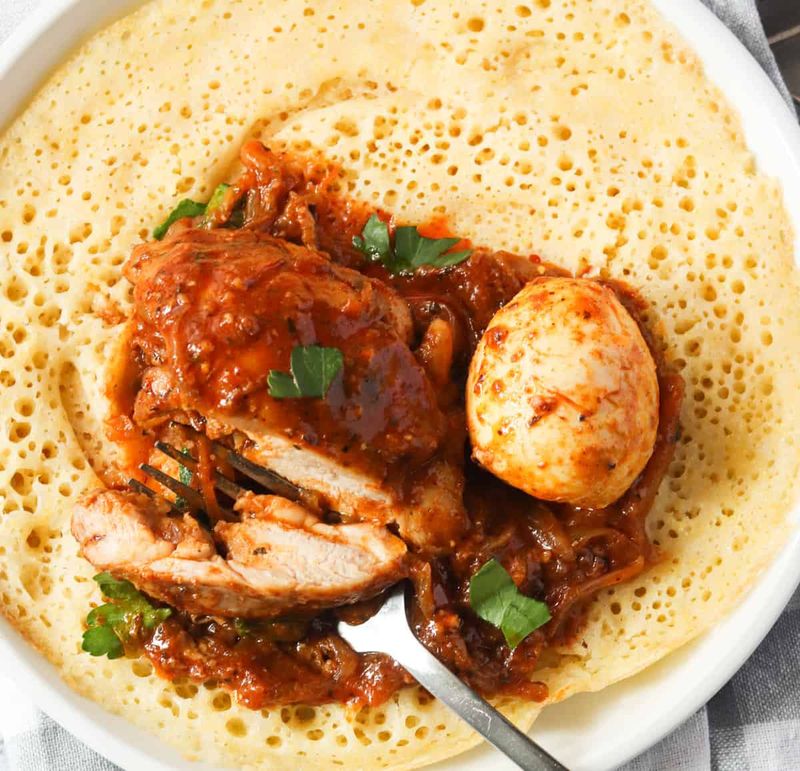
Doro wat is Ethiopia’s most celebrated dish, a deeply spiced chicken stew simmered with berbere spice blend, onions, and hard-boiled eggs. It is served on top of injera, a spongy sourdough flatbread that acts as both plate and utensil.
This combination is the centerpiece of nearly every major Ethiopian celebration, including welcoming a new baby.
Eating from the same injera is a symbol of togetherness and shared joy. The hard-boiled egg nestled in the stew is seen as a symbol of new life, making it especially fitting for a birth celebration.
12. Tamales – Mexico and Central America
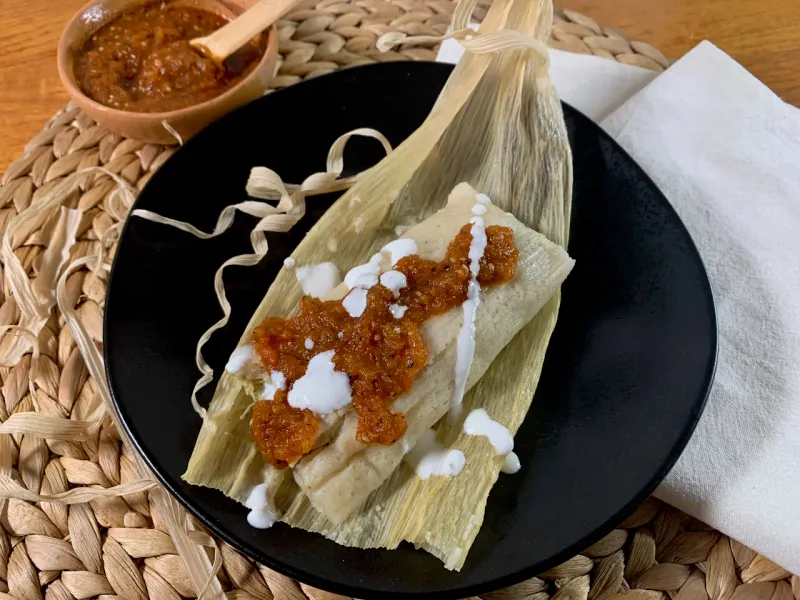
Tamales have been made in Mesoamerica for thousands of years and remain one of the most meaningful foods at family celebrations. When a baby arrives, extended family often gathers for a “tamalada,” a group tamale-making session that is as much about bonding as it is about cooking.
The process of spreading masa and folding husks becomes a shared act of love.
Each region has its own fillings and flavors, from red chile pork to sweet raisins and cinnamon. Tamales made for a baby’s arrival carry the warmth of everyone who helped prepare them.
13. Mutton Broth – Scotland
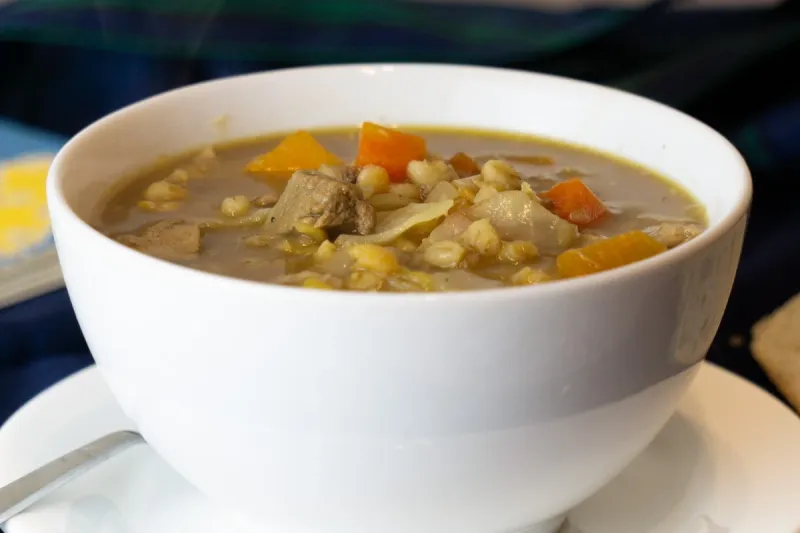
Scotland has a long tradition of preparing nourishing broths for new mothers after childbirth, and mutton broth is one of the oldest of these healing foods. Made by slow-simmering lamb or mutton bones with barley, turnips, and leeks, the broth is rich in minerals and deeply warming.
It was believed to restore a mother’s strength and vitality.
Neighbors and older women in the community would often bring a pot of broth to a new mother’s home as a gesture of care. Simple and sustaining, this dish speaks to a quiet, enduring form of community support.
14. Puto – Philippines
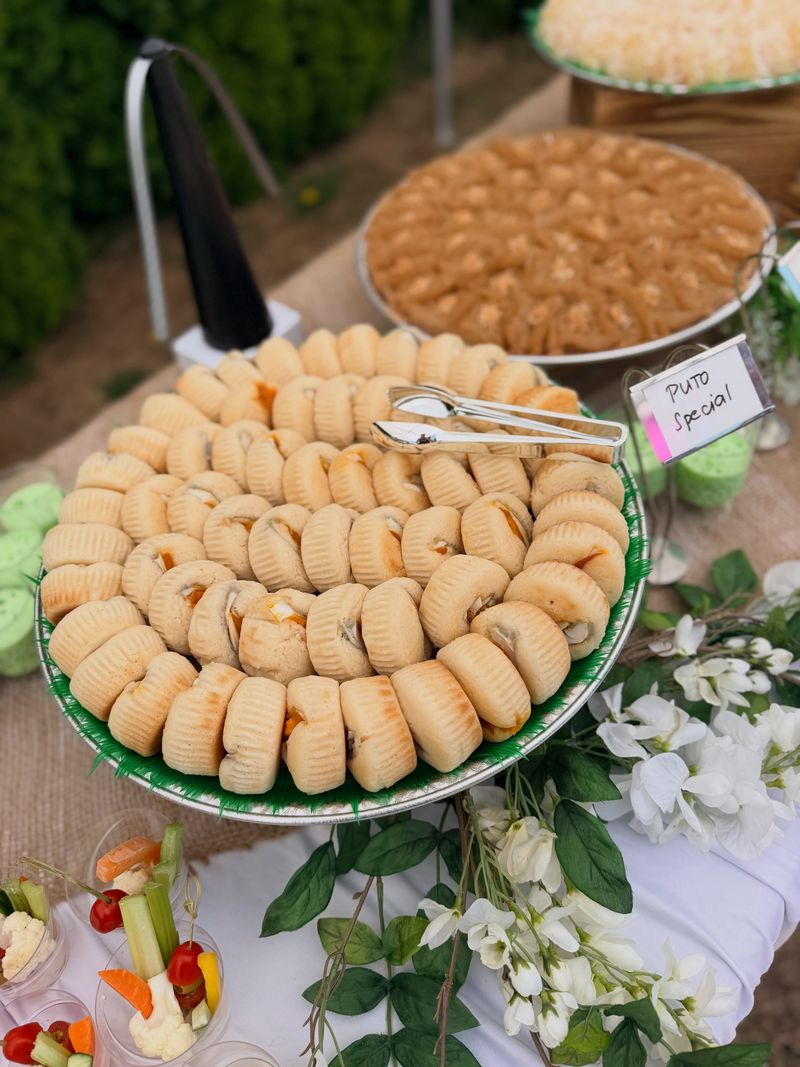
Puto are soft, fluffy steamed rice cakes that are a beloved staple at Filipino celebrations, especially christenings and baby showers. Made from ground rice or rice flour, they are lightly sweet and often topped with a slice of cheese or salted egg.
Their small size makes them perfect for sharing with a crowd of well-wishers.
In many Filipino households, making puto for a celebration is a sign of respect and effort. The cheerful colors and bite-sized portions make them a hit with guests of all ages.
15. Saffron Rice Pudding – Iran
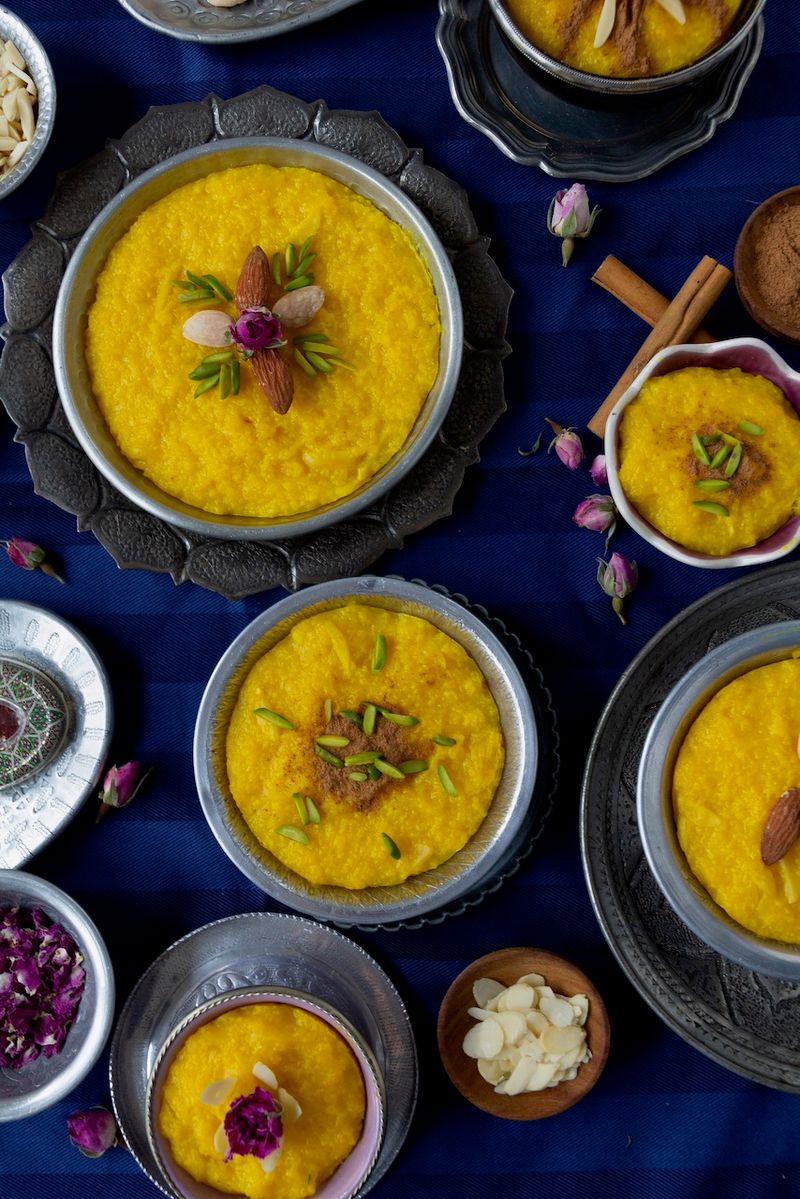
“Sholeh zard” is a fragrant Iranian rice pudding colored golden with saffron and sweetened with sugar and rosewater. In Persian culture, it is often made as a celebratory offering during important life events, including the birth of a child.
The dish is considered a blessing, and making it is sometimes viewed as a spiritual act of gratitude.
Decorated with cinnamon swirls and almond slivers, sholeh zard is as beautiful to look at as it is delicious to eat. Families prepare large trays and share them with neighbors and guests as a gesture of goodwill.
16. Canja de Galinha – Brazil and Portugal
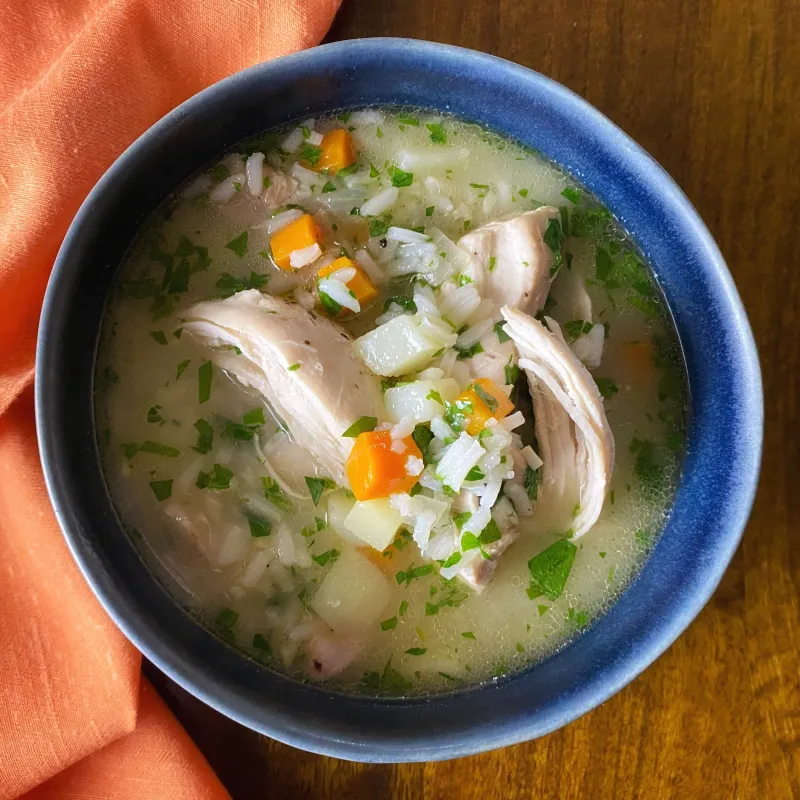
Canja de galinha is a simple but deeply comforting chicken and rice soup that has been given to new mothers in Brazil and Portugal for generations. The broth is rich, the rice is tender, and the whole dish comes together as a warm hug in a bowl.
It is believed to help mothers recover after birth and boost their milk supply.
Grandmothers in particular take pride in making canja for their daughters and daughters-in-law. The recipe is often passed down without being written anywhere, carried instead in memory and in hands.
17. Tong Sui – China
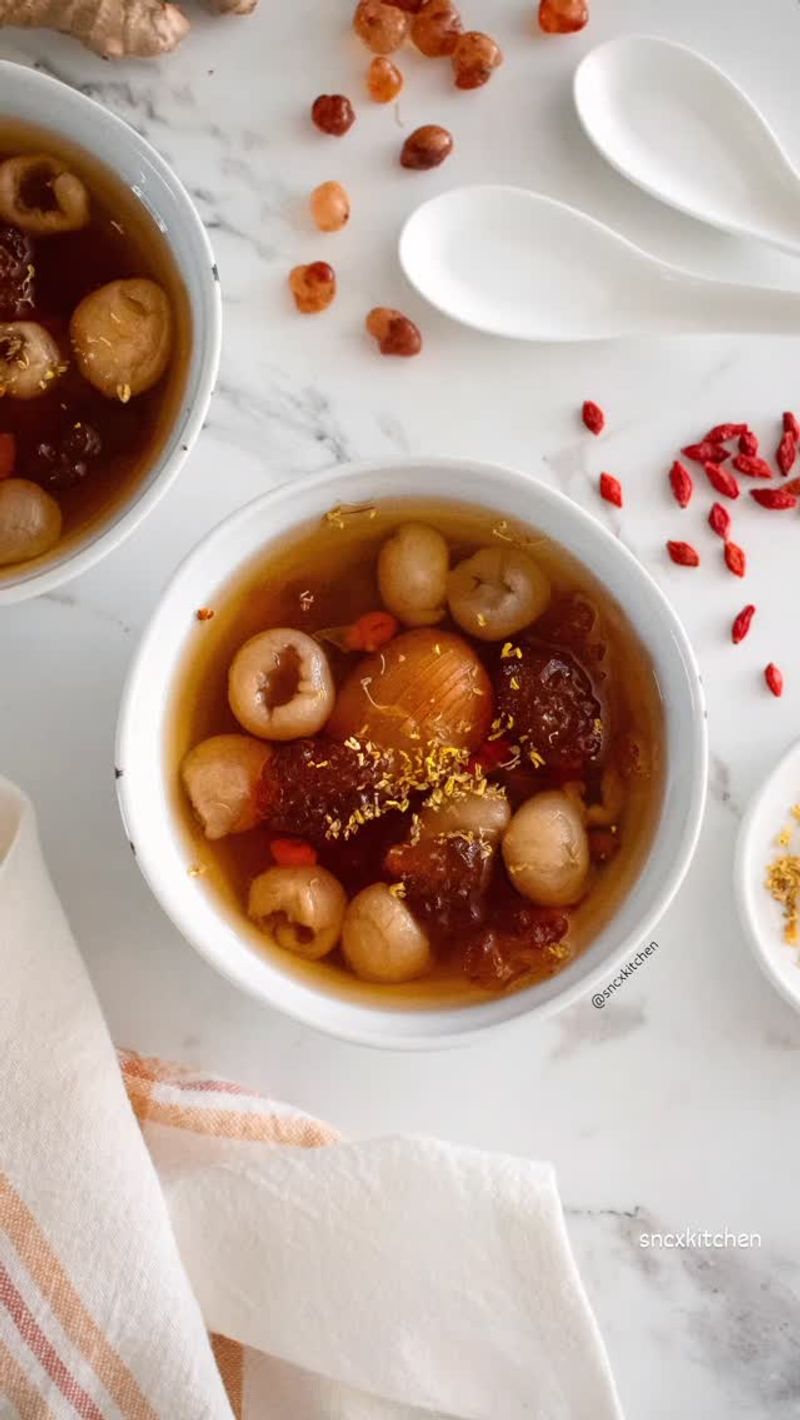
Tong sui, meaning “sugar water” in Cantonese, refers to a family of sweet dessert soups served warm at Chinese celebrations. For baby arrivals, popular versions include soups made with red dates, longan, lotus seeds, and goji berries.
Each ingredient carries symbolic meaning, from fertility to longevity to good health for the newborn.
These soups are often served at the baby’s one-month celebration alongside red eggs and other traditional dishes. Light, fragrant, and naturally sweet, tong sui is a gentle and meaningful way to mark a joyful occasion.
18. Haleem – South Asia and Middle East
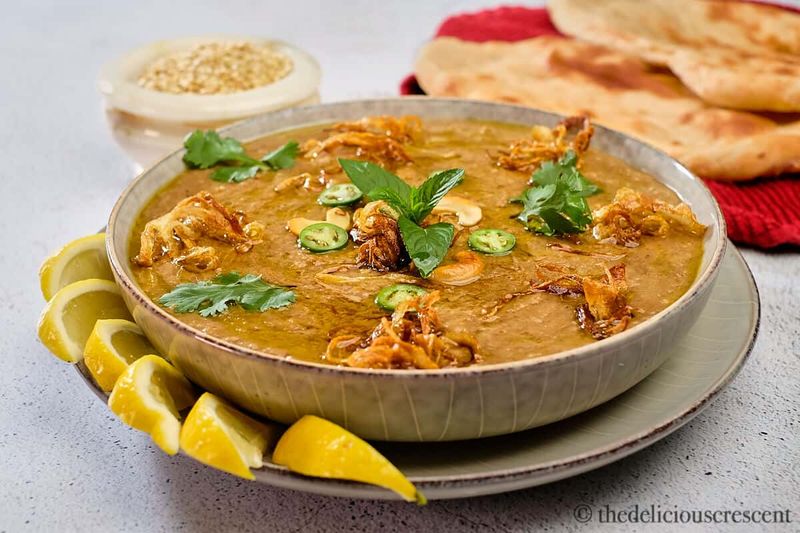
Haleem is a slow-cooked stew of wheat, lentils, and meat that takes hours to prepare, which is exactly why it is saved for special occasions. In Pakistani, Bangladeshi, and many Arab communities, haleem is a key dish at the aqiqah, the ceremony held to celebrate a baby’s birth and name.
It is hearty, protein-rich, and deeply satisfying.
The long cooking process, often stretching overnight, is a labor of devotion. Guests gather to eat haleem together, reinforcing bonds of family and faith around the arrival of a new life.
19. Oat Porridge with Honey – Scotland and Ireland
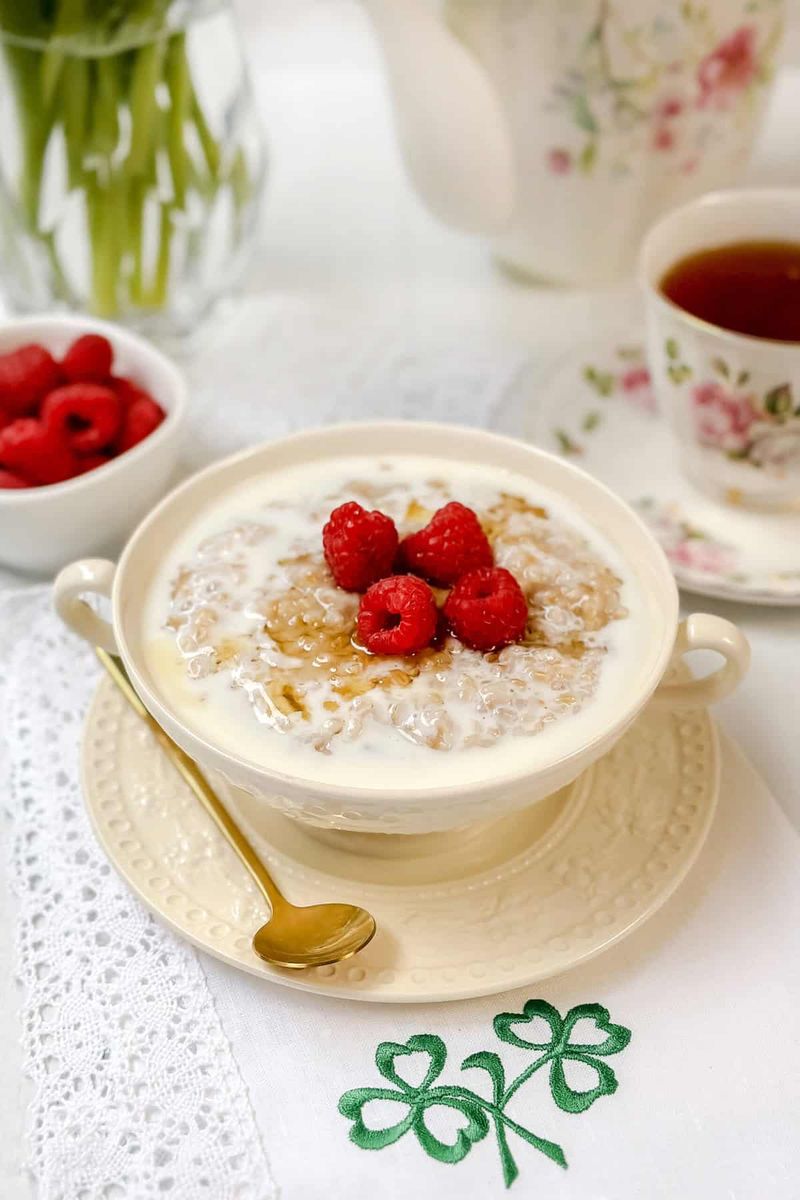
Long before modern nutrition science, Scottish and Irish communities understood the power of oats for healing and energy. New mothers were traditionally given warm oat porridge with honey and cream to help them recover after childbirth.
Oats are rich in iron and complex carbohydrates, making them an ideal food for someone who has just given birth.
The ritual of preparing porridge for a new mother was a quiet act of care passed between women. Simple as it sounds, this dish carried enormous meaning in communities where neighbors looked after one another.
20. Borek – Turkey and the Balkans
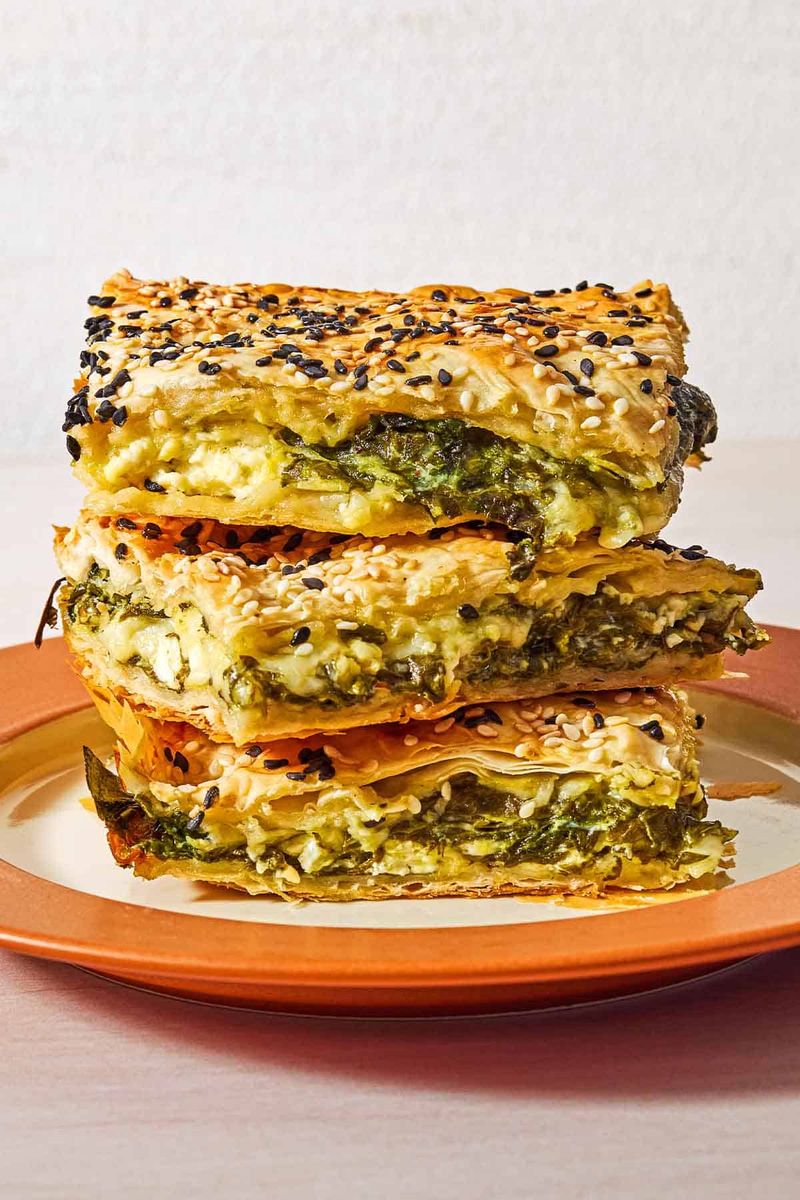
Borek is a flaky, savory pastry made from thin layers of dough called yufka, filled with cheese, spinach, or minced meat. Across Turkey, Bosnia, and neighboring countries, borek is a beloved dish prepared for guests at baby celebrations and naming ceremonies.
Its crispy layers and rich filling make it a crowd-pleaser at any gathering.
Making borek is considered a skill that takes practice, so serving it at a celebration shows real effort and hospitality. Trays of borek are sliced and passed around while family members share stories and congratulations.
21. Ginger and Sesame Oil Chicken – Taiwan and Malaysia
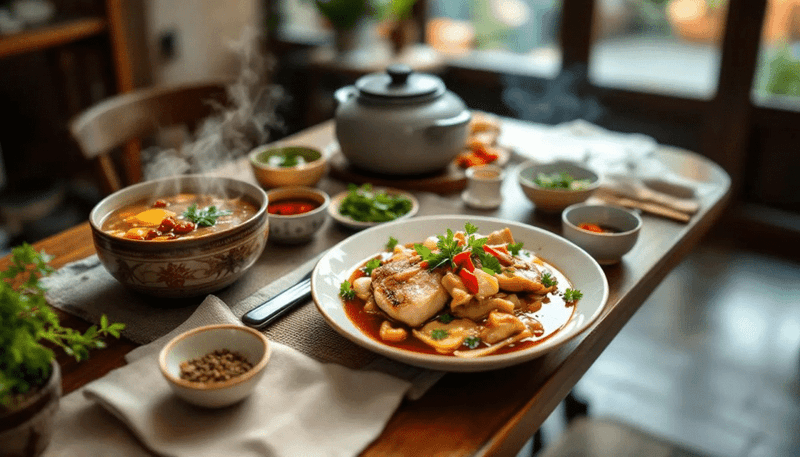
Ma you ji, or sesame oil chicken, is one of the most important postpartum recovery dishes in Taiwanese and Malaysian Chinese culture. Made with generous amounts of fresh ginger and toasted sesame oil, it is simmered in rice wine for deep flavor and warmth.
The dish is believed to restore the mother’s body heat and help her heal after delivery.
New mothers in these cultures follow a traditional month-long recovery period called “zuo yue zi,” and this chicken dish appears on the menu almost every day. The rich aroma of ginger and sesame oil has become synonymous with new motherhood.
22. Fenugreek Ladoo – India
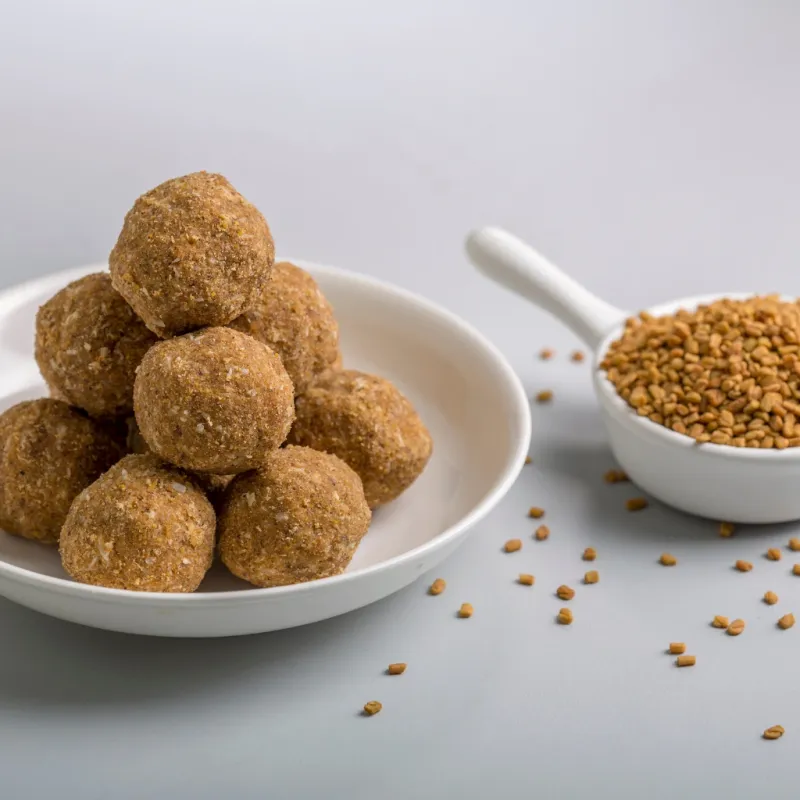
Fenugreek ladoo, known as “methi ladoo” in Hindi, is a traditional sweet ball prepared especially for new mothers in India. Made with fenugreek seeds, whole wheat flour, ghee, and jaggery, these dense and nutty sweets are packed with nutrients that support postpartum recovery.
Fenugreek is widely believed to boost breast milk production.
Grandmothers and aunts typically prepare batches of methi ladoo before the baby arrives so they are ready to be given to the new mom right after birth. Each bite carries both nourishment and generations of wisdom.
23. Efo Riro – Nigeria
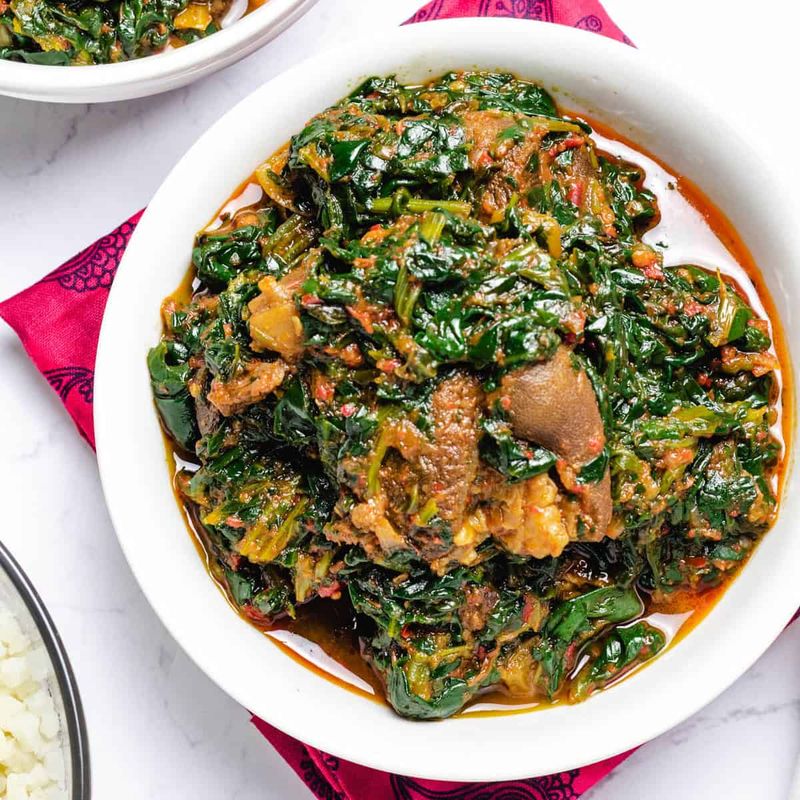
Efo riro is a richly flavored Nigerian spinach stew cooked with palm oil, peppers, crayfish, and a mix of assorted meats or fish. It is a staple at major celebrations in Yoruba culture, including baby naming ceremonies called “omo naming.” The dish is colorful, aromatic, and packed with iron, which is especially beneficial for new mothers.
Preparing efo riro for a large gathering is a communal effort, with women working together in the kitchen for hours. The shared cooking process is as much a celebration as the meal itself.
24. Arroz con Leche – Spain and Latin America
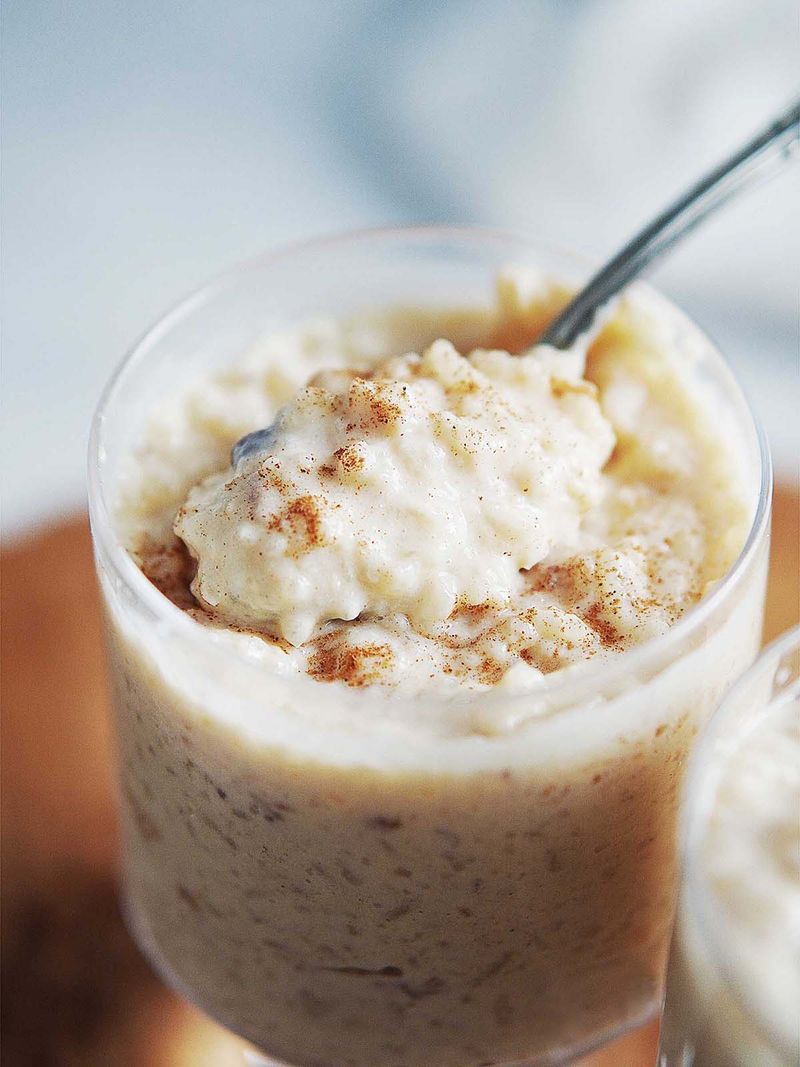
Arroz con leche, meaning “rice with milk,” is a creamy, cinnamon-scented rice pudding enjoyed across Spain and Latin America at family celebrations. When a baby is born, this comforting dessert often appears at the gathering as a symbol of sweetness and abundance for the new child’s life.
It is simple to make but rich in meaning.
Every family has a slightly different recipe, with some adding lemon zest and others using condensed milk for extra richness. Sharing arroz con leche at a baby celebration is a warm, universal gesture of love across many Spanish-speaking cultures.