
Eating well does not have to feel like a chore or a punishment. The right foods can actually taste great, keep you full, and give your body everything it needs to stay healthy and strong.
When you know which everyday foods pull double duty, balancing nutrition and flavor, sticking to a healthy diet becomes a lot more realistic. These 21 foods are simple, affordable, and easy to work into any meal.
1. Eggs
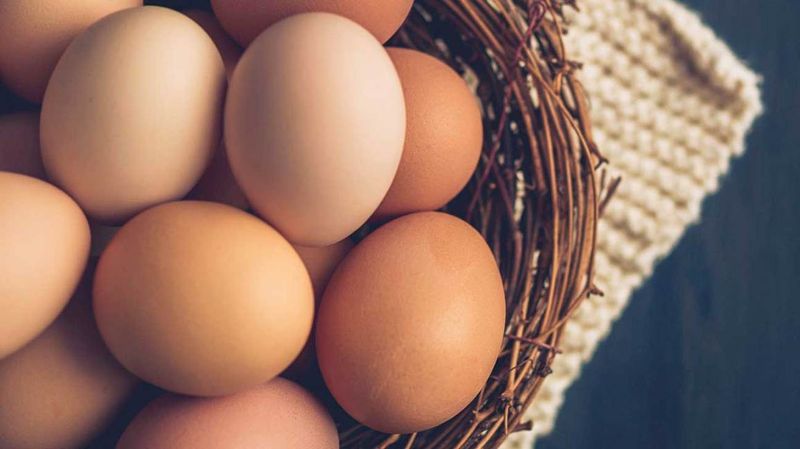
Few foods pack as much nutrition into such a small package as the humble egg. One egg delivers protein, healthy fats, vitamins B12 and D, and choline, a nutrient that supports brain health.
That is a lot of work for one little shell.
Scrambled, boiled, poached, or baked, eggs fit into almost any meal of the day. They keep you full for hours, which helps reduce snacking on less nutritious options between meals.
2. Greek Yogurt
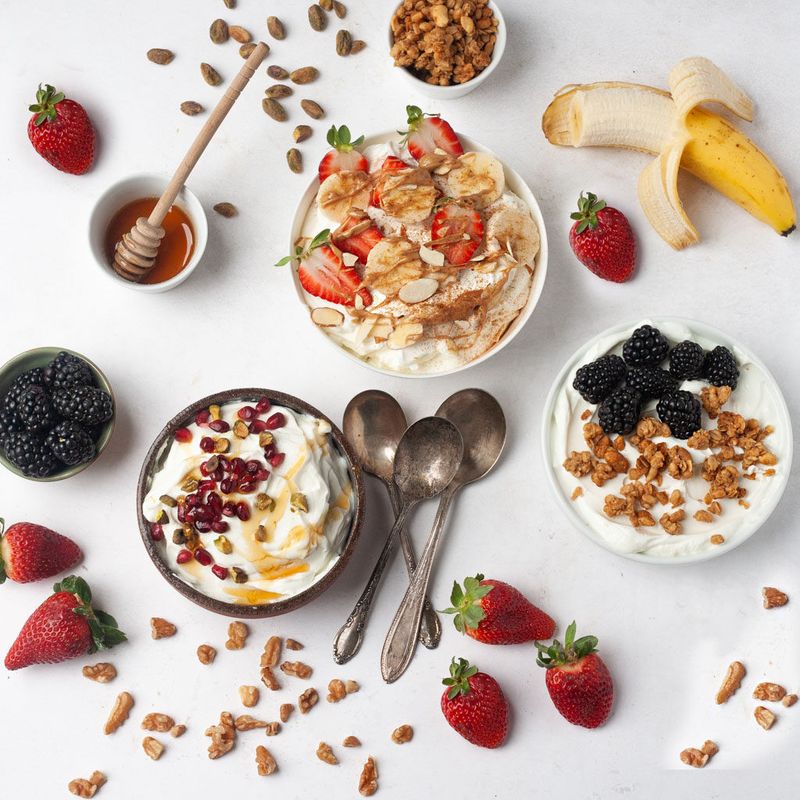
Greek yogurt is basically regular yogurt that went to the gym. The straining process removes extra liquid, leaving behind a thicker, creamier product with nearly double the protein of standard yogurt.
It also contains probiotics, the good bacteria that keep your gut healthy.
Swap it in for sour cream, use it as a base for dressings, or simply enjoy it with fruit. The versatility alone makes it a pantry must-have for balanced eating.
3. Oats
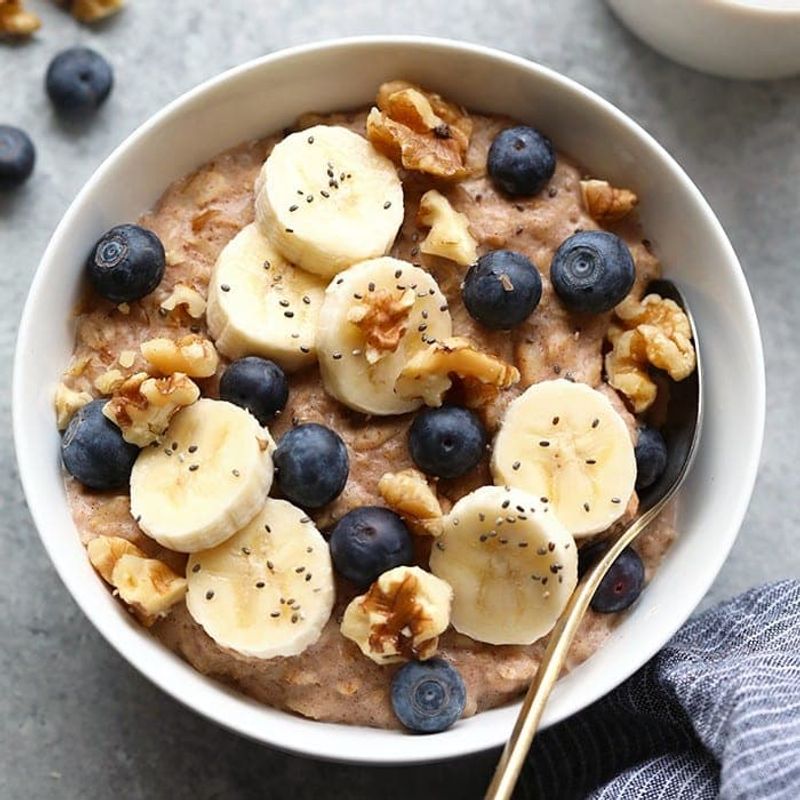
Oats have been a breakfast staple for centuries, and there is a very good reason they have stuck around. They are loaded with a special type of fiber called beta-glucan, which helps lower cholesterol and keeps blood sugar levels steady throughout the morning.
Overnight oats, baked oat cups, or a classic warm bowl all work beautifully. Because oats are so filling, you are far less likely to reach for a sugary snack an hour after breakfast.
4. Bananas
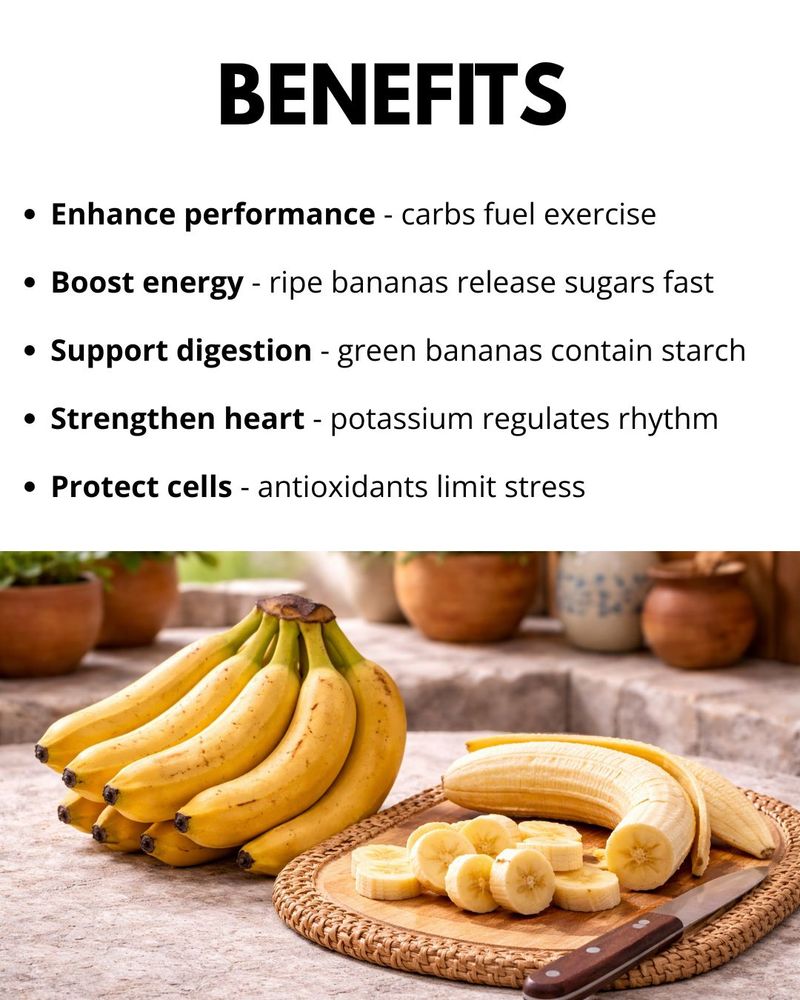
Bananas get a bad reputation sometimes because of their natural sugar content, but they are actually a nutritional gem worth defending. They supply potassium, vitamin B6, magnesium, and a type of fiber called pectin that feeds the healthy bacteria in your gut.
The natural sugars in bananas come packaged with fiber, which slows digestion and prevents blood sugar spikes. Grab one before a workout, blend it into a smoothie, or slice it over oatmeal for an easy nutrition boost.
5. Spinach
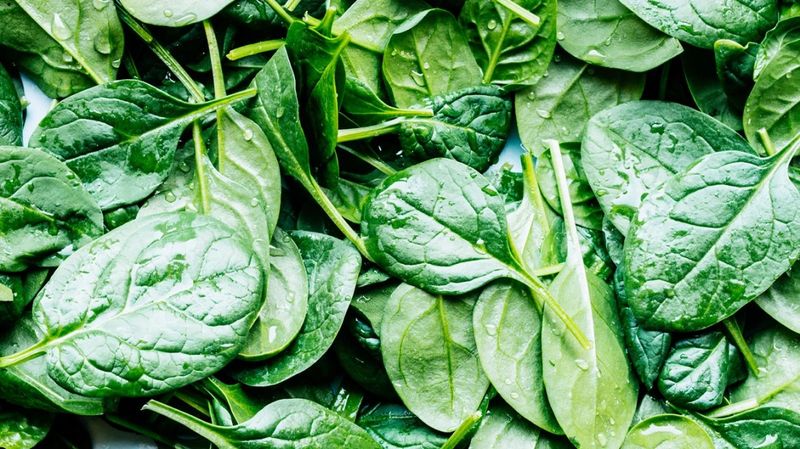
Popeye was onto something. Spinach is one of the most nutrient-dense vegetables available, delivering iron, calcium, folate, and vitamins A, C, and K in every handful.
Despite all that nutrition, it is almost calorie-free.
Raw spinach blends into smoothies without changing the flavor much, which makes it an easy way to add vegetables for picky eaters. Cooked spinach wilts down significantly, so you can pack a huge serving into pasta, soups, or scrambled eggs without even noticing it.
6. Sweet Potatoes

Sweet potatoes are proof that comfort food and healthy eating can coexist happily. They are rich in beta-carotene, the pigment that gives them their brilliant orange color and converts to vitamin A in the body.
Vitamin A supports healthy eyesight, immune function, and skin.
Roast them whole, mash them with a little olive oil, or slice them into fries. Their natural sweetness satisfies cravings in a way that processed snacks simply cannot replicate, making them a reliable diet ally.
7. Canned Tuna
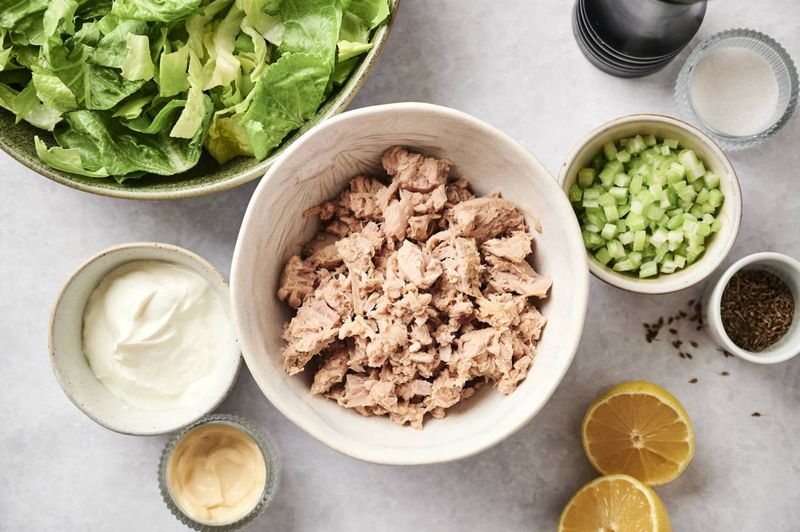
Canned tuna is one of the most underrated budget-friendly proteins available in any grocery store. A single can delivers around 25 grams of protein along with omega-3 fatty acids, which support heart and brain health.
The best part is it requires zero cooking.
Mix it with avocado for a quick lunch, toss it over salad greens, or stuff it into a whole grain wrap. Keeping a few cans in the pantry means a nutritious meal is always just minutes away.
8. Lentils
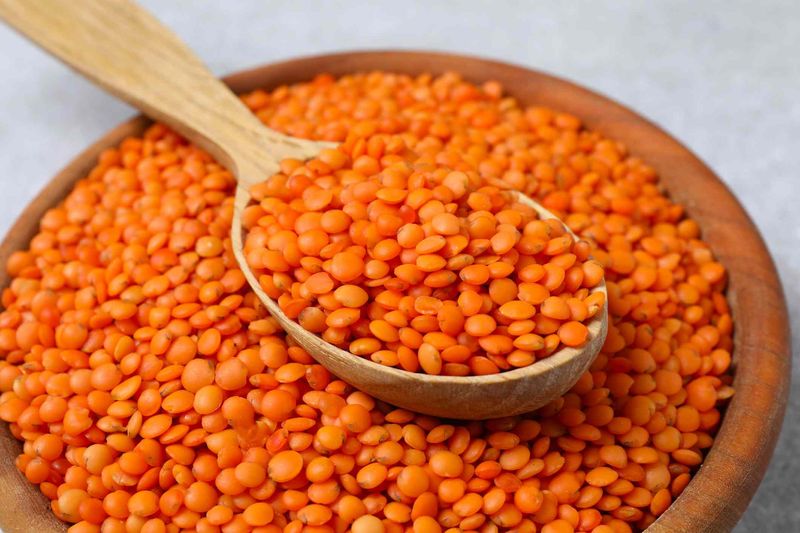
Lentils might be the most underappreciated food in the balanced diet conversation. Cup for cup, they offer more protein and fiber than almost any other plant food, and they cost very little compared to meat.
They also absorb the flavors of whatever spices and broth you cook them in.
Unlike dried beans, lentils do not require overnight soaking, so they cook up in about 20 minutes. Add them to soups, stews, or grain bowls for a hearty, filling meal that keeps hunger away for hours.
9. Blueberries
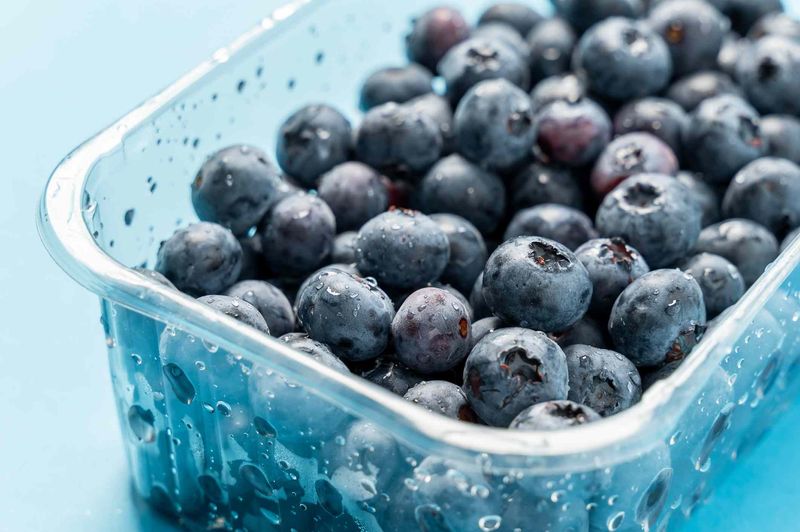
Tiny but mighty, blueberries are often called a superfood for a reason. They contain some of the highest antioxidant levels of any fruit, particularly a group called anthocyanins, which give them their deep blue color and help protect cells from damage.
Research suggests regular blueberry consumption supports memory and brain function, which is great news for students and adults alike. Fresh or frozen, they work equally well in smoothies, oatmeal, or yogurt parfaits, making them one of the easiest healthy additions to any day.
10. Almonds
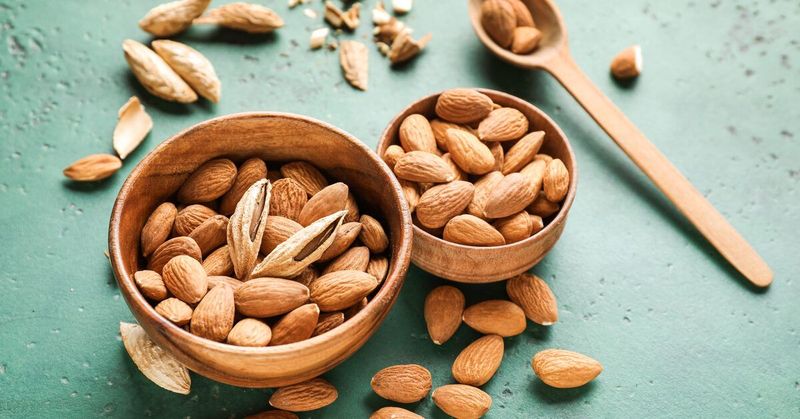
A small handful of almonds between meals can completely change how the rest of your day feels. They deliver healthy monounsaturated fats, magnesium, vitamin E, and a solid hit of protein and fiber, all in a portable, no-prep snack.
That combination keeps blood sugar stable and energy steady.
Studies show that people who snack on nuts regularly tend to eat fewer total calories throughout the day. Keep a small bag in your backpack or desk drawer for a reliable hunger fix that actually supports your health goals.
11. Brown Rice
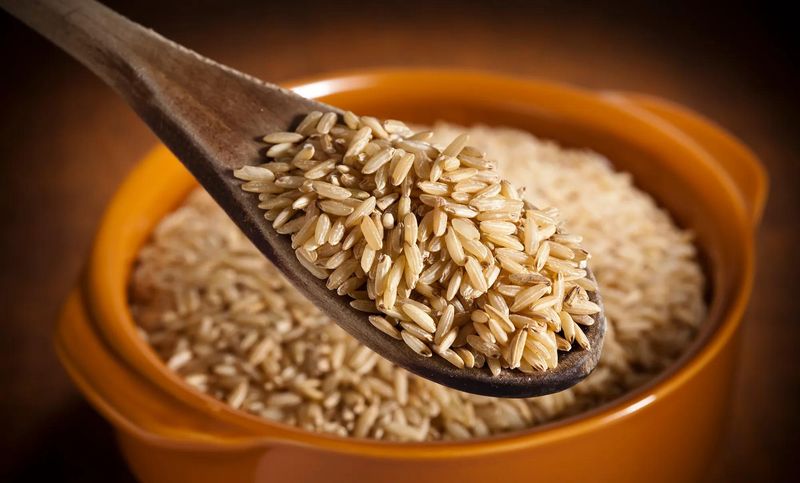
Switching from white rice to brown rice is one of the smallest changes that makes a surprisingly big difference over time. Brown rice keeps its outer bran layer intact, which means it retains fiber, magnesium, and B vitamins that are stripped away during white rice processing.
The fiber slows digestion, which helps you feel fuller longer and prevents the energy crash that often follows a white rice meal. It pairs effortlessly with stir-fries, curries, grilled vegetables, and protein sources of all kinds.
12. Avocado
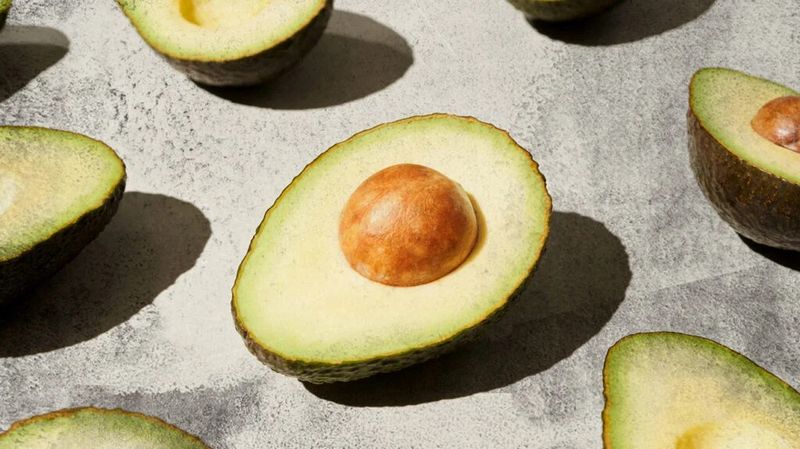
Avocados became trendy for good reason. They are loaded with heart-healthy monounsaturated fats, potassium, folate, and fiber.
Unlike most fruits, they contain very little sugar and a good amount of fat that actually helps your body absorb fat-soluble vitamins from other foods you eat alongside them.
Mash one onto whole grain toast, blend it into a smoothie for creaminess, or slice it over a salad. The rich, buttery texture makes healthy eating feel genuinely indulgent rather than like a sacrifice.
13. Chickpeas
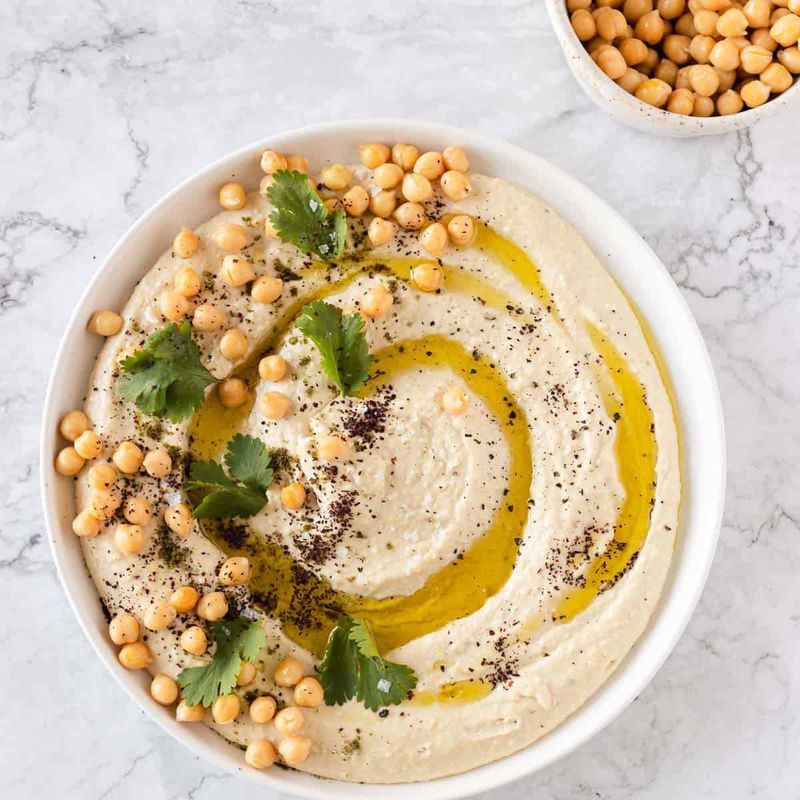
Chickpeas, also called garbanzo beans, have been a staple in Middle Eastern and Mediterranean diets for thousands of years, and modern nutrition science fully backs their reputation. They are rich in plant-based protein, fiber, iron, and folate, making them an excellent meat alternative for any meal.
Roast them with spices for a crunchy snack, blend them into hummus, or toss them into salads and curries. Their mild, nutty flavor makes them adaptable to nearly every cuisine and cooking style imaginable.
14. Salmon
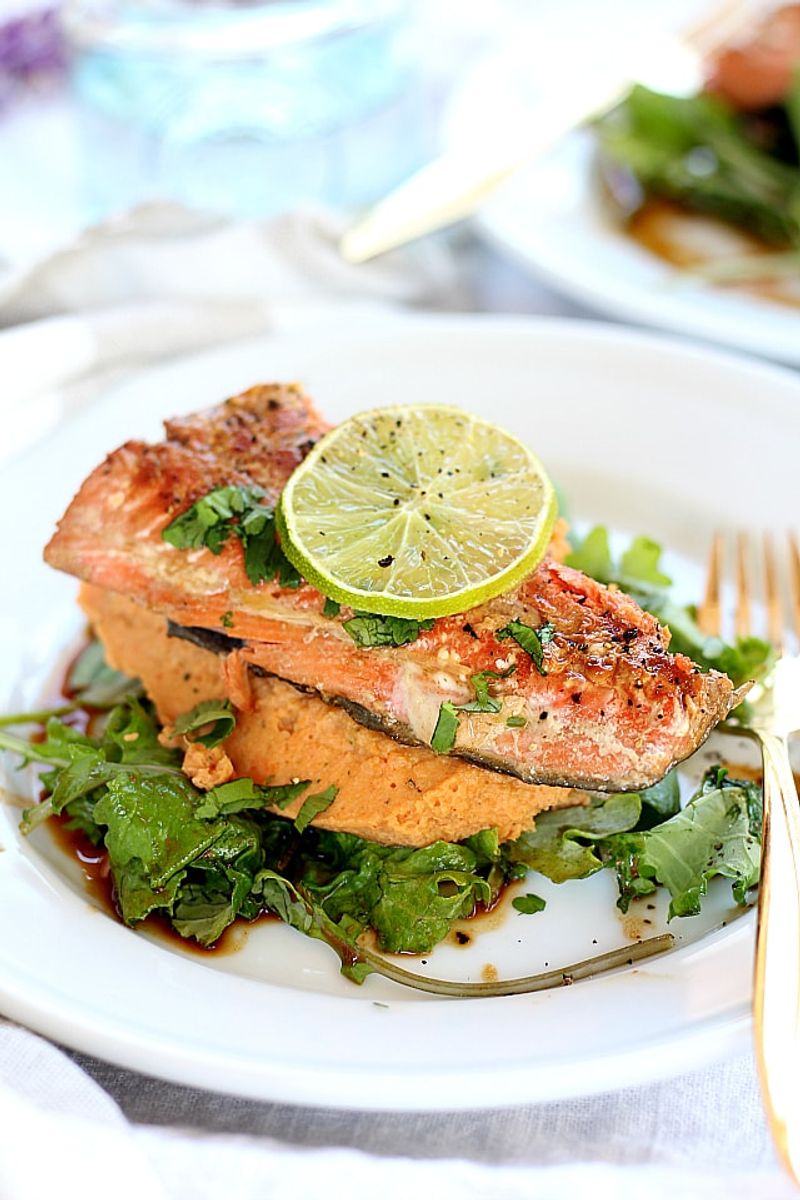
Salmon is one of those rare foods that tastes like a treat but works like medicine for your body. It is one of the best natural sources of omega-3 fatty acids, which reduce inflammation, support heart health, and are critical for brain development and function at every age.
A single serving also delivers high-quality protein and vitamin D, a nutrient many people are chronically low in. Bake it, grill it, or pan-sear it in about 15 minutes for a genuinely impressive and nutritious meal.
15. Broccoli
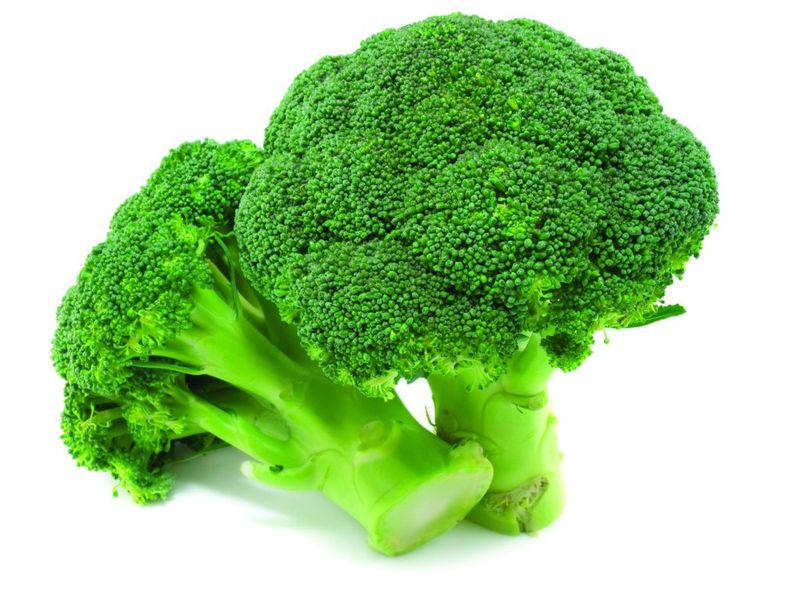
Broccoli is one of those vegetables that earns its spot on every nutritionist’s recommended list. It delivers vitamin C, vitamin K, folate, potassium, and a compound called sulforaphane that has been studied for its potential role in reducing cancer risk.
That is a lot of value in a simple green vegetable.
Roasting broccoli at high heat transforms it completely, creating crispy edges and a slightly nutty flavor that even vegetable skeptics tend to enjoy. Steam it, stir-fry it, or eat it raw with hummus for a crunchy snack.
16. Apples
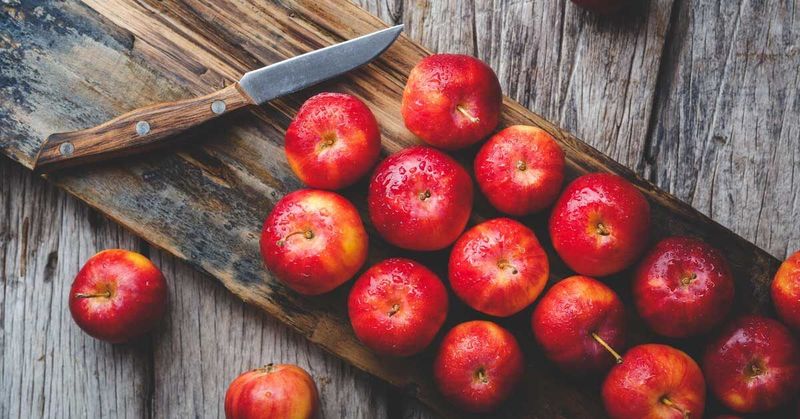
There is a reason the old saying about apples and doctors has lasted so long. Apples contain quercetin, catechins, and chlorogenic acid, three powerful antioxidants that support heart health and help regulate blood sugar.
The skin alone holds a significant portion of the fiber and nutrients, so skip peeling them.
An apple with a tablespoon of almond butter is one of the most satisfying, balanced snacks you can put together in under a minute. Sweet, crunchy, and genuinely filling, apples make healthy snacking effortless.
17. Cottage Cheese
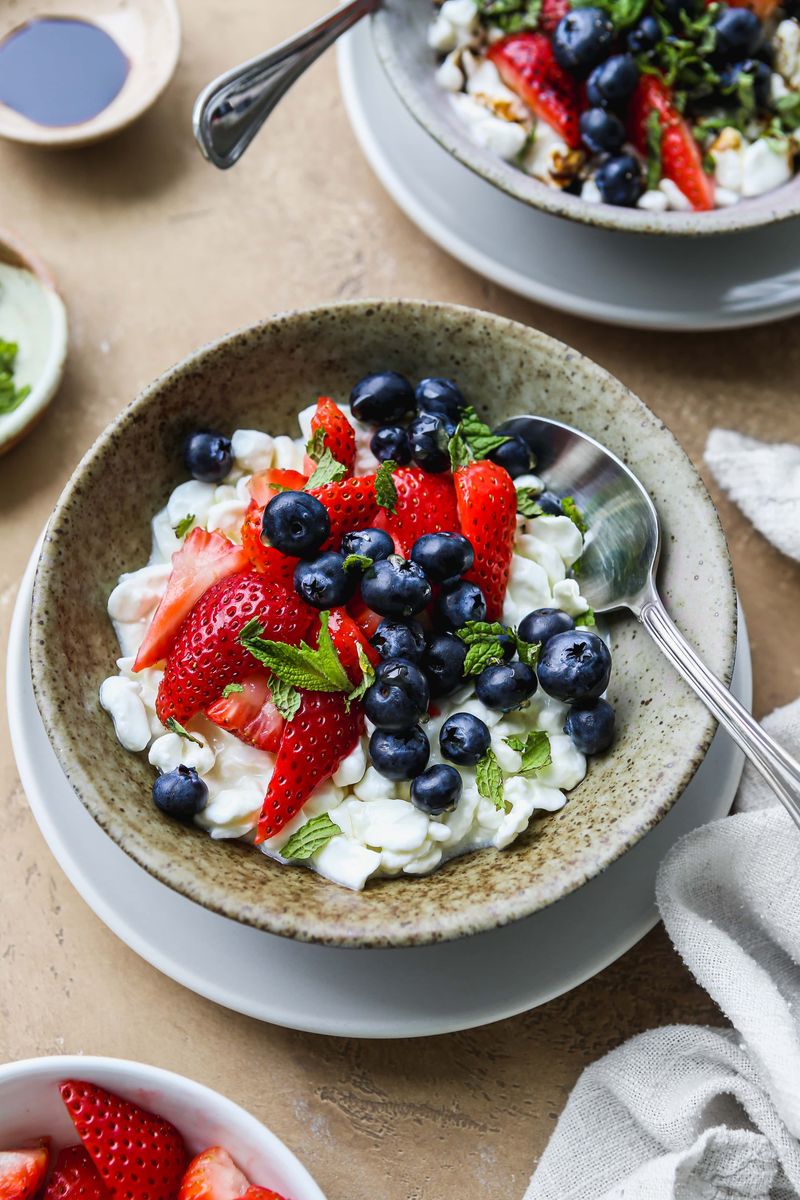
Cottage cheese quietly earns its place as one of the best high-protein, low-calorie foods available. A half-cup serving can contain around 14 grams of protein, which is remarkable for something with such a mild, creamy flavor.
It is also a good source of calcium and phosphorus for strong bones.
Pair it with fruit for a sweet snack, blend it into pancake batter for extra protein, or use it as a savory base with herbs and cucumber slices. Its adaptability makes it genuinely useful in a balanced eating plan.
18. Black Beans
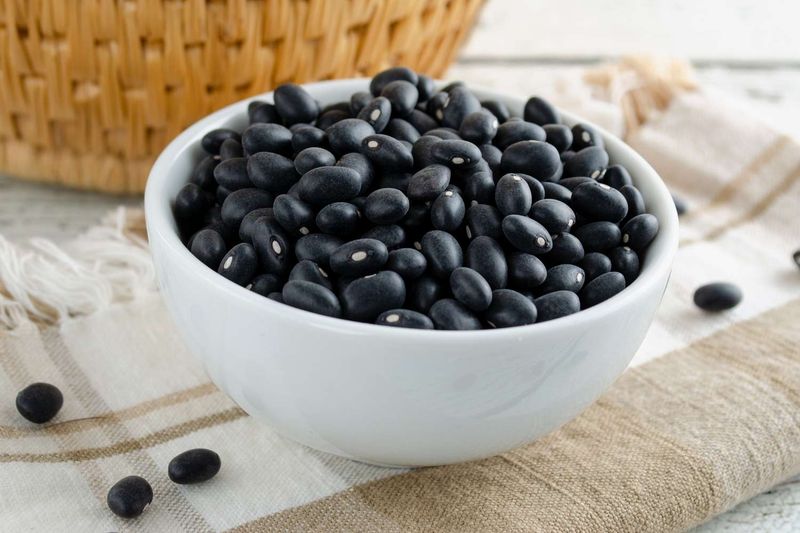
Black beans are a nutritional powerhouse hiding in plain sight at every grocery store. They are packed with protein, iron, folate, and a type of fiber that feeds beneficial gut bacteria, supporting digestion and long-term gut health.
They are also incredibly affordable, making healthy eating accessible on any budget.
Add them to tacos, grain bowls, soups, or even brownies for a sneaky protein boost. Their earthy, hearty flavor pairs well with bold spices, citrus, and fresh herbs, making every meal feel satisfying and complete.
19. Olive Oil
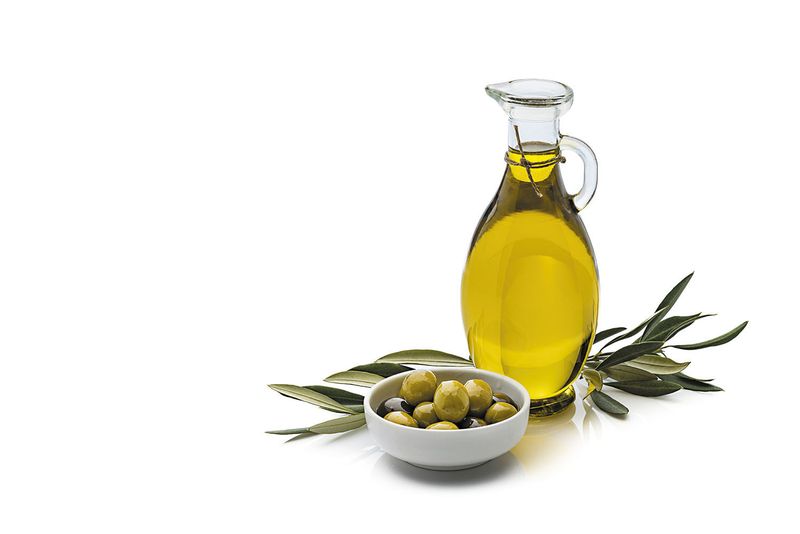
Extra virgin olive oil is the cornerstone of one of the healthiest eating patterns in the world, the Mediterranean diet. It is rich in oleocanthal, a compound with anti-inflammatory properties similar to ibuprofen, and oleic acid, a monounsaturated fat that supports heart health and helps reduce harmful LDL cholesterol levels.
Use it as your primary cooking fat, drizzle it over roasted vegetables, or whisk it into salad dressings. A little goes a long way, and the flavor it adds to simple meals is hard to beat.
20. Carrots
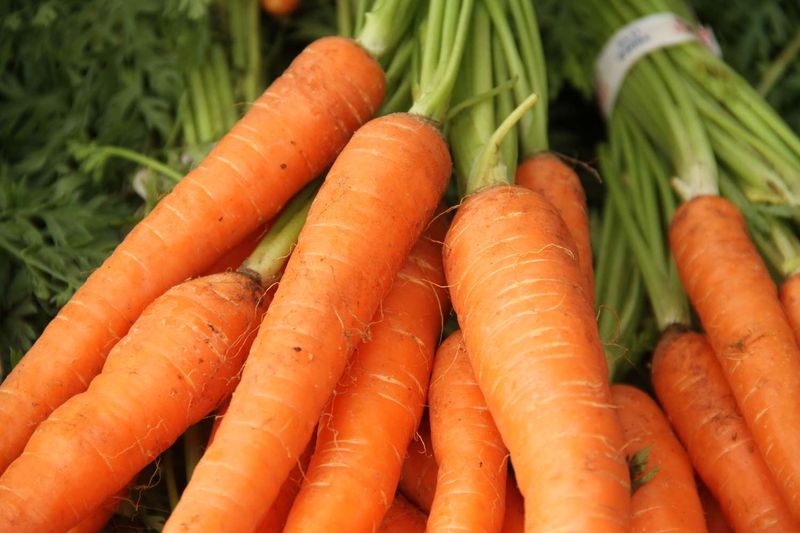
Carrots are one of the most reliable, budget-friendly vegetables for anyone trying to eat better without overthinking it. They are loaded with beta-carotene, fiber, and vitamin K1, and their natural sweetness makes them one of the few raw vegetables that genuinely feel like a satisfying snack on their own.
Keep a bag of baby carrots in the fridge for easy grab-and-go snacking. Roast them with a little honey and thyme for a side dish that tastes far more special than the minimal effort involved suggests.
21. Whole Grain Bread
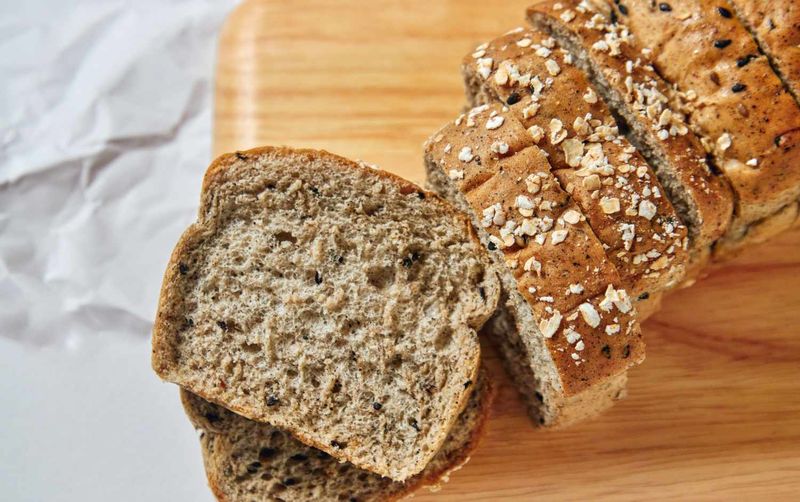
Not all bread is created equal, and whole grain bread is genuinely in a different category from its white counterpart. Because the whole grain kernel is preserved, it retains fiber, B vitamins, iron, and zinc that refined white bread simply cannot offer.
That fiber slows digestion and keeps energy levels more consistent throughout the day.
Look for labels that list a whole grain as the very first ingredient, since some breads use misleading names. Toast it, use it for sandwiches, or pair it with avocado and eggs for a balanced, filling meal.