
Love can look different after years of learning, growing, and facing life’s changes. Many older women want a relationship that adds joy without taking away their freedom or peace.
Every woman has her own needs, but respect, warmth, and honesty often matter deeply. Knowing what makes a partnership feel good can help both people build something lasting.
1. Emotional Maturity That Brings Calm

A missed appointment should not turn into a shouting match. Many older women appreciate a partner who can handle frustration without blame, threats, or sudden outbursts.
Calm reactions make everyday life feel easier.
When tension rises, pause before answering and return to the conversation once both people feel ready. Owning mistakes matters more than pretending to be perfect.
Emotional maturity means taking responsibility for your feelings while making room for someone else’s feelings too.
2. Honest Conversations Without Guesswork

Guessing what a partner means gets tiring fast. Clear communication lets both people share concerns, wishes, and plans without playing games.
Listening carefully is just as valuable as speaking openly.
Put away your phone, ask what you do not understand, and repeat back the main point before responding. Avoid expecting anyone to read your mind.
A simple weekly check in can prevent small problems from becoming bigger sources of hurt or confusion later on.
3. Respect Between Equal Partners
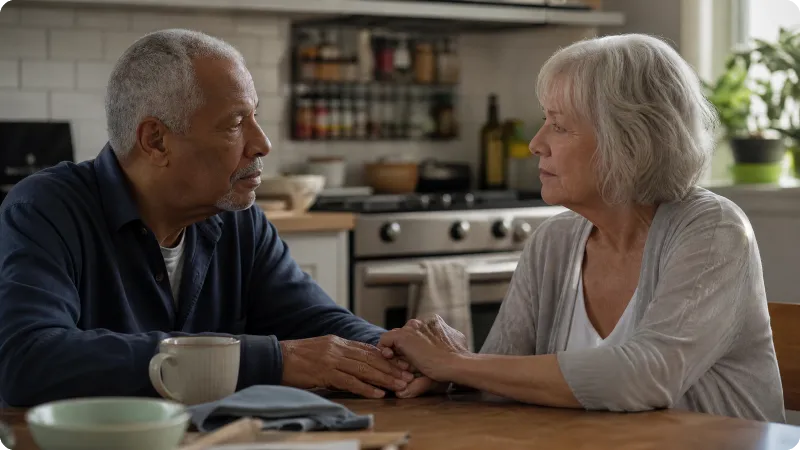
Years of experience deserve more than a polite nod. A woman should feel that her ideas, choices, and boundaries carry real weight in her relationship.
Neither partner needs to become the boss.
Share decisions about travel, money, and daily routines instead of making plans for each other. Speak kindly during disagreements, especially in front of others.
Equality also means sharing practical work and noticing contributions that might otherwise go unseen, including planning and caregiving.
4. Freedom to Keep Her Own Life

Her book club, quiet mornings, and longtime friendships still matter. Being close should not require giving up the life she has built.
Time apart can leave both partners with fresh energy and stories to share.
Discuss how much togetherness feels comfortable rather than treating personal space as rejection. Encourage separate hobbies and respect private messages or journals.
A healthy bond allows each person to remain an individual, not just one half of a couple.
5. Companionship in Ordinary Moments

Sometimes romance looks like sharing toast and watching birds outside the window. Companionship grows through ordinary moments, not only special dates.
Having someone who enjoys your company can make daily routines feel warmer.
Choose small activities you both like, such as walking, cooking, or working on a puzzle. Leave room for comfortable silence, too.
You do not need constant entertainment to feel connected, just a steady interest in spending meaningful time together most days.
6. Trust Built Through Reliable Actions

Promises feel good, but showing up gives them meaning. Trust develops when someone’s actions match their words over time.
Keeping plans, telling the truth, and respecting agreements help a relationship feel steady.
If you must cancel, explain promptly and suggest another time. Discuss what loyalty means to each of you instead of assuming your expectations match.
When trust has been damaged, honest repair takes patience and changed behavior, not demands for quick forgiveness afterward.
7. Shared Values and Compatible Plans

A love of gardening helps, but deeper agreement matters more. Views about family, honesty, spending, and future living arrangements can shape everyday happiness.
Partners do not need identical opinions to build a lasting connection.
Talk early about retirement, caregiving, travel, and how involved relatives will be. Notice which differences allow compromise and which touch firm personal limits.
Understanding these matters before making major commitments can spare both people painful surprises and resentment down the road.
8. Responsible Habits Around Money

Financial peace is not the same as being wealthy. Many women want a partner who pays bills, lives within their means, and speaks honestly about debt.
Responsible habits matter more than an impressive paycheck.
Before sharing expenses, discuss budgets, savings, and any support given to family members. Keep access to your own money and seek independent advice before major financial changes.
Clear agreements can protect both partners while reducing stress about everyday choices and emergencies.
9. A Safe Place for Real Feelings

Being able to admit fear without being judged is powerful. Emotional intimacy grows when partners share their inner lives and respond with care.
Nobody should feel pressured to reveal painful memories before feeling ready.
Start with small, honest conversations about what brought joy or worry that day. Keep private stories private, and avoid using past disclosures during arguments.
Over time, gentle responses can make deeper sharing feel less risky and help both people feel understood.
10. Physical Closeness on Her Terms
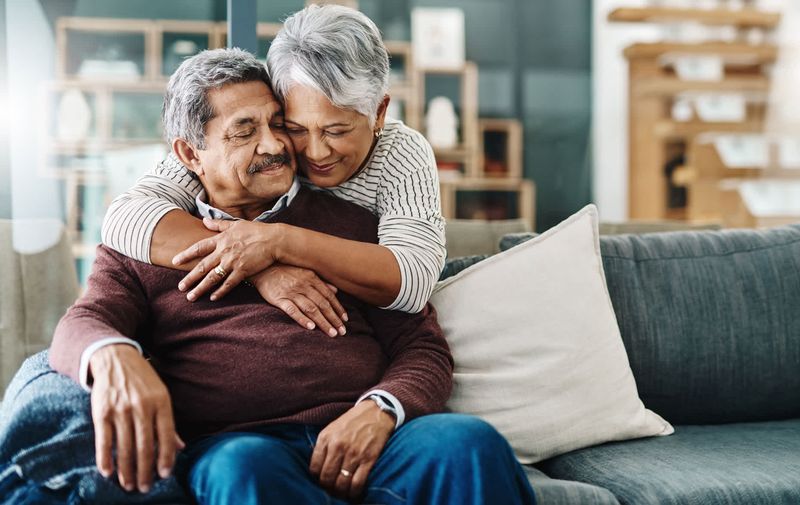
A warm hug can say what words cannot. Physical affection may include holding hands, kissing, cuddling, or sex, depending on each person’s wishes.
Age alone does not decide someone’s interest in intimacy.
Ask what feels welcome and respect every boundary without sulking or pressure. Health changes, medication, or discomfort may affect preferences, so keep talking kindly.
A healthcare professional can help with concerns, while mutual consent remains essential every time, regardless of the relationship’s length.
11. Support That Lightens the Load

Hard days reveal a lot about a partnership. A caring companion offers help without making someone feel weak or indebted.
Support might mean bringing dinner, attending an appointment, or simply staying nearby.
Ask what would actually help rather than taking over every task. Celebrate her goals as warmly as you respond to her troubles.
Care should flow both ways, with each partner able to receive kindness without keeping a running score of favors or sacrifices.
12. Confidence Without a Need to Control

Quiet self assurance often feels better than showing off. A confident partner can express an opinion, admit uncertainty, and celebrate a woman’s strengths without feeling threatened.
There is no need to compete for attention.
Keep your own interests and friendships while showing genuine interest in hers. Accept feedback without turning every concern into a personal attack.
Real confidence leaves space for another person’s success and never depends on controlling what they wear, do, or believe.
13. Laughter That Feels Kind

A crooked pancake can become the best part of breakfast. Shared laughter brings lightness to daily life and gives couples small memories to treasure.
Humor works best when both people enjoy the joke.
Notice amusing moments, share favorite comedies, and let yourself be a little silly. Avoid jokes about age, bodies, or private worries unless you know they are welcome.
When someone feels hurt, listen and apologize instead of insisting they should laugh it off.
14. Patience With Her Pace

Not every meaningful relationship moves quickly. Someone may need time before sharing a home, meeting relatives, or talking about a painful past.
Moving slowly can reflect care rather than a lack of interest.
Ask about her comfort level and share your own hopes without setting unfair deadlines. Respect routines that provide stability, especially after major life changes.
Patience does not mean ignoring your needs, but finding a pace that feels honest and manageable for both.
15. Wisdom That Learns From Experience

Everyone brings a history, but growth matters more than a spotless past. A thoughtful partner can explain what earlier experiences taught them without blaming every problem on someone else.
Lessons should show up in present behavior.
Notice whether disagreements lead to reflection or repeated excuses. Share useful insights without acting as if age makes anyone always right.
Wisdom includes staying curious, admitting mistakes, and recognizing that a new relationship deserves its own fresh, fair beginning.
16. Clear Intentions From the Start

Mixed signals can waste time and drain hope. Being direct about wanting companionship, commitment, marriage, or separate homes helps both people make informed choices.
No single relationship style suits every older woman.
Bring up intentions before expectations grow too far apart. Explain what you can offer now, not what you might offer someday to keep someone interested.
Revisit the conversation as feelings change, giving each other room to answer honestly without pressure, guilt, or punishment.
17. Empathy Before Advice

Sometimes she needs understanding, not a repair plan. Empathy means trying to see an experience from her side, even when your own reaction would be different.
Feeling heard can soften a difficult moment.
Ask whether she wants suggestions or simply someone to listen. Name the feeling you notice without telling her how she ought to feel.
You can disagree about facts while still recognizing disappointment, grief, or worry as real and deserving of your care.
18. Flexibility When Life Changes
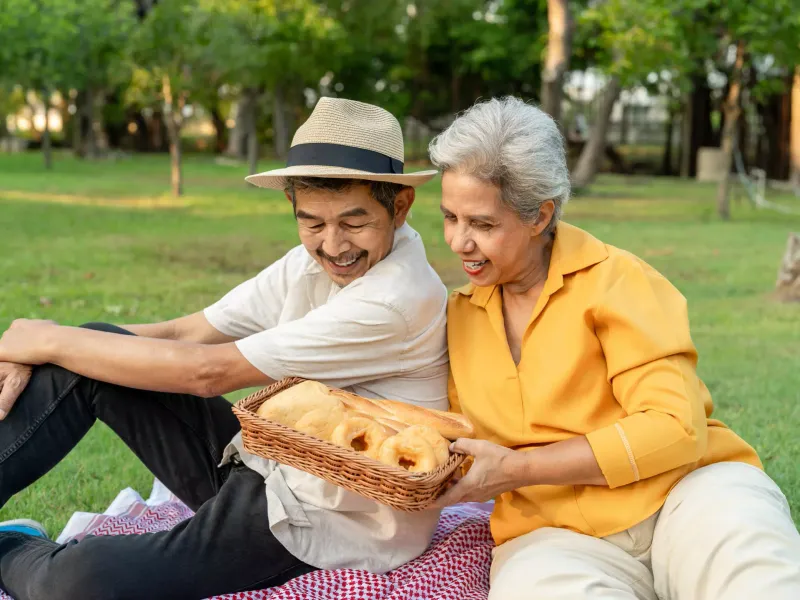
Rain cancels the picnic, but lunch together can still happen. Adaptability helps partners handle changing energy, family duties, health needs, and unexpected plans.
A good adjustment respects both people instead of always favoring one.
Offer choices when a routine stops working, such as a shorter outing or a quieter evening. Check whether an arrangement still feels fair as circumstances shift.
Being flexible means solving problems together, not asking either partner to abandon every preference or limit.
19. Safety Without Fear or Pressure

Love should never require living on edge. A safe partner respects refusal, protects privacy, and does not use threats, insults, or money to gain control.
Emotional and physical safety belong together.
When dating someone new, meet publicly and avoid sending money or sharing sensitive account details. Keep trusted friends in your life rather than accepting isolation.
If behavior becomes frightening or controlling, seek support from someone reliable or a local domestic abuse service when safe.
20. Thoughtful Attention to Small Details
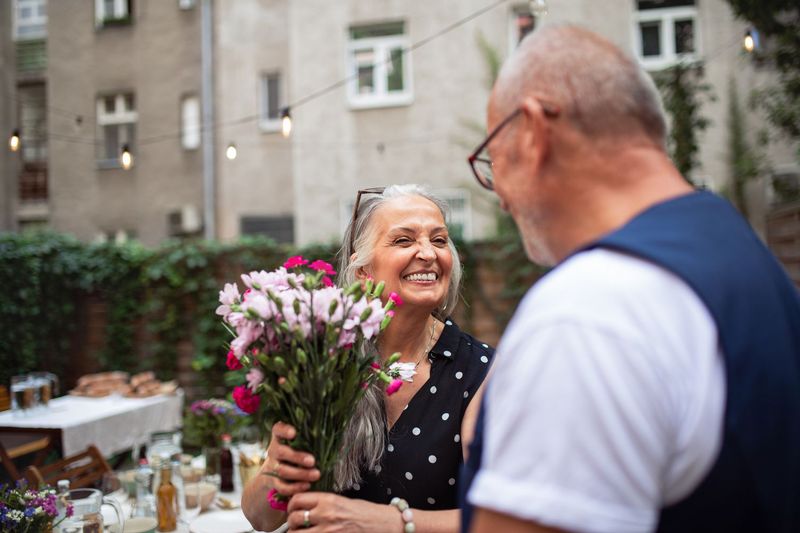
Remembering her favorite tea may mean more than an expensive surprise. Thoughtfulness shows that you notice the person behind the routines.
Small gestures feel meaningful when they match her actual tastes and needs.
Follow up about an appointment, save an article she might enjoy, or plan an outing around her interests. Ask what makes her feel appreciated rather than guessing forever.
Lasting romance often grows from steady attention, with kindness woven into ordinary days together.