
Cooking with kids is one of the best ways to sneak in some real learning without them even noticing. From understanding how heat changes food to watching chemical reactions happen right in a bowl, the kitchen is basically a science lab you can eat.
Every experiment on this list ends with a tasty snack, so there is always a reward waiting at the finish line. Get ready to roll up your sleeves and make some edible magic happen.
1. Butter in a Jar: The Science of Emulsification
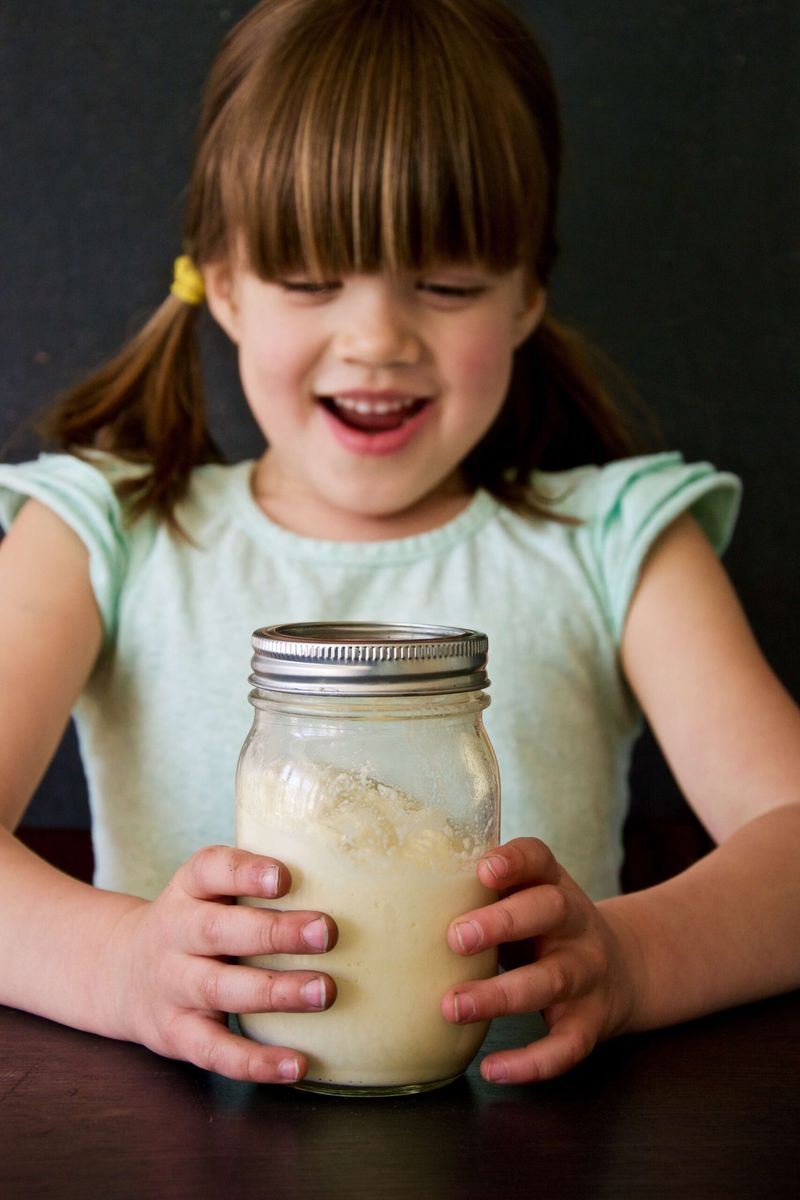
Shaking a jar of cream until it turns into butter feels like pure magic, but there is real science behind it. Fat molecules in cream clump together when agitated, separating from the liquid and forming solid butter.
Kids learn about emulsification and physical change while getting a workout for their arms. Spread the homemade butter on crackers for a snack that tastes even better because they made it themselves.
2. Volcano Muffins: Baking Soda Meets Vinegar Inside a Cupcake
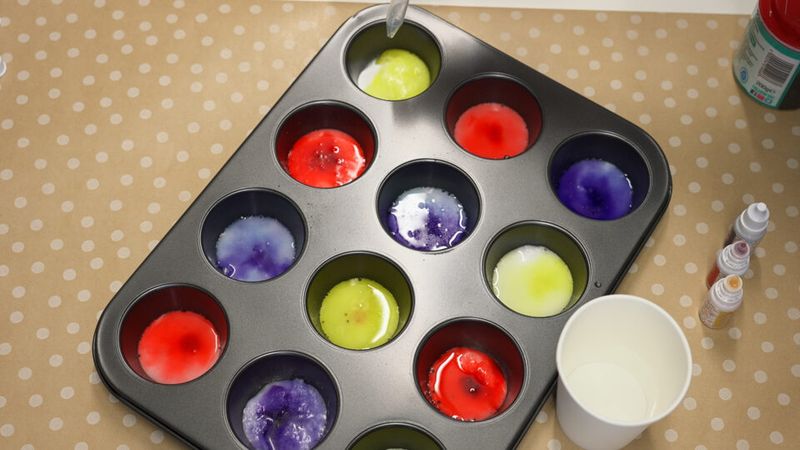
Baking soda and vinegar are famous for erupting together, but what happens when you bake that reaction inside a muffin? The result is an extra fluffy, dome-topped treat that rises like a tiny edible volcano.
This experiment teaches kids about acid-base reactions and how leavening agents work in baking. Every bite is proof that chemistry can be delicious.
Try adding a drop of food coloring to the batter for an extra dramatic visual effect.
3. Rainbow Fruit Skewers: Learning About Light and Color
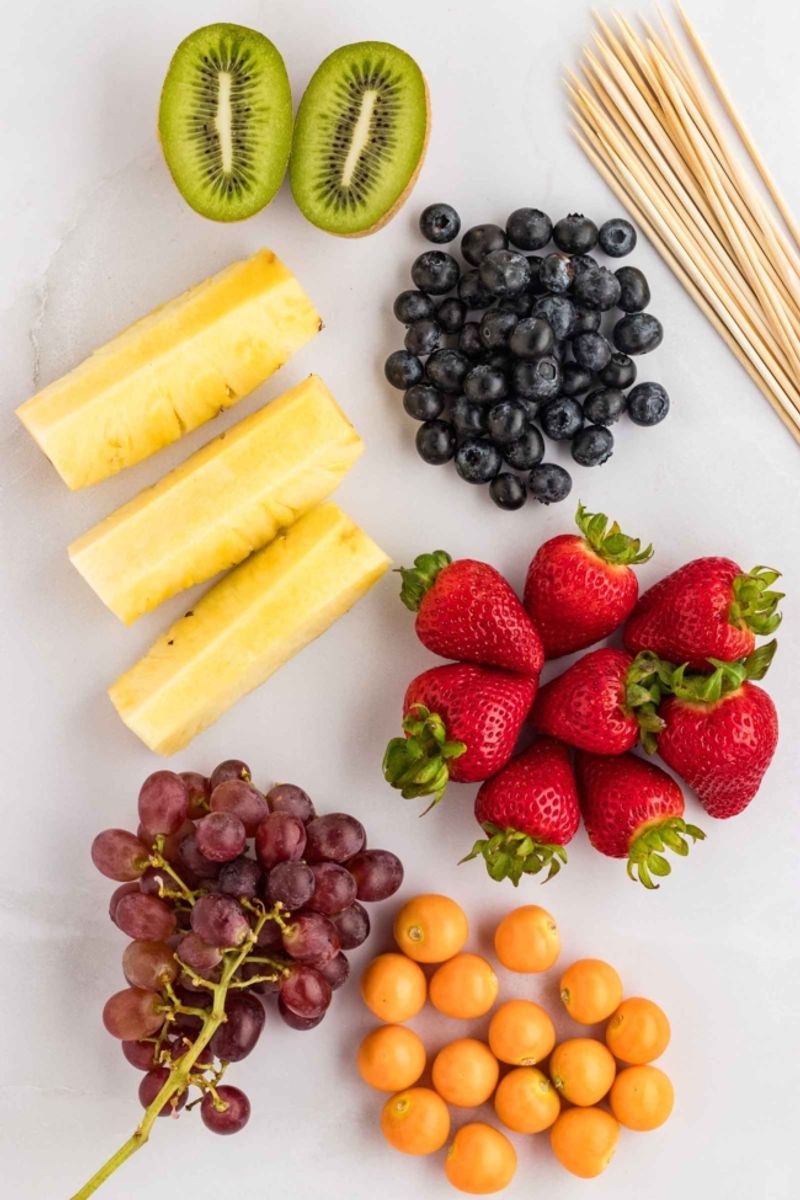
Sorting fruit by color to build a rainbow skewer is more than just pretty, it is a hands-on lesson about the visible light spectrum. Red, orange, yellow, green, blue, and purple each represent a different wavelength of light.
Kids also discover that plant pigments called phytonutrients give fruits their vibrant colors and keep our bodies healthy. A finished skewer doubles as a snack and a science display worth showing off before eating.
4. Homemade Lemonade: Discovering the Magic of pH Levels
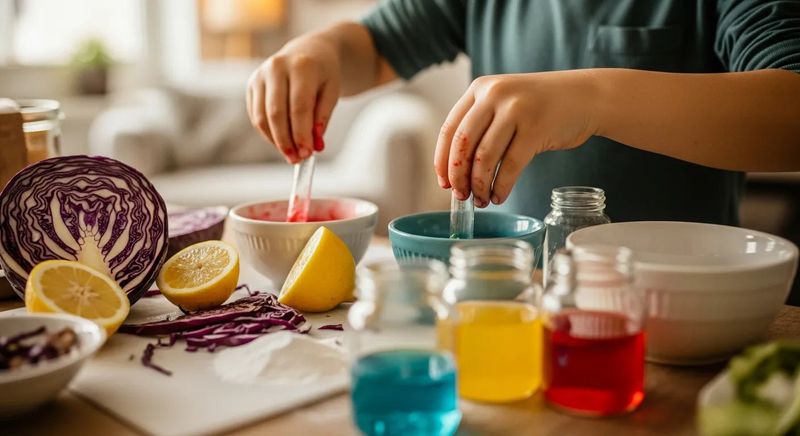
Lemonade is the perfect drink to explore acids and bases. Lemon juice is acidic, water is neutral, and adding baking soda shifts the pH toward alkaline, changing both the taste and the bubbles in the glass.
Kids can use simple pH test strips to measure each ingredient before mixing and watch the color change in real time. The best part is sampling each version to taste the difference science makes.
Tart, sweet, or fizzy, every cup is a discovery.
5. Frozen Yogurt Pops: Understanding States of Matter
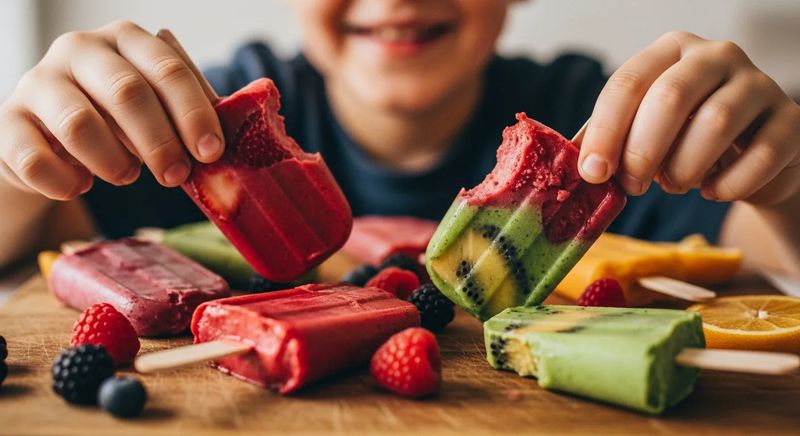
Turning liquid yogurt into a frozen pop is a hands-on way to explore how matter changes states. Liquid becomes solid when heat energy is removed, which is exactly what a freezer does over a few hours.
Kids can experiment with different mix-ins like berries, honey, or granola to see how texture changes after freezing. Discussing molecules slowing down as temperature drops makes the wait for the pops to freeze feel like part of the experiment, not just the boring part.
6. Edible Slime Pudding: Exploring Non-Newtonian Fluids
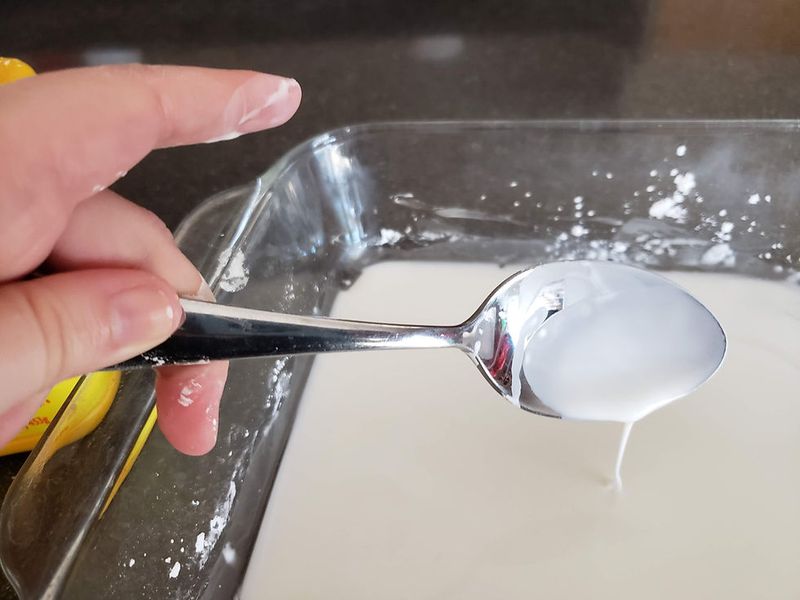
Non-Newtonian fluids behave like a liquid when handled gently but turn almost solid under pressure, and pudding mixed with cornstarch does exactly that. Squeezing it feels firm, but letting it rest makes it flow again.
This quirky experiment introduces kids to the idea that not all liquids follow the same rules. Physicists study materials like this to design everything from body armor to road surfaces.
After the experiment, the pudding is still totally safe and tasty to eat with a spoon.
7. Bread Yeast Balloons: Watching Microorganisms at Work
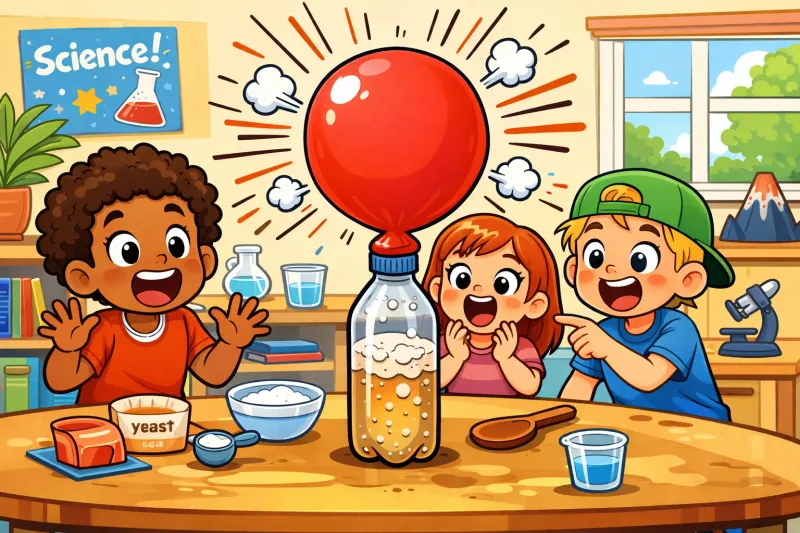
Yeast is a living microorganism, and when it eats sugar, it releases carbon dioxide gas as a byproduct. Capturing that gas in a balloon stretched over a bottle makes the invisible visible in a satisfying way.
Kids connect this process directly to bread rising, understanding why loaves get fluffy and airy in the oven. Warm water speeds up the yeast, while cold water slows it down, making temperature a great variable to test.
Toast a slice of store-bought bread afterward to celebrate the science.
8. Caramel Apple Slices: How Heat Changes Sugar
Watching white sugar melt and transform into golden caramel is one of the most dramatic chemical changes you can make in a kitchen. Heat breaks down sucrose molecules and rearranges them into hundreds of new flavor compounds.
This process is called caramelization, and it is why caramel tastes so different from plain sugar. Kids learn that cooking is applied chemistry, every temperature shift changes the outcome.
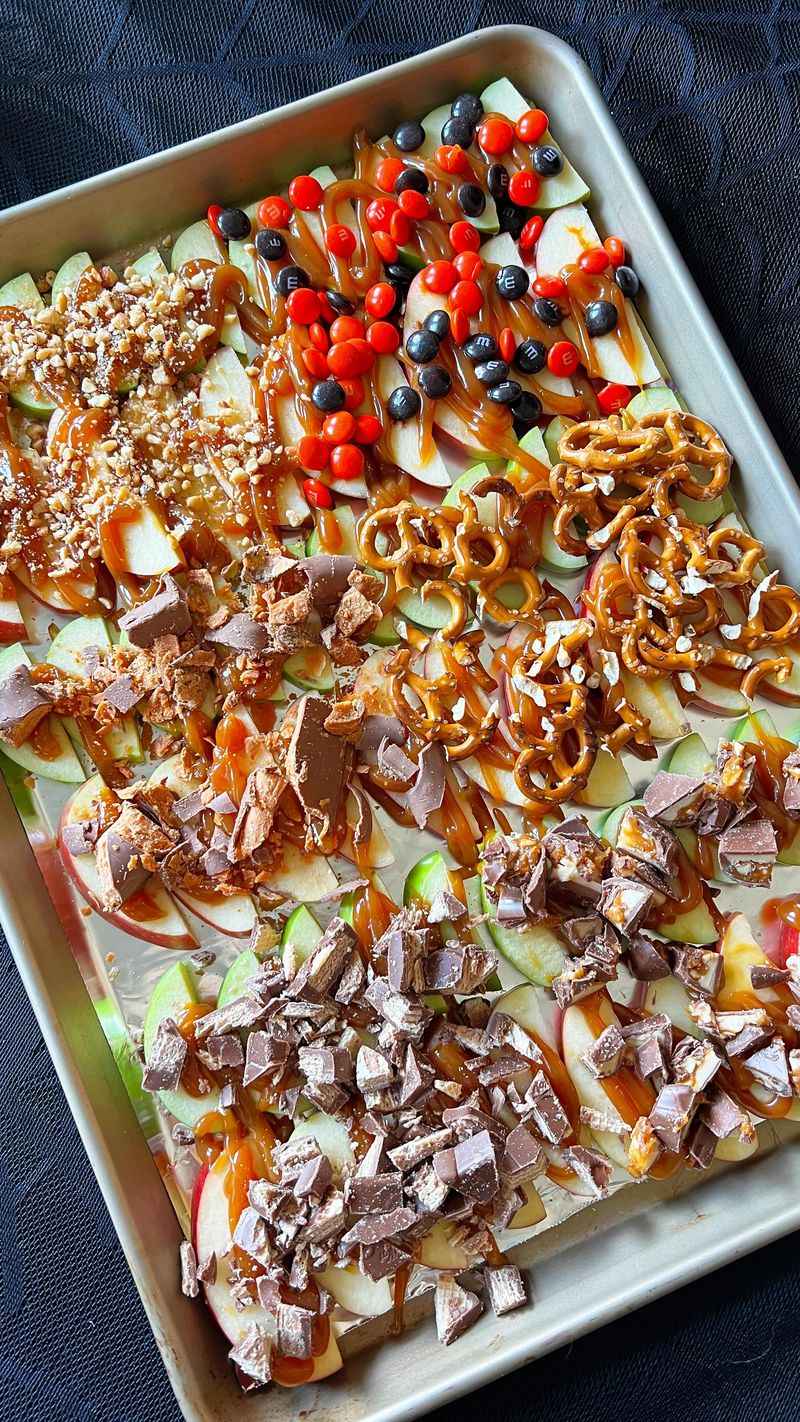
Drizzle the finished caramel over apple slices for a crunchy, gooey snack that proves science tastes amazing.
9. Guacamole and Oxidation: Why Avocados Turn Brown
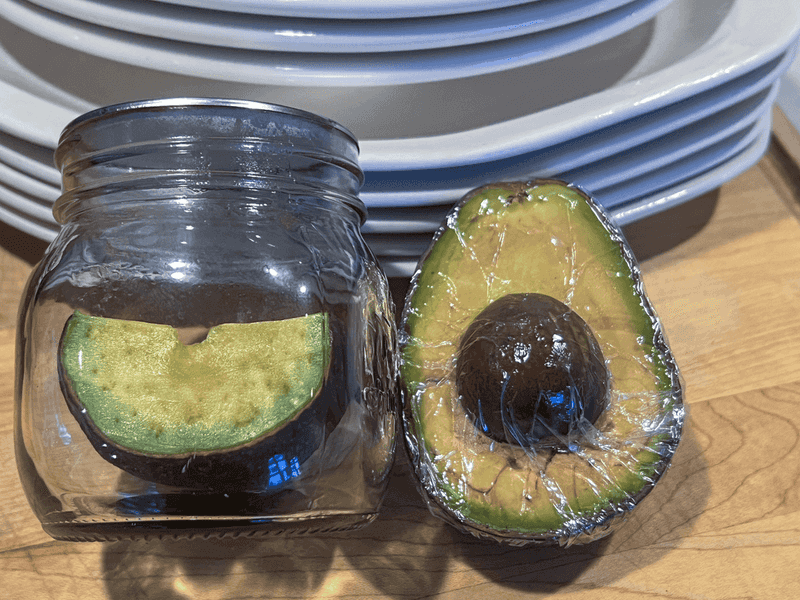
Cut an avocado and leave it on the counter for a few minutes, and it starts turning an unappetizing brown. That happens because enzymes in the avocado react with oxygen in the air, a process called oxidation.
Squeezing lime juice over the surface slows the reaction because the acid deactivates those enzymes. Kids can test different coverings, plastic wrap, lemon juice, or water, to see which keeps the guacamole greenest longest.
Then everyone gets to eat the results with chips.
10. Microwave Mug Cake: Exploring How Microwaves Heat Food
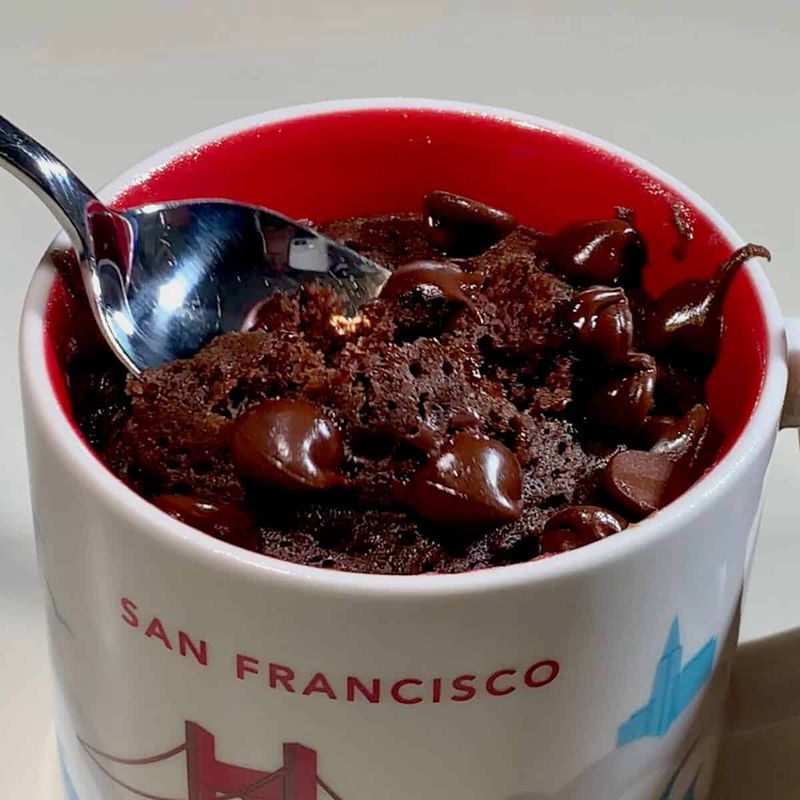
Microwaves do not heat food the same way an oven does. Instead of warming the air around food, they send waves that make water molecules inside the food vibrate rapidly, generating heat from the inside out.
Making a mug cake takes about 90 seconds and gives kids a front-row seat to this process. They can compare it to oven-baked cake to notice texture differences caused by the different heating methods.
Understanding why the mug gets hot but the plate stays cool is a bonus brain teaser worth discussing.
11. Celery and Food Coloring: How Plants Drink Water
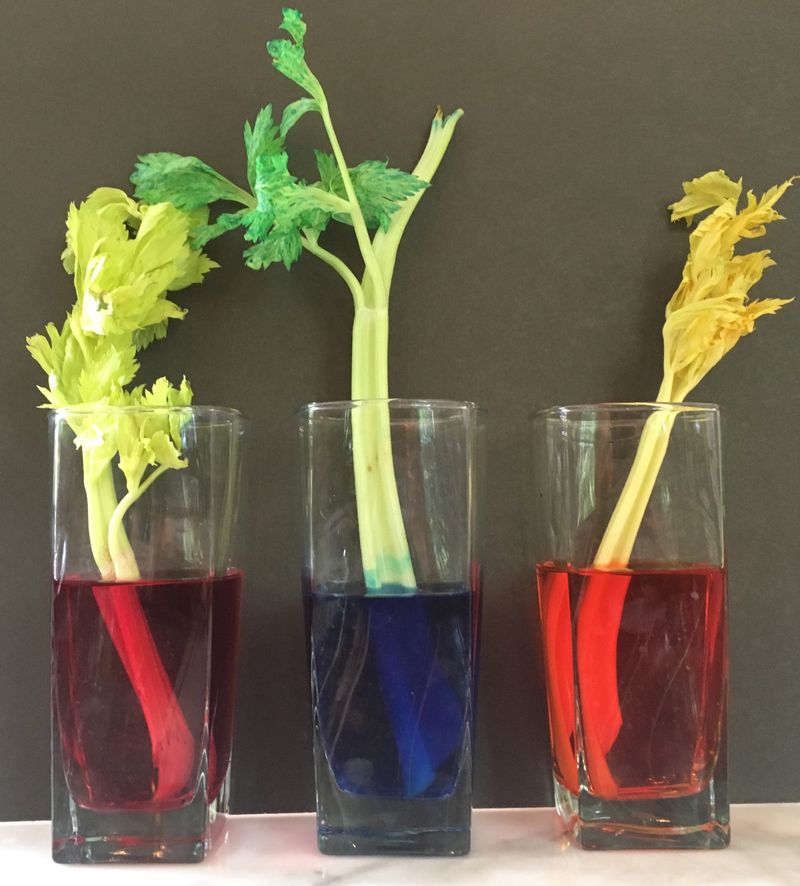
Place a celery stalk in a glass of colored water and check back in a few hours, the color will have traveled all the way up into the leaves. Plants draw water upward through tiny tubes called xylem using a process called capillary action.
This is the same mechanism that keeps trees and flowers alive. Kids can split a stalk partway and put each half in a different color to create a two-toned celery snack.
Eating the colorful celery with peanut butter makes the lesson stick in more ways than one.
12. Homemade Cheese: Watching Proteins Separate
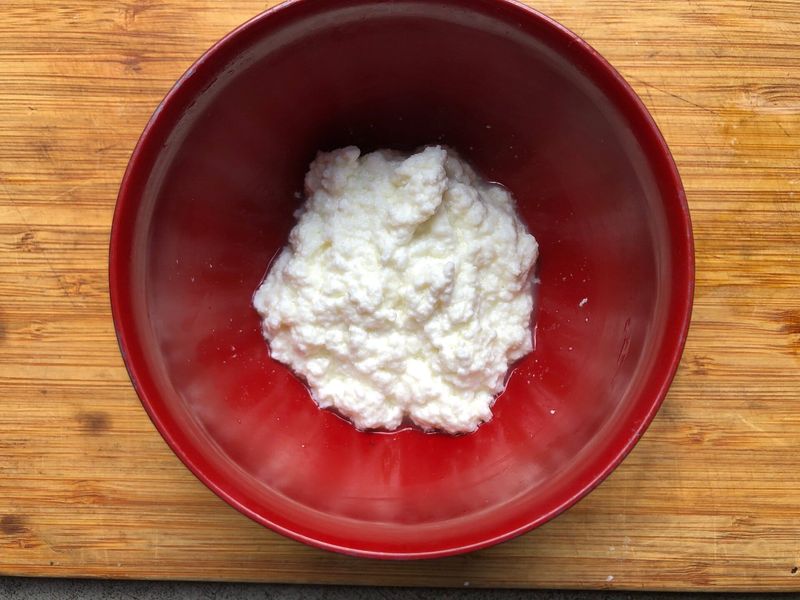
Adding lemon juice or vinegar to warm milk causes the proteins to clump together and separate from the liquid, forming curds. Those curds are essentially fresh cheese, and the leftover liquid is called whey.
This experiment covers protein chemistry, acid reactions, and food science all in one pot. The whole process takes under 30 minutes and produces a mild, spreadable cheese that tastes great on toast.
Kids often find it hard to believe that two simple ingredients can create something so satisfying from scratch.
13. Chocolate Bark and Tempering: Crystals You Can Eat
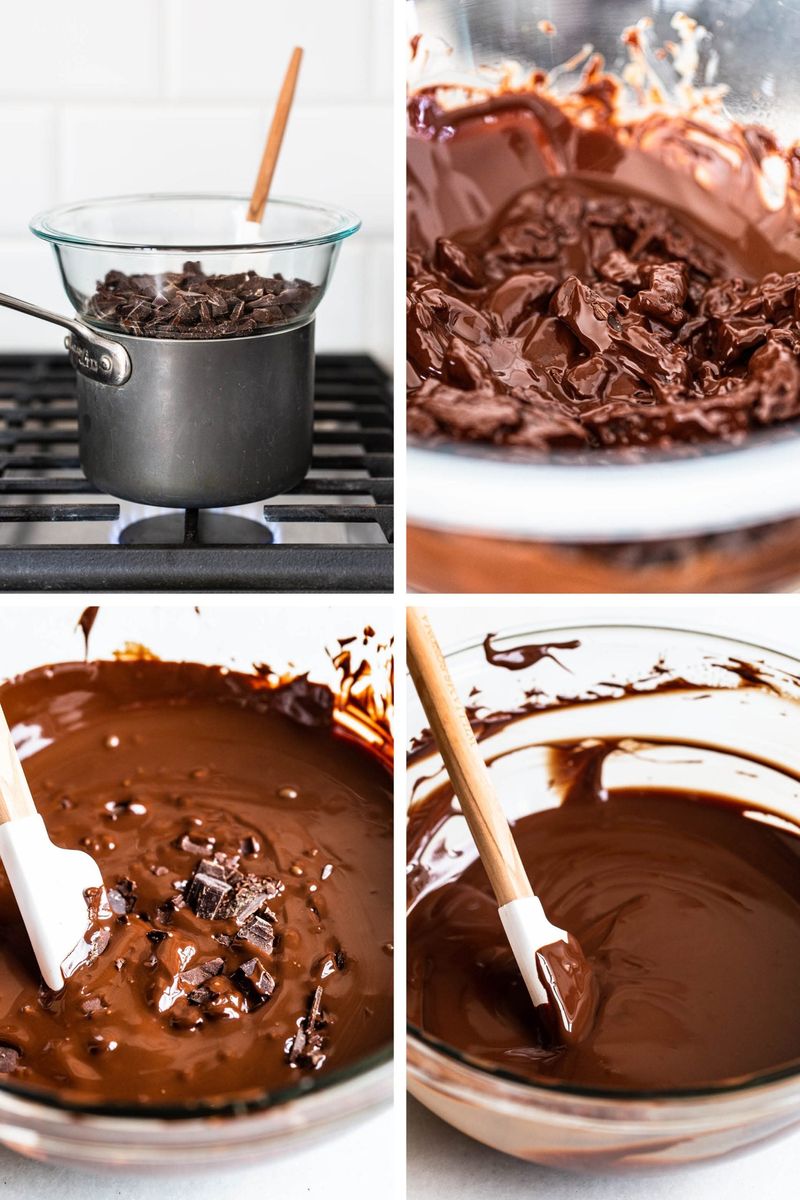
Melted chocolate that cools without tempering turns dull and crumbly. Tempering means carefully controlling the temperature so the cocoa butter forms a specific crystal structure that gives chocolate its satisfying snap and glossy finish.
Kids learn about crystallization and how the arrangement of molecules affects the physical properties of a material. Spreading tempered chocolate on parchment and adding toppings creates a personalized bark that looks professional.
Watching it harden and then snapping off a piece is genuinely one of the most rewarding kitchen moments around.
14. Egg in Vinegar: Understanding Osmosis with a Naked Egg
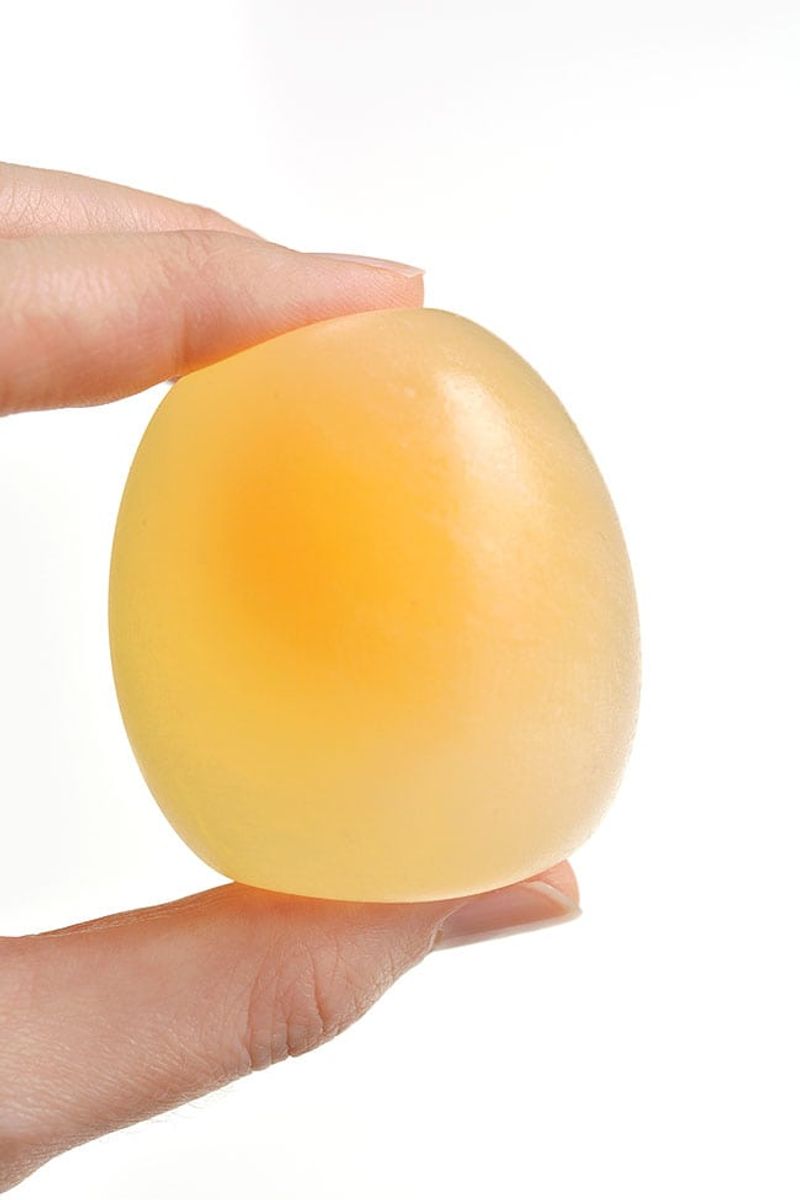
Soaking an egg in vinegar for 24 to 48 hours dissolves the shell completely, leaving behind a squishy, bouncy egg held together only by its membrane. The acetic acid in vinegar reacts with the calcium carbonate in the shell.
Once the shell is gone, kids can place the naked egg in corn syrup and watch it shrink as water moves out through osmosis. Then moving it to plain water plumps it back up.
Hard-boil a fresh egg afterward for a snack while comparing it to the experiment egg.
15. Peanut Butter Energy Balls: Learning About Macronutrients
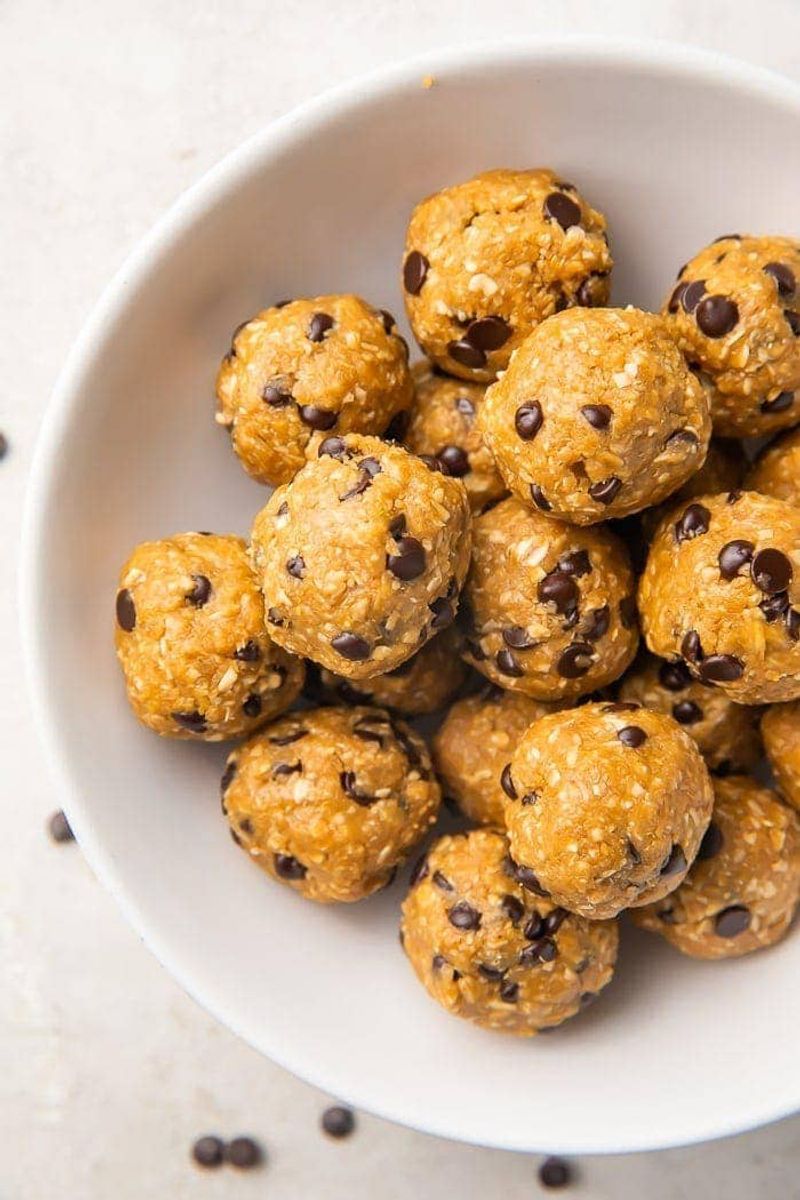
Rolling together oats, peanut butter, honey, and chocolate chips into energy balls is a no-bake activity that turns into a nutrition lesson. Each ingredient represents a different macronutrient: carbohydrates from oats, protein from peanut butter, and fats from both.
Kids can look at a simple nutrition label and match what they see to what is in the bowl. Talking about why athletes eat carbs before a game or why protein helps muscles recover makes the snack feel purposeful.
These little bites are genuinely energizing and incredibly easy to customize.
16. Fizzy Lemonade Gummies: Gelatin and Carbonation Science
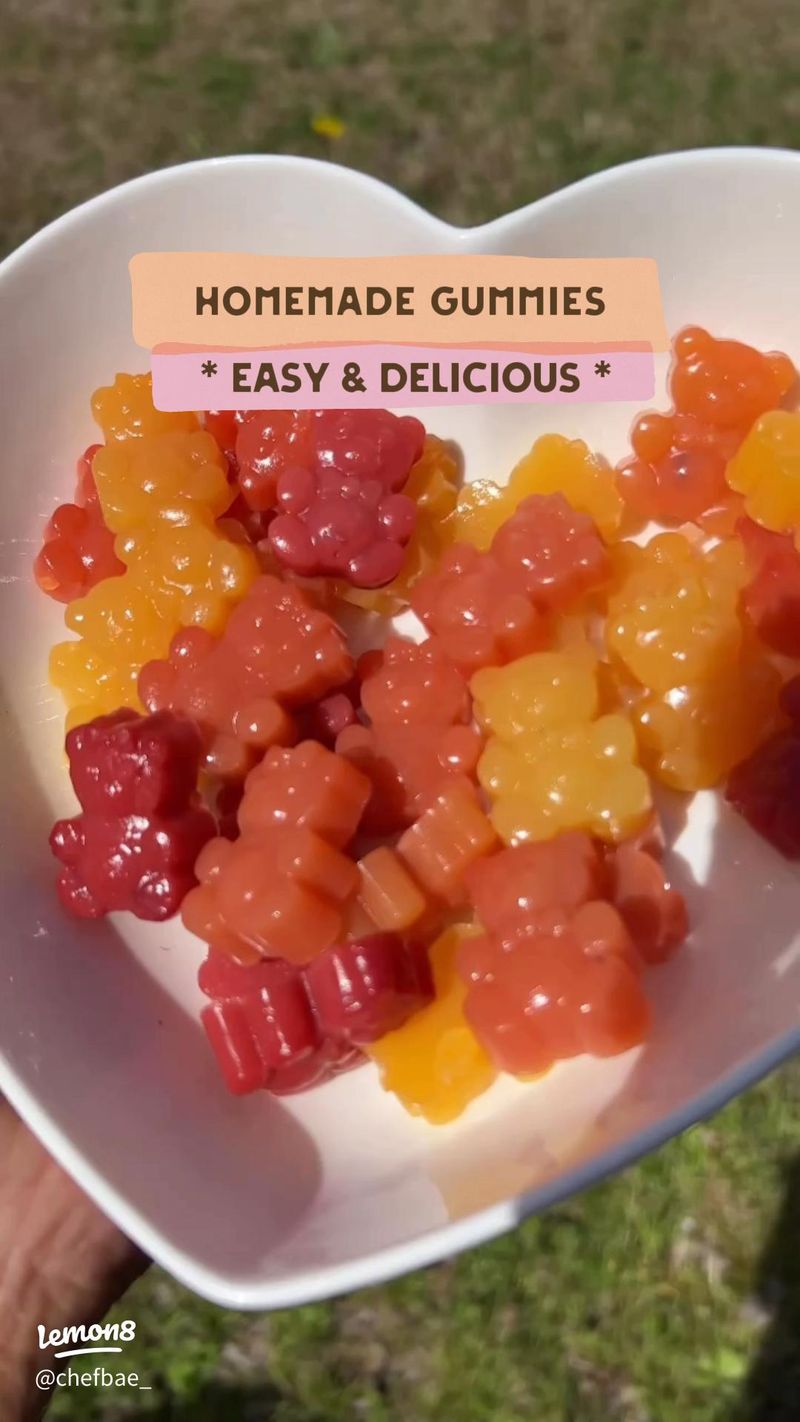
Gelatin is a protein that traps liquid in a network of molecules, turning juice or lemonade into a wobbly solid. Adding citric acid and a touch of baking soda to the mix creates a fizzy sensation when the gummy hits your tongue.
Kids learn about protein networks, gelling agents, and the same acid-base reaction that makes fizzy candy tingle. Pouring the mixture into fun silicone molds makes the whole process feel like running a candy factory.
The finished gummies are tart, chewy, and a little bit effervescent in the best way.
17. Whipped Cream in a Jar: Gas and Colloids Explained
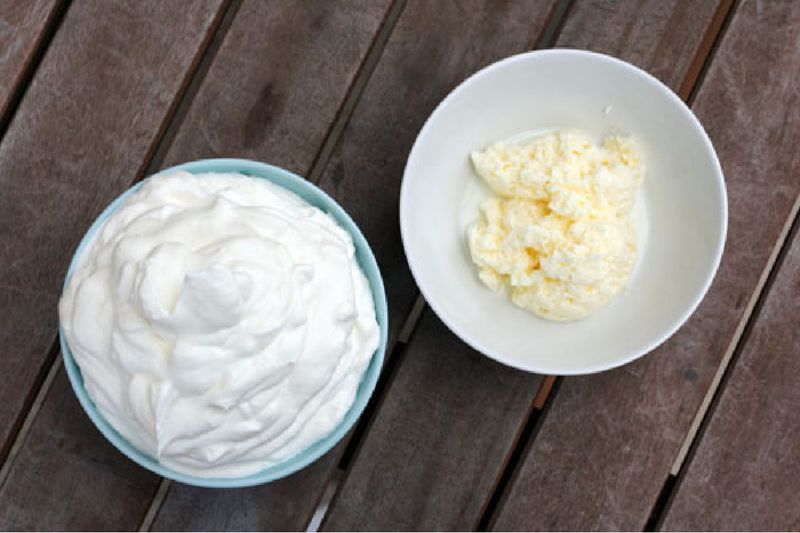
Heavy cream whips up into a fluffy cloud because air gets trapped between fat molecules, creating a colloid called a foam. Shaking it in a jar instead of using a mixer makes the process slower and more visible, which is perfect for learning.
Kids can observe how the texture changes from liquid to soft peaks to stiff peaks over time. Stop too early and it is still pourable; go too long and it turns back into butter.
Serve the whipped cream on fresh strawberries for a snack that is simple, fresh, and well-earned.
18. Tie-Dye Milk: Surface Tension and Food Science
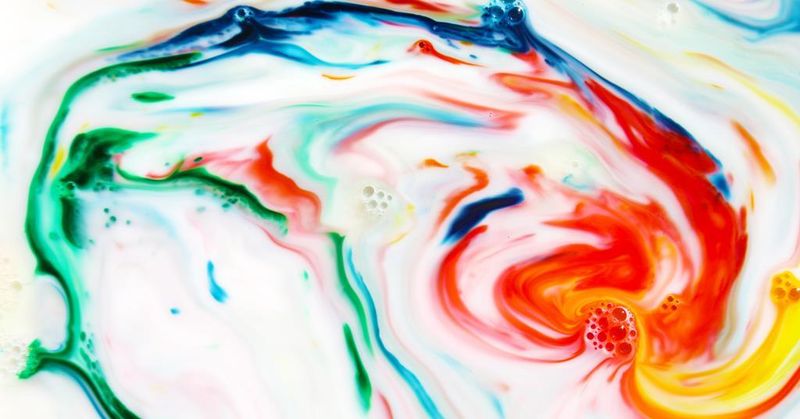
Pour whole milk into a plate, add drops of food coloring, then touch one drop of dish soap to the center and watch an explosion of color swirl outward. The soap breaks the surface tension of the milk and disrupts the fat molecules.
This classic experiment is a visual lesson in surface tension and molecular interaction. Whole milk works better than skim because it has more fat for the soap to react with.
After the experiment, kids can dip a piece of bread in the swirly milk and toast it for a colorful, edible finish.