
Dubrovnik may steal the spotlight, but Croatia has plenty more waiting beyond its famous walls. Roman ruins, forest lakes, quiet islands, and hilltop towns offer very different kinds of adventures.
Whether you want a beach break or streets filled with history, these places can help you plan your next stop.
1. Split: Roman History With Everyday Energy
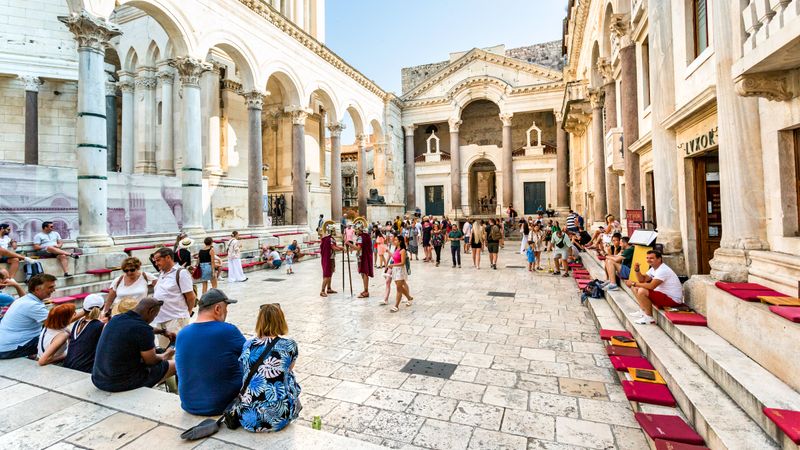
Imagine grabbing breakfast inside the walls of a Roman emperor’s retirement home. In Split, Diocletian’s Palace is part of everyday life, with homes, shops, and cafes tucked among ancient stone passages.
Explore the palace early, then follow the waterfront promenade for sea views and people watching. Comfortable shoes help on slippery paving.
For a quieter afternoon, head toward Marjan Hill, where shaded paths offer a welcome break from the busy center and lovely views over Split.
2. Zadar: A Waterfront That Makes Music
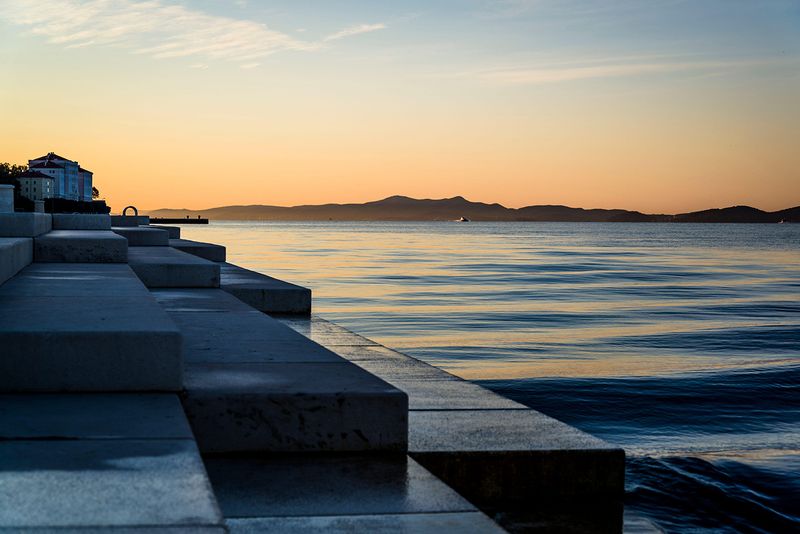
The sea gets its own soundtrack along Zadar’s waterfront. Waves push air through hidden pipes beneath stone steps, creating the changing notes of the Sea Organ.
Arrive before sunset to find a seat, then stay as the nearby Greeting to the Sun installation lights up. Earlier, wander past Roman remains and explore the old town’s lanes.
Parts of Zadar’s defensive walls have UNESCO recognition, adding another reason to look beyond its celebrated evening views from shore.
3. Hvar: More Than a Party Island
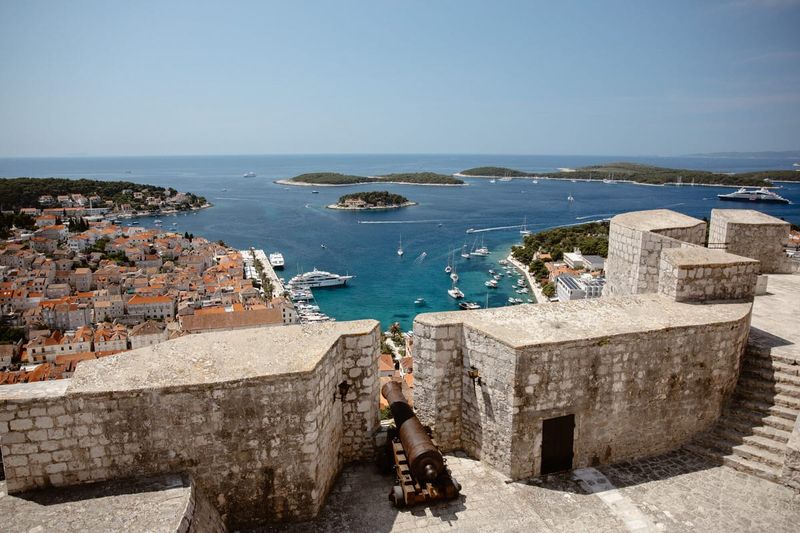
Behind the glamorous harbor, a slower island waits. Hvar has stone villages, sheltered bays, and lavender fields that make a pleasant change from its lively bars.
Climb to the fortress above Hvar Town for sweeping views, preferably before the afternoon heat. A boat trip can take you to the nearby Pakleni Islands, but check weather conditions first.
Staying outside the busiest harbor streets usually means quieter nights and more room in your budget for local meals.
4. Korčula: Stone Lanes and Island Flavors
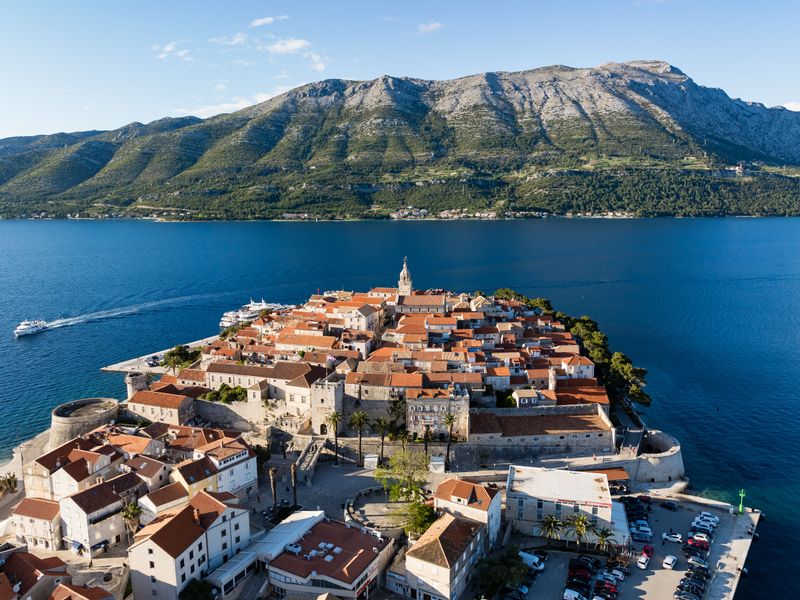
A miniature walled town rises above the water, but Korčula has a character all its own. Its narrow lanes, stone buildings, and waterfront tables invite you to slow down rather than rush between sights.
Visit St. Mark’s Cathedral, then leave time for beaches or a village outing. Lumbarda is known for Grk white wine and sandy stretches nearby.
Check ferry schedules carefully, especially outside summer, because fewer sailings can shape your whole island itinerary quite easily.
5. Plitvice Lakes: Waterfalls Through the Forest
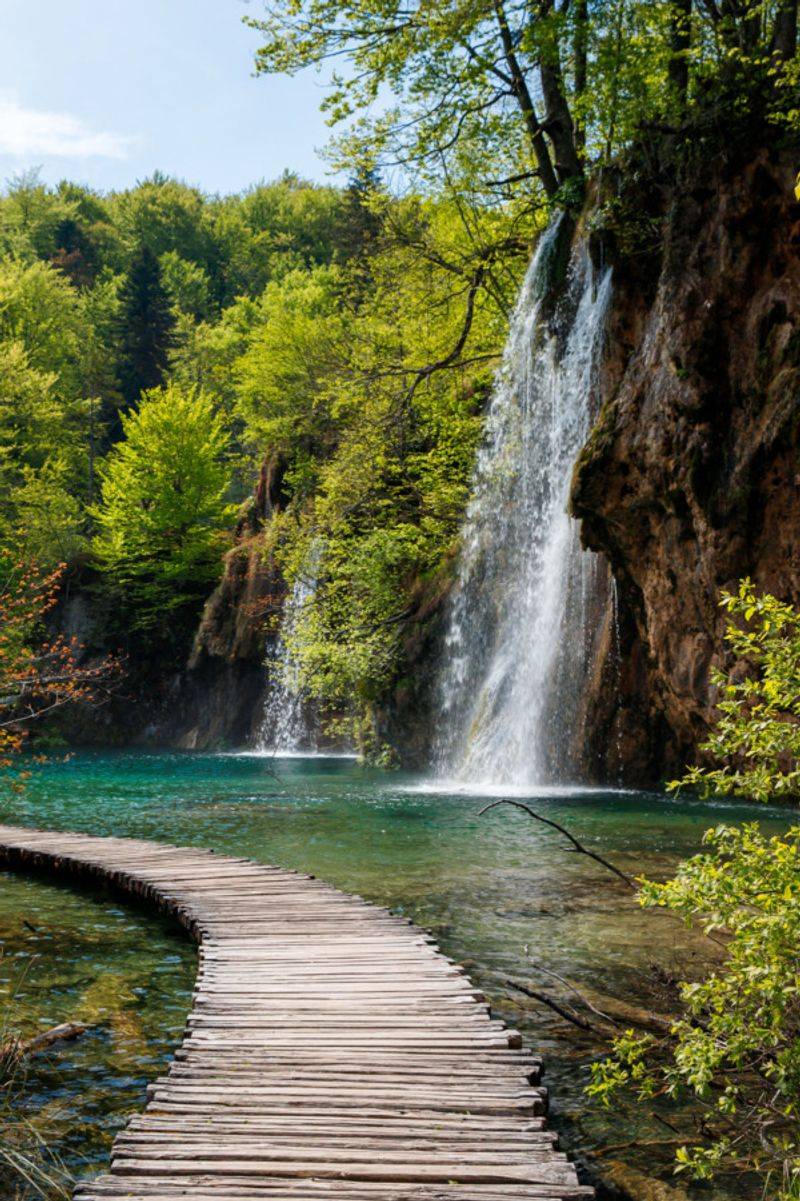
Water seems to tumble from every direction here. Plitvice Lakes National Park links bright lakes, wooded slopes, and waterfalls with walking routes and boardwalks.
Choose a route that matches your energy, since longer circuits can take much of the day. Book through the official park website and check seasonal access before traveling.
Swimming is not allowed, so bring your camera instead of beach plans. An early start often means cooler walking conditions and fewer crowded stretches.
6. Krka National Park: Cascades Close to the Coast
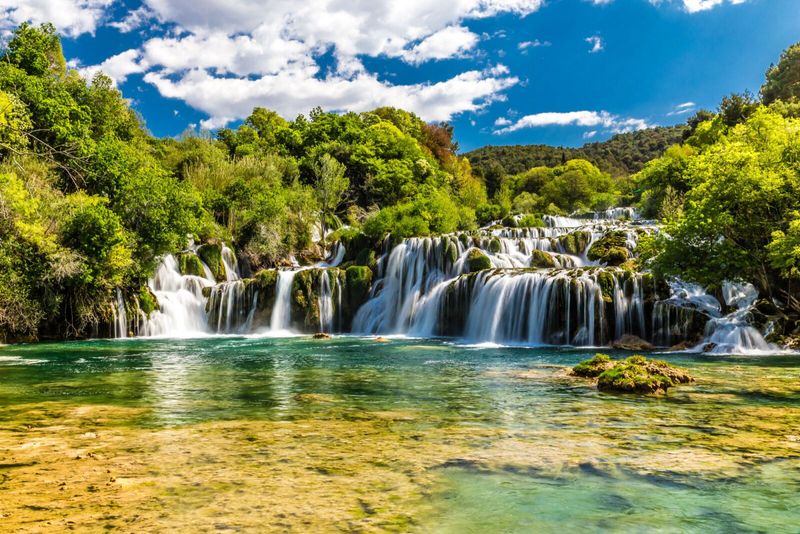
Roaring cascades make Krka an easy escape from coastal sightseeing. The park’s best known waterfall area, Skradinski Buk, combines flowing water, greenery, and paths that bring you close to the scenery.
Do not plan on swimming at Skradinski Buk, where bathing is prohibited. Check official guidance for access, boats, and seasonal opening times.
Pair your visit with nearby Skradin for lunch, or allow extra time for other park sites rather than squeezing everything into one morning.
7. Rovinj: Colorful Houses Beside the Sea
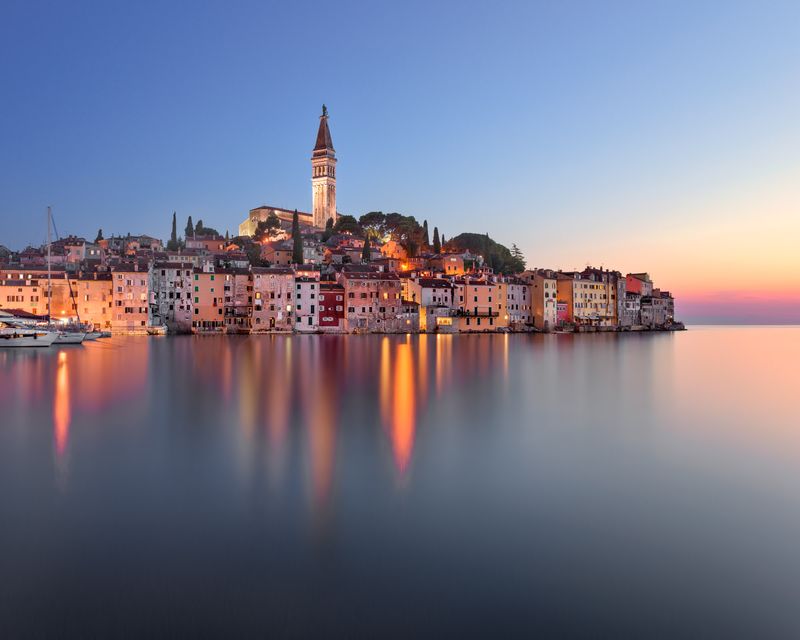
Pastel houses crowd the shoreline beneath a tall church tower, giving Rovinj an almost storybook look. The old town’s steep lanes reflect Istria’s strong Venetian influence.
Wander uphill toward St. Euphemia’s Church, stopping at small galleries along the way. Smooth cobbles can be slippery, so sturdy footwear beats flimsy sandals.
Later, follow the coast toward Zlatni Rt forest park for shaded walks and rocky swimming spots. Reserve popular restaurants ahead during the busiest summer travel weeks.
8. Pula: An Arena With Staying Power
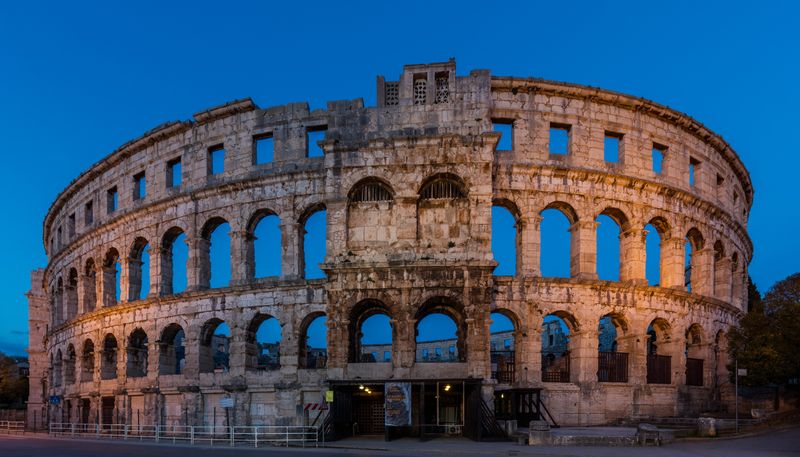
Few city walks begin with a Roman amphitheater this impressive. Pula’s Arena still dominates the skyline, offering a striking reminder of the city’s ancient past.
Explore the interior, then continue to the Temple of Augustus and Arch of the Sergii. Grouping these sights into one walk keeps planning simple.
Summer events sometimes use the Arena, so check its schedule before visiting. Pula also works as a practical base for exploring southern Istria’s beaches and nearby towns.
9. Zagreb: Cafe Tables and Capital Culture
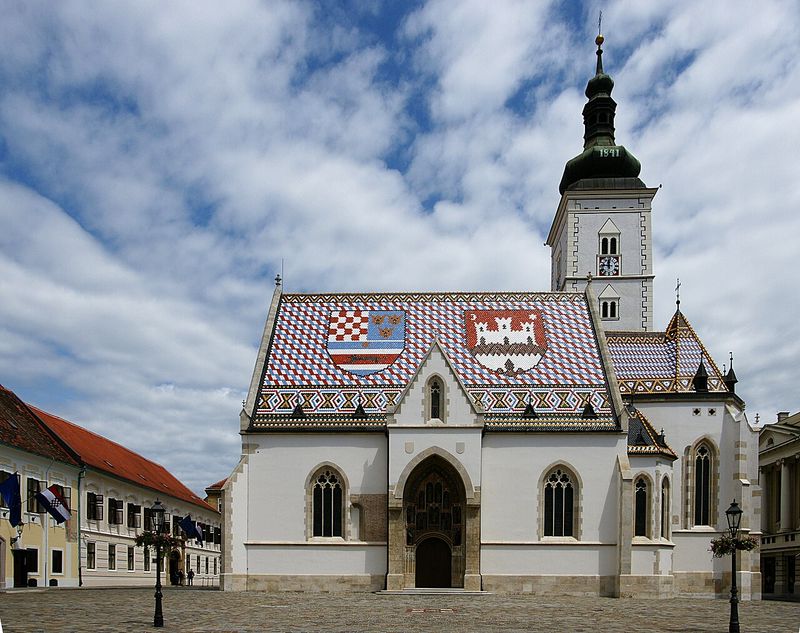
Trade salty breezes for market chatter and leafy city squares. Zagreb shows a different side of Croatia, with museums, cafe culture, and streets shaped by Central European history.
Start around Dolac Market, then explore the Upper Town on foot. Museum choices range from art collections to the unusual Museum of Broken Relationships.
Check opening hours before setting out, especially on Mondays. A full day works, but staying longer leaves room for parks and unhurried coffee breaks.
10. Motovun: Big Views From a Small Hilltown
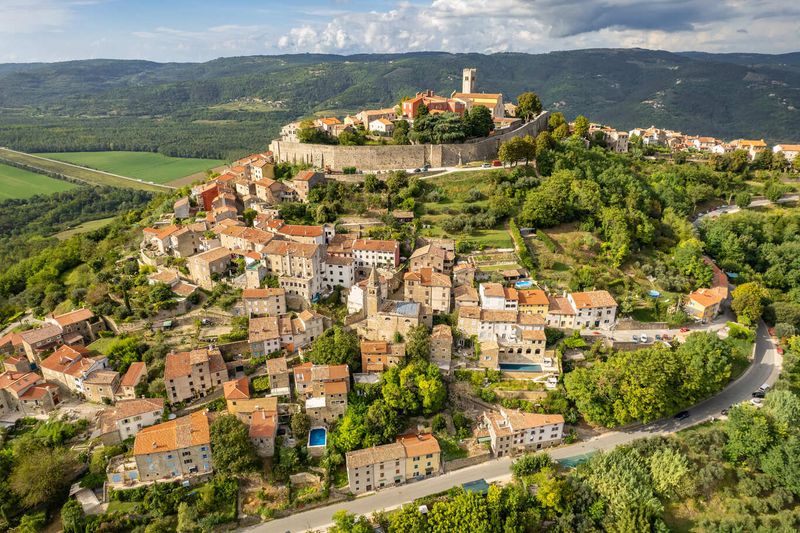
Perched above the Mirna Valley, this little town makes the climb worthwhile. Motovun looks across vineyards, olive groves, and forests associated with Istria’s prized truffles.
Walk the old streets and check access to the walls for broad valley views. Parking is generally below the historic center, so expect an uphill approach.
For lunch, try pasta with truffles at a local restaurant. Staying overnight lets you enjoy quieter lanes after many daytime visitors have headed elsewhere again.
11. Vis: A Slower Rhythm Offshore
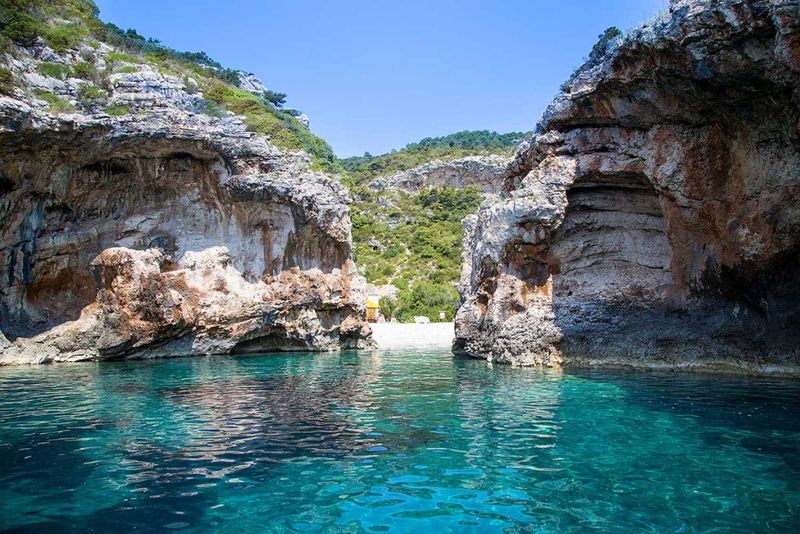
Distance from the mainland helps Vis keep a slower rhythm. Once restricted by its military role, the island now draws visitors with fishing villages, vineyards, and clear water.
Base yourself in Vis Town or Komiža, then choose outings without overloading your days. The Blue Cave lies on nearby Biševo, and boat trips depend on sea conditions.
Stiniva Bay is beautiful, but its steep walking approach is demanding. Consider a responsible boat visit rather than scrambling downhill.
12. Brač: A Beach With a Changing Shape
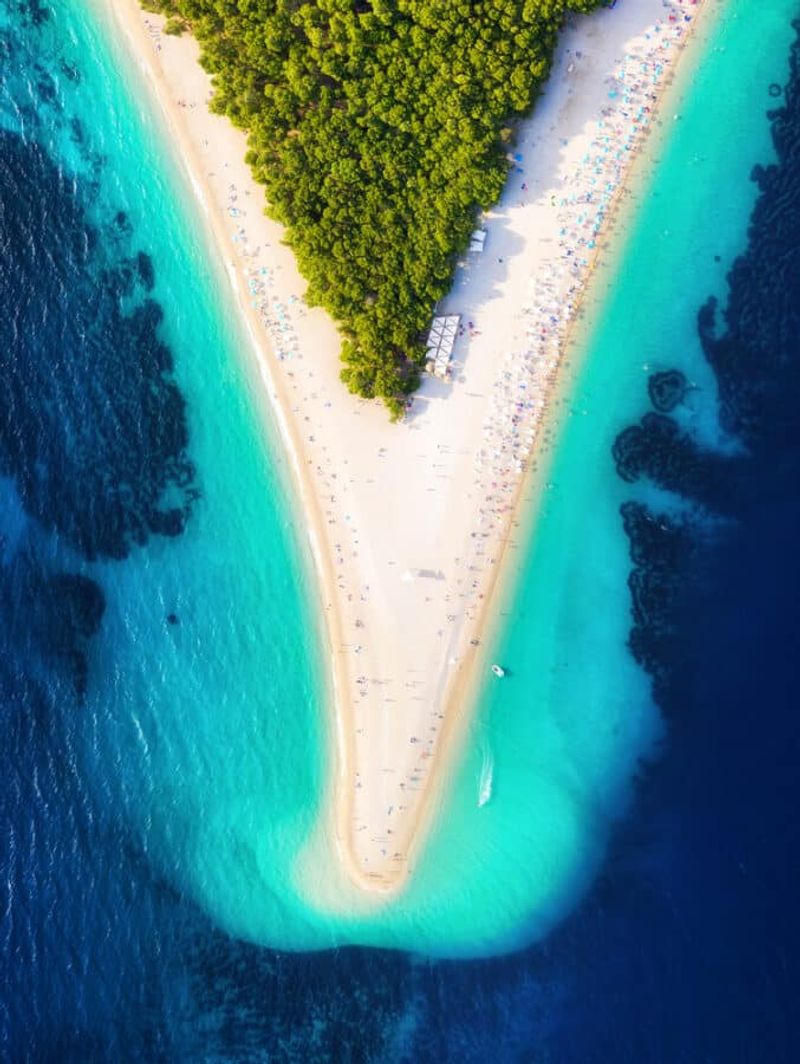
A pointed ribbon of pale pebbles reaches into blue water at Zlatni Rat. Near Bol on Brač, this famous beach changes shape with waves, winds, and currents.
Bring water shoes for the pebbles and expect crowds in summer. Beyond the beach, explore stone villages or head toward Vidova Gora for island views.
Ferries from Split make Brač accessible, but arrival ports matter: reaching Bol from Supetar requires an onward journey across the island by road afterward.
13. Šibenik: Cathedral Craft and Fortress Views
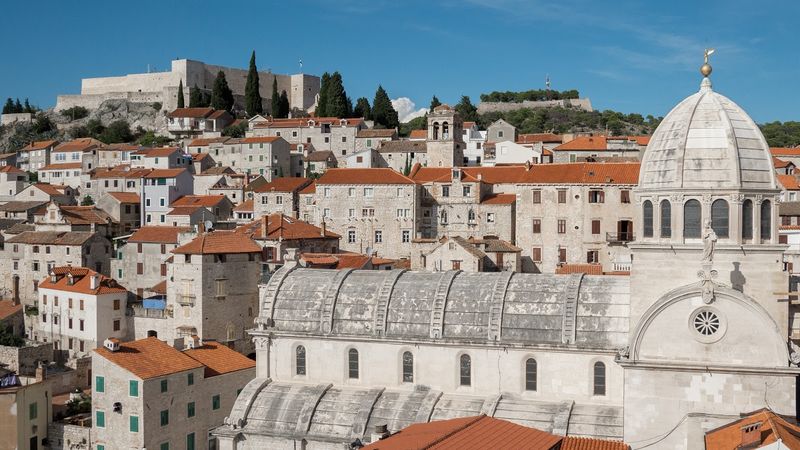
Stone steps lead to unexpected squares in Šibenik’s old town. Its standout sight, the Cathedral of St. James, has UNESCO status and remarkable stone construction.
Look closely at the carved faces outside, then choose a fortress for views over rooftops and sea. St. Michael’s Fortress also hosts performances, so check the program if an evening show appeals.
The city pairs naturally with Krka National Park, though spending a night gives its streets time to win you.
14. Trogir: Centuries Packed Onto One Island
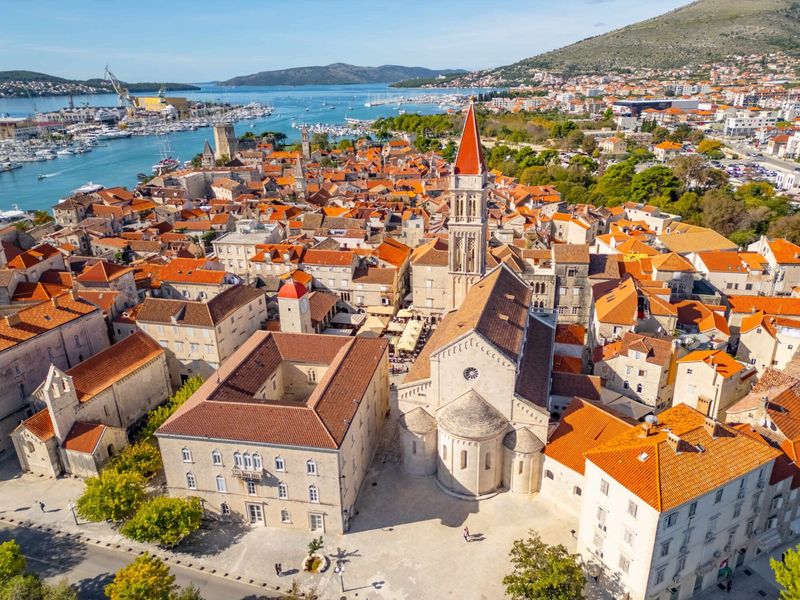
Cross a short bridge and centuries seem packed into a tiny island. Trogir’s UNESCO listed historic center blends Romanesque, Gothic, Renaissance, and Baroque buildings within an easy walking area.
Seek out the carved entrance of the Cathedral of St. Lawrence, then consider climbing its bell tower if heights suit you. The waterfront offers a breezier place to pause afterward.
Visit early or stay overnight to enjoy the lanes before or after the busiest day trip hours.
15. Mljet National Park: Lakes Beneath the Pines
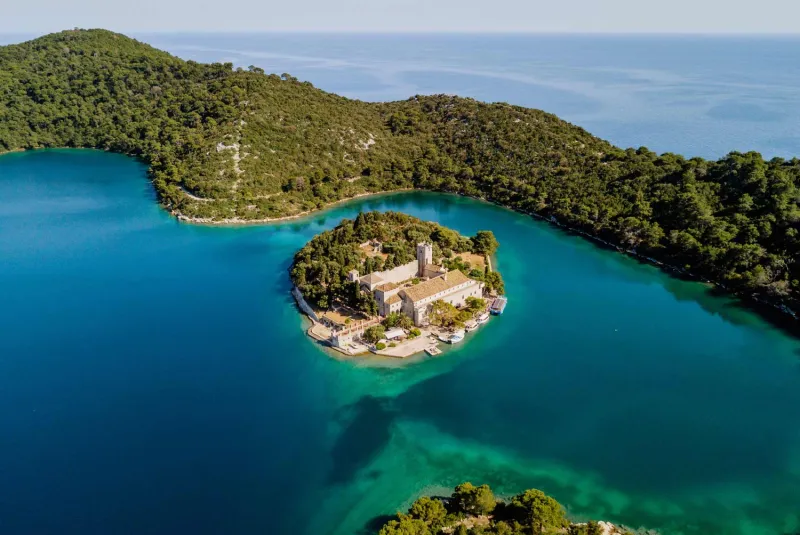
Pine scent and still water set the mood on Mljet’s western end. The national park surrounds two saltwater lakes, with walking and cycling routes through a richly wooded landscape.
Allow time to see the monastery on St. Mary’s islet in the larger lake, checking boat arrangements first. Bring drinking water and choose manageable distances in hot weather.
Ferry ports are spread around the island, so confirm your arrival point and onward transport before booking your trip.