
Relationships take real work, and sometimes we hurt them without even realizing it. Small habits, unspoken frustrations, and everyday choices can quietly chip away at the bond you share with your partner.
Knowing the warning signs is the first step toward making things better. Here are 20 honest signs that you might be getting in your own way.
1. You Shut Down Instead of Speaking Up

Silence can feel safe, but staying quiet when something bothers you rarely fixes anything. When you bottle up frustration or anger, those feelings don’t disappear – they build up over time.
Your partner cannot address what they don’t know about. Open, honest conversations, even uncomfortable ones, are what keep a relationship strong and moving forward together rather than apart.
2. Pulling Away Emotionally Without Explanation

Emotional withdrawal is one of the quieter ways a relationship gets hurt. When you stop sharing your feelings, leave texts unanswered, or only half-listen to your partner’s stories, you send a message that they don’t matter much.
Over time, that emotional gap widens. Staying present and engaged, even when life feels overwhelming, helps your partner feel valued and keeps the two of you genuinely connected.
3. Stretching the Truth or Hiding Things

Honesty is the foundation every healthy relationship is built on. Even small lies or half-truths can crack that foundation over time, making your partner wonder what else you might be hiding.
Sharing life’s highs and lows openly, even when it feels risky, builds the kind of trust that holds a relationship together through tough times. Choosing honesty, even when it’s hard, always pays off in the long run.
4. Letting Your Inner Critic Run the Show

A harsh inner voice doesn’t just hurt you – it spills into your relationship too. When you constantly feel unworthy or not good enough, you might start putting your partner down to avoid facing those feelings yourself.
Negative self-talk can turn into negative relationship talk faster than you’d expect. Working on how you see yourself helps you show up as a kinder, more supportive partner every single day.
5. Clinging Too Tight Out of Fear of Being Left

Worrying that your partner might leave someday is more common than people admit. But when that fear turns into constant checking, jealousy, or clinging, it can actually push them away instead of keeping them close.
Abandonment fears often come from past experiences, not from anything your partner has done wrong. Recognizing this pattern and working through it, possibly with a therapist, can free both of you from a cycle that hurts the relationship.
6. Refusing to Budge or Compromise

Wanting things your way all the time might feel like self-protection, but rigidity slowly suffocates a relationship. Healthy partnerships require give and take, and an unwillingness to meet in the middle signals that your comfort matters more than the team.
Flexibility doesn’t mean losing yourself. It means respecting that your partner’s needs are just as real as yours.
Small compromises, made consistently, build a relationship where both people feel genuinely heard.
7. Being Rude or Forgetting Basic Courtesy

It sounds simple, but manners matter in relationships. When the honeymoon phase fades, some people stop saying please, thank you, or sorry – and that shift is noticed.
Treating your partner with less courtesy than you’d show a stranger chips away at mutual respect over time. A kind tone, a small thank-you, or a genuine apology goes a long way.
Everyday politeness is actually one of the easiest ways to keep love alive.
8. Skipping Your Fair Share of Responsibilities

An uneven split of household duties creates quiet resentment that builds up fast. When one partner handles most of the chores, errands, or responsibilities while the other opts out, it stops feeling like a partnership.
Fairness doesn’t have to be a perfect 50/50 every single day, but both people should feel like they’re contributing. Checking in regularly about who handles what can prevent small imbalances from turning into big frustrations.
9. Depending on Your Partner for Absolutely Everything

Relying on your partner for emotional support is healthy – relying on them for everything is a different story. Over-dependence can feel smothering, leaving your partner with little room to breathe or maintain their own identity.
Codependency often sneaks up slowly. Building your own friendships, hobbies, and coping skills gives you independence that actually strengthens the relationship.
Two whole people together create a much healthier bond than two people who can’t function apart.
10. Keeping Score Like It’s a Competition

Relationships are not scoreboards. When you start mentally tallying who did what, who messed up last, or who sacrificed more, you shift from being teammates to being opponents.
Scorekeeping poisons even strong relationships because someone always feels they’re losing. A healthier approach is focusing on what you can give rather than what you’re owed.
Letting go of the tally sheet creates space for genuine generosity and trust to grow between you both.
11. Hinting Instead of Saying What You Actually Need
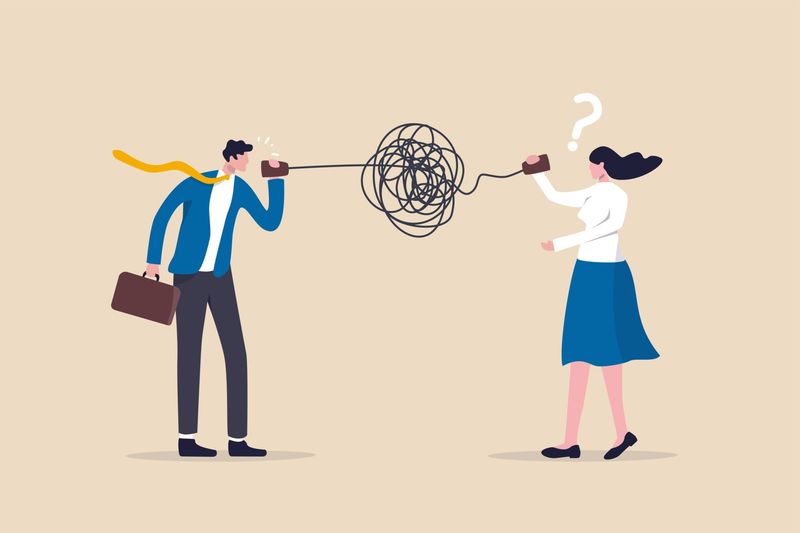
Sarcasm, hints, and expecting your partner to magically read your mind are recipes for misunderstanding. Passive communication might feel safer than being direct, but it usually leads to unmet needs and avoidable arguments.
Your partner genuinely wants to make you happy – but they can’t do that without knowing what you actually need. Practicing clear, calm, direct communication is a skill worth building.
Speaking up honestly is an act of respect for both yourself and your partner.
12. Letting Your Phone Come Between You

Phones and devices are everywhere, but constantly reaching for yours during time with your partner sends a clear message – something else is more interesting than they are. That feeling stings, even when it’s not intentional.
Try setting boundaries around screen time, like phones away during meals or the first hour at home. Small digital boundaries show your partner they have your real attention.
Presence is one of the most powerful gifts you can offer someone you love.
13. Forgetting the Small Gestures That Mean Everything

Early in a relationship, little surprises and compliments come naturally. Over time, many couples let those small acts of kindness fade, not out of cruelty, but out of routine and comfort.
The problem is that those tiny gestures carry enormous emotional weight. A sincere compliment, an unexpected thank-you, or a small surprise reminds your partner that you still see them and appreciate them.
Neglecting these moments quietly signals that the spark matters less than it once did.
14. Making Your Partner Feel Small or Unimportant

Subtle put-downs, backhanded compliments, or jokes that sting a little too much all chip away at your partner’s confidence. Sometimes this behavior comes from a hidden belief that if they feel smaller, you feel bigger – but that’s a trap.
Relationships thrive when both people feel celebrated, not shrunk. Catching yourself before making a cutting remark, and choosing encouragement instead, shifts the entire dynamic.
Your partner’s wins should feel like your wins too, not a threat to manage.
15. Showing Contempt or Dismissing Their Feelings

Contempt – a mix of anger and disgust – is one of the biggest warning signs in any relationship. Rolling your eyes, using dismissive language, or talking down to your partner signals that you see them as beneath you.
Research from relationship experts consistently shows that contempt is a top predictor of relationship failure. Catching dismissive habits early and replacing them with curiosity and respect can literally save a relationship before it reaches a breaking point.
16. Creating Distance to Protect Yourself from Hurt

Putting up emotional walls might feel like self-preservation, but it usually backfires. When you create distance to avoid getting hurt, your partner experiences that withdrawal as rejection or indifference.
Ironically, pushing someone away to protect yourself often brings about the very outcome you feared – losing them. Vulnerability is genuinely scary, but it’s also the only real path to closeness.
Letting your guard down, little by little, is where real intimacy actually begins to grow.
17. Going Through the Motions Instead of Truly Connecting

Psychologists call it a fantasy bond – when the idea of being a couple replaces the actual feelings of love and passion. You follow the routines, share a home, maybe even say the right things, but genuine connection has quietly slipped away.
Comfort and habit are not the same as intimacy. Shaking up routines, having real conversations, and pursuing shared experiences can reignite what fades when life gets too predictable.
A relationship needs active tending, not just maintenance.
18. Dragging Up Old Fights During New Arguments

Bringing unrelated past hurts into a current disagreement is sometimes called kitchen-sink thinking – you throw everything in at once. It might feel satisfying in the moment, but it almost always makes things worse.
When old grievances pile onto a fresh argument, the real issue gets buried. Your partner feels attacked rather than heard, and resolution becomes nearly impossible.
Sticking to one topic at a time keeps conversations productive and prevents small disagreements from turning into full-blown relationship crises.
19. Never Speaking Up About What You Actually Need

Keeping your needs to yourself might seem considerate, but it’s actually a setup for resentment. When you never ask for what you need, those unmet needs don’t vanish – they quietly accumulate into frustration and distance.
Fear of rejection or low self-esteem often drives this pattern. Your needs are valid and worth expressing.
A partner who loves you genuinely wants to know what matters to you. Speaking up honestly gives the relationship a real chance to grow and satisfy both of you.
20. Dodging Accountability When Your Partner Raises a Concern

Shifting blame or steering the conversation elsewhere when your partner brings up a problem is a way of avoiding accountability. It might feel protective in the moment, but it signals that resolving issues matters less than being right.
Partners who consistently redirect or deflect leave the other person feeling unheard and frustrated. Staying in the conversation, even when it’s uncomfortable, shows emotional maturity.
Owning your part in a problem, even a small part, builds the kind of trust that holds a relationship together long-term.