
Some characters on TV and in movies spend most of their time frowning, complaining, and making everyone around them a little miserable. But somehow, those are the exact same characters we end up rooting for the most.
There is something about a good grump that feels real, funny, and even oddly comforting. Get ready to revisit some of the most lovable sourpusses in entertainment history.
1. Fred Sanford – Sanford and Son
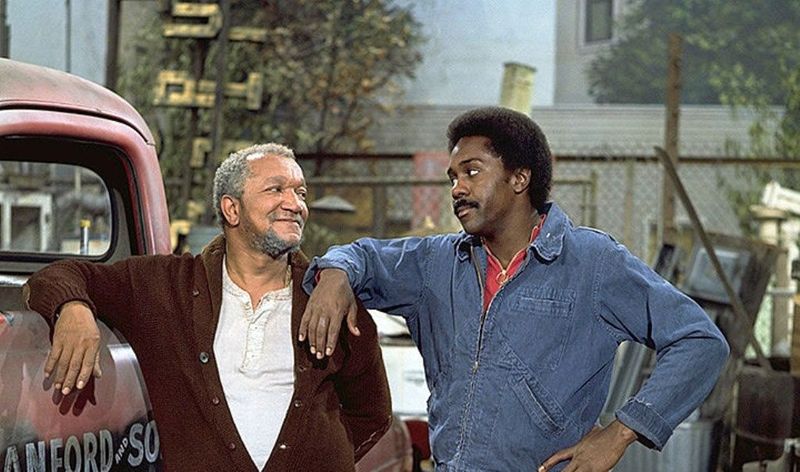
Nobody insulted people quite like Fred Sanford, and yet nobody made you laugh harder while doing it. Redd Foxx brought this junkyard dealer to life with such sharp comic timing that even his cruelest zingers felt like a warm hug in disguise.
Fred had a complaint for every occasion and a fake heart attack ready for emergencies. Beneath all the grumbling, you could always sense his fierce love for his son Lamont.
That hidden tenderness is exactly what made Fred unforgettable.
2. Nick Miller – New Girl
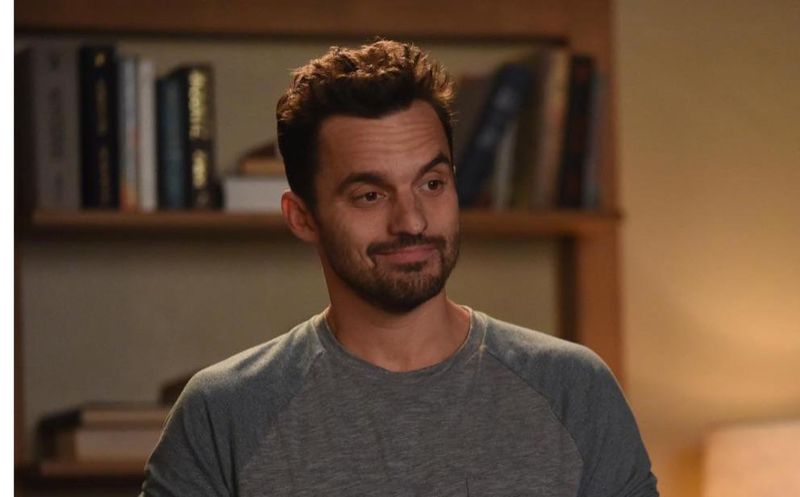
Nick Miller once said he had “a lot of emotions and nowhere to put them,” and honestly, that describes him perfectly. He approached almost every task, from writing a novel to doing laundry, with maximum reluctance and minimum enthusiasm.
What made Nick so endearing was his complete lack of pretense. He never tried to be someone he was not, and that raw honesty was oddly refreshing.
Jake Johnson played him with such relatable awkwardness that fans could not help cheering for the guy.
3. Archie Bunker – All in the Family
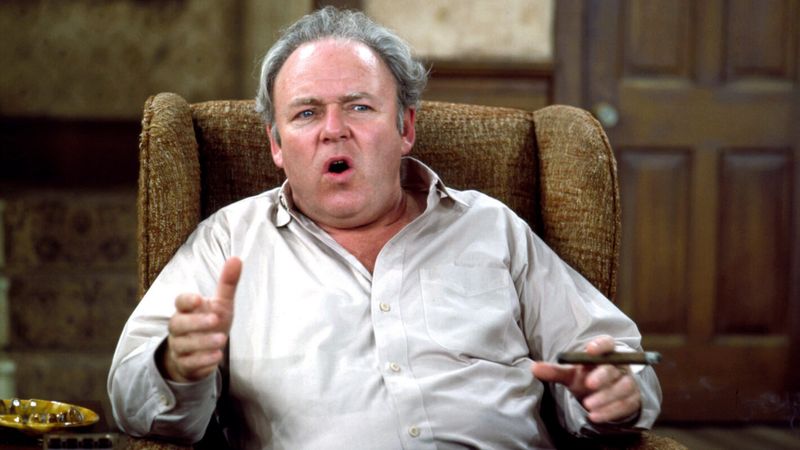
Archie Bunker was the king of the living room rant, and his chair was basically a throne for complaining. Carroll O’Connor played him as a stubborn, opinionated working-class man who pushed back against every change the 1970s threw at him.
The genius of Archie was that the show never let him fully win. His rants were funny, but the writing made sure audiences saw through them.
Somehow, even when he was wrong, he felt painfully, hilariously human.
4. Red Forman – That ’70s Show
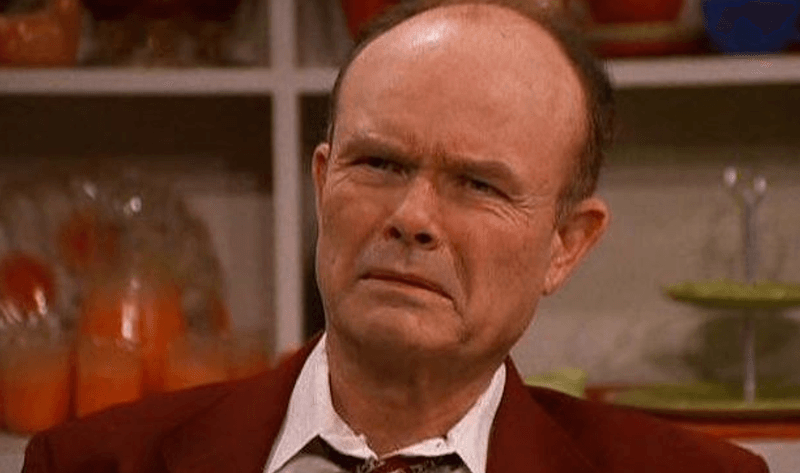
Red Forman had a signature threat involving his foot and someone’s backside, and he delivered it with such deadpan conviction that it became one of TV’s most quoted lines. Kurtwood Smith gave Red a gruff exterior that could crack stone.
But Red’s tough-love style came from a genuine place. He wanted his son Eric to grow up strong, even if his methods involved more sarcasm than encouragement.
When Red showed warmth, even briefly, it hit audiences like a freight train.
5. Sue Sylvester – Glee
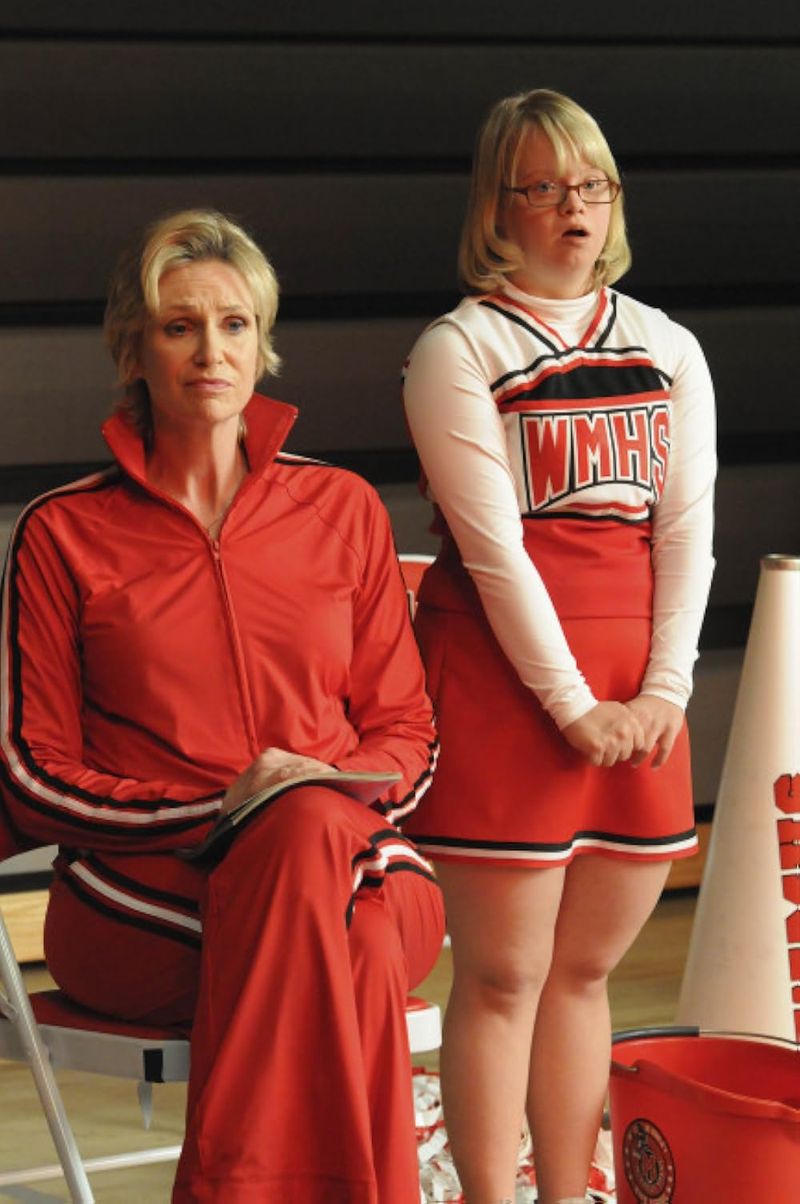
Sue Sylvester treated kindness like it was a personal insult. Jane Lynch played her as a cheerleading coach whose entire personality seemed built around making other people miserable, especially the glee club.
Her one-liners were so spectacularly mean that they looped right back around to being hilarious. Underneath the tracksuit and the ruthless scheming, tiny glimpses of humanity would peek through, particularly in scenes with her sister.
Those rare soft moments made Sue’s armor feel earned rather than just cartoonish.
6. Jay Pritchett – Modern Family

Ed O’Neill brought Jay Pritchett to life as a man who grumbled his way through every family gathering but quietly showed up for every single one. Jay struggled with change, new ideas, and basically anything invented after 1985.
What made him so watchable was his slow, reluctant growth over the years. He softened without losing his edge, and his love for his blended family came through in small, gruff gestures rather than big speeches.
Jay proved that curmudgeons can absolutely evolve.
7. Al Bundy – Married with Children
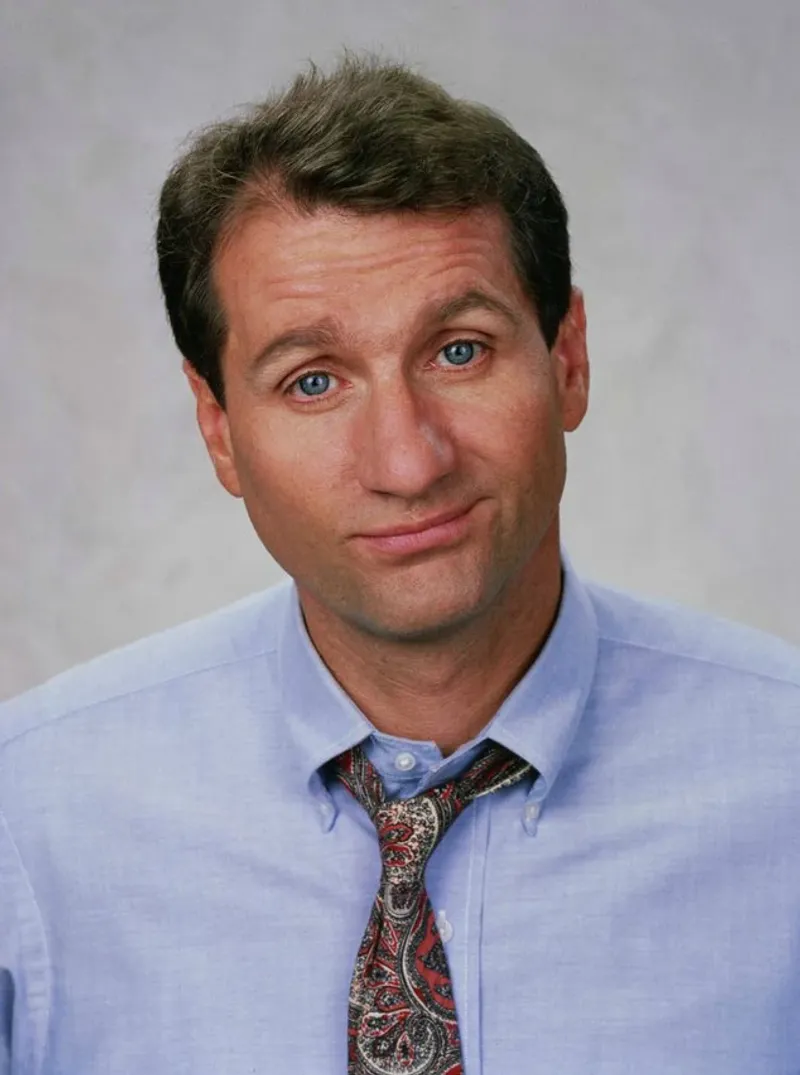
Al Bundy turned misery into an art form. A former high school football star reduced to selling women’s shoes, Al faced every single day with a spectacular level of gloom that somehow never stopped being funny.
Ed O’Neill, before his Modern Family days, made Al a symbol for anyone who ever felt life had not gone according to plan. Al complained constantly, but he also stayed.
He kept showing up, and that stubborn loyalty beneath the self-pity made him oddly easy to root for.
8. Dr. Gregory House – House M.D.

Hugh Laurie played Dr. House as a medical genius who treated patients like puzzles and people like annoyances. His contempt for small talk, rules, and basic social norms was legendary, and his sarcasm could strip paint off walls.
Yet House solved cases nobody else could crack, and that brilliance kept audiences hooked. Every now and then, his mask would slip just enough to reveal genuine pain underneath.
Watching him struggle with his own humanity was just as gripping as any medical mystery on the show.
9. Stanley Hudson – The Office
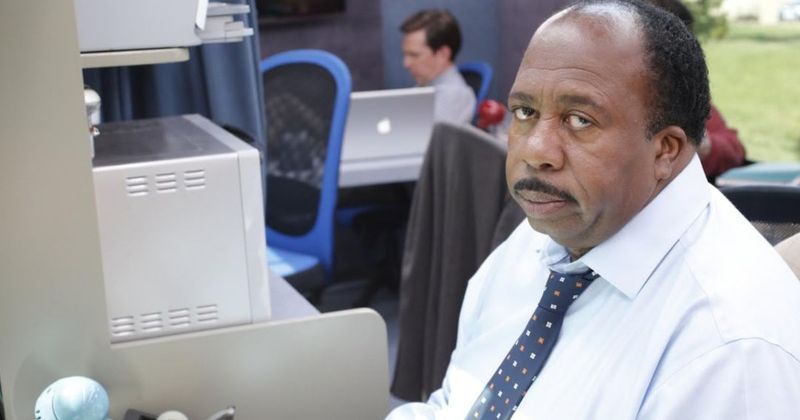
Stanley Hudson had exactly zero patience for Dunder Mifflin, for Michael Scott, and for most of what happened before 5 p.m. His expressions alone could communicate entire novels of frustration without a single word.
But Stanley had layers. He loved his crossword puzzles, his pretzels, and his quiet moments of peace.
The Office writers gave him enough human detail that his grumpiness felt earned rather than mean. When Stanley actually laughed, it felt like a reward, and audiences treasured every single one of those rare moments.
10. Lois Wilkerson – Malcolm in the Middle
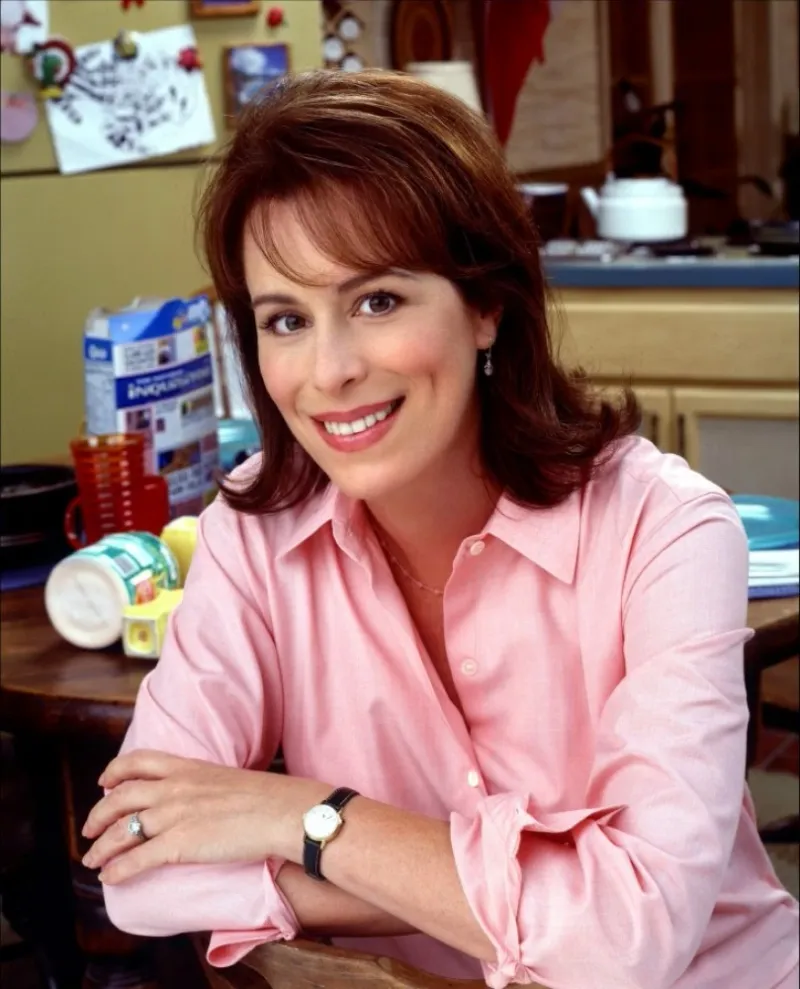
Her own sons once described Lois as an “overbearing cruel she-beast,” and she wore that title like a badge of honor. Jane Kaczmarek played her as a woman pushed to the absolute limit by five boys who never stopped finding new ways to cause chaos.
Lois was controlling, loud, and relentless, but she was also the only thing holding the Wilkerson household together. Her ferocious energy came from love, even when it looked a lot like fury.
She was the kind of mom who would fight a bear and win.
11. George Wilson – Dennis the Menace
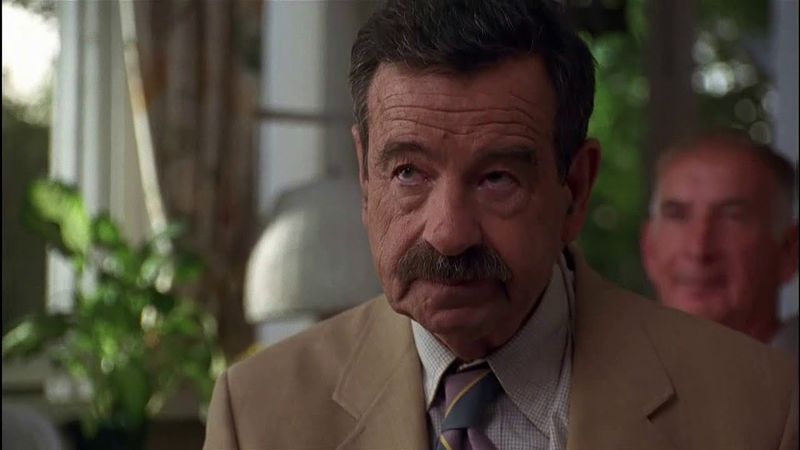
Poor George Wilson never asked to live next door to Dennis Mitchell. He just wanted a quiet life, a tidy yard, and maybe a moment of peace.
Instead, he got chaos delivered fresh every single day by his pint-sized neighbor.
What made George so lovable was how much he clearly cared despite all his grumbling. He could have moved, but he never did.
His ongoing battle with Dennis became one of TV’s most charming odd-couple dynamics, and his exasperated sighs became almost as iconic as Dennis himself.
12. Grumpy – Snow White and the Seven Dwarfs

He literally had “grumpy” as his name, so there were no surprises there. From the moment Snow White showed up at the cottage, Grumpy made his feelings crystal clear: he wanted absolutely nothing to do with her or her cheerfulness.
Disney’s 1937 classic gave Grumpy the best arc of all seven dwarfs. His reluctant warming toward Snow White was slow, believable, and genuinely moving.
By the end, he was the one most heartbroken by her fate, proving that the biggest grumps sometimes feel things the deepest.
13. Oscar the Grouch – Sesame Street
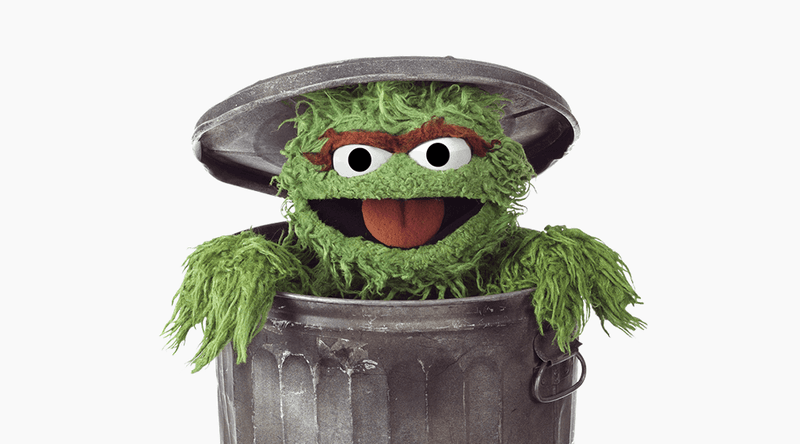
Oscar the Grouch chose to live in a trash can and made it very clear that he preferred it that way. He did not want friends, he did not want singing, and he definitely did not want anyone telling him to have a nice day.
Yet generations of kids absolutely adored him. Oscar taught children that it is okay for people to be different, even grouchy, and still deserve respect.
His consistent crankiness was somehow comforting, like a reminder that not everyone has to sparkle to still belong in the neighborhood.
14. The Grinch – How the Grinch Stole Christmas
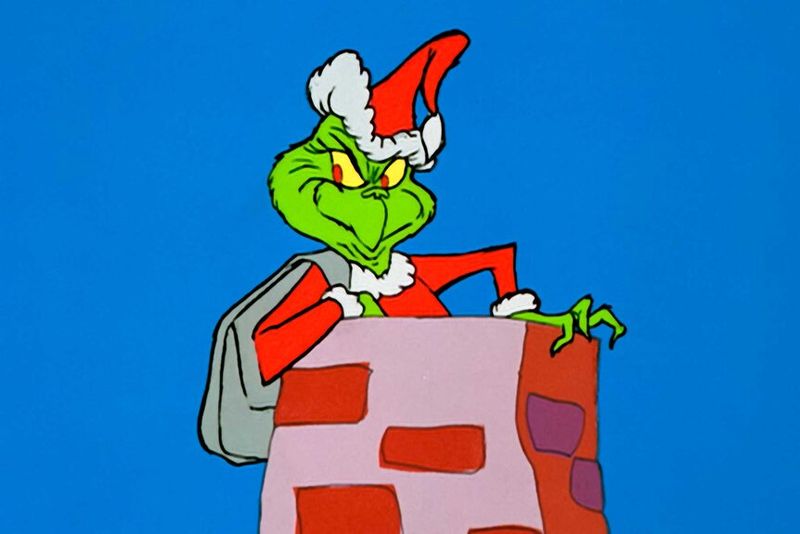
His heart started out two sizes too small, and he had a full plan to ruin Christmas for an entire town. The Grinch is one of fiction’s most committed grumps, a character who took his bad mood and turned it into an elaborate heist operation.
Dr. Seuss created something remarkable here. The Grinch’s transformation at the end feels genuinely earned because his bitterness felt real, not just cartoonish.
Whether you prefer the animated classic or Jim Carrey’s wild live-action version, the Grinch remains one of the most satisfying redemption arcs in holiday storytelling.
15. Squidward Tentacles – SpongeBob SquarePants
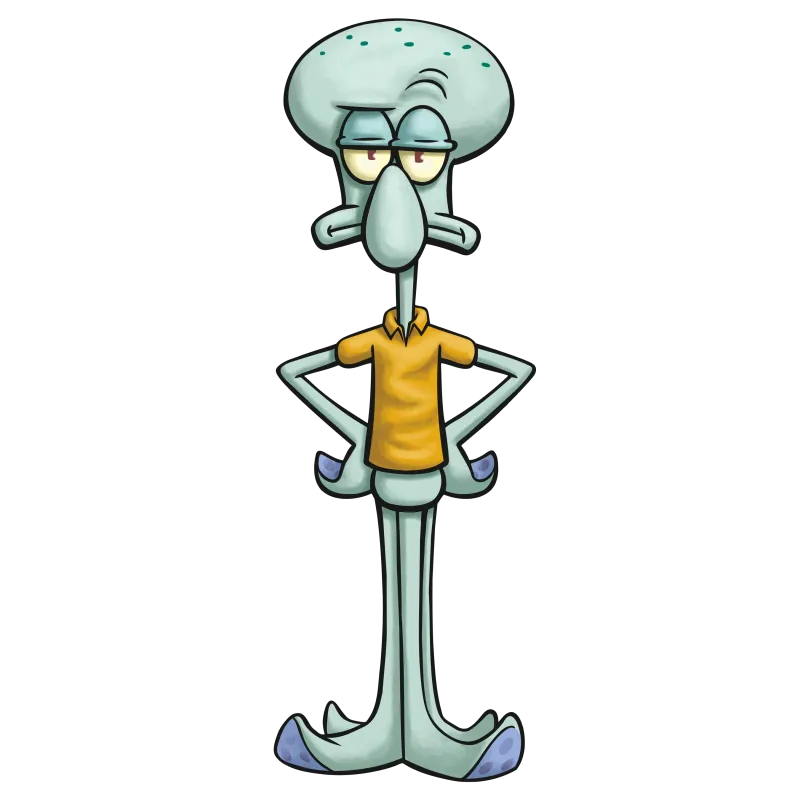
Squidward hated his job, his neighbors, his town, and most mornings. He dreamed of being a celebrated artist while working a cash register, which is a kind of tragedy that many adults find surprisingly relatable.
SpongeBob SquarePants positioned Squidward as the show’s straight man, but he ended up stealing scenes constantly. His exaggerated misery and wounded pride created comedy gold.
Kids laughed at him, but older viewers often saw a little of themselves in his frustrated ambitions and his inability to just enjoy the moment.
16. Carl Fredricksen – Up
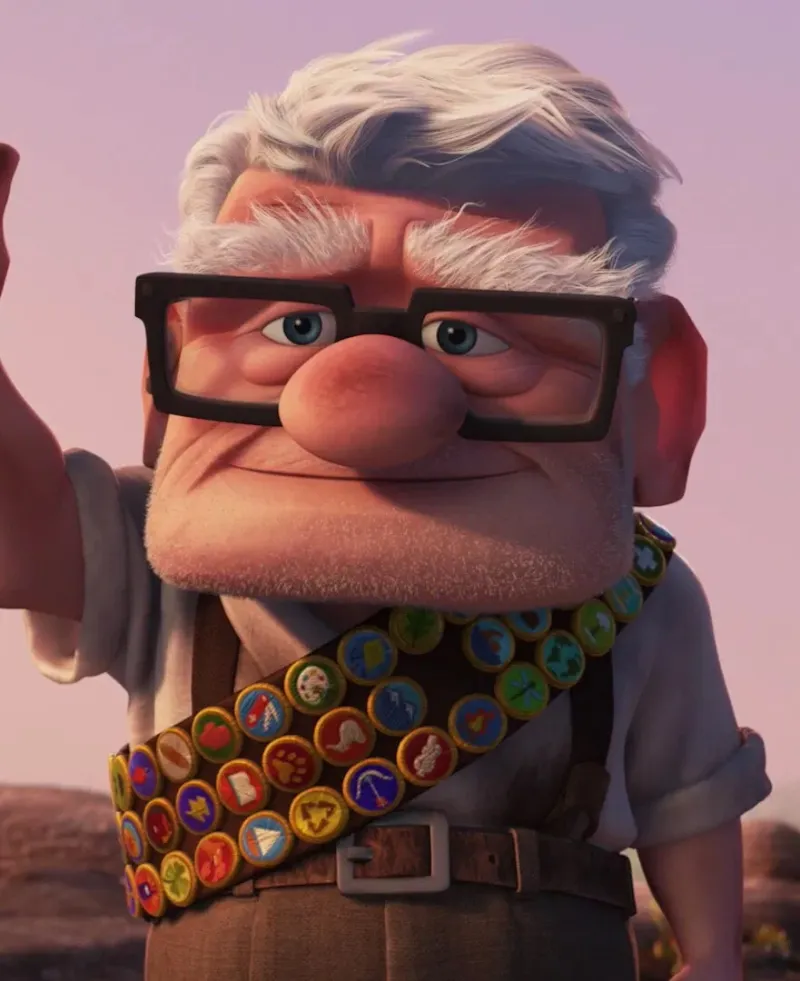
Carl Fredricksen spent the first act of Pixar’s Up being the kind of old man who yells at kids to stay off his lawn, and audiences completely understood why. He was grieving, lonely, and holding onto a house full of memories with both hands.
What Pixar did with Carl was quietly brilliant. His grumpiness was never played as a character flaw to fix, but as a shield around a broken heart.
Watching that shield slowly come down over the course of the film is one of animation’s most genuinely emotional journeys.
17. Moe Szyslak – The Simpsons
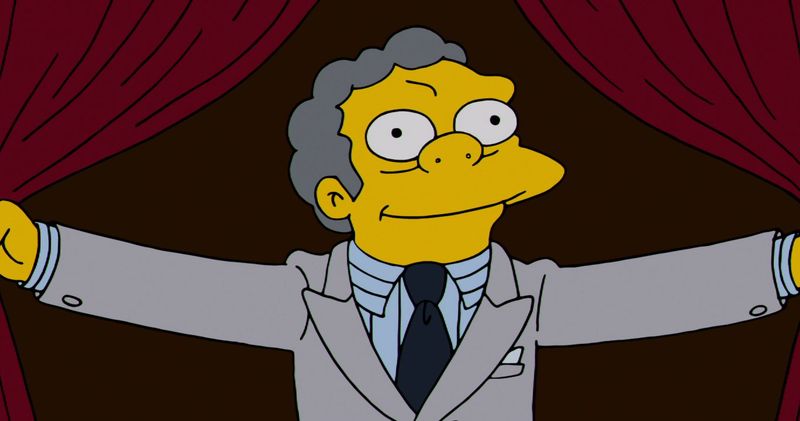
Moe’s Tavern is not exactly a cheerful place, and Moe himself is not exactly a cheerful guy. He has been running a dingy bar in Springfield for decades, fielding prank calls and serving drinks to a town that barely notices him.
What gives Moe his charm is the sadness just below the surface of all that grumbling. He wants connection, respect, and maybe just one good day, and he almost never gets any of it.
His persistence in the face of constant disappointment makes him one of The Simpsons’ most quietly touching supporting characters.