
Some books bring people together, but others split readers right down the middle. Whether it is the dark themes, the unusual writing style, or a story that challenges what you believe, certain books spark strong opinions on both sides.
People either finish them feeling moved and amazed, or they put them down feeling frustrated and confused. Here are 16 books that have sparked some of the biggest reading debates around.
1. The Catcher in the Rye by J.D. Salinger
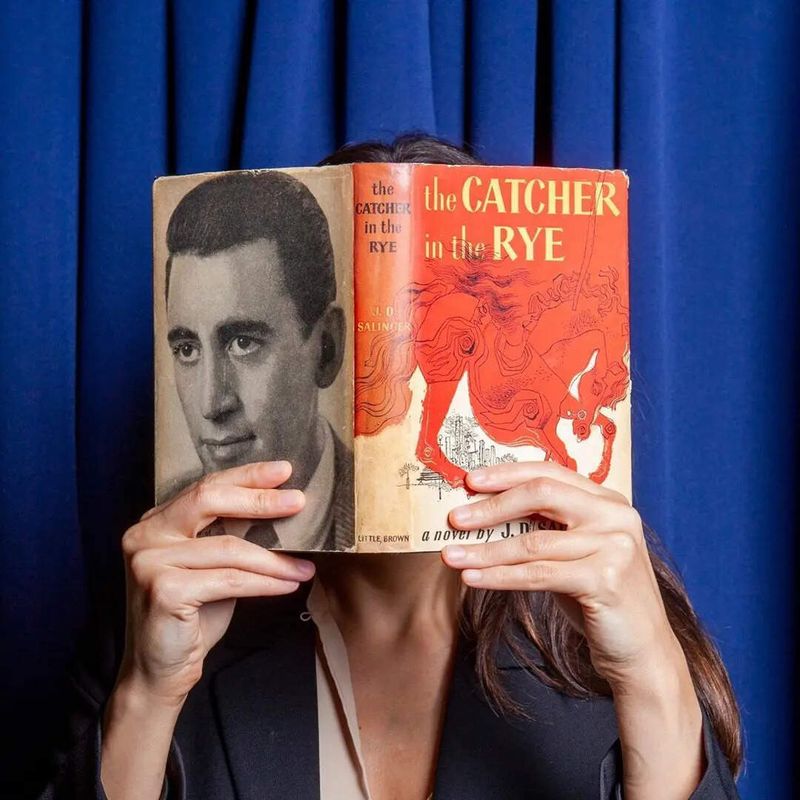
Few books have caused as much debate in school hallways and living rooms as this one. Holden Caulfield, the teenage narrator, is either the most relatable character ever written or one of the most annoying, depending on who you ask.
Fans love his raw honesty about growing up, while critics find his constant complaining exhausting. The book has been banned in many schools for its language and themes, which only adds to its legendary, rebellious reputation.
2. A Little Life by Hanya Yanagihara
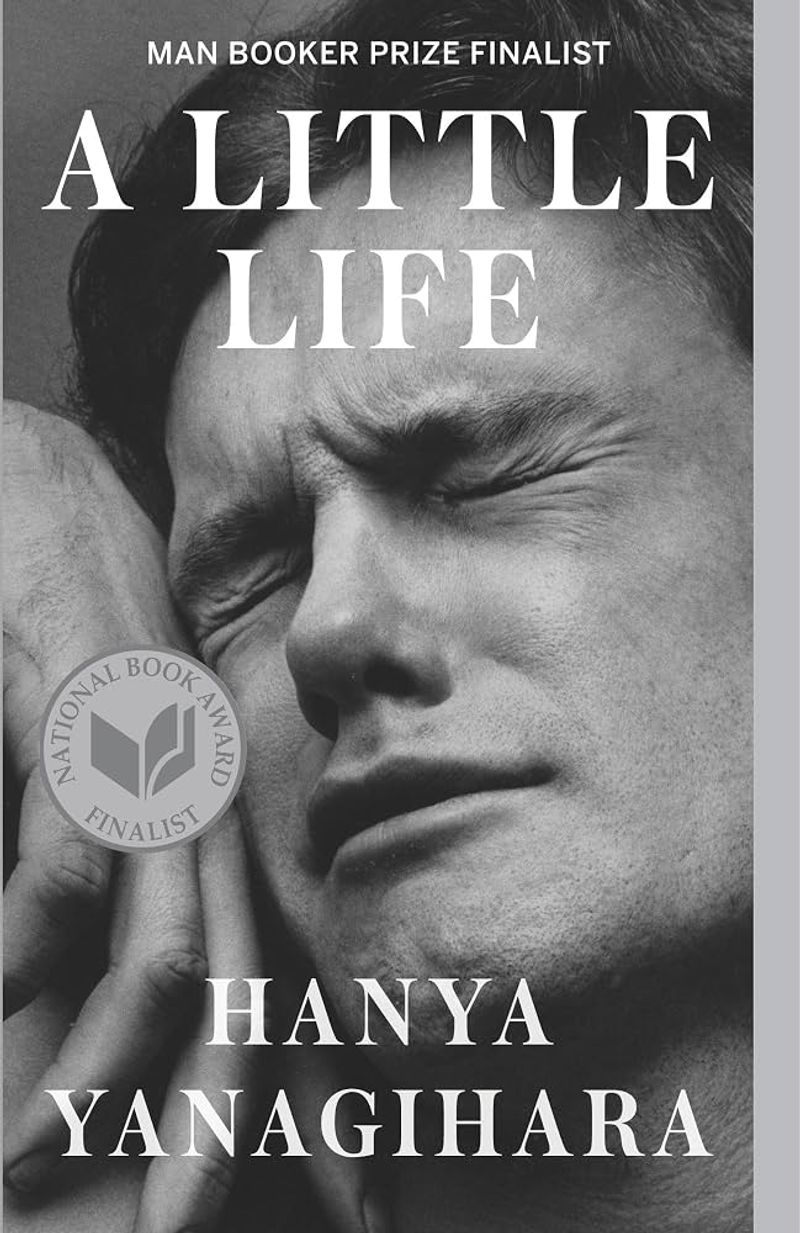
Weighing in at over 700 pages, this novel follows four friends in New York City, but it is the story of Jude St. Francis that truly shakes readers to their core. Some call it the most heartbreaking book they have ever read, a masterpiece of empathy and pain.
Others argue the suffering piled onto one character feels manipulative rather than meaningful. The writing is beautiful, but the content is brutally dark, making it a book that stays with you whether you loved it or not.
3. The Vegetarian by Han Kang
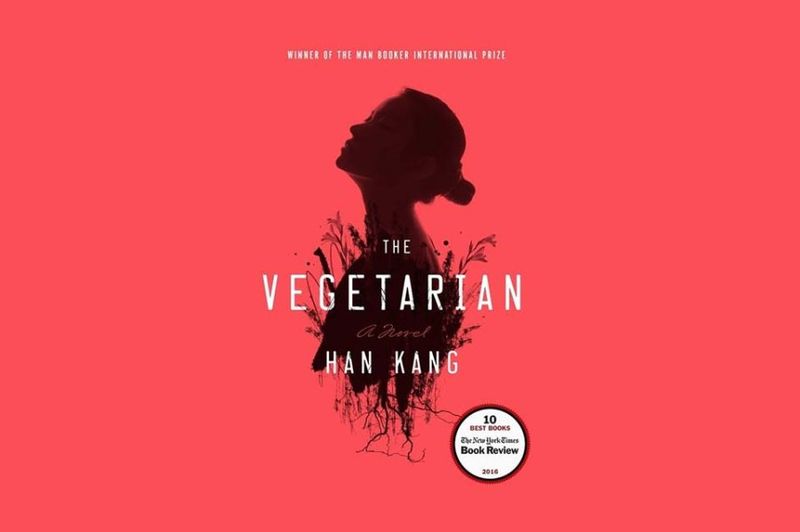
Han Kang’s slim but unsettling novel tells the story of a South Korean woman who suddenly stops eating meat, setting off a chain of disturbing events. Admirers praise it as a sharp, poetic look at social pressure, mental illness, and the female body.
Critics, however, find the story confusing and feel it goes nowhere meaningful. Winning the Man Booker International Prize in 2016 only fueled the debate, with some readers questioning whether the praise matched the actual reading experience.
4. The Starless Sea by Erin Morgenstern
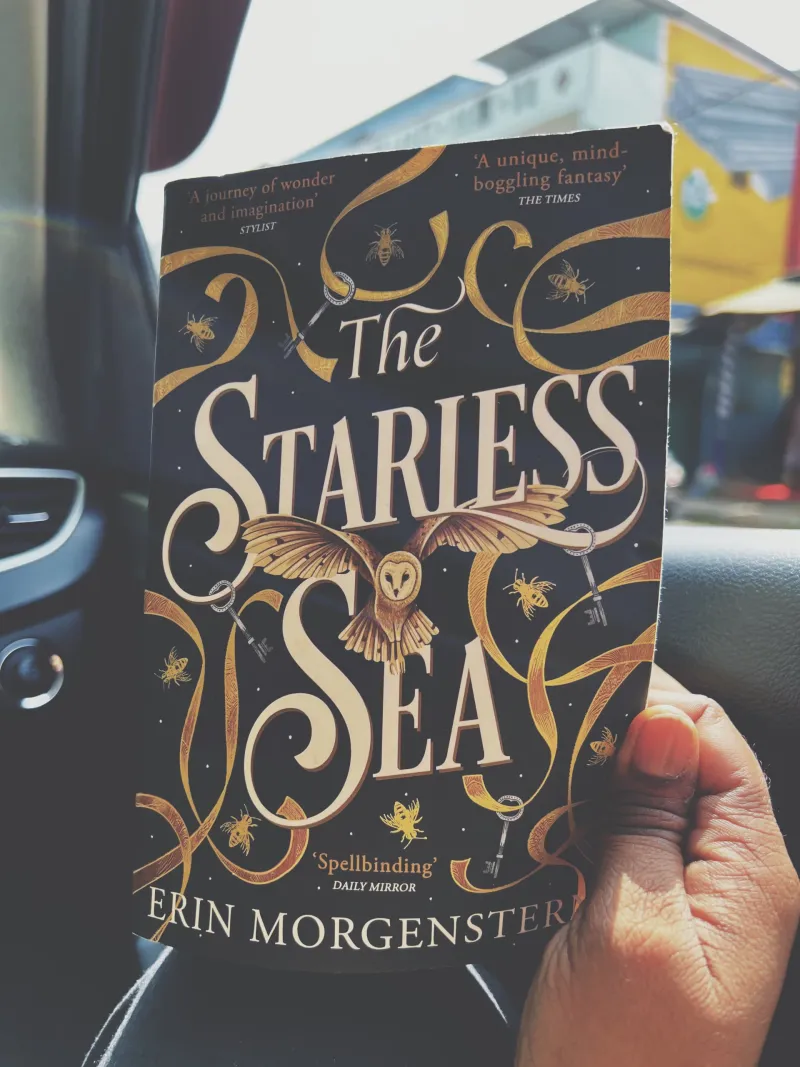
Imagine a story that feels like a dream you cannot quite hold onto. Morgenstern’s follow-up to The Night Circus sends readers into a labyrinth of fairy tales, mysteries, and underground libraries, with storylines that loop and spiral around each other.
Fans call it a magical, immersive experience unlike anything else. Others feel lost in the maze of plots that never fully connect.
Whether you find it enchanting or maddening often depends on how much you enjoy stories that prioritize atmosphere over a clear ending.
5. The Alchemist by Paulo Coelho
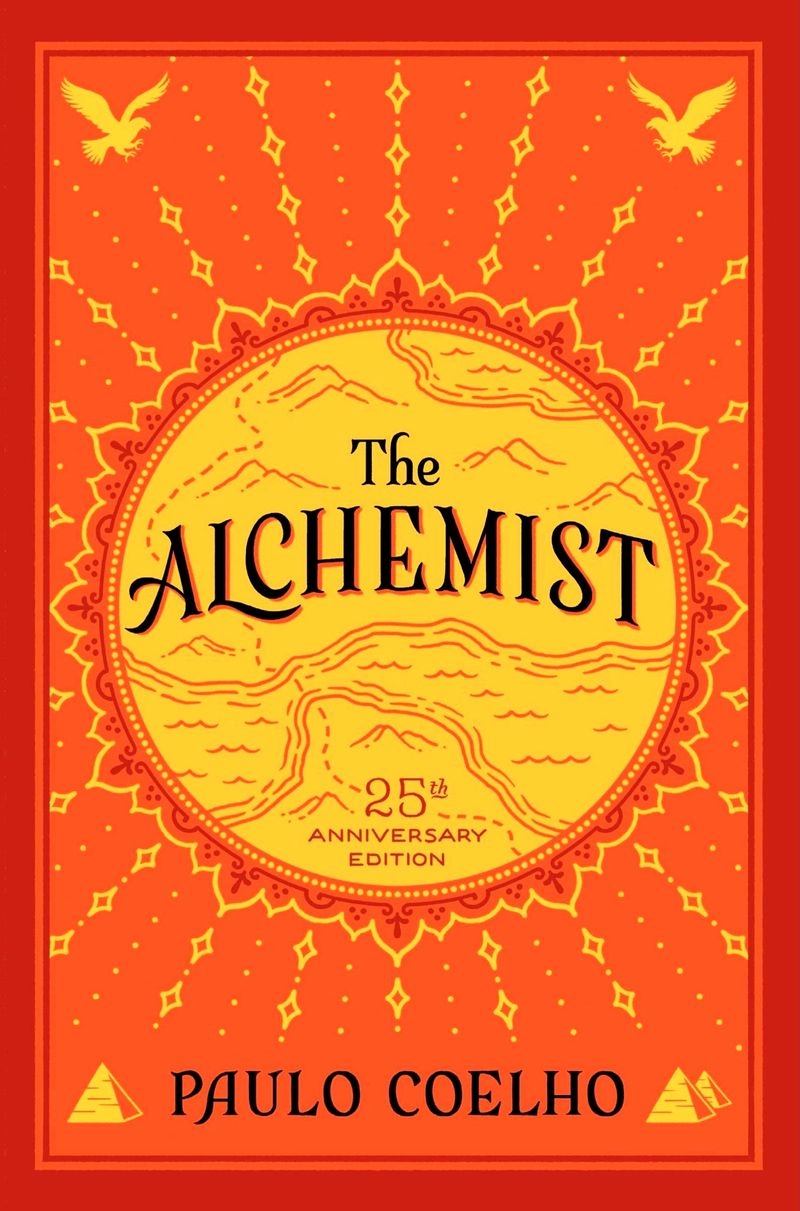
With over 65 million copies sold worldwide, The Alchemist is one of the best-selling books in history. Its simple story of a shepherd boy following his dreams sounds inspiring on the surface, and millions of readers swear it changed their lives.
Yet a vocal group of readers finds the philosophical lessons vague, repetitive, and a little too easy. Critics often describe it as fortune-cookie wisdom stretched across 200 pages.
Still, its massive fanbase proves that for many people, simple and hopeful hits exactly the right note.
6. American Psycho by Bret Easton Ellis
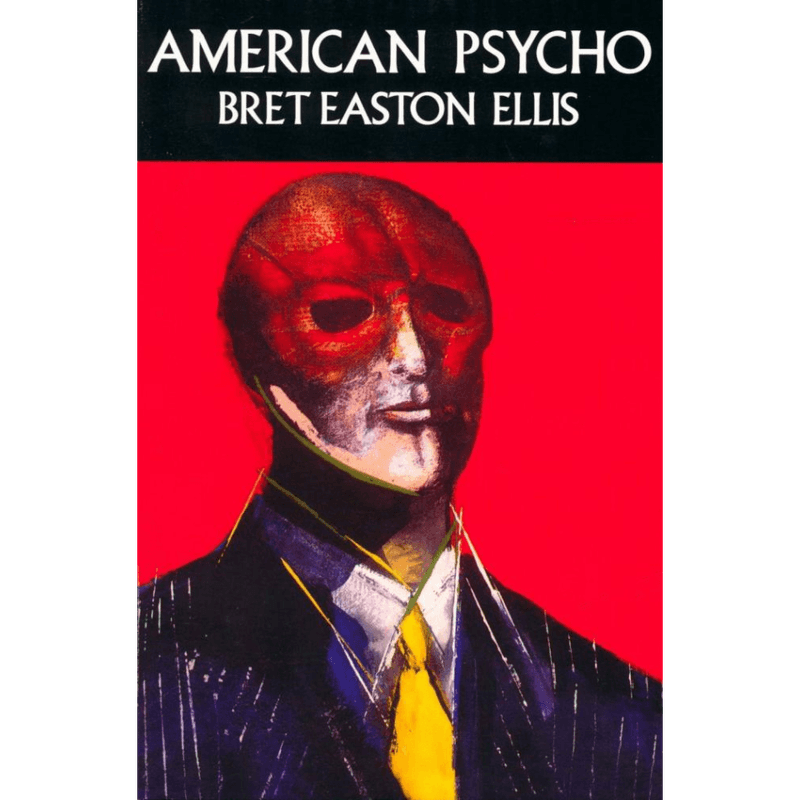
Published in 1991, this novel about a Wall Street banker who may or may not be a serial killer caused an immediate uproar. Some readers and critics see it as a brilliant, biting satire of 1980s consumer culture and male vanity.
Many others find the graphic violence scenes deeply disturbing and feel they cross a line that no literary merit can justify. The book was even banned in some countries.
Love it or hate it, nobody finishes American Psycho without a strong opinion.
7. A Clockwork Orange by Anthony Burgess
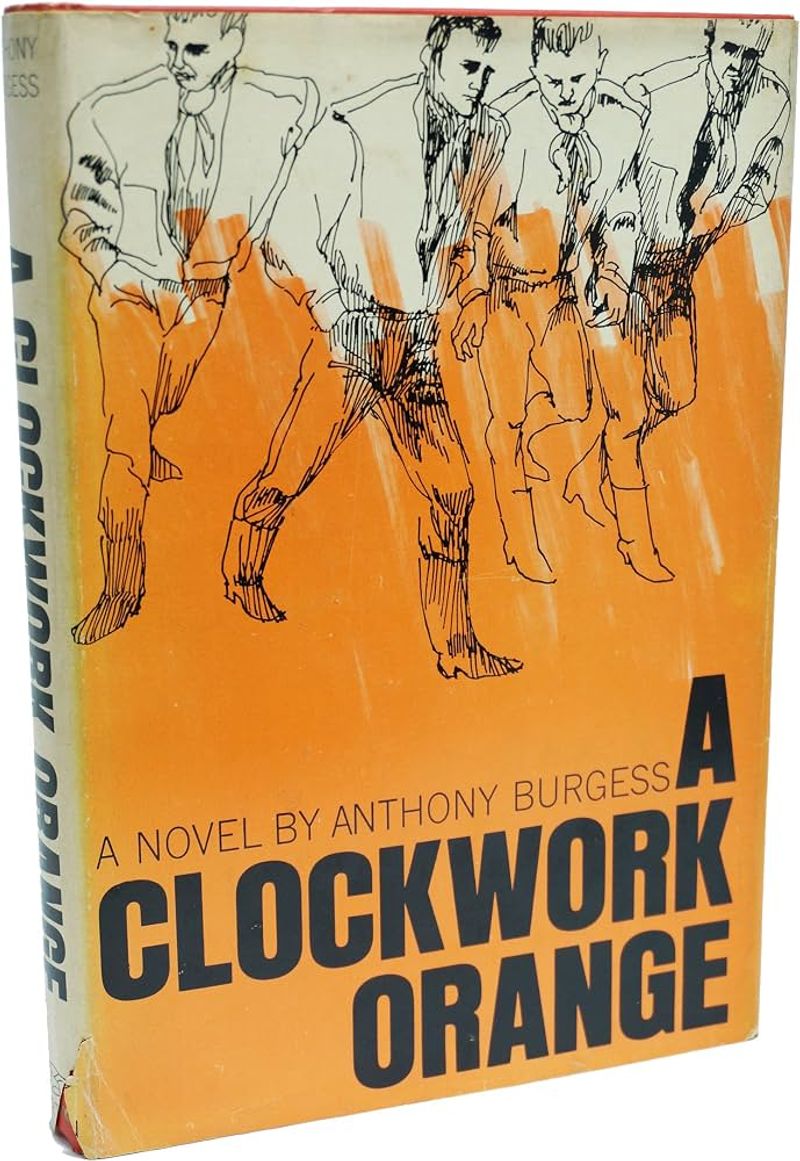
Written in 1962, this novel introduced readers to Alex, a violent teenage gang leader who speaks in a made-up slang called Nadsat. Burgess created over 200 invented words, which makes the book genuinely challenging to read at first.
Fans argue that pushing through the language barrier is worth it because the story raises serious questions about free will and morality. Critics feel the extreme violence is gratuitous and the invented language is more exhausting than clever.
Stanley Kubrick’s famous film adaptation only deepened the debate.
8. Wuthering Heights by Emily Bronte
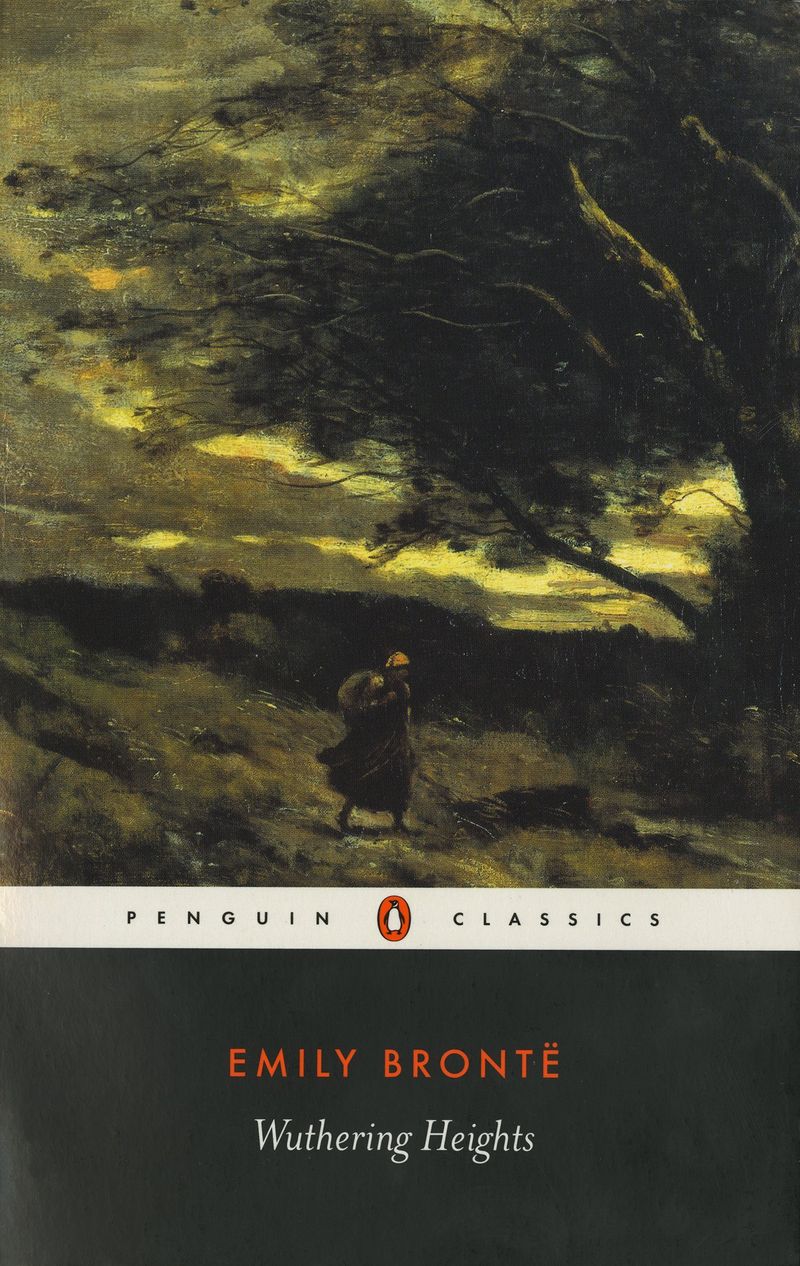
Ask any literature class what they think of Heathcliff and Catherine, and you will get two very different answers. Many readers find their stormy, obsessive relationship deeply romantic and emotionally powerful, the kind of love story that stays burned in your memory.
Others see it as a tale of toxic, abusive behavior dressed up as passion. Emily Bronte’s only novel gets mixed reactions even among fans of classic literature, with some preferring her sister Charlotte’s warmer, more grounded storytelling style.
9. Twilight by Stephenie Meyer
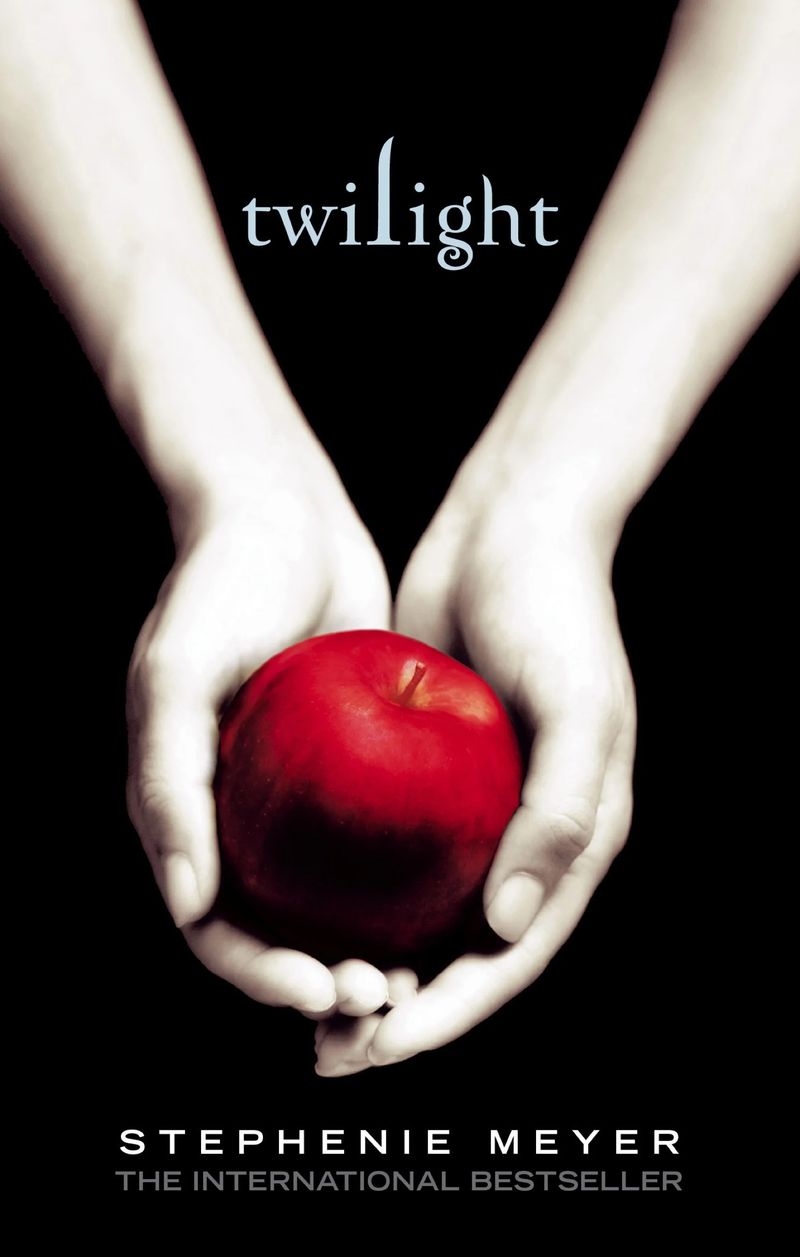
Few books have inspired fandoms as passionate or critics as vocal as this vampire romance series. Twilight’s devoted fans grew up with Bella and Edward, forming emotional connections to the story that still hold strong years later.
On the other side, many readers and literary critics argue the writing is weak and the relationship between Bella and Edward models unhealthy behavior. There truly is no middle ground here.
People who love it, love it fiercely, and people who dislike it are equally enthusiastic about saying so.
10. To Kill a Mockingbird by Harper Lee
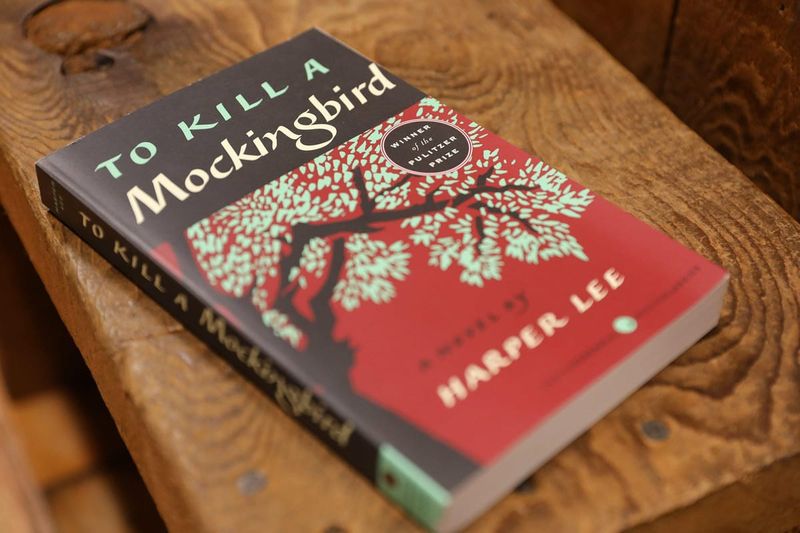
Harper Lee’s Pulitzer Prize-winning novel has been a classroom staple for decades. The story of young Scout Finch watching her father defend a Black man in the American South during the 1930s is widely praised for its moral clarity and compassion.
Critics, however, argue that the story centers a white savior narrative and does not fully honor the perspectives of its Black characters. Some schools have removed it from required reading lists.
Whether you see it as essential or outdated often depends on your own background and experiences.
11. Normal People by Sally Rooney
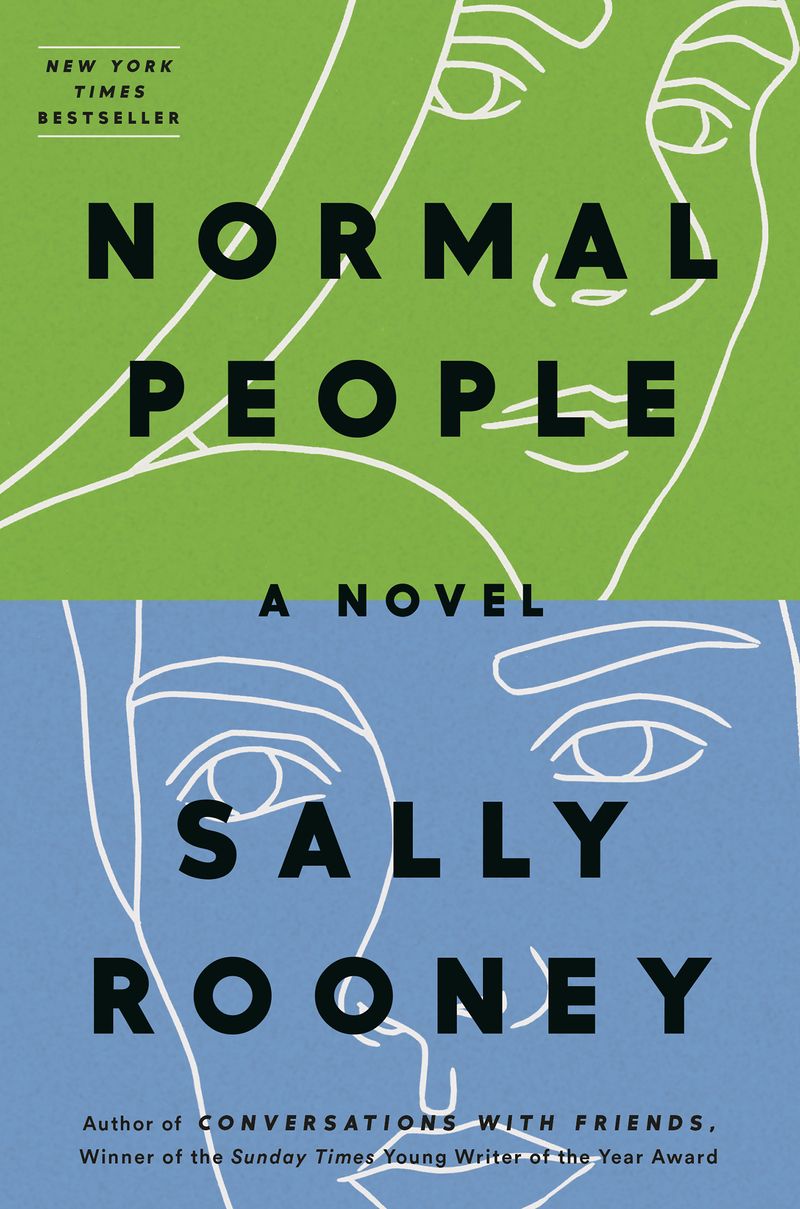
Sally Rooney’s second novel follows Connell and Marianne through a complicated, on-and-off relationship from high school into college in Ireland. Fans find it achingly honest and emotionally real, praising Rooney’s sharp observations about class, communication, and vulnerability.
Skeptics find the characters frustrating and hard to root for, wondering why two smart people cannot just talk to each other. The popular Hulu TV adaptation brought the debate to an even wider audience.
Rooney’s writing style, which skips quotation marks, is another detail that readers either find refreshing or maddening.
12. The Da Vinci Code by Dan Brown
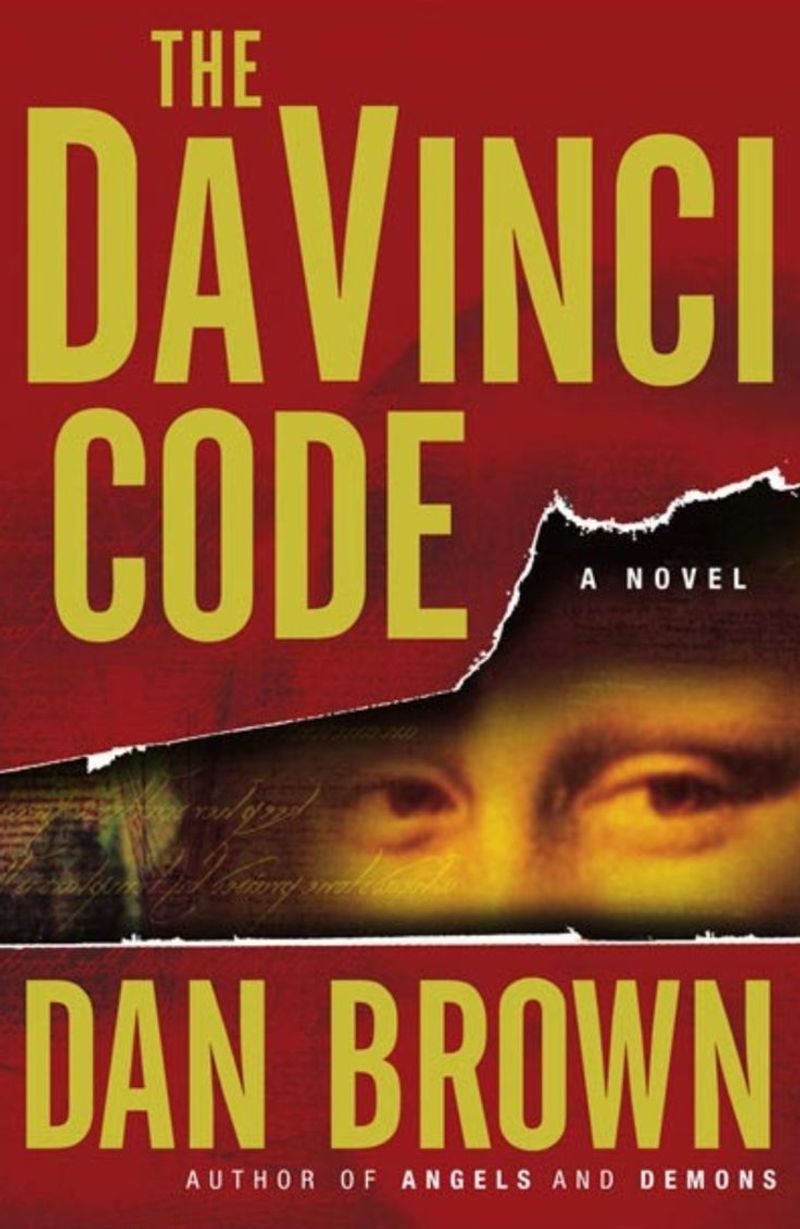
When this thriller came out in 2003, it became one of the fastest-selling novels in history. Millions of readers were hooked by its fast-paced mystery connecting secret societies, religious history, and famous artwork.
Literary critics, however, were far less impressed, frequently pointing to clunky writing, flat characters, and historical inaccuracies. Religious groups also took strong issue with its portrayal of the Catholic Church.
The funny thing is, the criticism did not slow it down at all. Over 80 million copies sold is hard to argue with, no matter what reviewers say.
13. Eleanor Oliphant Is Completely Fine by Gail Honeyman
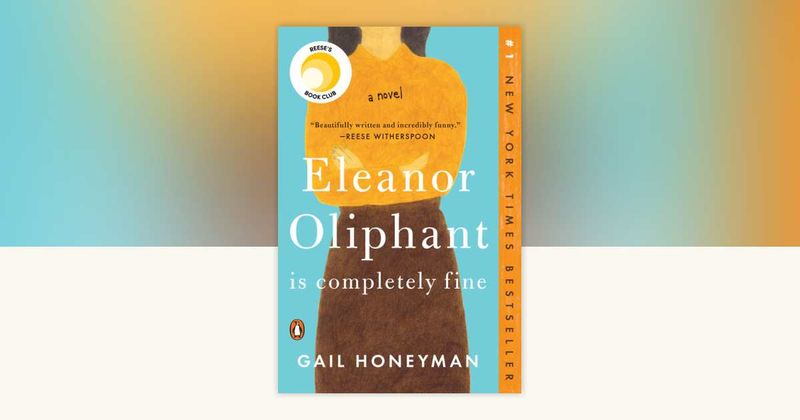
On the surface, this debut novel sounds like a feel-good story about a quirky, socially awkward woman learning to connect with the world. Fans adore Eleanor as a character and find the book warm, funny, and surprisingly moving.
Critics, however, feel the humor leans too heavily on making Eleanor’s struggles seem charming, and argue the handling of trauma is too neat and tidy. Some readers also found the big plot twist easy to predict.
Whether it reads as heartwarming or oversimplified depends a lot on what you bring to the story.
14. Atlas Shrugged by Ayn Rand
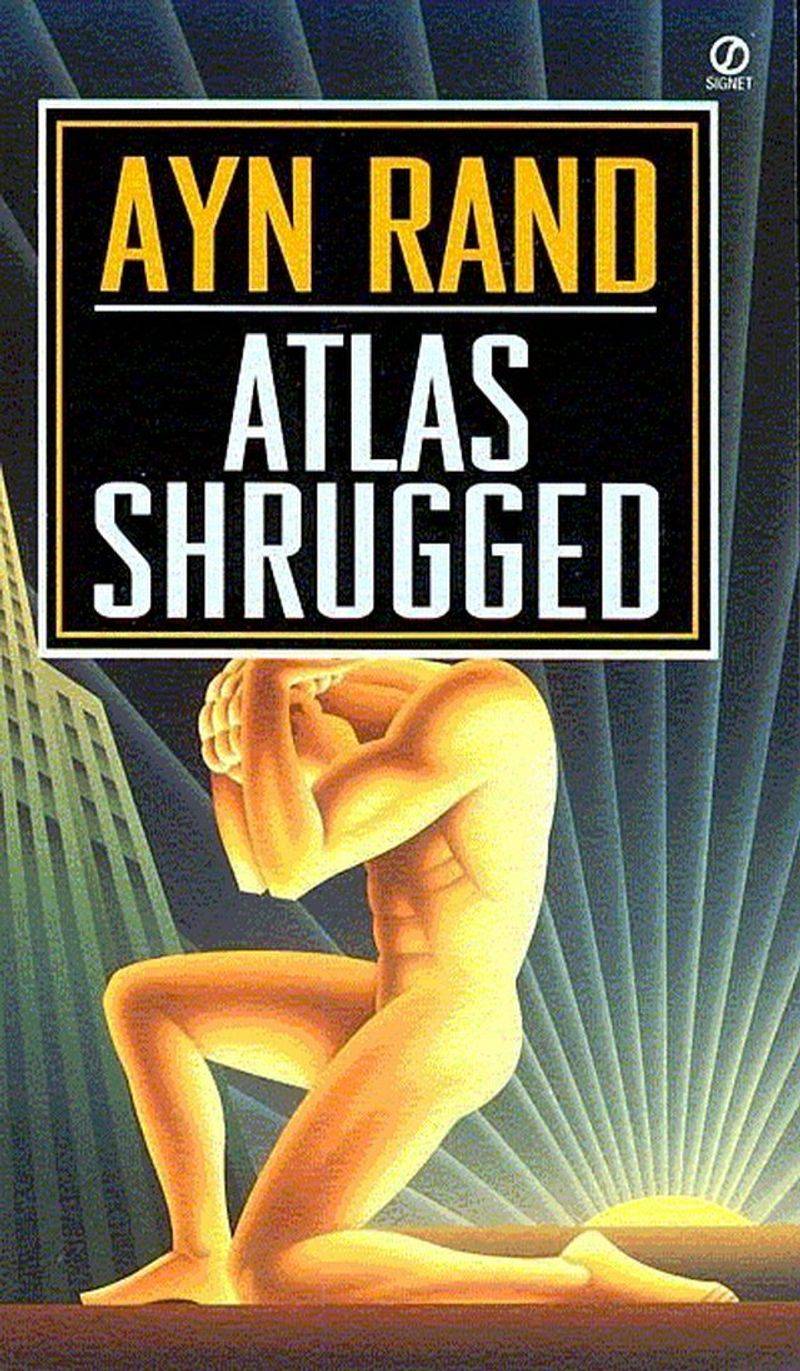
At over 1,000 pages, Atlas Shrugged is not just a long read. It is a full philosophical argument wrapped in a novel, promoting Rand’s theory of Objectivism, which champions individual achievement and rational self-interest above all else.
Devoted fans treat it almost like a life manual, crediting it with shaping their worldview. Detractors find the philosophy cold, the characters one-dimensional, and the long speeches exhausting.
Few books inspire the kind of intense loyalty or sharp rejection that this one does, making every conversation about it feel like a debate.
15. Ender’s Game by Orson Scott Card
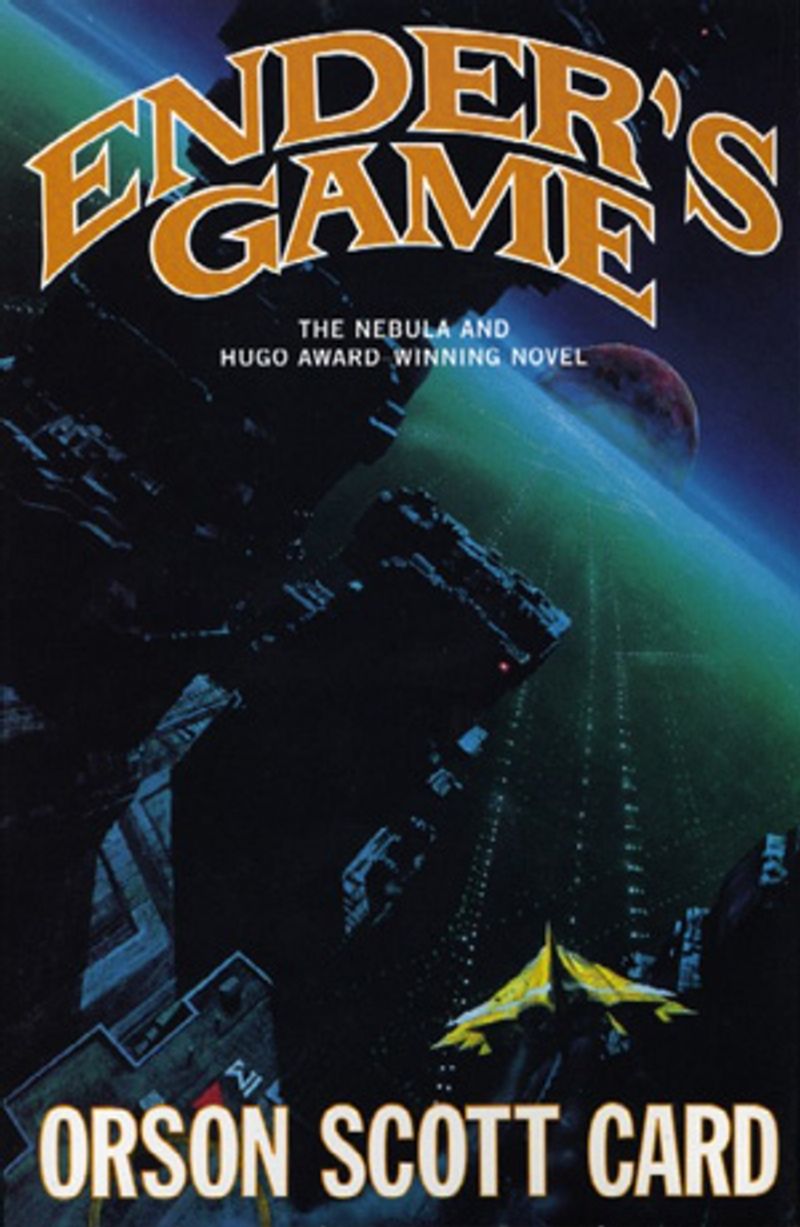
Ender’s Game is a beloved science fiction story about a child genius trained to fight an alien war, and it has won nearly every major award in the genre. Many readers, especially those who discovered it young, consider it a defining book of their lives.
The controversy surrounding it, however, goes beyond the story itself. Author Orson Scott Card’s publicly stated views on social issues have led many readers to question whether they can separate the art from the artist.
That ongoing debate keeps the book firmly in two-camp territory.
16. Malazan Book of the Fallen by Steven Erikson
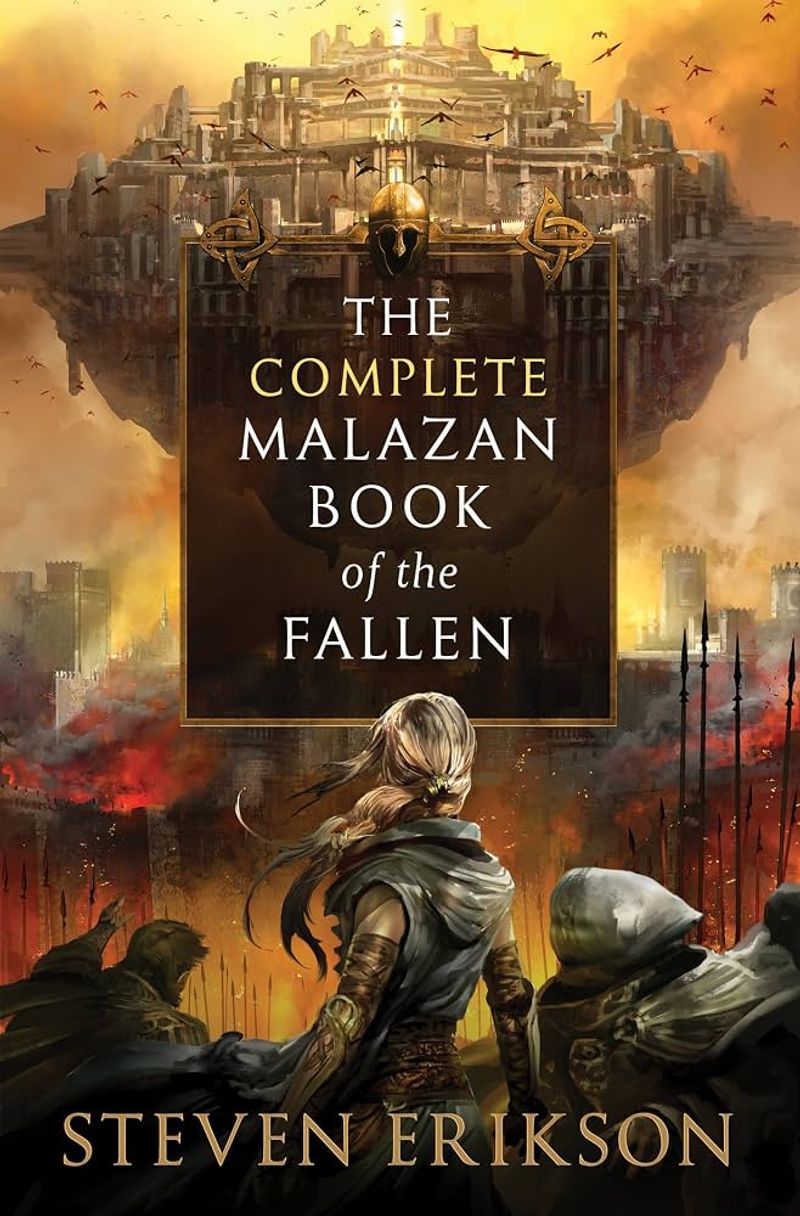
Starting a Malazan novel is like being dropped into the middle of a war with no map and no introduction. Erikson offers almost no hand-holding, throwing readers into a world with hundreds of characters, complex magic systems, and thousands of years of history.
Fans who push through the steep learning curve call it the greatest fantasy series ever written, full of depth and emotional payoff. Others give up within the first 100 pages, feeling overwhelmed and lost.
Whether it is a rewarding challenge or an exhausting slog often comes down to how patient a reader you are.