
Hollywood has always been a complicated place, and for LGBTQ+ actresses, that complexity runs even deeper. Many have looked back on early projects and realized those roles didn’t always fit who they truly were, or came with serious problems they couldn’t ignore at the time.
From identity struggles to toxic work environments, these reflections reveal how much the industry still has room to grow. Their honesty helps fans understand the real cost of chasing success in Hollywood.
1. Elliot Page
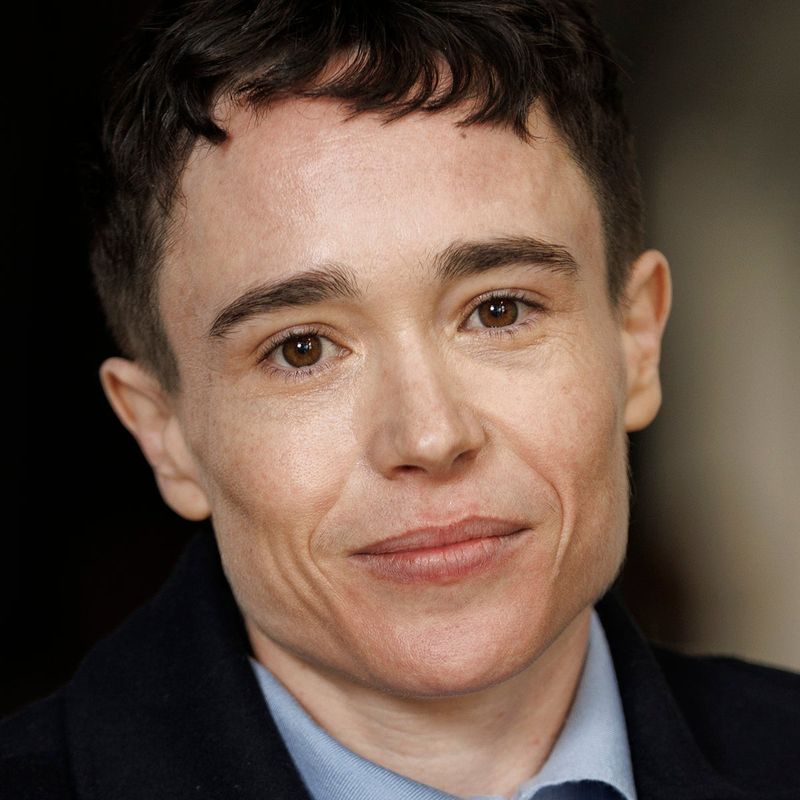
Before Elliot Page came out as transgender in 2020, he had spent years playing roles that didn’t reflect who he truly was. Page openly admitted that he deeply disliked being perceived as a woman and found it painful to look back at old press photos.
That personal struggle quietly shaped his early career in ways fans didn’t fully see at the time. Today, Page uses his platform to advocate for trans rights and mental health awareness, turning past pain into powerful purpose.
2. Ruby Rose
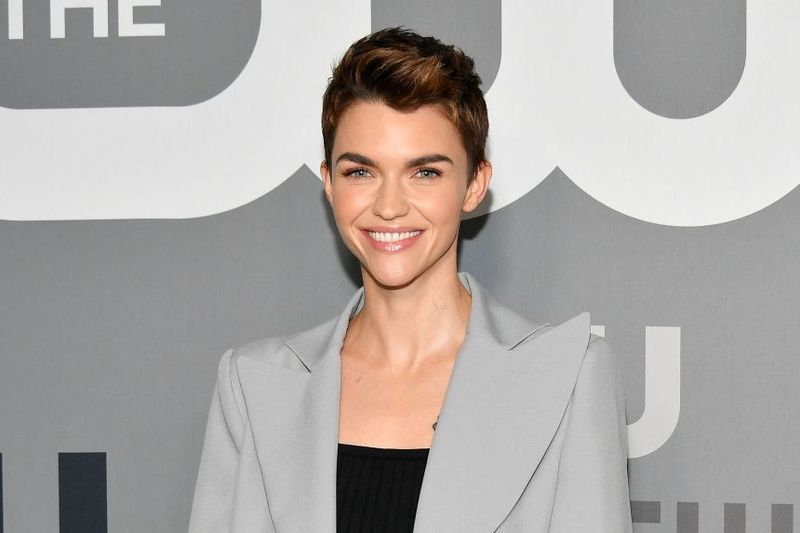
Ruby Rose made history as the first openly gay lead of a live-action superhero series when she took on the role of Batwoman. But after just one season, she walked away, and what followed was a flood of honest reflection.
Rose spoke openly about an unstable and difficult workplace environment behind the scenes. Some viewers also criticized her performance as lacking range, making her departure from the show a complicated chapter in her career story.
3. Jodie Foster
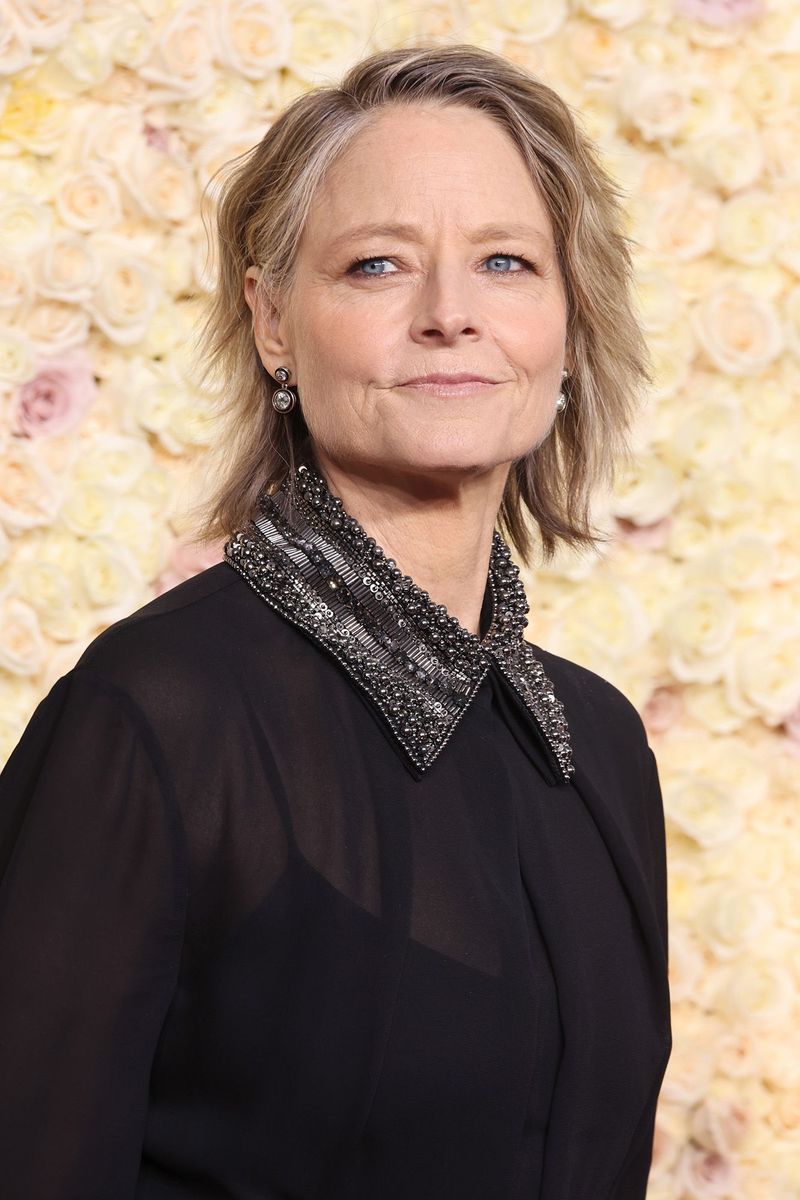
Jodie Foster has had one of Hollywood’s most celebrated careers, yet she’s been surprisingly candid about how conflicted she’s felt about acting itself. She once admitted that performing often felt “against her nature,” which is a striking thing to hear from someone so accomplished.
Her 50s brought a period she described as feeling like a failure. Foster has since leaned more into directing and actively sought physical transformation roles, pushing producers who were reluctant to let her change her appearance.
4. Laverne Cox
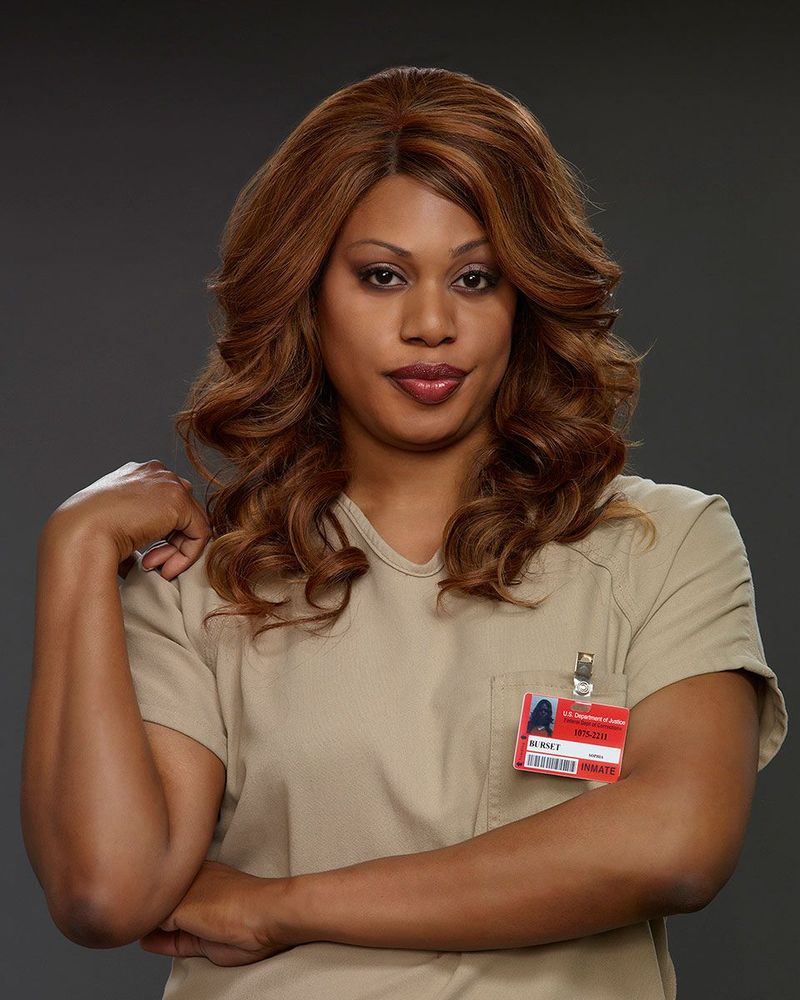
Laverne Cox broke barriers as Sophia Burset on “Orange Is the New Black,” becoming one of the first openly transgender women to earn an Emmy nomination for acting. But getting to that point wasn’t smooth or easy by any stretch.
Cox has spoken about facing real backlash in the industry during her early years. Seeing actress Candis Cayne in a prime-time recurring role was a turning point, giving Cox the belief that she could be openly trans and still build a thriving career.
5. Michaela Jae Rodriguez
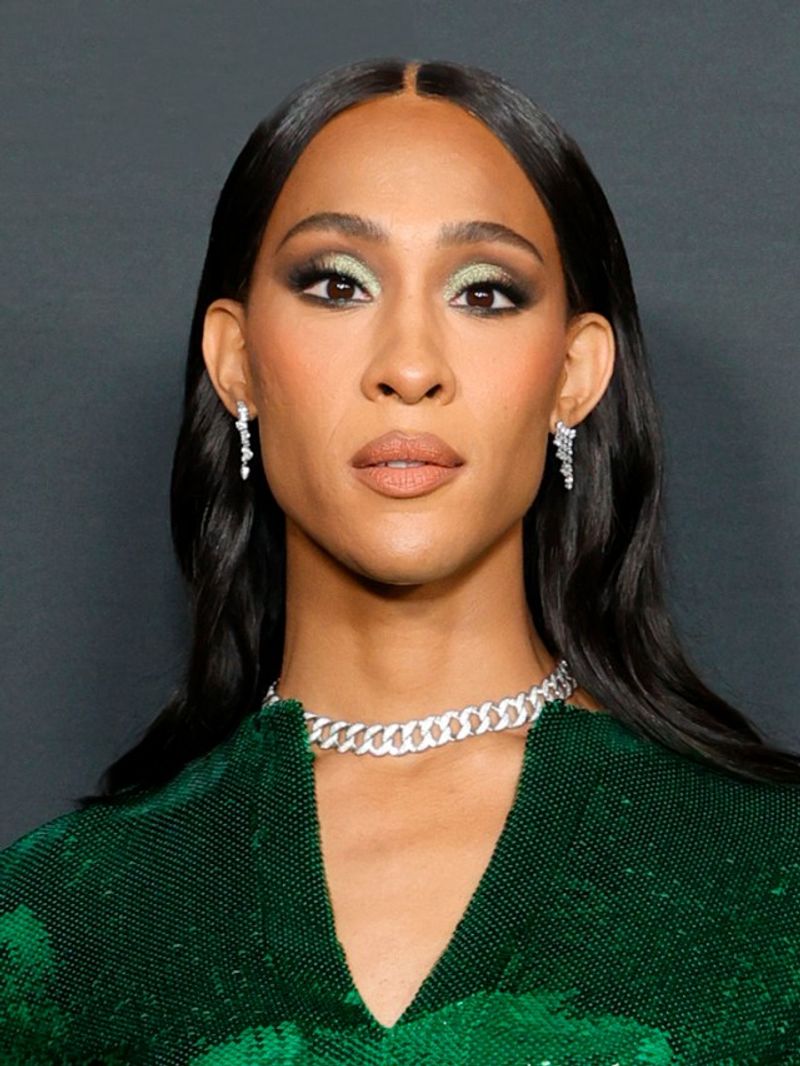
Long before she became a Golden Globe winner for “Pose,” Michaela Jae Rodriguez took on the role of Angel in an Off-Broadway revival of “Rent” in 2011. At the time, she wasn’t yet publicly living as a trans woman, and the character was typically viewed as a drag queen rather than a trans woman.
Rodriguez has since said she personally identified Angel as trans, even then. That early tension between her identity and how the role was framed pushed her toward projects that truly reflect who she is.
6. Amandla Stenberg
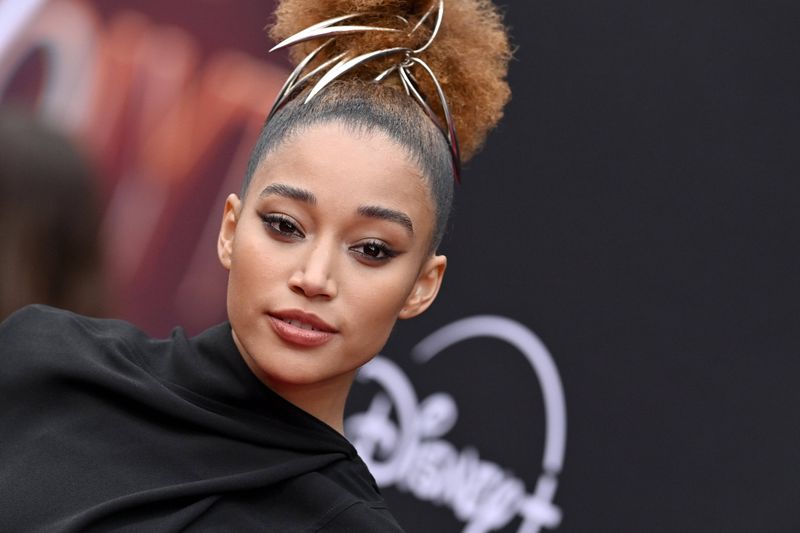
Amandla Stenberg faced a wave of racist hate after being cast as Rue in “The Hunger Games” in 2012, even though the character was written as a Black girl. That ugly experience left a mark, but it didn’t stop Stenberg from speaking up about representation in Hollywood.
They have also addressed colorism concerns around their casting choices, even turning down an audition for “Black Panther” out of respect for the idea that darker-skinned actresses deserved that space. That kind of self-awareness is rare and genuinely admirable.
7. Indya Moore
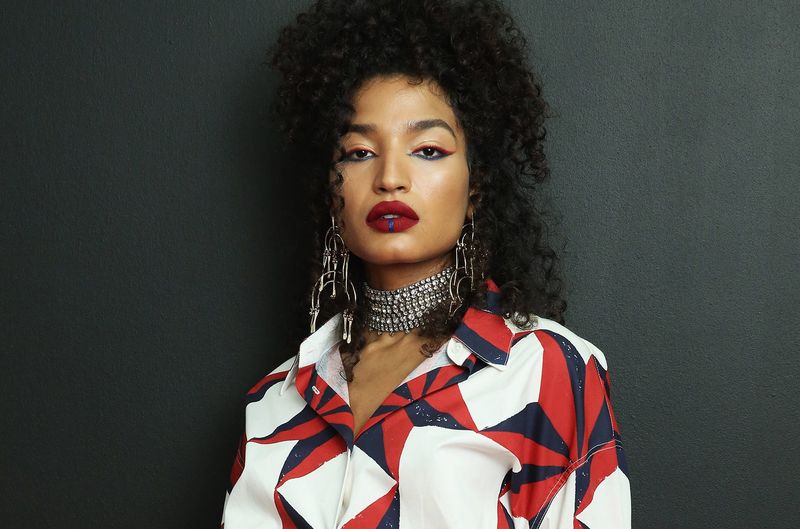
Indya Moore became widely known for playing Angel Evangelista on the FX series “Pose,” a role that felt both career-making and deeply personal. But moving on from that chapter came with complicated feelings about what kinds of stories trans people are expected to tell.
Moore has spoken candidly about not wanting to be “constantly used” to tell trans-specific narratives. They want to play characters whose lives aren’t defined solely by their trans identity, pushing for the kind of broad, full representation every actor deserves.
8. Janelle Monae
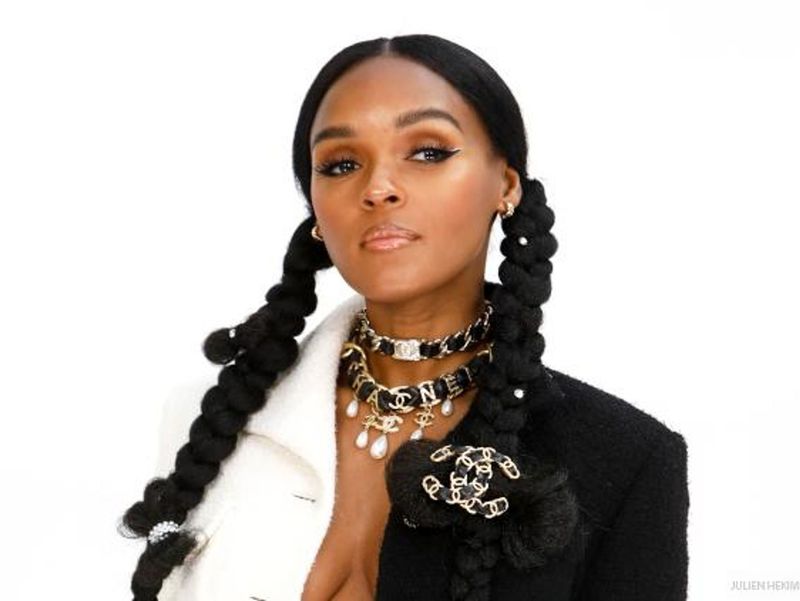
Janelle Monae turned down “several” acting roles before finally saying yes to “Moonlight,” a film that became a cultural landmark. She had originally been holding out for a lead role in a sci-fi series that never came together, which meant walking away from other opportunities.
Monae has said she moved away from her early larger-than-life extraterrestrial persona to pursue more honest and intimate performances. Her guiding belief is that her roles choose her, not the other way around, and that every project must help shape or redefine culture in a meaningful way.
9. Lena Waithe
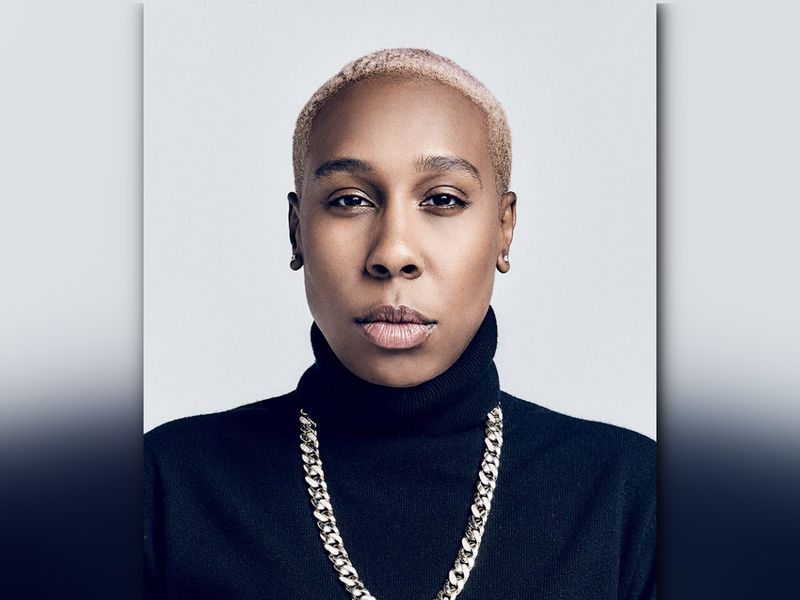
Lena Waithe has described her relationship with success in Hollywood as genuinely complicated. She once called the industry’s version of success, meaning the TV deals and big houses, “the scam America sells us,” which is a bold thing to say when you’re in the middle of building that very career.
She also pointed out that her biggest obstacle wasn’t being Black or gay, but being young in a world where older colleagues often talked down to her. Finding her authentic voice as a writer, she says, was a “bloody process” worth every struggle.
10. Sarah Paulson
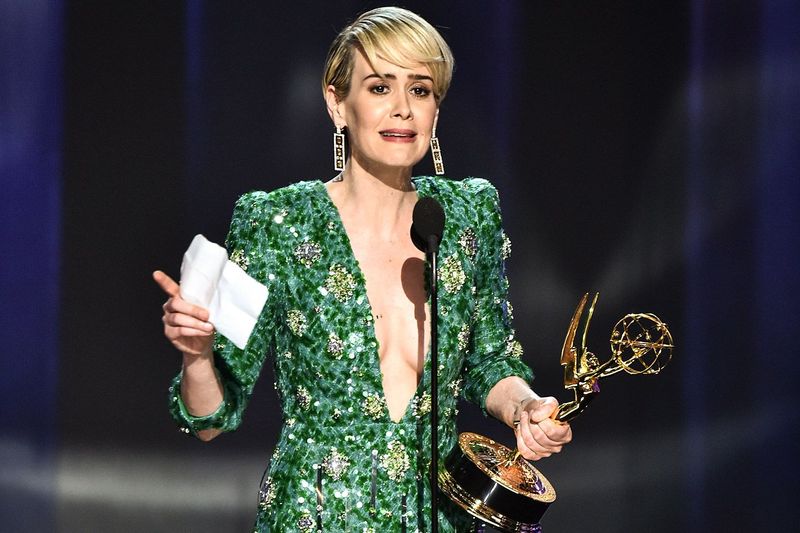
Sarah Paulson is now one of the most respected actresses working in television, but her path to that status included a string of short-lived shows and films that simply didn’t connect with audiences. She paid real dues before her breakthrough moments arrived.
Beyond the flops, Paulson has also reflected on what makes acting feel truly rewarding for her. She finds the most joy in the connection with fellow actors on set, suggesting that roles requiring her to carry scenes completely alone don’t bring out the best in her creatively.
11. Ellen DeGeneres
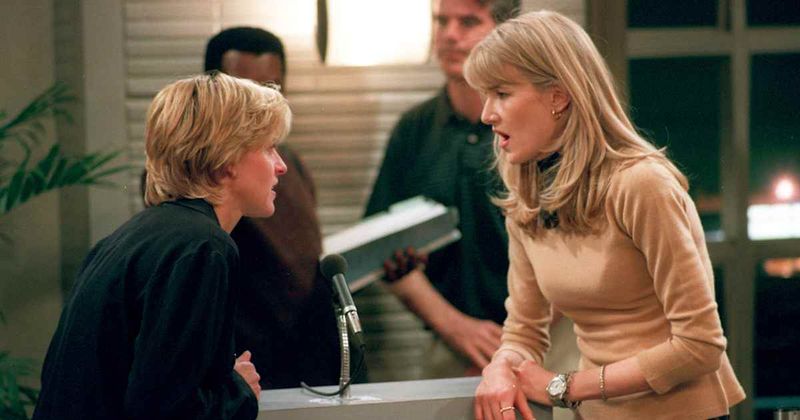
When Ellen DeGeneres came out publicly in 1997, both she and her sitcom character did so at the same time, making it one of the most watched moments in TV history. But the fallout was swift and severe, with ABC canceling the show shortly after and many sponsors pulling out.
DeGeneres has since reflected on how isolating that period was, noting that her career essentially stalled for years because of her decision to live openly. She’s been candid that the price of authenticity in that era was steep, and the industry wasn’t ready to support her.
12. Wentworth Miller
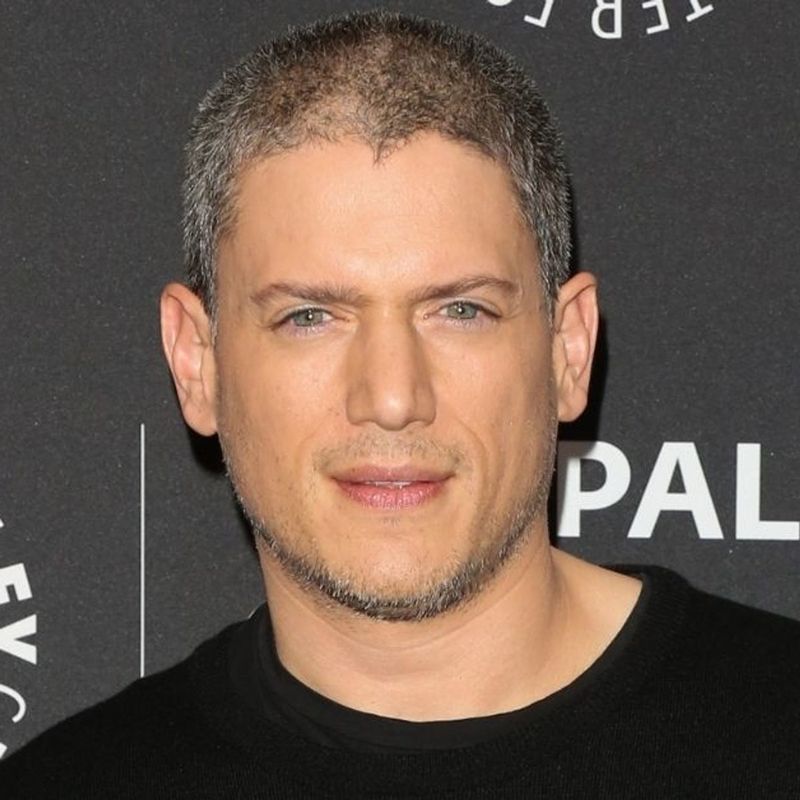
Wentworth Miller rose to fame playing Michael Scofield in “Prison Break,” a role that made him a household name. But in 2013, he publicly came out as gay and later declined to return to Russia for a film festival, citing the country’s anti-LGBTQ+ laws in a powerful open letter.
Miller has also spoken about his mental health struggles during his most famous years, describing a painful disconnect between his public image and his private life. He eventually stepped back from acting to focus on advocacy and writing, reflecting on how much of his early career was lived behind a mask.
13. Cynthia Nixon
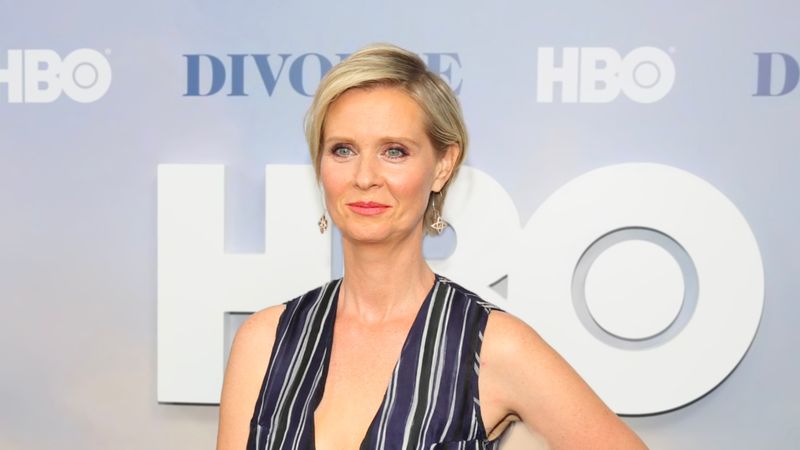
Cynthia Nixon is best known for playing Miranda Hobbes on “Sex and the City,” a role she embodied for years across the original series and multiple films. But Nixon has reflected on the show’s lack of racial diversity as a real and ongoing problem with the franchise.
She has acknowledged that the world of “Sex and the City” was far too narrow and didn’t represent the actual diversity of New York City. As an openly gay woman herself, Nixon has grown increasingly vocal about representation both on screen and in the political arena where she ran for governor of New York.
14. Kristen Stewart
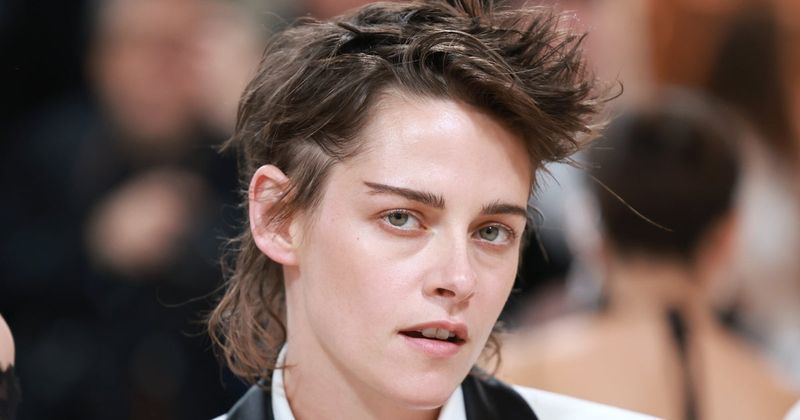
Kristen Stewart spent years as one of Hollywood’s biggest stars thanks to the “Twilight” franchise, but she’s been pretty open about how suffocating that level of fame felt. She was advised early on to hide her sexuality to protect her career, which she ultimately refused to do.
Stewart came out publicly and has since been candid about how those years of performing straightness in her personal life, while playing a straight character on screen, created a kind of exhausting double life. Her later roles in indie films have felt far more aligned with who she actually is.
15. Sara Ramirez
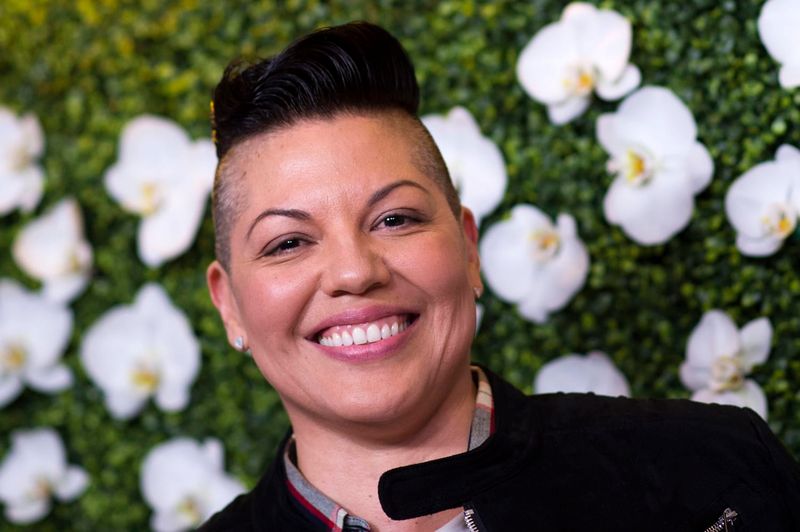
Sara Ramirez played Dr. Callie Torres on “Grey’s Anatomy” for over a decade, and the character’s bisexual storyline was groundbreaking for network television. But Ramirez, who is non-binary and bisexual in real life, has spoken about the limits of how that representation was handled.
They left the show in 2016 and have since reflected on the importance of stories that don’t just include LGBTQ+ characters but actually treat them with depth and dignity. Ramirez has become a strong advocate for more thoughtful, intersectional representation both on screen and off.
16. Portia de Rossi
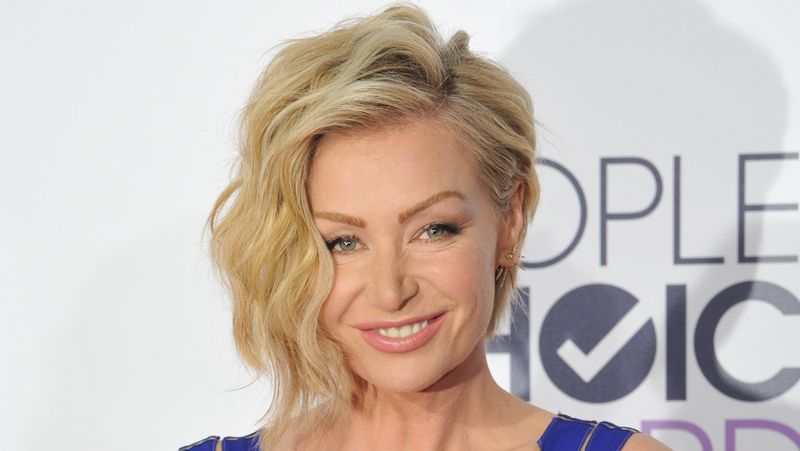
Portia de Rossi spent much of her early career hiding her sexuality, a choice driven by real fear about what being openly gay might do to her acting opportunities. She played straight characters on shows like “Ally McBeal” and “Arrested Development” while privately struggling with her identity.
De Rossi later wrote a memoir called “Unbearable Lightness” that touched on her battles with an eating disorder, which she has linked to the intense pressure of maintaining a certain image in Hollywood. She has reflected that those early years cost her both her health and her sense of self.
17. Samira Wiley
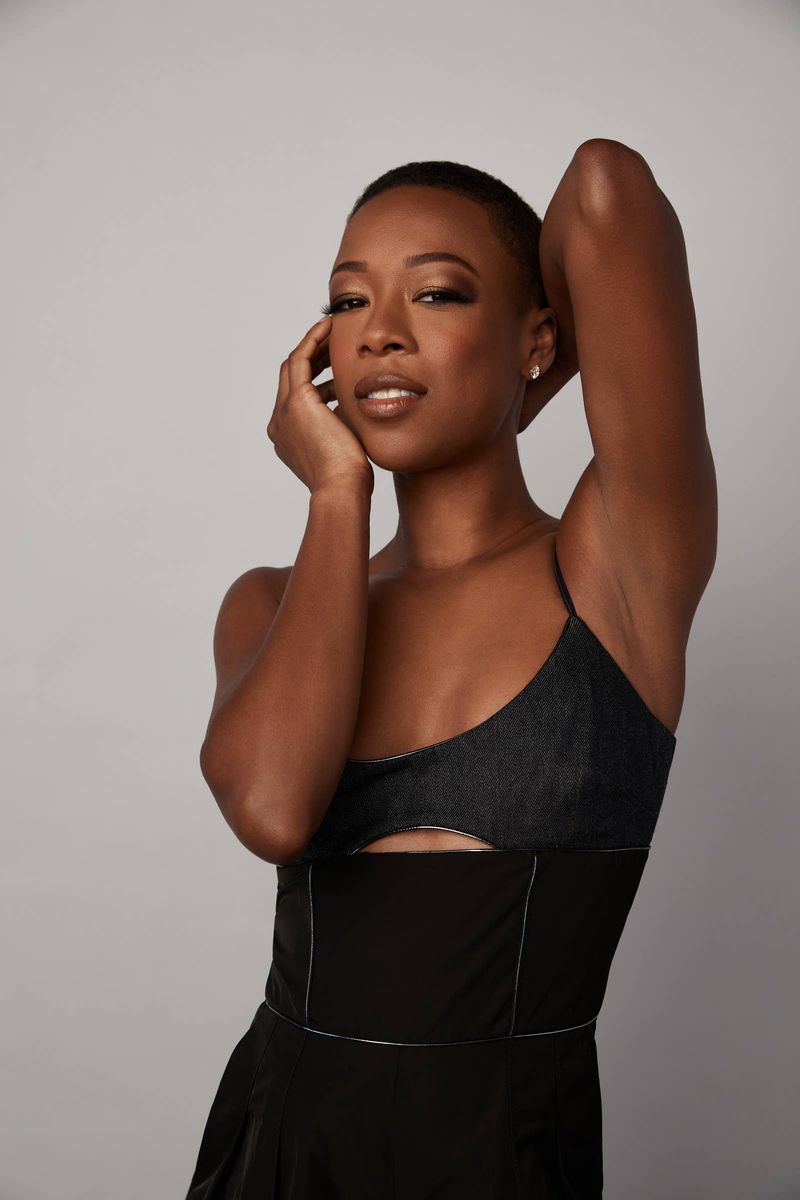
Samira Wiley became a fan favorite as Poussey Washington on “Orange Is the New Black,” a character whose death in season four sparked real outrage among viewers. Wiley herself has spoken about how emotionally heavy it was to play a character whose story ended so abruptly and violently.
As an openly gay Black woman, she has also reflected on the responsibility that comes with playing LGBTQ+ characters of color, noting that these portrayals carry weight beyond entertainment. Wiley continues to advocate for stories that honor the full humanity of queer Black women rather than using their pain as a plot device.