
Growing up in the 1950s and 1960s meant following a long list of social rules that would seem totally wild to teenagers today. Baby Boomers were held to strict standards at home, at school, and out on dates.
From skirt-length measurements to asking permission before leaving the dinner table, the expectations were very real. Looking back at these rules gives us a fascinating peek into a world that was very different from our own.
1. No Pants Allowed for Girls at School
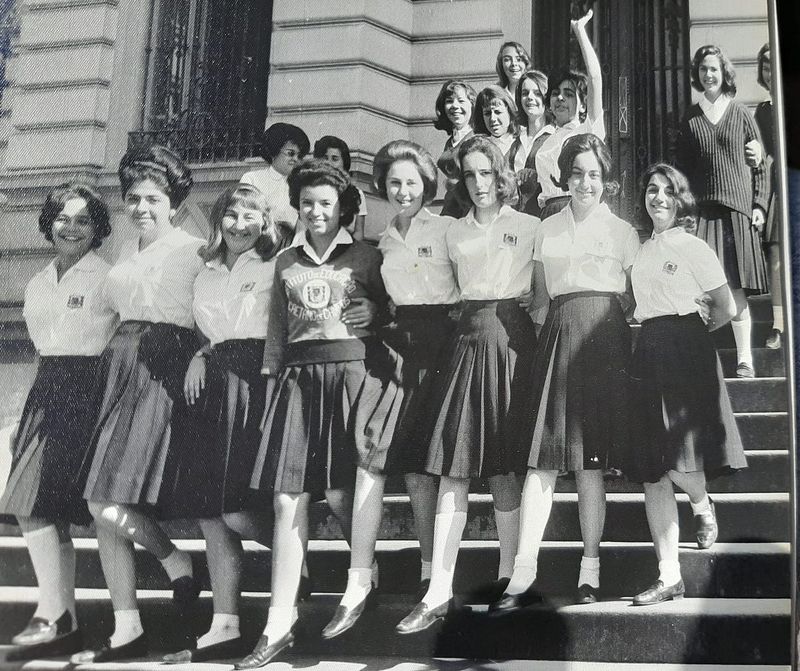
Hard to believe, but girls were simply not allowed to wear pants to school for most of the Boomer era. Only skirts or dresses were considered appropriate, and this rule stuck around well into the late 1960s.
Some schools were so serious about it that teachers kept rulers handy.
Skirt lengths had to fall well below the knee, and any girl whose hemline crept too high could be sent home to change. Fashion had to wait at the schoolhouse door.
2. Hemlines Measured by Rulers
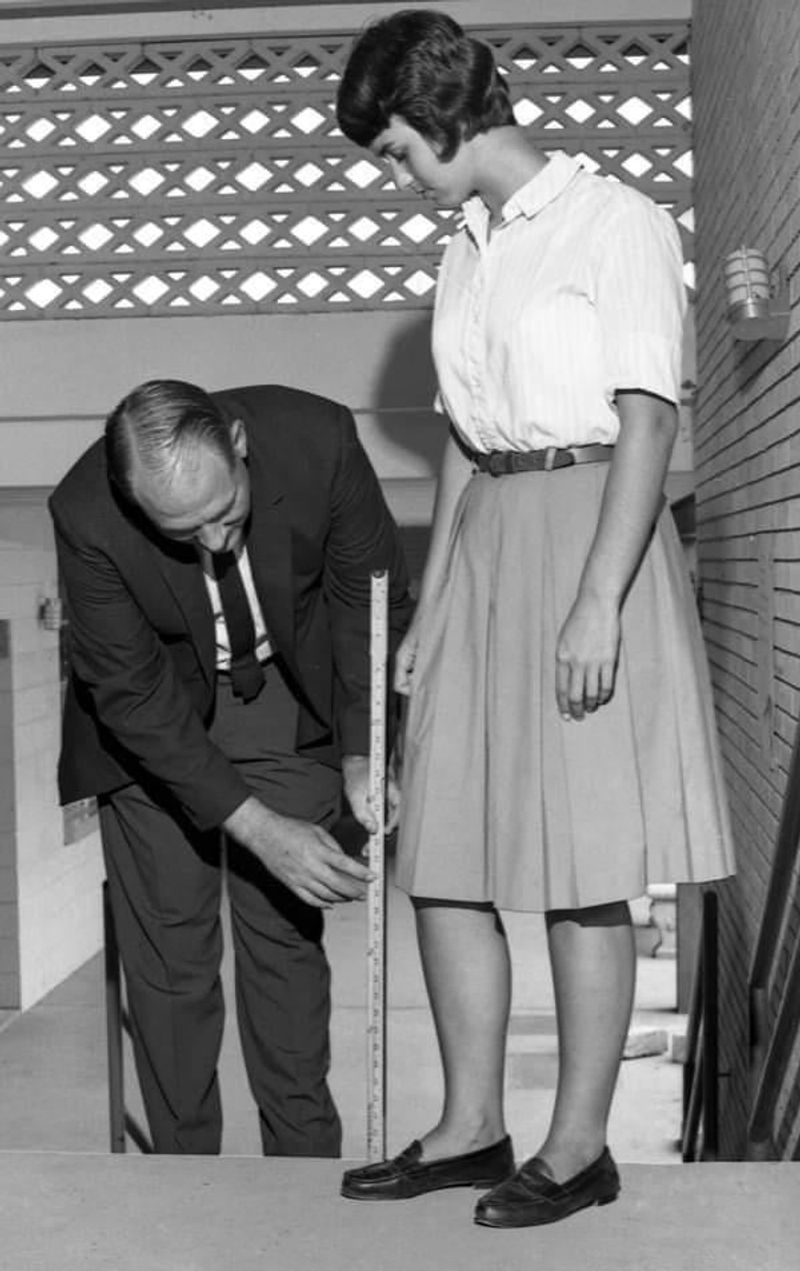
Picture a teacher actually kneeling down with a ruler to check how far your skirt fell from the floor. That was a real thing in many schools during the Boomer years.
The rule was firm: hemlines had to stay well below the knee, no exceptions.
Girls who showed up with skirts that were even a little too short risked being sent to the office. It sounds extreme today, but back then, skirt length was treated like a serious moral issue.
3. Minimal Makeup Was the Only Option
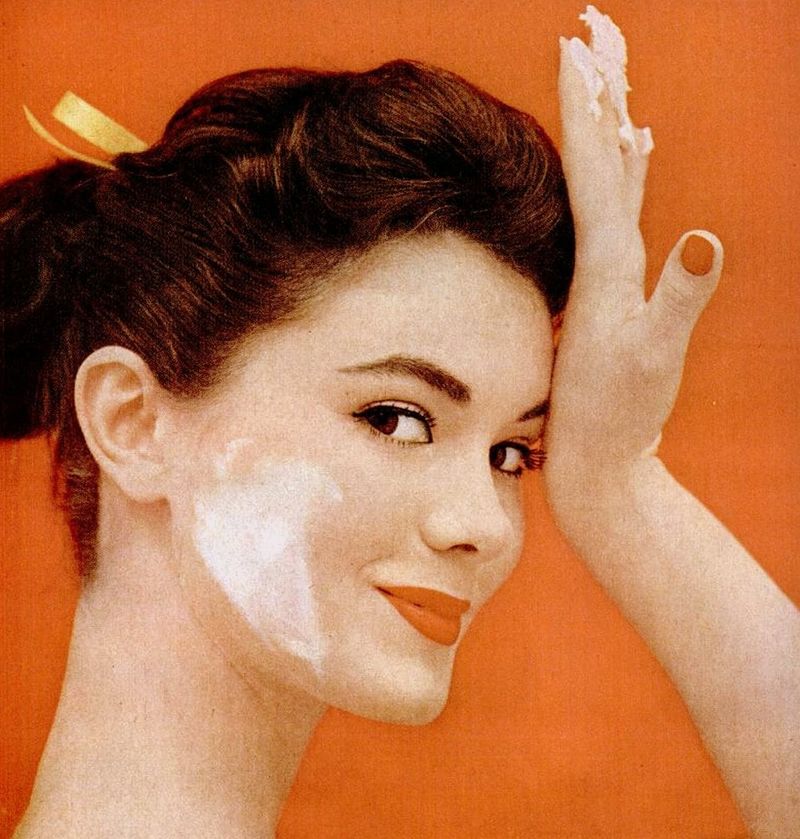
Bright red lips, bold eyeliner, and colorful nail polish were considered totally out of line for teenage girls in the Boomer era. Schools expected makeup to be barely there, if worn at all.
Some schools even had bathrooms set up specifically for removing makeup that was deemed too heavy.
A girl who showed up looking too “done up” could face real consequences. The goal was to look neat and natural, not glamorous, and adults made sure of it.
4. Boys Had to Keep Hair Short and Tidy
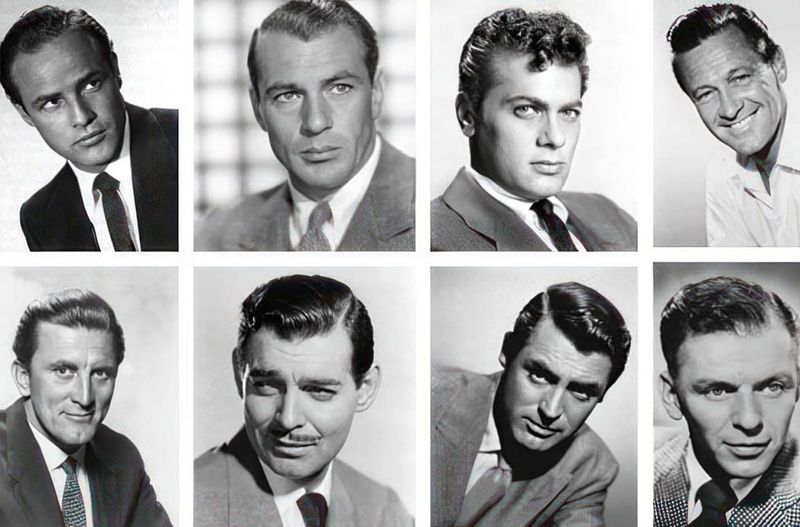
Long hair on boys was not just frowned upon during the Boomer teen years, it was often flat-out banned. Hair had to stay above the ears and collar, and certain styles like duck-tails were seen as signs of rebellion.
A boy who showed up with the wrong haircut could be sent to the barber before being allowed back in class.
Looking neat and clean-cut was considered a reflection of good character. Hair was surprisingly serious business back then.
5. Jeans Were Considered Rebellious Clothing
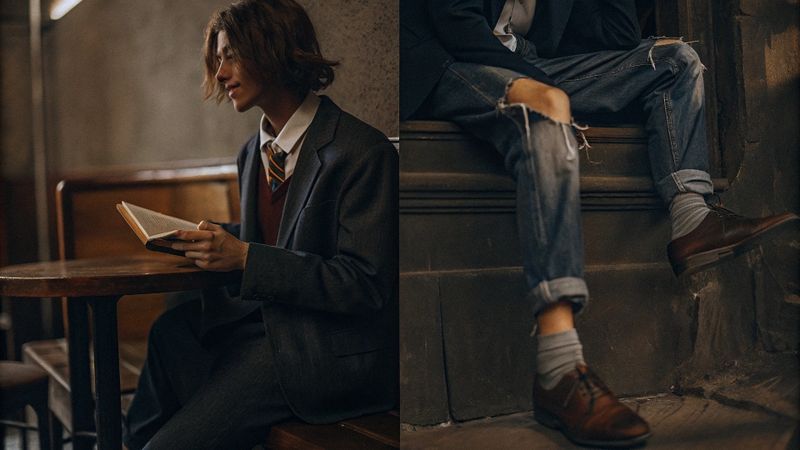
Denim jeans carried a rebellious reputation in the Boomer era that is hard to imagine today. Boys were expected to wear slacks or khakis to school and in most public settings.
Jeans were seen as the kind of clothing worn by troublemakers or kids who did not care about rules.
Wearing denim to school could earn a trip to the principal’s office fast. The simple act of choosing your pants in the morning was loaded with social meaning back then.
6. Boys Had to Come to the Front Door to Pick Up Dates
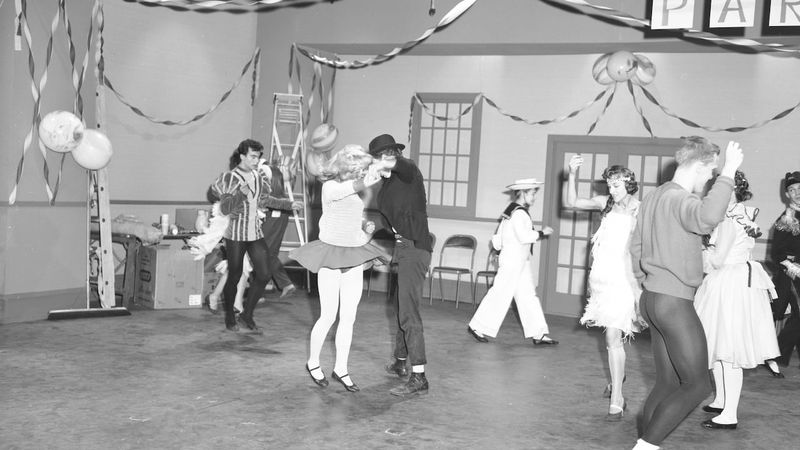
Honking from the driveway was absolutely not acceptable when picking up a date in the Boomer era. Boys were required to walk up to the front door, knock, and greet the girl’s parents face to face before the evening could begin.
It was a show of respect that parents took very seriously.
Skipping this step could mean the date was over before it started. Parents saw this ritual as a way to size up who their daughter was spending time with.
7. Parents Had to Meet and Approve Dates
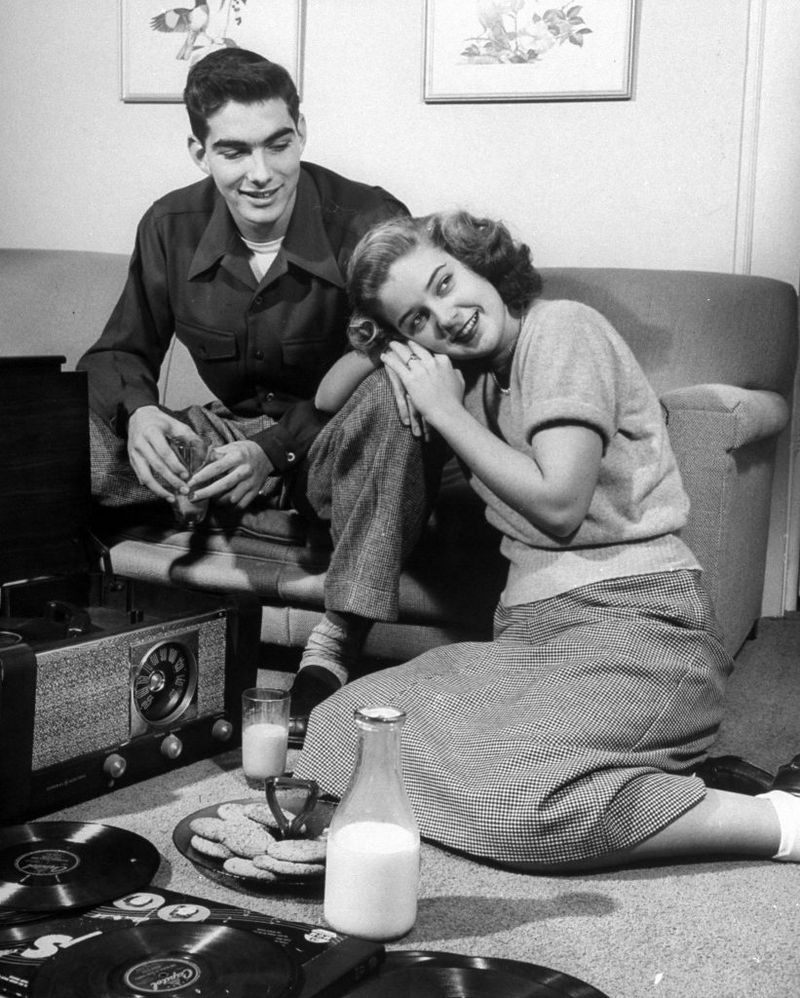
Before any date could happen, parents expected to meet the person their teenager was going out with. No sneaking off to meet someone at the movies without introductions first.
Mom and Dad had full veto power, and most teens knew better than to test that boundary.
This was not just a suggestion but a firm social rule that the whole community backed up. Friends, neighbors, and even other parents would notice if a teen skipped this step and word would get around quickly.
8. Chaperones Were Expected at Teen Gatherings
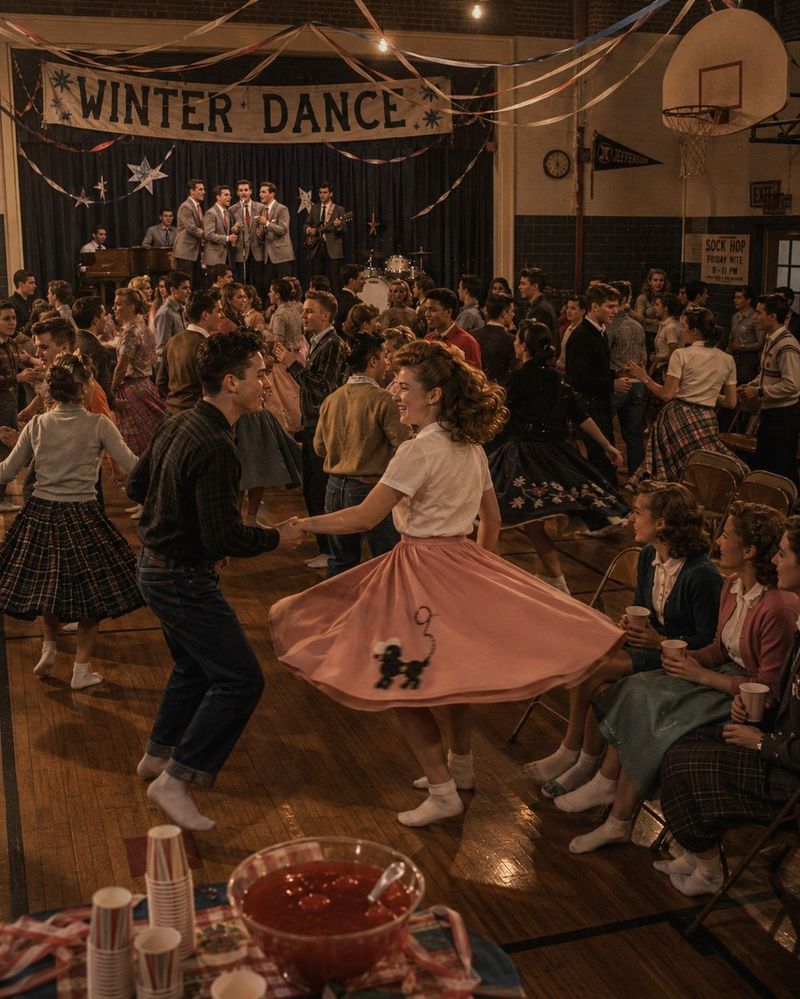
Solo dates were not really the norm for Boomer teenagers. Most social outings happened in groups, and adult chaperones were often present at school dances, parties, and other events.
Having a trusted adult watching over the fun was just part of the deal.
One-on-one dates were considered a bit scandalous for younger teens. The group setting was meant to keep everyone on their best behavior, and most kids genuinely expected it.
Freedom to go out alone came later, if at all.
9. Public Displays of Affection Were Strictly Forbidden
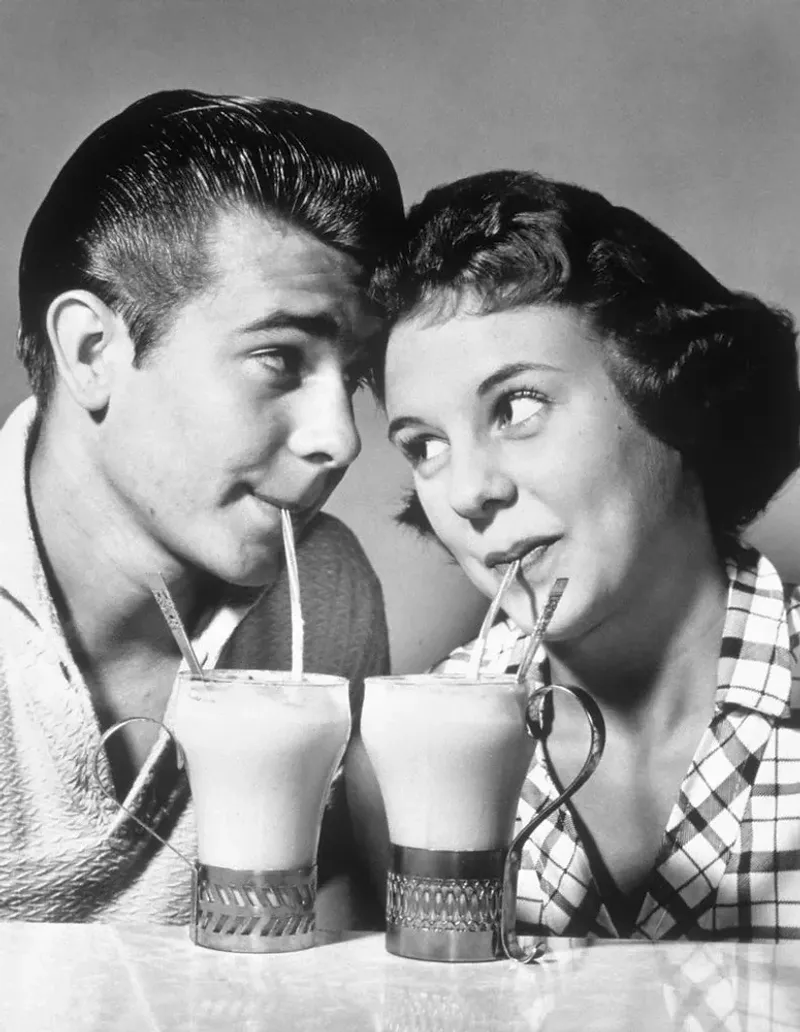
Holding hands in the school hallway could actually get a Boomer teen in trouble. Schools enforced strict no-PDA rules, and some even had a so-called “six-inch rule” that required students to keep a measurable distance between them at all times.
Hugging or kissing in public was out of the question.
Breaking this rule could mean detention or a call home to parents. What seems totally normal today was treated as a serious behavioral problem back then, and enforcement was real.
10. Boys Were Expected to Pay for Everything on a Date
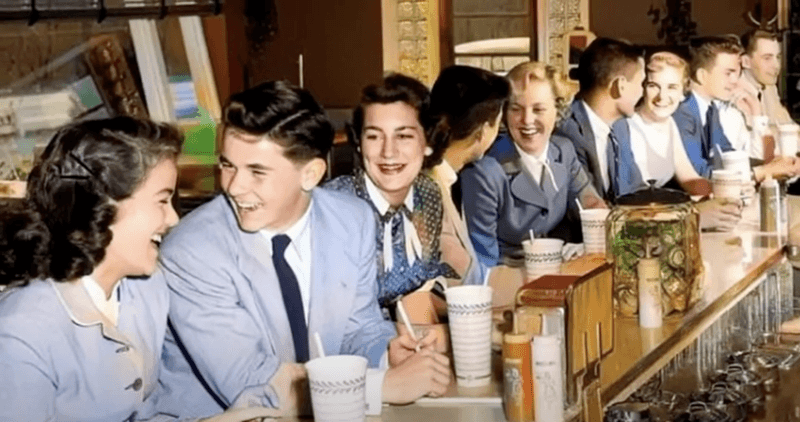
Splitting the bill was not even a conversation in the Boomer dating world. When a boy asked a girl out, he was expected to cover every single expense, from movie tickets to milkshakes and everything in between.
Showing up without enough money was embarrassing and unacceptable.
This rule was tied to a broader idea that boys should be providers and protectors, even as teenagers. Girls were not expected to reach for their wallets, and doing so might have even been seen as rude or awkward.
11. Strict Curfews Were Enforced by Parents and Communities

Missing curfew in the Boomer era was not just a family problem, it was a community one. Neighbors knew what time the neighborhood teens were supposed to be home, and word traveled fast if someone was out too late.
Parents set firm curfews and expected them to be honored without argument.
The consequences for coming home late could be serious, including being grounded for weeks. Curfews were seen as a sign of good parenting, and teens who pushed back were considered disrespectful.
12. Elbows Off the Table at All Times
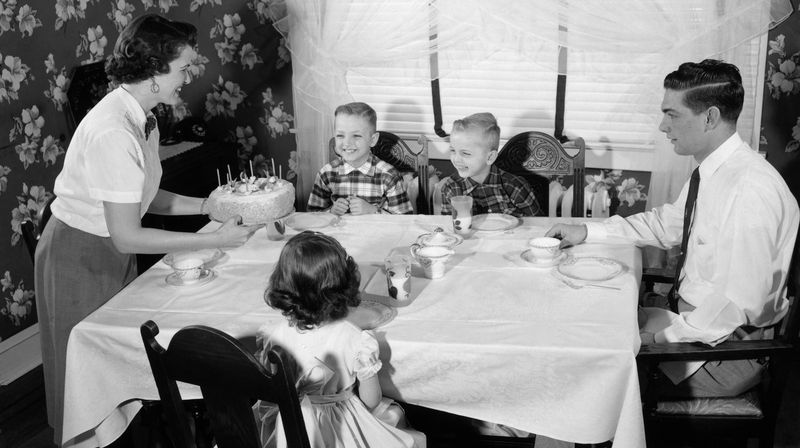
Few dinner table rules were drilled into Boomer kids more firmly than this one. Resting your elbows on the table during a meal was considered sloppy and disrespectful, plain and simple.
Parents corrected this habit immediately and repeatedly until it stuck.
Good posture at the table was seen as a reflection of the whole family’s upbringing. Sitting up straight with elbows off the table showed that a child had been raised right.
Slouching or leaning was simply not tolerated in polite company.
13. Children Spoke Only When Spoken To
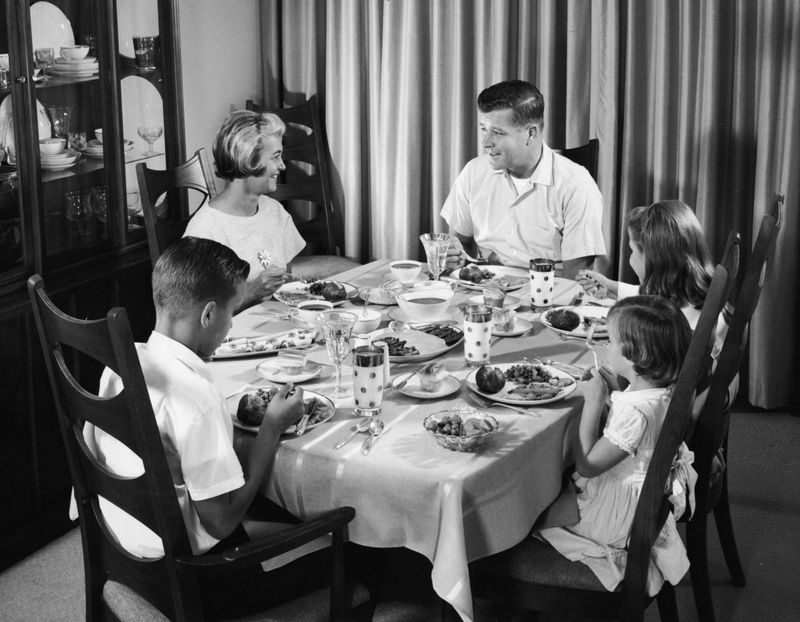
Jumping into adult conversations was a quick way to earn a sharp look or a firm correction in the Boomer household. Kids were expected to sit quietly at the table and wait to be addressed before speaking.
Interrupting was considered one of the rudest things a child could do.
This rule extended beyond the dinner table to most social settings where adults were present. Learning to listen before speaking was considered a key part of growing up with good manners in that era.
14. Asking Permission Before Leaving the Table
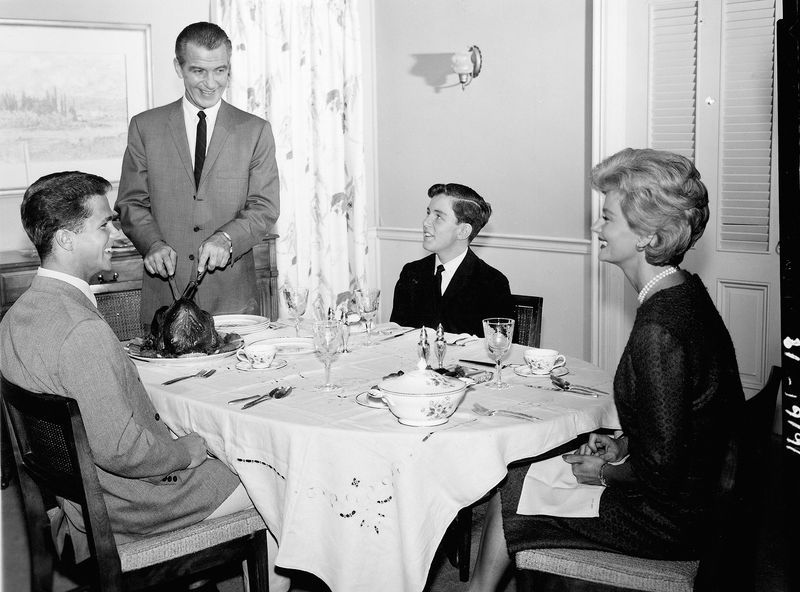
Getting up from the dinner table without asking first was simply not done in most Boomer homes. Kids were expected to wait until their father had finished eating, then politely ask, “May I please be excused?” before pushing back their chair.
Anything less was considered rude and disrespectful.
The father finishing his meal first was the unspoken signal that the meal was winding down. This ritual reinforced the family hierarchy that was very much alive and well during those years.
15. No Talking With Food in Your Mouth
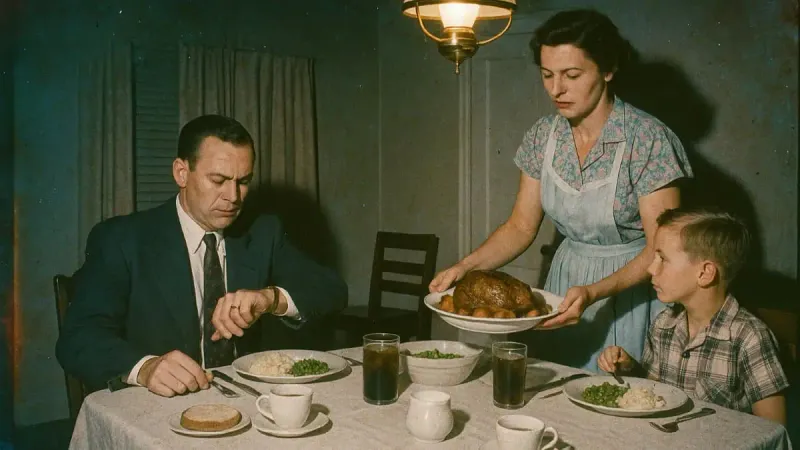
Talking with food in your mouth was treated as one of the most embarrassing things a kid could do at the dinner table. Parents corrected this habit early and often, and by the teen years, it was expected to be long gone.
Chewing with your mouth open fell into the same category.
Noisy eating was considered almost as bad. Making smacking or slurping sounds while chewing was a guaranteed way to draw a disapproving stare from every adult at the table.
16. Napkin Goes on Your Lap Immediately
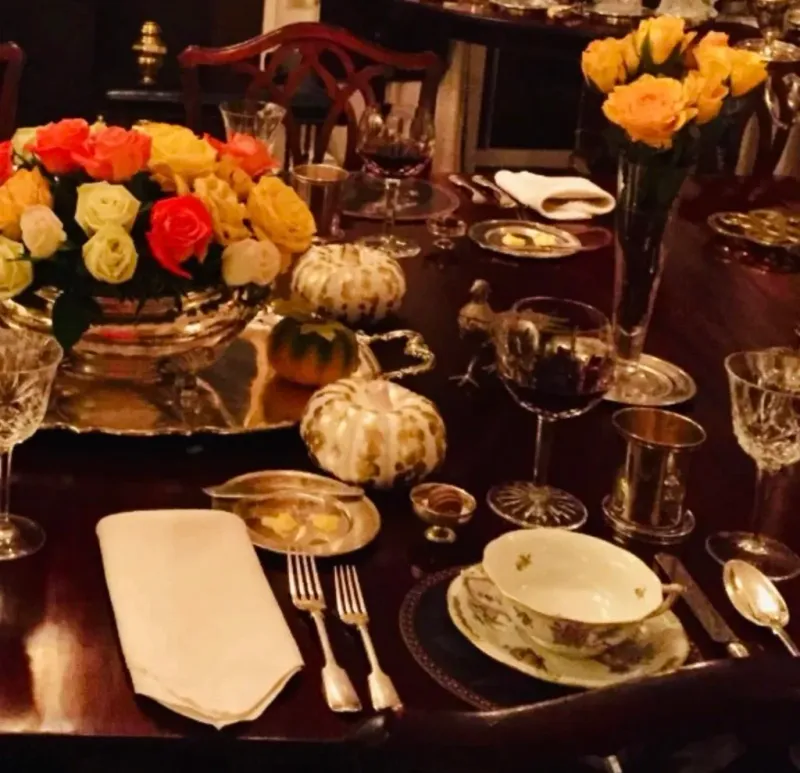
Sitting down to eat without placing the napkin on your lap right away was a noticeable etiquette slip in the Boomer era. The moment you sat down, the napkin came off the table and onto your lap.
No exceptions, and no waiting to see if anyone else did it first.
Cloth napkins were common in many homes, and knowing how to use them properly was a point of pride. Using a napkin to wipe your face instead of dabbing it gently was also frowned upon at formal meals.
17. Specific Dances Were Banned at School Events
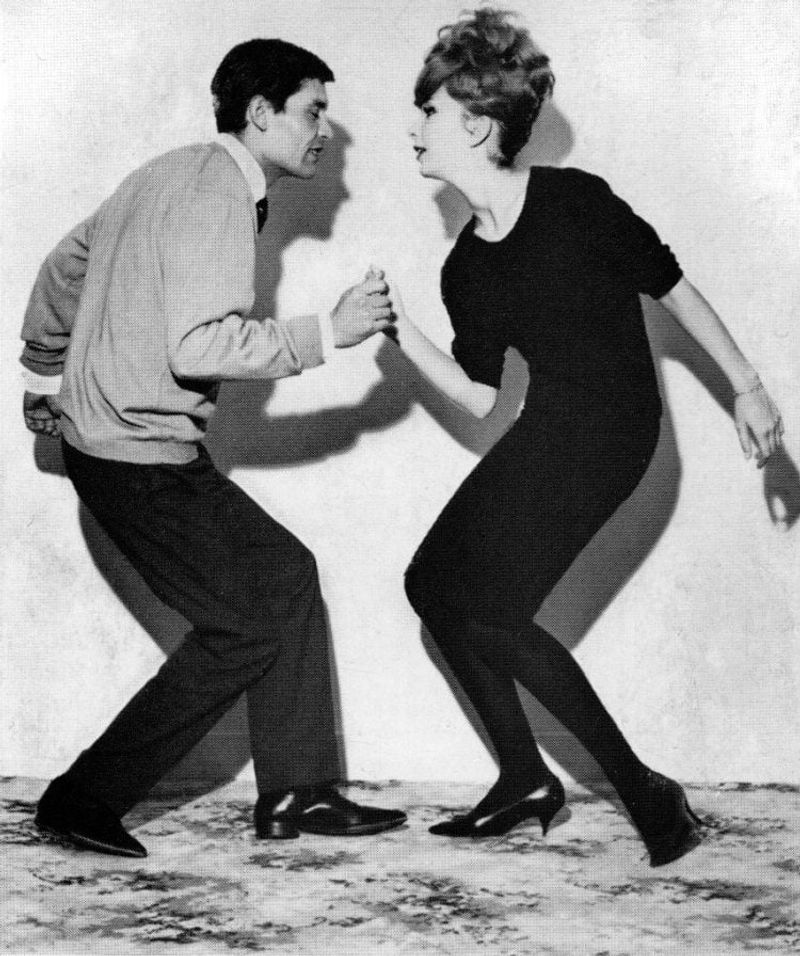
Not every dance move was welcome on the school gymnasium floor. When “The Twist” became popular in the early 1960s, many school administrators banned it outright, calling it dangerous and inappropriate.
Some schools only allowed pre-approved dances performed in specific, supervised ways.
The idea that a dance could be rebellious seems funny now, but adults at the time were genuinely worried about what new music and movement styles were doing to young people. Dancing was fun, but it had to follow the rules.
18. Home Economics Was Mandatory for Girls
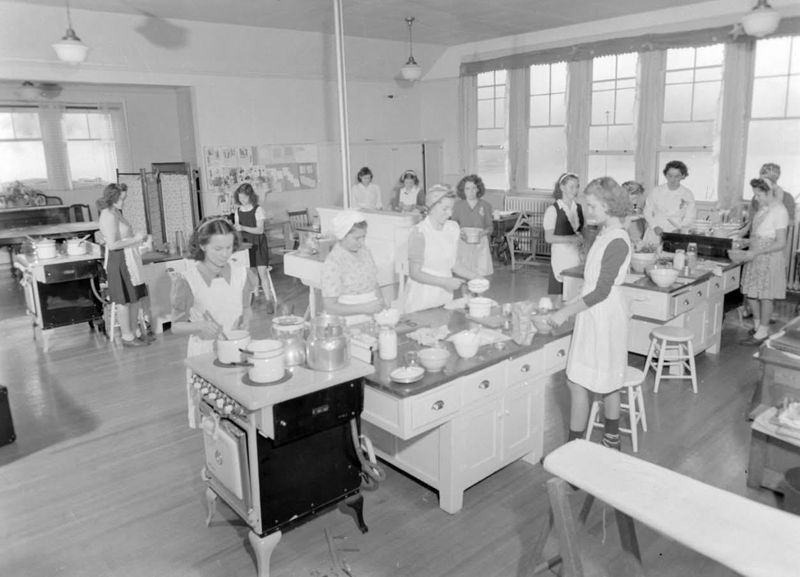
While boys headed off to shop class to learn woodworking, girls were steered into home economics without much choice. Cooking, sewing, budgeting, and basic housekeeping were all part of the curriculum, and the message was clear: these were the skills a girl needed to be a good wife and mother someday.
Few questioned this division at the time because it simply reflected how society was organized. Looking back, it is a striking reminder of how much has changed in the way we think about gender and education.