
Marriage is supposed to be a partnership built on love, respect, and mutual support. But for many women, years go by before they realize they have been quietly accepting things that slowly chipped away at their happiness and sense of self.
Looking back, these regrets can feel heavy and hard to ignore. Understanding them is the first step toward making healthier choices, whether you are already married or still planning your future.
1. Losing Personal Identity and Hobbies

Remember who you were before you became someone’s wife? Many women look back and realize they slowly gave up the hobbies, passions, and friendships that once made them feel alive.
It started small, skipping a class here, dropping a hobby there.
Over time, those little sacrifices added up to a woman who barely recognized herself. Keeping your own interests alive inside a marriage is not selfish.
It is necessary for your long-term happiness and emotional health.
2. Putting a Career on Hold

It was supposed to be temporary. Just until the kids were older, or until his job settled down.
But for millions of women, that “temporary” pause became a permanent detour from their professional dreams.
A Harvard Business School study found that nearly 40% of high-achieving women ended up prioritizing their spouse’s career over their own. Financial independence is not just about money.
It is about power, confidence, and having options when life gets hard.
3. Carrying an Unequal Load of Housework

Burnout does not always come from a job. Sometimes it sneaks up on you between the laundry piles, school pickups, and dinner prep that somehow always fall on one person’s shoulders.
Research consistently shows that women, even those working full-time, handle the majority of housework and childcare. Over years, this imbalance quietly breeds deep resentment.
Couples who share domestic responsibilities tend to report higher satisfaction and fewer conflicts. A fair split is not a favor.
It is a foundation.
4. Shouldering the Invisible Mental Load

Who remembers to schedule the dentist, buy the birthday gift, and notice when the kids need new shoes? Most of the time, it is mom.
The “mental load” is the invisible, relentless management of family life that rarely gets acknowledged.
Carrying it alone leads to exhaustion and a quiet, simmering anger that can be hard to explain. Many women wish they had spoken up earlier about sharing not just the tasks but the thinking behind them.
5. Ignoring Red Flags Before the Wedding

That uncomfortable feeling you brushed off early on? It usually did not go away on its own.
Many women admit they noticed warning signs before marriage, whether it was controlling behavior, dismissive communication, or clashing values, and chose to overlook them hoping things would improve.
Rarely do unaddressed problems fix themselves after the wedding. Paying attention to how a partner treats you during disagreements or stressful moments reveals far more than how they act on a good day.
6. Staying Silent About Their Own Needs

Keeping the peace can feel like the kind thing to do. But swallowing your needs day after day builds what experts call “communication debt,” a growing pile of unspoken frustrations that eventually becomes impossible to ignore.
Women who stayed quiet about what they needed, whether it was more affection, shared responsibilities, or simply being heard, often end up with deep regret. Speaking up early, even when it feels uncomfortable, is far less painful than years of silent resentment.
7. Handing Over Control of the Finances

Money is power, and giving up all control of it can leave you dangerously vulnerable. Plenty of women trusted their spouses to handle the finances completely, only to find themselves completely lost during a divorce or after an unexpected death.
Not knowing what accounts exist, what debt you carry, or how to access your own money is a frightening position to be in. Staying informed and involved in financial decisions is not about distrust.
It is about protecting yourself.
8. Settling for Someone They Were Not Truly Excited About

Fear of being alone, pressure from family, or simply running out of patience in the dating world can push people into settling for “good enough.” Many women married someone decent but felt a constant, low-level “what if” that never quite went away.
Choosing a partner out of convenience rather than genuine connection creates a hollow kind of partnership. Compatibility, shared values, and real excitement about the future together matter far more than checking boxes on a list.
9. Letting In-Laws Disrupt the Marriage

When a husband refuses to set boundaries with his family, or worse, takes their side against his wife, it creates a crack in the marriage that widens over time. Many women regret not addressing in-law dynamics sooner and more directly.
A healthy marriage requires both partners to prioritize their relationship above extended family expectations. Allowing parents or siblings to consistently override your needs as a couple is a recipe for long-term resentment and disconnection between spouses.
10. Letting Close Friendships Fade Away

Friendships outside of marriage are not a luxury. They are a lifeline.
Yet many women look back and realize they slowly let those connections slip away, pouring all their emotional energy into their spouse and family instead.
When you expect one person to meet every social and emotional need, it puts an unsustainable pressure on the marriage. Keeping strong friendships outside the relationship gives you perspective, support, and a sense of self that makes you a better partner too.
11. Accepting a Lack of Emotional Connection

Loneliness inside a marriage can feel more painful than being alone. When meaningful conversations are replaced by small talk and emotional intimacy dries up, many women start to feel invisible in their own homes.
A lack of emotional connection is one of the most cited reasons women feel deep regret in their marriages. Feeling truly seen and heard by a partner is not a bonus.
It is a core human need, and accepting a marriage without it takes a quiet, lasting toll.
12. Skipping the Big Conversations Before Marriage

Did you ever talk about whether you both wanted kids? What about how you would handle debt, or what happens if one of you wants to relocate for work?
Many couples skip these foundational conversations because they feel too heavy or too soon.
But building a marriage without discussing major life goals is like building a house without a blueprint. Women who skipped these talks often find themselves years later realizing they married a romantic idea rather than a practical, compatible life partner.
13. Tolerating Disrespect Over Time

Disrespect does not always look like shouting. Sometimes it sounds like a subtle jab disguised as a joke, or a dismissive eye roll when you share your opinion.
Over time, those small moments chip away at your self-worth in ways that are hard to measure but easy to feel.
Many women stayed quiet about disrespectful treatment, hoping it would stop on its own. It rarely does.
Addressing disrespect early, clearly, and firmly is one of the most important things a woman can do for her own dignity.
14. Accepting Financial Control or Exclusion

Having to account for every dollar you spend while your partner spends freely is not just frustrating. It is a form of control that can seriously damage your confidence and independence.
Financial abuse does not require physical violence to leave deep wounds.
Women who were excluded from financial decisions or kept on a tight allowance by their spouses often describe feeling trapped and ashamed. Equal access to shared finances and open money conversations are signs of a respectful, healthy partnership worth fighting for.
15. Enduring Emotional or Verbal Abuse

Not all abuse leaves visible marks. Emotional and verbal abuse, including constant criticism, manipulation, gaslighting, and controlling behavior, can be just as damaging as physical harm, sometimes more so because it is easier to dismiss or explain away.
Many women stayed in these situations far longer than they should have, convincing themselves it was not “that bad.” The emotional consequences can last for years, even decades. Recognizing these patterns early and taking them seriously is an act of genuine self-preservation.
16. Feeling Consistently Unheard

Few things are more demoralizing than speaking and feeling like no one is listening. Women who spent years having their opinions dismissed, their concerns brushed aside, or their feelings minimized often describe a slow erosion of confidence that is hard to rebuild.
Feeling heard is not just about emotional comfort. It is about respect.
A partner who consistently tunes you out when it comes to important decisions sends a clear message about where you stand. Healthy marriages require both people to genuinely listen.
17. Always Putting Everyone Else First

Somewhere along the way, many women stopped showing up for themselves. Between caring for kids, supporting a spouse, managing the home, and keeping extended family happy, their own needs got pushed to the very bottom of the list, year after year.
Chronic self-neglect leads to burnout, depression, and a slow-building resentment that can poison even the most loving relationships. Prioritizing your own well-being is not a betrayal of your family.
It is the only way to sustainably show up for the people you love.
18. Living Parallel Lives Without Shared Interests

Sharing a home does not mean sharing a life. Many women realize too late that they and their partners had been living side by side without truly connecting, no shared activities, no quality time, no genuine curiosity about each other’s worlds.
When a partner consistently refuses to engage in activities together or shows no interest in creating shared experiences, it creates a feeling of living with a roommate rather than a life partner. Real intimacy is built in the everyday moments couples choose to spend together.
19. Feeling Pressured Into Having Children
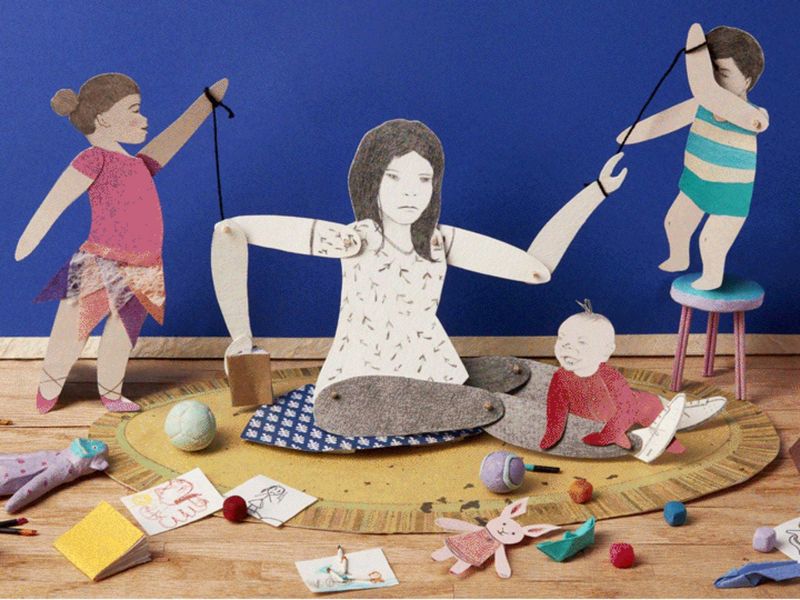
Having children should be one of the most personal decisions a person ever makes. Yet many women admit they felt pushed into parenthood by their spouse, family expectations, or a sense that it was simply “what came next” in the marriage timeline.
Regretting the circumstances around becoming a mother, or the choice of who you became one with, is a painful reality some women carry quietly. Open, honest conversations about whether and when to have children are among the most important a couple can ever have.