
Not everyone who walks into your life deserves a permanent spot in it. Some people, no matter how much you care about them, can slowly drain your energy, damage your confidence, and pull you away from the life you want to build.
Recognizing these harmful personality types is one of the smartest things you can do for your mental and emotional health. Here are 20 types of people worth stepping away from.
1. The Chronic Complainer

Every conversation with a chronic complainer feels like walking into a storm cloud. Nothing is ever right, nothing is ever good enough, and somehow every topic circles back to something wrong with the world.
Over time, their constant negativity seeps into your own mindset.
Spending too much time around someone like this can make you feel heavy and hopeless. Protecting your mental energy sometimes means limiting how often you engage with people who refuse to see any silver lining.
2. The Drama Magnet

Life around a drama magnet is never calm. There is always a crisis brewing, a falling-out happening, or a situation that somehow requires your immediate attention and emotional investment.
Chaos seems to follow them everywhere they go.
What makes this exhausting is that the drama is rarely accidental. Many drama magnets unconsciously create conflict because it keeps them at the center of attention.
Stepping back from this type of person gives you room to breathe and focus on real priorities.
3. The Eternal Victim

Eternal victims have perfected the art of never being at fault. Every hardship in their life is caused by someone else, and they carry a constant expectation that others will feel sorry for them.
Sympathy is their currency.
Over time, being around someone who refuses to take personal responsibility becomes deeply exhausting. You may find yourself walking on eggshells, offering endless reassurance that never seems to be enough.
Healthy relationships involve mutual accountability, not one-sided emotional labor.
4. The Manipulator

Manipulators rarely show their true colors right away. They can be charming, thoughtful, and even generous at first.
But underneath that polished surface is a calculated approach to getting exactly what they want from you.
They shift blame, test your loyalty, and use your emotions against you. What feels like a friendship is often a transaction.
Recognizing manipulation early can save you from months or even years of feeling used, confused, and emotionally worn down.
5. The Time Vampire
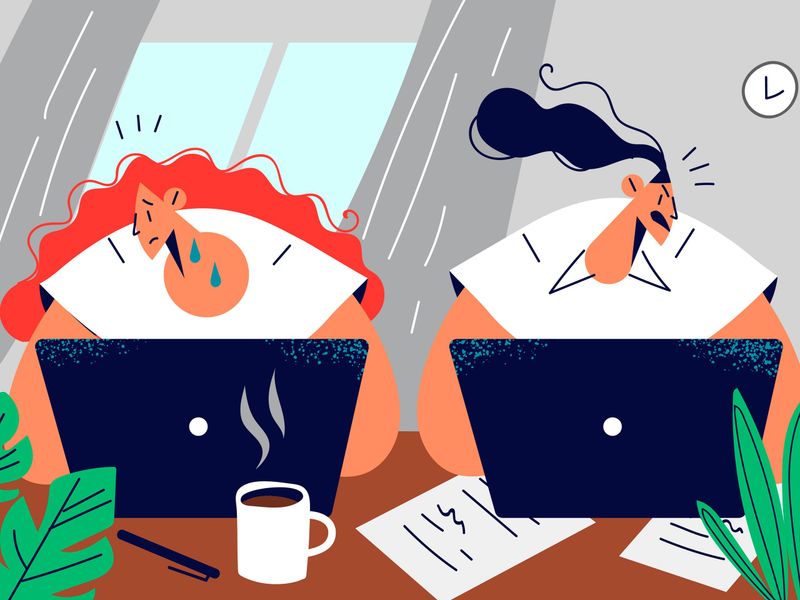
You know the feeling: you planned a quick ten-minute call, and somehow two hours have disappeared. Time vampires consume your schedule without a second thought, treating your availability as a given rather than a gift.
Conversations tend to be one-sided, with little interest in what you have going on. Your goals, deadlines, and personal time rarely register on their radar.
Guarding your time is not selfish; it is necessary, especially around people who have no intention of respecting it.
6. The Toxic Positivity Pusher

Positivity sounds harmless until it is used to silence your real feelings. Toxic positivity pushers respond to your pain with phrases like “just be grateful” or “look on the bright side,” completely brushing off what you are actually going through.
Feeling dismissed when you are struggling is isolating and hurtful. Genuine support means making space for both the good and the hard.
Surrounding yourself with people who validate your real emotions, not just the happy ones, makes a huge difference in your well-being.
7. The Dream Killer

Sharing a dream with a dream killer feels like throwing a bucket of cold water on yourself. Every idea is met with doubt, every plan is picked apart, and every goal you have is questioned before you even get started.
What makes this type particularly damaging is that their skepticism can masquerade as “being realistic” or “looking out for you.” But consistent discouragement chips away at your confidence. The people worth keeping around are those who challenge you to grow, not those who talk you out of trying.
8. The Narcissist

At first, narcissists can seem magnetic and impressive. They often know exactly what to say to draw people in.
But once you are close to them, you quickly realize that every conversation, every plan, and every problem somehow revolves around them.
Empathy is not in their toolkit. They use people to feed their need for praise and attention, and they gaslight anyone who pushes back.
Relationships with narcissists are built on an uneven foundation where your needs will almost always come last.
9. The Gossip

Here is a simple rule to remember: if someone gossips to you about everyone else, they are almost certainly gossiping about you to everyone else. Gossips build their social lives on sharing other people’s private information, often with little regard for the damage it causes.
Trust becomes impossible to build with someone who cannot keep a confidence. Beyond the betrayal, spending time with gossips pulls your focus toward negativity and drama.
Real friendships are built on honesty and respect, not whispers and rumors.
10. The Temperamental Rager

Walking on eggshells around someone with an explosive temper is mentally and physically exhausting. You spend so much energy trying not to trigger their anger that you lose sight of your own needs and feelings in the process.
Frequent rage, whether directed at the world, others, or even themselves, creates an unsafe and unpredictable environment. Everyone gets frustrated sometimes, but a person who regularly loses control of their emotions places an unfair burden on the people around them.
You deserve to feel safe in your relationships.
11. The Envious Comparer

Jealousy is a natural human emotion, but when someone builds their entire personality around it, things get toxic fast. The envious comparer cannot celebrate your wins without secretly resenting them, and they often find subtle ways to diminish your achievements.
You might notice backhanded compliments, unsolicited comparisons, or a strange tension whenever things go well for you. Surrounding yourself with genuinely supportive people, who cheer for you without keeping score, is one of the greatest gifts you can give yourself.
12. The Chronic Liar

Truth feels optional to a chronic liar. Facts get stretched, details get omitted, and stories change depending on who is in the room.
Over time, you stop knowing which version of events is real, and that uncertainty is deeply unsettling.
Trust is the foundation of any healthy relationship, and chronic liars erode that foundation piece by piece. Even small, unnecessary lies signal a deeper disrespect for the people around them.
A relationship where you constantly second-guess what is true is not one worth holding onto.
13. The Control Freak

Power-obsessed controllers treat relationships like chess games. Every interaction is a move designed to keep them in charge, and anyone who resists their authority quickly finds themselves on the receiving end of manipulation or punishment.
This type of person views other people as pieces to be managed rather than individuals to be respected. Whether the control shows up in friendships, family dynamics, or romantic relationships, the result is the same: you shrink yourself to fit their need for dominance.
Healthy connections require mutual respect, not submission.
14. The Passive-Aggressive

Passive-aggressive people rarely say what they actually mean. Instead, they express frustration through sarcasm, silent treatment, backhanded compliments, or doing things “wrong” on purpose.
It is a form of communication that leaves you constantly guessing.
The frustrating part is that when you try to address the tension, they often deny anything is wrong. Resolving conflict with someone who refuses to communicate directly is nearly impossible.
Relationships built on honest, open conversations are far healthier than ones wrapped in hidden resentment and mixed signals.
15. The Hypersensitive Ego

Everyone has feelings that deserve to be respected, but someone with a hypersensitive ego takes this to a whole new level. A casual joke, a harmless observation, or even a well-meaning suggestion can send them spiraling into defensiveness or hurt feelings.
What makes this pattern draining is that the focus always shifts back to their discomfort, no matter the original topic. You end up managing their reactions instead of having real conversations.
Genuine connection requires a degree of emotional resilience on both sides of the relationship.
16. The Judgmental Critic

Few things kill confidence faster than spending time with someone who judges everything you do. Your choices, your appearance, your opinions, and your lifestyle all become targets for their unsolicited critique.
Nothing you do ever quite measures up to their standards.
Judgmental people often mask their criticism as honesty or concern, which makes it harder to call out. But consistent criticism without compassion is not helpful feedback; it is control.
You grow best when you are around people who challenge you with kindness, not those who tear you down with superiority.
17. The Addictive Personality

Relationships with someone deep in addictive behavior can be genuinely heartbreaking. You may care about them deeply, but caring does not mean you are equipped to fix them, and trying to do so often comes at a serious cost to your own well-being.
People struggling with addiction frequently prioritize their habit above relationships, commitments, and responsibilities. The cycle of broken promises and unpredictable behavior wears on even the most patient people.
Supporting someone from a healthy distance, with clear boundaries, is sometimes the most honest form of care you can offer.
18. The User and Ingrate

Users are skilled at making you feel like helping them is your idea. They know exactly how to frame a request, how to push guilt buttons, and how to disappear the moment you need something in return.
Generosity flows in one direction only.
Gratitude is not part of their vocabulary, and your efforts are taken for granted rather than appreciated. Over time, this one-sided dynamic leaves you feeling depleted and undervalued.
Relationships should feel like a two-way street, not a service you provide with nothing coming back.
19. The Emotionally Unavailable

Trying to connect emotionally with an emotionally unavailable person feels like knocking on a door that never opens. They shut down during difficult conversations, avoid vulnerability, and keep meaningful connection just out of reach no matter how hard you try.
This pattern is especially painful in close friendships or romantic relationships, where emotional depth is essential. You deserve someone who shows up fully, not just when things are easy.
Staying tethered to someone who stonewalls real connection can quietly erode your own sense of self-worth over time.
20. The Bad Influence

Bad influences do not always look dangerous at first glance. They can be fun, exciting, and full of energy, which is exactly what makes them so easy to follow down the wrong path.
The thrill of their company can cloud your better judgment.
Over time, the choices they encourage can damage your reputation, your relationships, and your future. Real friends respect your values and your limits, even when they differ from their own.
Anyone who pressures you to act against your instincts is not someone worth keeping close.