
Country music has deep roots that stretch far beyond what most people see on mainstream stages. Black artists have been shaping, building, and inspiring this genre since its very beginnings, yet their stories are often left out of the spotlight.
From pioneers who played at the Grand Ole Opry in the 1920s to modern stars topping the charts today, these singers changed the game. Get ready to meet 16 incredible Black country singers who helped make country music what it is.
1. DeFord Bailey
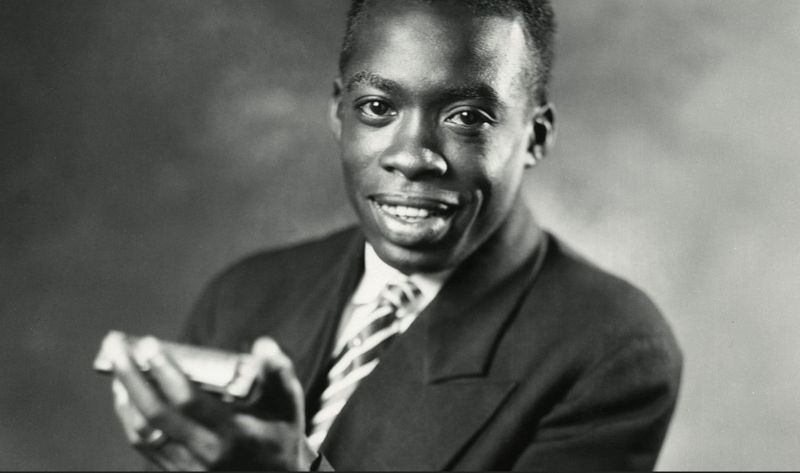
Before country music had superstars, it had DeFord Bailey and his harmonica. He became the first African American performer on the Grand Ole Opry stage in 1927, blowing audiences away with a style no one had ever heard before.
Bailey pioneered note-bending and a “talking” harmonica technique that felt brand new on radio. By blending blues with rural folk melodies, he brought a fresh sound to national audiences.
He was posthumously inducted into the Country Music Hall of Fame in 2005.
2. Charley Pride
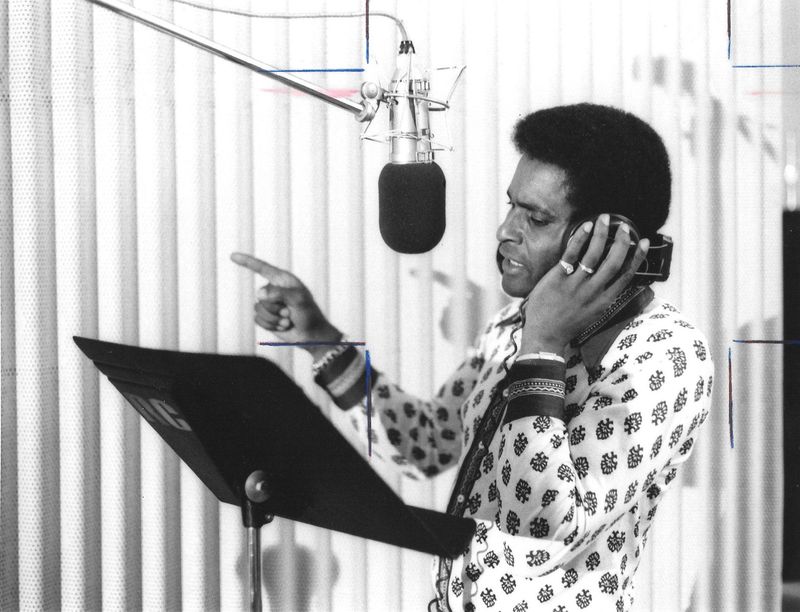
Charley Pride walked onto country music stages at a time when almost no Black artists were doing so, and he did not just survive, he dominated. With 30 No. 1 hits and over 70 million albums sold, he became RCA’s best-selling artist since Elvis Presley.
In 1971, Pride became the first Black American to win the Country Music Association’s Entertainer of the Year award. He was inducted into the Country Music Hall of Fame in 2000, cementing his legendary status forever.
3. Linda Martell
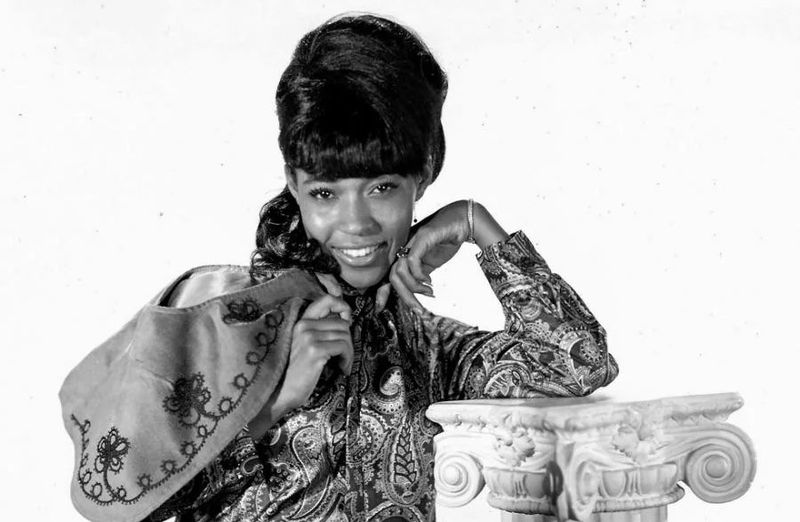
Long before modern conversations about diversity in country music, Linda Martell was already making history quietly and powerfully. Her 1969 debut single “Color Him Father” climbed to No. 22 on the Billboard Hot Country Singles chart, making her the first commercially successful Black female artist in country music.
She was also the first Black woman to perform at the Grand Ole Opry. Decades later, Beyonce featured Martell’s spoken-word intros on the album “Cowboy Carter,” introducing her legacy to a whole new generation.
4. Lesley Riddle
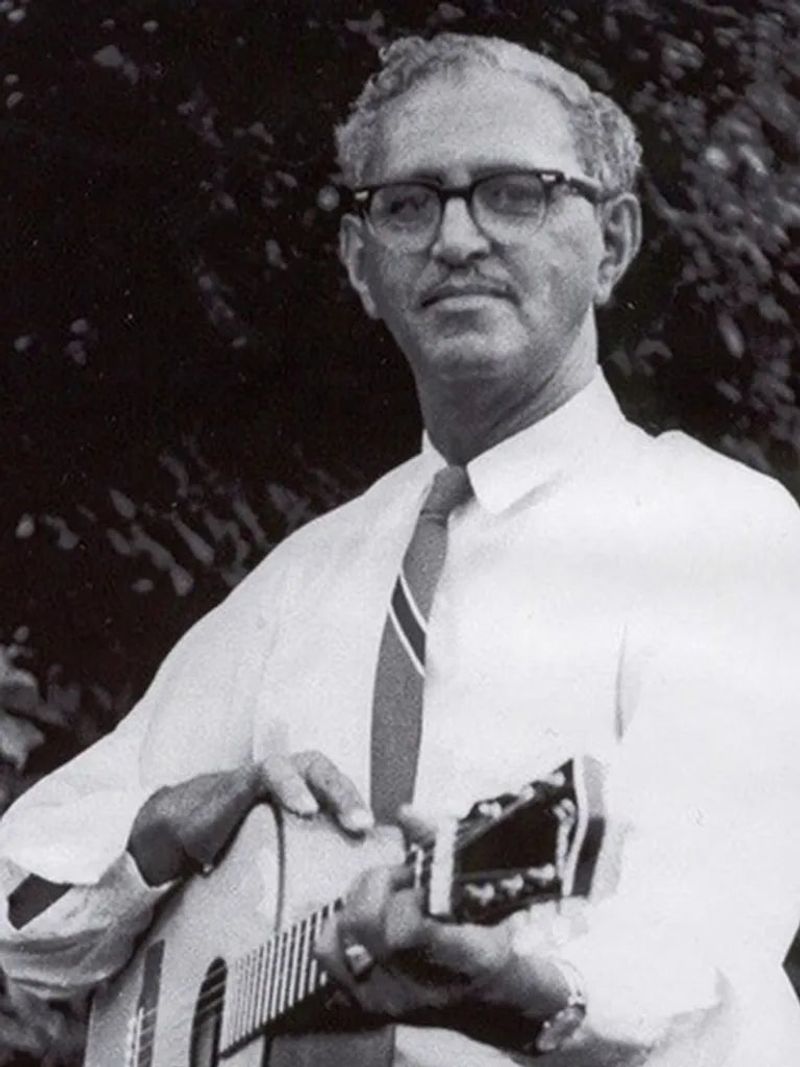
Lesley Riddle’s story is one of those hidden gems that rewrites what you thought you knew about country music history. Even after losing fingers on his left hand, he developed a distinctive guitar style that was all his own.
He taught Mother Maybelle Carter the iconic picking technique that became a signature of the Carter Family sound. Riddle also helped gather songs for their first record.
His quiet but massive influence proves that Black musicians were foundational to early country music from the very start.
5. Ray Charles
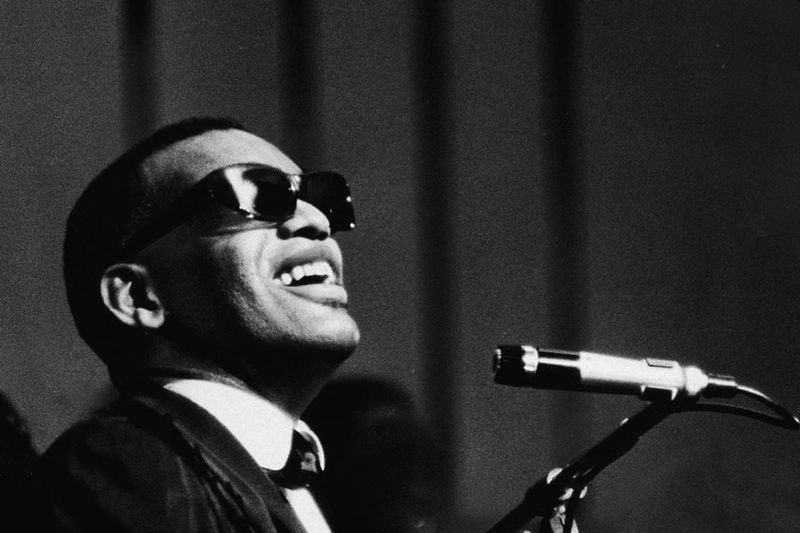
Ray Charles, known worldwide as “The Genius,” did something bold in 1962 that nobody expected. His album “Modern Sounds In Country And Western Music” became his first to top the Billboard 200, pulling country music into the mainstream like never before.
He scored a No. 1 country duet with Willie Nelson called “Seven Spanish Angels” and earned spots in both the Country Music Hall of Fame and the Rock and Roll Hall of Fame. His work also helped fuel the civil rights movement through the power of music.
6. Darius Rucker
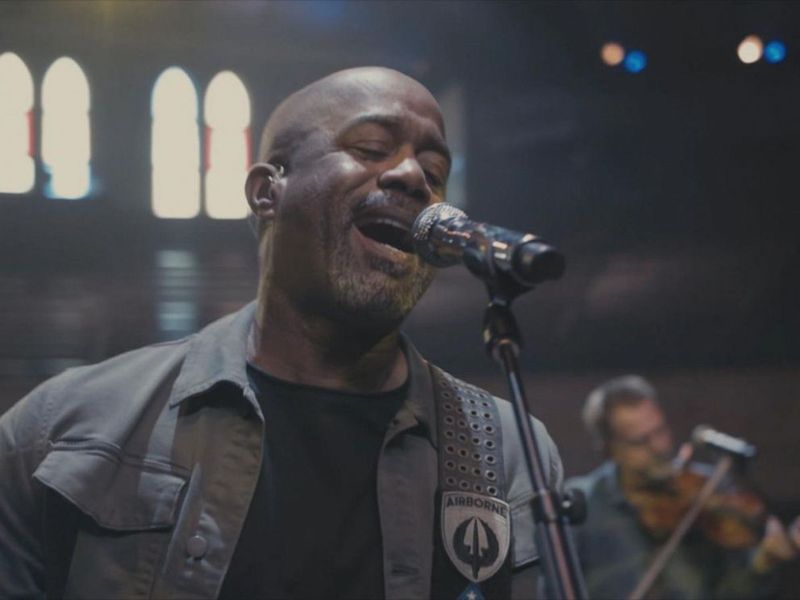
Most people knew Darius Rucker as the frontman of Hootie and the Blowfish, but in 2008 he surprised everyone by launching a country music career that actually worked. His debut country album “Learn To Live” produced multiple No. 1 hits, including “Wagon Wheel” and “Alright.”
He became the first Black artist to win the Country Music Association’s Best New Artist award. With his chart-topping single “Don’t Think I Don’t Think About It,” Rucker became the first Black country artist to hit No. 1 since Charley Pride back in 1983.
7. Tina Turner
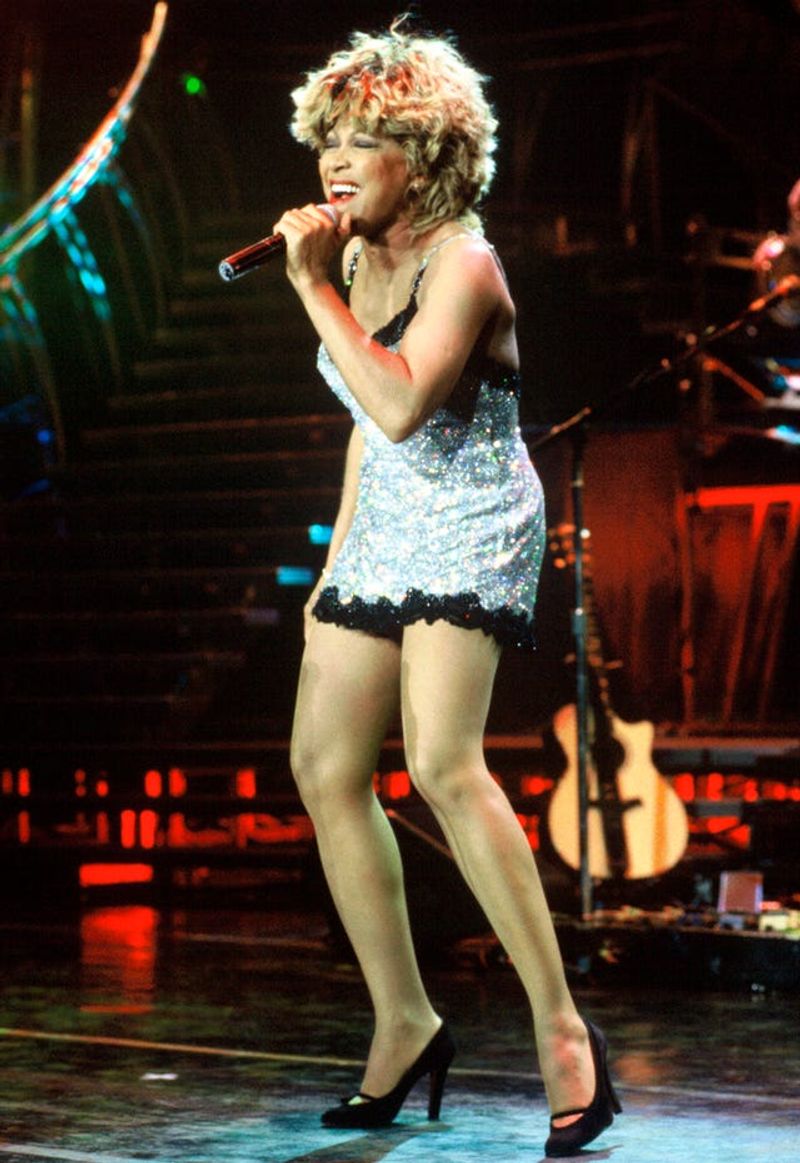
Tina Turner was never afraid to cross musical boundaries, and her 1974 country album “Tina Turns the Country On!” proved just that. Featuring covers of songs by Kris Kristofferson and Dolly Parton, the album earned her a Grammy nomination and showed off a side of her voice fans rarely got to hear.
Stepping into country music was a real creative risk for a soul and R&B icon. She pulled it off with unmistakable power and style, leaving a mark on a genre that had rarely seen anyone quite like her.
8. Rissi Palmer
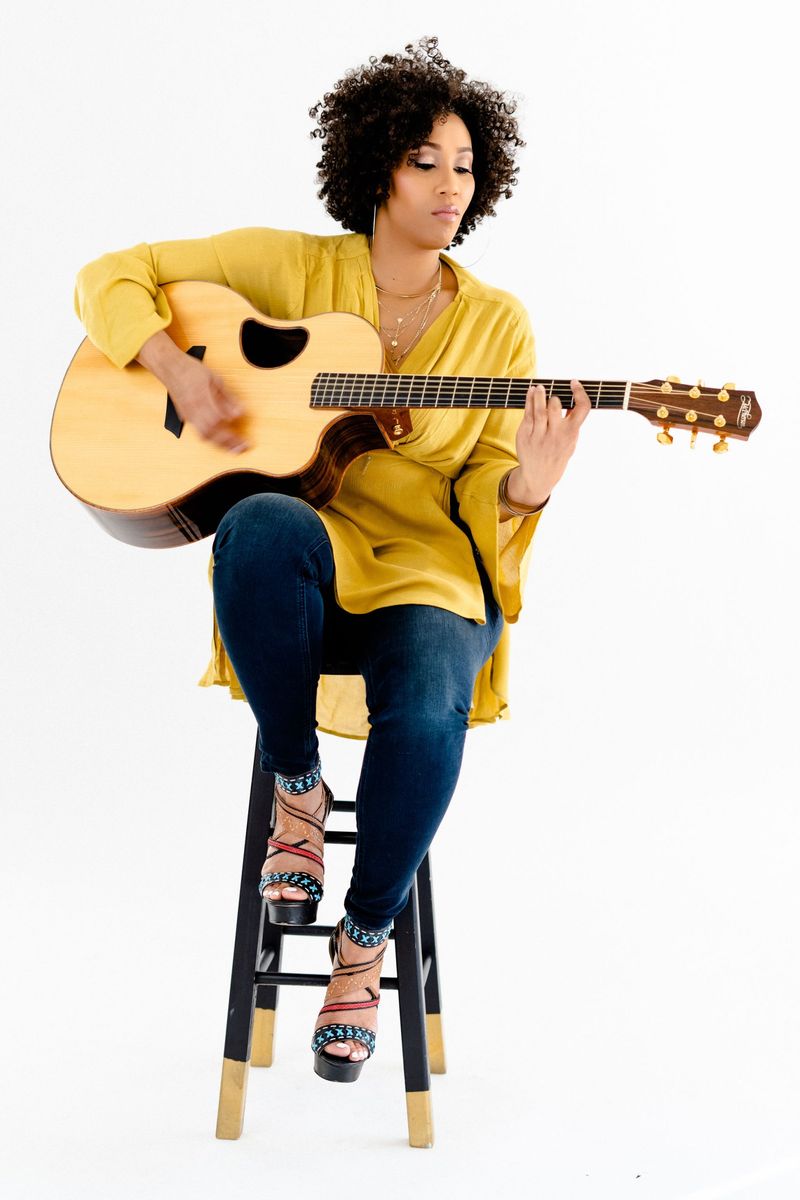
In 2007, Rissi Palmer did something that no Black woman had done in country music for two full decades. She charted a country song, breaking a long and frustrating silence for Black women in the genre.
Beyond her music, Palmer hosts Apple Music’s “Color Me Country” radio show, a platform dedicated to lifting up artists of color and telling a more complete story of country music’s roots. Her work fights against erasure in a real and meaningful way, making her both a performer and a history-keeper.
9. Rhiannon Giddens
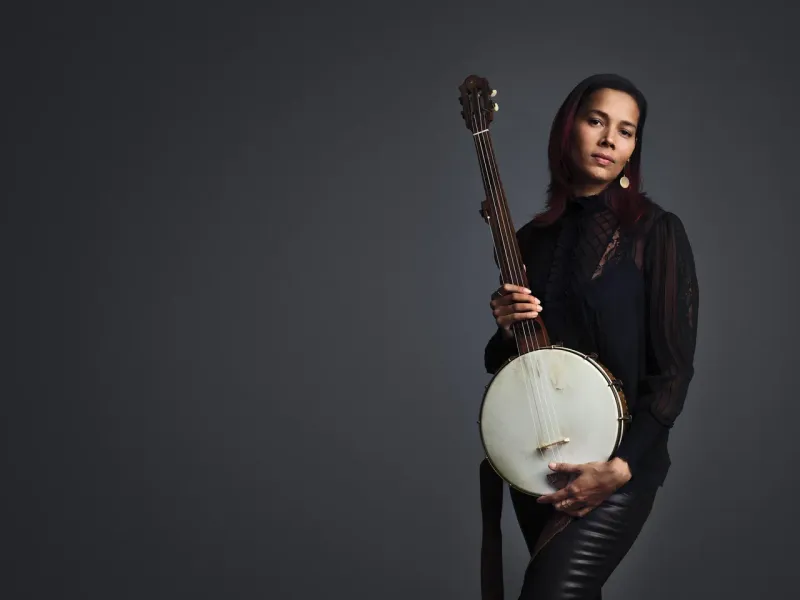
Rhiannon Giddens is the kind of artist who makes you rethink everything you thought you knew about where country music came from. A classically trained singer and multi-instrumentalist, she has spent her career shining a light on the African American roots of country music, especially the banjo.
Her powerful storytelling and research-driven approach have earned her critical praise and a dedicated fanbase. Giddens is not just performing history, she is actively restoring it, making sure credit goes where it has always belonged.
10. Mickey Guyton
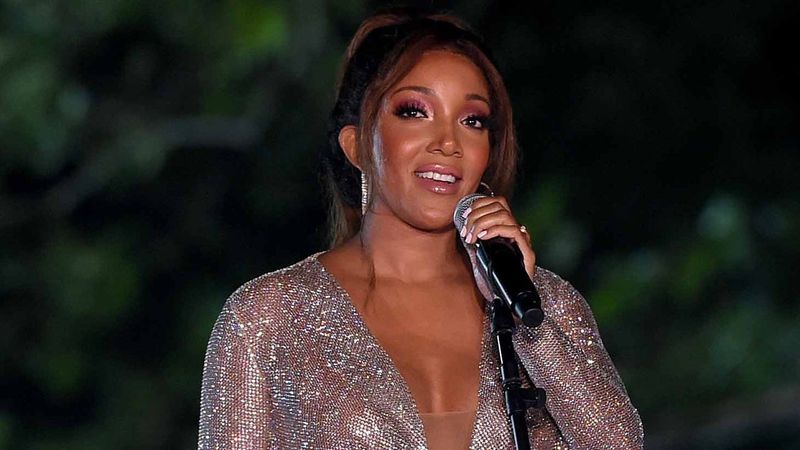
When Mickey Guyton released “Black Like Me” in 2020, it stopped people in their tracks. Written in response to the George Floyd protests, the song was deeply personal and undeniably powerful, earning her a Grammy nomination for Best Country Solo Performance in 2021.
Her debut album “Remember Her Name” continued that honest, fearless storytelling. Guyton has become one of the most important voices speaking up for Black artists in country music today, using her platform to push the genre toward something more honest and inclusive.
11. Kane Brown
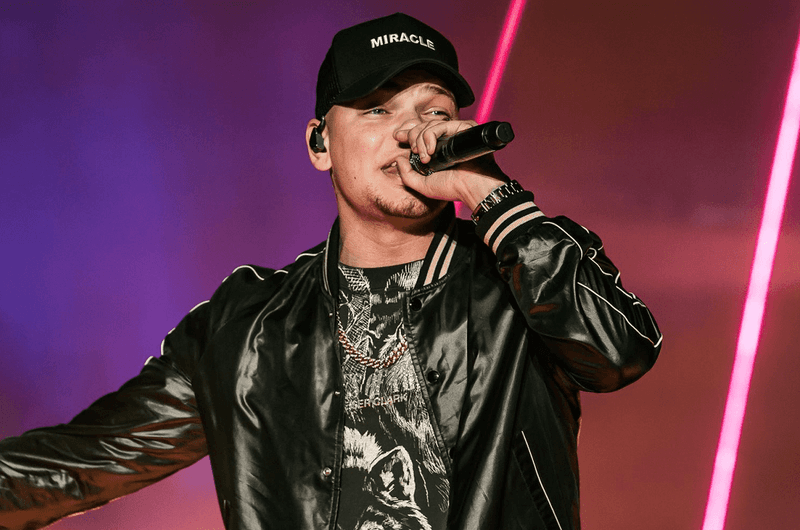
Kane Brown started posting covers on social media in 2014, and the response was so massive that it launched a real career almost overnight. His music blends country with pop and R&B in a way that feels completely natural, pulling in fans from multiple genres at once.
He has scored several chart-topping country hits and continues to push what country music can sound like. Brown represents a newer generation of Black country artists who are reshaping the genre without apology, proving that country music’s future is bigger and bolder than its past.
12. Charley Patton
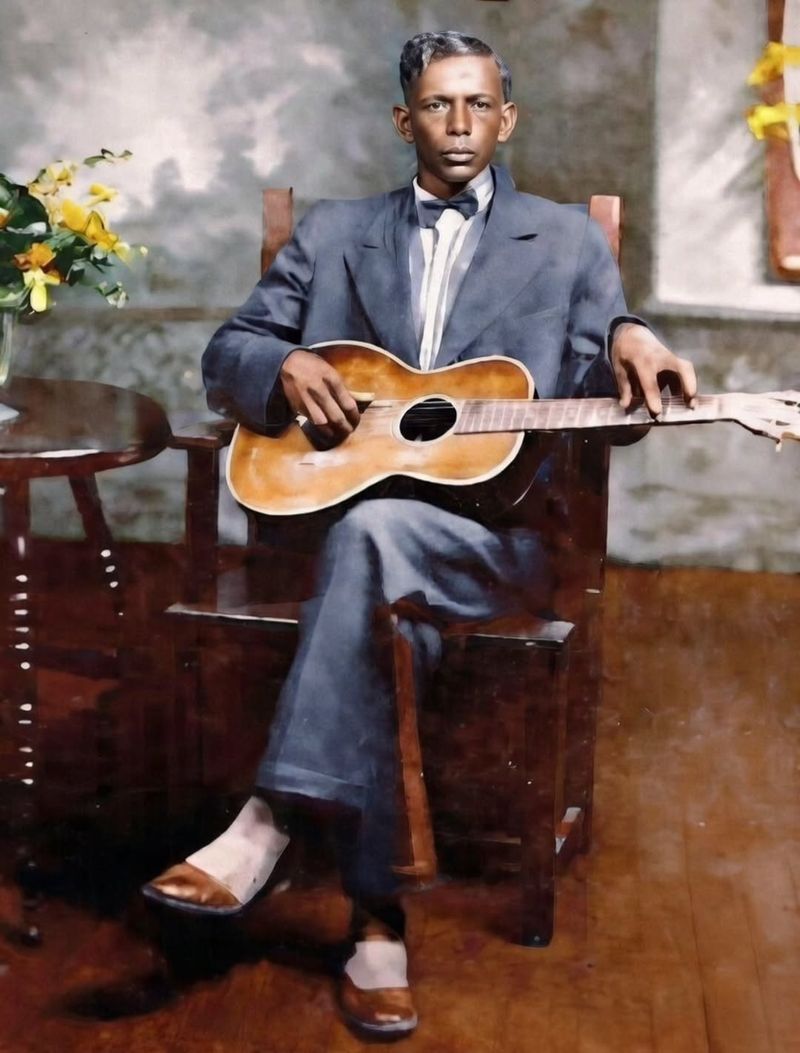
Charley Patton was a force of nature with a guitar in his hands. Known as a giant of the Delta blues, his fingerpicking style, raw vocals, and vivid storytelling influenced generations of musicians across country, blues, and rock.
His music blurred genre lines freely, pulling from ragtime, field hollers, and early country sounds all at once. Many country and blues legends who came after him owe a serious creative debt to his groundbreaking recordings from the 1920s and 1930s.
13. Rufus “Tee Tot” Payne
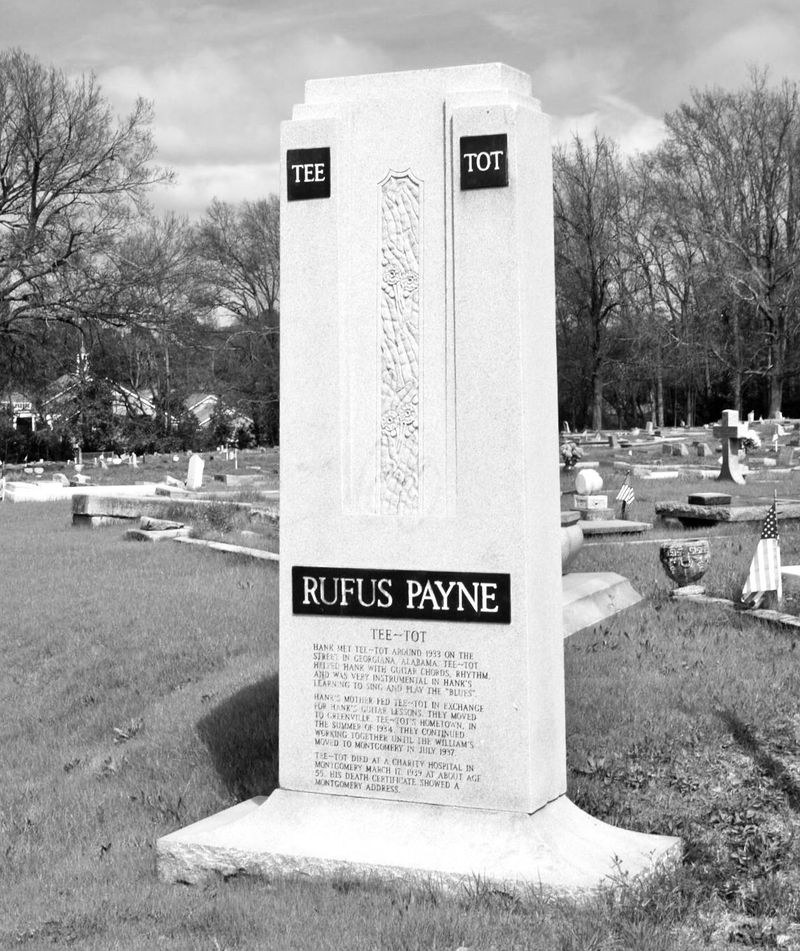
Not every music legend gets their name in lights, but their fingerprints are all over the songs we love anyway. Rufus “Tee Tot” Payne was a traveling blues guitarist who crossed paths with a young Hank Williams in Alabama and changed the course of country music history.
Williams later credited Payne as one of his greatest musical influences, saying he learned everything he knew about singing from him. Without Payne’s guidance, the sound of classic country might have turned out very differently than it did.
14. Gus Cannon
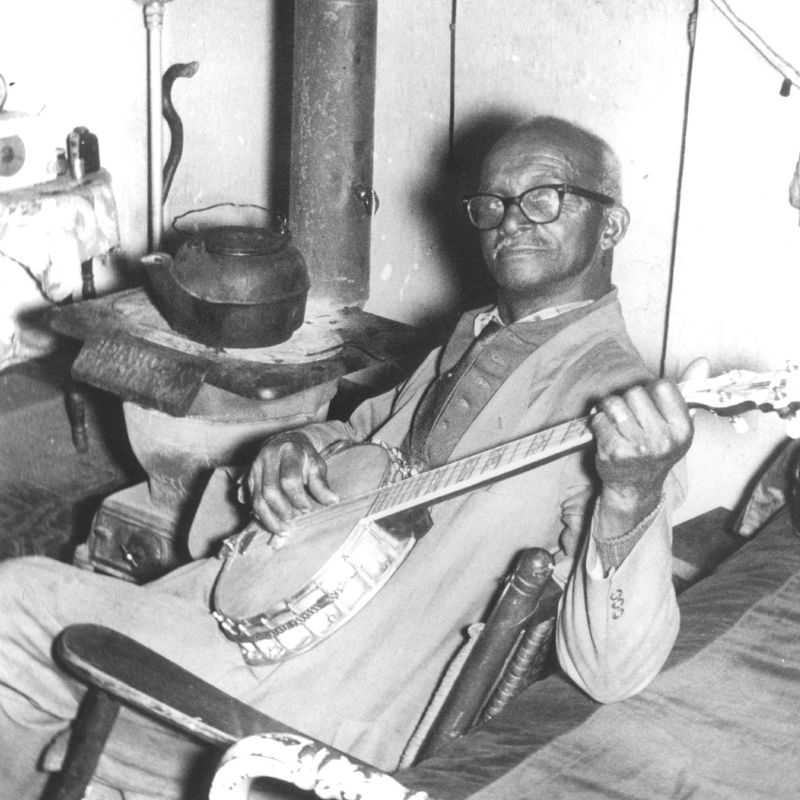
Gus Cannon helped invent a sound that most people do not realize came before country music as we know it. His jug band, Cannon’s Jug Stompers, recorded some of the most energetic and inventive music of the 1920s, blending blues, folk, and early country styles together.
He is also credited with influencing Johnny Cash, one of country music’s biggest names. Cannon’s music got a second life during the folk revival of the 1960s, introducing his extraordinary talent to a brand new audience decades later.
15. El Watson
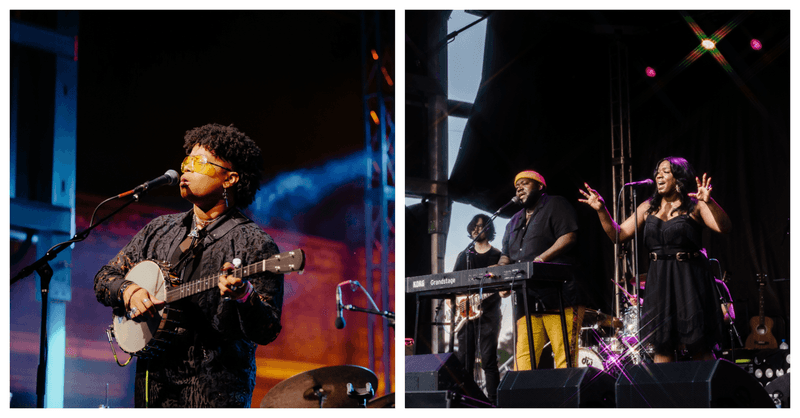
The 1927 Bristol Sessions are often called the “Big Bang” of country music, and El Watson was the only African American musician to record there. His tracks “Narrow Gauge Blues” and “Pot Licker Blues” captured a raw, honest sound that stood out even among legendary recordings.
Watson also played bones on songs recorded by the Johnson Brothers, making his sessions some of the earliest examples of integrated recordings in country music. His presence at Bristol is a quiet but powerful reminder of how deeply Black artistry shaped the genre’s origin story.
16. Brittney Spencer
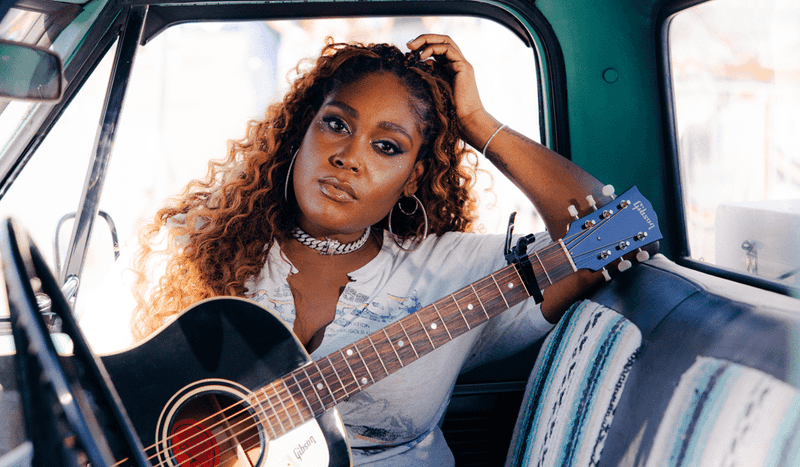
Brittney Spencer brings a fresh energy to country music that is hard to ignore. With a voice that moves effortlessly between soulful power and tender vulnerability, she has quickly earned a reputation as one of the most exciting new artists in the genre.
USA Today named her one of “12 Black Artists Shaping Country Music’s Future,” a title she is clearly living up to. Spencer’s pop-country sound and honest songwriting feel like exactly what the genre needs right now, and she is just getting started.