
The year 1950 gave moviegoers some of the most unforgettable stories ever put on screen. From sharp Hollywood dramas to groundbreaking foreign films, that single year produced a remarkable range of cinematic masterpieces.
Many of these movies tackled big ideas like ambition, love, justice, and truth in ways that still feel fresh today. Whether you are a longtime film fan or just getting started, these 15 classics are absolutely worth your time.
1. All About Eve
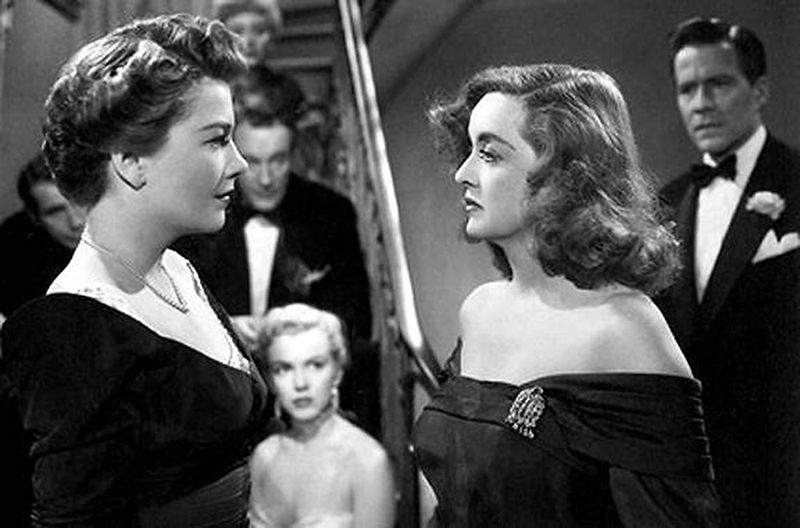
Sharp tongues and sharper ambitions collide in this backstage Broadway masterpiece. Bette Davis delivers one of cinema’s most legendary performances as Margo Channing, a celebrated actress who slowly realizes her eager young admirer has been plotting to steal her spotlight all along.
Winner of the Best Picture Oscar, this film dissects the cutthroat world of theatre with wit and venom. Its dialogue is so quotable that lines from it are still referenced in pop culture today.
2. Sunset Boulevard
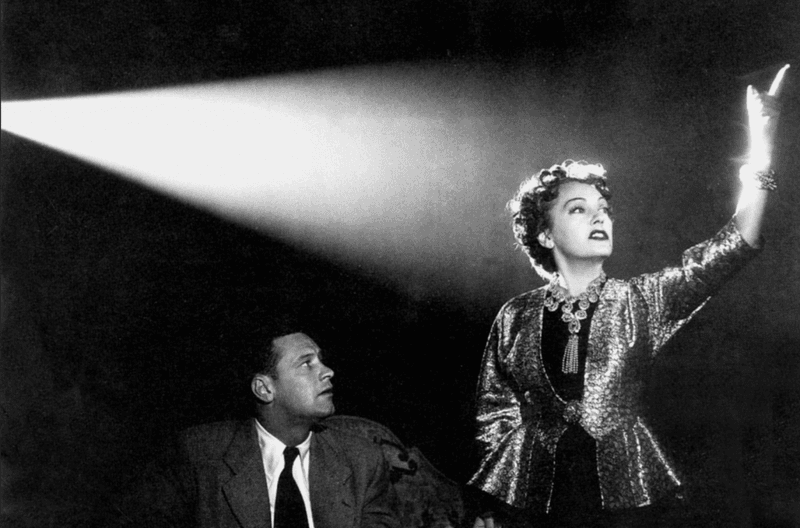
Few films have captured Hollywood’s dark side quite like this one. Directed by Billy Wilder, Sunset Boulevard follows a struggling screenwriter who gets tangled up with Norma Desmond, an aging silent film star living in a fog of delusion and faded grandeur inside her decaying mansion.
Gloria Swanson’s performance is haunting and unforgettable. The film’s famous opening scene, narrated by a dead man floating in a pool, sets the tone for a story soaked in cynicism and tragedy.
3. Rashomon
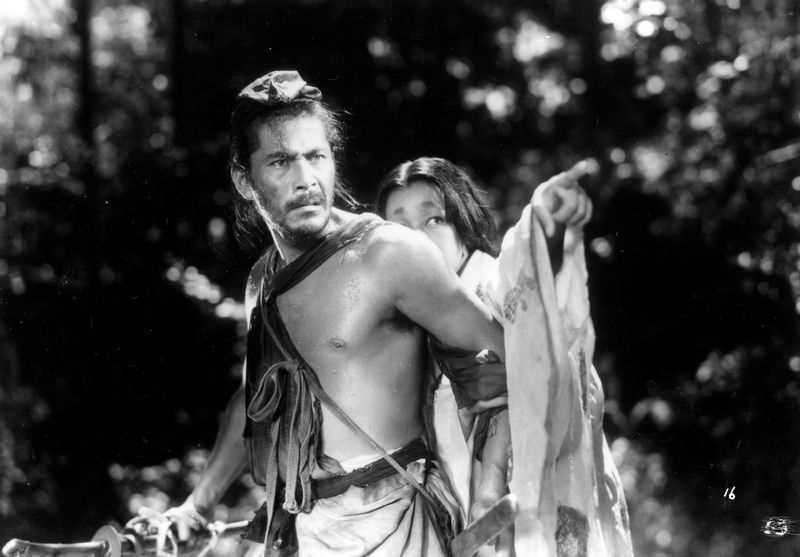
What really happened in the forest? Akira Kurosawa’s Rashomon dares to ask that question and then refuses to give a simple answer.
Four characters each tell their own version of the same violent event, and every account contradicts the others in fascinating ways.
Released in Japan in 1950, this film won an Honorary Academy Award and introduced Western audiences to Japanese cinema. Its storytelling technique, showing multiple conflicting perspectives, became so influential that the term “Rashomon effect” is now used in psychology and law.
4. In a Lonely Place
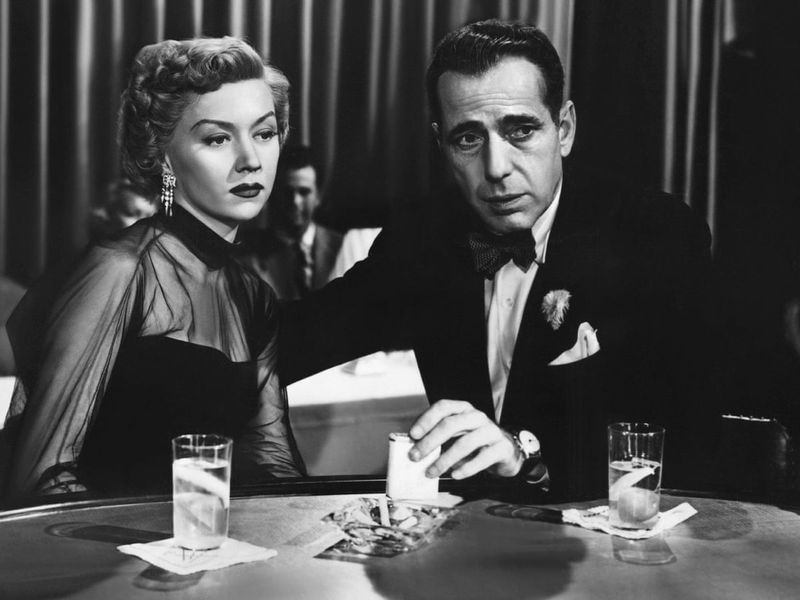
Humphrey Bogart plays Dixon Steele, a hot-tempered Hollywood screenwriter under suspicion for a young woman’s murder. His neighbor, played by Gloria Grahame, becomes both his alibi and his love interest, but his explosive personality keeps threatening to destroy everything between them.
This film cuts deeper than most noir thrillers because the real mystery is not whether Dixon is guilty of murder. The real question is whether a person can truly love someone they fear.
That emotional tension makes it timeless.
5. The Asphalt Jungle
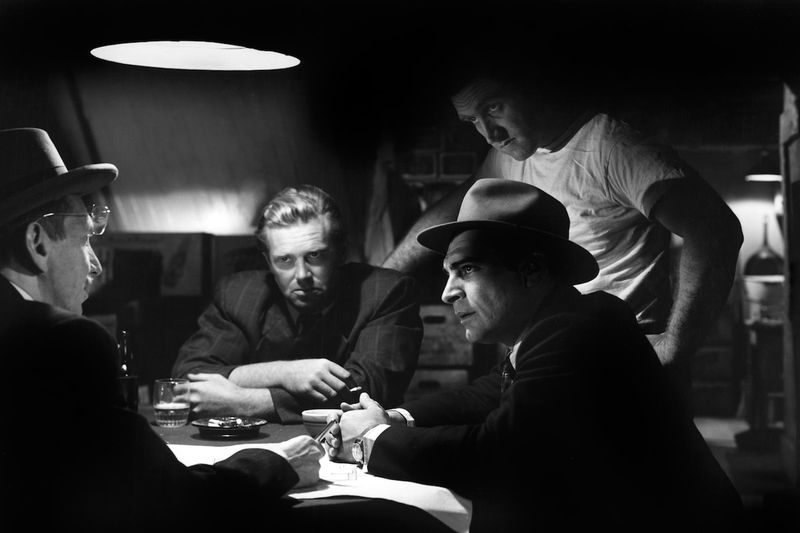
Before Ocean’s Eleven, before Heat, there was The Asphalt Jungle. John Huston’s methodical crime thriller follows a crew of criminals planning and executing a daring jewel heist with military precision, only to watch everything unravel in the aftermath.
What makes this film remarkable is how much sympathy it builds for people on the wrong side of the law. Sterling Hayden leads a cast of deeply human characters, each with their own reason for needing that one big score.
A young Marilyn Monroe even appears in a small but memorable role.
6. Cinderella
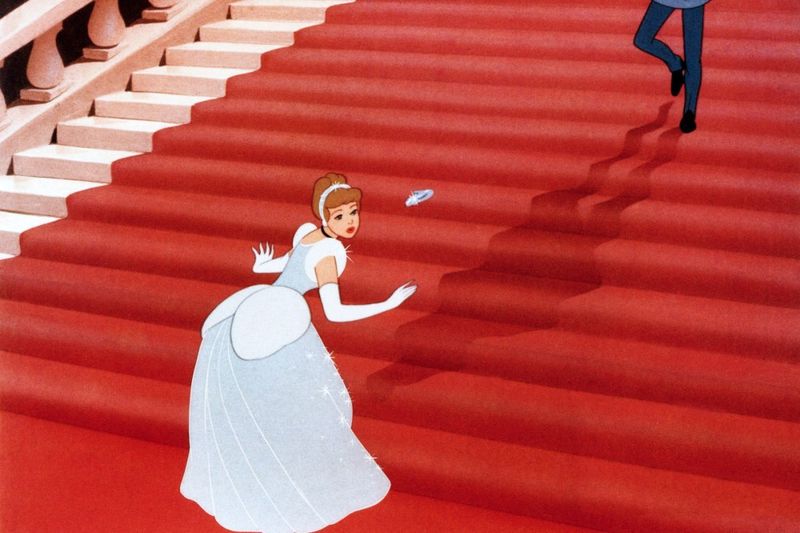
Walt Disney’s Cinderella arrived at a moment when the studio desperately needed a hit, and it delivered in spectacular fashion. The animation is lush and dreamlike, the songs are instantly memorable, and the story of a kind girl rising above cruelty still resonates with audiences of every age.
Beyond the fairy tale magic, Cinderella helped save Disney as a company and paved the way for decades of animated classics. Songs like “A Dream Is a Wish Your Heart Makes” have become permanent fixtures in popular culture worldwide.
7. Harvey
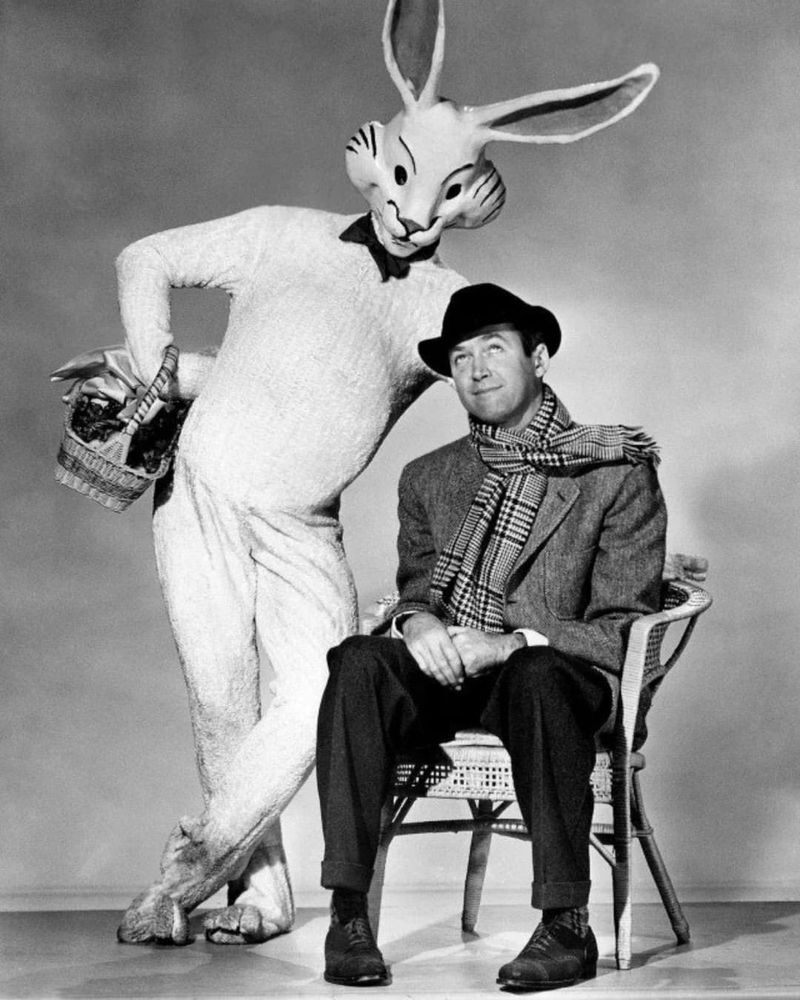
Elwood P. Dowd is the kind of person everyone wishes they knew.
Played with pure warmth by James Stewart, Elwood happily goes through life accompanied by Harvey, an invisible six-foot-three-and-a-half-inch rabbit that only he can see. His family is mortified.
Audiences were charmed.
Based on a Pulitzer Prize-winning play, Harvey is a gentle comedy that quietly argues for kindness over convention. It asks whether the world would be better if more people were a little more like Elwood, and the answer feels obvious.
8. Broken Arrow
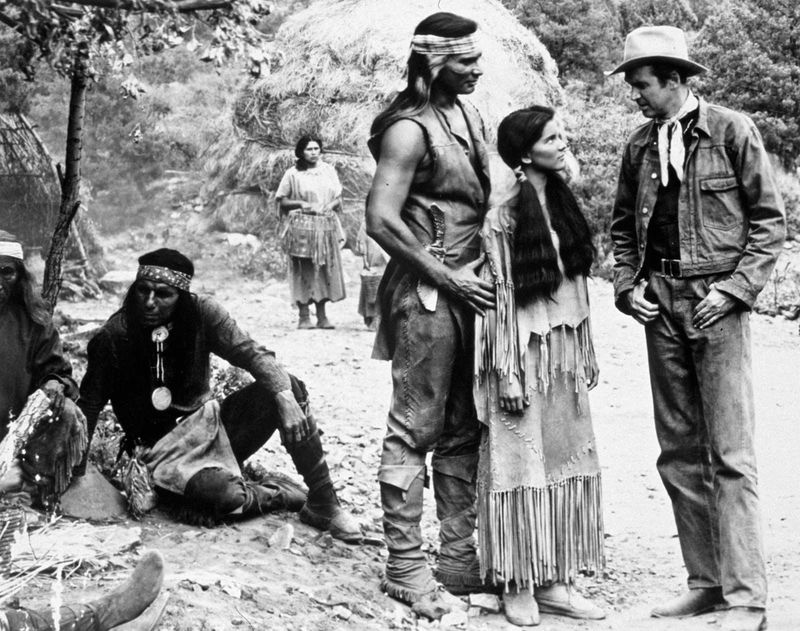
Long before Hollywood regularly gave Native American characters dignity and depth, Broken Arrow made a bold statement. James Stewart plays Tom Jeffords, a former soldier who learns the Apache language and risks his life to negotiate peace with the legendary Chief Cochise, played by Jeff Chandler.
For 1950, this film was genuinely progressive in how it portrayed Indigenous people as fully human, honorable, and complex. It helped shift how Westerns were made and is still recognized as a turning point in the history of the genre.
9. Rio Grande
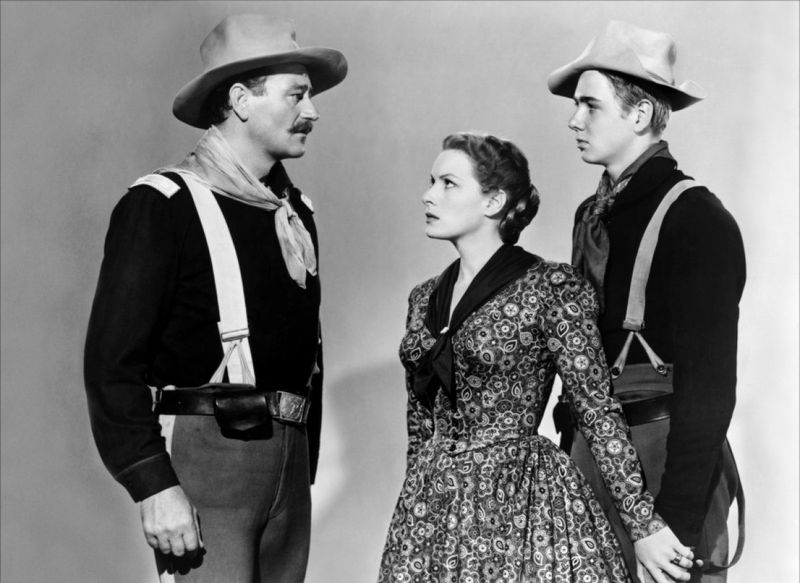
John Ford and John Wayne together were a filmmaking force of nature, and Rio Grande is one of their finest collaborations. Wayne plays Lt.
Col. Kirby Yorke, a tough cavalry officer stationed on the Texas frontier whose estranged son unexpectedly shows up as one of his new recruits.
The personal story running through the action sequences gives the film real emotional weight. Maureen O’Hara brings fire and grace as Yorke’s wife, and the chemistry between her and Wayne feels completely genuine on screen.
10. Panic in the Streets
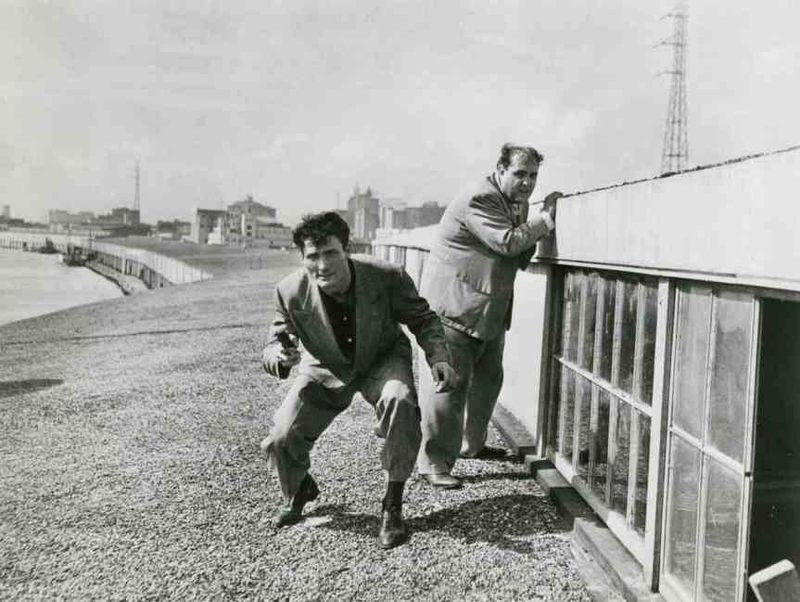
Shot entirely on location in New Orleans, Panic in the Streets has a gritty, documentary-like feel that was ahead of its time. When a murder victim is discovered to be carrying pneumonic plague, a U.S.
Public Health doctor and a skeptical police captain have just 48 hours to find the killers before an epidemic spreads through the city.
Elia Kazan directed this thriller with sharp tension and real urgency. Jack Palance appears as a chilling villain in one of his earliest film roles, making every scene he is in crackle with menace.
11. Orpheus
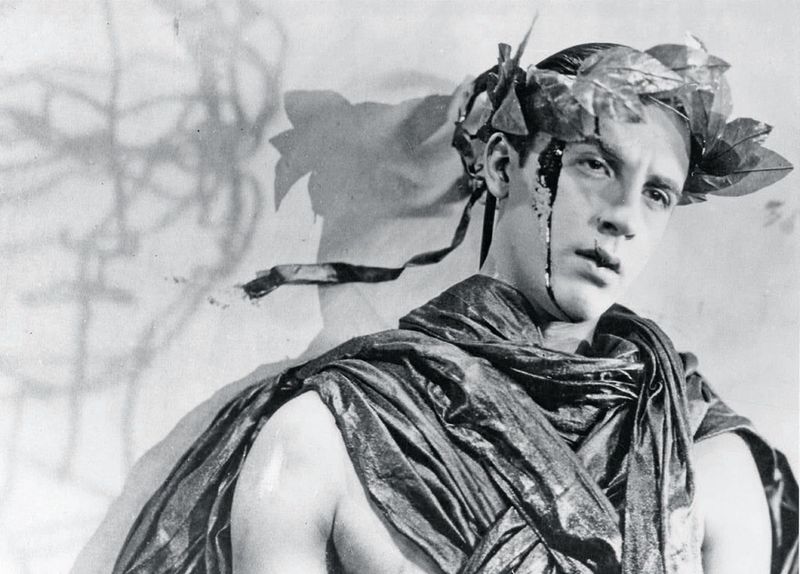
Jean Cocteau took one of ancient Greece’s most beloved myths and turned it into something completely original. His Orpheus transplants the story of the musician who journeys to the underworld into 1950s Paris, blending poetry, surrealism, and philosophy into a film unlike anything else from that era.
The visual effects, achieved without computers, still look striking today. Mirrors serve as doorways to the land of the dead, and the film treats love and artistic obsession as forces equally powerful and equally dangerous.
Pure cinematic poetry.
12. Father of the Bride
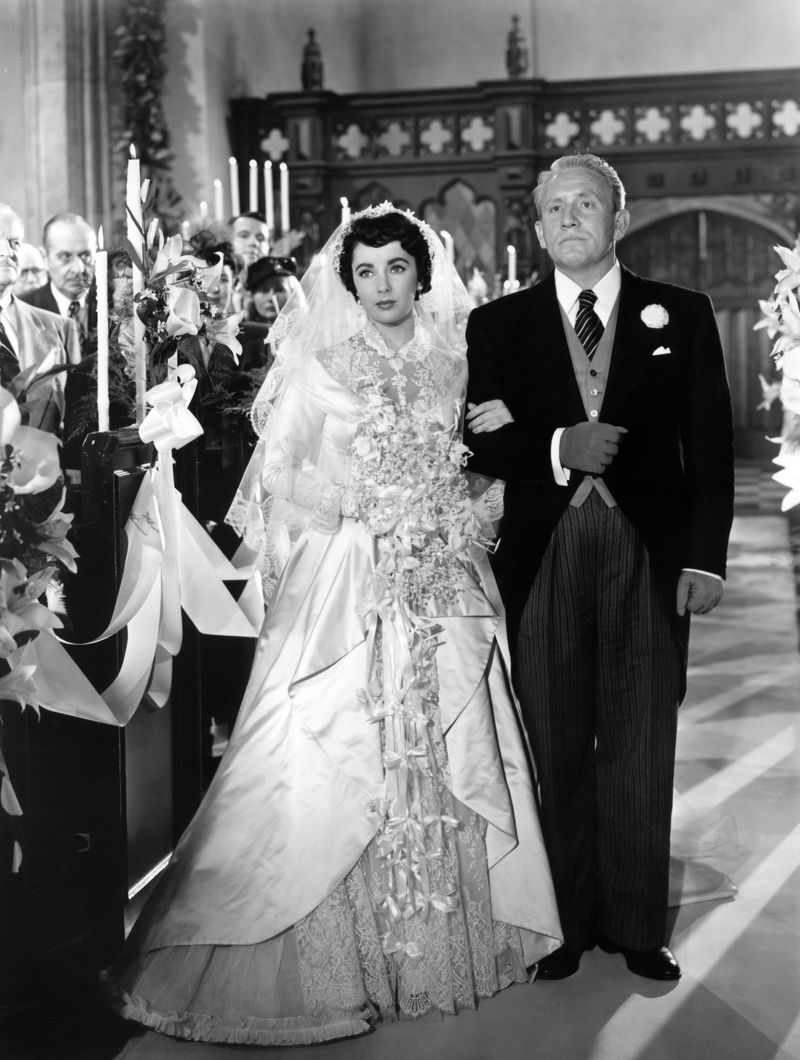
Spencer Tracy perfected the art of the lovable, overwhelmed dad in this sweet comedy about the chaos that descends on a household when a daughter announces she is getting married. Every expense, every guest list argument, and every moment of parental panic rings hilariously true.
Elizabeth Taylor plays the bride with radiant charm, and her chemistry with Tracy feels genuinely familial. Directed by Vincente Minnelli, the film balances laughs with real tenderness, capturing something universal about the bittersweet joy of watching a child grow up.
13. Gun Crazy
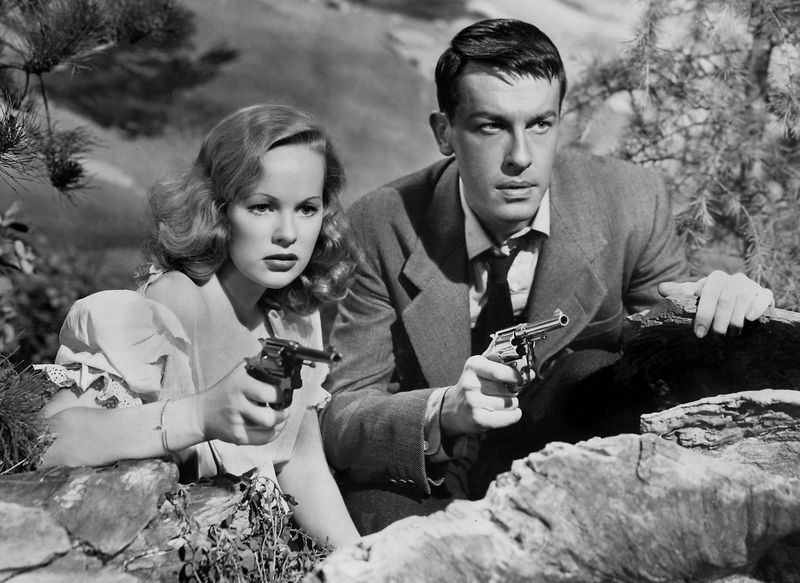
Years before Bonnie and Clyde became a cultural phenomenon, Gun Crazy told essentially the same story with raw energy and a style that felt almost rebellious for its time. Bart and Laurie are two gun-obsessed lovers who fall hard for each other and spiral into a life of crime that neither can escape.
The film’s legendary single-take bank robbery scene, shot from the backseat of the getaway car, was technically dazzling for 1950. Peggy Cummins is magnetic and dangerous as Laurie, easily one of noir’s most compelling femme fatales.
14. Wagon Master
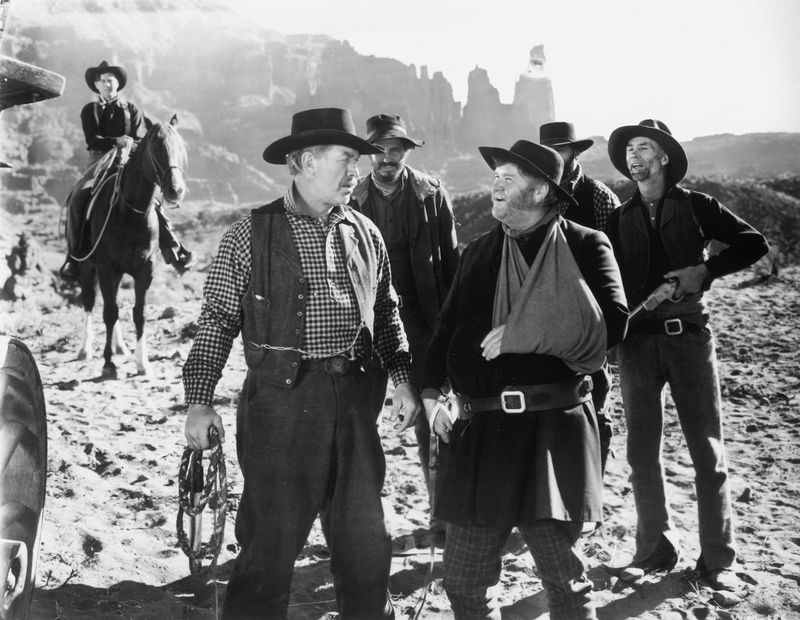
John Ford himself reportedly considered Wagon Master one of his personal favorites among all his films, and it is easy to understand why. The story follows two young horse traders hired to guide a Mormon wagon train across dangerous desert terrain, and Ford films it all with breathtaking simplicity.
There are no huge stars here, just an ensemble cast bringing warmth and humanity to every scene. The film trusts its landscape and its characters to carry the story, and they do so beautifully.
Quiet, but deeply affecting.
15. Winchester ’73
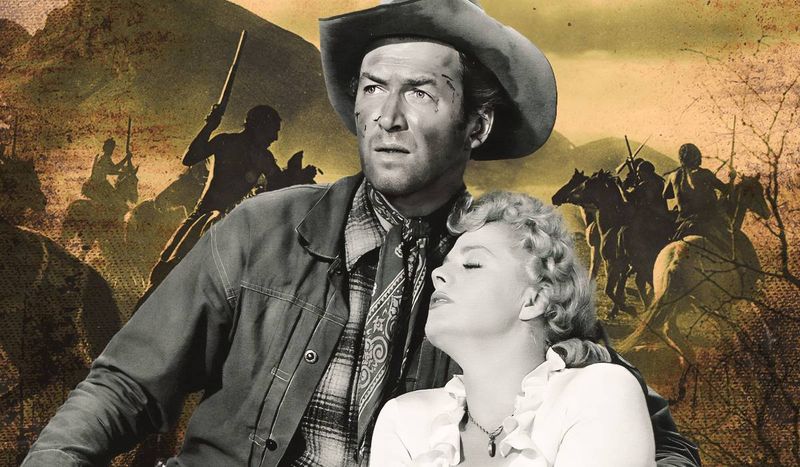
A rifle changes hands again and again, and each new owner reveals something about the lawless world of the American frontier. Winchester ’73 follows that single prized gun as its rightful owner, played by James Stewart, pursues the man who stole it from him across a sprawling Western landscape.
Anthony Mann directed Stewart in a string of exceptional Westerns, and this one started it all. Stewart plays against his usual likable image here, bringing a cold, obsessive edge to his character that surprised audiences and helped mature the entire Hollywood Western genre.