
John Fogerty is one of rock music’s most instantly recognizable voices, blending blues, country, and swamp rock into a sound that feels both timeless and totally his own. As the creative force behind Creedence Clearwater Revival and a celebrated solo artist, he crafted songs that still get stuck in your head decades later.
His no-frills, straight-from-the-gut style proves that great rock and roll does not need to be complicated. These 18 songs show exactly how Fogerty built his legendary musical identity, one unforgettable riff at a time.
1. Proud Mary
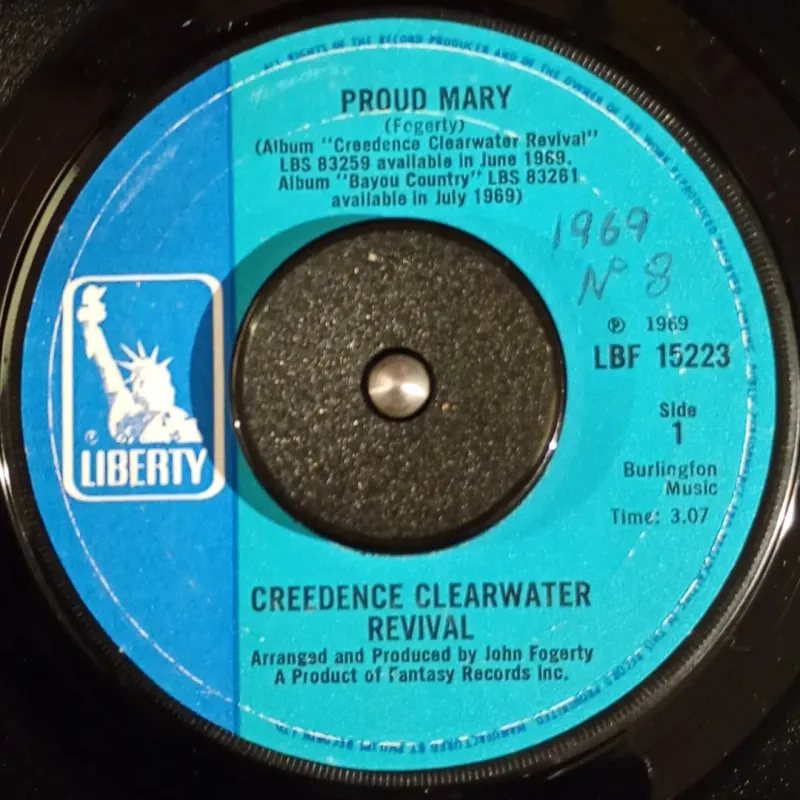
Few songs announce themselves quite like “Proud Mary,” with its slow-burn intro that explodes into a rolling groove nobody can sit still for. Released in 1969, it became CCR’s first Top 5 single and practically invented the swamp rock movement overnight.
Fogerty’s raspy vocal delivery and churning guitar work made it feel like a Mississippi riverboat was barreling right through your speakers.
Rolling Stone named it one of the greatest songs ever written, and it has been covered hundreds of times since.
2. Born on the Bayou
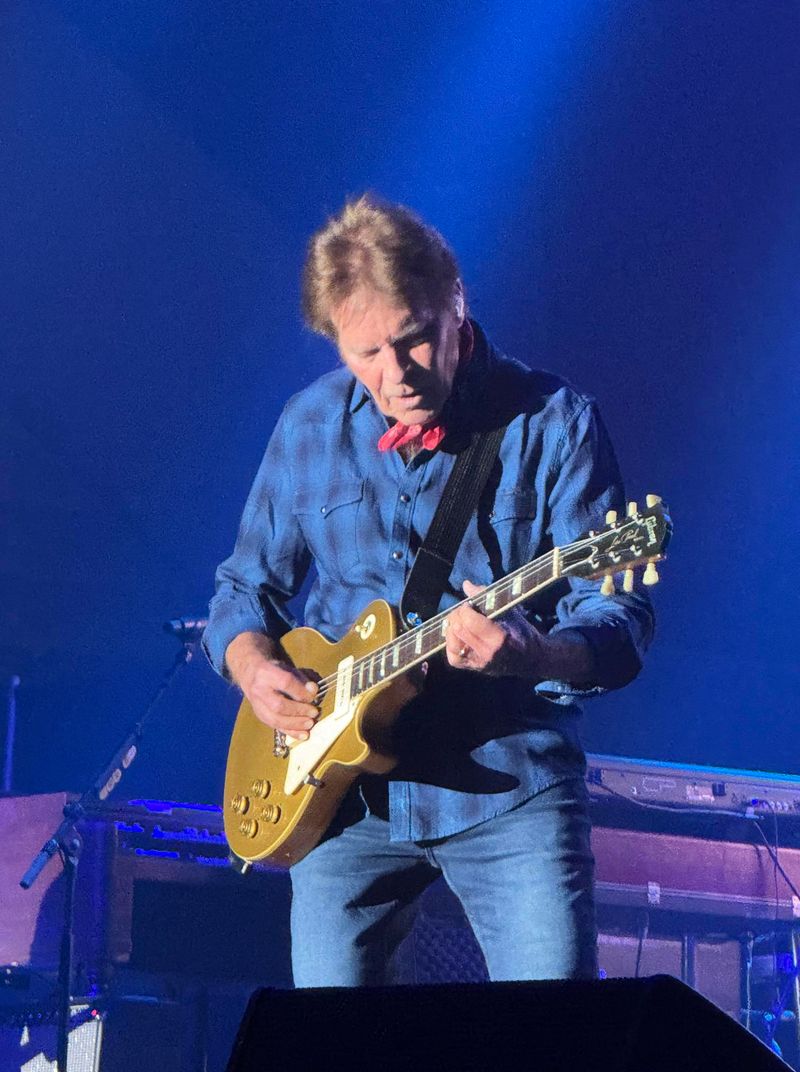
Fogerty once said this track rooted CCR’s musical soul deep in bayou swamps, even though he grew up in California. That contrast is part of what makes it so fascinating.
The song features a vibrato-tremolo guitar effect that creates an unmistakably spooky, crawling atmosphere unlike anything else on rock radio at the time.
The “choogling” groove, described as battling through thick mud, became a CCR trademark here. Listeners felt transported somewhere wild and untamed every single time it played.
3. Bad Moon Rising
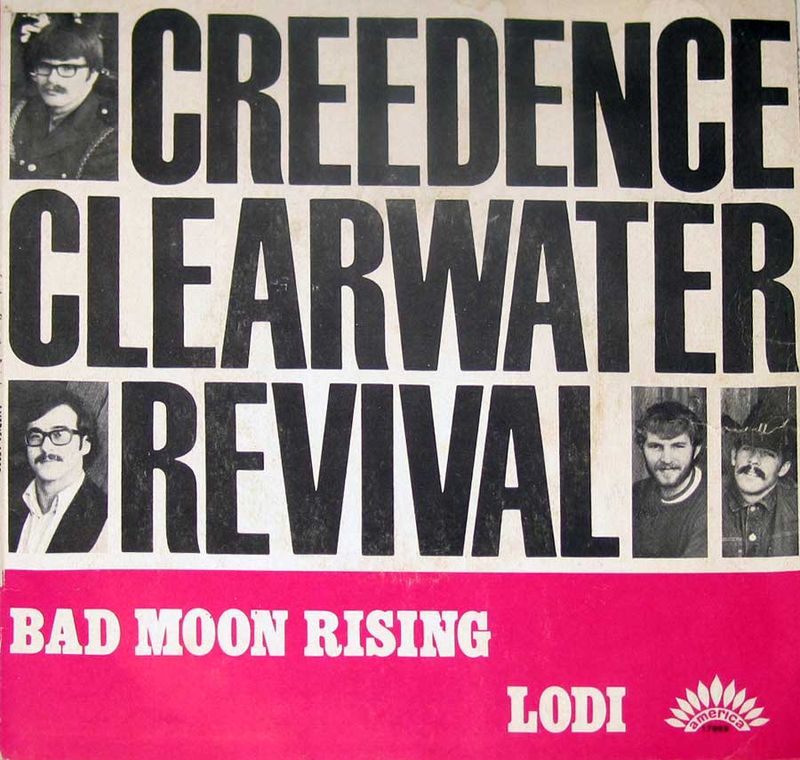
Catchy enough to whistle, dark enough to haunt you, “Bad Moon Rising” pulls off a rare trick: pairing a cheerful melody with lyrics about earthquakes, lightning, and doom. Fogerty had a habit of writing about weather phenomena, and this song is the crown jewel of that tendency.
Released in 1969, it shot straight to number one in multiple countries.
The crisp, jangly guitar riff is deceptively simple yet completely unforgettable. It proved that Fogerty could make the apocalypse sound like a good time.
4. Fortunate Son
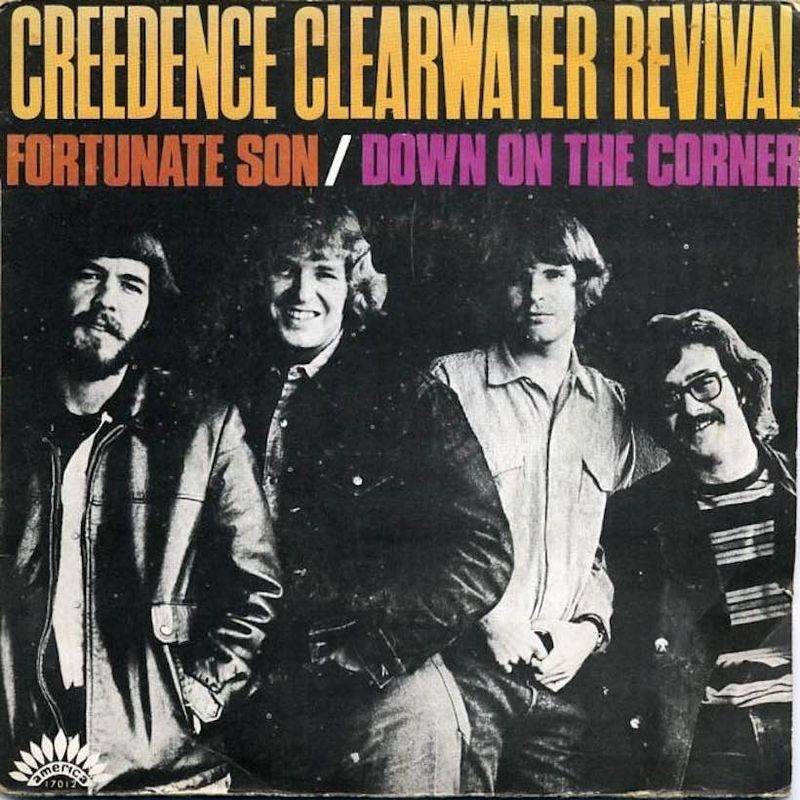
Anger rarely sounds this good. Written as a sharp critique of class privilege during the Vietnam War era, “Fortunate Son” came out in 1969 on the album “Willy and the Poor Boys” and hit listeners like a freight train.
Fogerty’s voice practically shakes with frustration on every line, turning a political statement into a visceral rock experience.
Many critics call it one of the greatest protest songs ever recorded. Decades later, it still shows up wherever people push back against inequality and injustice.
5. Green River
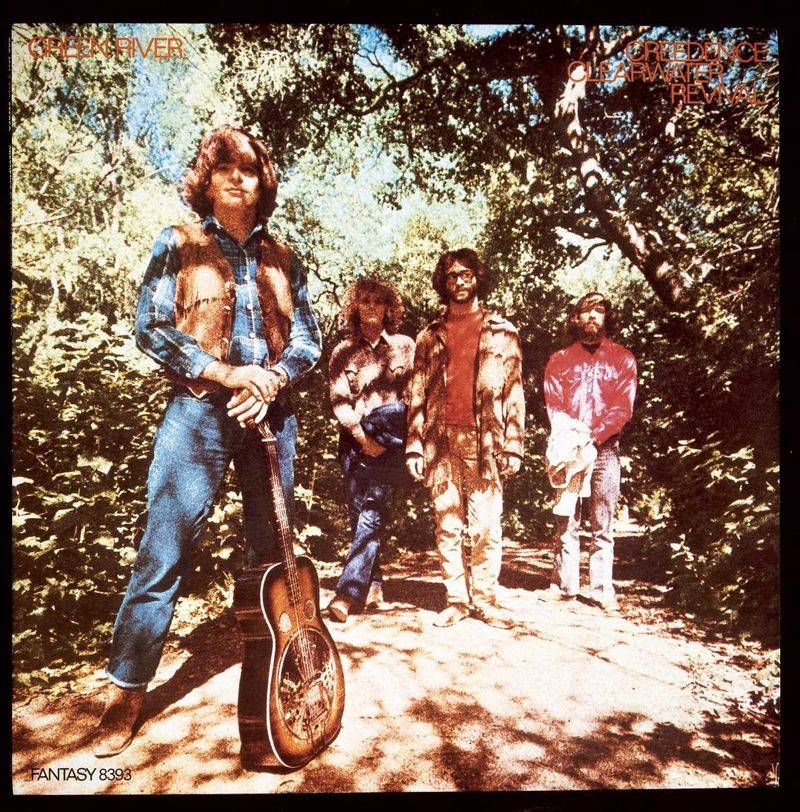
Named after a childhood memory of Green River Kool-Aid, this track carries a sun-soaked nostalgia that feels genuinely warm. Musically, it is a masterclass in restraint, built on a tight three-verse structure with no chorus and multiple battling guitars trading licks in the solo.
Fogerty kept things lean and let the groove do the heavy lifting.
That disciplined approach is at the heart of his “keep it simple, make it stick” philosophy. The result is a song that sounds effortless but was carefully constructed from the ground up.
6. Who’ll Stop the Rain
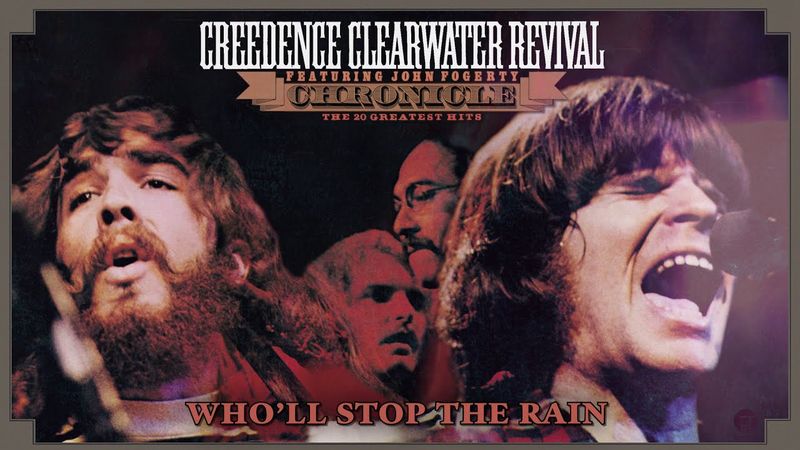
Arguably Fogerty’s most poetic moment, this song wrestles with questions about life, history, and whether anything ever truly changes. Written in the shadow of Woodstock, it blends folk imagery with allegorical depth that rewards repeated listening.
The melody is gentle, almost hymn-like, which makes the weight of the lyrics hit even harder.
Fogerty drew on historical references alongside the raw emotion of the Woodstock generation. It stands apart from CCR’s harder tracks as proof that he could write with real literary ambition when he wanted to.
7. Up Around the Bend
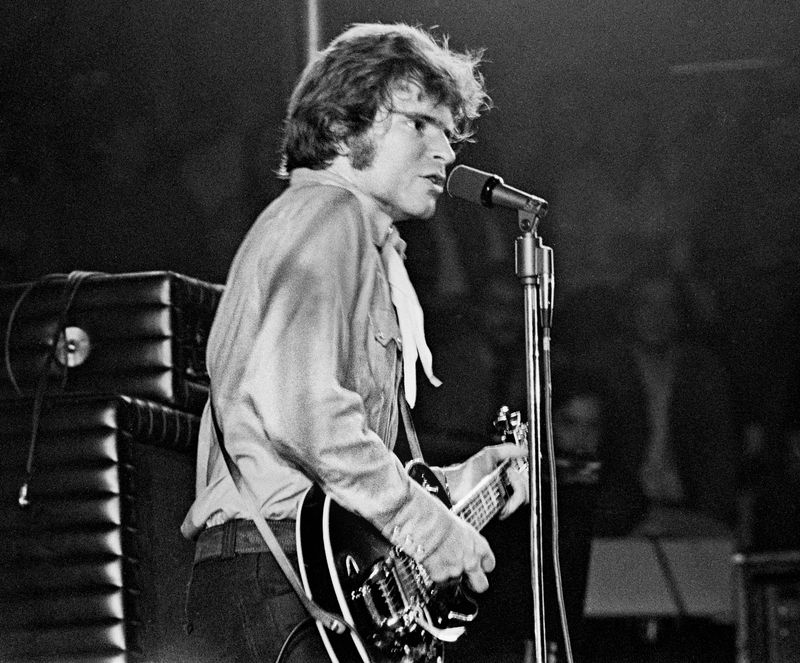
Right from the first second, that whiny, screeching guitar riff grabs you by the collar and refuses to let go. Fogerty built the entire song around one of rock’s most immediately recognizable guitar introductions, and the rest of the track keeps that energy cranked all the way up.
It is pure forward momentum from start to finish.
Released in 1970, it became a Top 5 hit and a fan favorite at live shows. The song captures that restless, road-trip feeling that CCR always did so well.
8. Have You Ever Seen the Rain
Sunshine and rain at the same time sounds like a contradiction, but Fogerty turned that paradox into CCR’s biggest commercial hit. Released in 1970, the song carries a bittersweet ache that connects with listeners across generations.
Some say Fogerty wrote it about internal tensions within the band, while others hear it as something far more universal.
Either way, it works on every level. The melody is warm and approachable, making it one of those rare songs that sounds equally great on a jukebox or a quiet Sunday morning.
9. Centerfield
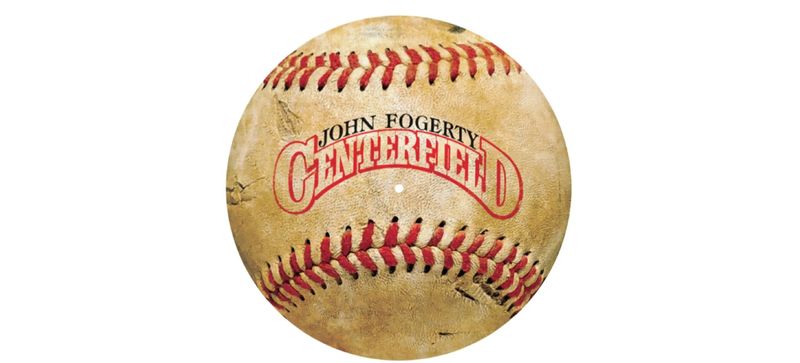
“Put me in, coach” might be the most enthusiastic request in all of rock music. Written for Fogerty’s 1985 comeback album, “Centerfield” became an anthem played at baseball parks across the country and never stopped.
Its upbeat, jangly energy perfectly captures the joy of America’s favorite pastime without feeling forced or gimmicky.
Fogerty became the only music artist honored by the National Baseball Hall of Fame at its 2010 induction ceremony because of this song. That is a remarkable legacy for a track built around pure, uncomplicated love of the game.
10. The Old Man Down the Road
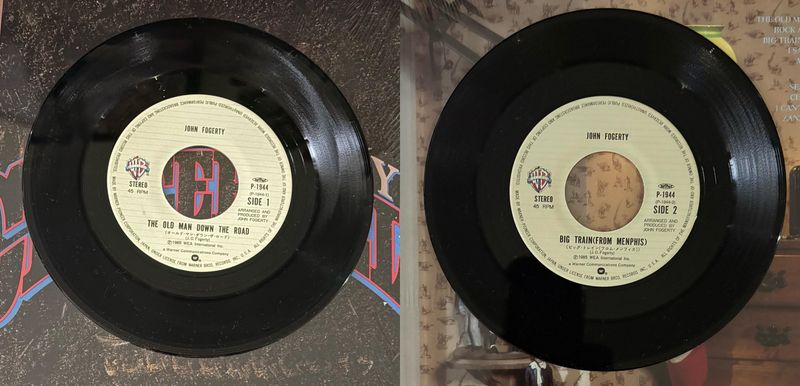
Fogerty returned from a long legal battle and came back swinging with this bluesy, swamp-soaked track in 1985. The song drips with atmosphere, built around a menacing guitar figure and vivid storytelling that paints a character you would not want to meet on a dark road.
His imaginative lyricism is on full display here, turning a simple image into something genuinely unsettling.
It became one of his biggest solo hits. The track proved that his signature sound had not dimmed one bit during his years away from the spotlight.
11. Travelin’ Band
Barely two minutes long and absolutely bursting at the seams with energy, this track is Fogerty channeling his inner Little Richard with gleeful abandon. The doo-wop rock style is a departure from CCR’s swampy grooves, but it works because Fogerty commits completely to the high-energy chaos.
Every second feels like it could fly off the rails, and that tension is exactly the point.
Released in 1970, it reached the Top 5 on the Billboard Hot 100. Short, loud, and joyful, it remains one of the most purely fun things Fogerty ever recorded.
12. Susie Q
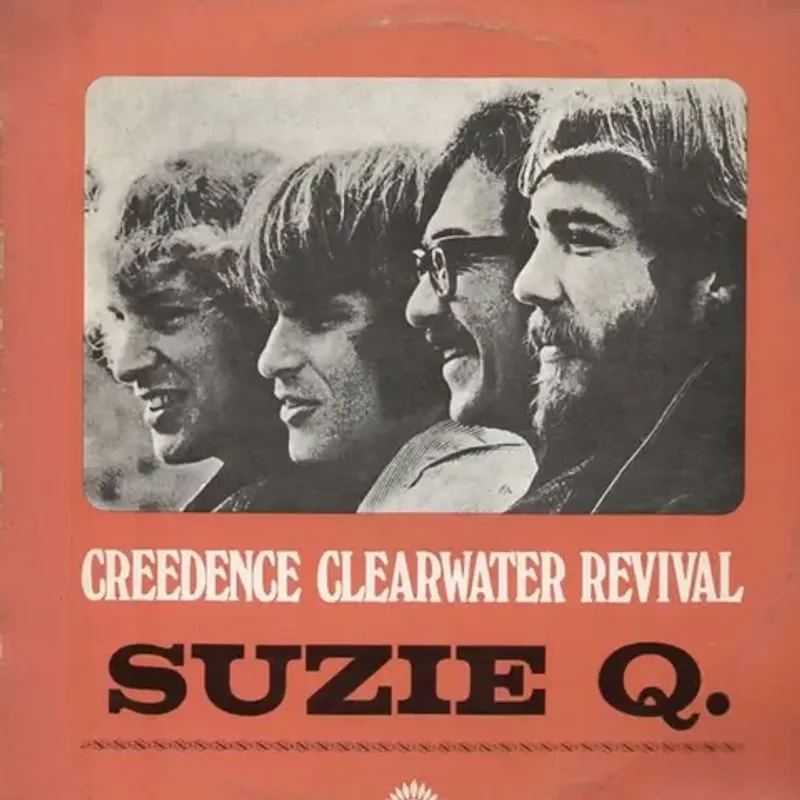
Before CCR became household names, “Susie Q” was the song that put them on the map. Originally recorded by Dale Hawkins in 1957, Fogerty transformed it into an extended blues rock workout that showed off the band’s raw, hypnotic power.
The slow, grinding groove and Fogerty’s slippery guitar work made it clear that this group was something different.
As CCR’s first charting single, it established them as a blues rock powerhouse right out of the gate. That foundation shaped everything they would go on to create together.
13. Lodi
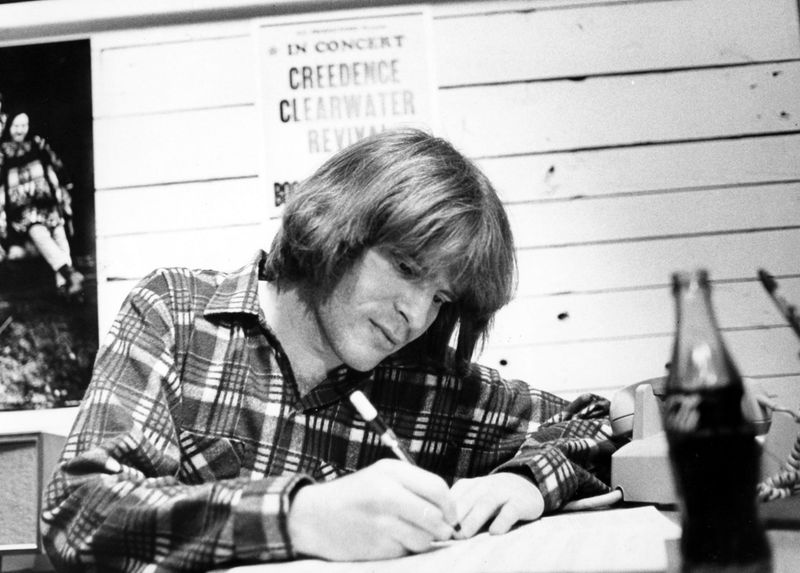
There is something painfully relatable about being stuck somewhere that does not appreciate you, and Fogerty captured that feeling with quiet brilliance in “Lodi.” The song follows a traveling musician stranded in a small town, his big dreams slowly deflating around him. It is understated compared to CCR’s rowdier tracks, but its emotional honesty hits harder because of that restraint.
Fogerty’s vocal performance here is weary and genuine, not theatrical. It stands as one of his most human and deeply felt pieces of songwriting.
14. Lookin’ Out My Back Door
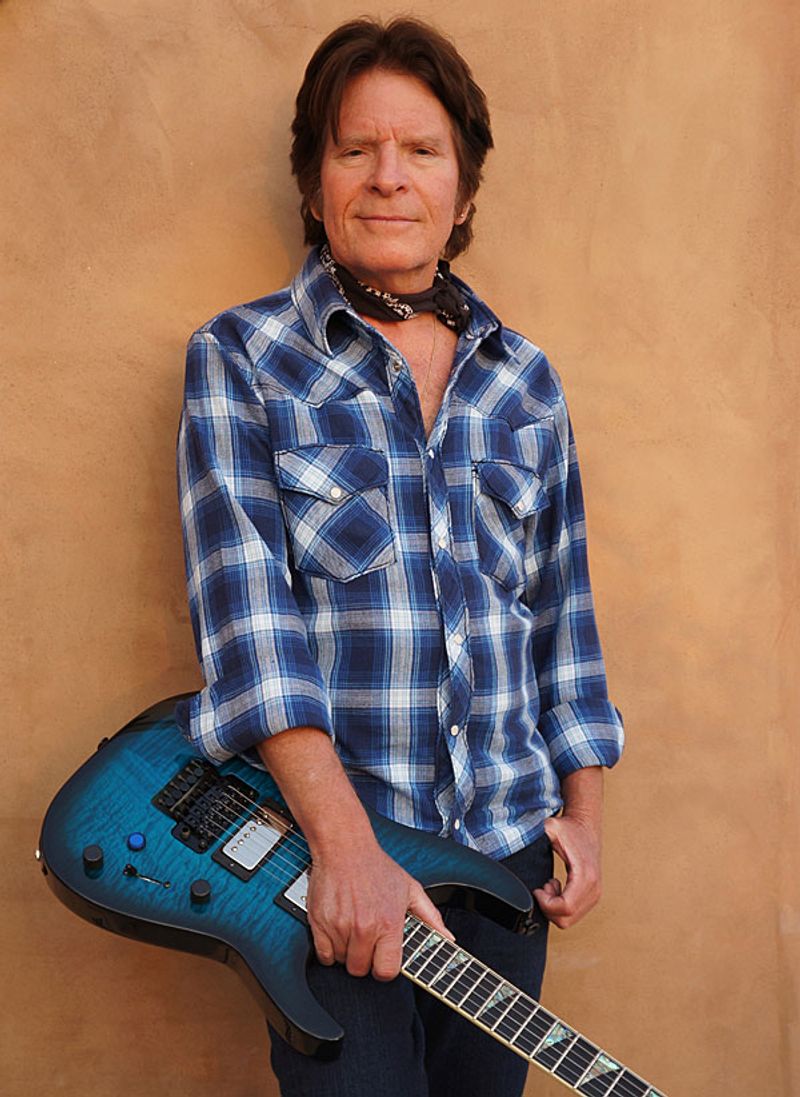
Fogerty wrote this track as a lighthearted nod to the Bakersfield Sound, the twangy California country style championed by Buck Owens and Merle Haggard. The result is a song full of silly, surreal imagery that feels like a daydream set to a bouncing country-pop melody.
It is one of CCR’s most purely joyful moments, free of the political weight of their heavier songs.
Fogerty reportedly wrote it quickly as a fun exercise. Its playful spirit made it a crowd-pleaser that still brings smiles at live shows today.
15. Rockin’ All Over the World
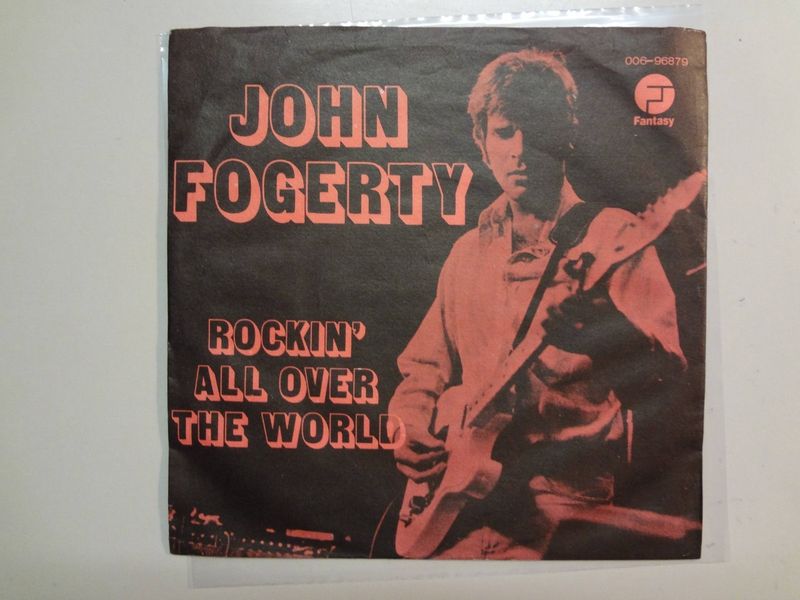
After CCR dissolved, many wondered whether Fogerty could still deliver as a solo artist. This 1975 track answered that question with a confident yes.
A tight, no-frills rocker built on a driving guitar riff, it reached the Top 40 and showed that his songwriting instincts were still sharp and undiminished. Status Quo later covered it and turned it into a massive international hit.
Fogerty’s original version has a leaner, grittier feel that suits his voice perfectly. It remains a strong example of his ability to write timeless rock and roll outside the CCR context.
16. Almost Saturday Night
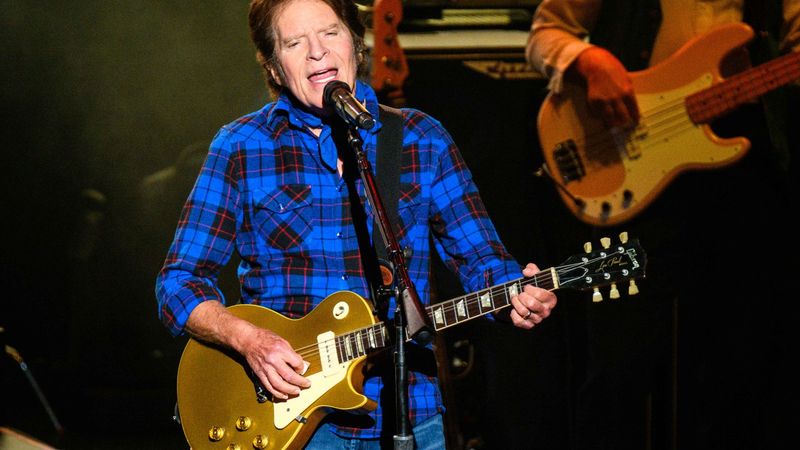
Fogerty had a genuine gift for capturing the restless energy of youth, and “Almost Saturday Night” is one of his best examples of that talent. The song pulses with a teenage pop sensibility that draws comparisons to the Beatles and Beach Boys, full of bright melodies and that weekend-is-coming anticipation everyone remembers from their younger years.
Many devoted fans consider it an underrated classic that deserves far more attention than it typically receives. Its breezy charm and rock and roll bounce make it an easy song to love on first listen.
17. Jambalaya (On the Bayou)
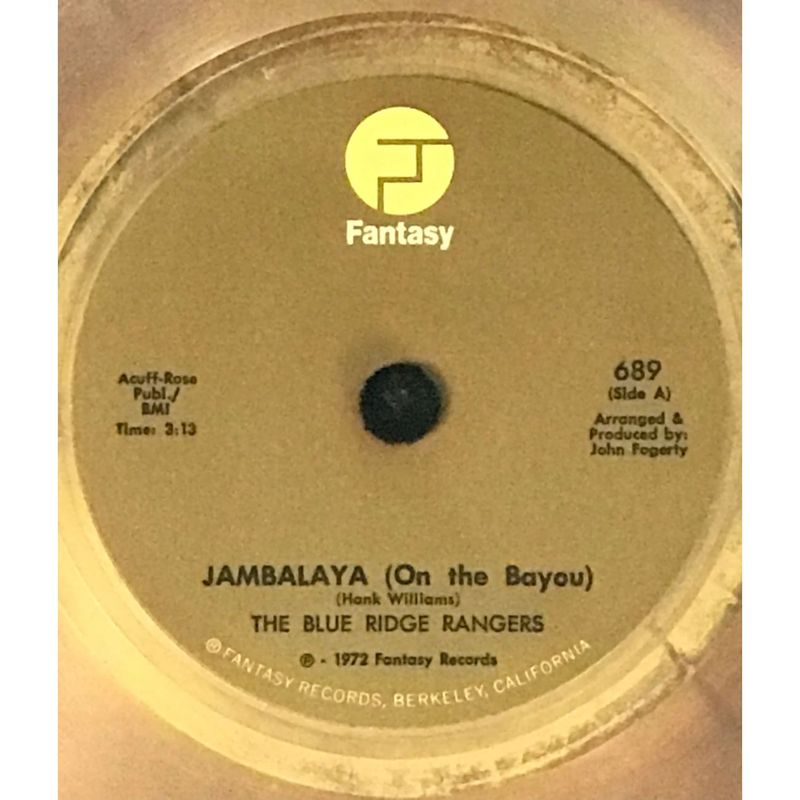
Hank Williams wrote the original, but Fogerty made it his own when he recorded it in 1973 under the name The Blue Ridge Rangers. His version carries a warm, authentic country feel that highlights just how deep his roots in traditional American music actually run.
It climbed to the Top 20, proving that his musical range extended well beyond rock and swamp boogie.
The project showed a different, more humble side of Fogerty, one happy to honor the music that raised him. His respect for the source material comes through in every note.
18. Down on the Corner
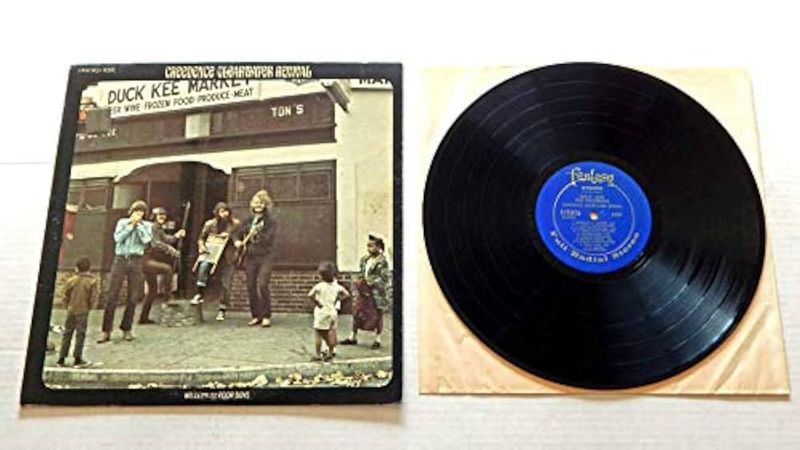
Warm, friendly, and impossible not to enjoy, “Down on the Corner” captures the simple pleasure of neighborhood music made for the pure joy of it. Featured on the “Willy and the Poor Boys” album, the song tells the story of a scrappy little band called Willy and the Poor Boys playing for whoever stops to listen.
Fogerty’s storytelling here is light and affectionate rather than political or heavy.
The rolling piano and easy groove give it a celebratory feel. It remains one of CCR’s most beloved tracks for its uncomplicated, feel-good spirit.