
Filipino cuisine is a bold, flavorful celebration of culture, history, and heart. From tangy soups to slow-braised meats, every dish tells a story rooted in tradition and regional pride.
The flavors are deep, complex, and satisfying in a way that keeps you coming back for more. Whether you are new to Filipino food or a longtime fan, these 20 dishes are sure to impress your taste buds.
1. Adobo (Pork or Chicken)
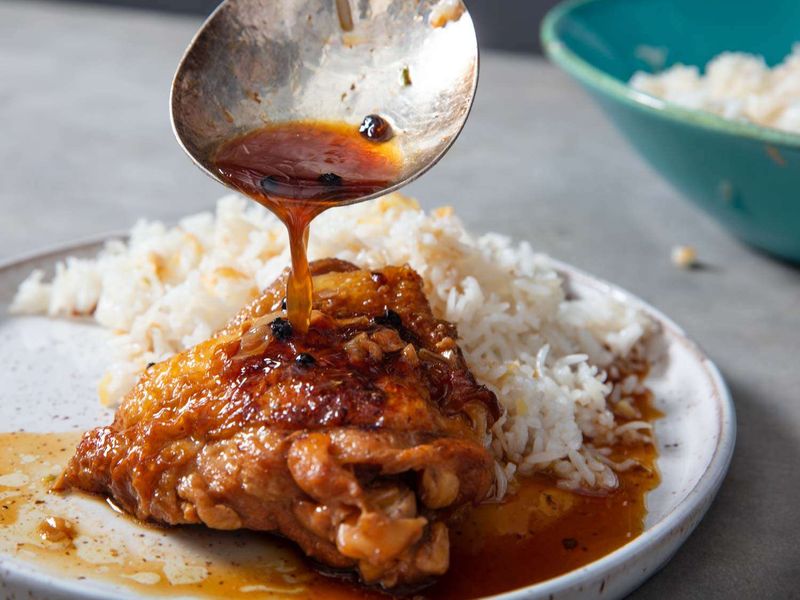
Ask any Filipino what their ultimate comfort food is, and adobo will almost always top the list. This iconic dish braises meat in a mix of vinegar, soy sauce, garlic, bay leaves, and black peppercorns until deeply tender and flavorful.
The vinegar acts as a natural preservative, which is why adobo was popular long before refrigerators existed. The result is a tangy, savory, and slightly sticky dish that pairs perfectly with steamed white rice.
2. Sinigang
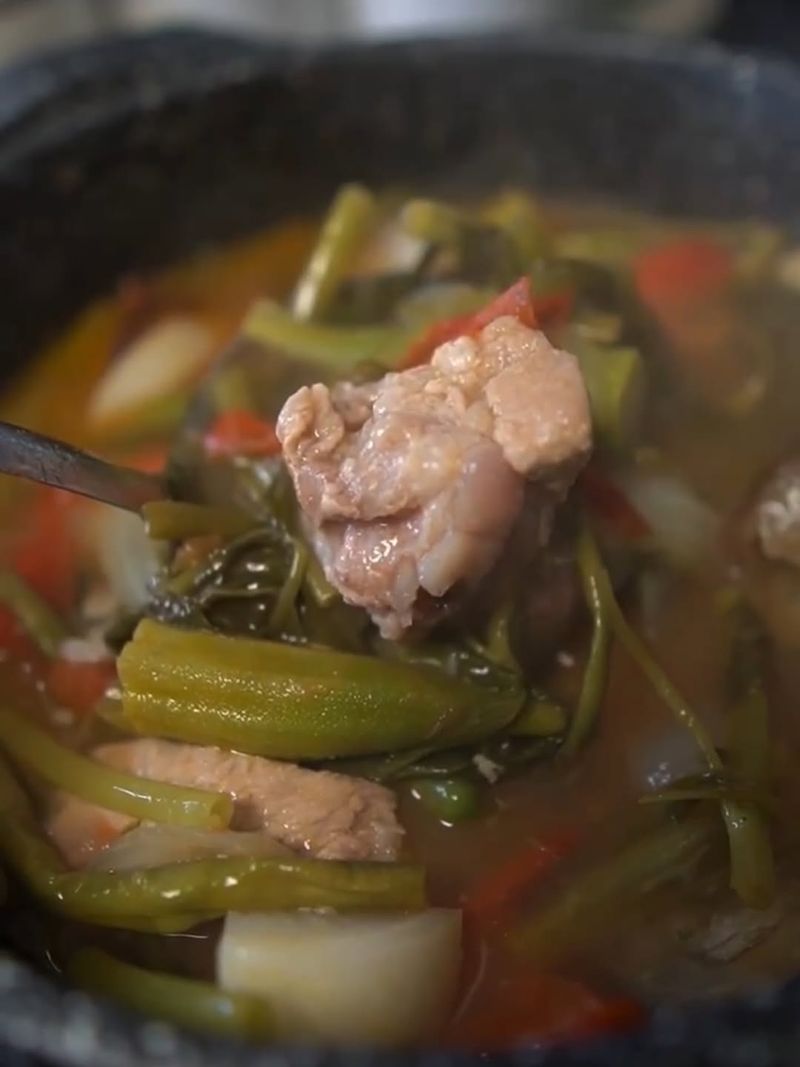
Sour, hearty, and deeply warming, sinigang is the kind of soup that feels like a hug on a rainy day. The broth gets its signature tang from tamarind, though some cooks use guava, green mango, or calamansi for a twist.
Loaded with vegetables like kangkong, radish, and eggplant, this dish is as nutritious as it is delicious. Pork, beef, fish, or shrimp can all serve as the protein, making it endlessly versatile for every household.
3. Lechon
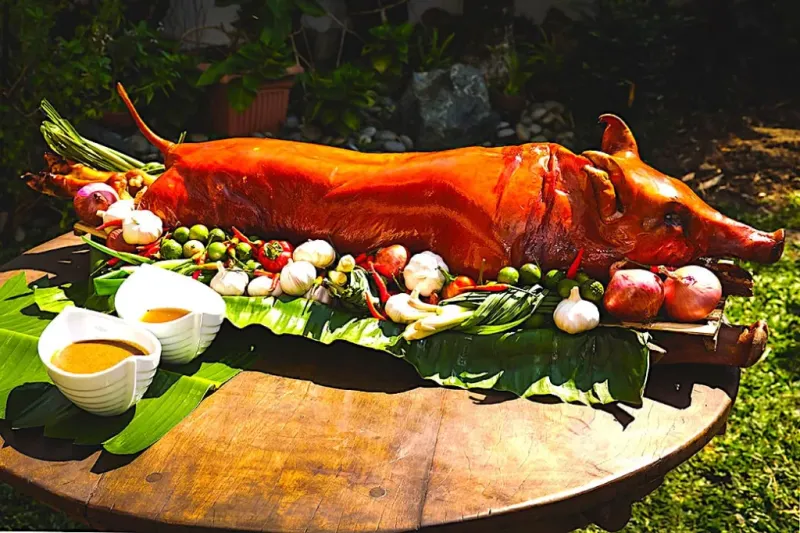
No Filipino fiesta is truly complete without a whole roasted lechon taking center stage at the table. The skin crackles with every bite, and the meat inside stays incredibly juicy and flavorful from hours of slow roasting over an open fire.
Different regions put their own spin on lechon seasoning. Cebu-style lechon, for example, is stuffed with lemongrass, garlic, and spices that create an unforgettable aroma.
It is more than just food – it is a cultural centerpiece.
4. Kare-Kare
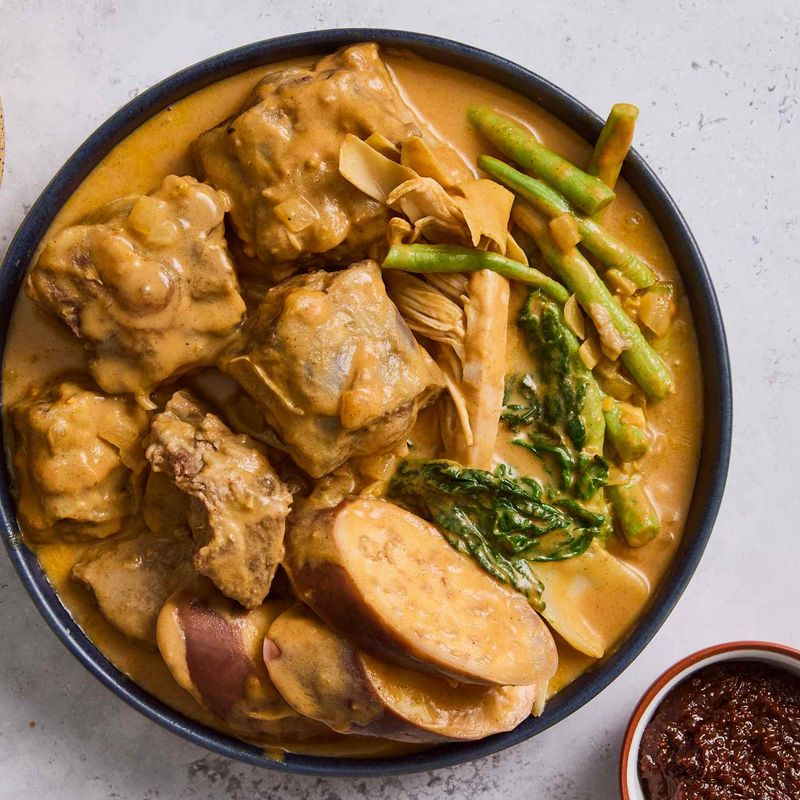
Kare-kare is the kind of dish that makes you slow down and savor every spoonful. Oxtail and vegetables simmer low and slow in a thick, velvety peanut sauce until everything is melt-in-your-mouth tender.
The real magic happens when you add a small spoonful of bagoong, a fermented shrimp paste, on the side. That salty, pungent contrast cuts right through the richness of the peanut sauce and brings the whole dish to life in a surprising way.
5. Sisig
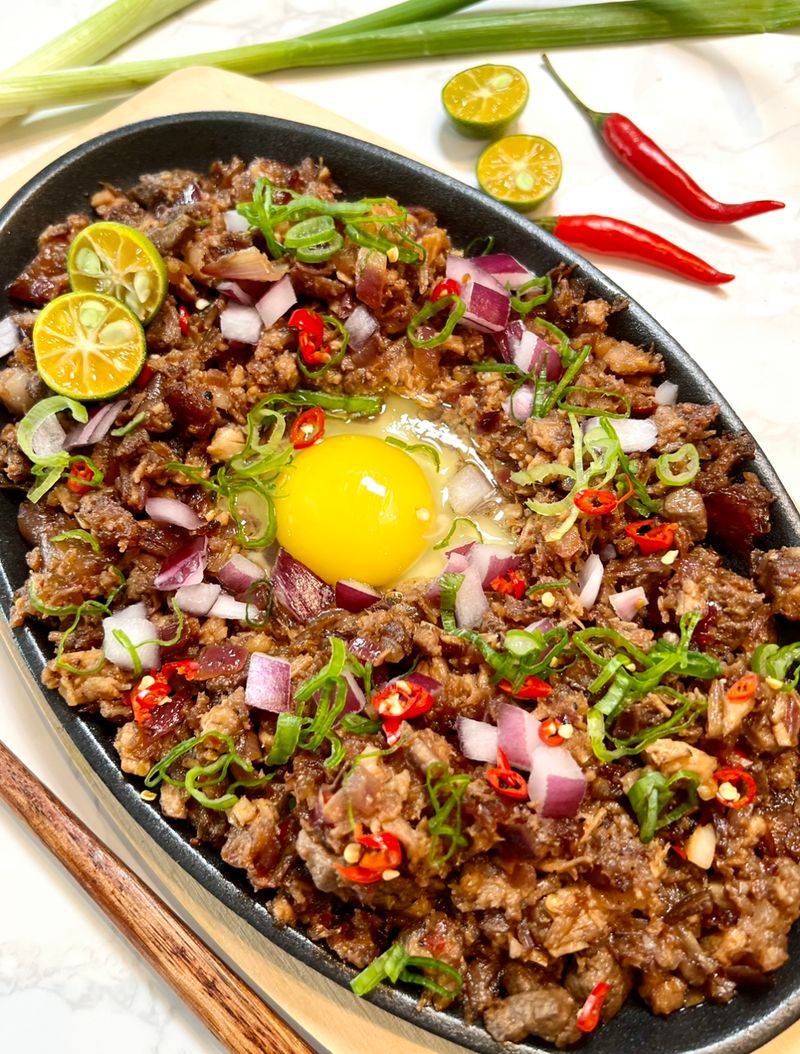
Invented in Pampanga and born from resourcefulness, sisig transformed humble pig head parts into one of the most beloved bar foods in the Philippines. Chopped pork ears, snout, and jowls are grilled, then seasoned with calamansi juice and chili peppers for a punchy kick.
Served on a sizzling iron plate, the edges crisp up beautifully while the center stays juicy. A cracked raw egg stirred in right before eating adds extra richness that takes this dish over the top.
6. Lumpia Shanghai
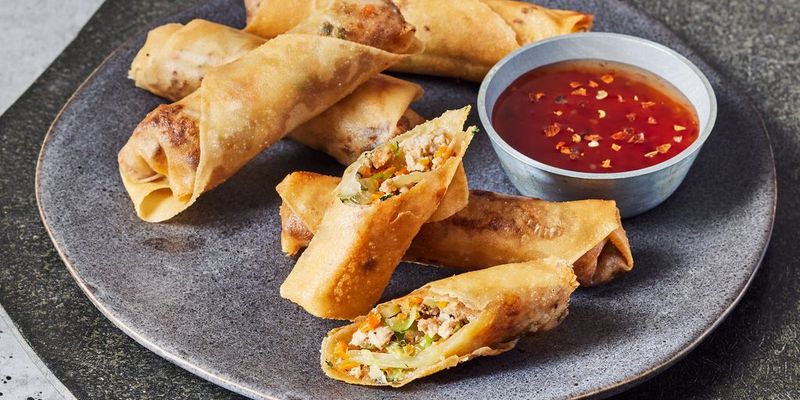
Crispy, golden, and impossible to eat just one – lumpia Shanghai is the undisputed MVP of every Filipino party spread. These slim fried rolls are packed with seasoned ground pork or beef mixed with finely chopped carrots and onions.
The thin wrapper fries up to a satisfying crunch that contrasts beautifully with the savory meat filling inside. Pair them with a sweet chili dipping sauce, and you have a snack that disappears from the table faster than you can make them.
7. Pancit Canton
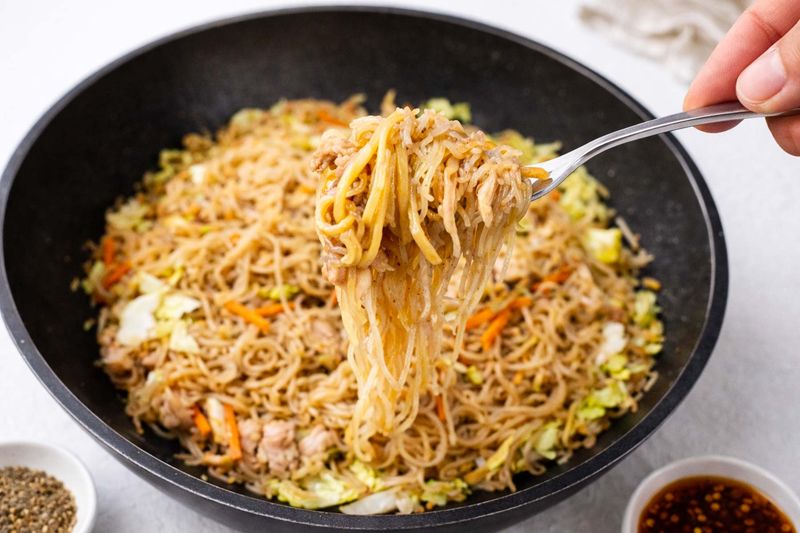
Pancit canton brings together wheat noodles, assorted meats, and fresh vegetables in a savory soy-based sauce that coats every strand with bold flavor. It is a staple at birthdays because long noodles symbolize long life in Filipino culture.
The beauty of this dish is how adaptable it is. You can toss in whatever protein or vegetables you have on hand and it still comes out tasting incredible.
A squeeze of calamansi right before eating brightens the whole thing up wonderfully.
8. Arroz Caldo
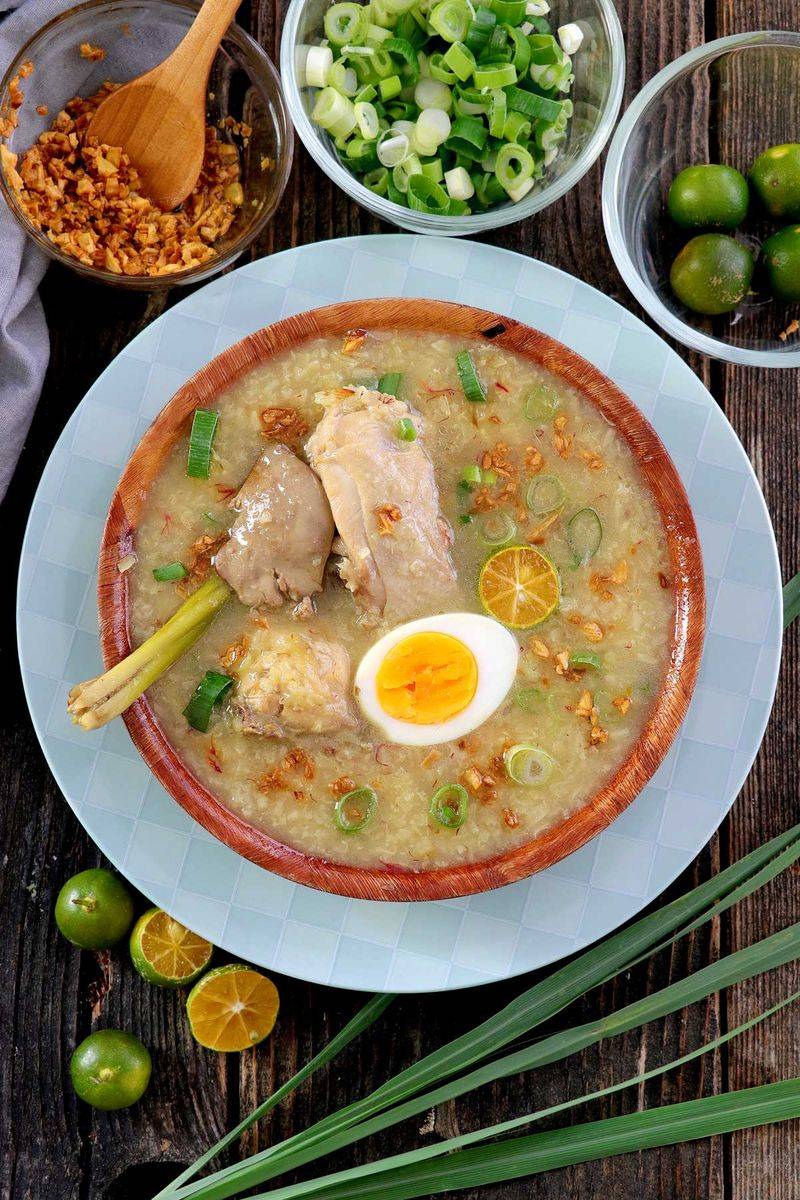
When you are feeling under the weather or just need something soothing, arroz caldo is the Filipino answer to chicken noodle soup. This thick rice porridge is cooked with tender chicken pieces, ginger, garlic, and fish sauce until creamy and deeply satisfying.
The ginger gives it a gentle warmth that spreads through your body with every spoonful. Topped with crispy fried garlic, sliced boiled egg, and green onions, it becomes a simple bowl that feels incredibly nourishing and complete.
9. Bicol Express
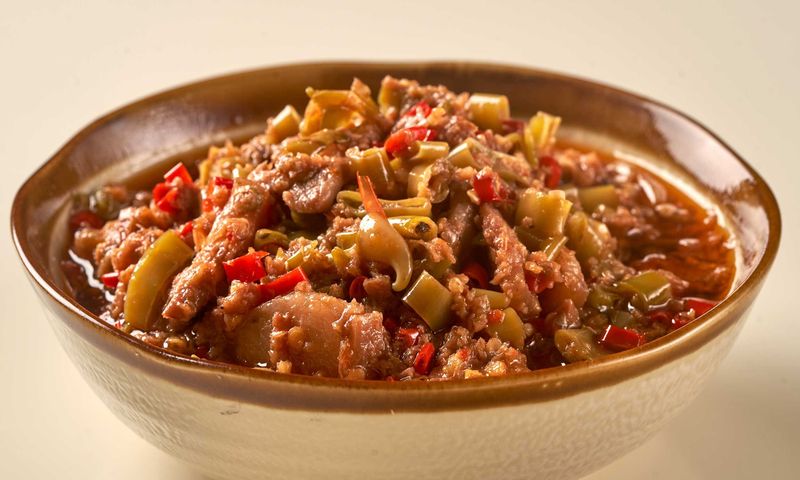
Straight from the Bicol region of the Philippines comes a dish that chili lovers dream about. Bicol Express slow-cooks tender pork slices in coconut milk with heaps of chili peppers, garlic, ginger, and bagoong alamang, a fermented shrimp paste.
The coconut milk softens the heat just enough to make it addictive rather than overwhelming. Each bite delivers creamy, spicy, savory, and slightly funky flavors all at once.
Served over rice, it is the kind of bold dish that demands your full attention.
10. Pork Menudo
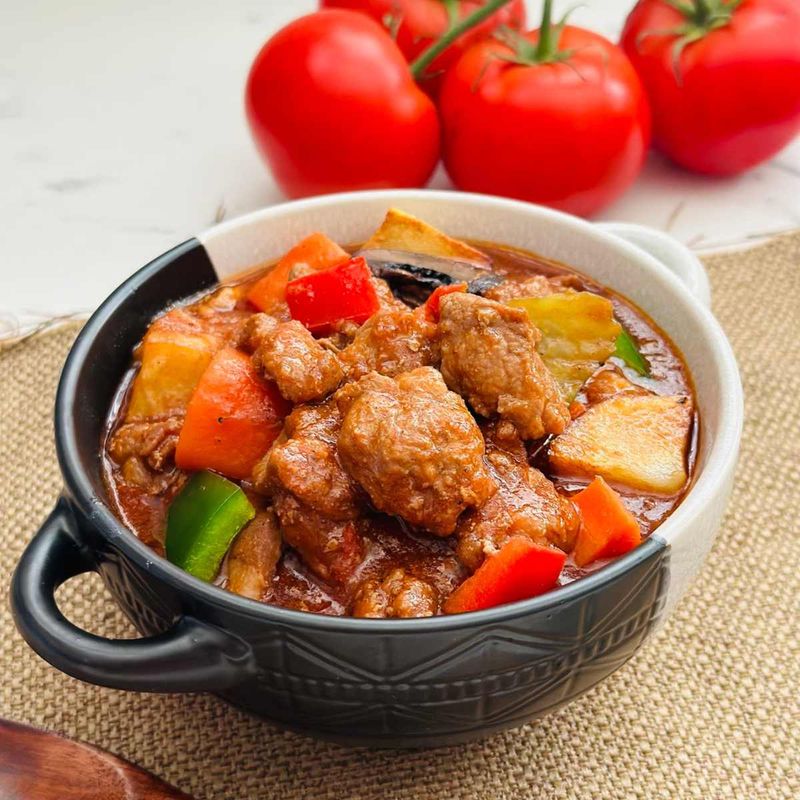
Pork menudo is a cheerful, tomato-based stew that brings together diced pork, tender liver, potatoes, carrots, and bell peppers in a rich, slightly sweet sauce. It is a regular presence at Filipino family gatherings and casual weeknight dinners alike.
The liver adds a depth of flavor that sets it apart from ordinary pork stews. Once everything simmers together, the sauce thickens and clings to each ingredient beautifully.
It is hearty, satisfying, and best enjoyed with a generous scoop of fluffy white rice.
11. Paksiw na Pata
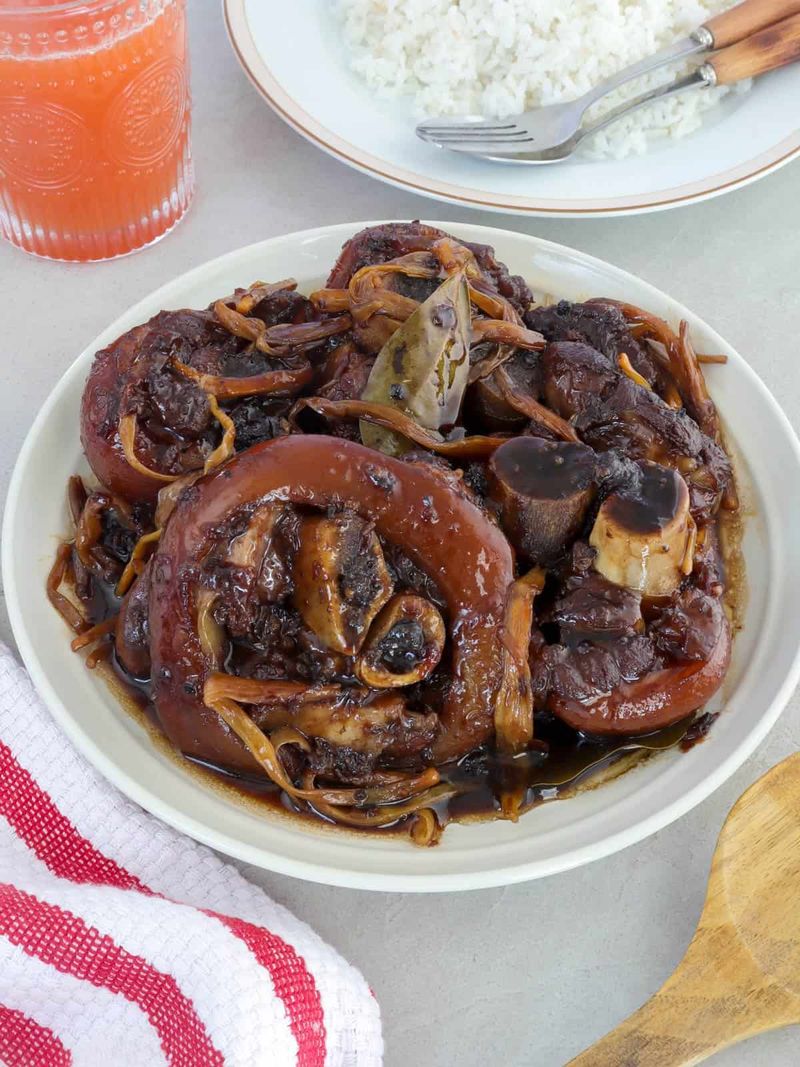
Paksiw na pata turns one of the most collagen-rich cuts of pork into a glossy, fall-off-the-bone masterpiece. Pork hocks braise slowly in a mixture of vinegar, soy sauce, garlic, peppercorns, and bay leaves until the meat practically melts.
The gelatin from the bones thickens the sauce into a rich, sticky glaze that coats every piece. The tangy-savory balance is deeply satisfying and uniquely Filipino.
Leftovers, if there are any, taste even better the next day as the flavors continue to develop.
12. Bistek Tagalog
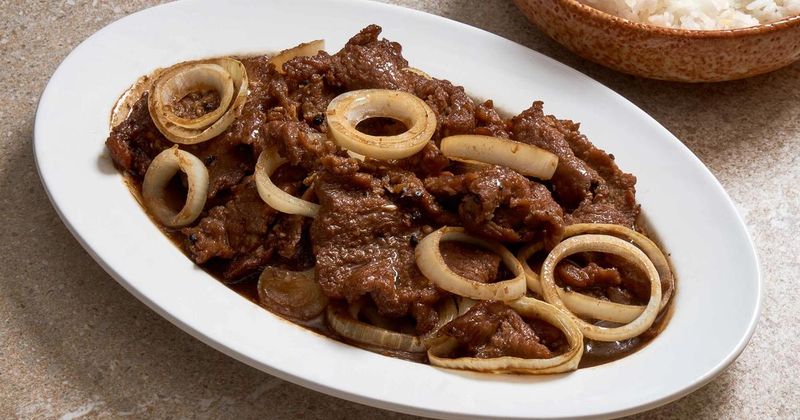
Bistek Tagalog is Filipino beef steak done with serious personality. Thin slices of beef marinate in soy sauce and calamansi juice, then pan-fry quickly until slightly caramelized at the edges, creating a gorgeous savory crust.
The caramelized onion rings piled on top add a sweet contrast that balances the saltiness of the soy perfectly. It is a simple dish with a short ingredient list, yet the flavor payoff is enormous.
Over steamed rice, bistek Tagalog is a true weeknight winner.
13. Chicken Tinola
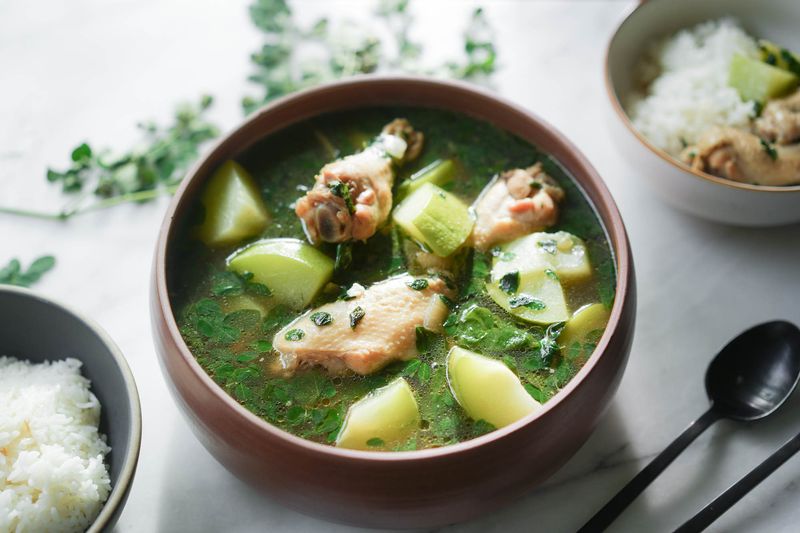
Chicken tinola is warmth in a bowl, plain and simple. Bone-in chicken pieces simmer in a clear, ginger-forward broth with green papaya or chayote and fresh malunggay leaves added at the very end to keep their bright flavor.
The ginger gives the broth a clean, aromatic heat that soothes without overwhelming. It is one of those dishes that Filipino mothers make when someone is sick or just needs comfort.
Light yet satisfying, tinola proves that simple ingredients can create something truly special.
14. Beef Caldereta
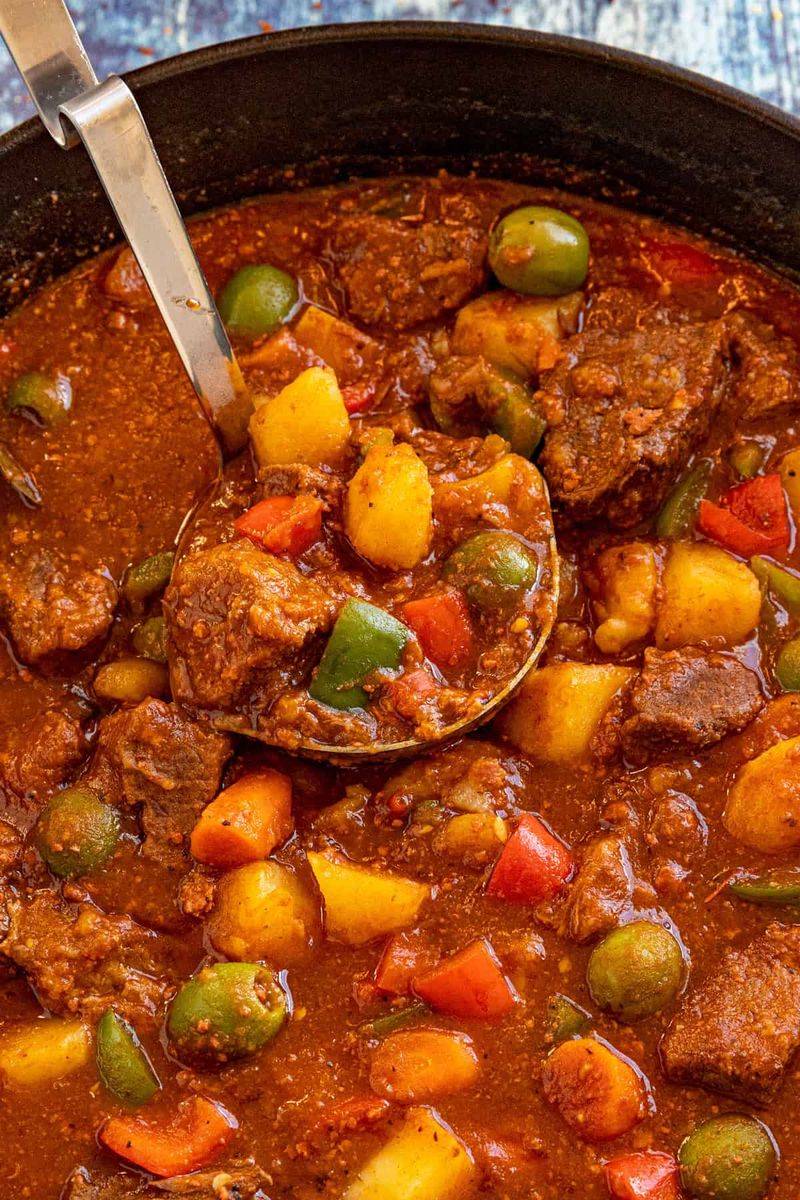
Bold, rich, and loaded with flavor, beef caldereta is a fiesta stew that never fails to impress a crowd. Tender beef chunks slow-cook in a thick tomato sauce enriched with liver spread, potatoes, carrots, bell peppers, and sometimes green olives for a briny pop.
The liver spread is the secret weapon here, adding a deep umami richness that sets caldereta apart from ordinary beef stews. A little chili heat makes it even more exciting.
This is the kind of dish that gets better the longer it sits.
15. Pinakbet
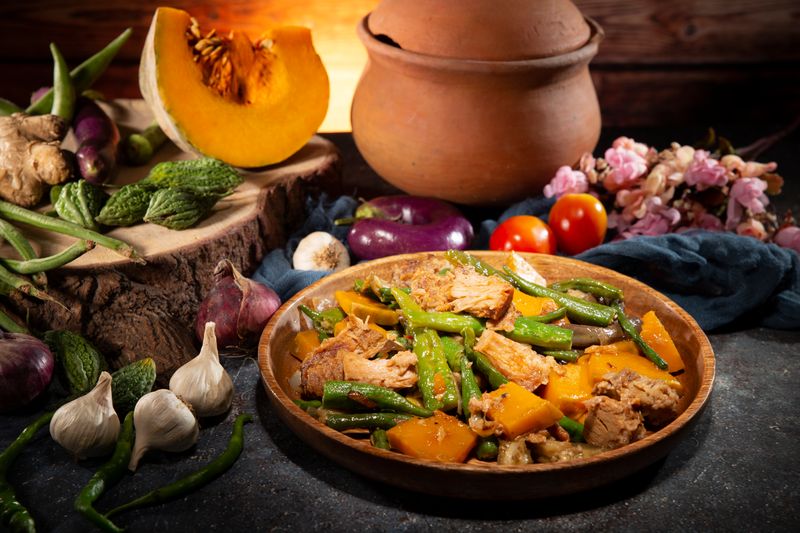
Rooted in Ilocano tradition, pinakbet is a vegetable dish that proves fermented shrimp paste can transform even the most humble garden harvest. Bitter melon, eggplant, okra, squash, and string beans all cook together in bagoong, creating a deeply savory, umami-packed stew.
The bitter melon adds a pleasant edge that keeps the dish from feeling one-dimensional. Pork or shrimp is often added for extra heartiness.
Pinakbet celebrates regional Filipino flavors in a way that feels honest, earthy, and genuinely satisfying with every bite.
16. Adobong Pusit
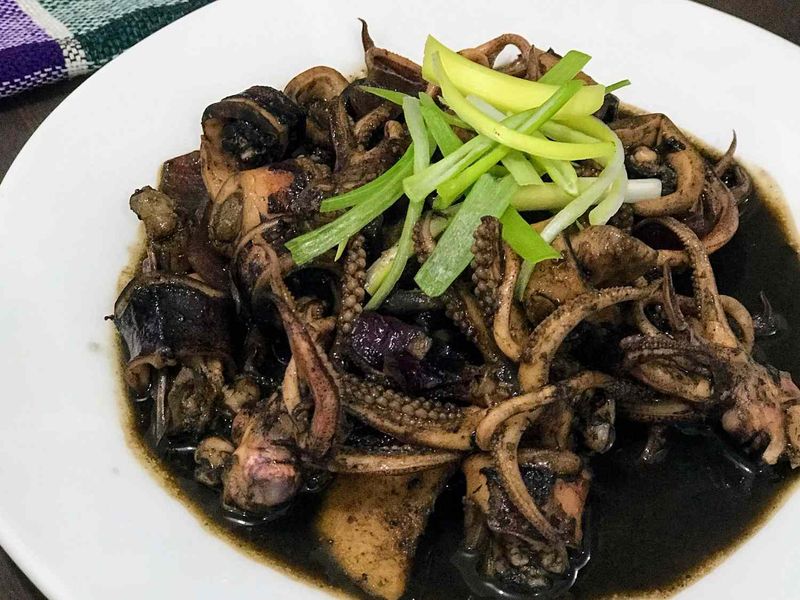
Adobong pusit is adobo taken to a dramatically darker, more intense place. Fresh squid cooks in its own jet-black ink along with vinegar, soy sauce, and garlic, producing a sauce that is inky, savory, and absolutely packed with oceanic depth.
The ink is not just for color – it carries a briny, slightly sweet flavor that makes this dish genuinely unique. It looks striking on the plate, especially against white rice.
Seafood lovers who have not tried this yet are seriously missing out on something remarkable.
17. Kinilaw
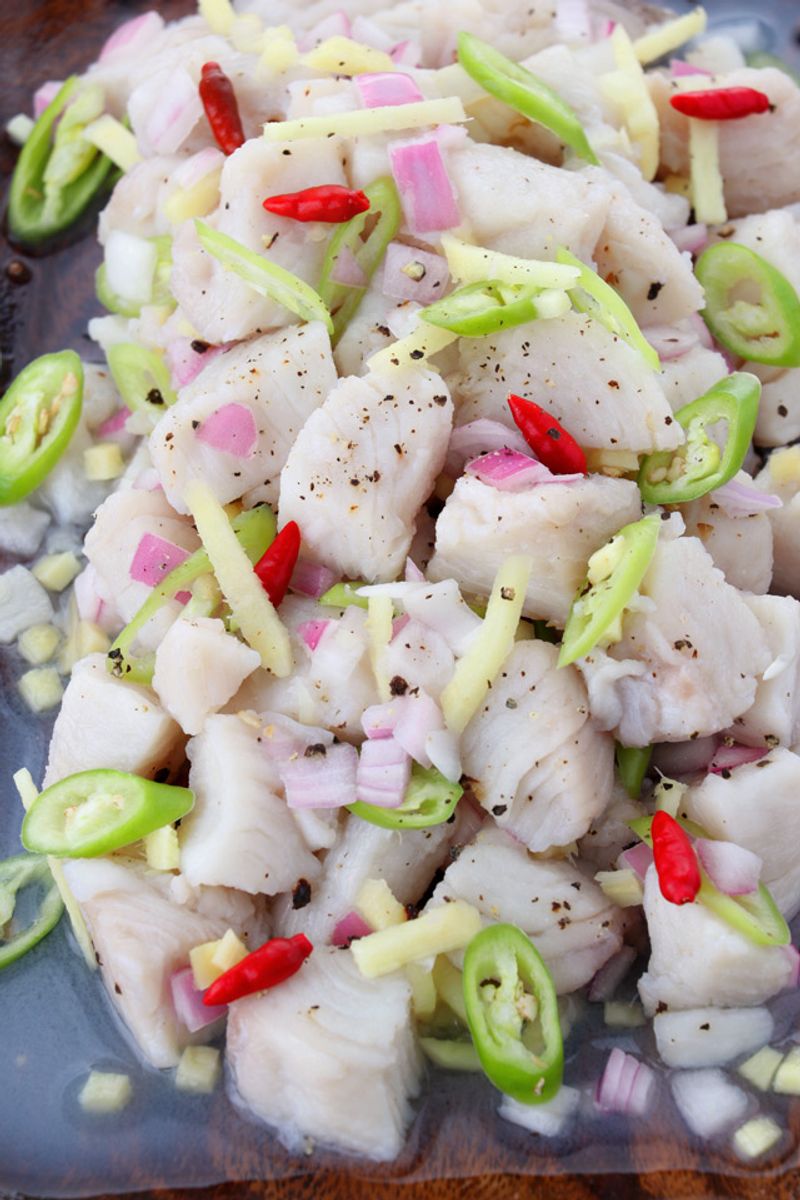
Kinilaw is the Filipino answer to ceviche, and it is as refreshing as it is bold. Fresh raw fish gets marinated in a sharp combination of vinegar and calamansi juice, which effectively cooks the flesh through acidity without any heat involved.
Ginger, red onions, and chili peppers add layers of spice and sharpness that make each bite lively and exciting. Some versions finish with a drizzle of coconut cream for a mellow, creamy contrast.
Kinilaw is best enjoyed fresh, right after it is prepared, at its brightest.
18. Tortang Talong
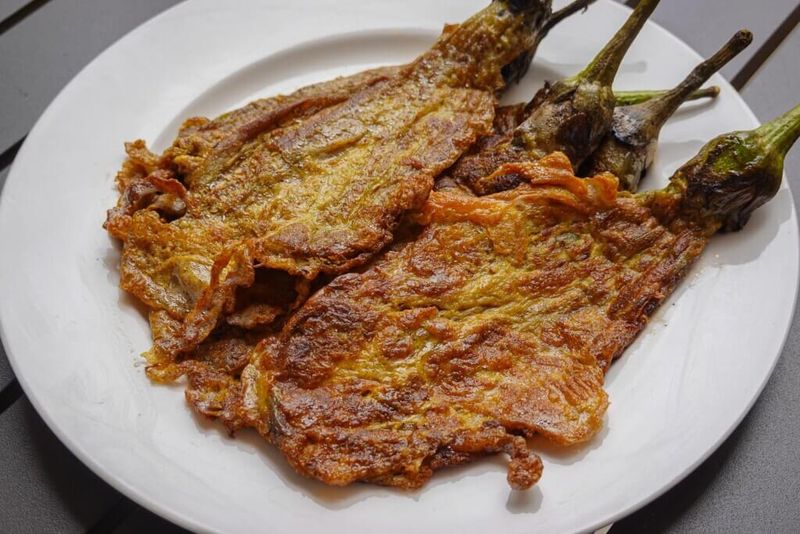
Tortang talong is a humble dish with surprising depth, made from just a few pantry staples. A whole eggplant gets grilled or roasted until soft and smoky, then flattened, dipped in beaten seasoned egg, and pan-fried to a golden, crispy finish.
The smoky eggplant flavor soaks through the egg coating beautifully, creating a savory omelet that is far more satisfying than its simple ingredients suggest. Served with steamed rice and a side of banana ketchup, it is the kind of everyday Filipino meal that quietly wins hearts.
19. Pork Adobo sa Gata
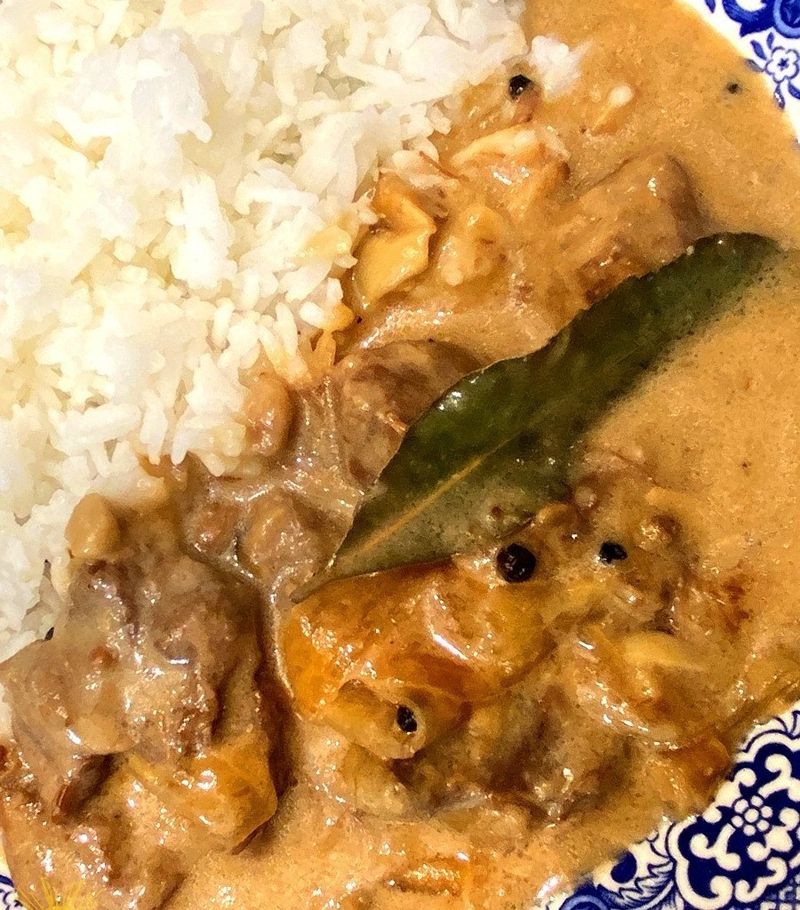
Pork adobo sa gata takes the classic adobo formula and wraps it in a blanket of rich, creamy coconut milk. After the pork braises in vinegar and soy sauce, coconut milk is stirred in during the final stage to mellow the tang and add luxurious body.
The result is a sauce that is simultaneously tangy, savory, and subtly sweet, with a creamy texture that clings to every piece of pork. Green chilies add a gentle heat that keeps things interesting.
This version is proof that a small twist can completely elevate a classic.
20. Bopis
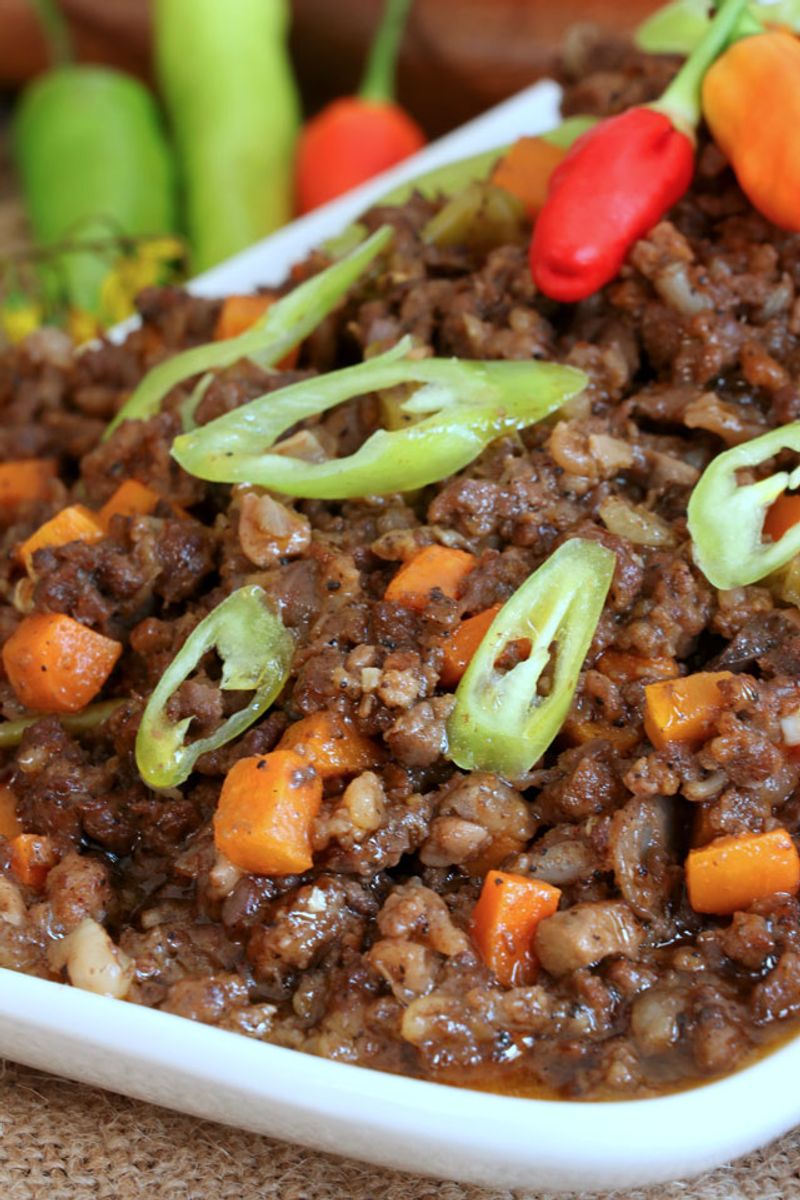
Bopis is not for the faint of heart, literally or figuratively. This traditional Kapampangan dish uses finely chopped pork lungs and heart, sauteed with onions, garlic, chili peppers, and vinegar until everything is cooked down into a spicy, tangy, intensely savory mince.
Annatto gives it a warm red-orange color that makes it look as lively as it tastes. The assertive combination of organ meat, chili heat, and vinegar acidity creates a flavor profile unlike anything else in Filipino cuisine.
Adventurous eaters will find bopis completely unforgettable.