
Growing up in a safe, loving home is something every child deserves, but not everyone gets that experience. Some parents or relatives can cause real harm through their words, actions, or neglect.
Recognizing these warning signs is the first step toward understanding what healthy relationships should look like. Whether you are going through this yourself or trying to help someone else, knowing what to watch for truly matters.
1. Unexplained Physical Injuries

Bruises, cuts, or burns that keep showing up without a clear explanation are serious red flags. When a child’s injuries do not match the story being told, or appear in unusual places like both sides of the body, something may be very wrong.
A child who fears going home or wears long sleeves even in hot weather might be hiding marks. Physical abuse leaves lasting damage, both on the body and the mind.
2. Constant Criticism and Put-Downs
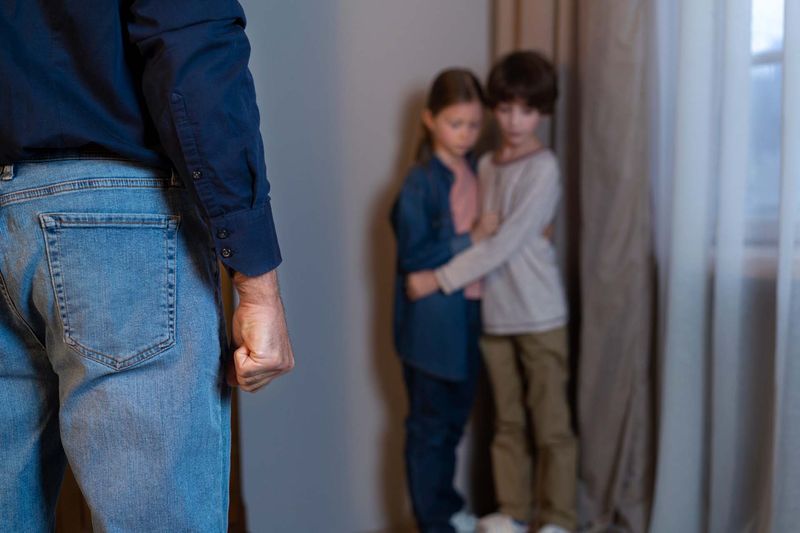
Imagine never hearing “good job” — only “you messed up again.” Harmful parents often focus entirely on flaws, mocking a child’s interests or demanding impossible levels of perfection. Over time, this relentless negativity chips away at a child’s confidence.
Name-calling, belittling remarks disguised as “jokes,” and constant reminders of failure teach children to see themselves as worthless. Nobody should grow up feeling like they can never be enough.
3. Emotional Manipulation and Guilt-Tripping
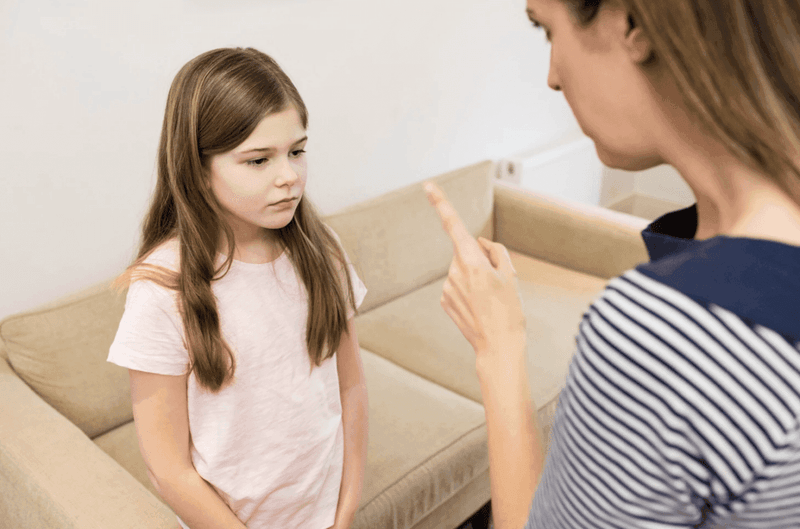
“After everything I’ve done for you” — sound familiar? Manipulative relatives use guilt, shame, and the silent treatment as weapons to control how others think and feel.
Children raised this way often grow up believing they are responsible for the adults around them.
This kind of emotional manipulation is sneaky because it does not always look like abuse from the outside. But the damage it causes on the inside is very real and long-lasting.
4. Neglecting Basic Needs
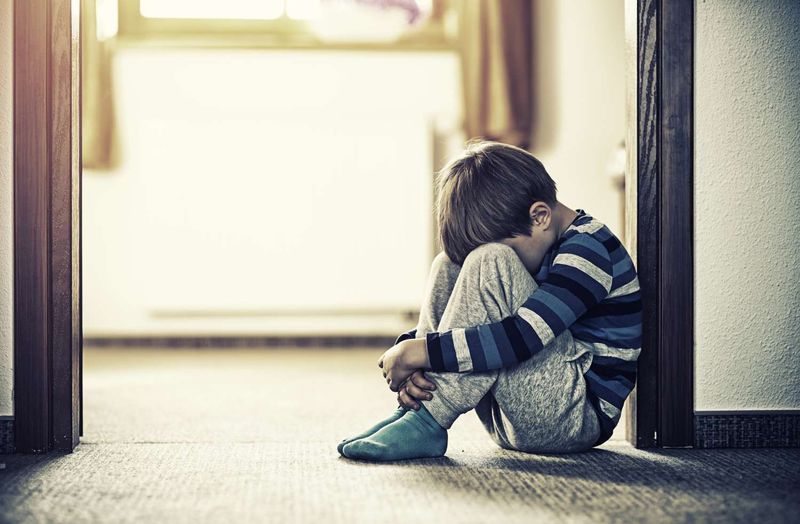
Every child needs food, clean clothes, shelter, and medical care. When a parent consistently fails to provide these basics, it is called neglect — and it is just as harmful as physical abuse.
Signs can include a child who is always hungry, poorly dressed for the weather, or frequently absent from school. Neglect often goes unnoticed because there are no visible bruises, but the emotional and physical toll on children is enormous.
5. Gaslighting and Denying Reality
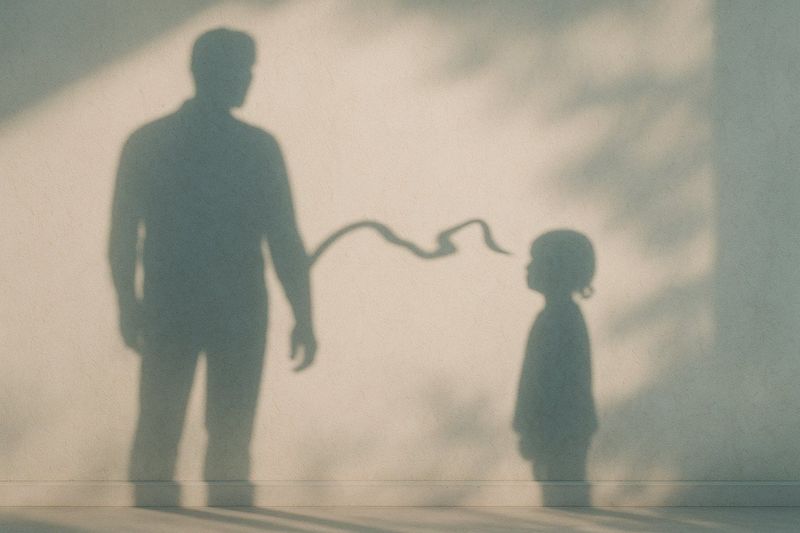
Gaslighting happens when someone makes you question your own memory or feelings. A harmful parent might say “that never happened” or “you are too sensitive” after doing something hurtful, leaving the child doubting themselves.
Over time, children who are gaslit lose trust in their own instincts. They may grow up second-guessing every decision and struggling to recognize when something is genuinely wrong in relationships.
It is a deeply disorienting form of emotional abuse.
6. Withholding Love as Punishment
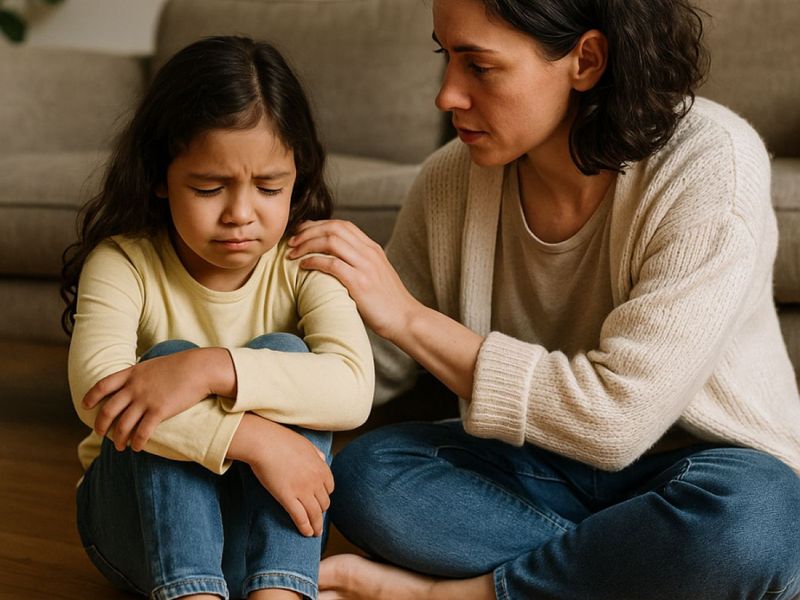
Love should never come with conditions attached. When affection is only given after a child behaves perfectly — or taken away as punishment — it creates deep emotional insecurity.
Children who experience conditional love often grow into adults who feel unworthy of care and approval. They may become people-pleasers, constantly chasing validation.
Healthy love is steady and unconditional, not a reward handed out based on whether the child meets a parent’s ever-changing expectations.
7. Explosive and Unpredictable Behavior
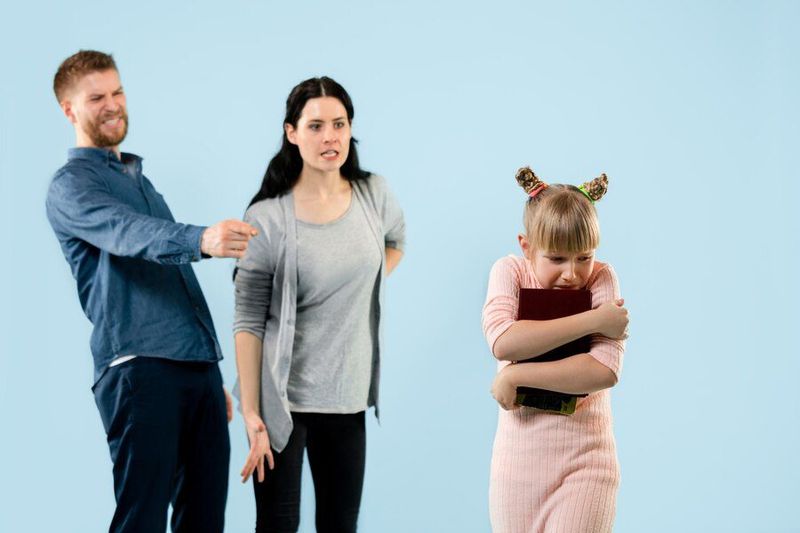
Walking on eggshells every single day is exhausting. Homes ruled by explosive outbursts and sudden mood swings leave children in a constant state of anxiety, never knowing what will trigger the next blowup.
This kind of unpredictability makes it impossible for kids to feel safe. One moment a parent might be warm and loving; the next, they are screaming or throwing objects.
That emotional rollercoaster causes lasting stress and affects how children handle relationships later in life.
8. Favoritism and Scapegoating

In some families, one child can do no wrong while another is blamed for everything. This dynamic — known as scapegoating — is incredibly damaging to the child who is always cast as the problem.
Being the family scapegoat means carrying guilt that does not belong to you. Meanwhile, the “favored” child may develop an inflated sense of entitlement.
Both roles cause real psychological harm. Healthy families treat each child as an individual with equal value and love.
9. Violating Personal Boundaries
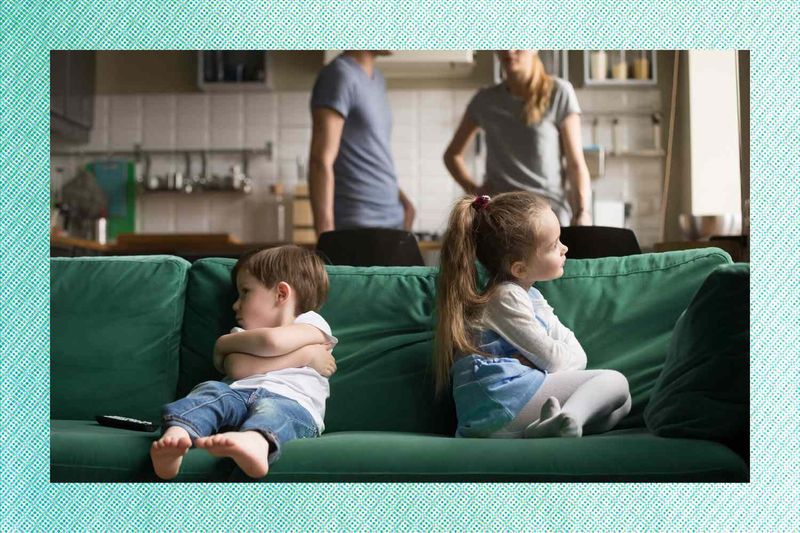
Boundaries exist to protect our sense of self — and harmful parents or relatives often bulldoze right through them. Reading private messages, barging into rooms without knocking, or sharing personal information without permission are all boundary violations.
As children grow older, these violations can intensify. Some controlling adults genuinely believe they have the right to access every part of their child’s life indefinitely.
Learning that boundaries deserve respect is a vital part of building healthy relationships at any age.
10. Self-Centeredness and Lack of Empathy

Some parents are so focused on their own needs, feelings, and problems that there is simply no room left for the child. This self-absorbed style of parenting can feel invisible to outsiders but is deeply felt by the child living it.
When a child’s emotions are consistently dismissed or ignored, they learn that their inner world does not matter. Growing up with a parent who lacks empathy can make it hard for children to develop healthy emotional connections with others.
11. Using Children as Emotional Support
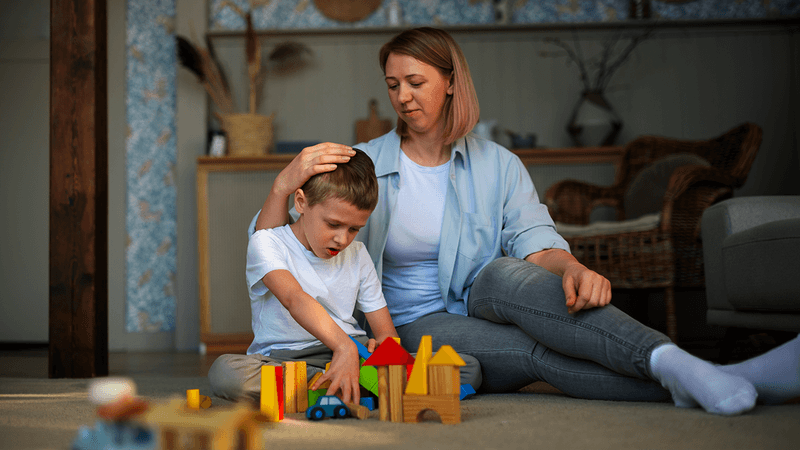
Parents are supposed to support their children — not the other way around. When an adult constantly leans on a child for emotional comfort, vents about adult problems, or expects the child to manage their feelings, it flips the relationship in an unhealthy way.
Psychologists call this “parentification,” and it robs children of their childhood. Kids in this role often feel anxious, overwhelmed, and responsible for keeping the adults in their lives emotionally stable.
That is far too heavy a burden for young shoulders.
12. Substance Abuse and Addiction in the Home

Growing up around a parent or relative struggling with addiction creates a home environment full of fear, chaos, and unpredictability. Children never know which version of their caregiver they will encounter each day.
Substance abuse often leads to neglect, emotional outbursts, and broken promises. Research shows that kids raised in homes with active addiction are more likely to develop anxiety, depression, and trust issues.
They deserve stability, and every child in this situation should know that help is available.
13. Inappropriate Sexual Behavior or Exposure
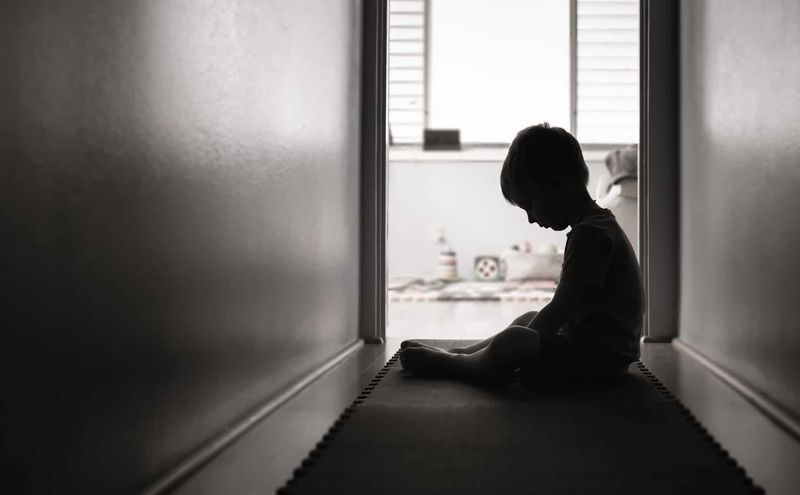
Sexual abuse is one of the most serious harms a parent or relative can inflict. Warning signs include a child displaying age-inappropriate sexual knowledge, physical injuries, or showing sudden changes in behavior like withdrawal or aggression.
Sometimes harmful adults ignore or dismiss abuse happening in the home, which is also a form of harm. Children should always feel protected by the adults around them.
If something feels wrong, it is important to speak to a trusted teacher, counselor, or authority figure right away.
14. Jealousy and Possessiveness

Jealousy from a parent or relative can look like love at first glance, but it is actually about control. A harmful adult may interrogate a child about every friendship, demand constant check-ins, or express hostility toward people outside the family.
Over time, this possessiveness isolates children from the social connections they need to thrive. Healthy relationships celebrate independence and trust — they do not punish children for having their own friendships, interests, and growing sense of identity outside the home.
15. Poor Communication and Emotional Suppression
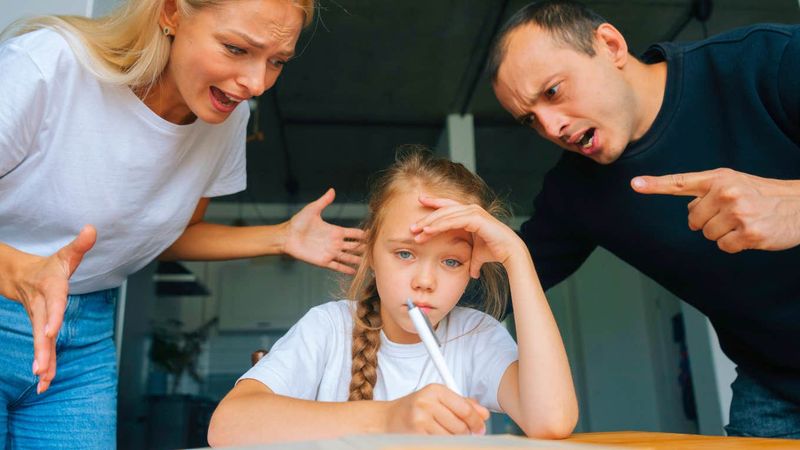
Families where feelings are never talked about — or worse, punished — create children who struggle to understand and express their own emotions. Yelling instead of listening, using sarcasm as a weapon, and shutting down honest conversations are all red flags.
When children grow up without a safe space to share how they feel, they often bottle everything up. That emotional suppression can lead to anxiety, anger issues, and difficulty forming trusting relationships.
Open, respectful communication is a cornerstone of any healthy family dynamic.