
Some foods get a fancy new name, a drizzle of truffle oil, and suddenly cost three times as much on a restaurant menu. But strip away the gourmet label, and you will often find a beloved American classic hiding underneath.
From mac and cheese to chocolate chip cookies, these dishes have fed families for generations long before chefs started charging $30 for them. Here is a look at 20 comfort foods that have been dressed up as gourmet but were always American staples at heart.
1. Macaroni and Cheese
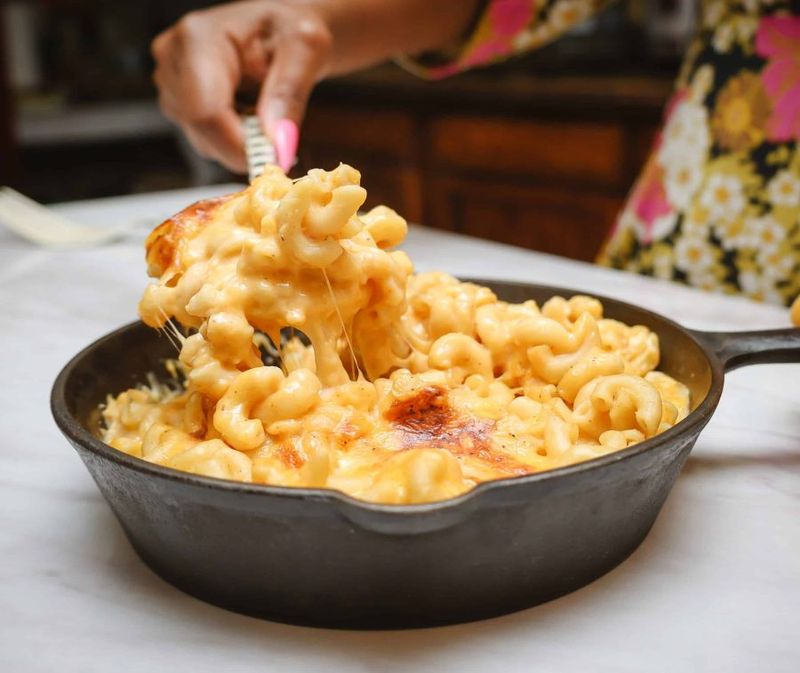
Nothing says “home” quite like a pot of bubbling mac and cheese on the stove. Restaurants now charge premium prices for versions loaded with lobster, truffle oil, or artisanal Gruyere blends.
But the soul of this dish has always lived in a blue box or a grandmother’s casserole pan.
The gourmet upgrades are tasty, sure, but the original version made with elbow pasta and sharp cheddar has been an American kitchen hero since the 1800s.
2. Mashed Potatoes
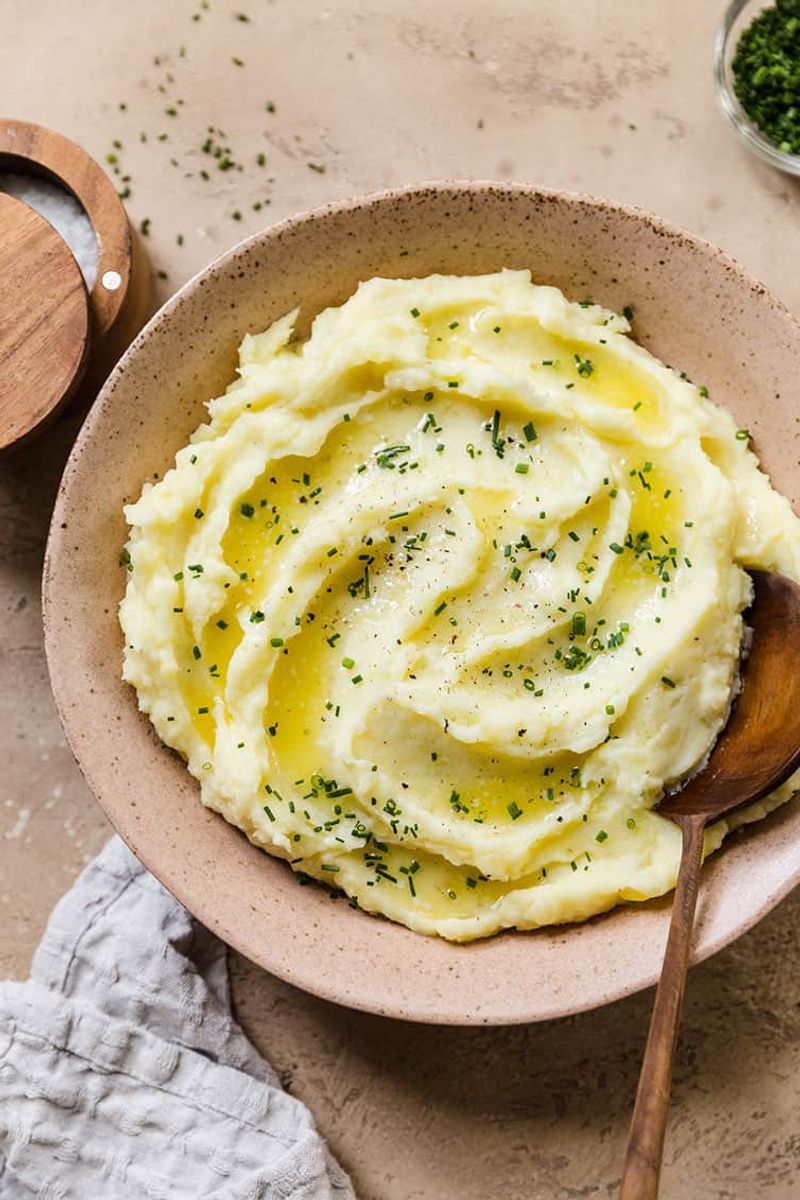
Chef Joel Robuchon made mashed potatoes world-famous by using nearly equal parts butter and potato, turning a humble side dish into a fine dining sensation. Upscale menus now feature versions with morel gravy, roasted garlic, or scallion cream.
Still, every American family has been whipping potatoes with butter and milk long before any Michelin-starred chef claimed the idea. Mashed potatoes are proof that the simplest foods sometimes need no improvement at all.
3. PB&J Sandwich
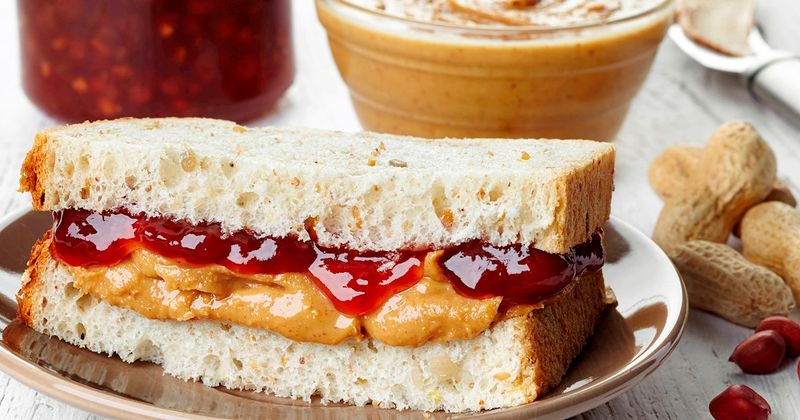
Few foods carry more childhood nostalgia than a peanut butter and jelly sandwich packed in a brown paper bag. Some upscale spots now use French red currant jam, manuka honey, and premium stone-ground peanut butter to justify a $20 price tag.
At the end of the day, though, this sandwich was invented out of practicality during World War II and became America’s most beloved lunchbox staple. Fancy ingredients cannot improve on perfection.
4. Baked Potatoes
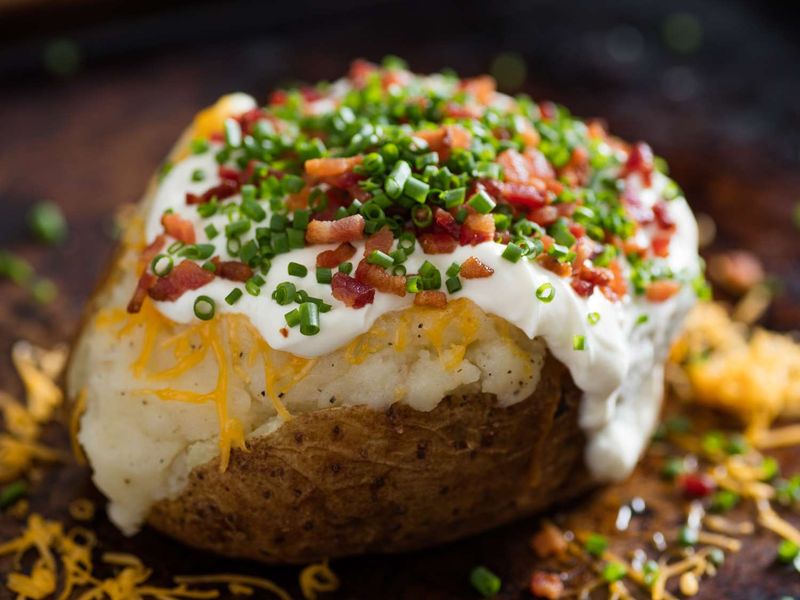
A baked potato topped with butter and sour cream is one of the most satisfying meals anyone can make at home with almost zero effort. Steakhouses have long marketed the “loaded” version as an indulgent gourmet side, piling on bacon, cheddar, and chives like it is a luxury item.
Broccoli and cheese stuffed versions also show up on upscale menus regularly. Yet every home cook has been doing this for decades without calling it anything fancy.
5. Grilled Cheese Sandwich
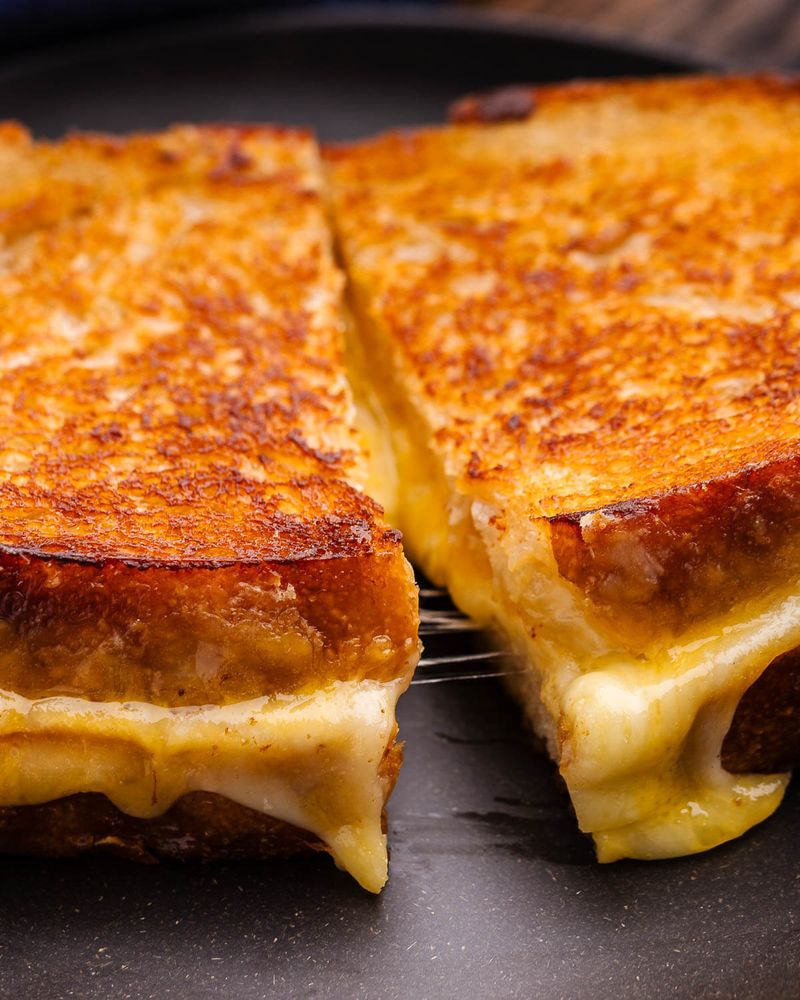
Garlic parmesan butter, layers of fresh mozzarella, and pepperoni slices have helped grilled cheese earn a spot on trendy restaurant menus with prices to match. Food trucks have built entire businesses around “elevated” grilled cheese combinations.
But this sandwich started as a Depression-era staple made from government-issued cheese and white bread. American kids have been eating it for lunch since long before anyone thought to add fig jam or brie.
The original version still wins.
6. Meatloaf
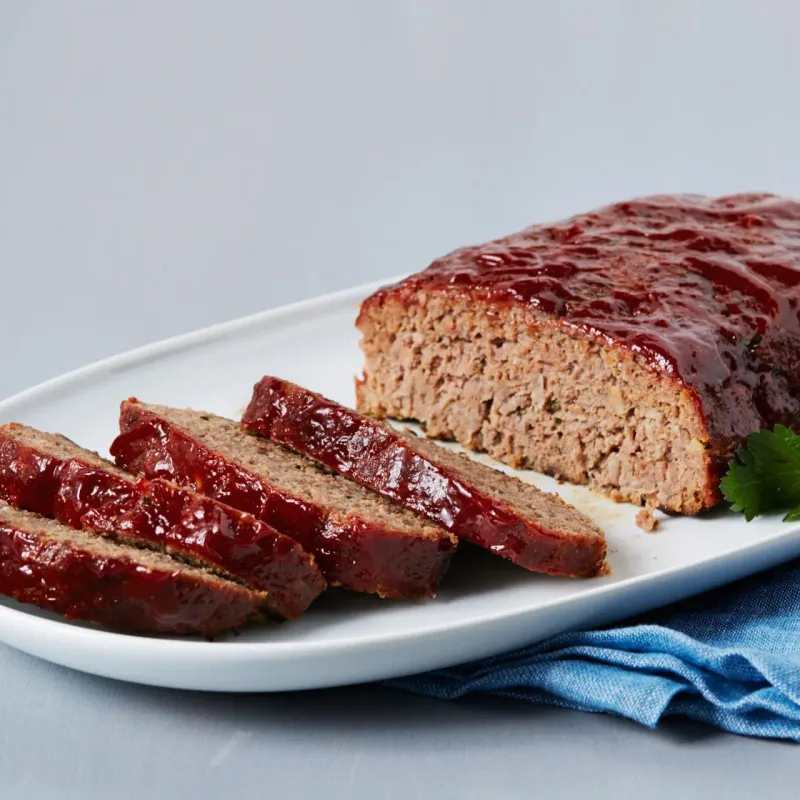
Meatloaf has a reputation problem, but it has never deserved one. This Midwestern staple has fed American families through tough economic times for well over a century, stretching ground beef with breadcrumbs and onions to make a meal that fills everyone up.
Upscale diners now serve it with rich skillet gravies and house-made ketchup glazes, marketing it as retro-chic comfort food. Grandmas across the country have been doing exactly that for generations, no trendy label required.
7. Fried Chicken
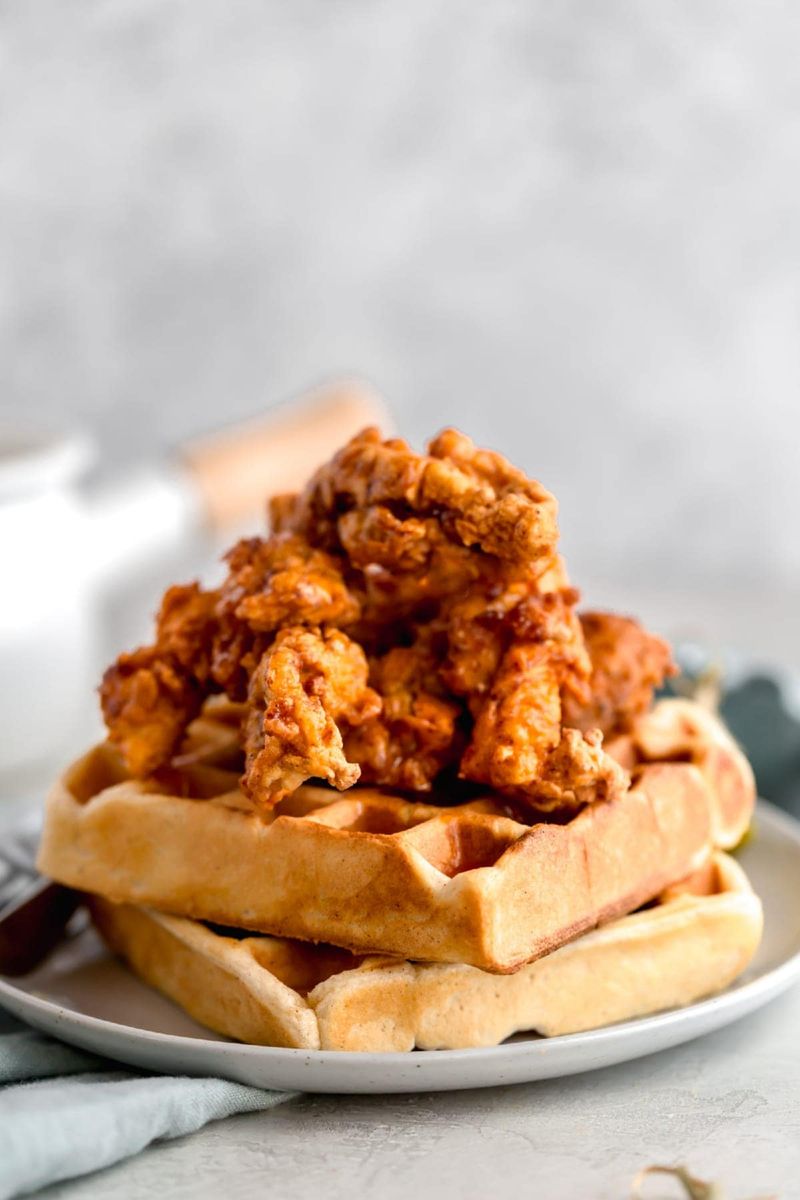
Southern fried chicken has gone from church picnics to white-tablecloth restaurants without skipping a beat. Upscale menus now list it as a “Half Bird” served alongside housemade hot sauce, biscuits, and “Granny Gravy,” or paired with Belgian-style waffles for a brunch crowd.
The technique of seasoning, breading, and frying chicken in cast iron has been passed down through Southern families for centuries. No amount of fancy plating changes what this dish truly is: pure, soulful American cooking.
8. Shrimp and Grits
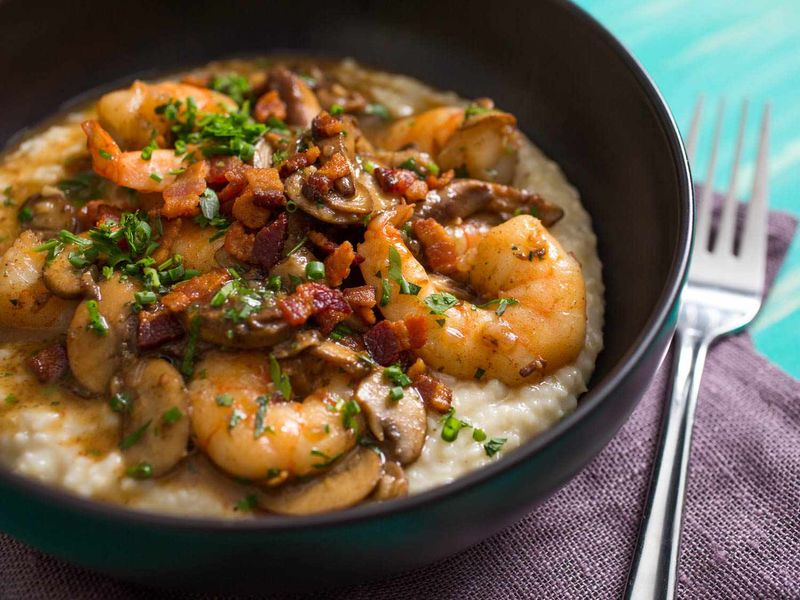
Originally a humble fisherman’s breakfast from the South Carolina Lowcountry, shrimp and grits has climbed its way onto some of the fanciest menus in the country. Gourmet versions now include jambalaya sauce, pickled okra, chicken sausage, and even coconut Cajun drizzles.
The dish has always been about celebrating simple, fresh Southern ingredients in a bowl. Coastal communities made this meal long before it became a $28 brunch staple, and the original spirit still shines through every variation.
9. Chicken Pot Pie
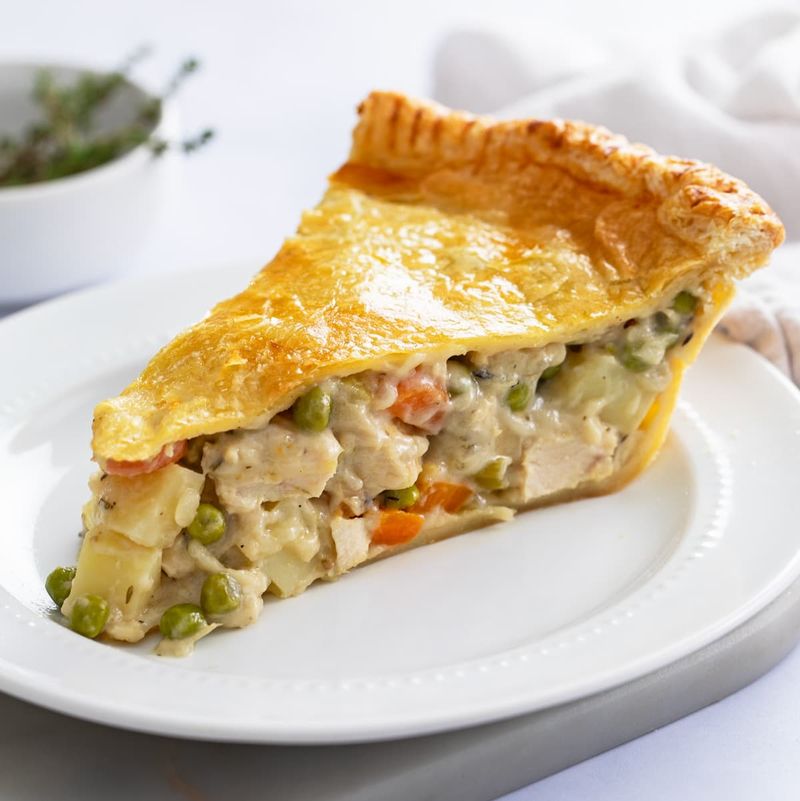
Chicken pot pie is the kind of food that feels like a warm hug on a cold night, and Americans have known that for a very long time. Some chefs have reimagined it as “pot-pie poppers” served as appetizers at upscale restaurants, adding truffle butter or puff pastry twists.
But the classic version, with its creamy vegetable filling tucked under a buttery crust, has been an all-American favorite since colonial times. No reinvention tops the original.
10. Chili
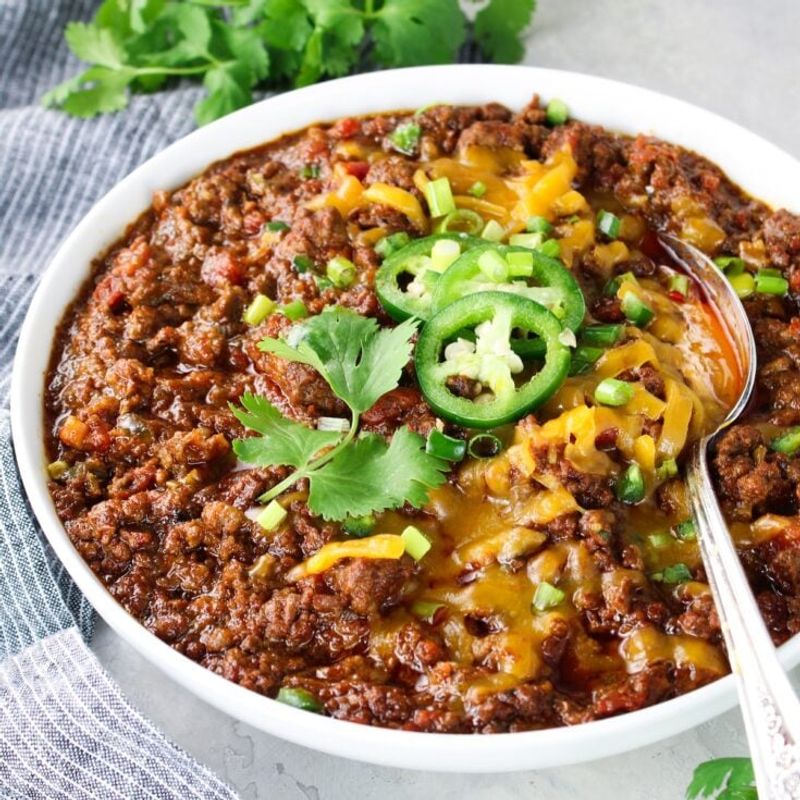
Game day just would not be the same without a big pot of chili bubbling on the stove. Gourmet recipes now call for ancho chili powder, smoked paprika, high-quality bacon, and a careful blend of beans to create something that feels restaurant-worthy.
Texas chili purists will argue there should not even be beans in it. Whether you keep it simple or load it with toppings, chili has been a fiercely American tradition since cowboys cooked it over open fires on cattle drives.
11. Biscuits and Gravy
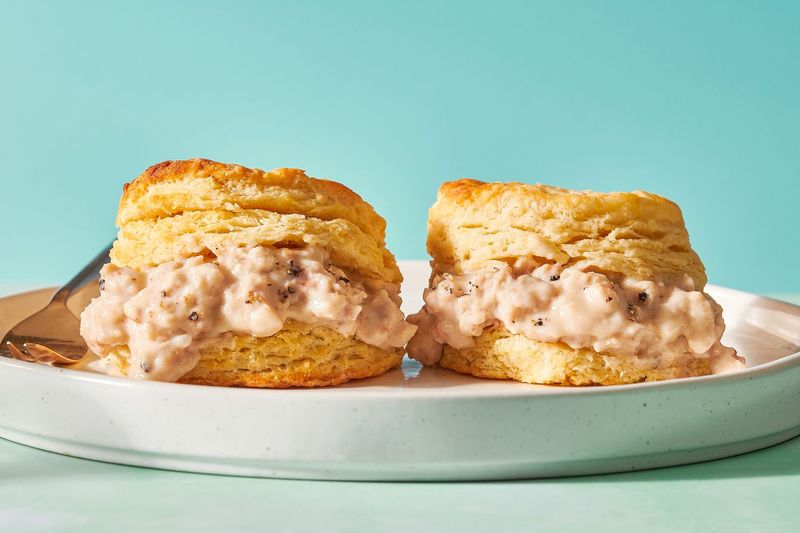
Biscuits and gravy is the breakfast that built the American South and Appalachia, fueling farmers and laborers before sunup for generations. Upscale brunch spots now charge handsomely for versions featuring flaky, laminated biscuits and house-made sausage gravy with fresh rosemary, chives, and a pinch of chili flakes.
The fancier the restaurant, the higher the price tag for something that costs almost nothing to make at home. This dish has always been about warmth, simplicity, and feeding people well.
12. Chicken Noodle Soup
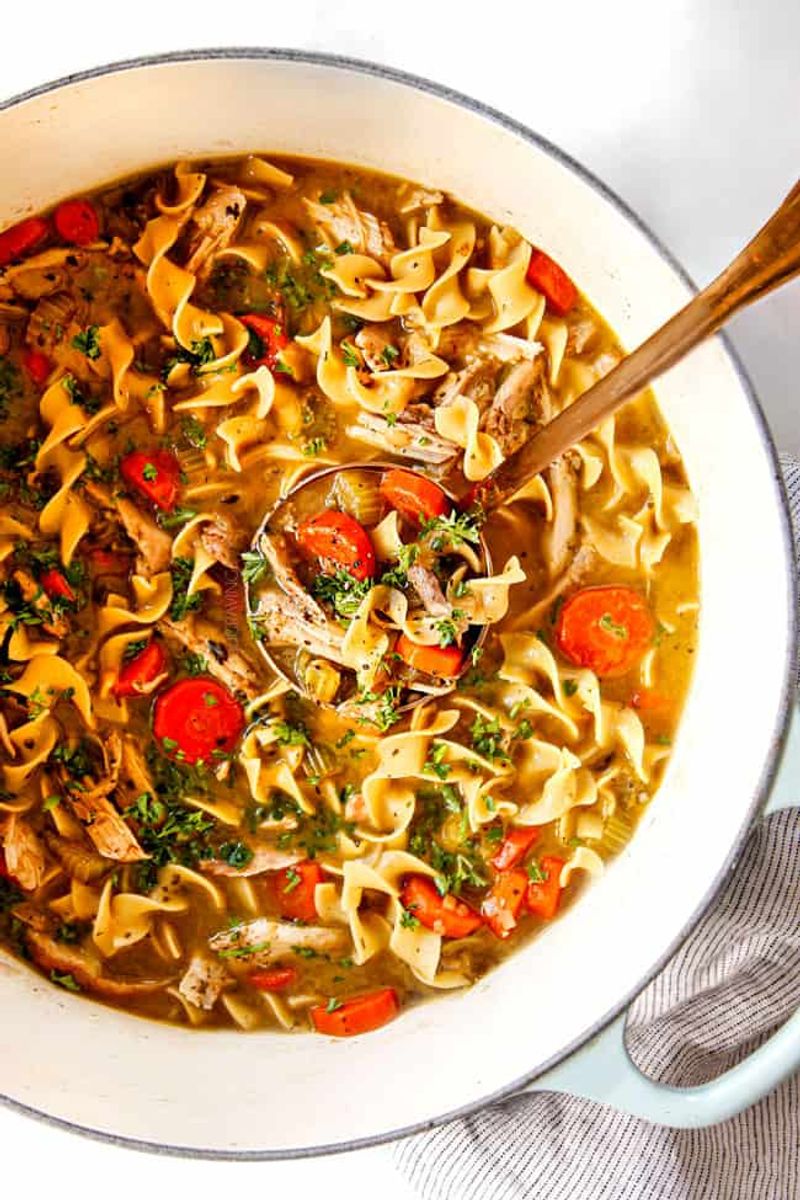
Ask anyone what they want when they are feeling sick, and the answer is almost always chicken noodle soup. Elevated restaurant versions now feature housemade pasta, matzo balls, and freshly sourced vegetables to justify their menu prices.
The truth is, this soup has been healing Americans since long before anyone thought to call it artisanal. A whole chicken simmered low and slow with vegetables and noodles is one of the most honest, nourishing meals in the American food tradition.
13. Burgers
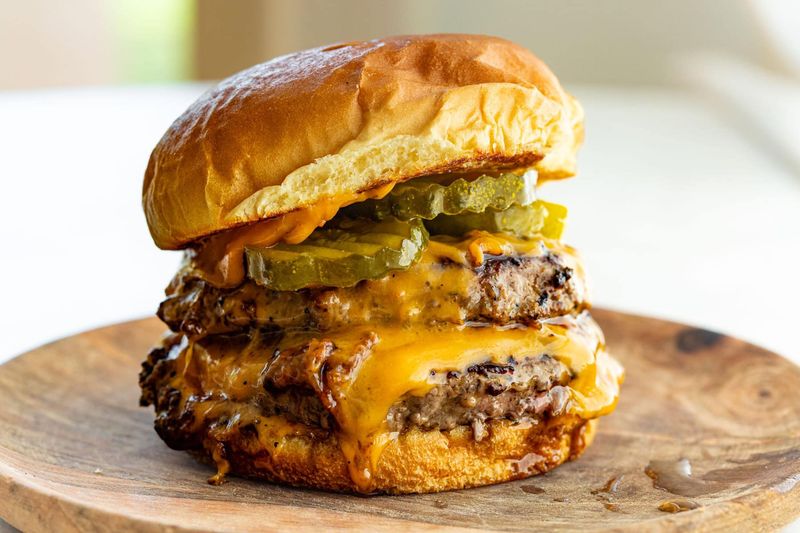
The American hamburger has conquered the world, and yet it somehow keeps getting reinvented. Gourmet burger joints now offer handcrafted all-beef patties on brioche buns with aged cheddar, truffle aioli, and caramelized onions, while others experiment with cilantro-lime chicken or tempeh alternatives.
But the burger was born at state fairs and backyard grills, meant to be eaten with both hands and plenty of napkins. No matter how fancy it gets, a burger is still a burger, and Americans love every version.
14. French Fries
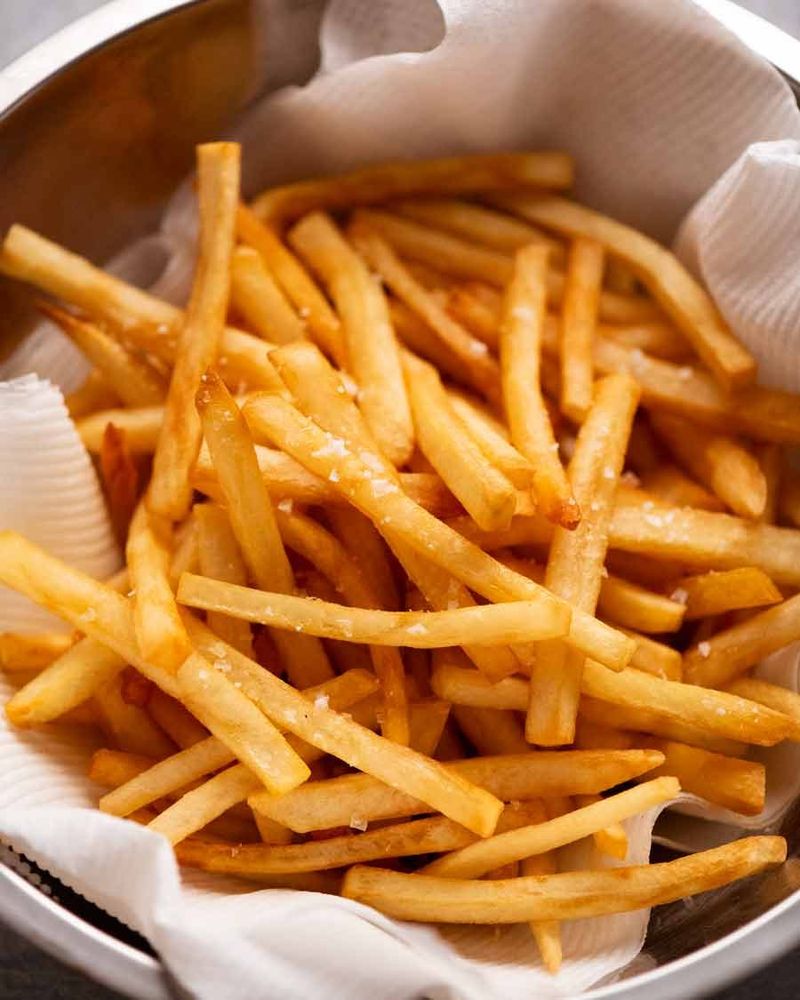
French fries are the side dish that goes with absolutely everything, and America has claimed them as its own despite the name. Upscale restaurants now season them with exotic salts like Rocoto, serve them with truffle mayo, or stack them into towering loaded creations for social media appeal.
At their core, though, fries are just potatoes cut and fried in oil. Americans have been ordering them at diners and drive-ins since the early 1900s, and the love affair shows no signs of slowing down.
15. Coleslaw
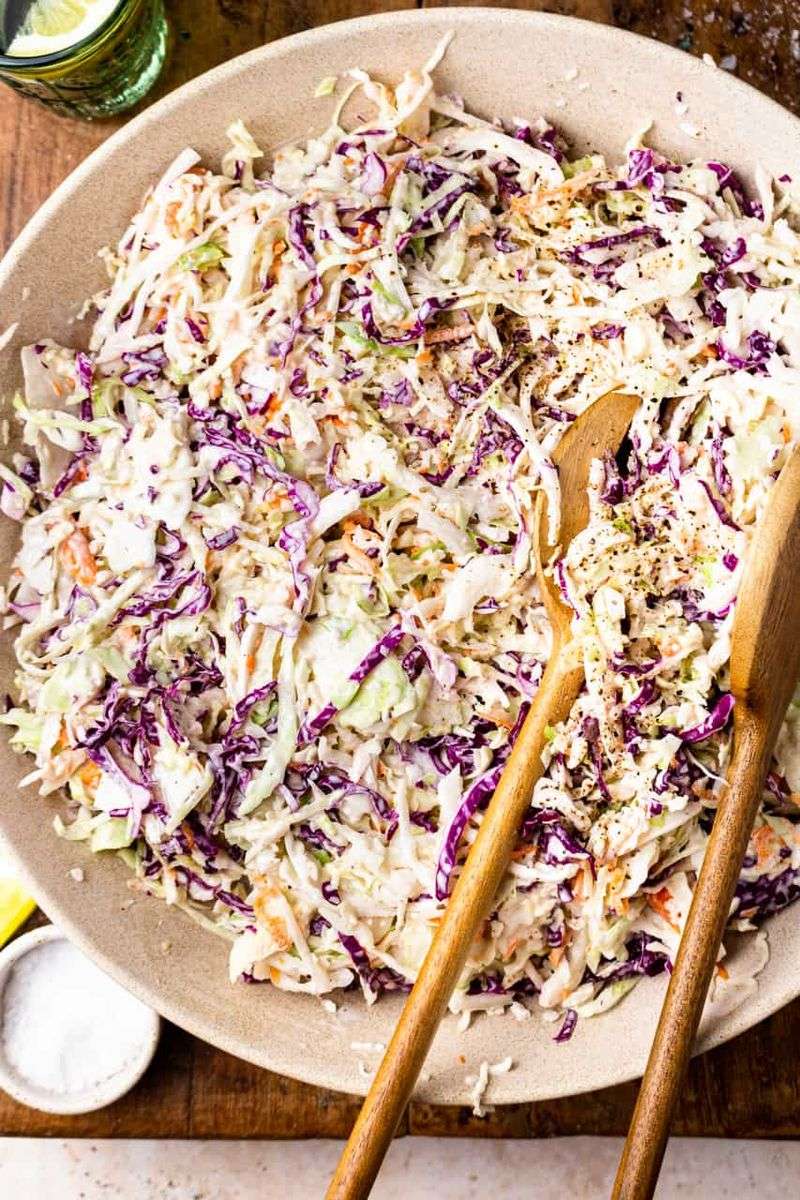
Coleslaw is the unsung hero of every American BBQ spread, quietly sitting next to the ribs and brisket while everyone talks about the main course. Gourmet versions now highlight cider vinegar dressings, precise cabbage shredding techniques, and perfectly balanced sweet-savory flavor profiles.
Fancy or not, coleslaw has been a staple of American cookouts and church potlucks for well over a century. Made with fresh cabbage and a good homemade dressing, it is one of those simple sides that never needs much improvement.
16. Cornbread
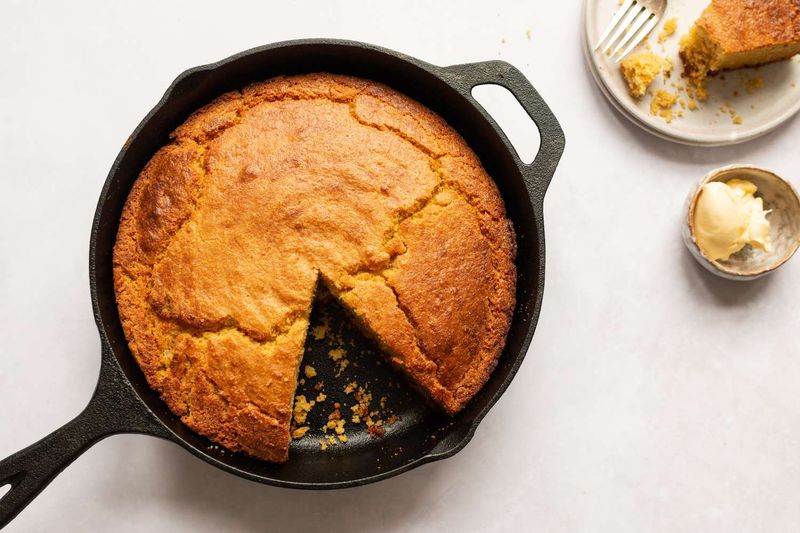
Cornbread has been baked in cast iron skillets across the American South since Native Americans first introduced European settlers to ground corn centuries ago. Modern chefs now make yeast-leavened versions packed with fresh corn kernels, chives, and high-quality stone-ground cornmeal to achieve a moist, bakery-worthy texture.
Whether sweet like the Northern style or savory like the Southern version, cornbread remains one of the most deeply rooted staples in American food culture. No fancy bakery label changes its humble, beautiful origins.
17. Pot Roast
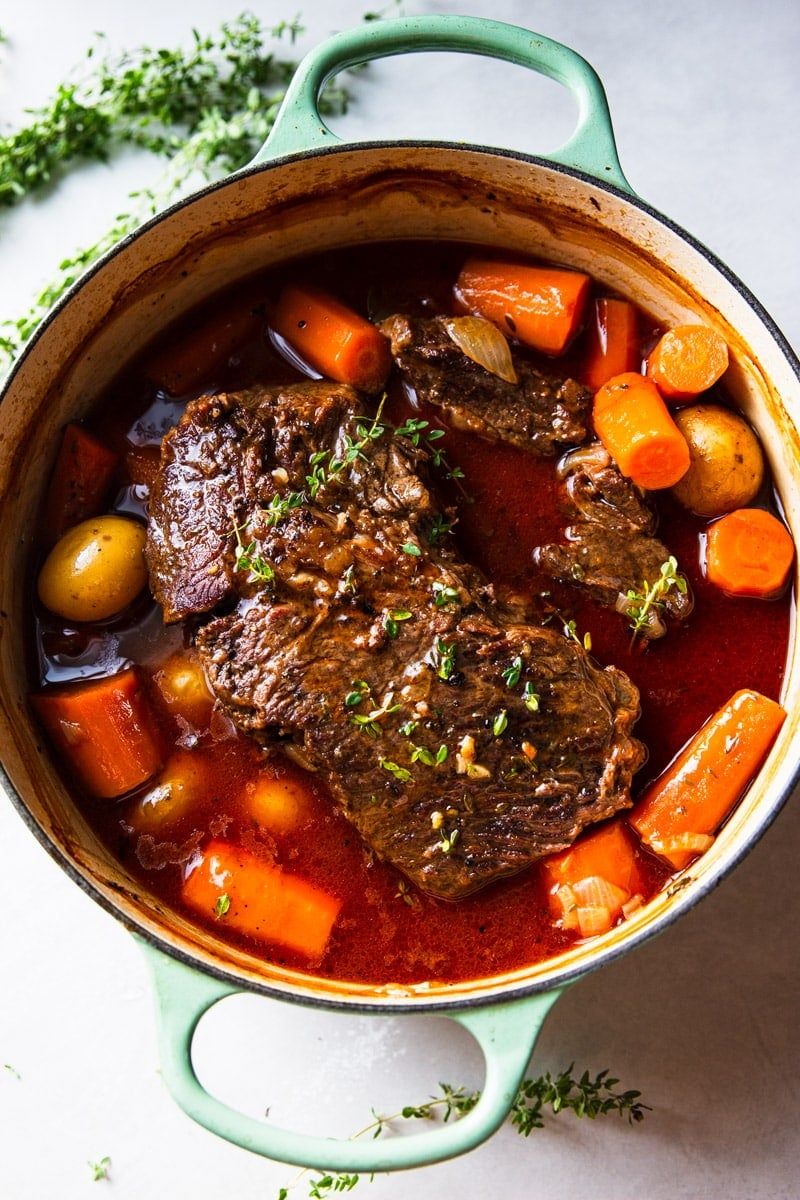
Sunday pot roast is practically a religion in American households, filling the whole house with that unmistakable slow-cooked aroma all afternoon long. Some creative chefs have given it a global twist, like the “Pot Roast Rendang,” blending classic American comfort with Southeast Asian spice techniques.
Fusion or not, the heart of this dish is a tough cut of beef transformed by low, slow heat into something impossibly tender. American families have been doing that magic trick every Sunday for well over a hundred years.
18. Pancakes
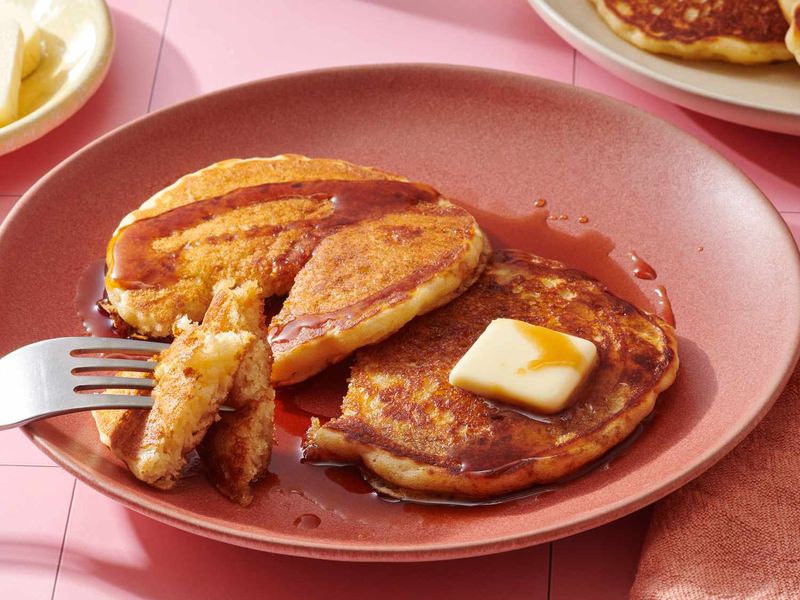
There is something deeply satisfying about a tall stack of pancakes on a weekend morning, and Americans have been flipping them since long before brunch became a trend. Upscale breakfast spots now elevate them with blueberry-lavender sauces, mascarpone cream, and edible flowers to justify a $18 plate.
Pancakes made from scratch with buttermilk and a hot griddle have always been one of America’s most beloved morning traditions. Fancy toppings are fun, but the fluffy stack itself is the real star.
19. Tacos and Nachos
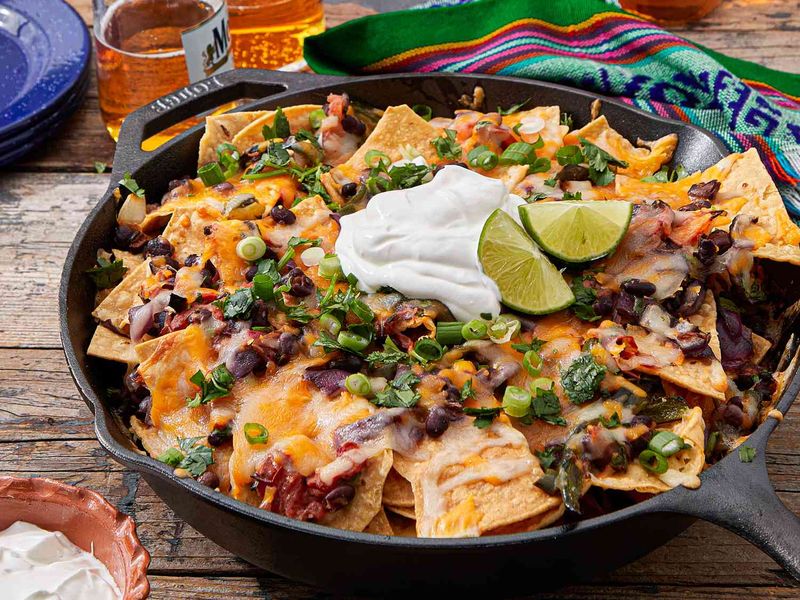
Tacos and nachos may have roots south of the border, but America adopted them so enthusiastically that they practically became their own cuisine. Gourmet menus now feature chipotle ranch taco salads and loaded nachos with avocado ranch, using fresh, high-quality ingredients to command elevated prices.
Nachos were actually invented in 1943 by a Mexican maitre d’ for a group of American military wives, making them basically an American creation from the start. Either way, they belong to everyone now.
20. Chocolate Chip Cookies
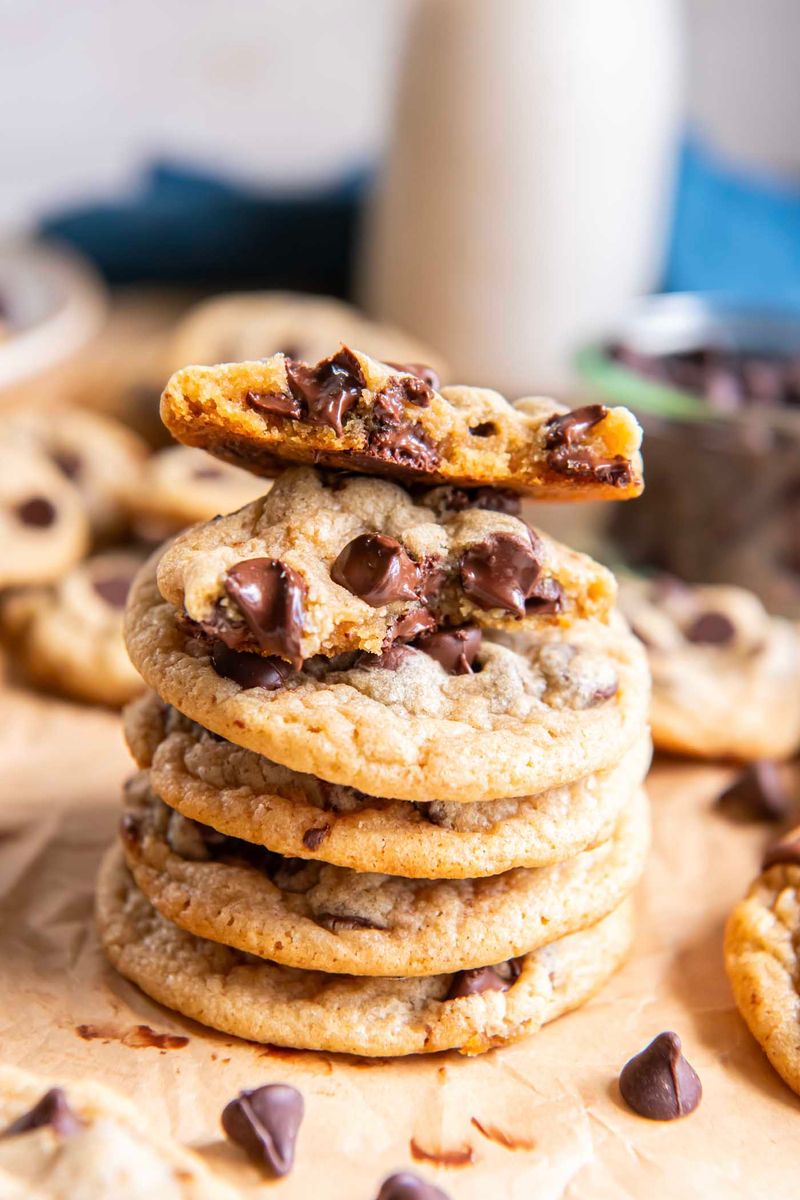
Ruth Wakefield invented the chocolate chip cookie at her Toll House Inn in Massachusetts in 1938, and Americans have been obsessed ever since. Bakeries now market them as gourmet using brown butter, dark chocolate chunks, a blend of cake and bread flour, and a mandatory sea salt flake on top.
The techniques have gotten more precise, but the joy of biting into a warm, crispy-edged, chewy-centered cookie has never changed. This is one American invention that absolutely deserves all the hype it gets.