
Sometimes the people closest to us can make us feel small, confused, or guilty without us even realizing why. Controlling behavior often hides inside everyday conversations, making it hard to spot.
Knowing the warning signs can help you protect yourself and make healthier choices in your relationships. If any of these patterns sound familiar, trust your gut and know that you deserve to be treated with respect.
1. They Dismiss Your Feelings as Overreaction

You share something that genuinely upset you, and instead of listening, they say, “You’re being way too sensitive.” That stinging response is not just unkind, it’s a control tactic. When someone constantly tells you that your emotions are too big or completely wrong, they are rewriting your reality.
Over time, you start doubting your own feelings before you even express them. Healthy relationships make room for all emotions, not just the convenient ones.
2. Blame Always Finds Its Way Back to You
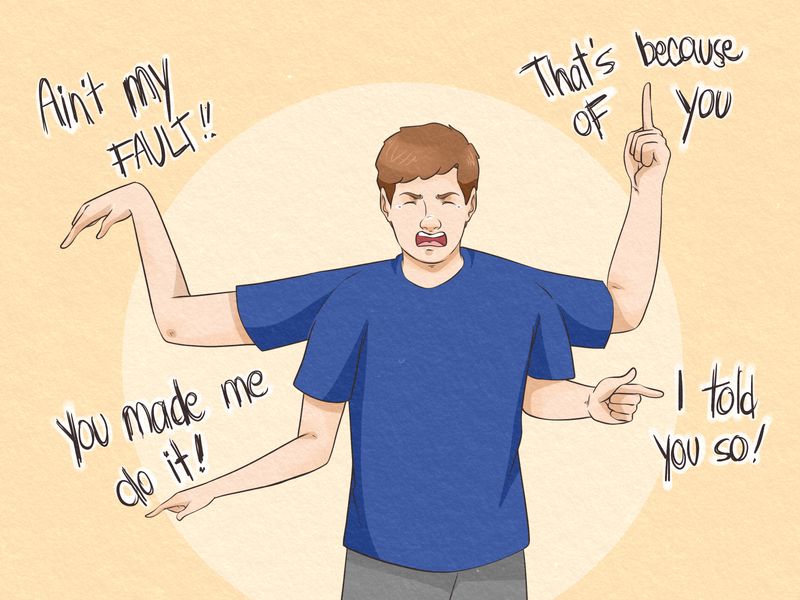
No matter how an argument starts, somehow you end up apologizing. Blame-shifting is a sneaky tactic where the other person refuses to own their mistakes and redirects every problem onto your shoulders.
It leaves you feeling guilty for things that were never your fault in the first place.
Healthy communication involves both people taking responsibility. If only one person is ever wrong in the relationship, something is seriously off balance.
3. Gaslighting Makes You Question Your Own Memory
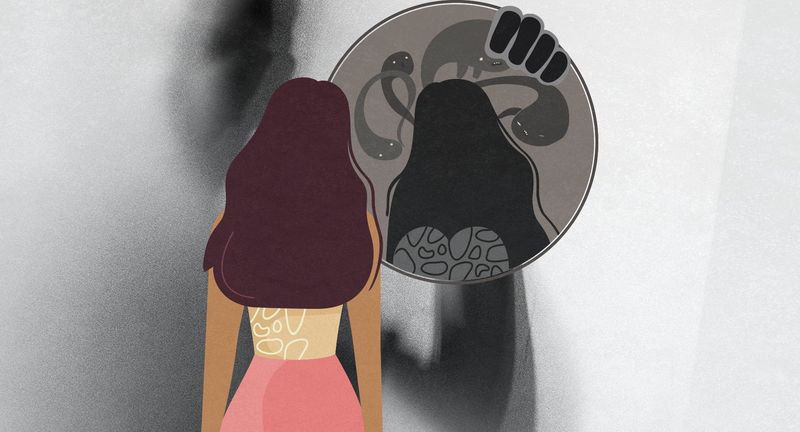
“That never happened.” “You’re imagining things.” If you hear these phrases regularly, you may be experiencing gaslighting. This manipulation tactic involves a person consistently denying events or twisting facts until you start to doubt your own mind.
It can feel deeply disorienting and even frightening.
Gaslighting is one of the most damaging forms of emotional control because it chips away at your confidence and self-trust from the inside out.
4. Constant Criticism Disguised as Concern
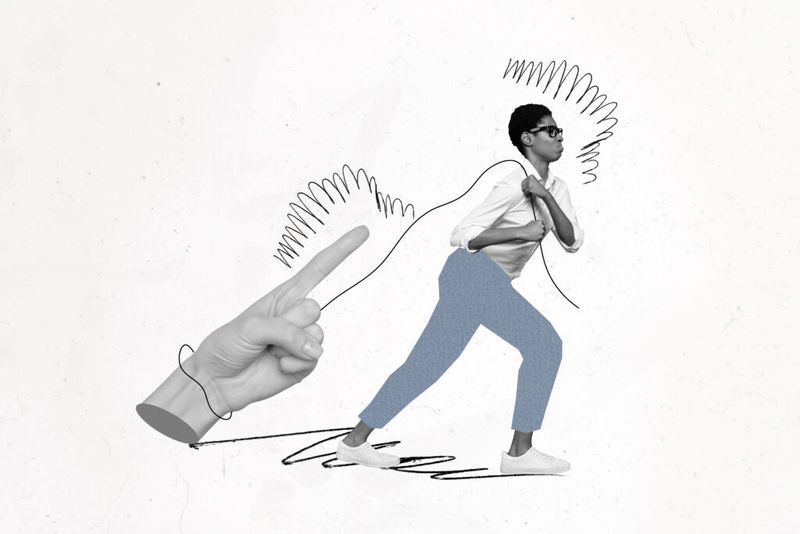
“I’m just trying to help you” can become one of the most exhausting phrases to hear when it is attached to endless put-downs about your looks, choices, or abilities. Criticism wrapped in fake concern is still criticism.
Over time, the comments pile up and erode your self-esteem without you noticing.
Watch for patterns where the “concern” always seems to focus on tearing you down rather than building you up. Real support feels encouraging, not deflating.
5. They Demand to Know Your Every Move

There is a clear difference between a partner who cares about your safety and one who demands a minute-by-minute report of your day. Controlling people often frame this behavior as love or worry, but the real goal is keeping tabs on you.
It creates a suffocating dynamic that limits your freedom.
Healthy relationships are built on trust, not surveillance. Feeling like you need permission to go somewhere or see someone is a serious warning sign worth addressing.
6. Isolation From Friends and Family

Slowly, your social circle starts shrinking. Your partner makes snide comments about your best friend, creates drama every time you plan to visit family, or simply guilt-trips you until staying home feels easier.
This is not a coincidence. Isolation is one of the oldest control tactics in the book.
Cutting you off from your support network makes you more dependent on the controlling person. Keeping your outside relationships strong is not just healthy, it is protective.
7. Jealousy Dressed Up as Love

“I just love you so much, that’s why I get jealous.” Jealousy is sometimes romanticized in movies, but in real life, unfounded accusations and constant interrogations about who you are texting are exhausting and controlling. Possessiveness does not equal passion, no matter how it gets packaged.
A partner who restricts your contact with others or gets angry when you maintain friendships is showing a need for control, not love. You should never feel like a possession.
8. Your Boundaries Get Ignored or Mocked
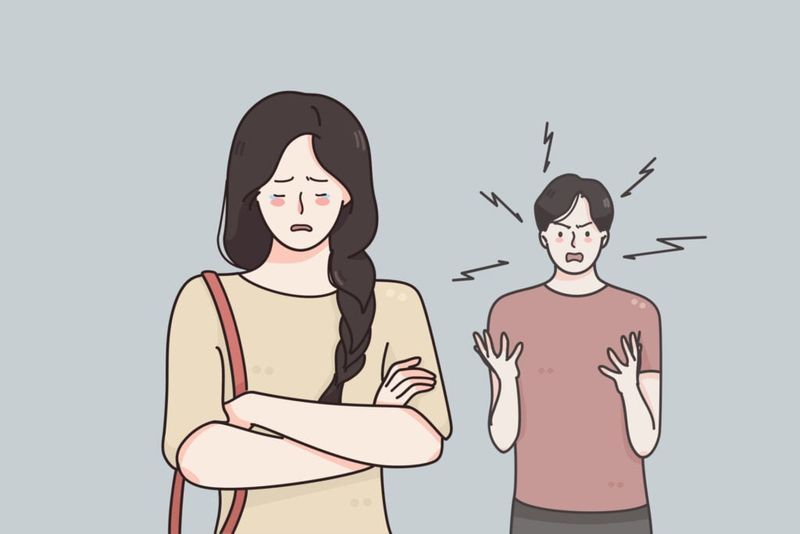
Setting a boundary should never become a negotiation. When someone repeatedly crosses your limits, ignores your requests for space, or laughs at your discomfort, they are sending a clear message that your needs do not matter.
Boundaries are not walls; they are healthy guidelines that protect your well-being.
Someone who genuinely respects you will honor those lines without making you feel dramatic for drawing them. Pushback every single time is not normal, and it is not okay.
9. Threats and Intimidation End Every Argument

When disagreements end with threats, whether it is threatening to leave, to hurt themselves, or to expose something private, that is not a heated argument. That is intimidation.
Using fear as a tool to win conversations is a serious sign of controlling behavior and can escalate over time.
No one should feel scared to disagree with their partner. If you find yourself walking on eggshells to avoid triggering outbursts or ultimatums, the relationship dynamic needs to be examined honestly.
10. Love Bombing Early On
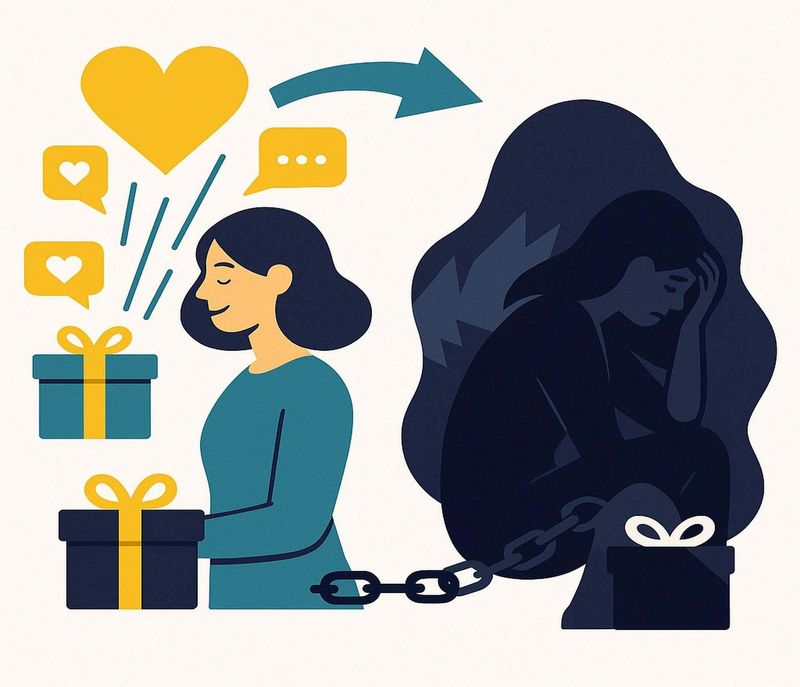
Everything feels magical at first. They call you their soulmate after two weeks, flood you with gifts, and talk about your future together before you even know their middle name.
Love bombing can feel flattering, but it is often a setup. The intense attention is designed to make you feel deeply attached fast.
Once you are emotionally hooked, the dynamic often shifts dramatically. If the pace feels overwhelming rather than exciting, pump the brakes and pay attention.
11. They Rewrite the History of Your Achievements

You worked hard for something, and somehow in their retelling, you just got lucky or someone else deserves the credit. Controllers often downplay your wins to keep you from feeling too confident or independent.
Stealing credit or shrinking your accomplishments is a quiet but effective way to undermine your self-worth.
Pay attention to how someone talks about your past victories. If your story always sounds smaller when they tell it, that pattern reveals more than they intend.
12. Evasive Answers and Mixed Signals

Ask a direct question and somehow never get a direct answer. Controllers often dodge accountability by staying vague, changing the subject, or responding to your question with another question.
The constant runaround leaves you feeling confused and unable to get clarity on even basic things.
Mixed signals, like being warm one day and cold the next, keep you emotionally off-balance on purpose. Consistency is a basic building block of trust, and its absence should raise questions.
13. They Interrupt and Redirect Every Conversation

Ever notice that somehow every conversation circles back to them? Constant interruptions, topic hijacking, and always steering discussions toward their own experiences can be more than just bad manners.
For controlling people, keeping the spotlight on themselves limits your voice and your influence in the relationship.
When you consistently feel unheard or talked over, your perspective is being sidelined. Feeling like a supporting character in your own conversations is a sign something needs to change.
14. Monitoring Your Phone or Social Media

Privacy is not the same as secrecy, and a partner demanding access to your messages, emails, or social media accounts is overstepping a major boundary. Digital monitoring is a modern form of control that can feel almost normal in a world where we share so much online.
Do not be fooled.
You have the right to private conversations and personal space, even in a committed relationship. Someone who does not respect that is not expressing love; they are exercising control.
15. Making You Feel Responsible for Their Emotions
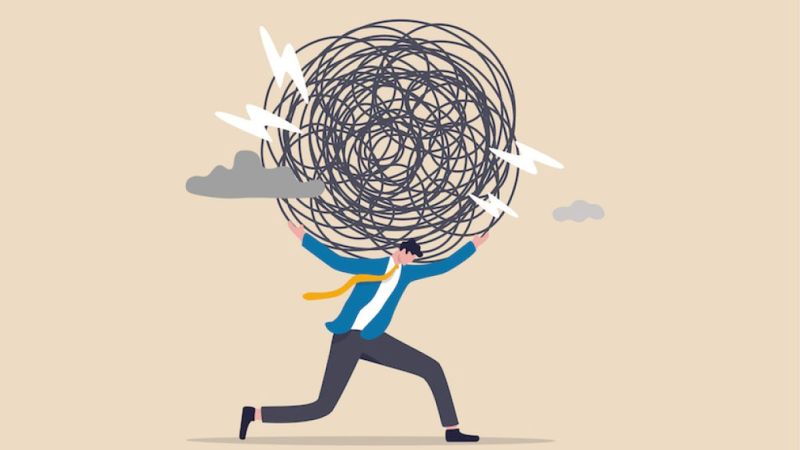
“You made me act this way.” When someone consistently blames their emotional reactions on you, they are handing you a responsibility that was never yours to carry. Everyone is accountable for managing their own feelings.
Being made to feel like the cause of someone else’s anger, sadness, or anxiety is emotionally draining.
Over time, this pattern can make you hyper-focused on managing their moods instead of living your own life. That is not partnership; that is emotional labor used as control.
16. Pressure to Agree or Face Consequences
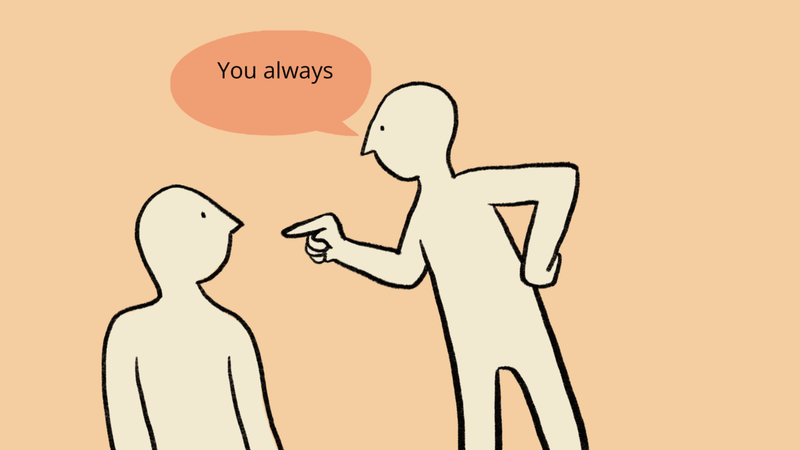
Healthy disagreements are part of every relationship, but being pressured to agree or face the silent treatment, withdrawal of affection, or outright anger is a different story entirely. When someone uses emotional consequences to force your compliance, your opinions stop being safe to express.
You should never feel afraid to voice a different view. The moment saying “no” or “I disagree” becomes a risky act, the power balance in the relationship has shifted somewhere it should not be.