
America is full of places that were once buzzing with excitement, packed with visitors, and celebrated as must-see destinations. Over time, some of those famous spots slowly faded from the spotlight, left behind by changing travel trends, natural disasters, and shifting economies.
Walking through these places today feels like stepping into a forgotten chapter of history. From abandoned theme parks to ghost towns, these 15 landmarks tell a fascinating story of rise and fall.
1. Six Flags New Orleans (formerly Jazzland), Louisiana
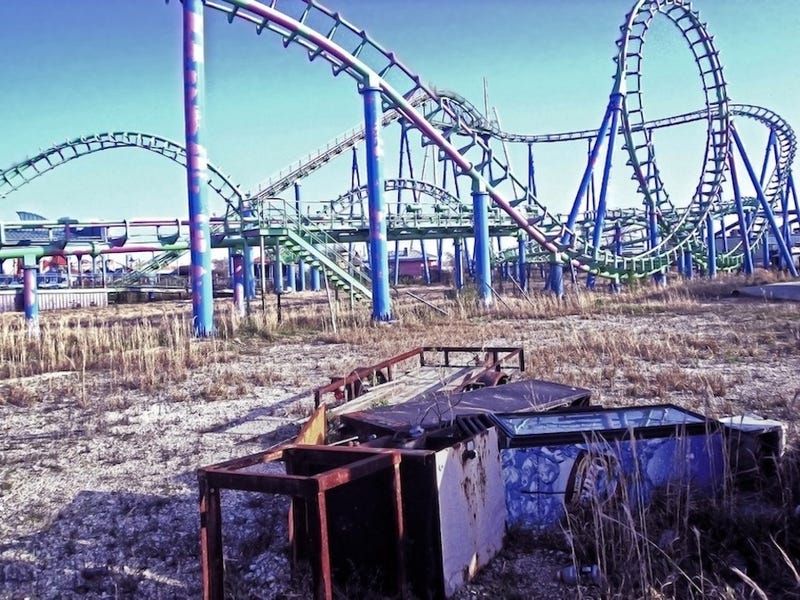
Imagine a theme park swallowed whole by floodwaters and never reopened. That is exactly what happened to Six Flags New Orleans after Hurricane Katrina hit in 2005.
The park, originally called Jazzland, was completely submerged for weeks and never recovered financially.
Today, rusted roller coasters poke through tangled vines, and empty ride cars sit frozen in time. Filmmakers love using it as a backdrop for post-apocalyptic movies, which honestly makes total sense when you see it.
2. Lake Dolores Waterpark, Newberry Springs, California
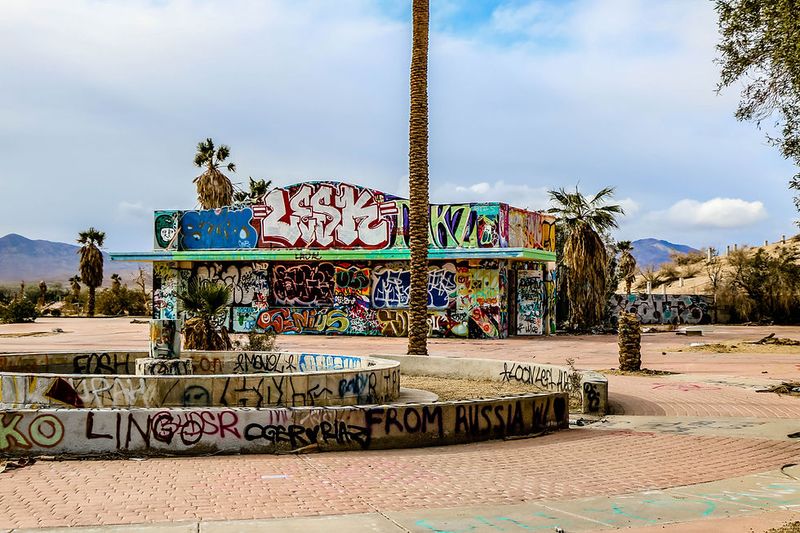
Sitting in the middle of the scorching Mojave Desert, Lake Dolores Waterpark once seemed like a miracle oasis for road-trippers heading between Los Angeles and Las Vegas. Built in the 1960s, it packed in crowds hungry for splashing fun in an otherwise barren stretch of highway.
After a failed rebrand as Rock-A-Hoola and a pile of expensive lawsuits, the gates closed for good in 2004. Cracked slides and graffiti-tagged pools are all that remain now.
3. The Catskills, New York
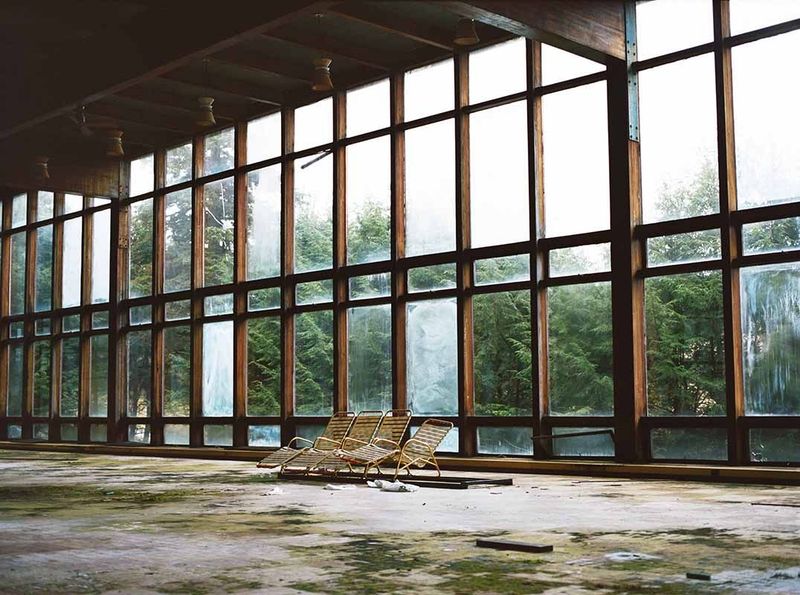
Back in the 1940s and 50s, the Catskills were basically the vacation capital of the Northeast. Huge resort hotels lined the mountains, hosting thousands of families every summer in a stretch of New York that felt endlessly lively and glamorous.
When affordable airline tickets made faraway beaches and tropical spots suddenly reachable, the Catskills quietly emptied out. Many legendary hotels shuttered and crumbled.
The hiking trails are still gorgeous, but that golden resort era is long gone.
4. Lake Havasu Spring Break, Arizona
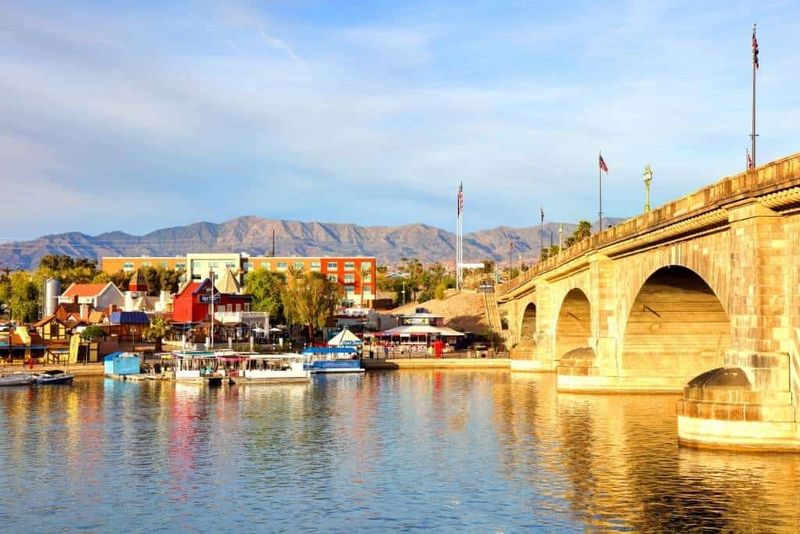
Through the 1990s and into the early 2000s, Lake Havasu was the place for college students to celebrate spring break. Thousands of young people flooded the Arizona shoreline every March for boating, parties, and non-stop energy that made national headlines.
Stricter local regulations and shifting travel preferences gradually pushed the massive crowds elsewhere. International destinations and bigger party cities stole the spotlight.
Lake Havasu is still a lovely outdoor recreation spot, but those legendary spring break scenes are mostly a memory now.
5. Niagara Falls, New York
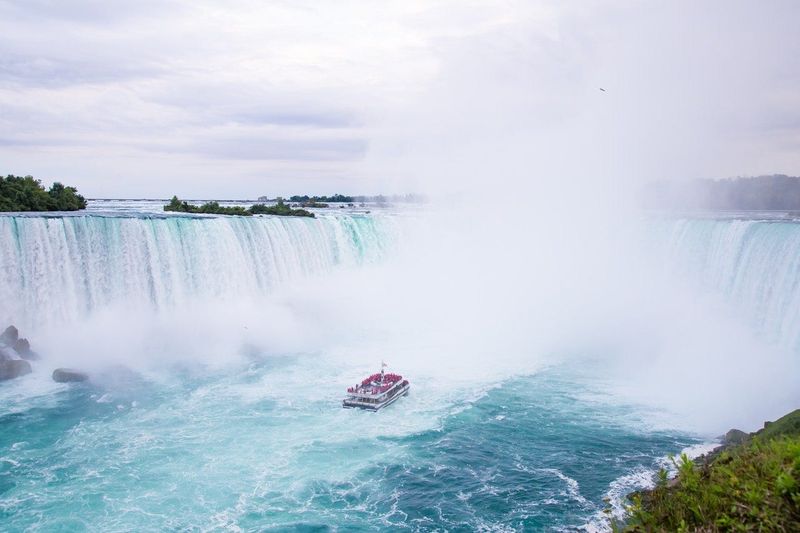
For generations of newlyweds, Niagara Falls was the ultimate romantic getaway. Honeymooners flocked to its misty overlooks and grand hotels, making it one of the most recognized names in American romance and tourism throughout the early and mid-20th century.
Caribbean resorts, European trips, and luxury cruises eventually stole the honeymoon crown. The falls themselves remain breathtaking, but the New York side especially carries a slightly worn, overlooked feeling.
It is still worth visiting, just not the cultural icon it once was.
6. Daytona Beach, Florida
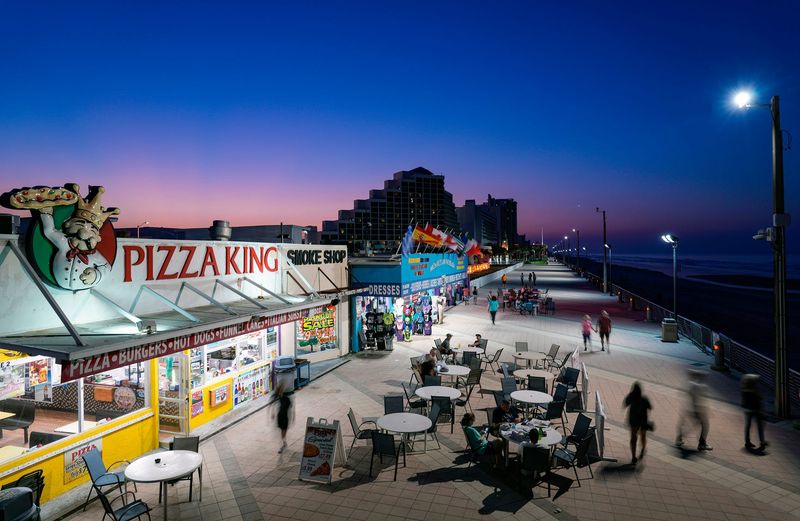
Few Florida cities built a bigger reputation than Daytona Beach. Racing culture, spring break madness, and miles of sandy beachfront made it a powerhouse destination for decades, drawing visitors from across the country who wanted sun, speed, and excitement all in one place.
Travelers started craving newer, cleaner resorts and quieter beaches, and parts of Daytona started feeling dated and rough around the edges. NASCAR weekends still pack the town, but the everyday tourist buzz that once defined Daytona Beach has noticeably faded.
7. Atlantic City, New Jersey
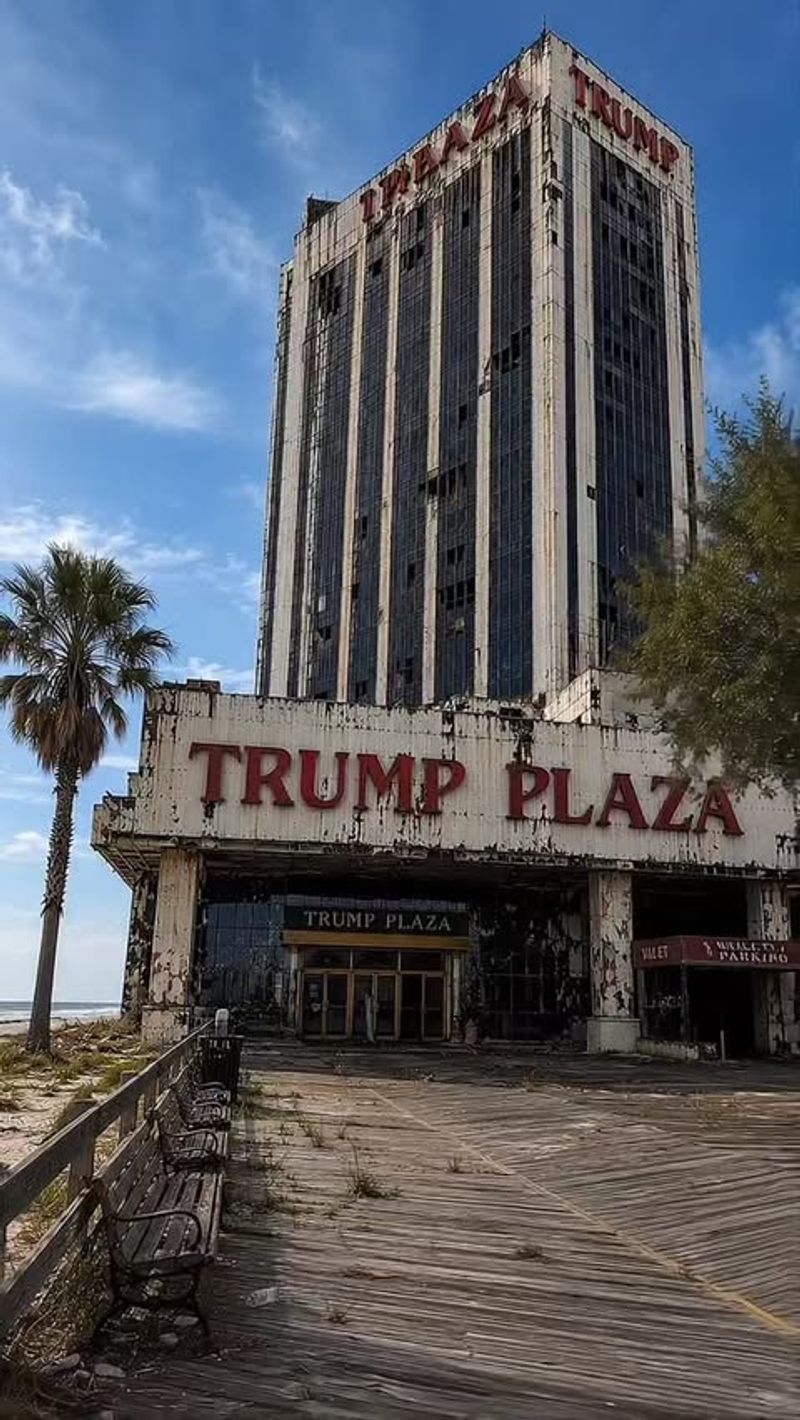
Atlantic City was once the crown jewel of East Coast entertainment. Its famous boardwalk buzzed with energy, and glittering casinos drew millions of visitors who came to gamble, eat, and soak up the seaside glamour that made this New Jersey city feel truly special.
Starting in the 1960s, population shifts, economic troubles, and eventually casino closures chipped away at that shine. Several major hotels and casinos have permanently shuttered.
The boardwalk still exists, but the full-throttle energy of Atlantic City’s golden years feels very far away.
8. Asbury Park, New Jersey
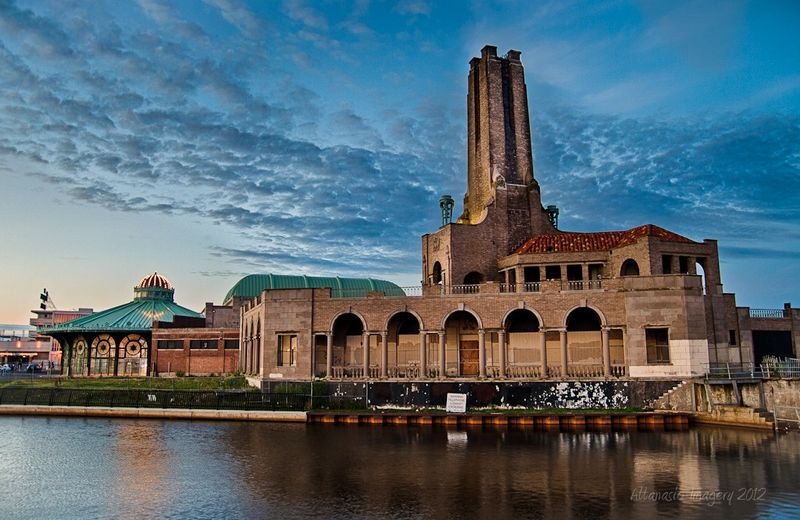
Long before Bruce Springsteen made it famous in song, Asbury Park was already a beloved East Coast playground. Early 20th century visitors came for its carousel, lively boardwalk, and grand convention hall, making it one of New Jersey’s most celebrated seaside towns.
Decades of economic collapse left many of its iconic structures as crumbling ruins by the 1980s. Some revitalization has happened in recent years, but Asbury Park spent a very long, painful stretch as a ghost of its former cheerful self.
9. Bodie, California
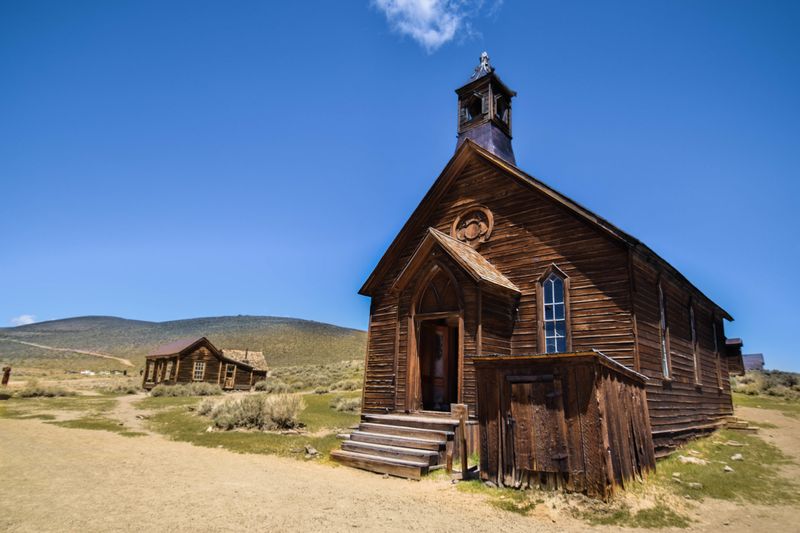
Gold fever built Bodie fast and burned it out even faster. At its peak in the late 1870s, this California mountain town was packed with miners, saloons, and the kind of chaotic energy that only a gold rush can create.
Thousands chased their fortunes here.
When the gold ran out, so did the people. Bodie is now one of the best-preserved ghost towns in the entire country, frozen almost exactly as it was left.
Walking its dusty streets today feels genuinely eerie and unforgettable.
10. Michigan Central Station, Detroit, Michigan
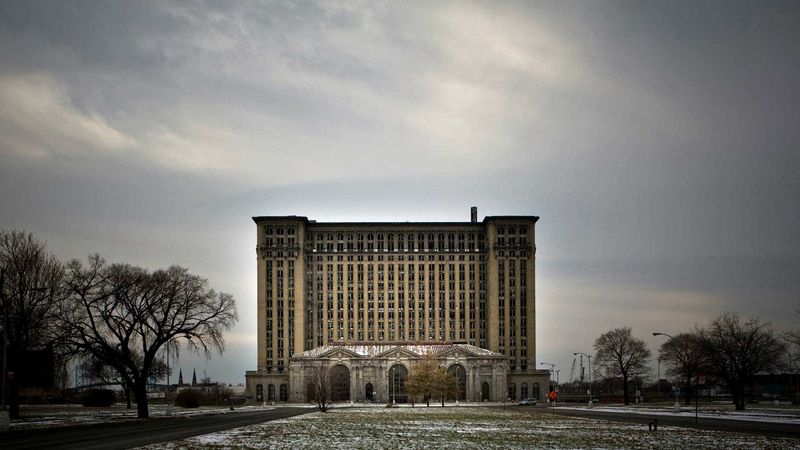
When Michigan Central Station opened in 1913, it was considered one of the most magnificent train stations in the entire country. Its soaring ceilings and grand facade made arriving in Detroit feel like a truly important event, worthy of a building this impressive and bold.
The station closed in 1988 as Detroit’s economy crumbled, and for years it stood as a haunting symbol of urban decline. Graffiti artists and urban explorers claimed it.
Ford Motor Company is now restoring it, but its long abandoned chapter is unforgettable.
11. Platt National Park (now Chickasaw National Recreation Area), Oklahoma
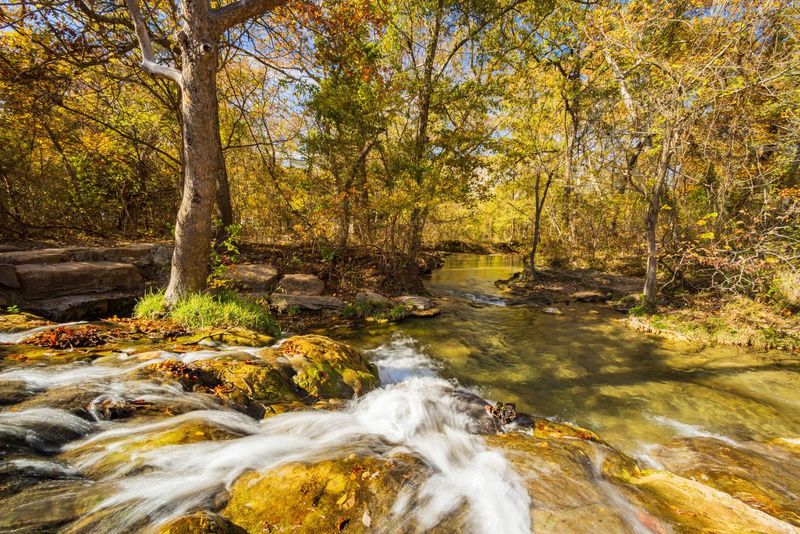
Hard to believe, but a century ago Platt National Park in Oklahoma was pulling in more visitors than Yellowstone. Its 33 cold-water mineral springs were believed to have healing powers, drawing enormous crowds of hopeful visitors every single year to this quiet corner of Oklahoma.
In 1976, federal officials decided the park was too understated to keep its national park status, and it was folded into the larger Chickasaw National Recreation Area. Most Americans today have never even heard of it, which feels like a genuine shame.
12. Wheeler Geologic Area, Colorado
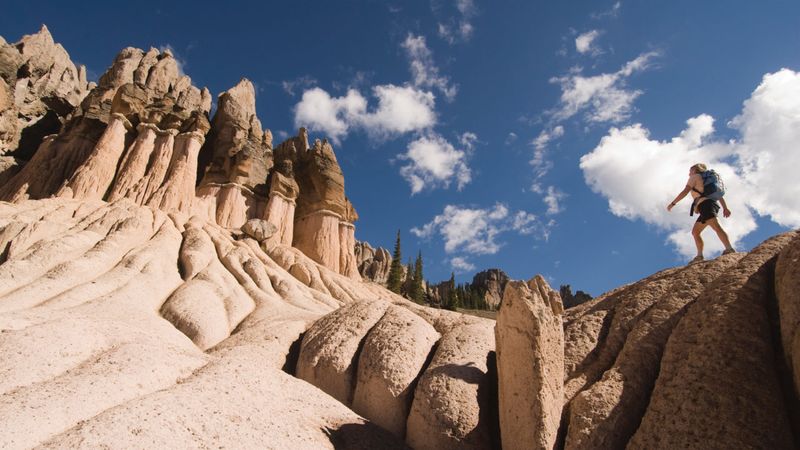
A hundred years ago, Wheeler National Monument was Colorado’s second most popular attraction, trailing only Pikes Peak in visitor numbers. Its bizarre volcanic rock formations and dramatic hoodoos amazed early 20th century travelers willing to make the journey out to see them in person.
Losing its monument status and sitting deep inside a remote wilderness area gradually pushed Wheeler off the tourist map. Today, only determined hikers willing to trek miles through backcountry terrain ever get to witness its genuinely otherworldly landscape.
It is Bryce Canyon’s quieter, forgotten cousin.
13. Bombay Beach, California
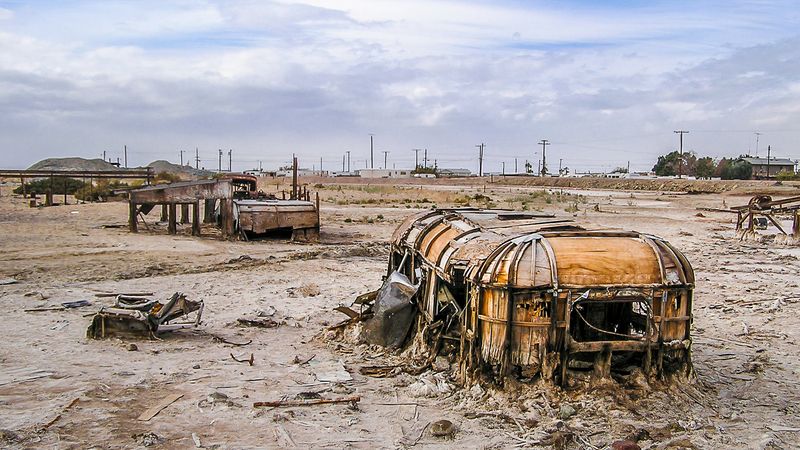
There was a time when the Salton Sea area was being marketed as the next Palm Springs. Bombay Beach sat right on its shores, and developers dreamed of turning this inland California sea into a glamorous resort destination packed with boaters and sunbathers year-round.
Ecological disaster had other plans. Rising salinity killed the fish, a terrible smell drove away tourists, and the community collapsed.
What remains is hauntingly beautiful in a strange way, with sun-bleached ruins and cracked earth that artists and photographers now find irresistible to document.
14. Silver City Ghost Town, Bodfish, California
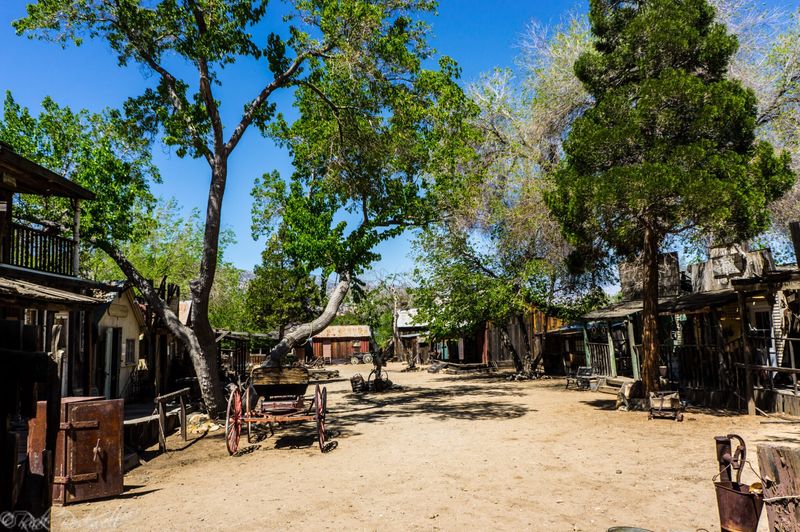
Silver City Ghost Town is a bit like an outdoor museum assembled from the bones of California’s mining past. Buildings from various mining-era communities were gathered and relocated here, creating a patchwork collection of weathered structures that tell the story of a region once driven by ambition and ore.
Today, visitors who stumble upon it find a ramshackle but oddly charming place frozen somewhere between history and ruin. It draws curious travelers, but nothing close to the booming crowds those original mining towns once knew.
15. Ardmore Ghost Town, South Dakota
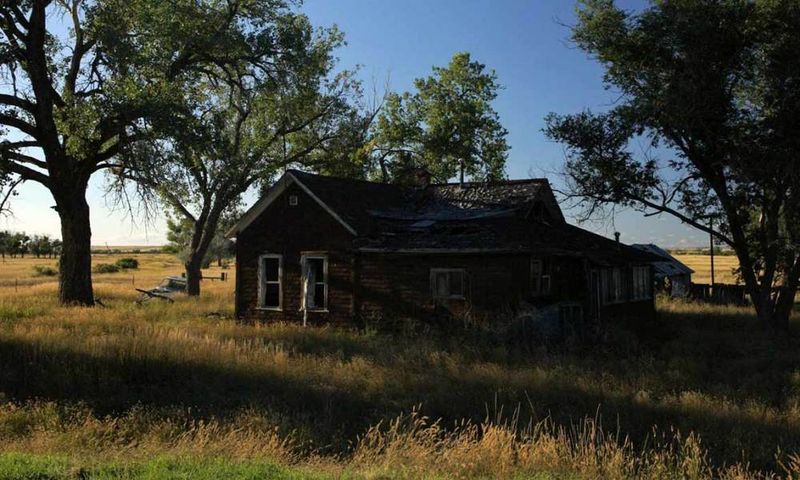
Tucked into the remote plains of South Dakota, Ardmore once served as a small but lively stopover community for travelers and settlers moving through the region. It had homes, businesses, and the kind of everyday bustle that made it feel like a real, breathing place with a future.
That future never quite arrived. Today, Ardmore is defined by abandoned storefronts, weathered houses, and rusted cars slowly disappearing into the prairie grass.
Almost no one passes through anymore, making it one of the Great Plains’ most quietly haunting forgotten spots.