
When parents split up, the ripple effects don’t always stop at childhood. Many kids carry emotional and psychological baggage well into their adult lives, often without even realizing where it came from.
Understanding these lasting impacts is the first step toward healing and building healthier futures. Whether you’re an adult child of divorce or a parent going through one, this list sheds light on what the research really shows.
1. Struggles With Trusting Romantic Partners

Trust doesn’t come easy when love once looked like it fell apart. Adults who grew up watching their parents’ marriage dissolve often carry a quiet wariness into their own relationships.
Opening up emotionally can feel risky, even dangerous.
Research shows adult children of divorce tend to be more uncomfortable with closeness and more likely to keep partners at arm’s length. Therapy, especially attachment-focused approaches, can help rebuild the ability to trust again over time.
2. Higher Risk of Depression

Growing up in a divided household can leave invisible marks on mental health. Adults who experienced parental divorce as children show significantly higher rates of depression compared to those raised in continuously married families.
Some even face increased risk for recurring depressive episodes.
Parental divorce is classified as an Adverse Childhood Experience, or ACE, which means its emotional weight can follow someone for decades. Recognizing this connection is a powerful first step toward getting the right support.
3. Fear of Abandonment That Lingers for Years

“What if they leave too?” That quiet dread can follow adult children of divorce into every close relationship they form. When a parent walked out, or even when the family simply fell apart, the message a child sometimes internalizes is that love isn’t permanent.
Abandonment fears can cause people to either cling too tightly or push others away before they get the chance to leave first. Recognizing this pattern is genuinely life-changing work for many adults in therapy.
4. Anxiety Disorders That Develop Over Time
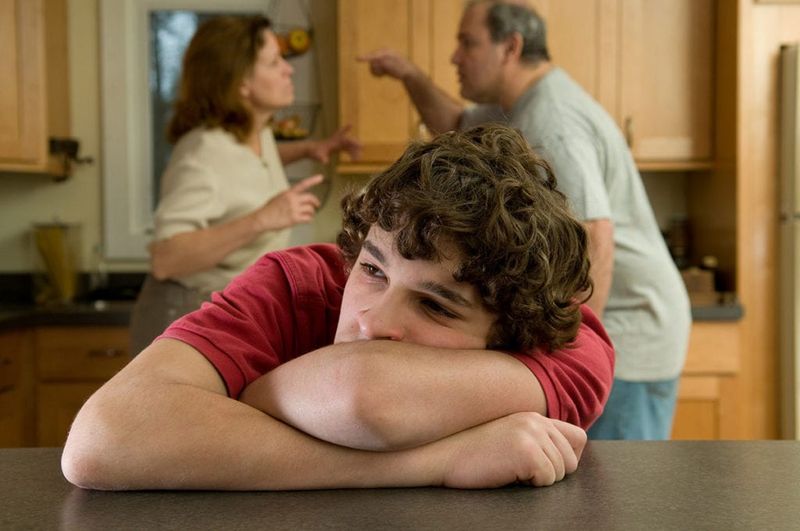
Hypervigilance can become a habit when home once felt unpredictable. Children who grow up navigating tense, unstable environments often wire their nervous systems to stay on high alert.
Years later, that wiring can show up as generalized anxiety or social anxiety disorder.
Studies confirm elevated rates of anxiety among adults from divorced families. The good news is that anxiety is highly treatable.
Cognitive behavioral therapy and mindfulness-based practices have helped many people quiet those long-running alarm bells in their minds.
5. Lower Educational Attainment

A 2019 study found that divorce is linked to an 8% lower probability of finishing high school, a 12% drop in college attendance, and an 11% lower chance of completing a degree. Those aren’t small numbers.
Family instability during critical school years can make focusing on academics feel nearly impossible.
Financial strain after divorce also plays a major role. When resources shrink and emotional stress peaks, educational goals can quietly fall through the cracks for many kids from split homes.
6. Complicated Grief Over the Loss of Family Life

Losing a family as you knew it doesn’t come with a funeral or flowers, but the grief is absolutely real. Many adults whose parents divorced still carry a quiet mourning for the happy family they never had or the one they once did.
Holidays and milestones can bring that sadness rushing back.
Therapists note that this grief often goes unacknowledged because outsiders assume adults should be “over it.” Giving yourself permission to grieve that loss, at any age, is a healthy and necessary part of healing.
7. Feeling Caught in the Middle of Parental Conflict

Some parents, even years after a divorce, continue to use their children as messengers, confidants, or emotional outlets. That pressure doesn’t magically disappear when the child becomes an adult.
Many grown children still feel pulled in two directions, especially around family events or holidays.
Being expected to manage a parent’s emotions is emotionally exhausting and can breed deep resentment over time. Setting firm, loving boundaries with both parents is one of the most important things adult children of divorce can learn to do.
8. Difficulty With Long-Term Commitment

Watching a marriage end can quietly convince a child that commitment is temporary. As adults, they may shy away from serious relationships, drag their feet on moving in together, or feel a constant undercurrent of doubt even in loving partnerships.
It’s not stubbornness; it’s a learned protective reflex.
Some research suggests adult children of divorce are more likely to experience relationship dissatisfaction themselves. The encouraging part is that awareness of this pattern, combined with intentional effort and counseling, can genuinely shift the trajectory of their love lives.
9. Perfectionism as a Coping Mechanism

If a child believed, even subconsciously, that being “good enough” might have kept the family together, perfectionism can take root fast. Many adult children of divorce push themselves relentlessly at work, in relationships, and in parenting, desperately trying to avoid any perceived fault or failure.
Perfectionism might look like ambition from the outside, but internally it’s often fueled by anxiety and fear of rejection. Learning to embrace imperfection as a human reality, not a threat, is a meaningful breakthrough for many in this group.
10. Financial Struggles and Lower Earning Potential

Money stress often starts in childhood for kids of divorce. Research consistently shows that adults from divorced families tend to earn lower incomes and are more likely to experience poverty than those raised in intact households.
Reduced access to resources during key developmental years can limit long-term financial opportunity.
Less parental support for college tuition, combined with the emotional weight of family instability, creates real economic disadvantages. Building financial literacy and seeking mentorship can help adult children of divorce break those inherited cycles of financial strain.
11. Insecurity and Chronic Self-Doubt

Many adult children of divorce quietly wrestle with the nagging feeling that they’re not quite enough. Without consistent affirmation and a stable family structure during childhood, confidence can take a serious hit.
Self-doubt can seep into career choices, friendships, and intimate relationships in subtle but powerful ways.
Some people don’t even connect their insecurity to their parents’ divorce until they start unpacking it in therapy. Recognizing that your sense of worth was shaped by circumstances beyond your control is a genuinely freeing realization for many adults.
12. Distorted Views on Marriage and Love

Growing up front-row to a marriage falling apart can seriously color how someone sees love as an adult. Some adult children of divorce become deeply skeptical of marriage as an institution, while others romanticize it to an unrealistic degree, desperately seeking what they missed.
Either extreme can create problems in real relationships. Healthy love requires a balanced view, one that acknowledges both the beauty and the hard work of commitment.
Reading, counseling, and honest conversations with trusted mentors can help reshape those inherited beliefs over time.
13. Increased Risk of Divorce in Their Own Marriages

Patterns have a sneaky way of repeating themselves. Research suggests that adult children of divorce face a somewhat higher likelihood of experiencing divorce in their own marriages.
Part of this may stem from having fewer modeled examples of healthy conflict resolution and long-term partnership.
However, some researchers also note that growing up with divorced parents makes individuals more aware that divorce is an option, which can influence decisions differently. Either way, intentional relationship education and premarital counseling can meaningfully reduce this inherited risk.
14. Strained Relationships With One or Both Parents

Divorce doesn’t just split households; it can fracture the parent-child bond in lasting ways. When a parent relocates, remarries, or becomes emotionally unavailable during the post-divorce chaos, the relationship with their child can suffer damage that lingers well into adulthood.
Some adult children quietly grieve a parent they still technically have.
Navigating separate relationships with each parent, especially around holidays and major life events, adds ongoing emotional labor. Open communication and, when possible, family therapy can help rebuild bridges that divorce once damaged.
15. Disrupted Sense of Identity and Family Roots
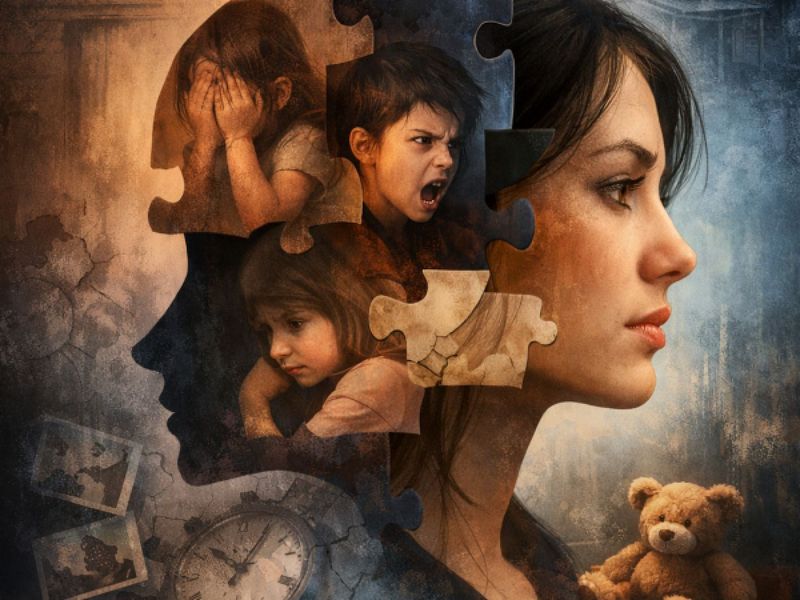
Family is often where people first learn who they are. When divorce reshuffles that foundation, questions about identity, heritage, and belonging can surface years later.
Some adult children of divorce feel like they don’t fully belong in either parent’s world, especially when stepfamilies enter the picture.
Holidays, family stories, and cultural traditions can all feel fragmented. Working to build a personal sense of identity that doesn’t depend entirely on family structure is an empowering goal, and it’s one that many therapists actively help clients pursue.
16. Caregiver Burden From Gray Divorce

When parents divorce later in life, the fallout often lands squarely on adult children. Suddenly, instead of two parents supporting each other through aging, each parent may turn to their adult child for emotional and practical help.
That shift in family roles can feel overwhelming and deeply unfair.
Research shows that adult children of gray divorce sometimes feel a reduced sense of obligation alongside increased guilt, a confusing emotional cocktail. Seeking support through counseling or caregiver groups can help adult children manage this unexpected and exhausting responsibility with greater clarity.
17. Unresolved Childhood Trauma Resurfacing
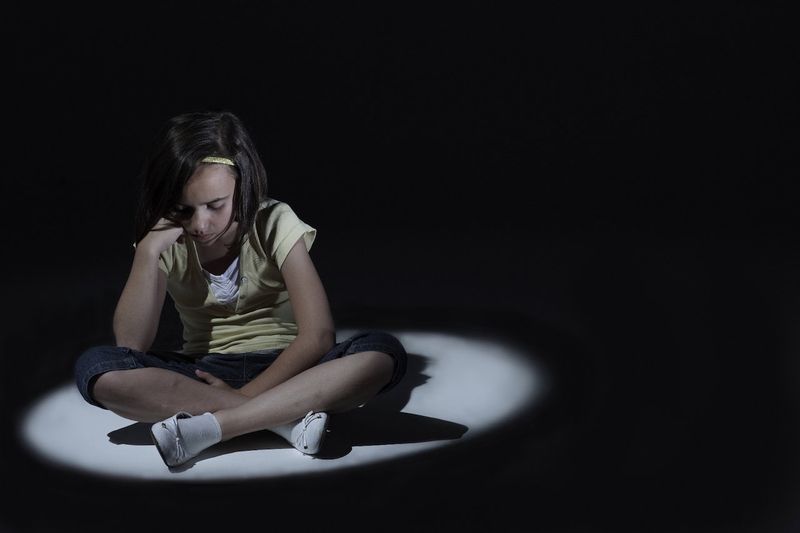
Trauma has a long memory. For many adult children of divorce, stress in their current lives, a breakup, a job loss, or even a heated argument, can suddenly trigger feelings that seem disproportionate to the moment.
What’s actually happening is that old wounds are reopening.
Parental divorce, as an Adverse Childhood Experience, can create lasting emotional imprints that don’t always reveal themselves until adulthood. Trauma-informed therapy offers some of the most effective tools for identifying these buried patterns and finally processing what was too overwhelming to handle as a child.
18. Lack of Healthy Relationship Role Models

You can’t easily model what you never saw. Adult children of divorce often enter their own relationships without a clear blueprint for what a healthy, long-term partnership actually looks like in practice.
Conflict resolution, compromise, and emotional intimacy can all feel like uncharted territory.
Many worry they’ll simply repeat their parents’ mistakes, which creates a kind of relationship anxiety all its own. Seeking out mentors, reading about healthy relationship dynamics, and being open to couples counseling early on can fill in the gaps that divorce left behind.
19. Resilience and Strength Built Through Adversity

Here’s the part that doesn’t get talked about enough: many adult children of divorce grow into remarkably resilient, empathetic, and self-aware individuals. Navigating a divided home often teaches kids to read emotional situations quickly, adapt to change, and develop independence earlier than their peers.
Research confirms that supportive relationships, healthy co-parenting, and strong social networks significantly boost resilience outcomes. Adversity doesn’t have to define anyone’s story.
For many adults who grew up with divorced parents, it becomes the very foundation of their greatest strengths.