
From fire-breathing dragons to invisible mind vampires, the world of fantasy creatures is endlessly fascinating. Some of these beings sprang from the imagination of brilliant authors, while others have been whispered about in ancient legends for thousands of years.
Whether they appear in classic novels or campfire stories passed down through generations, these creatures have shaped the way we think about monsters, magic, and the unknown. Get ready to meet 17 of the most unforgettable creatures ever to haunt human imagination.
1. Frankenstein’s Monster
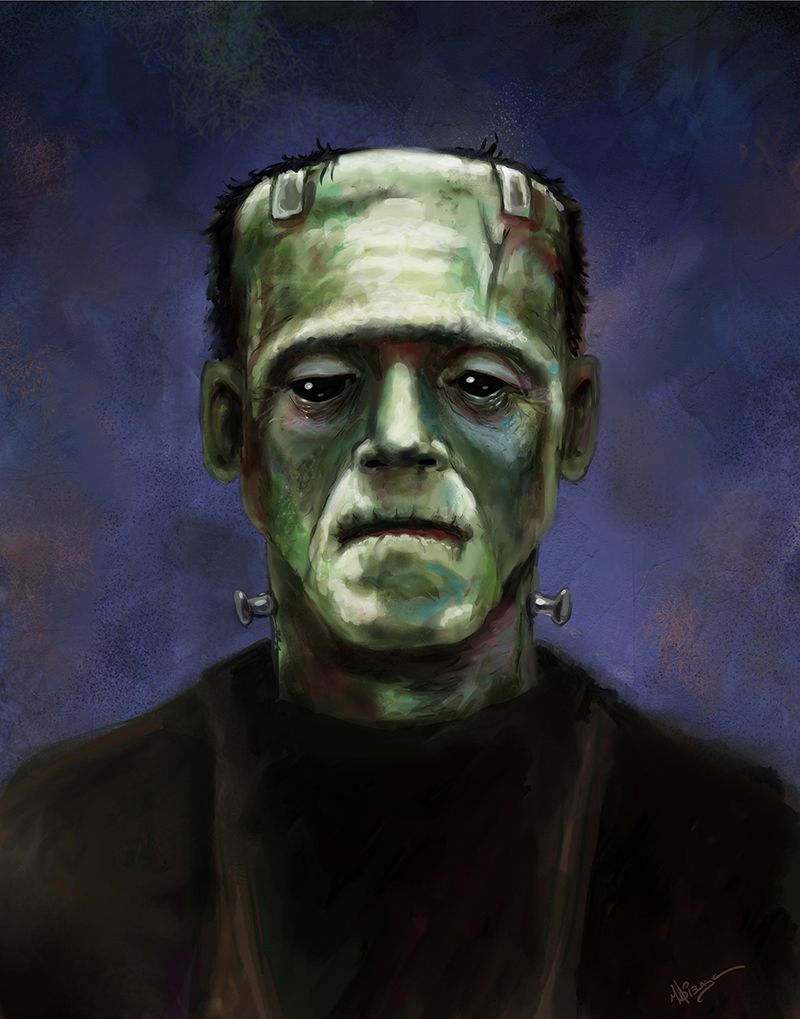
Assembled from the body parts of deceased criminals and shocked to life by electricity, Frankenstein’s Monster is one of literature’s most heartbreaking creations. Mary Shelley introduced him in her 1818 novel, making her one of the first true science fiction writers.
Despite his terrifying appearance, the monster is surprisingly intelligent and emotional. He craves love and connection but faces constant rejection.
His story raises powerful questions about responsibility, humanity, and what it truly means to be alive.
2. Mr. Edward Hyde
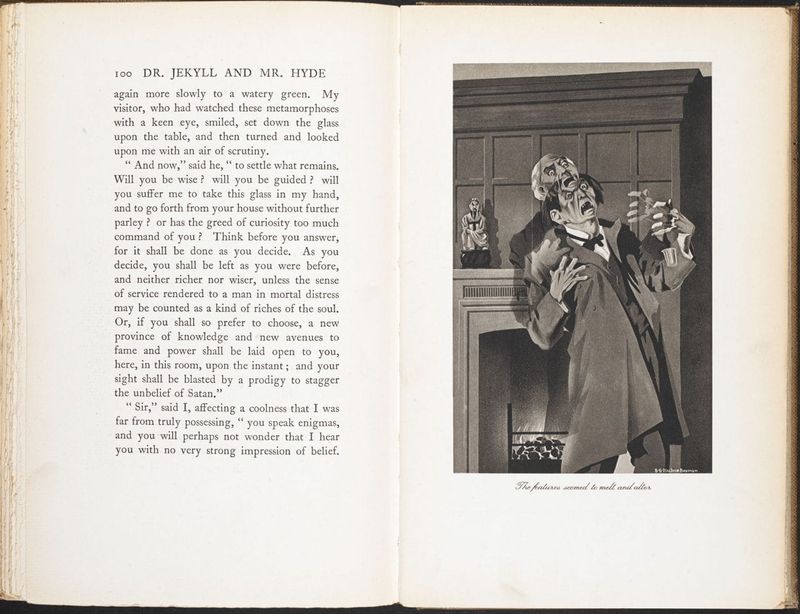
Robert Louis Stevenson gave the world one of fiction’s most chilling alter egos when he wrote Mr. Hyde in 1886. Hyde is the dark, unrestrained side of the respectable Dr. Henry Jekyll, released through a mysterious chemical potion.
Hyde represents every chaotic impulse that polite society tries to suppress. He is smaller and younger-looking than Jekyll, yet far more dangerous.
This story was ahead of its time in exploring the psychology of good versus evil within a single person.
3. Count Dracula
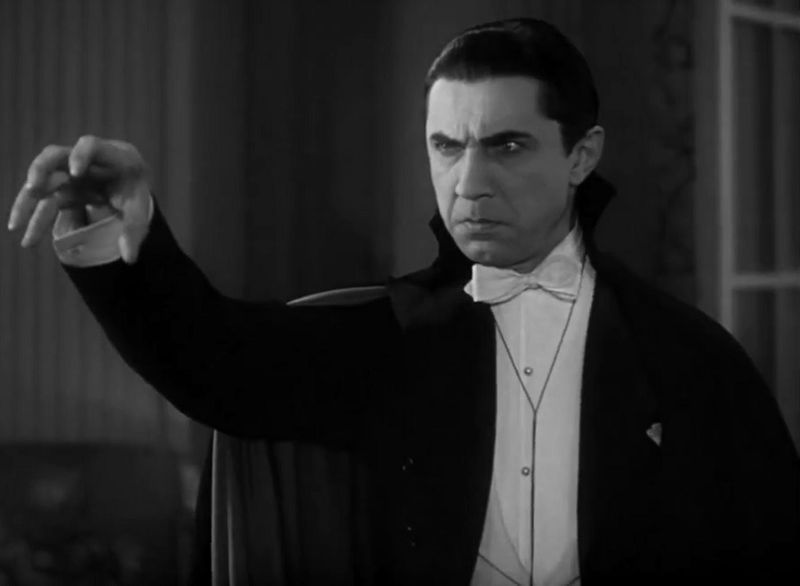
Bram Stoker’s 1897 Gothic masterpiece introduced Count Dracula, the vampire lord of Transylvania who has haunted readers ever since. Stoker drew from Eastern European folklore and real historical figures to craft this legendary villain.
Dracula can transform into bats, wolves, and mist, making him nearly impossible to escape. He is charming and aristocratic on the surface but utterly terrifying underneath.
Few fictional villains have inspired as many films, books, and Halloween costumes as this iconic creature of the night.
4. Morlocks
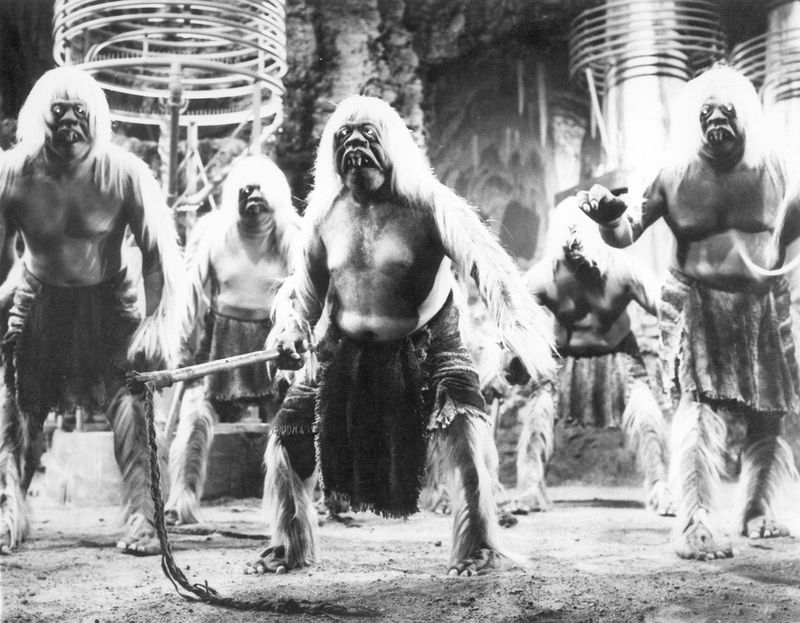
H.G. Wells painted a deeply unsettling vision of the future in his 1895 novel The Time Machine, where humanity had split into two species.
The Morlocks are the underground-dwelling, albino ape-men who run the machinery of a collapsed civilization.
While they feed and clothe the surface-dwelling Eloi, they also prey on them in the dark. Wells used the Morlocks as sharp social commentary on class division.
Their existence suggests that unchecked inequality could lead to something truly monstrous over time.
5. The Horla
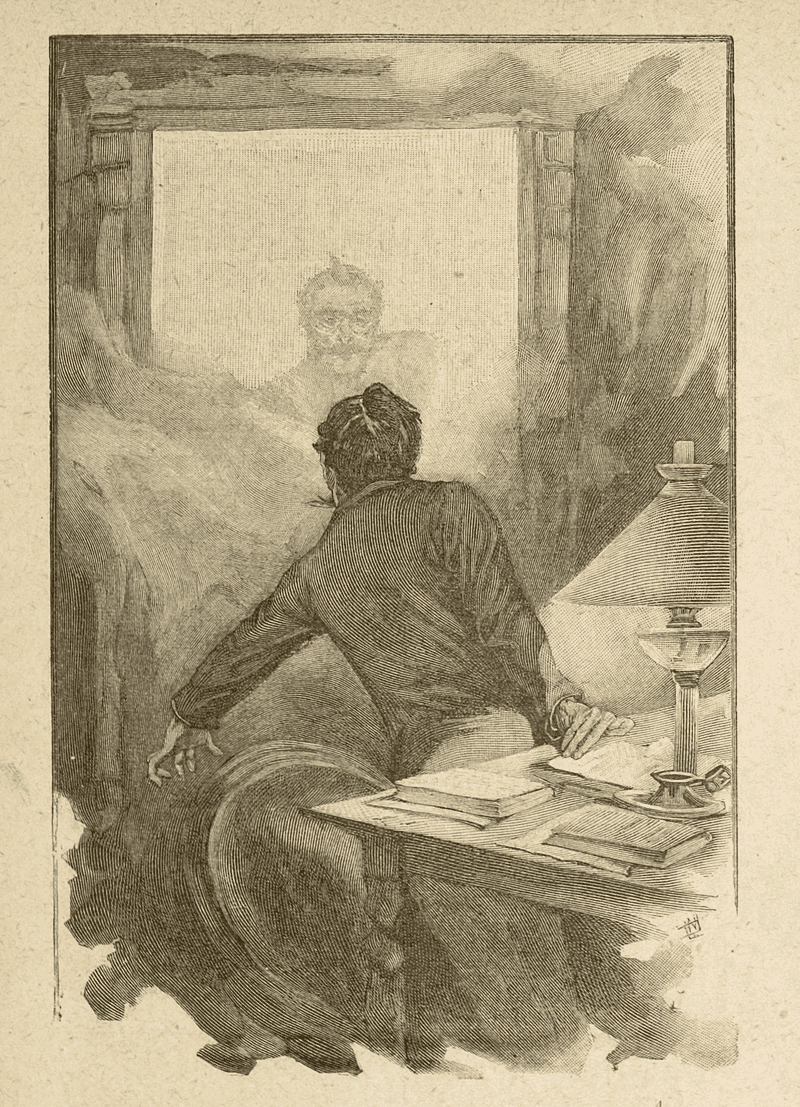
Guy de Maupassant wrote one of the most psychologically terrifying creatures in all of literature with The Horla in 1887. Unlike most monsters, the Horla is completely invisible, making it impossible to fight or even confirm its existence.
It feeds not on blood but on the narrator’s mental energy and willpower, essentially a mind vampire. The story blurs the line between supernatural horror and madness in a way that still feels fresh today.
Some scholars believe Maupassant wrote it while battling his own mental illness.
6. The Blatant Beast
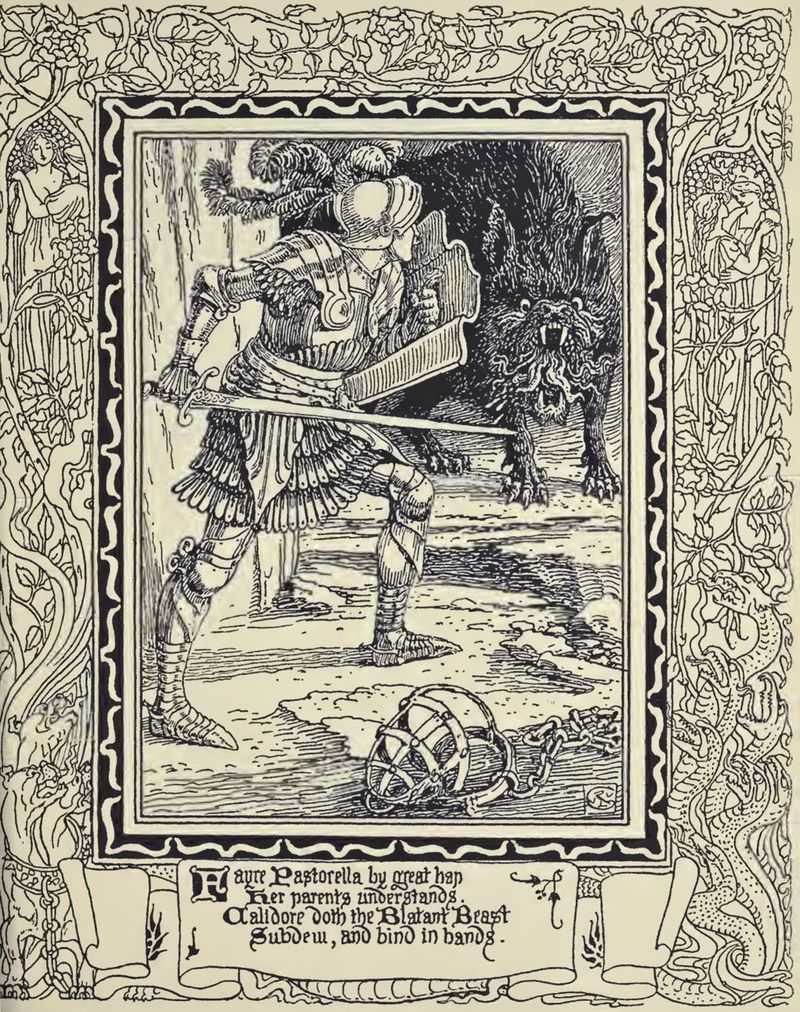
Edmund Spenser created one of literature’s most unusual monsters in his epic poem The Faerie Queene, a creature built entirely around an idea rather than physical terror. The Blatant Beast represents slander, the destructive power of rumor and false accusation.
With a thousand venomous tongues, it attacks the reputations of good people. Knights throughout the poem try to capture and chain it, but it always breaks free.
Spenser’s point was clear: slander can never truly be defeated, only temporarily silenced.
7. Smaug
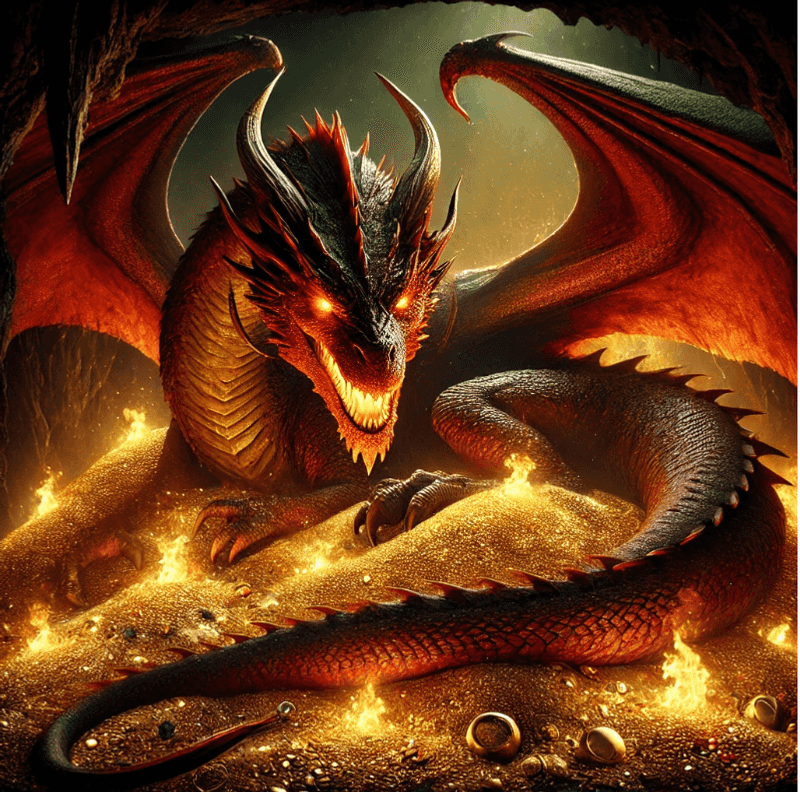
J.R.R. Tolkien’s Smaug is arguably the greatest dragon in all of fantasy literature.
Introduced in The Hobbit in 1937, Smaug conquered the Dwarf kingdom of Erebor and has been sleeping on its stolen treasure for over 150 years.
What makes Smaug truly terrifying is his intelligence. He speaks in riddles, flatters his enemies, and spots the tiniest weakness in any plan.
Tolkien based dragon behavior on Norse mythology but gave Smaug a unique personality that has influenced every fictional dragon since.
8. Balrog
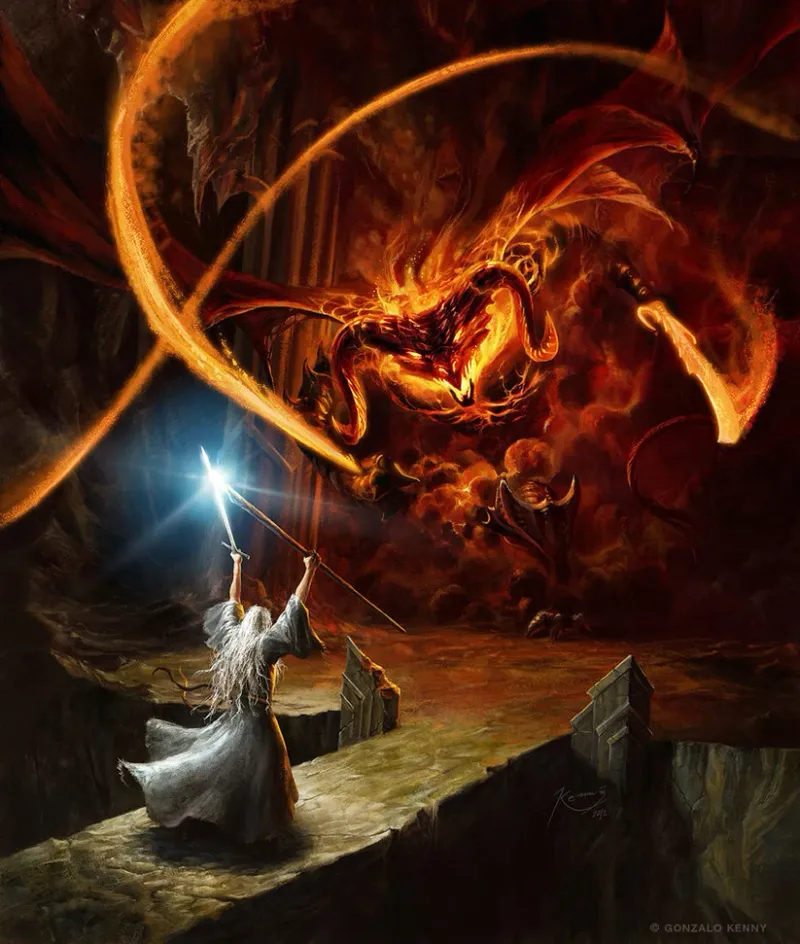
Few fantasy moments are as iconic as Gandalf facing the Balrog on the Bridge of Khazad-dum and declaring, “You shall not pass!” Tolkien created Balrogs as ancient demonic beings of fire and shadow who served the first dark lord, Morgoth.
They are described as towering, winged entities wreathed in flames and carrying whips of fire. Only the most powerful beings in Middle-earth could stand against them.
Their terrifying presence reminds readers that some evils are truly ancient and overwhelming.
9. Cyclops
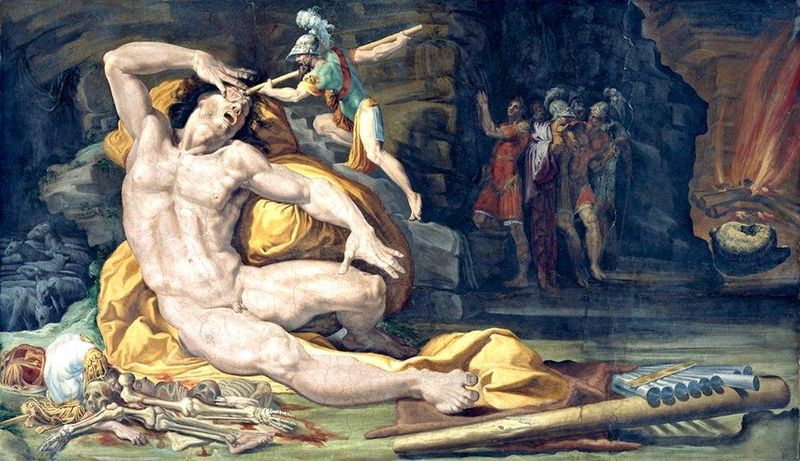
Long before Hollywood special effects, ancient Greeks were already telling stories about one-eyed giants called Cyclopes. Homer’s Odyssey features the most famous Cyclops, Polyphemus, who traps Odysseus and his crew in a cave and eats them one by one.
Hesiod’s earlier writings described Cyclopes as master craftsmen who forged Zeus’s thunderbolts. Their single eye was said to symbolize tunnel-vision focus.
These giants remain one of mythology’s most enduring images, appearing in countless films, games, and fantasy stories today.
10. Leprechauns
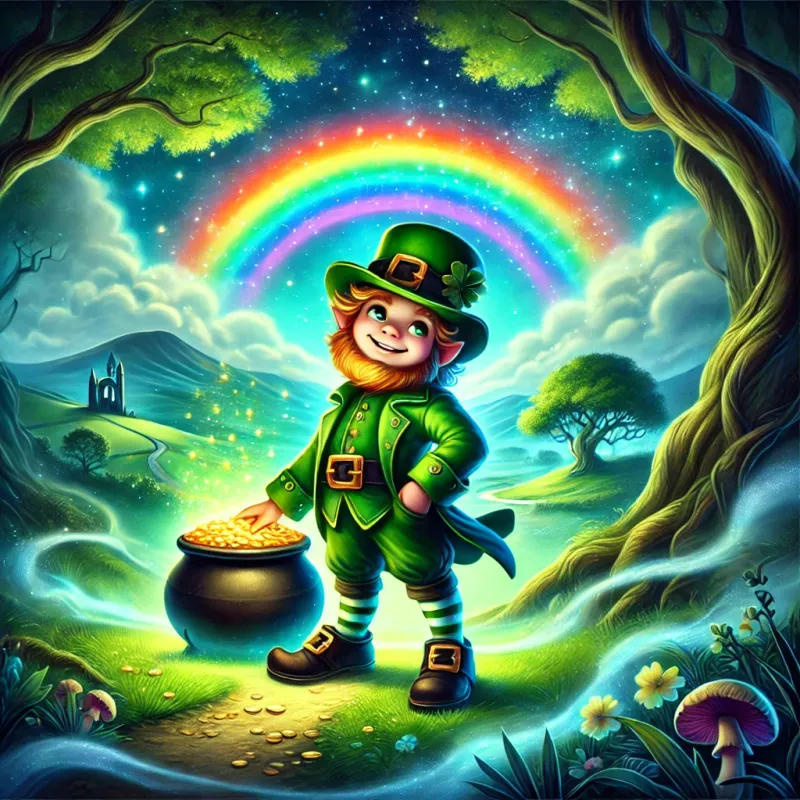
Irish folklore has gifted the world many magical beings, but few are as recognizable as the leprechaun. Described as tiny, bearded cobblers who hide pots of gold at the end of rainbows, they have been part of Irish storytelling for over a thousand years.
Catch one and he must grant you three wishes or reveal his treasure, but leprechauns are famously clever and almost always trick their captor. The word may come from the Old Irish “luchorpan,” meaning small body.
Their mischievous spirit captures something deeply playful in Celtic culture.
11. Gnomes
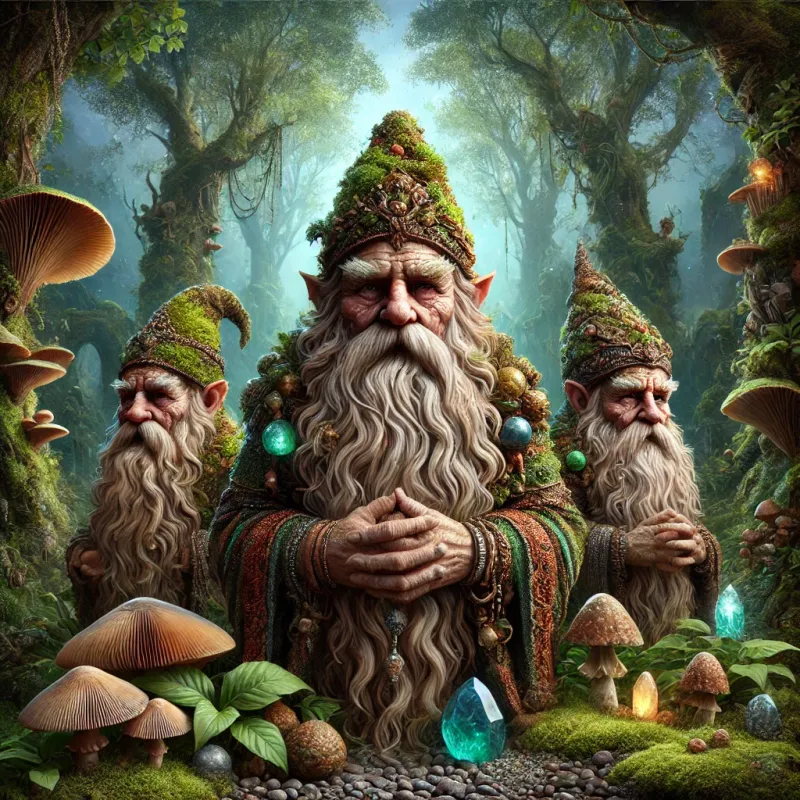
Gnomes have roots stretching deep into European folklore, where they were often described as small, bearded earth spirits living underground and guarding buried treasure or natural resources. The Swiss alchemist Paracelsus is often credited with popularizing the term in the 16th century.
Over time, gnomes became associated with gardens, wisdom, and craftiness. They appear across Germanic, Scandinavian, and Slavic traditions in slightly different forms.
Today, their image is so familiar that garden gnome statues are a beloved tradition in many countries around the world.
12. Faeries
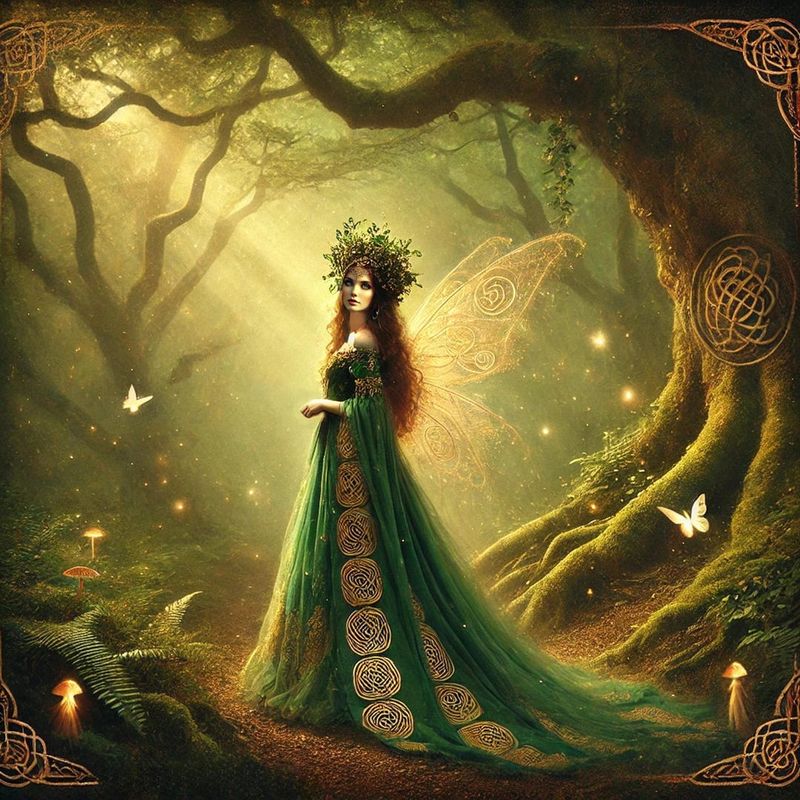
Faeries have enchanted human imagination across nearly every culture on Earth, from the Seelie and Unseelie Courts of Scottish tradition to the Tuatha De Danann of Irish mythology. They are not always the tiny, sparkly beings of modern imagination.
In older folklore, faeries could be dangerous, unpredictable, and deeply powerful. They stole babies, led travelers astray, and punished those who disrespected nature.
Leaving out offerings of milk or bread was once considered essential for keeping faeries friendly and your family safe.
13. Banshee
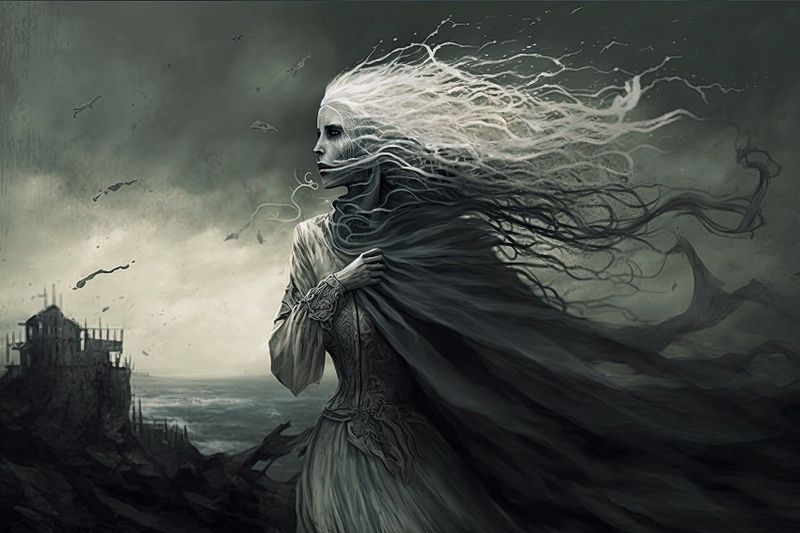
Hearing a banshee’s wail was one of the most dreaded experiences in Celtic tradition, because it meant someone in your family was about to die. Known in Irish as Bean Sidhe, meaning “woman of the fairy mound,” the banshee is a messenger of death rather than its cause.
She appears as a pale woman weeping and wailing in the night, sometimes combing her long hair with a silver comb. Different Irish families had their own banshees, tied specifically to their bloodline.
Her cry is said to be unlike anything heard in the natural world.
14. Dragons
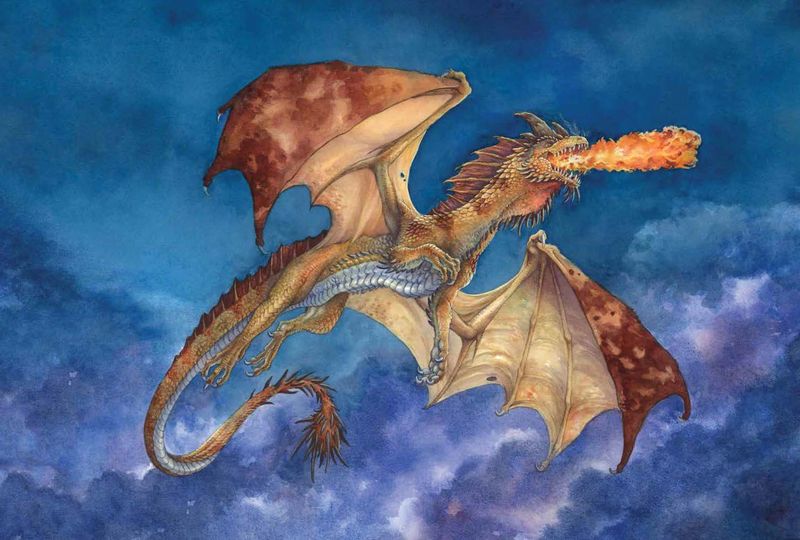
No mythological creature has captured human imagination across more cultures than the dragon. From Chinese long dragons symbolizing wisdom and good fortune to the fire-breathing European wyverns guarding treasure, dragons appear on virtually every continent’s ancient stories.
In Western traditions, slaying a dragon was the ultimate test of heroism. In Eastern traditions, dragons were divine and benevolent.
This fascinating split in perception shows how the same creature can mean completely different things depending on who is telling the story and why.
15. Werewolf
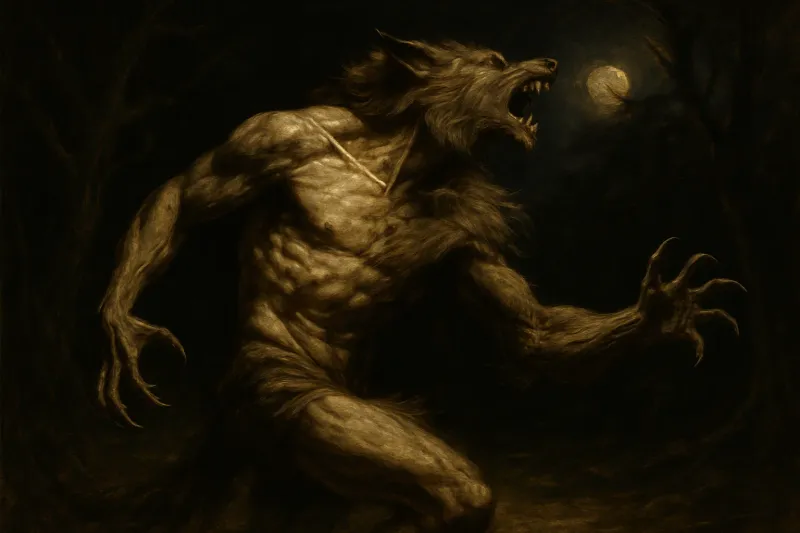
European folklore has feared the werewolf for centuries, describing humans who transform into ferocious wolf-like beasts, usually under the light of a full moon. The word comes from Old English “wer” meaning man, and “wulf” meaning wolf.
In medieval times, werewolf trials were actually held across France and Germany, with people genuinely accused of transforming and committing crimes. Some historians believe rabies outbreaks may have inspired early werewolf legends.
Silver bullets became the traditional cure, a detail that has stuck firmly in modern storytelling and horror films.
16. Kraken
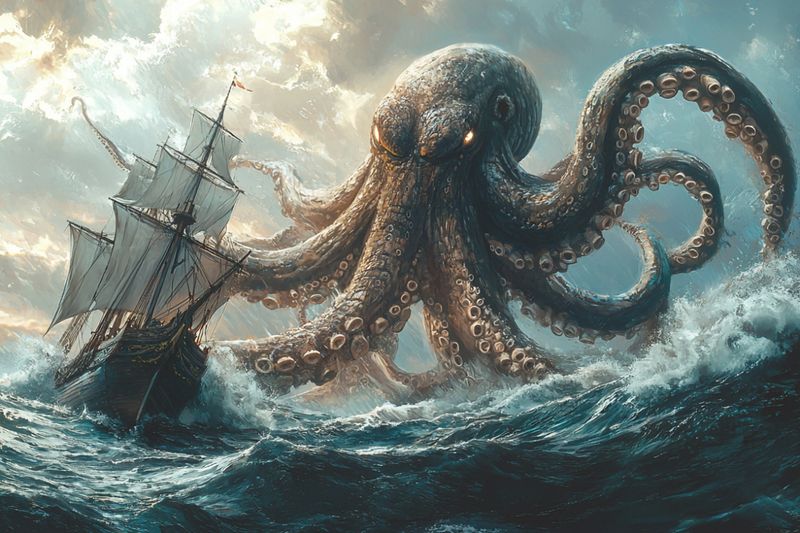
Scandinavian sailors once told terrifying stories of a creature so massive it could be mistaken for an island. The Kraken was said to rise from the deep ocean and drag entire ships beneath the waves with its enormous tentacles.
First described in 13th-century Norse texts, the Kraken grew in legend over the centuries. Many historians believe giant squid sightings inspired the myth, since giant squid can reach over 40 feet in length.
Today, the Kraken remains one of the most thrilling sea monster legends ever recorded.
17. Mermaids
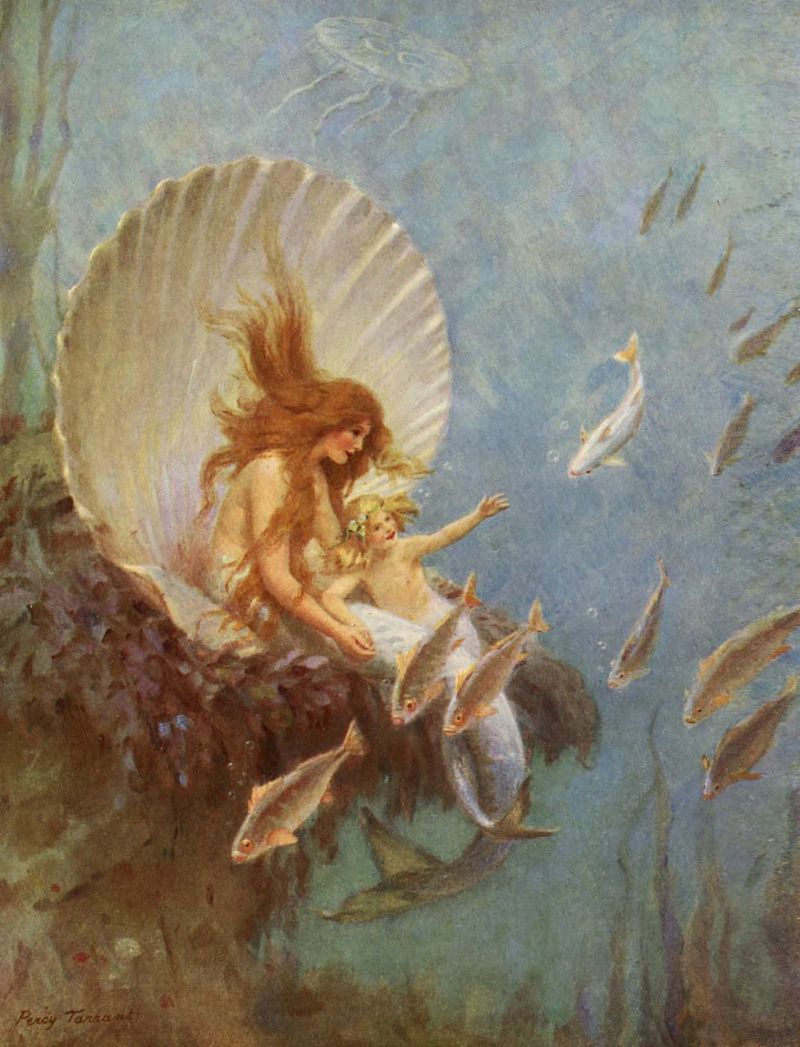
Mermaids are among the oldest mythological creatures on record, with the earliest known mermaid legend coming from ancient Assyria around 1000 BC. Across cultures from Greece to West Africa to the Philippines, aquatic half-human beings have appeared in folklore for millennia.
Sailors once reported genuine mermaid sightings, likely misidentifying manatees or dugongs from a distance. In some traditions, mermaids are gentle and helpful; in others, they lure sailors to their doom.
Their enduring appeal speaks to humanity’s deep fascination with the mysterious ocean world beneath the waves.