
Indian cooking is famous around the world for its bold, rich flavors and mouth-watering aromas. The secret behind every great Indian dish lies in the spices used to make it.
From everyday meals to festive feasts, the right spices can completely transform what you cook. Whether you are just starting out or looking to sharpen your kitchen skills, knowing these 20 essential Indian spices will take your cooking to a whole new level.
1. Turmeric (Haldi)
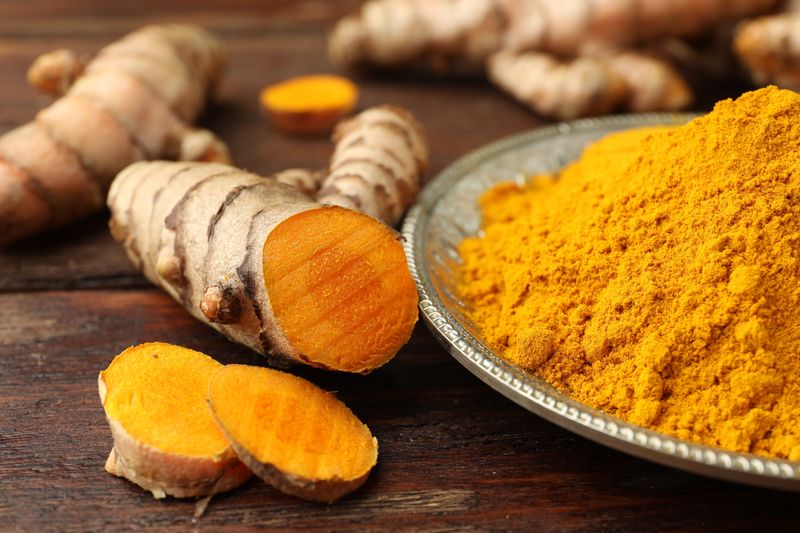
Called the “Golden Spice” of India, turmeric has been coloring curries and kitchens for thousands of years. Its earthy, slightly bitter flavor is unmistakable, and just a pinch can turn a dish a brilliant yellow.
Add it early in hot oil so its flavor blooms properly.
Beyond cooking, turmeric contains curcumin, a compound known for its anti-inflammatory properties. Many Indian families use it in warm milk as a home remedy too.
2. Cumin (Jeera)
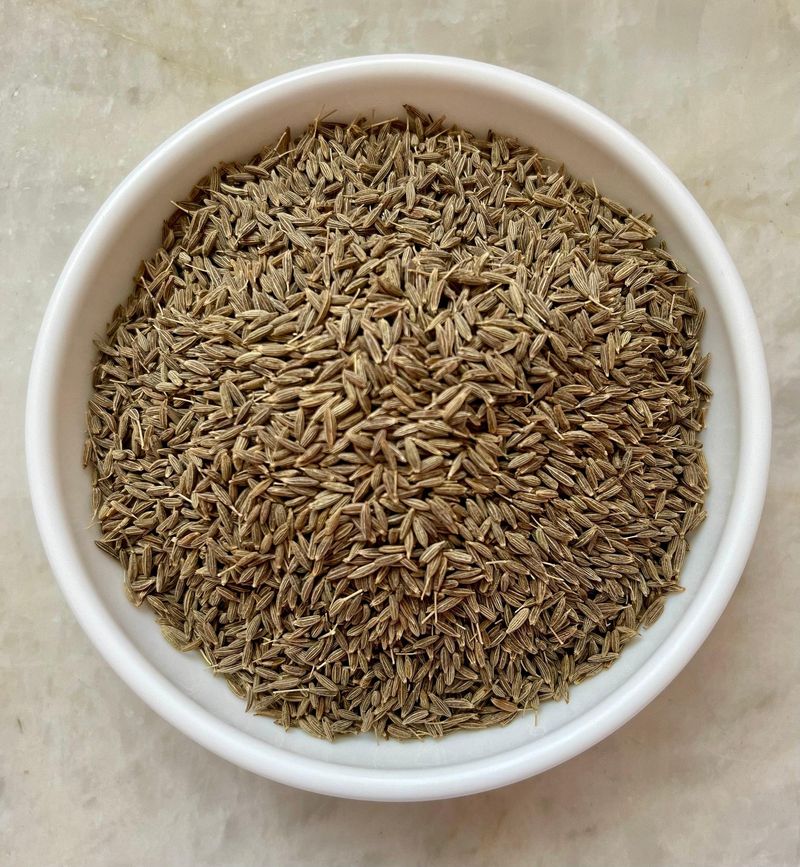
Warm, smoky, and earthy, cumin is one of those spices that makes a dish feel complete. Drop whole seeds into hot oil at the start of cooking, a technique called taarka, and watch them sizzle, turn brown, and pop with incredible aroma.
Ground cumin powder is equally useful and forms a key part of garam masala blends. Its flavor is similar to caraway or dill, making it a staple no Indian kitchen should ever run out of.
3. Coriander (Dhaniya)
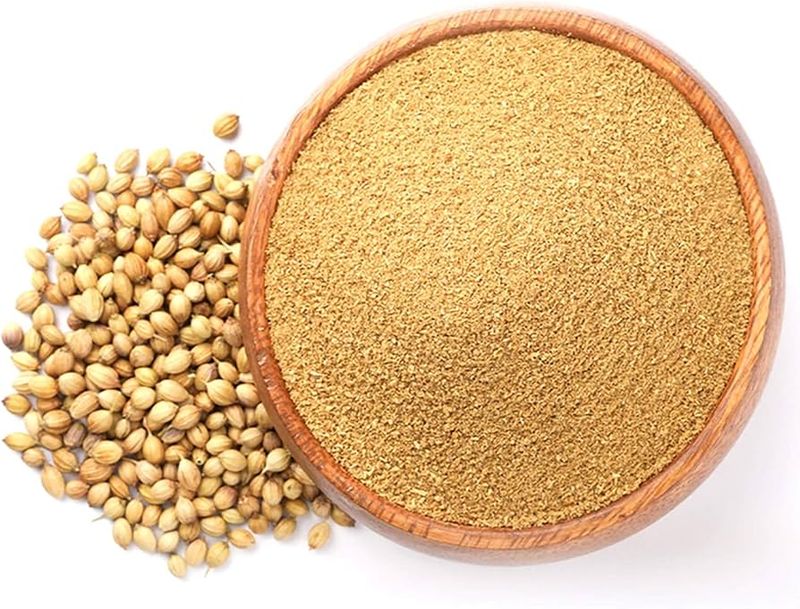
One of the oldest spices known to humankind, coriander bridges the gap between earthy and citrusy flavor in a way few spices can. The seeds are used whole as the base for many spice blends, adding a fragrant, slightly floral depth to gravies and curries.
Fresh coriander leaves, on the other hand, brighten chutneys and salads with a green, zesty punch. Together, both forms of this spice are truly indispensable in Indian cooking.
4. Red Chilli Powder (Lal Mirch)
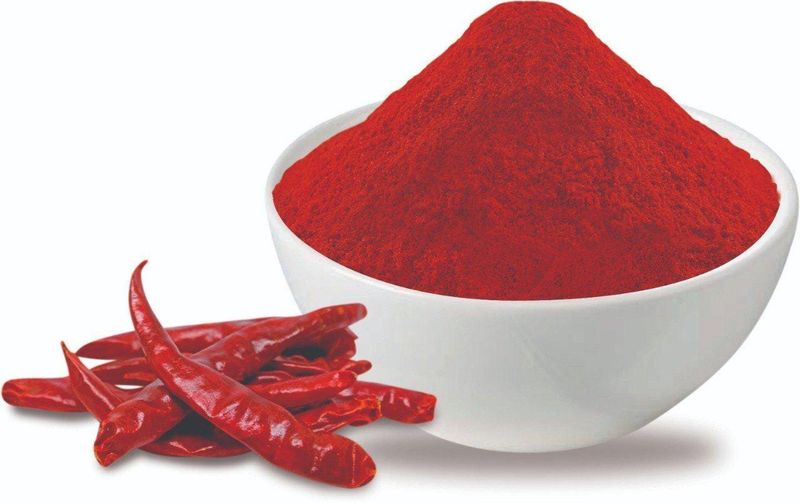
No Indian spice rack is complete without red chilli powder. It delivers two things at once: fiery heat and a gorgeous deep-red color that makes dishes visually stunning.
Different regions of India favor different types of chilies, ranging from mild Kashmiri chilli to scorching Bhut Jolokia.
You can use it as ground powder, dried whole, or even fresh green for varying heat levels. Start small if you are new to spicy food and adjust from there.
5. Green Cardamom (Choti Elaichi)
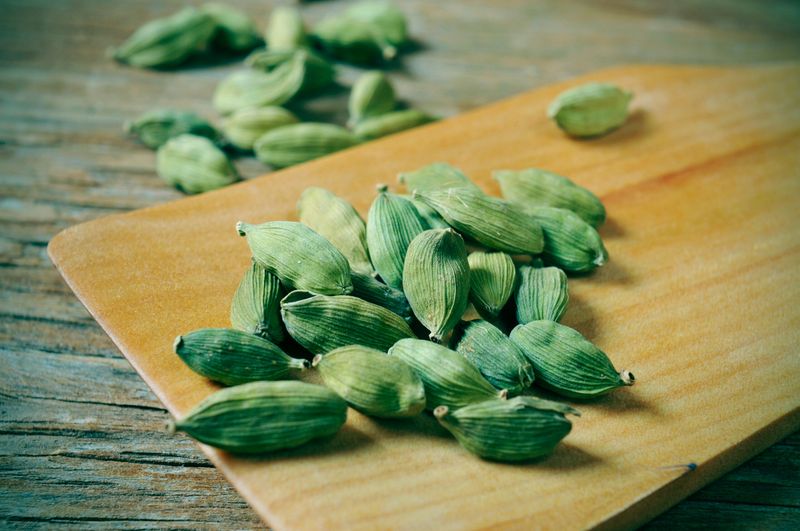
Crowned the “Queen of Indian Spices,” green cardamom carries a sweet, floral fragrance that is unlike anything else in the spice world. Crack open a pod and you will find tiny black seeds inside that pack an intense, perfumed punch used in curries, chai, and desserts alike.
When making sweets like kheer or gulab jamun, lightly crush the seeds before adding them. A little goes a very long way, so use it with a gentle hand.
6. Black Cardamom (Badi Elaichi)
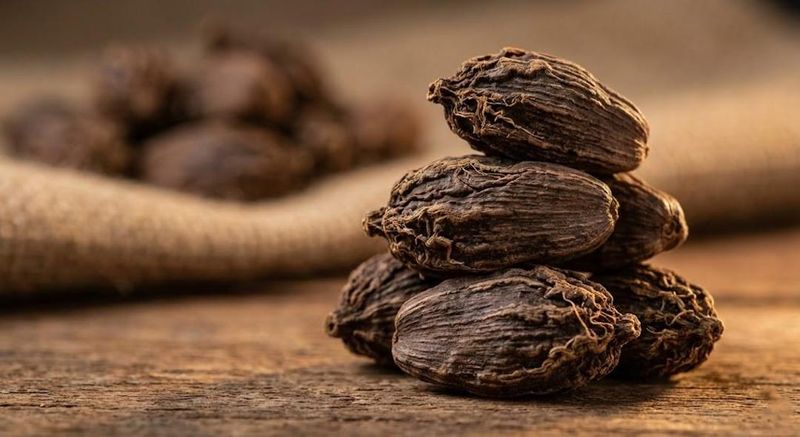
If green cardamom is the queen, black cardamom is the bold, dramatic king. Its smoky, camphor-like aroma is powerful enough that even one pod can define the character of an entire pot of biryani or slow-cooked meat curry.
Unlike its green cousin, black cardamom is never used in sweet dishes. It belongs firmly in rich Mughlai gravies and hearty meat preparations.
Handle it carefully and never overdo it, because its intensity can easily overpower a dish.
7. Cloves (Laung)
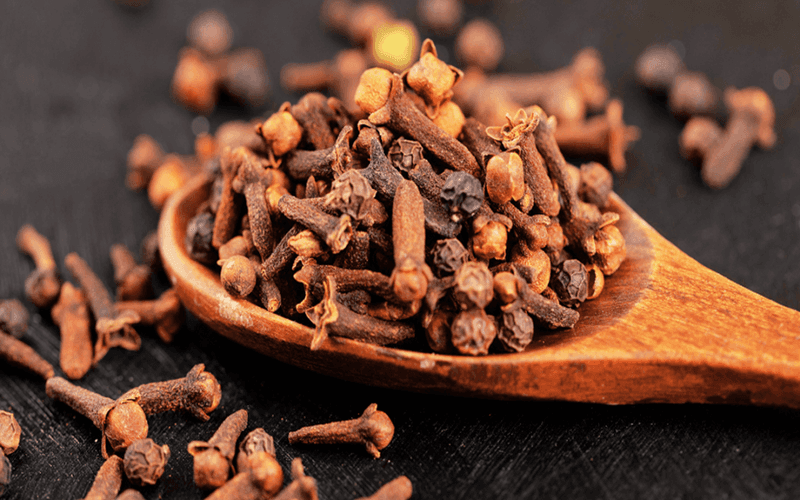
Cloves are tiny but mighty. Their strong, almost medicinal flavor comes from essential oils packed inside each little bud.
A handful tossed into hot oil at the start of a curry can fill your entire kitchen with an intoxicating aroma within seconds.
They work beautifully in both savory dishes and sweet treats, and are a core ingredient in garam masala. That said, use them sparingly since too many cloves can easily overpower every other flavor in the pot.
8. Cinnamon (Dalchini)
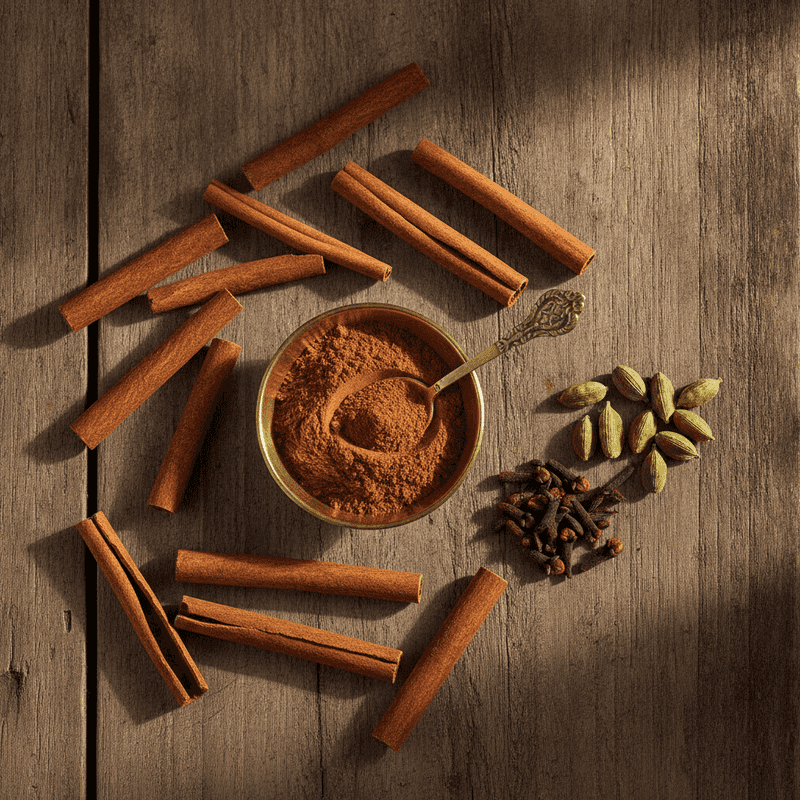
There is something incredibly comforting about the smell of cinnamon wafting from a pot of masala chai on a cold morning. This sweet, woody spice adds a mild warmth and fragrance to everything from rich gravies and bean dishes to creamy desserts.
Cinnamon sticks are often dropped whole into oil or water at the beginning of cooking. It is also a vital component in garam masala blends, contributing that signature warm, rounded depth that makes Indian food so satisfying.
9. Black Pepper (Kali Mirch)
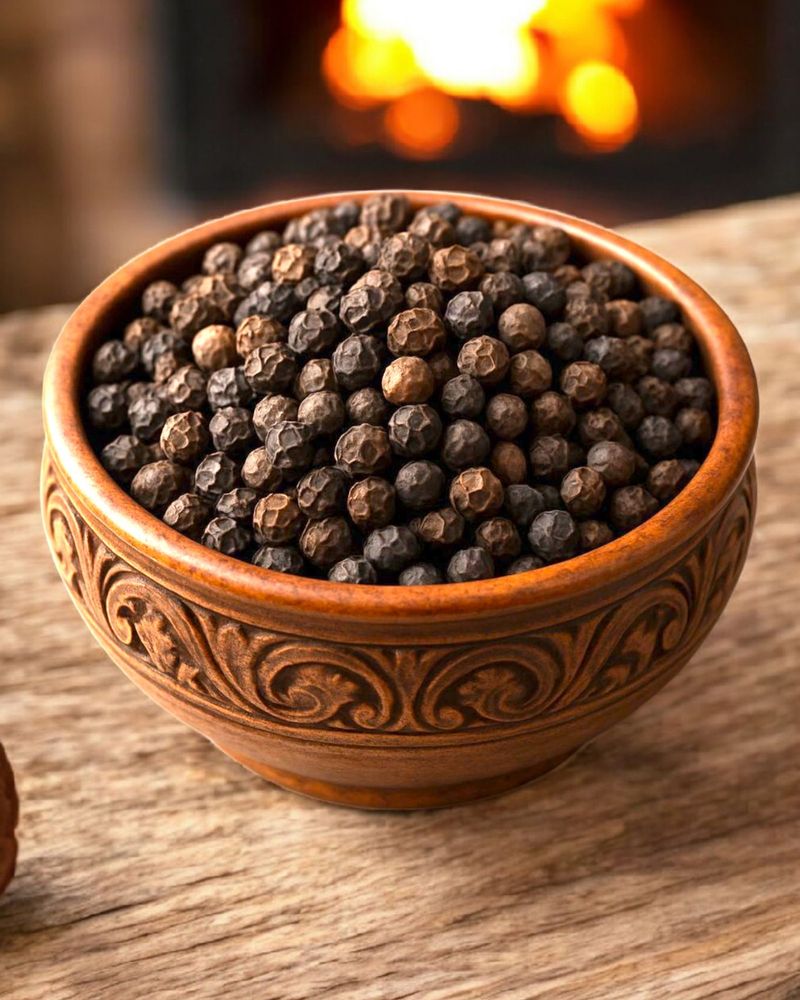
Long before chilli came to India, black pepper was the king of heat. Rightfully called the “King of Indian Spices,” it delivers a sharp, woody heat that is different from the burn of chilli.
It warms from the inside out rather than hitting you all at once.
Black pepper also boosts the body’s ability to absorb nutrients from other foods, especially when paired with turmeric. Use it freshly ground for maximum flavor and add it toward the end of cooking.
10. Mustard Seeds (Rai/Sarso)
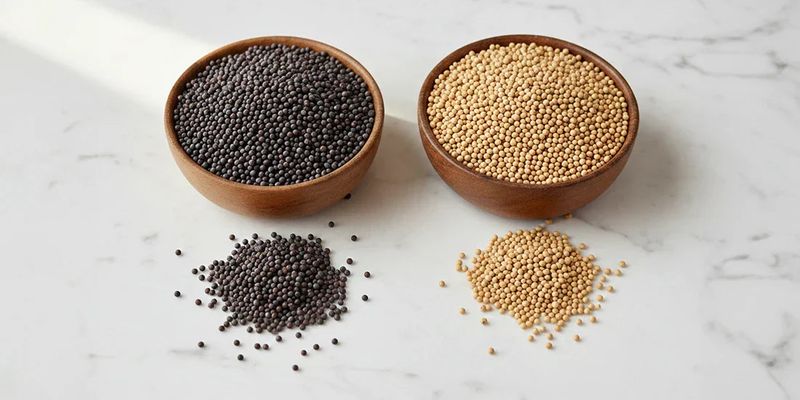
Mustard seeds have a personality all their own. Toss them into hot oil and they immediately start sputtering and crackling like tiny fireworks, releasing a nutty, sharp aroma that forms the flavor base of countless South Indian and Bengali dishes.
Black mustard seeds are the most commonly used variety in Indian cooking, though brown and yellow are also popular. They are essential in tempering, a technique where whole spices are fried in oil to create a flavorful foundation before adding other ingredients.
11. Fenugreek (Methi)
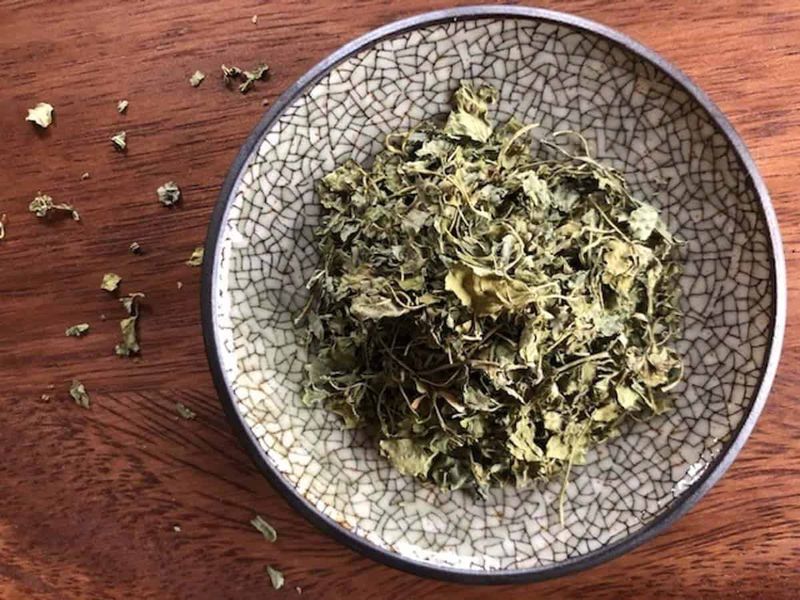
Fenugreek is one of those spices that smells almost maple-like when raw but transforms into a rich, earthy, musky depth once it hits a hot pan. The seeds are slightly bitter, so they are best used in small amounts to avoid overwhelming a dish.
Dried fenugreek leaves, known as kasuri methi, are a game changer in butter chicken and paneer dishes. Crushing the dried leaves between your palms before adding them releases their flavor even more effectively.
12. Asafoetida (Hing)
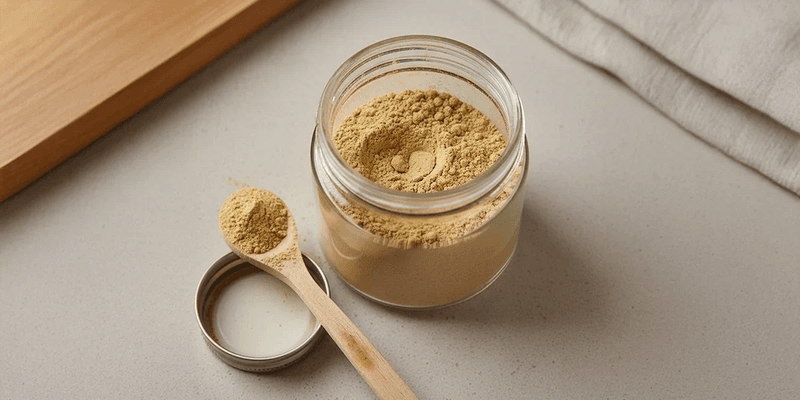
Asafoetida has a reputation for smelling shockingly pungent straight from the container, but do not let that fool you. The moment it hits hot oil, it mellows and transforms into a savory, onion-garlic-like depth that is absolutely magical in vegetarian cooking.
A tiny pinch is all you ever need. It is a staple in Jain and Brahmin cooking traditions where onion and garlic are avoided.
Beyond flavor, hing is traditionally valued for its digestive benefits and is often added to lentil and bean dishes.
13. Fennel Seeds (Saunf)
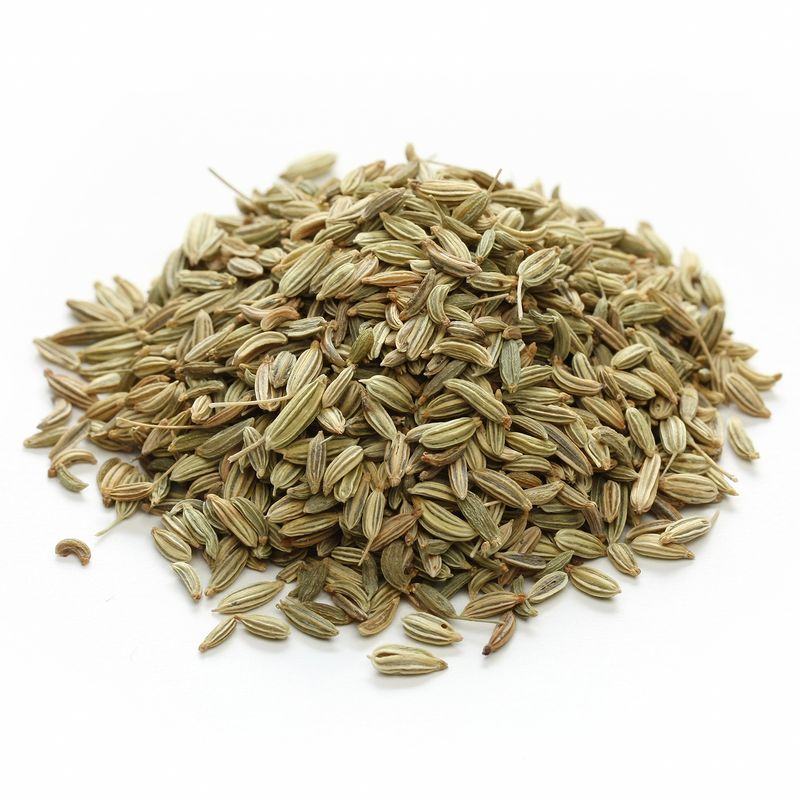
Sweet, cool, and faintly licorice-like, fennel seeds are the friendly spice that works in almost any setting. You will find them in curries, breads, pickles, and sauces, especially across Southern India and in the Bengali spice blend called Panch Phoron.
Many Indian restaurants offer fennel seeds as a mouth freshener after meals, and for good reason. They are known to aid digestion and freshen breath naturally.
Try chewing a small pinch after a heavy meal and notice the difference immediately.
14. Nutmeg (Jaiphal)
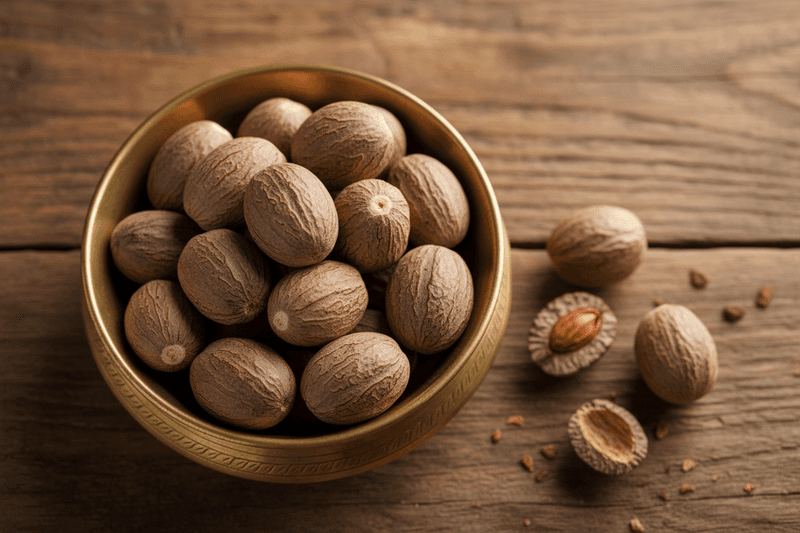
Warm, slightly sweet, and deeply aromatic, nutmeg is one of those background spices that you might not notice immediately but would definitely miss if it were gone. It adds a layer of aromatic richness to biryanis, meat curries, and creamy desserts like kheer and halwa.
Always buy nutmeg whole and grate it fresh rather than using pre-ground powder. The freshly grated version has a far more vibrant aroma.
It also appears in many garam masala recipes as a finishing touch of warmth.
15. Mace (Javitri)
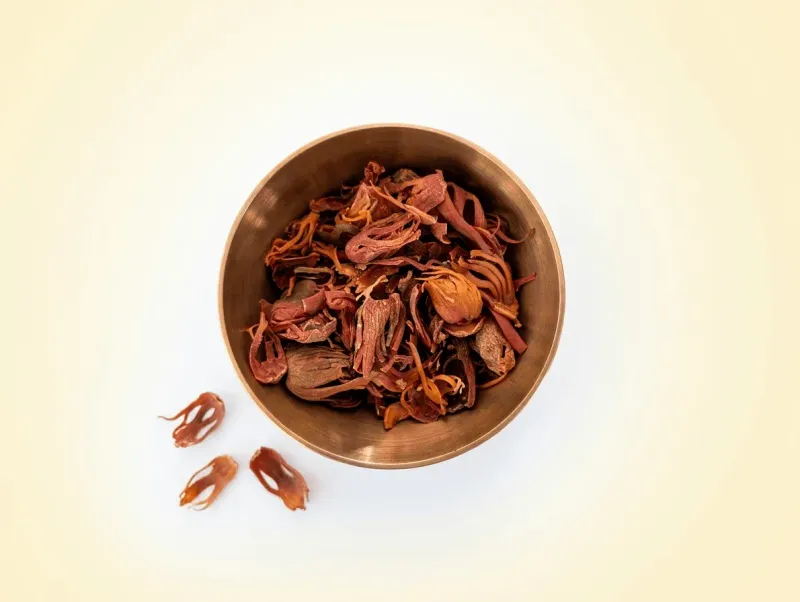
Mace is the elegant, lesser-known sibling of nutmeg. It is actually the lacy red outer covering of the nutmeg seed, and once dried, it turns a beautiful golden-orange color.
Its flavor is similar to nutmeg but noticeably sweeter and more delicate.
Mace is a prized ingredient in Mughlai cooking, adding warm, aromatic hints to biryanis, kormas, and rich gravies. It also works well in soups and sweet dishes.
Because of its subtle sweetness, it blends beautifully without dominating other spices.
16. Indian Bay Leaf (Tej Patta)
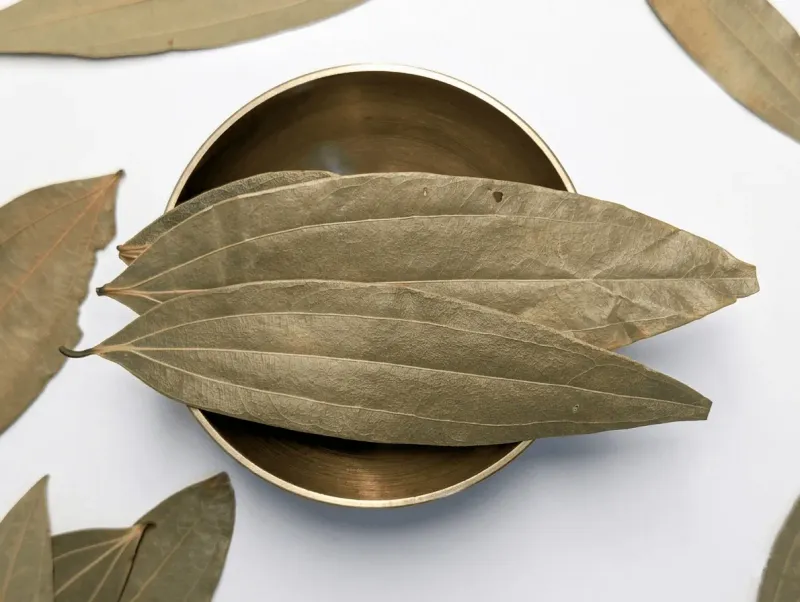
Indian bay leaves look similar to Mediterranean bay leaves but taste completely different. They carry a gentle, tea-like aroma with subtle hints of cinnamon and clove that quietly elevate the flavor of any dish they are added to.
Drop them into hot oil or simmering water early in the cooking process so they have time to release their fragrance. They are commonly used in rice dishes, lentil soups, and meat curries.
Always remove them before serving since they are not meant to be eaten whole.
17. Ginger (Adrak)
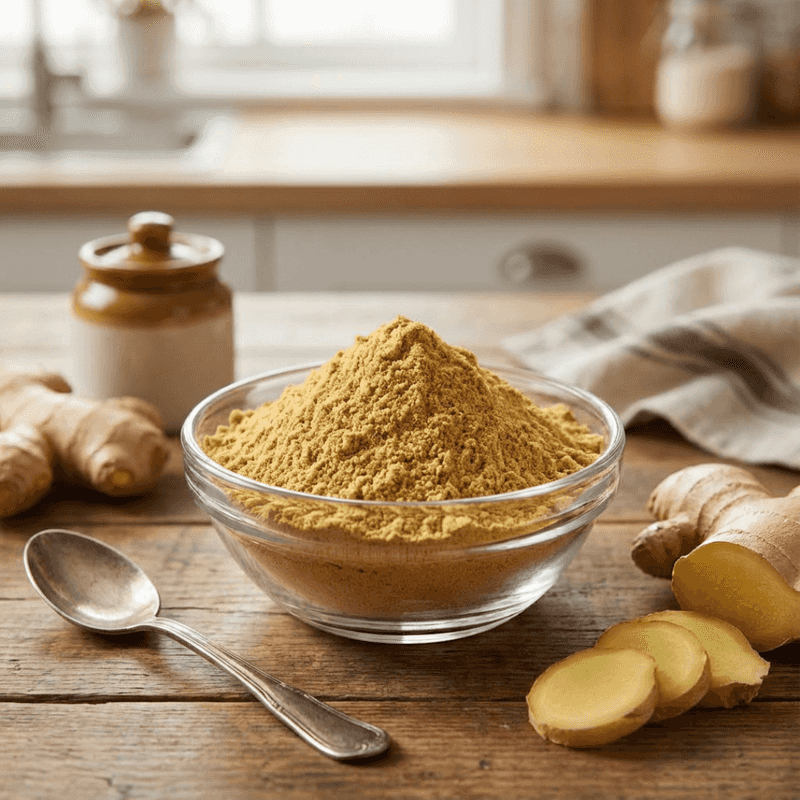
Ginger brings a lively, warming punch to Indian cooking that is hard to replicate with anything else. Whether used fresh, dried, or ground, it adds a pungent heat that is different from chilli, more aromatic and deeply spiced than simply hot.
It pairs beautifully with cumin, coriander, and turmeric, helping to round out the flavor of curries and marinades. Fresh ginger paste is a cornerstone of many Indian recipes, while ground ginger is a convenient pantry essential for quick weeknight cooking.
18. Garam Masala
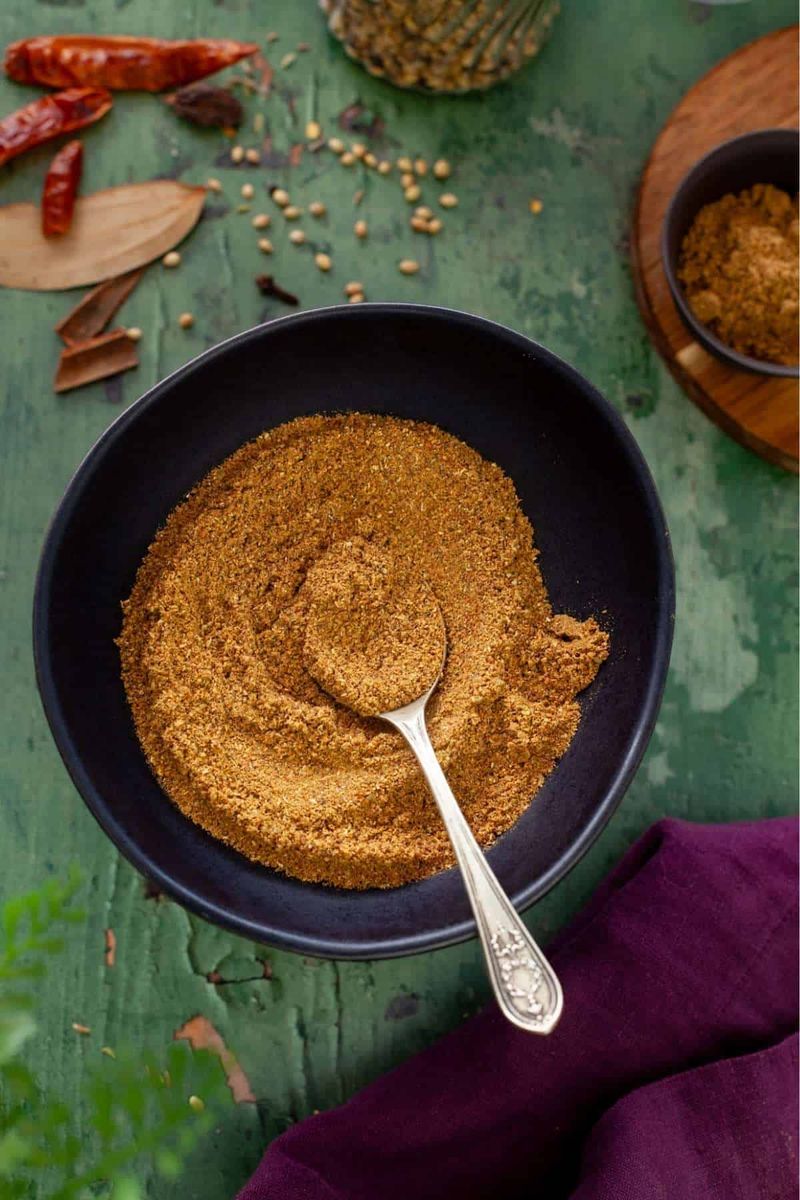
Garam masala is arguably the most famous spice blend to come out of India. A classic mix of cinnamon, cardamom, cloves, cumin, coriander, and black pepper, it delivers warmth, complexity, and depth in a single sprinkle.
Every household and region has its own cherished version.
Unlike most spices, garam masala is added toward the end of cooking to preserve its aromatic complexity. Stirring it in too early can dull its fragrance.
A light dusting over a finished curry makes an enormous difference in final flavor.
19. Carom Seeds (Ajwain)
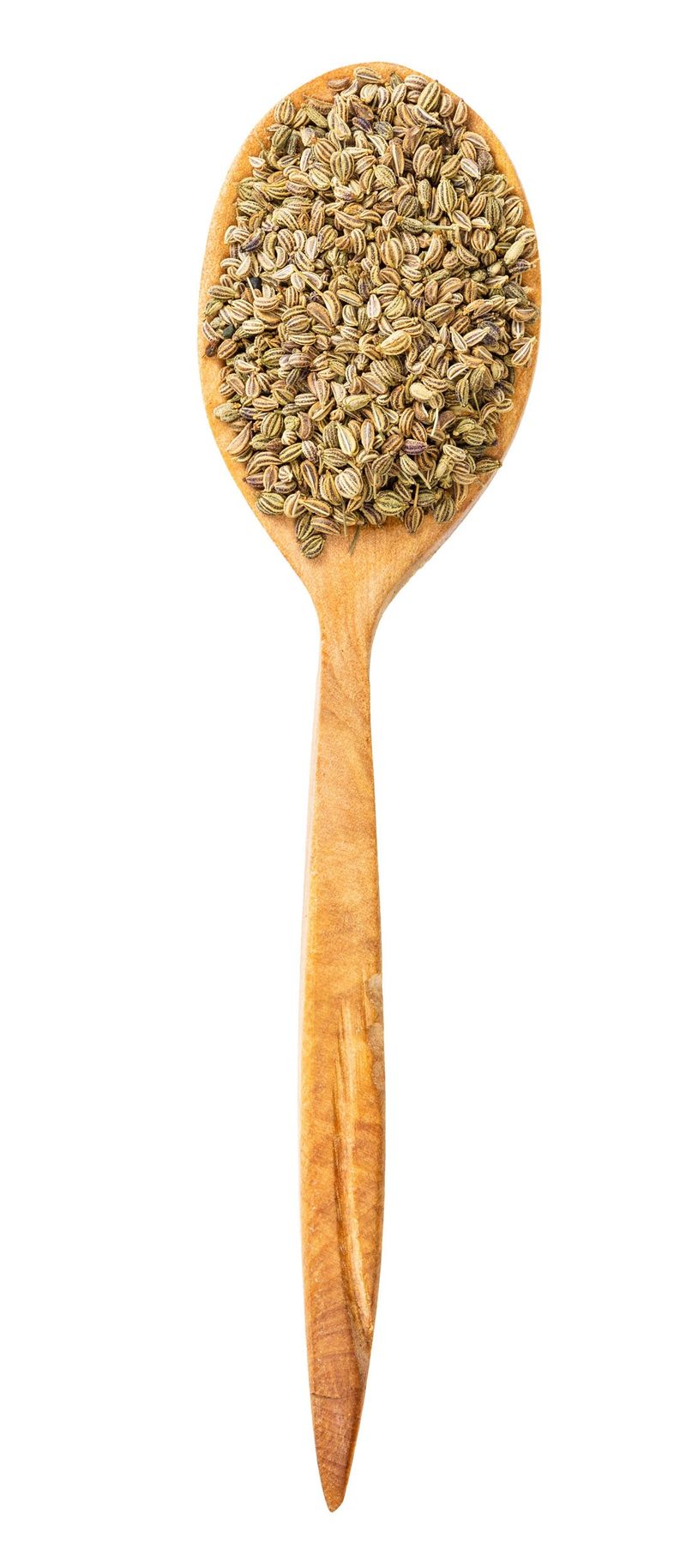
Ajwain seeds might be tiny, but their sharp, thyme-like flavor is surprisingly bold. From the same plant family as cumin and parsley, these little seeds are most famously used in parathas, pakoras, and fried breads where they add a distinct herby punch.
Beyond cooking, ajwain has a long history as a digestive remedy in Indian households. Chewing a pinch of seeds with a little salt after a heavy or oily meal is a common tradition believed to ease bloating and discomfort effectively.
20. Nigella Seeds (Kalonji)
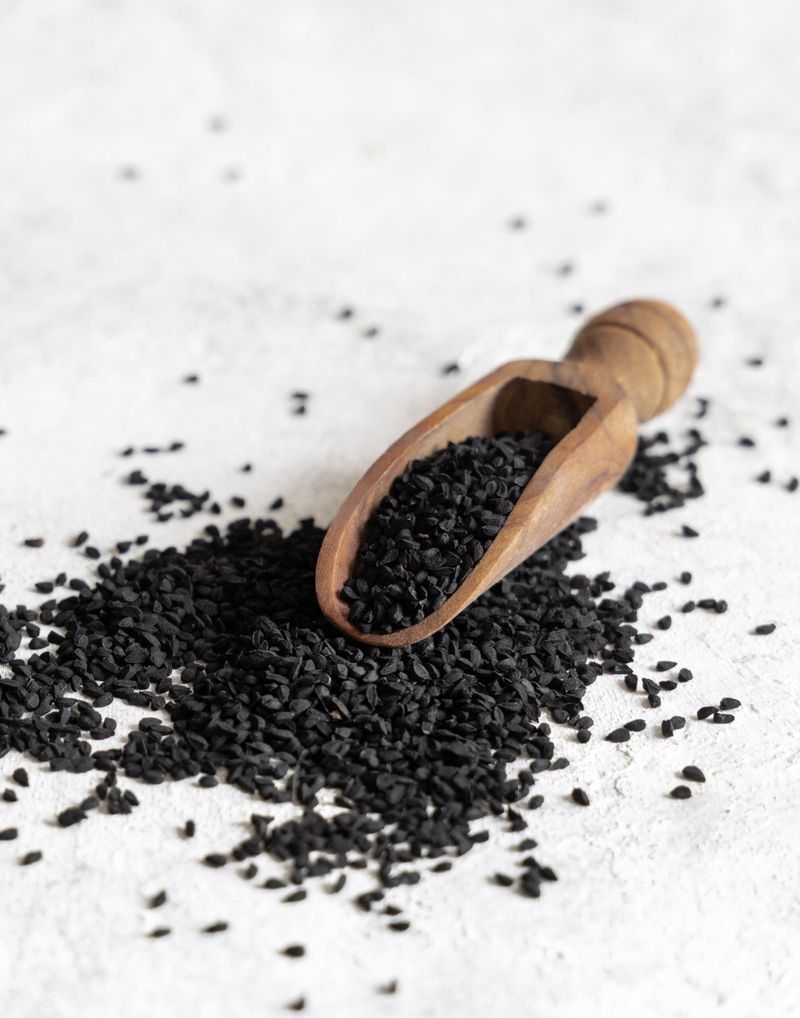
Often called black cumin or mistaken for actual cumin, kalonji is a completely different spice with its own unique personality. These jet-black seeds carry a slightly bitter, peppery, and faintly onion-like flavor that is unlike anything else in the spice drawer.
Kalonji is a key player in the Bengali spice blend Panch Phoron and is commonly sprinkled over naan bread before baking. It is also called the “Black Beauty” of Indian spices.
Try adding it to pickles, vegetable stir-fries, or lentil dishes for a memorable twist.