
Before smartphones and search engines, people had to figure things out the old-fashioned way — and Baby Boomers were pros at it. From reading paper maps to fixing their own cars, this generation grew up with a toolkit of real-world skills that many younger people never got the chance to learn.
Today, Millennials and Gen Z are starting to realize just how useful these abilities really are. Here are 18 old-school skills that Boomers mastered and younger generations genuinely wish they had.
1. Reading and Using a Physical Map and Compass
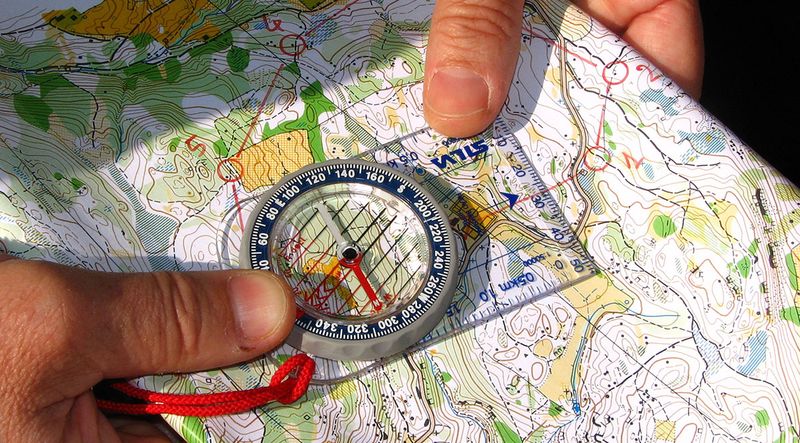
Long before GPS told us where to turn, Baby Boomers had to read paper maps and use a compass to find their way. That meant understanding scale, landmarks, and cardinal directions — all in their heads.
It built a kind of spatial awareness that apps simply cannot teach.
Knowing how to navigate without technology creates real confidence. If your phone dies on a road trip, would you know what to do?
Boomers would — and that skill is priceless.
2. Penmanship and Cursive Writing
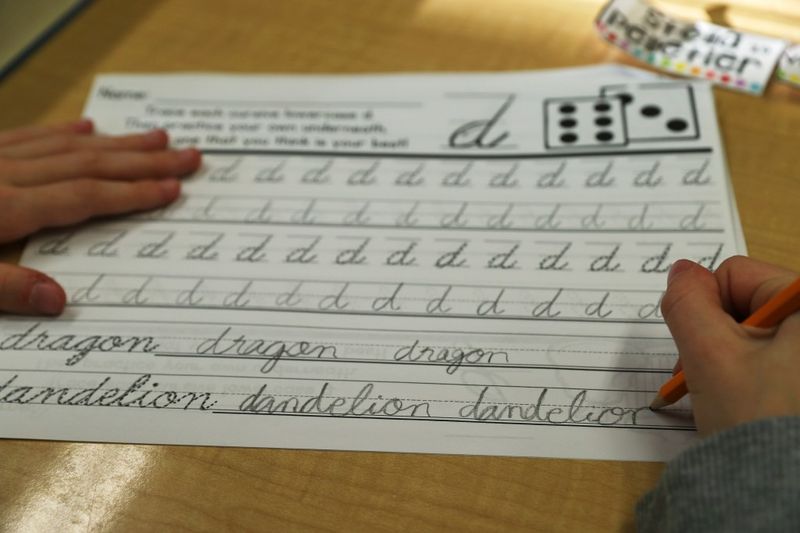
Cursive writing was once a daily classroom ritual, practiced with careful focus until every loop and letter looked just right. Baby Boomers spent years perfecting their penmanship, and it showed in the elegance of handwritten letters and personal notes they exchanged.
Many Gen Z students cannot even read cursive today. There is something deeply personal about a handwritten note that a text message simply cannot replicate.
Boomers understood that connection, and younger generations are slowly rediscovering it.
3. Basic Car Maintenance
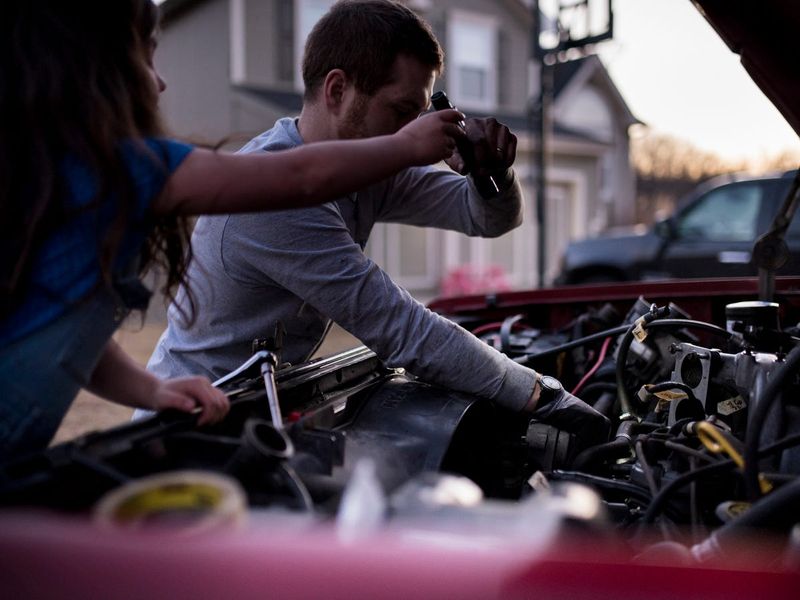
Checking the oil, swapping spark plugs, jump-starting a dead battery — these were just normal Saturday tasks for many Baby Boomers. Cars were simpler then, and learning to maintain them was practically a rite of passage for teenagers growing up in the 1960s and 70s.
Today, most people do not even know where their dipstick is. Boomers saved hundreds of dollars by handling basic repairs themselves.
That kind of mechanical confidence is something younger generations genuinely envy.
4. Cooking from Scratch
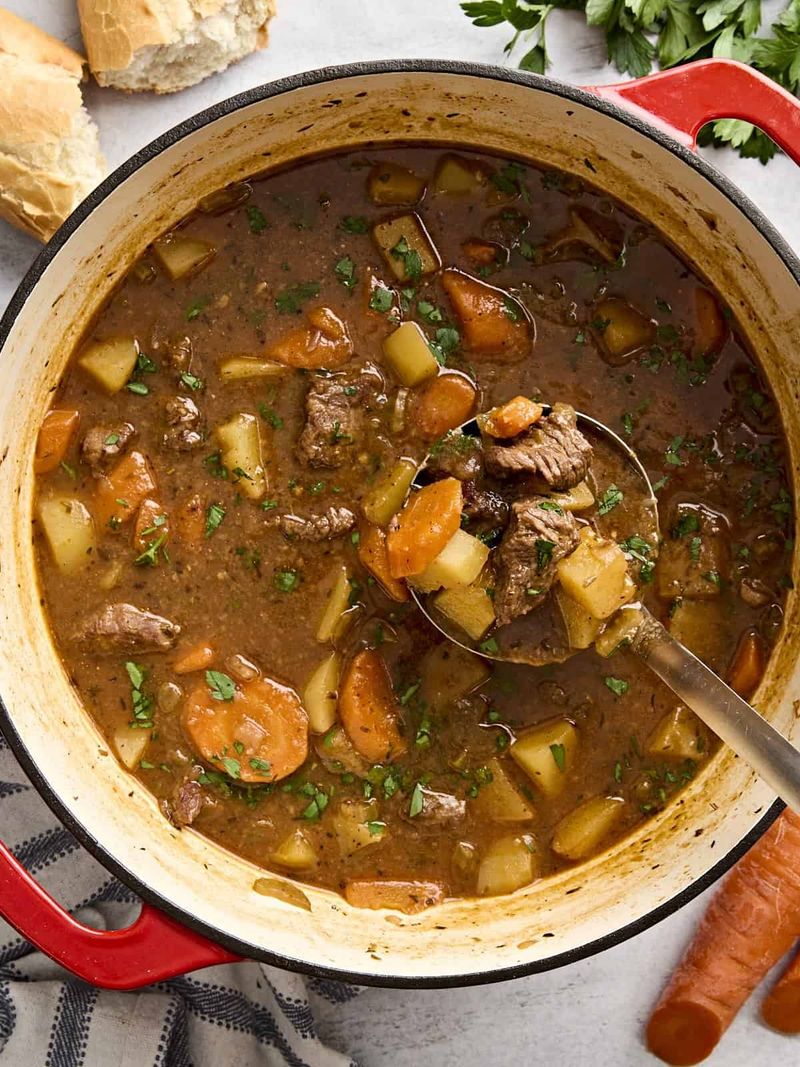
Forget meal kits and delivery apps — Boomers learned to cook real food from actual ingredients. Roasting a chicken, making soup from leftover bones, baking bread without a YouTube tutorial.
These were everyday skills passed down through kitchens, not cooking channels.
Cooking from scratch saves money, reduces waste, and honestly just tastes better. Younger generations raised on convenience food are now circling back to these basics, signing up for cooking classes and chasing the comfort of homemade meals.
5. Basic Home Repairs and Maintenance
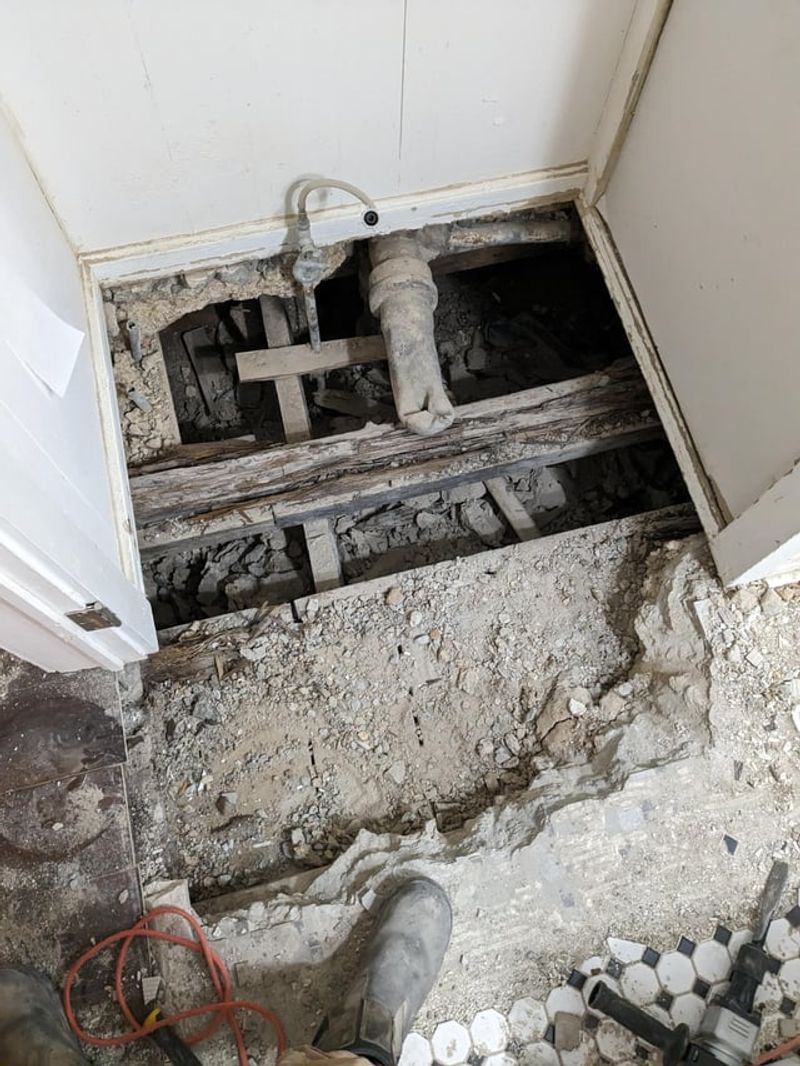
A dripping faucet, a wobbly door hinge, a cracked tile — Boomers tackled these problems themselves without hesitation. Growing up in households where calling a repairman was a last resort, they absorbed practical fix-it knowledge early and carried it for life.
Hiring someone for every small repair adds up fast. Knowing how to patch a wall or unclog a drain is genuinely empowering.
Many younger homeowners are turning to Boomer relatives — or old YouTube tutorials — to learn these foundational household skills.
6. Sewing and Clothing Repair
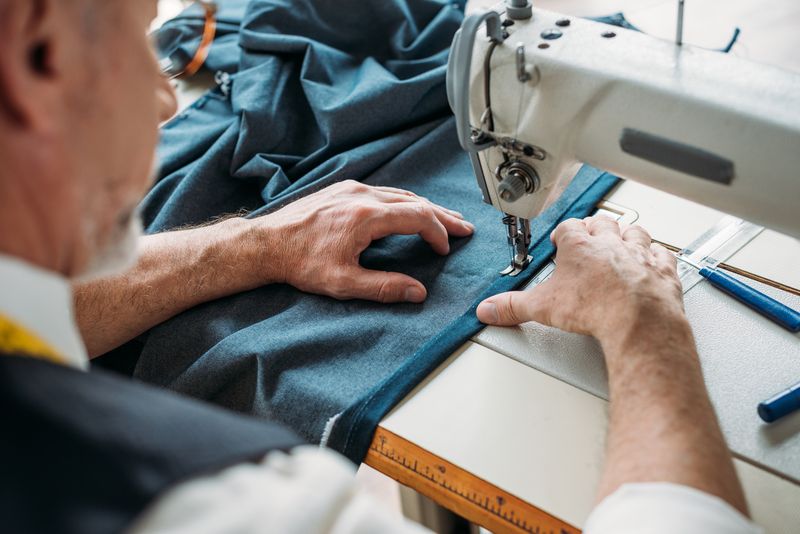
Fast fashion was not a thing when Boomers were growing up. Clothes were bought to last, and when they wore out, you fixed them.
Hemming pants, reattaching buttons, darning worn-out socks — these were basic life skills that most households practiced routinely.
Today, most people toss a shirt the moment a seam splits. Boomers knew better.
Learning even simple sewing skills can save a surprising amount of money and reduce the mountains of textile waste younger generations are now trying to address.
7. Mental Math and Counting Change

No calculator? No problem — at least not for Boomers.
They grew up estimating grocery totals in their heads, making change on the fly, and double-checking bills without pulling out a device. Mental math was not a party trick; it was a daily necessity.
Studies show that relying on calculators can actually weaken number sense over time. Boomers kept those mental muscles sharp out of pure habit.
Younger generations who practice mental math regularly report feeling far more confident managing everyday finances.
8. In-Person Negotiation and Haggling

Walking into a dealership, a flea market, or even a landlord meeting and negotiating face-to-face was a skill Boomers honed through experience. They learned to read body language, stay calm under pressure, and find the right moment to make their move.
Haggling feels awkward to many younger people raised on fixed-price online shopping. But knowing how to advocate for yourself in person is a career-changing skill.
Boomers who mastered it often got better deals, better salaries, and better outcomes across the board.
9. Resourcefulness and Repairing Instead of Replacing
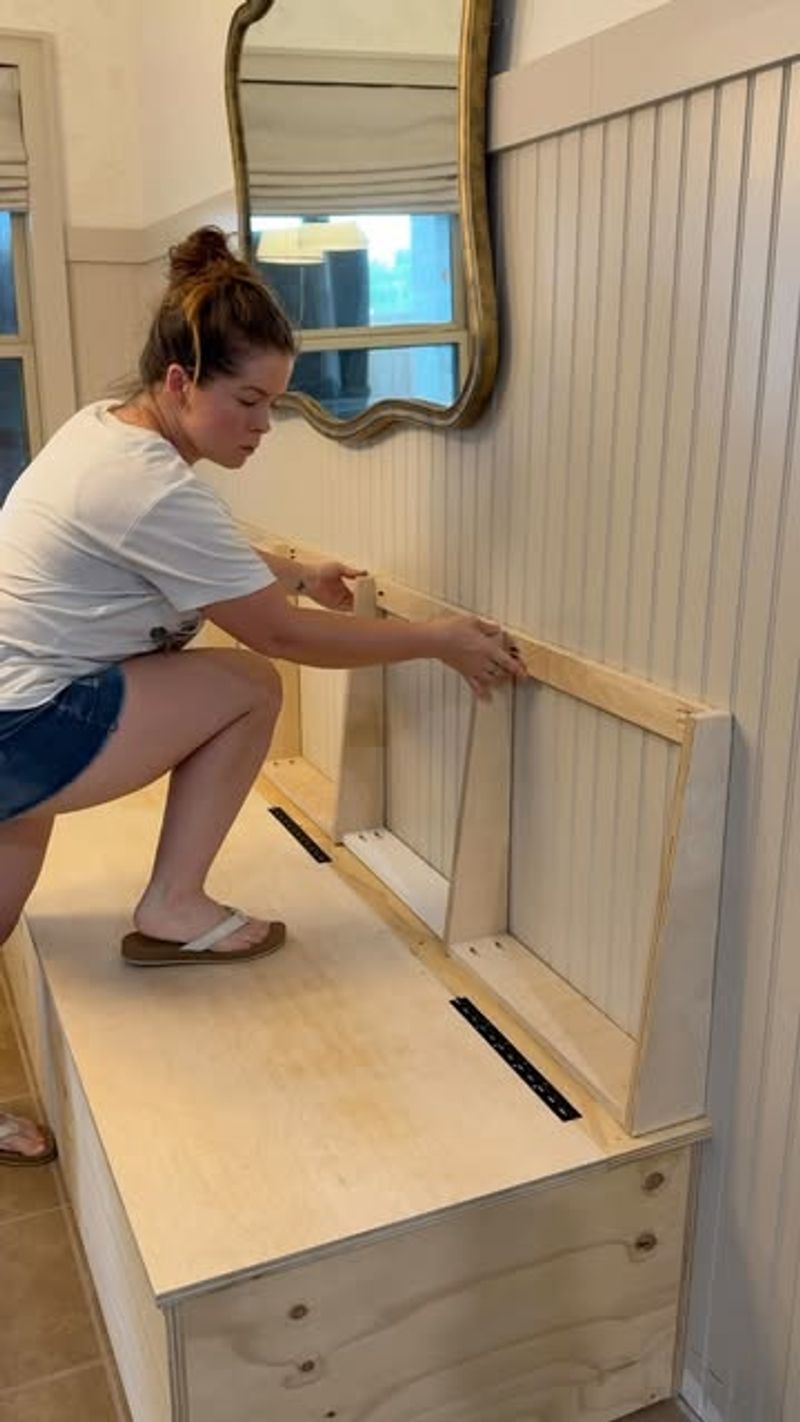
“Use it up, wear it out, make it do, or do without” — that phrase basically defined how Boomers approached broken things. Whether it was a busted appliance or a cracked piece of furniture, the first instinct was always to fix it, not toss it.
This mindset saved money and created less waste. Younger generations dealing with expensive living costs and growing environmental concerns are rediscovering the beauty of repair culture.
Thrift stores, repair cafes, and DIY communities are booming — channeling that classic Boomer energy.
10. Food Preservation and Canning

Before year-round produce at every grocery store, preserving the harvest was essential. Baby Boomers — especially those raised in rural areas — learned to can tomatoes, pickle cucumbers, and make jams that could last an entire winter on a pantry shelf.
Food preservation is making a big comeback among younger generations interested in self-sufficiency and reducing food waste. There is something incredibly satisfying about opening a jar of peaches in February that you put up yourself back in August.
Boomers knew that feeling well.
11. Pen-and-Paper Money Management

Balancing a checkbook by hand required focus, accuracy, and a real understanding of where every dollar was going. Boomers tracked expenses in ledgers, budgeted with envelopes, and knew their account balance without ever logging into an app.
That hands-on relationship with money created genuine financial awareness. Many younger people admit they feel disconnected from their spending because it all happens digitally.
Writing numbers down by hand forces you to actually see and feel what you are spending — a lesson Boomers lived daily.
12. Effective Face-to-Face Communication

Growing up without texting or social media meant Boomers had to actually talk to people — face to face, eye to eye. They became skilled at reading the room, making small talk with strangers, and navigating tough conversations without hiding behind a screen.
Strong in-person communication is one of the most valued traits employers look for today. Many younger workers struggle with it simply from lack of practice.
Boomers built those muscles naturally, one real conversation at a time — and it made a lasting difference.
13. Finding Information Without the Internet

Before Google, finding the answer to a question meant heading to the library, flipping through encyclopedia volumes, or asking someone who actually knew. Baby Boomers became experts at tracking down information through persistence and critical thinking.
That process — slow as it was — built real research skills and the ability to evaluate sources carefully. Today, with misinformation everywhere online, those old-school information habits are more valuable than ever.
Boomers learned to question, verify, and dig deeper long before fact-checking was a buzzword.
14. Patience and Delayed Gratification
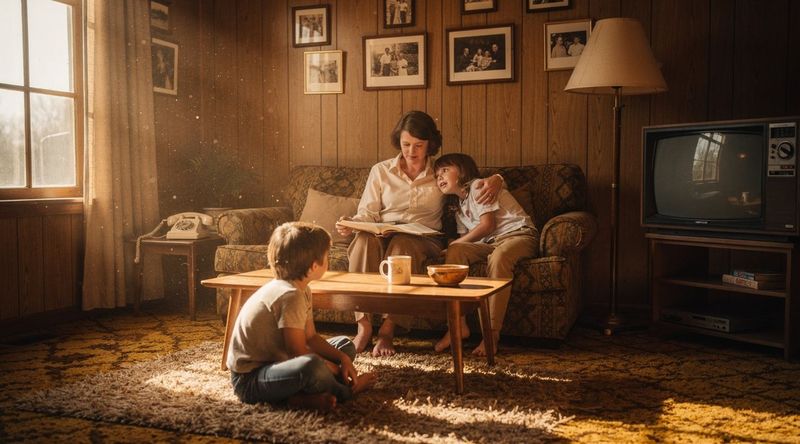
Waiting was just part of life for Baby Boomers. Waiting for a letter to arrive, waiting for a TV show to air at its scheduled time, waiting weeks to see developed photos.
There was no instant anything — and that taught real patience.
Research consistently links delayed gratification to better life outcomes, from finances to relationships. Younger generations raised on instant streaming and next-day delivery often struggle with waiting.
Boomers built that emotional muscle early, and it quietly shaped their resilience in powerful ways.
15. Memorizing Important Information
Phone numbers, addresses, birthdays, driving directions — Boomers kept all of it stored in their heads. Without digital contact lists or GPS, memory was the most reliable tool available, and they exercised it constantly without even realizing it.
Neuroscientists now warn that outsourcing memory to devices may weaken cognitive function over time. Boomers who memorized information regularly were essentially giving their brains a daily workout.
Younger generations are starting to challenge themselves to memorize more — and many are surprised by how capable their brains actually are.
16. Gardening and Growing Their Own Food

Many Boomers grew up with a garden in the backyard — not as a hobby, but as a genuine food source. Planting seeds, pulling weeds, and harvesting vegetables were seasonal rhythms that connected them to where their food actually came from.
That connection to the earth and to self-sufficiency is something many younger people are actively seeking today. Community gardens are thriving, and seed sales have surged in recent years.
Growing your own food is empowering, cost-effective, and — as Boomers always knew — incredibly satisfying.
17. Driving a Manual Transmission Car
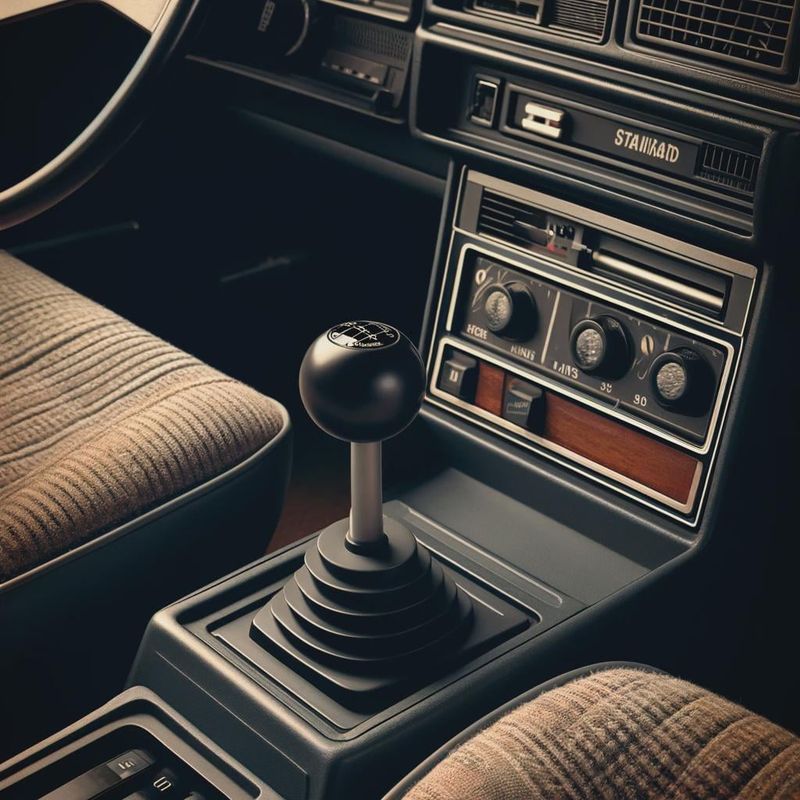
Learning to drive a stick shift was practically a teenage rite of passage for Boomers. Mastering the clutch, feeling the engine respond, and smoothly moving through gears gave drivers a real sense of control and connection to the machine they were operating.
Manual transmissions are rare now, but knowing how to drive one opens doors — literally. Rental cars abroad, vintage vehicles, and certain job requirements still call for this skill.
Boomers who learned it never forgot it, and younger drivers who pick it up say it changes how they think about driving entirely.
18. Navigating Authority and Handling Criticism
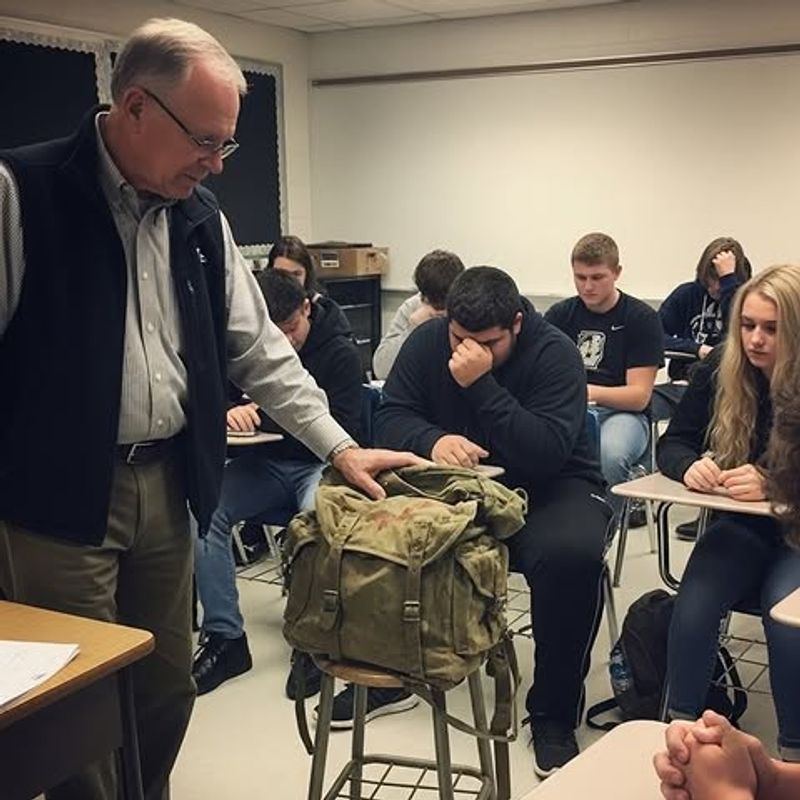
Boomers grew up in a world where authority figures meant business. Teachers, principals, and bosses expected respect and gave feedback directly — sometimes bluntly.
Learning to accept criticism without falling apart was just part of growing up in that era.
That experience translated beautifully into the workplace, where taking direction and responding to feedback are essential. Younger generations, often raised with more protective environments, sometimes find criticism harder to process.
The Boomer approach — hear it, learn from it, move on — is a skill worth practicing at any age.