
Growing up as a Baby Boomer meant experiencing a world that felt both exciting and full of adventure. From playing outside until the streetlights flickered on to gathering around the TV for family favorites, life had a rhythm all its own.
These shared memories are woven into the hearts of millions born between 1946 and 1964, and looking back at them brings a warm wave of recognition that never gets old.
1. Playing Outside Until Dark
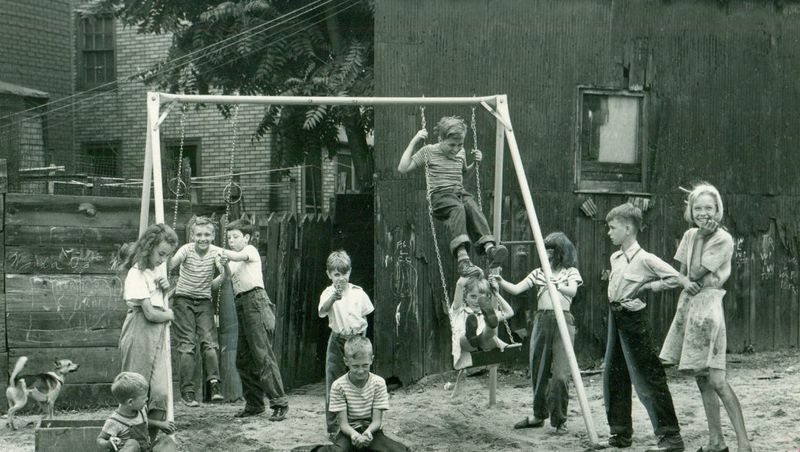
No screen, no schedule, just pure freedom. Boomer kids ruled their neighborhoods from sunrise to sunset, inventing games, building forts, and chasing each other down sidewalks without a care in the world.
Parents simply opened the door and said “go outside.” The only rule that mattered was getting home before the streetlights came on. That simple boundary taught kids independence, creativity, and how to read the sky like a clock.
2. Iconic Toys Like Barbie and G.I. Joe
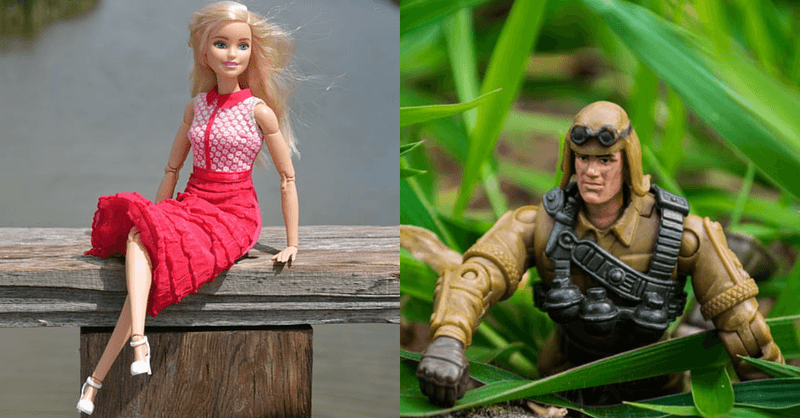
Before video games took over, a cardboard box full of the right toys was pure gold. Barbie had her dream house, G.I.
Joe had his missions, and both sparked hours of imaginative storytelling without a single battery required.
Toys like Lite-Brite, Spirograph, and Troll Dolls were more than playthings — they were creativity tools. Each one required a child to use their imagination, which made the fun feel genuinely earned and endlessly replayable.
3. Rotary Phones and Party Lines
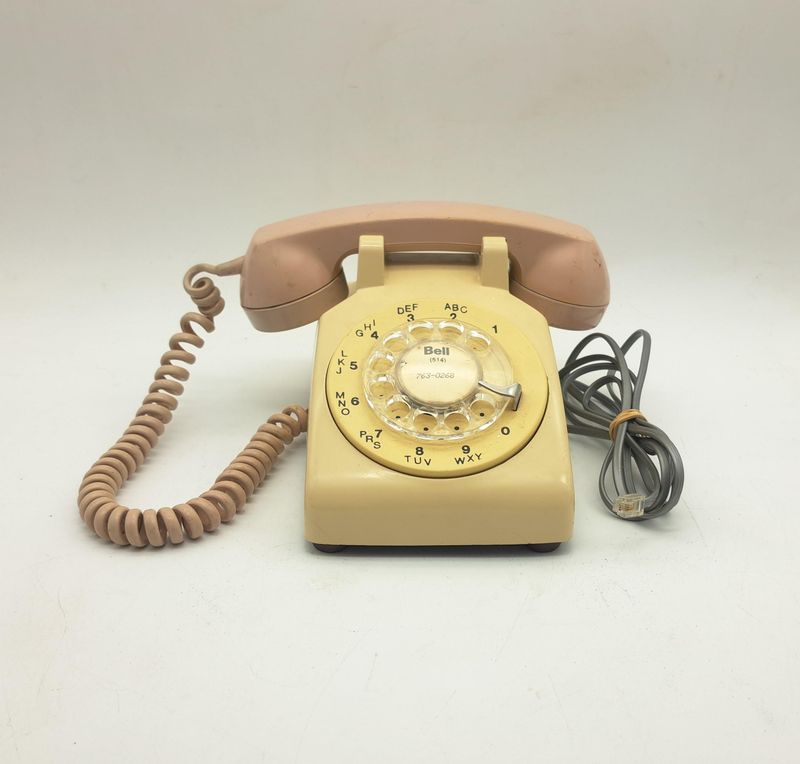
Calling a friend meant sticking your finger in a dial and spinning it around — slowly — for every single digit. Mess up one number and you had to start all over again, which made patience a survival skill.
Some families shared “party lines” with neighbors, meaning anyone on the line could listen in on your conversation. Privacy was basically a rumor.
Still, the rotary phone had a satisfying click that no touchscreen has ever come close to matching.
4. Family Dinners as Sacred Time
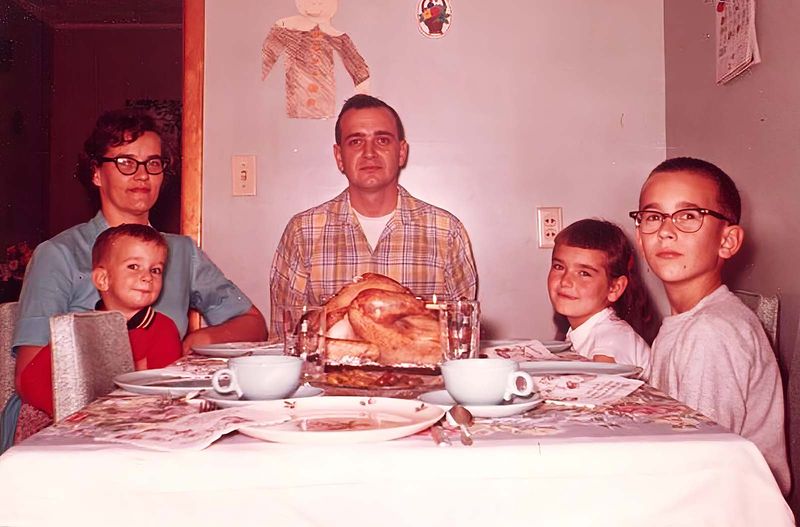
Every evening, the whole family pulled up a chair and sat down together — no excuses accepted. Mom cooked, Dad carved, and the kids ate whatever was on the plate whether they liked it or not.
Dinner wasn’t just food; it was where news got shared, lessons got taught, and inside jokes were born. There were no alternative menus or phone distractions.
You ate what was made, said thank you, and cleared your plate like it was a household law.
5. Walking to School With the Neighborhood Kids
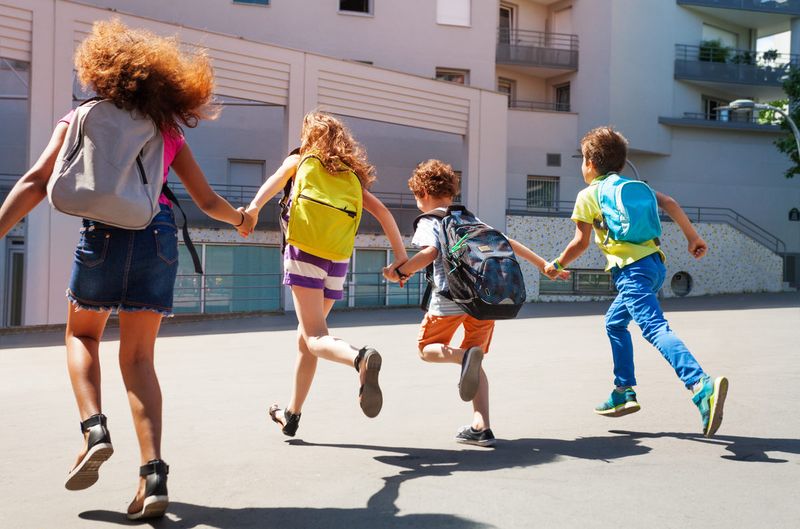
There were no carpool apps or GPS trackers — just a group of kids heading down the block together every morning. Walking to school was a daily adventure that built friendships, settled arguments, and burned off energy before the first bell ever rang.
Younger kids walked with older ones, learning the ropes of the neighborhood along the way. Rain, snow, or sunshine, the walk happened.
That daily trek quietly built toughness and a sense of community kids today rarely experience the same way.
6. Duck and Cover Drills at School
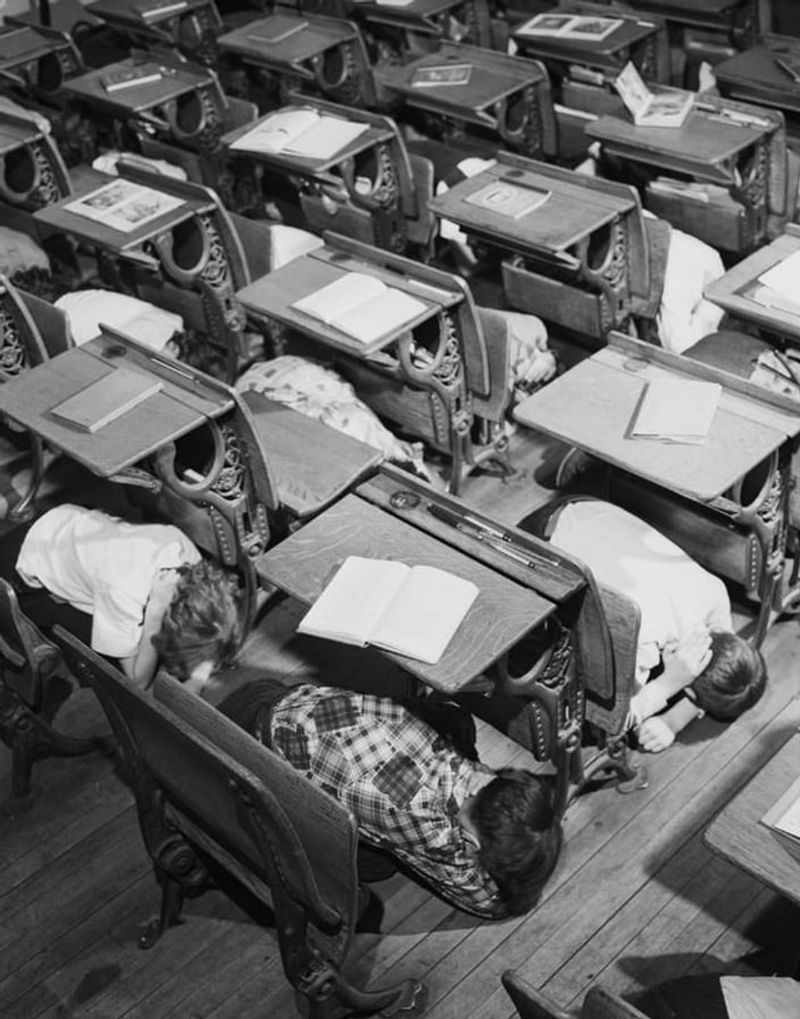
Cold War tension had a way of sneaking into the classroom. Teachers would suddenly call out “duck and cover,” and every kid scrambled under their desk with hands over their heads, practicing for a nuclear attack that hopefully would never come.
It sounds alarming now, but at the time it felt almost routine. The Berlin Wall, the arms race, and the fear of communism were real parts of growing up Boomer.
These drills were a strange kind of homework that no textbook could fully explain.
7. Watching TV Together as a Family
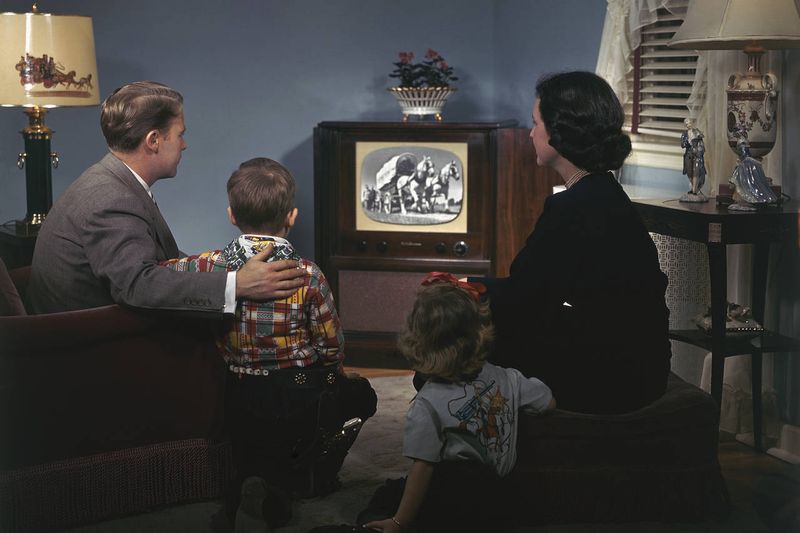
There was one television in the house, and everyone watched it together — end of discussion. Shows like “I Love Lucy,” “Leave It to Beaver,” and “The Andy Griffith Show” weren’t just entertainment; they were shared experiences that got talked about at school the next day.
Saturday mornings belonged to cartoons — Bugs Bunny, The Flintstones, and Popeye ruled the screen. The whole family gathered around that glowing box like it was a campfire, and honestly, it kind of was.
8. The Rise of Rock and Roll
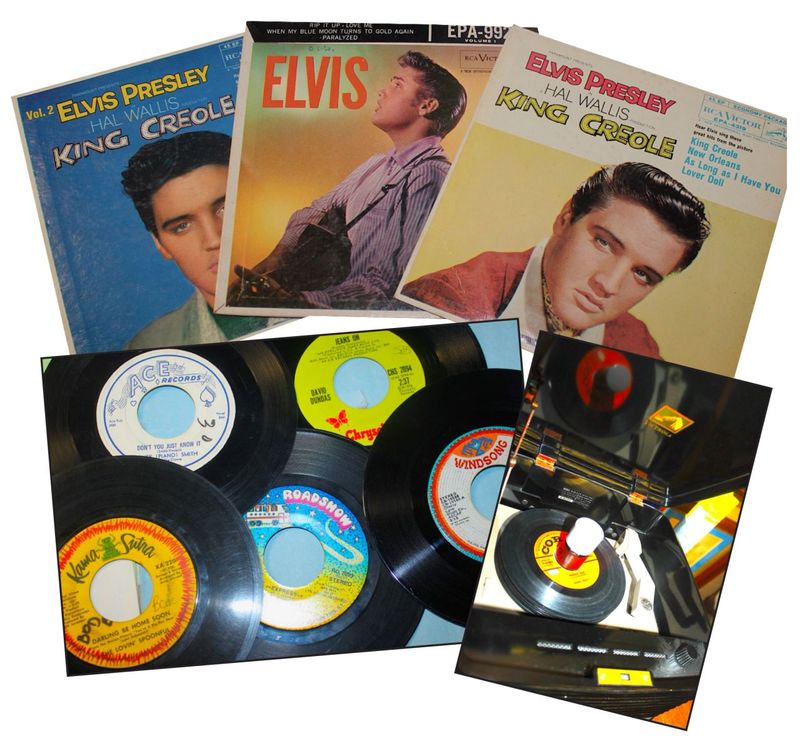
When Elvis Presley shook his hips on national television, the world shifted. Rock and roll wasn’t just music — it was a movement, a rebellion, and a language that Boomer kids claimed as completely their own.
From Buddy Holly to The Beatles to Creedence Clearwater Revival, the soundtrack of a Boomer childhood was loud, joyful, and electric. Many kids saved up to buy 45 RPM singles and played them on little record players until the needle wore out.
9. Riding Bikes Without Helmets
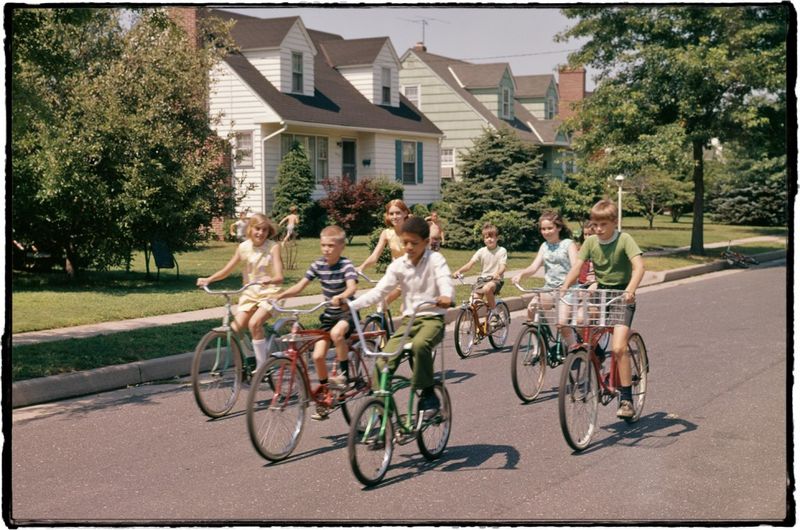
Freedom had two wheels and no helmet. Boomer kids hopped on their bikes and took off in every direction without a second thought about safety gear, sunscreen, or a planned route.
The bike was their passport to the whole neighborhood.
Scraped knees were worn like badges of honor. Parents waved goodbye and trusted the kids to come back in one piece — and they usually did.
That kind of freewheeling independence built confidence that stuck around for life.
10. The Polio Scare and the Salk Vaccine
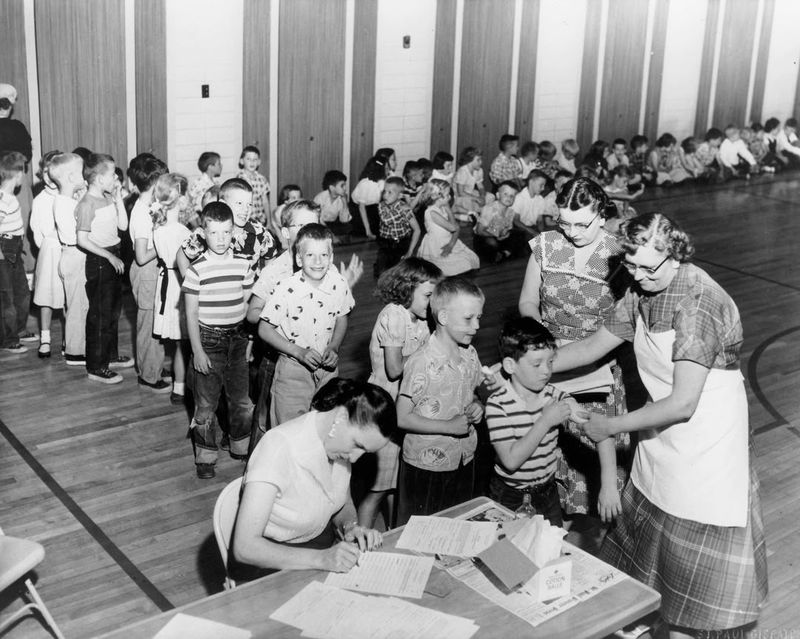
Before 1955, polio was every parent’s nightmare. It swept through communities and left children paralyzed or worse, turning summer into a season of fear rather than fun.
Public pools sometimes closed to stop the spread.
Then Jonas Salk’s vaccine arrived, and everything changed almost overnight. Getting that shot at school felt like a miracle moment — and it was.
Boomers who remember standing in those vaccine lines witnessed one of the greatest medical breakthroughs of the 20th century firsthand.
11. The JFK Assassination and Its Impact
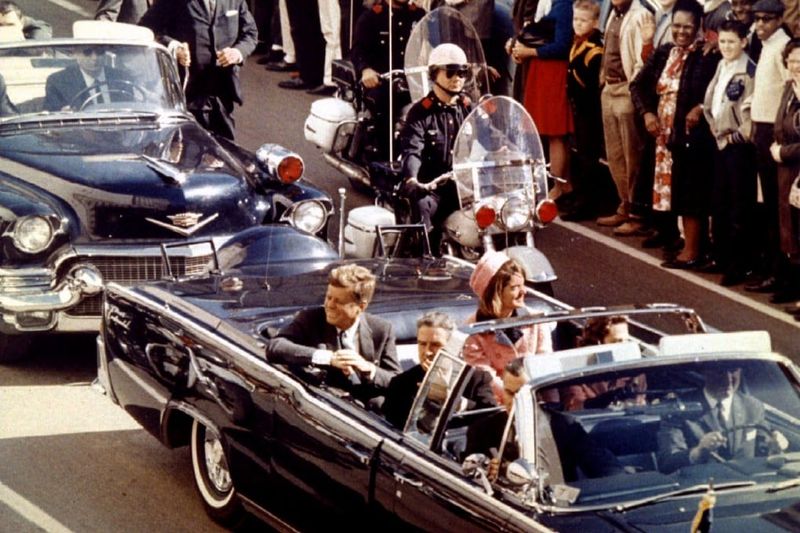
Ask any Boomer where they were on November 22, 1963, and they will tell you without hesitation. The assassination of President John F.
Kennedy stopped the country cold and left an entire generation feeling like the ground had shifted beneath their feet.
Schools went quiet, parents cried at kitchen tables, and television news ran without interruption for days. For children who had grown up admiring JFK’s energy and optimism, it was a loss that redefined what it meant to lose something truly irreplaceable.
12. The Space Race and the Moon Landing
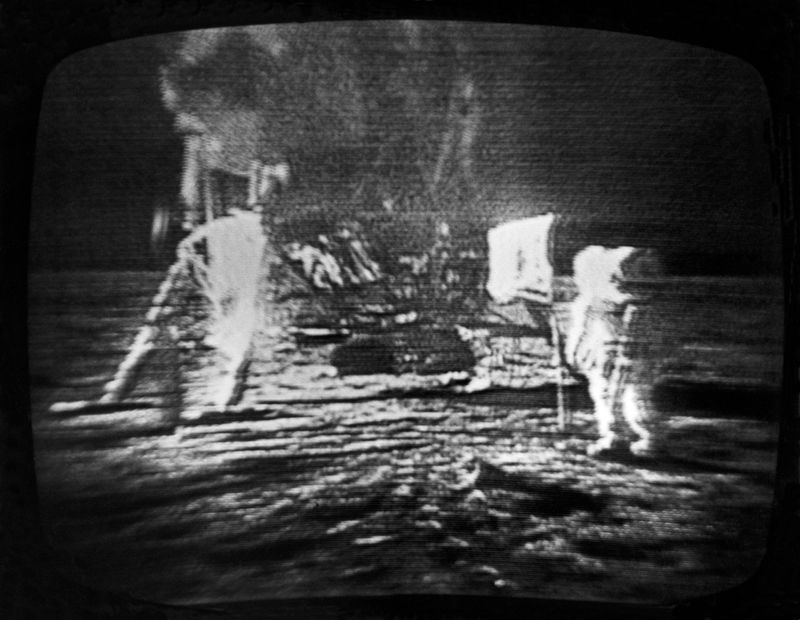
“One small step for man, one giant leap for mankind.” On July 20, 1969, Boomers watched Neil Armstrong walk on the moon and felt like anything was possible. The Space Race had been building for years, and this was its magnificent payoff.
Growing up with astronauts as heroes and rocket launches as must-see events gave Boomers a deep-rooted belief in human potential. Science felt thrilling, the future felt bright, and for one incredible night, the whole world looked up together.
13. Strict Chores and a Fix-It-Yourself Mentality
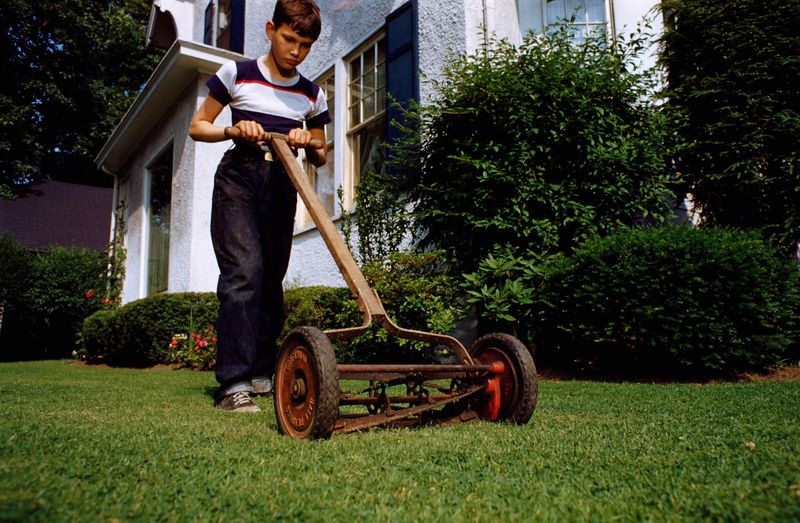
Chores were not optional, and complaining about them was a quick way to get more of them. Boomer kids mowed lawns, washed dishes, raked leaves, and took out trash without expecting an allowance every single time.
When something broke, the family fixed it — no repair service needed. Dad had a toolbox, Mom had solutions, and kids learned by watching.
That hands-on, figure-it-out attitude became a defining trait of the generation, one that still shows up in the way Boomers approach problems today.
14. The Civil Rights Movement in Real Time
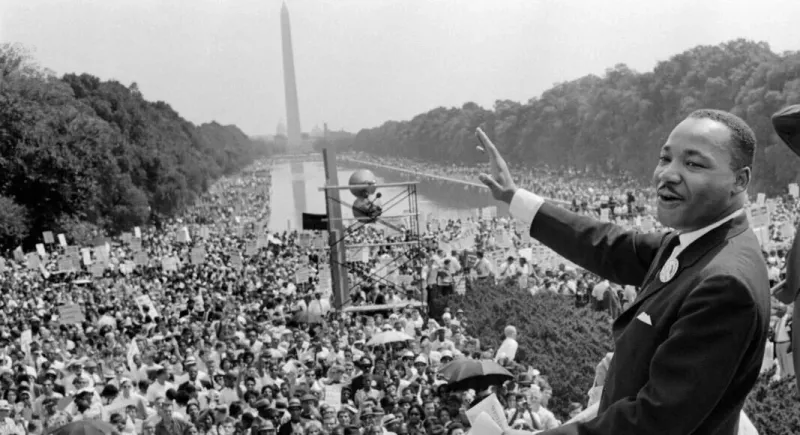
History was not something Boomers only read about in textbooks — they watched it unfold on the evening news. Rosa Parks, Martin Luther King Jr., and the marches across the South played out in real time in living rooms across America.
For many Boomer children, these events raised big, hard questions about fairness, equality, and what America truly stood for. Growing up alongside the Civil Rights Movement shaped a generation’s conscience in ways that classroom lessons alone never could have managed.
15. Radio Programs Before Bedtime
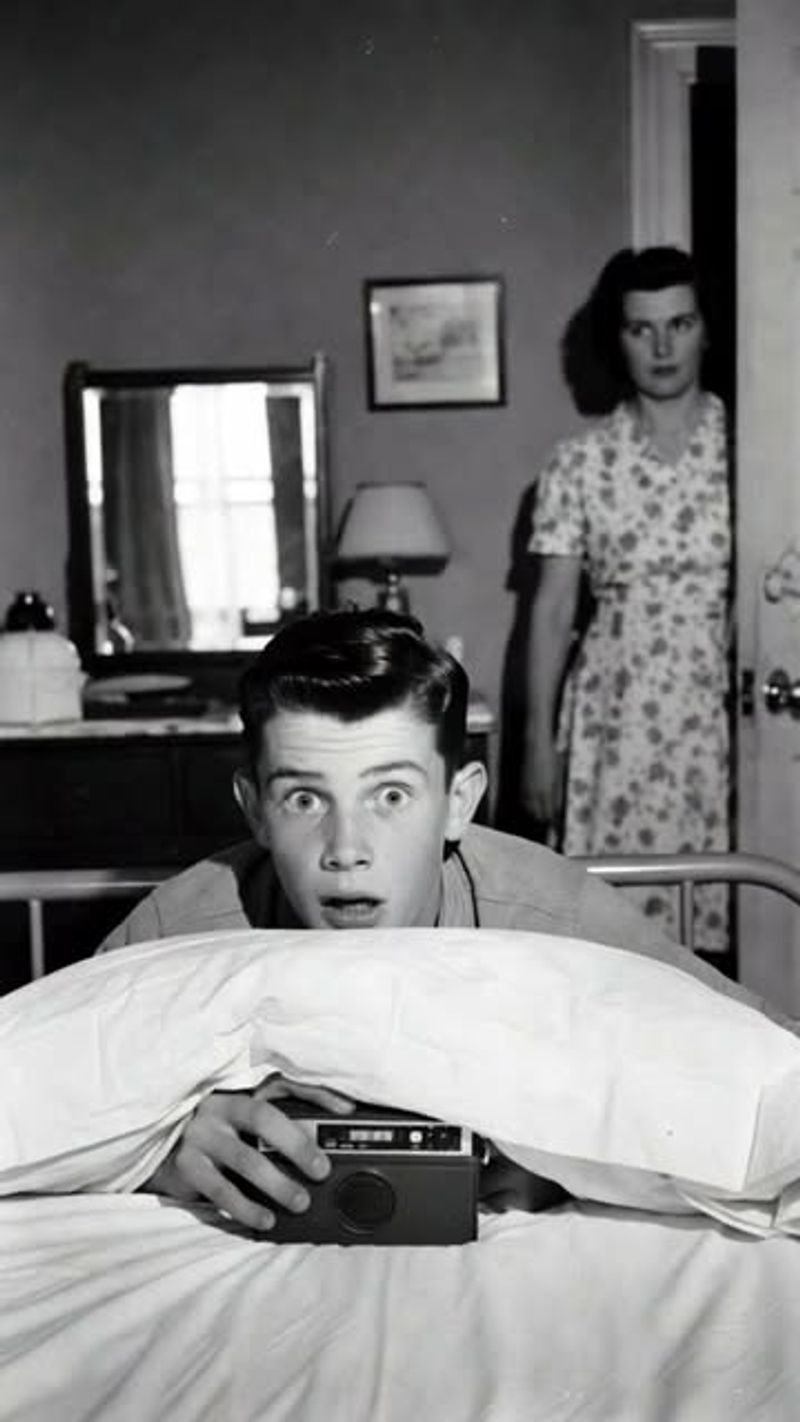
Long before podcasts existed, radio was the original storytelling machine. Shows like “The Lone Ranger” and “The Adventures of Superman” painted vivid pictures in the minds of young Boomer listeners using nothing but sound, music, and a whole lot of imagination.
Curled up under the covers with one ear pressed close to the speaker, kids traveled to worlds they had never seen. Radio demanded active listening, and that quiet habit of paying close attention stayed with many Boomers their entire lives.
16. Vietnam War, the Draft, and Growing Up Fast
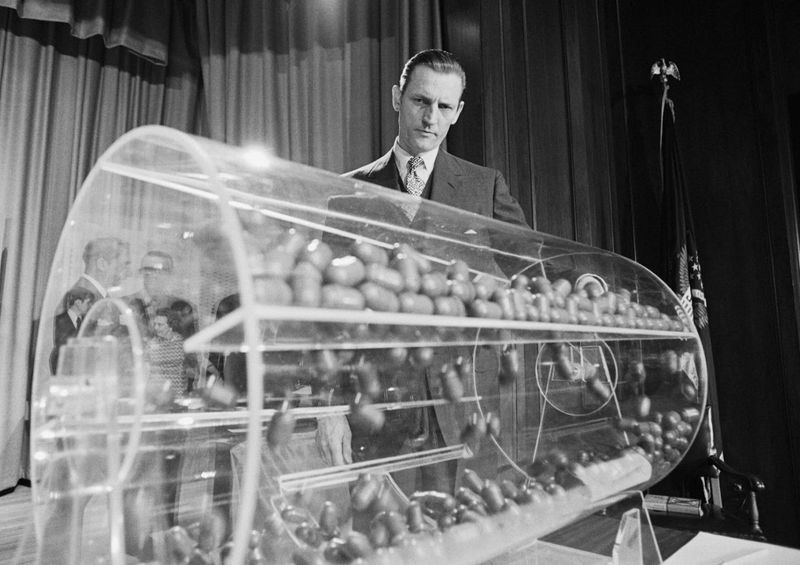
For older Boomers, the Vietnam War was not a distant conflict — it was something that could land in your mailbox in the form of a draft notice. Brothers, cousins, and classmates shipped off to Southeast Asia, and not all of them came back.
Protests erupted on college campuses, music turned political, and a counter-culture movement grew loud and fast. The war forced young Boomers to wrestle with questions about duty, justice, and authority far earlier than any generation should ever have to.