
Not everyone who smiles at you is truly kind, and that can be a tough truth to face. Real kindness goes deeper than good manners or friendly words — it shows up in how people treat others when no one is watching.
Learning to spot the difference between genuine kindness and a polished act can protect your energy and help you build more meaningful relationships. Here is what truly kind people look like, and what to watch out for in those who are just putting on a show.
1. Empathy: They Actually Feel What You Feel

Truly kind people do not just hear your words — they try to understand the feelings behind them. They pause to consider your hopes, fears, and worries before responding, which makes every interaction feel meaningful.
This kind of empathy is rare and powerful. It means someone is thinking about your experience, not just waiting for their turn to talk.
When a genuinely kind person checks in on you, you can feel that they actually mean it.
2. Full Presence: They Listen Without Rushing You

Have you ever been mid-sentence when someone glanced at their phone? Truly kind people never make you feel like a burden.
They give you their full attention without mentally drafting a response while you are still speaking.
Listening fully is one of the most underrated acts of kindness. It tells the other person their words matter.
Genuinely kind individuals resist the urge to jump in with advice, letting you feel heard before anything else happens.
3. Honest But Tactful: Truth With a Gentle Touch

Kind people tell you the truth, but they choose their words carefully. They understand that honesty without compassion can feel like an attack, so they consider the impact of their words before speaking.
There are no cheap shots or passive-aggressive jabs from someone who is truly kind. They will tell you something hard if it needs to be said, but they will do it in a way that respects your dignity and keeps the relationship intact.
4. Protecting Dignity: Kindness in Public Moments

Truly kind people would never embarrass someone in front of others. Whether it is skipping a joke that would humiliate a friend or stepping in when someone is being put on the spot, they protect the dignity of people around them.
Public shaming, even when disguised as humor, chips away at a person’s confidence. Genuinely kind individuals understand this instinctively.
They think about how their actions affect others before they act, especially when an audience is present.
5. Consistent Kindness: Showing Up Even When It Is Hard
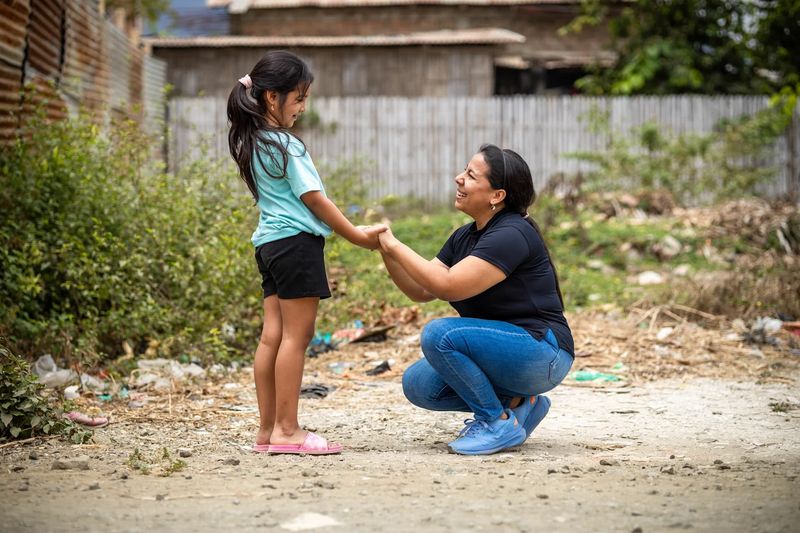
Real kindness is not seasonal. Truly kind people show up for others not just during a crisis, but weeks and months after when everyone else has moved on.
Their compassion does not depend on their mood or convenience.
When they are tired or stressed, they still choose patience. This consistency is what separates genuine kindness from a performance.
Anyone can be nice on a good day — it takes real character to keep showing up when life gets messy.
6. Giving Without an Audience: Generosity With No Strings

Truly kind people give because they want to, not because they want credit for it. They encourage, help, and inspire others without expecting anything in return or broadcasting their good deeds on social media.
Their generosity serves a purpose, not a performance. You might not even know all the kind things they have done because they are not keeping score.
This quiet, selfless giving is one of the clearest signs of someone whose kindness is completely genuine.
7. Respect for Everyone: From the Cleaner to the CEO

Watch how someone treats people who can do nothing for them — that tells you everything. Truly kind people treat a cleaner with the same warmth and respect they would offer a company executive.
Status does not influence how they interact with others. Whether someone is wearing a suit or a uniform, they get the same eye contact, the same courtesy, and the same human decency.
Kindness that only shows up for important people is not really kindness at all.
8. Healthy Boundaries: Saying No Without Being Cruel

Being kind does not mean saying yes to everything. Truly kind people know how to set limits without guilt, cruelty, or long explanations.
They protect their peace because it helps them stay genuinely good to others.
A firm but warm “no” is still an act of kindness — both to themselves and to the person asking. When kind people set boundaries, they do it with clarity and care, not coldness.
That balance is something truly admirable and worth practicing yourself.
9. Authentic Comfort: At Peace With Who They Are

There is something refreshing about people who are comfortable in their own skin. Truly kind people do not feel the need to pretend or put on a front, and that authenticity makes others feel safe enough to do the same.
They value sincerity over approval and encourage others to be real too. When you are around them, you do not feel judged or pressured to perform.
Their ease with themselves creates a space where genuine connection actually has room to grow.
10. Conditional Kindness: Nice Only When It Benefits Them

People who pretend to be nice often flip a switch depending on what they stand to gain. Their warmth appears when there is an audience or when someone can offer them something, then quietly disappears when there is nothing in it for them.
This pattern is telling. If someone’s helpfulness fades the moment they stop getting credit or attention, that kindness was never really about you.
Genuine warmth does not come with invisible strings attached or an expiration date tied to personal gain.
11. Two-Faced Talk: Sweet in Public, Sharp in Private

If someone praises a friend to their face and then mocks them the moment they leave the room, that is a serious red flag. People who only pretend to be nice are often masters at playing both sides of a conversation.
They share private details, make cutting jokes, and criticize the very people they just complimented. The shift can happen within minutes.
Over time, this double behavior erodes trust and reveals that their public kindness is little more than a carefully maintained image.
12. Backhanded Compliments: Praise With a Hidden Sting

“You’ve actually improved a lot lately” sounds nice on the surface, but something about it stings. Backhanded compliments are a signature move of people who want to seem kind while still putting others down.
These remarks often leave the recipient feeling uneasy, second-guessing whether they were just praised or quietly criticized. Genuinely kind people build others up without planting seeds of doubt.
If a compliment consistently makes you feel worse after a moment’s reflection, trust that feeling.
13. Compulsive Agreeableness: Avoiding Truth to Keep the Peace

Some people will agree with absolutely anything just to avoid conflict. At first glance, this looks like politeness — but it is actually a way of dodging honest, sometimes necessary conversations that help relationships grow.
People who only pretend to be kind never push back, never offer a real opinion, and never risk discomfort for the sake of truth. That kind of agreeableness can feel hollow over time.
Real kindness sometimes means having a hard conversation, even when it is uncomfortable for everyone involved.
14. Playing the Victim: Blame Without Accountability

When things go wrong, people who fake kindness rarely look inward. Instead, they shift blame onto others, reframe situations to make themselves look like the one who was wronged, and avoid taking any real responsibility.
This victim mentality is exhausting for those around them. It keeps conversations stuck and prevents genuine resolution.
Truly kind people acknowledge their role in a problem, even when it is uncomfortable. That willingness to own their mistakes is part of what makes their character feel so solid and trustworthy.
15. Selective Niceness: Kind Only to the Powerful

Watch closely who someone is warm toward and who they dismiss. People who fake kindness often reserve their best behavior for those with power, popularity, or influence, while treating others with barely concealed indifference.
This selective warmth is one of the clearest signs of insincerity. A person’s true character shows in how they treat people who cannot offer them anything.
If their friendliness only flows upward on the social ladder, it is a performance, not a personality trait worth trusting.
16. Words Versus Actions: Saying the Right Thing, Doing the Opposite

Some people have the language of kindness perfected — they know exactly what to say in every situation. But pay attention to whether their actions actually line up with those words over time.
People who only pretend to be nice might say all the right things while quietly ignoring your boundaries, talking over you, or subtly putting you down. Actions are always louder than words.
When someone’s behavior consistently contradicts what they claim to stand for, that gap is the most honest thing about them.