
Growing up with Harry Potter meant seeing the magic, the adventure, and the excitement of a hidden world. But when you pick up those books again as an adult, something shifts.
Suddenly, the things you glossed over as a kid start jumping off the page in ways you never expected. From dark social issues to complicated characters, rereading Harry Potter as a grown-up is a whole new experience.
1. The Dursleys Were Actually Abusive
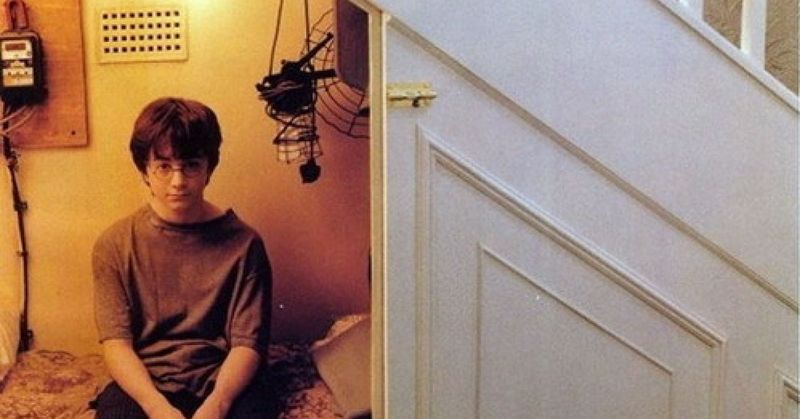
As a kid, the Dursleys just seemed like the worst kind of mean relatives. Looking back now, the reality is far grimmer.
Harry was starved, locked in a cupboard, emotionally neglected, and denied basic comforts for years.
That is not quirky villain behavior. That is textbook child abuse.
Adults who work with children or have studied trauma recognize these signs immediately. It reframes Harry not just as a hero, but as a survivor.
2. Dumbledore Was Manipulative, Not Just Wise
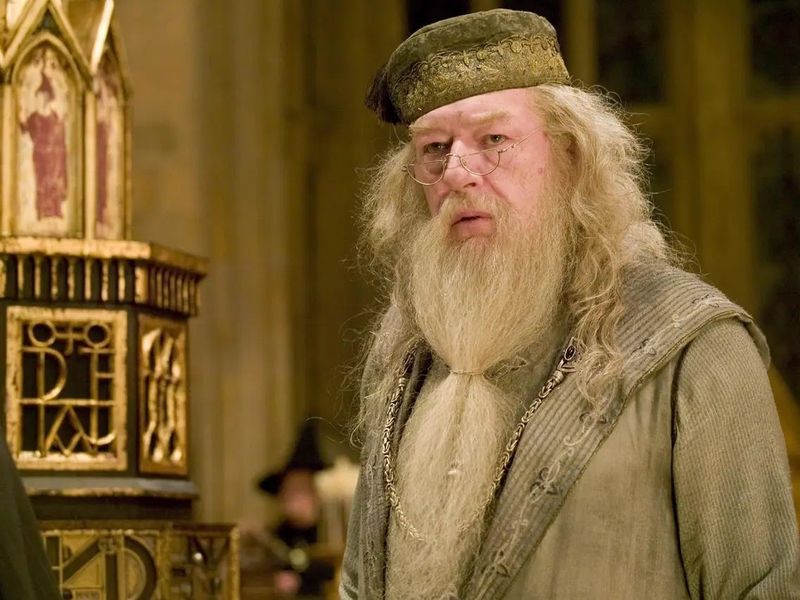
Dumbledore felt like a comforting grandfather figure when we were young. Reread the series, though, and a more unsettling picture forms.
He withheld life-saving information from Harry, orchestrated dangerous situations, and admitted to treating Harry like a chess piece.
His past friendship with Grindelwald and flirtation with dark ideology makes it worse. Adults understand that good intentions do not excuse manipulation, especially when a child’s life is on the line.
3. House-Elf Slavery Was Brushed Off Too Easily
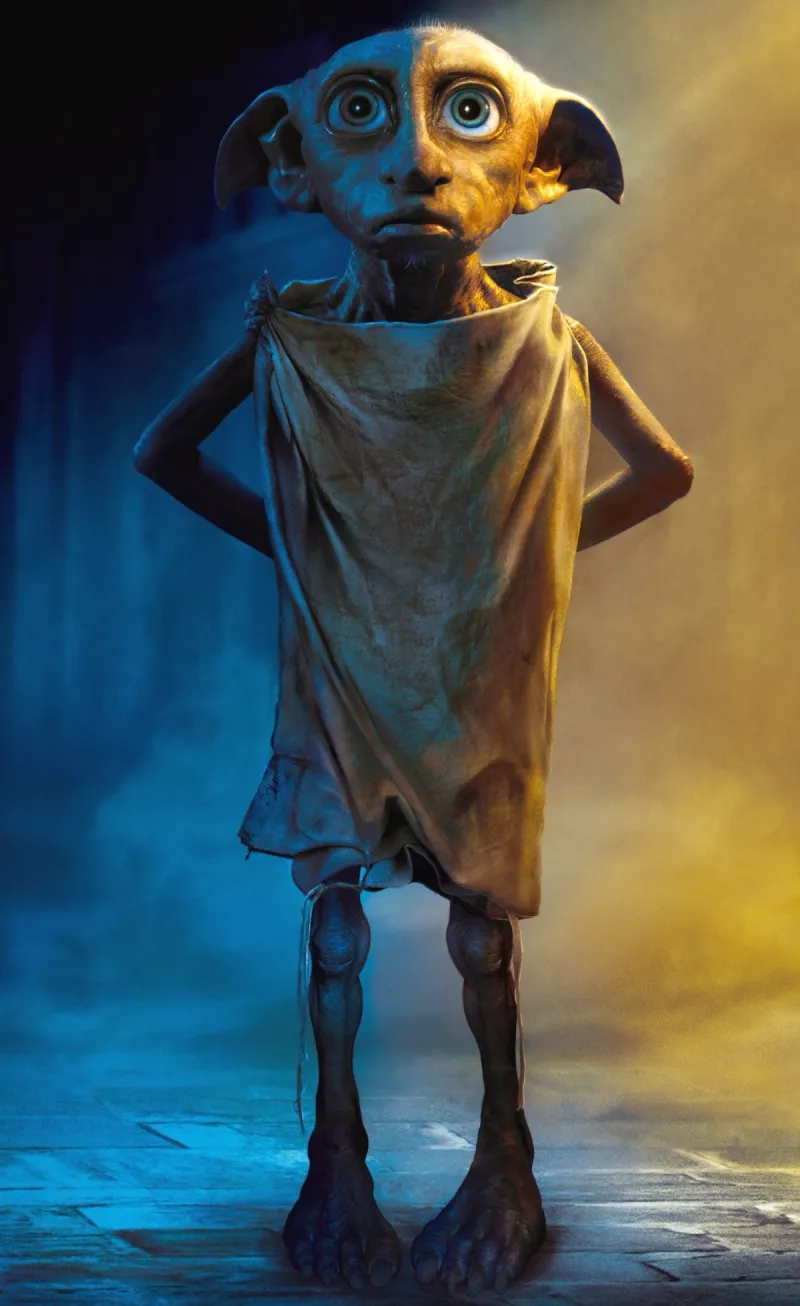
Hermione was mocked for caring about house-elves, and even the story kind of played it for laughs. As an adult, that is hard to sit with.
Dobby, Kreacher, and countless others were enslaved, punished for disobedience, and owned like property.
What makes it more uncomfortable is that beloved “good” characters like the Weasleys and Dumbledore never seriously challenged this system. S.P.E.W. deserved way more respect than it got.
4. The Ministry of Magic Was a Corrupt Nightmare
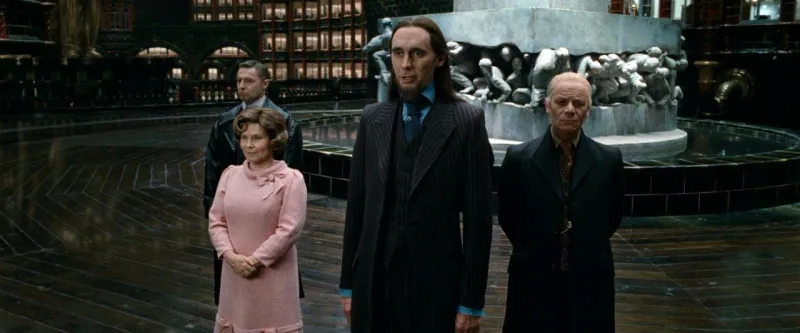
Young readers saw the Ministry as an annoying obstacle. Adults recognize it as something far more familiar and frightening.
The Ministry suppressed truth, scapegoated innocent people, tortured prisoners without trial, and prioritized its own image over public safety.
By the time Voldemort took over, the groundwork had already been laid by years of institutional corruption. It mirrors real-world governments in ways that are genuinely chilling once you have lived a little.
5. Death and Loss Hit Completely Differently Now
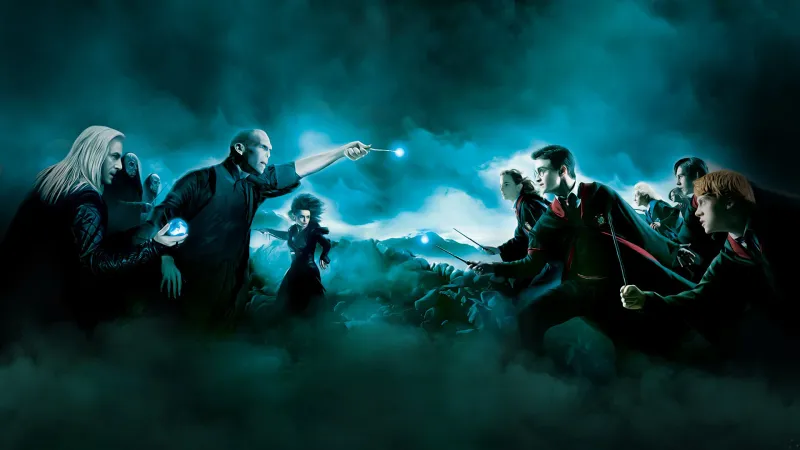
Cedric Diggory dying used to feel shocking and sad. Now, reading about Sirius, Dumbledore, Fred, Lupin, and Tonks all gone feels like a gut punch that lingers.
Adults carry real grief, and Rowling wrote about loss with surprising honesty.
The inscription on the Potters’ tombstone, a quote about conquering death, reads more like a meditation on mortality than a cool story detail. The series ultimately argues that how we love matters more than how long we live.
6. Blood Purity Was Always About Real-World Racism
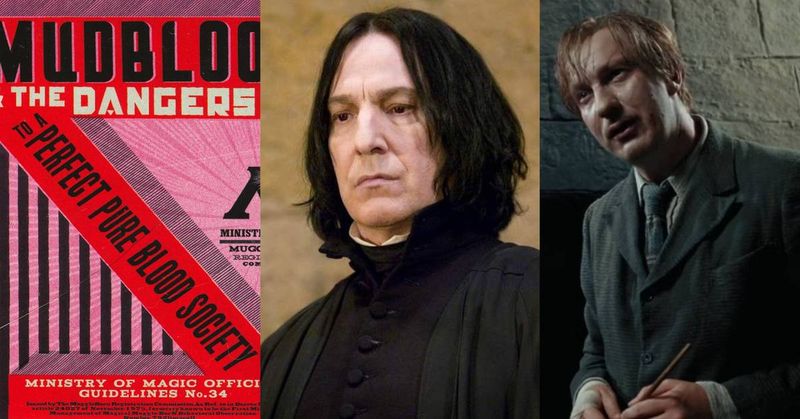
Kids understood that Voldemort and the Death Eaters were bad because they hated Muggle-borns. Adults see the unmistakable parallel to real-world racism, antisemitism, and ethnic cleansing.
The language, the propaganda, the registration laws in Deathly Hallows are not subtle.
Rowling modeled the Death Eaters closely on Nazi ideology. Reading it as an adult, especially in today’s political climate, makes those chapters feel less like fantasy and more like a warning worth taking seriously.
7. Dementors Were Always About Depression
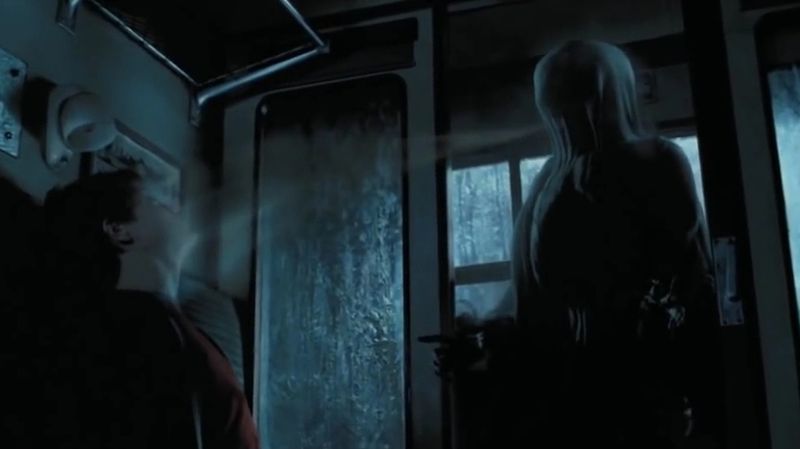
J.K. Rowling has spoken openly about writing Dementors as a direct representation of her own battle with depression.
As a kid, they were just terrifying monsters. As an adult who may have experienced mental health struggles, the description hits differently.
Creatures that drain all happiness, make you relive your worst memories, and leave you feeling like you will never be cheerful again? That is not a monster story.
That is a painfully accurate portrait of what depression actually feels like.
8. Harry Showed Clear Signs of PTSD
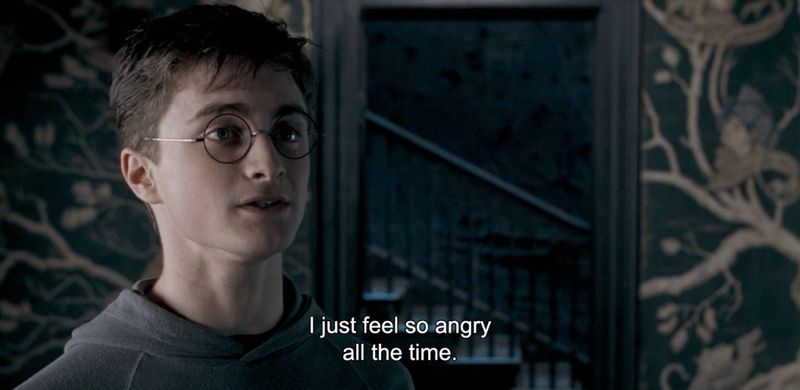
Order of the Phoenix Harry was famously frustrating to read as a kid. All that rage, the mood swings, the inability to connect with people who loved him.
Adults with any knowledge of trauma recognize those symptoms immediately.
Harry experienced repeated life-threatening events, survivor’s guilt, and the loss of parental figures starting from infancy. His behavior in book five is not just teenage angst.
It reads as a realistic portrayal of untreated post-traumatic stress disorder in an overwhelmed teenager.
9. Love Potions Are Actually Deeply Disturbing
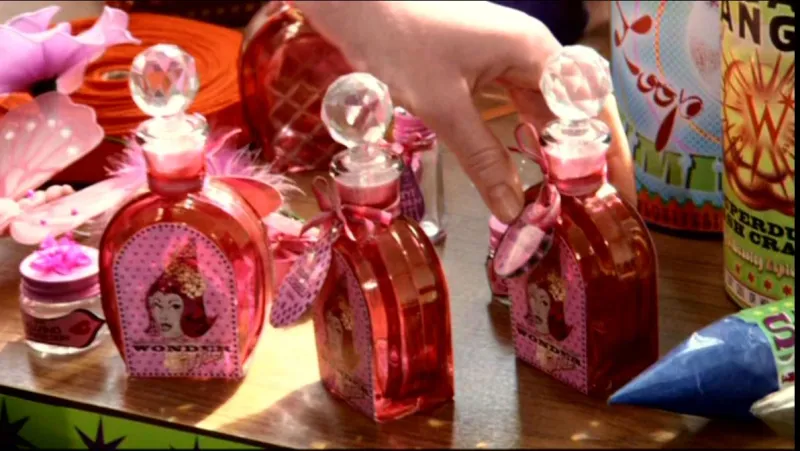
Fred and George sold love potions at Weasleys’ Wizard Wheezes, and it seemed like harmless fun. Adults recognize that a potion forcing someone to fall in love removes their ability to consent entirely.
That is not a prank product. That is something much darker.
The series even confirms this by revealing that Voldemort was conceived because his father was under a love potion. The fact that this detail exists in a children’s series and mostly went unquestioned is genuinely startling on a reread.
10. Hogwarts Had Shockingly Dangerous Safety Standards
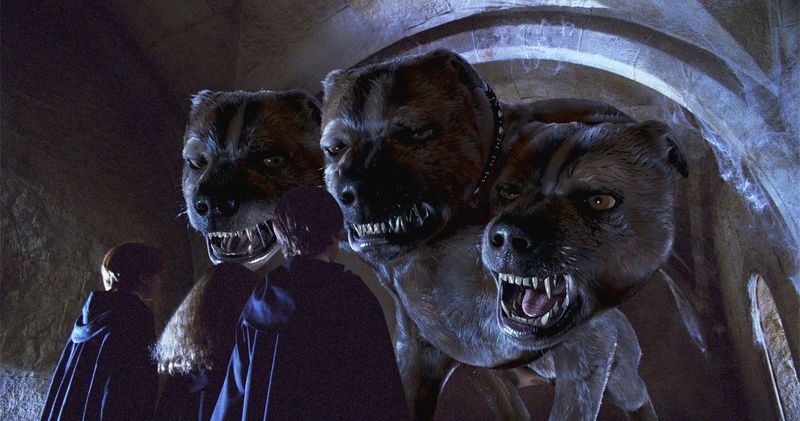
A troll in the dungeon on Halloween. A cursed Defense Against the Dark Arts position that has never been held safely for more than a year.
A deadly maze used as a school tournament event. Adult readers cannot help but notice that Hogwarts would fail every safety inspection imaginable.
Beyond the events themselves, the hiring record is alarming. Quirrell was possessed by Voldemort.
Lockhart was a fraud. Umbridge was a government-sanctioned torturer.
How did no one run proper background checks?
11. Fred and George Never Noticed Scabbers on the Map
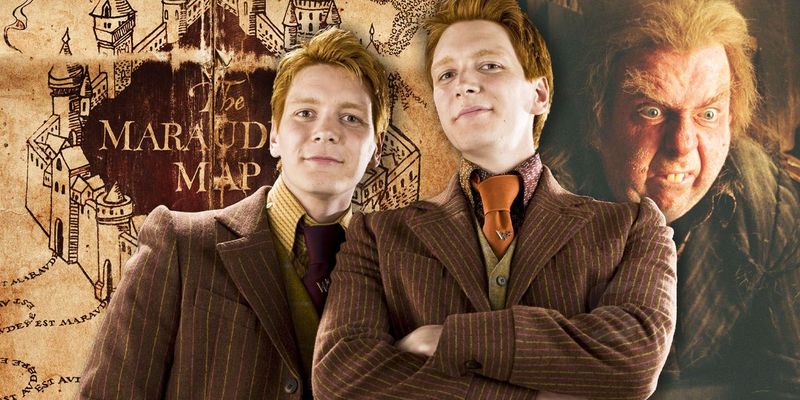
Here is a detail that adults catch and cannot unsee. Fred and George had the Marauder’s Map for years before passing it to Harry.
That map shows every person in Hogwarts by name, including Peter Pettigrew, who had been sleeping in Ron’s bed as Scabbers the whole time.
Either they never looked closely, or Rowling needed that plot hole to exist. Whichever way you slice it, it is the kind of ironic oversight that only registers once you are old enough to think critically about story logic.
12. The Fat-Shaming of Dudley Dursley Was Unnecessary
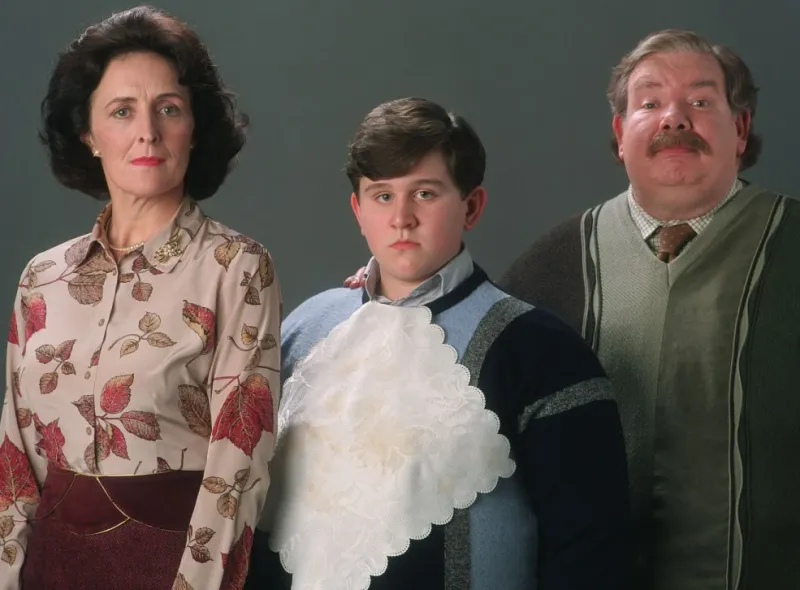
Dudley Dursley was awful, no argument there. But the books repeatedly described his weight in mocking, exaggerated terms, comparing him to pigs and killer whales.
As a kid, it seemed like just another way to show he was unlikable.
Adults, particularly those who have struggled with body image or watched kids be bullied for their size, see it differently. Using someone’s body as the punchline teaches young readers something harmful, even when the character doing it is technically the villain.
13. James Potter Was Kind of a Bully
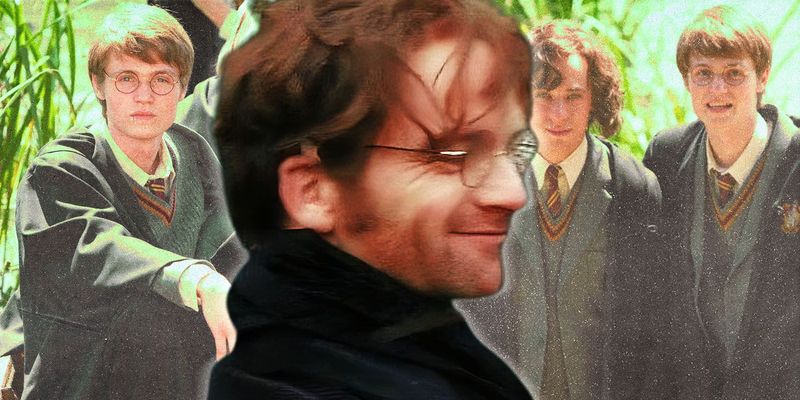
Harry spent years imagining his father as a flawless hero. Then came Snape’s Worst Memory, and everything shifted.
James Potter publicly humiliated Snape for sport, egged on by his friends, and seemed to enjoy the power he had over someone he simply disliked.
For adult readers, this is genuinely complicated territory. It does not erase James’s later bravery, but it does humanize Snape’s hatred and challenge the idea that our parents are the idealized versions we build in our heads.
14. The Weasley Family’s Poverty Was No Joke
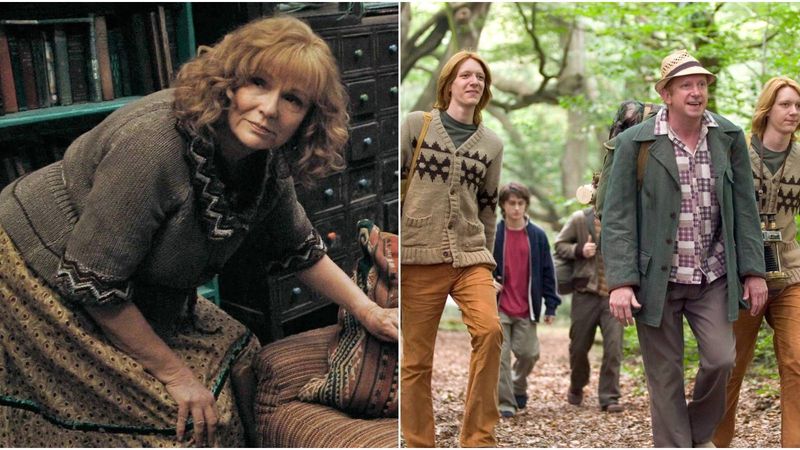
As a kid, the Burrow seemed magical and cozy. As an adult with bills and responsibilities, the Weasley family’s financial situation reads as genuinely stressful.
Seven kids, one income, and constant reminders that they cannot afford what others take for granted.
Ron’s embarrassment about his robes, his secondhand supplies, and his broken wand all carry more emotional weight now. The Weasleys were not charmingly poor.
They were a working-class family doing their best under real economic pressure.
15. Snape’s Obsession With Lily Was Not Romantic
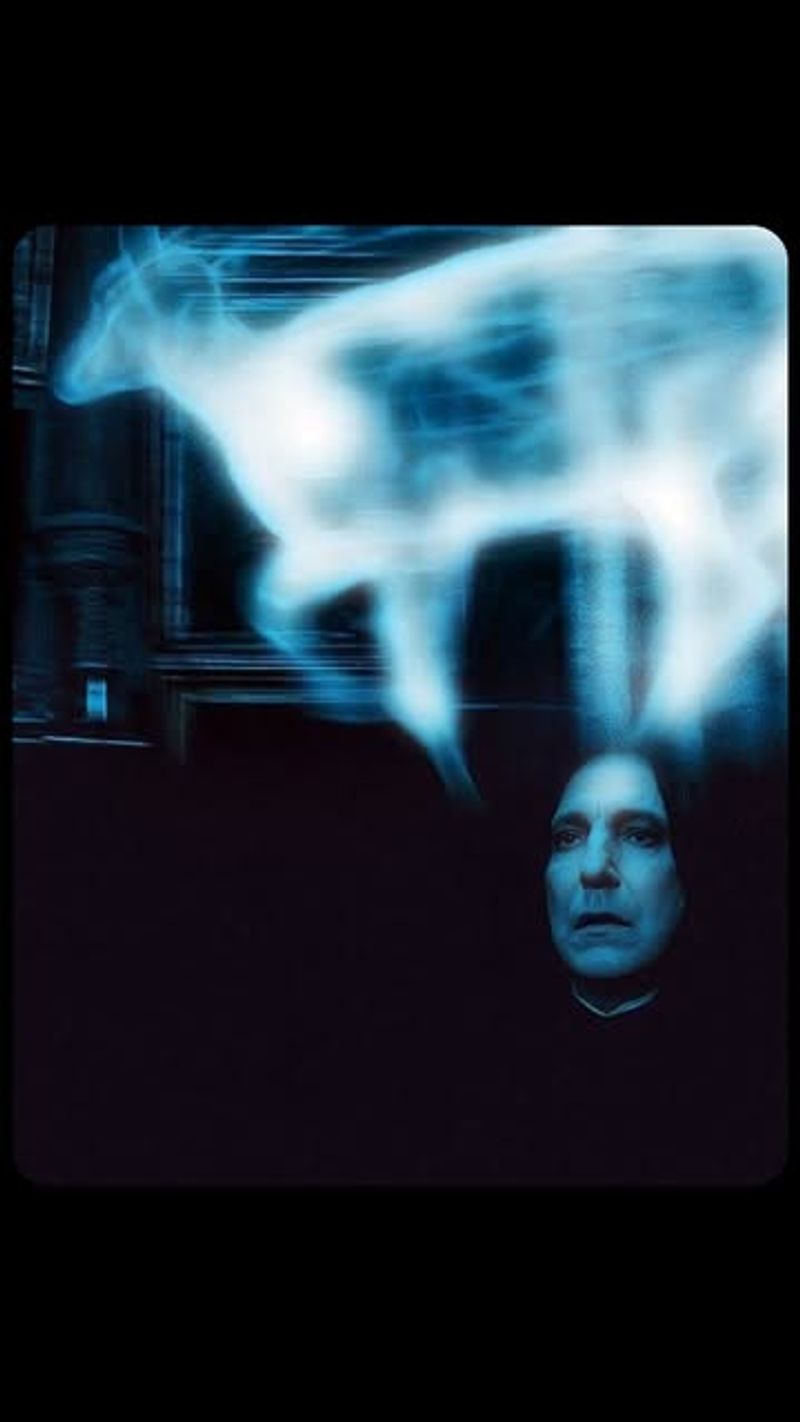
“Always” became one of the most beloved lines in the series. Adults, however, tend to look at Snape’s devotion to Lily with more complicated feelings.
He called her a slur when she defended him, yet spent decades defining his entire identity around her memory.
That is not a love story. That is obsession rooted in possession rather than genuine care.
Snape’s protection of Harry came from his feelings for Lily, not from any real concern for the child himself, which changes everything.
16. Harry Was Essentially a Child Soldier
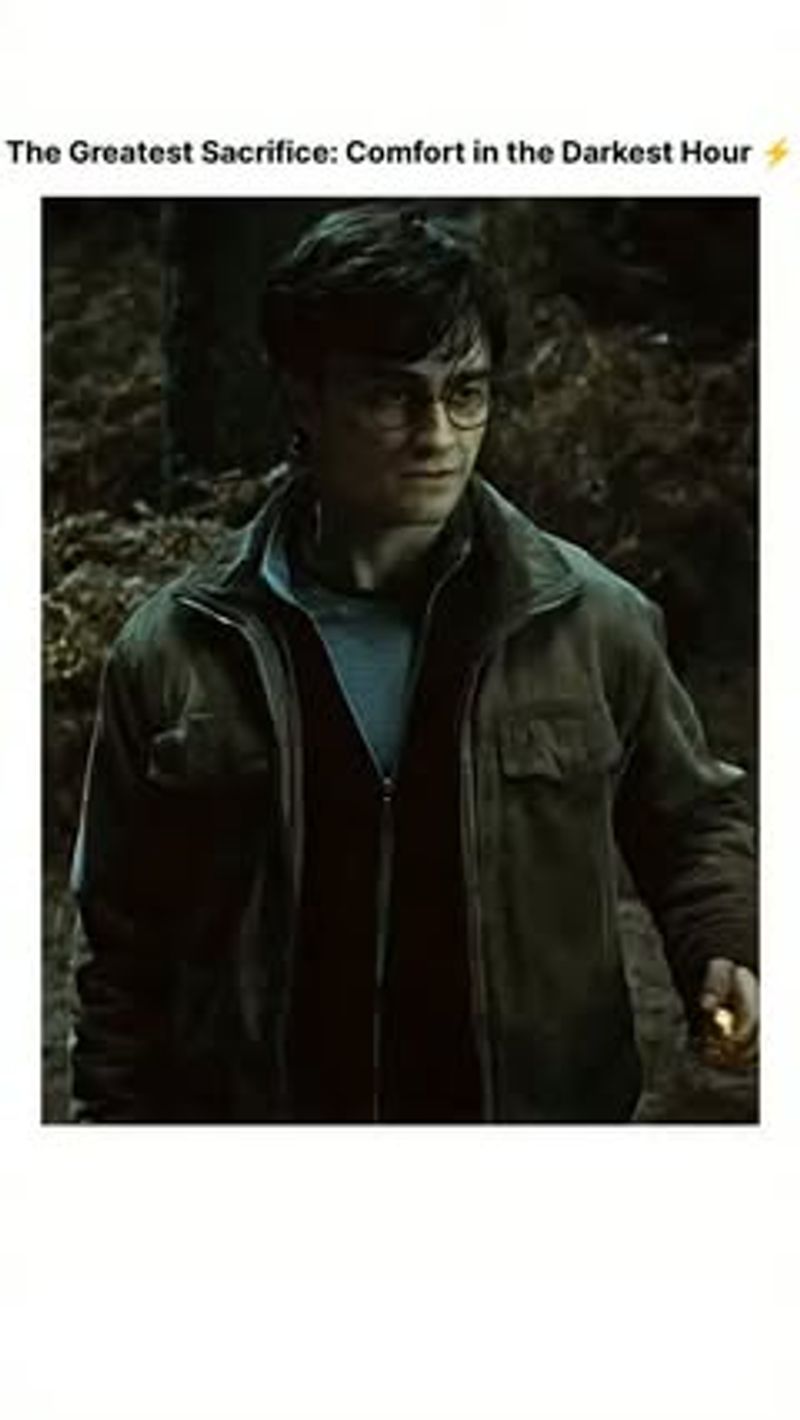
Adults who study history or conflict recognize the pattern immediately. Harry Potter was recruited into a war before he was old enough to fully understand it, trained to fight a dark lord, and ultimately sent to sacrifice himself because a prophecy said so.
He never really had a childhood, a choice, or a chance to be ordinary. Rowling frames this as heroism, and it is, but it is also the story of a system that placed the weight of the entire world on one teenager’s shoulders.