
Every music fan knows the excitement of hearing that a favorite artist or band is making a comeback. Whether it’s a long-awaited album or a reunion tour, the anticipation can feel electric.
But sometimes, reality doesn’t match the hype, and fans are left scratching their heads. Here are 18 music comebacks that promised big things but ultimately fell short of expectations.
1. Guns N’ Roses – Chinese Democracy (2008)

Fifteen years in the making and an estimated $13 million spent — and yet, Chinese Democracy still managed to disappoint. By the time the album dropped in 2008, the original lineup had already been gone for years, leaving fans with a product that felt more like an Axl Rose solo project than a true GN’R record.
Former member Tracii Guns described it as “overindulgent, sterile, and not that exciting” — a harsh but telling verdict for one of rock history’s most expensive albums.
2. Limp Bizkit – Gold Cobra (2011)
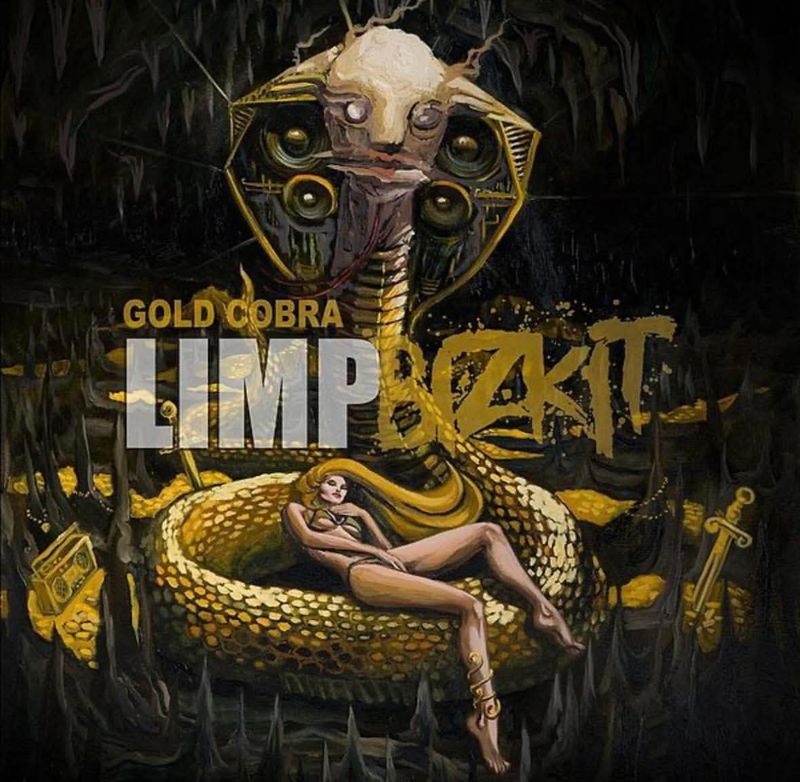
Nu-metal had its moment in the late 1990s, and Limp Bizkit was at the center of it. But by 2011, when Gold Cobra arrived after an eight-year silence, the cultural window had firmly closed.
Critics were quick to point out that the rap-metal formula had aged badly, comparing it to milk left out too long in the sun.
Watching middle-aged men rage about the same themes from 2001 felt more awkward than nostalgic, and fans largely moved on without looking back.
3. The Stooges – The Weirdness (2007)
Few bands defined raw, dangerous rock and roll the way The Stooges did in the early 1970s. So when they reunited and released The Weirdness in 2007 — their first album in over 30 years — expectations were sky-high.
Sadly, the record felt pedestrian and uninspired compared to their legendary early catalog.
Critics called it “lame” and lacking the band’s original spark. Sometimes a reunion tour is enough, and a new album just opens the door to unwanted comparisons.
4. KISS – Sonic Boom (2009)
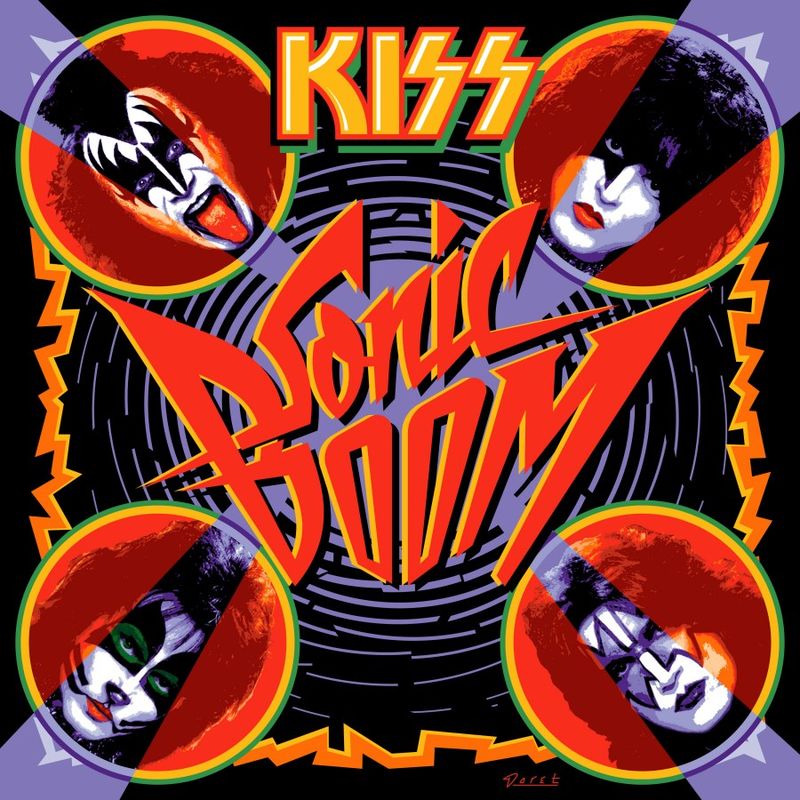
KISS built their legacy on spectacle, and a true comeback should have matched that energy. Instead, Sonic Boom in 2009 landed exclusively on Walmart shelves — an odd choice for a band known for arena-sized drama.
To make things stranger, only two original members appeared on the record, which left longtime fans feeling shortchanged.
A Walmart exclusive release felt more like a clearance sale than a rock resurrection. The band’s iconic status deserved a grander stage than a big-box store endcap.
5. Billy Idol – Devil’s Playground (2005)
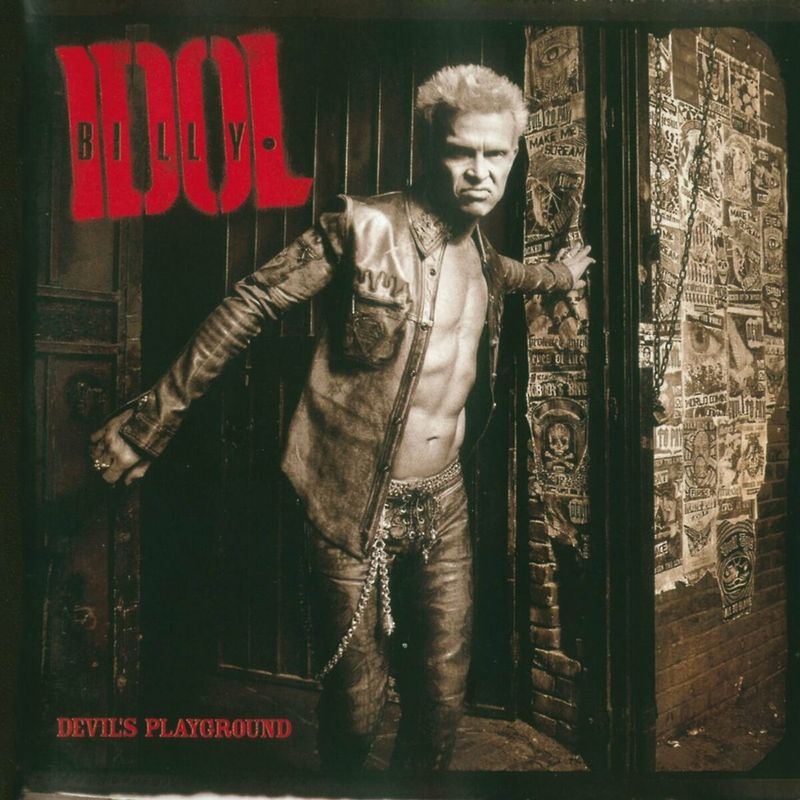
Billy Idol was the poster boy for rebellious 1980s rock, with a sneer and a leather jacket that defined a generation. When Devil’s Playground arrived in 2005, it was his first studio album in over a decade.
Critics weren’t kind, with many suggesting his sound belonged firmly in the decade that made him famous.
Trying to sound current while leaning on an older identity is a tricky balance. For Idol, the comeback felt more like a reminder of past glories than a fresh musical statement.
6. Led Zeppelin – Knebworth 1979 and Live Aid 1985
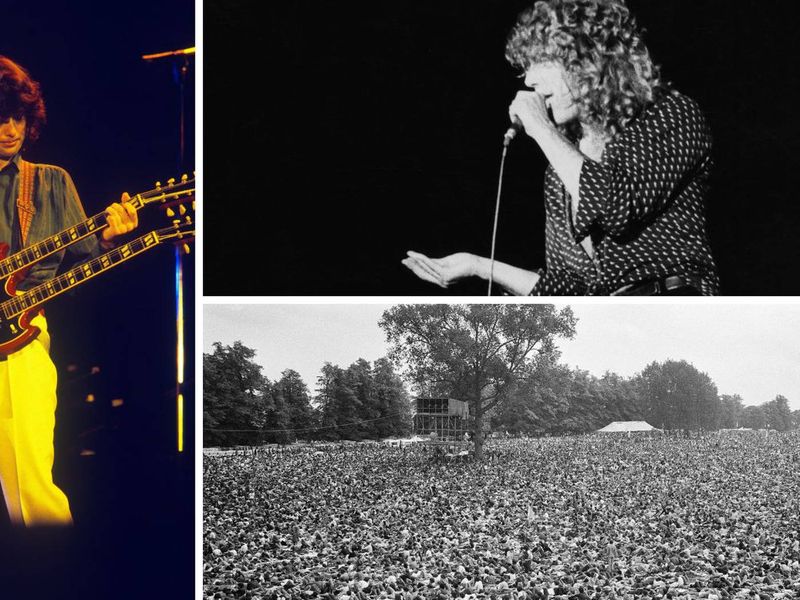
Led Zeppelin’s 1979 Knebworth Festival performances were supposed to remind the world why they were the greatest rock band alive. Backstage tensions and an off-night delivery left the crowd wanting more in the wrong way.
Then came Live Aid in 1985, where technical difficulties and a lack of synchronization among members turned a historic moment into an awkward stumble.
Even legends have bad days, but on stages that big, bad days become part of the permanent record. These two appearances reminded fans that some magic is hard to recapture.
7. Vanilla Ice – Hard to Swallow (Late 1990s)
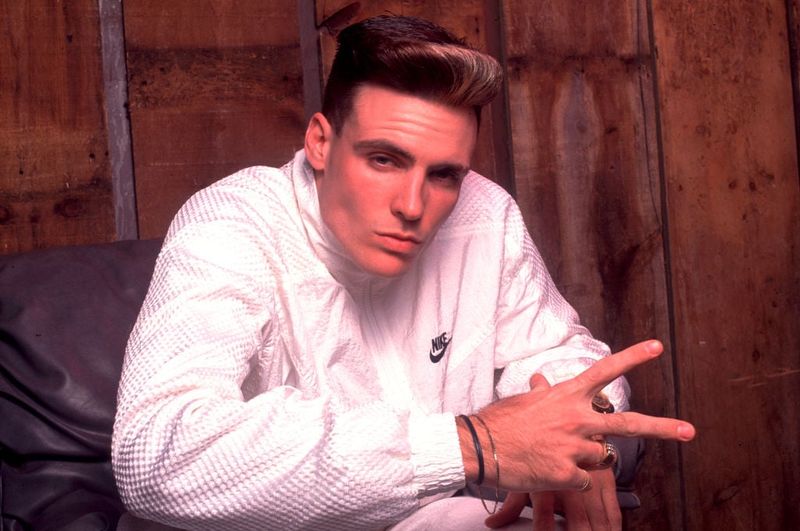
“Ice Ice Baby” made Vanilla Ice one of the biggest pop-rap names of the early 1990s. So when he returned with Hard to Swallow, fans expected more of the same catchy, fun energy.
Instead, they got a jarring shift into nu-metal and industrial music that left audiences genuinely bewildered.
Reinventing yourself is brave, but the change felt so drastic that it alienated the very fans who had carried him to fame. Sometimes the audience you built isn’t ready to follow you into new territory.
8. Pixies – Indie Cindy (2014)

When the Pixies reunited, fans were overjoyed — but the celebration had a giant asterisk. Founding bassist Kim Deal was gone, and her absence turned out to be more than just a personnel change.
Indie Cindy felt hollow to many listeners, with critics calling it little more than a Black Francis solo project wearing the Pixies name.
Band chemistry isn’t just about talent — it’s about specific people making specific magic together. Without Deal’s distinct bass lines and harmonies, something essential was clearly missing from the mix.
9. Van Halen – Van Halen III (1998)
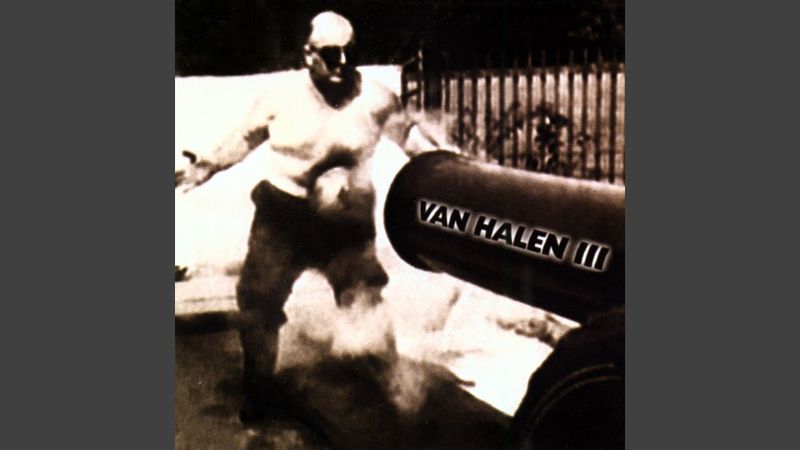
Van Halen had already survived one dramatic lineup change when David Lee Roth left and Sammy Hagar stepped in. But bringing in Gary Cherone for Van Halen III in 1998 was a gamble that didn’t pay off.
Critics and fans called it a “catastrophic misread” of what the audience actually wanted from the band.
Eddie Van Halen’s tight creative control led to convoluted song structures that felt more like experiments than anthems. The album is now widely considered one of rock’s most notorious misfires.
10. Pink Floyd – A Momentary Lapse of Reason (1987)
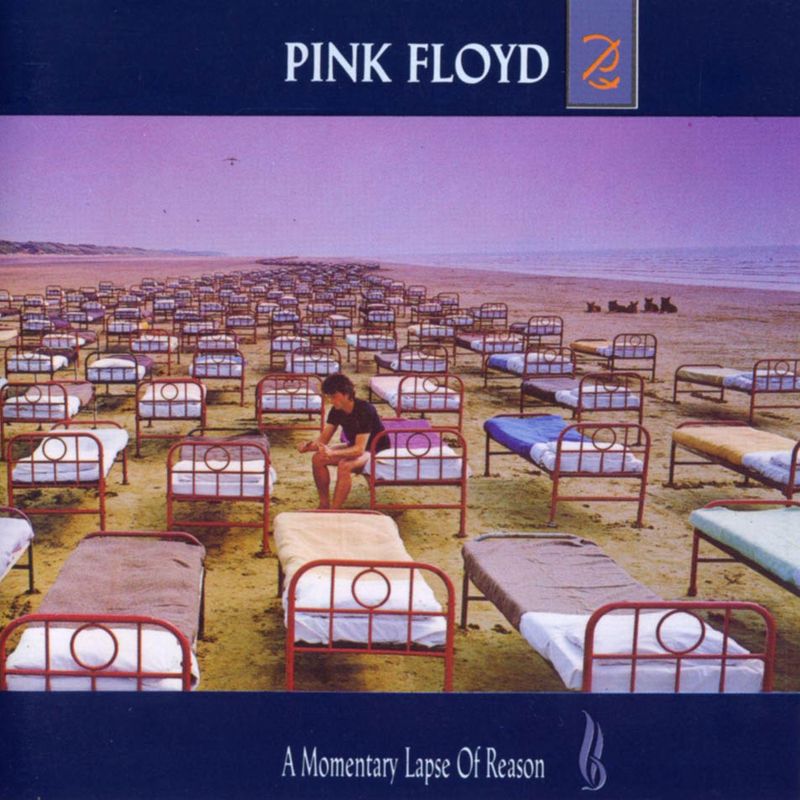
Roger Waters didn’t just leave Pink Floyd — he declared the band dead. David Gilmour proved him wrong by releasing A Momentary Lapse of Reason in 1987, but the album divided fans sharply.
Many felt it lacked the emotional depth and conceptual ambition that had made Pink Floyd legendary in the first place.
Carrying a legendary name without its key creative architect is a heavy burden. The album sold well but never fully escaped the shadow of the classic catalog it was trying to live up to.
11. Michael Jackson – Invincible (2001)
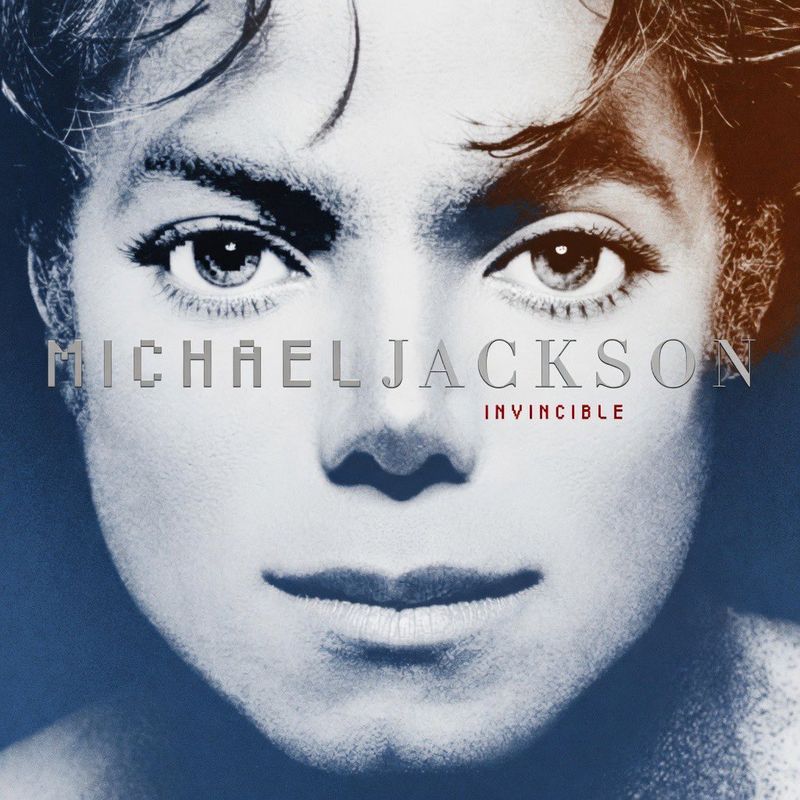
After a six-year gap, the world expected Invincible to remind everyone why Michael Jackson was the King of Pop. The album had strong moments, but it failed to produce the blockbuster hits fans were banking on.
Jackson then blamed Sony Music publicly, which pulled attention away from the music itself and into a messy corporate dispute.
Publicity stunts and label drama overshadowed whatever the album had to offer. When the story around a record becomes bigger than the music, the comeback has already stumbled.
12. Metallica – St. Anger (2003)
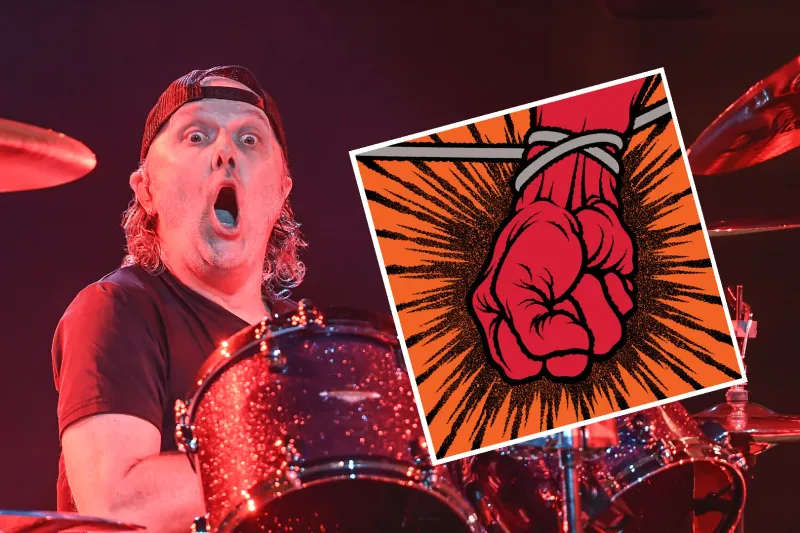
After years of legal battles, band therapy sessions, and lineup changes, Metallica fans desperately wanted a triumphant return. What they got with St. Anger in 2003 was a raw, unpolished record that featured a snare drum sound widely mocked as resembling a trash can lid.
The songwriting felt unfocused and the production choices baffled even loyal supporters.
Showing vulnerability and growth is admirable, but fans wanted riffs — not therapy sessions captured on tape. The album remains one of the most divisive in the band’s entire career.
13. Faith No More – Sol Invictus (2015)
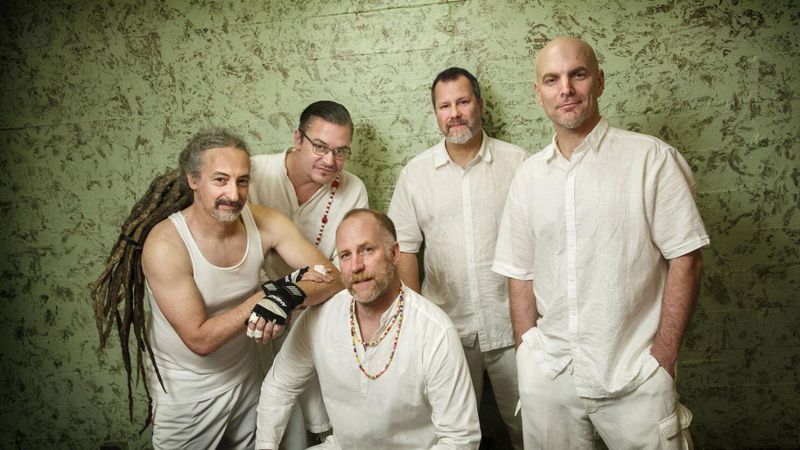
Faith No More built their reputation on unpredictability, genre-bending, and controlled chaos. So when Sol Invictus arrived in 2015 after an 18-year gap, expectations were for something bold and boundary-pushing.
Reviewers instead described the album as “confused and frustrated,” with clunky arrangements that never quite locked into place.
A band that thrives on tension and surprise somehow managed to produce something that felt uncertain rather than daring. Fans who had waited nearly two decades deserved a sharper, more focused statement than this.
14. MC Hammer – Full Blast (Mid-2000s)
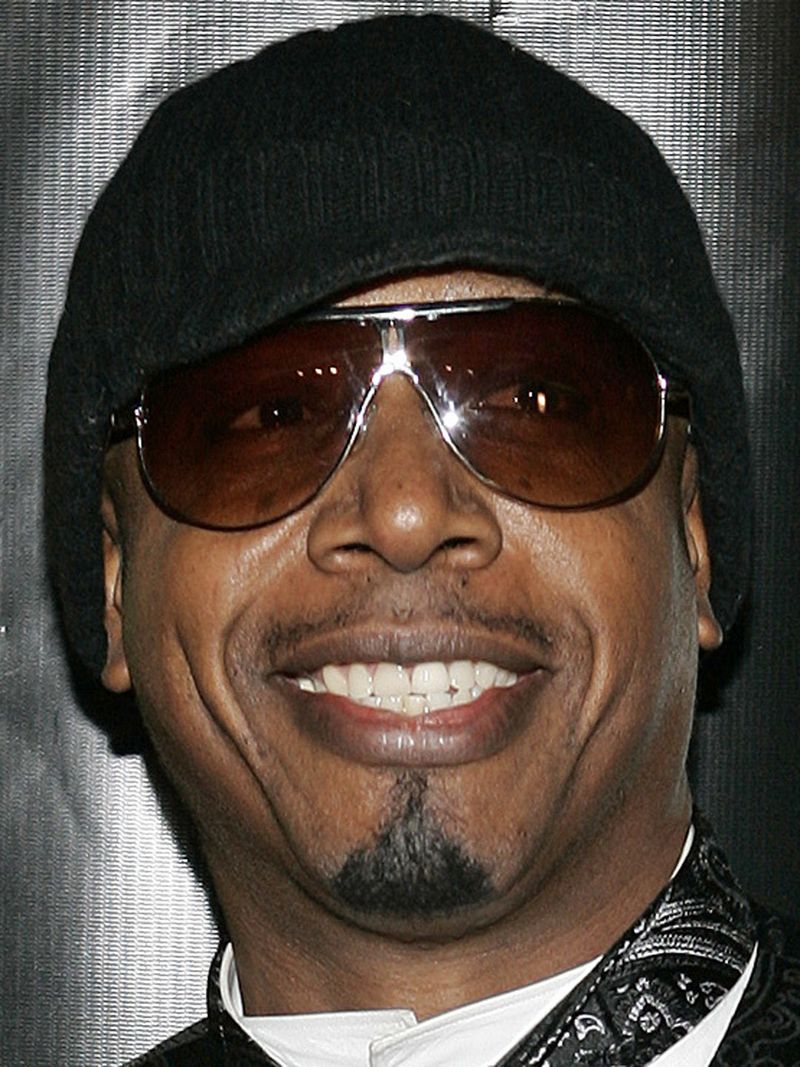
MC Hammer ruled the early 1990s with parachute pants and infectious hooks that filled dance floors everywhere. By the mid-2000s, the music landscape had shifted dramatically, and Full Blast couldn’t find its footing in a hip-hop world that had moved far beyond his signature style.
The album barely registered on the charts or in public conversation.
Staying relevant in an industry that moves at lightning speed is one of music’s hardest challenges. For Hammer, the comeback served as a reminder that timing in pop music is everything.
15. Jonas Brothers – Pom Poms Single (2013)
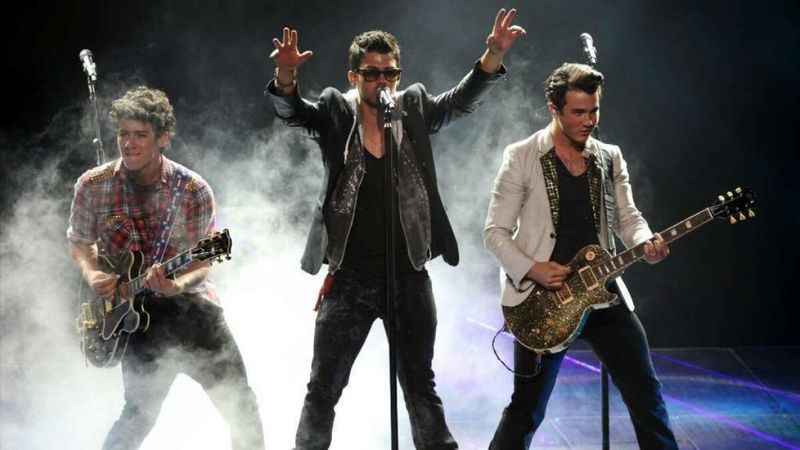
The Jonas Brothers had a devoted fanbase ready to welcome them back with open arms in 2013. But “Pom Poms,” the lead single meant to announce their return, landed with a thud.
Critics found the lyrics juvenile and nonsensical, and the song failed to generate the kind of buzz a comeback single desperately needs.
Creative tensions within the group ultimately led to a split before the planned album ever saw daylight. Sometimes a weak first impression signals deeper problems that no amount of promotion can fix.
16. Gwen Stefani – This Is What the Truth Feels Like (2016)
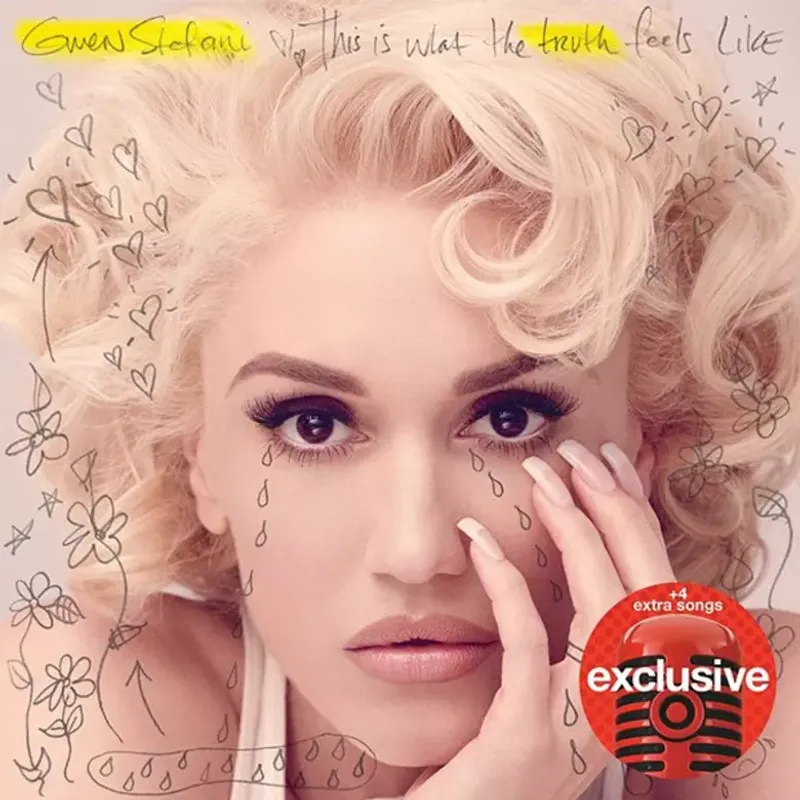
Gwen Stefani’s solo debut, Love. Angel.
Music. Baby., was a genuine cultural moment that made her a household name beyond No Doubt.
A decade later, This Is What the Truth Feels Like arrived amid personal headlines and high expectations. The album received mixed reviews and failed to produce a single that truly broke through to mainstream radio.
Personal emotion poured into a record doesn’t always translate into commercial success. For Stefani, the album marked a noticeable dip in the solo momentum she had built so carefully in the mid-2000s.
17. Justin Timberlake – Man of the Woods (2018) and Everything I Thought It Was (2024)
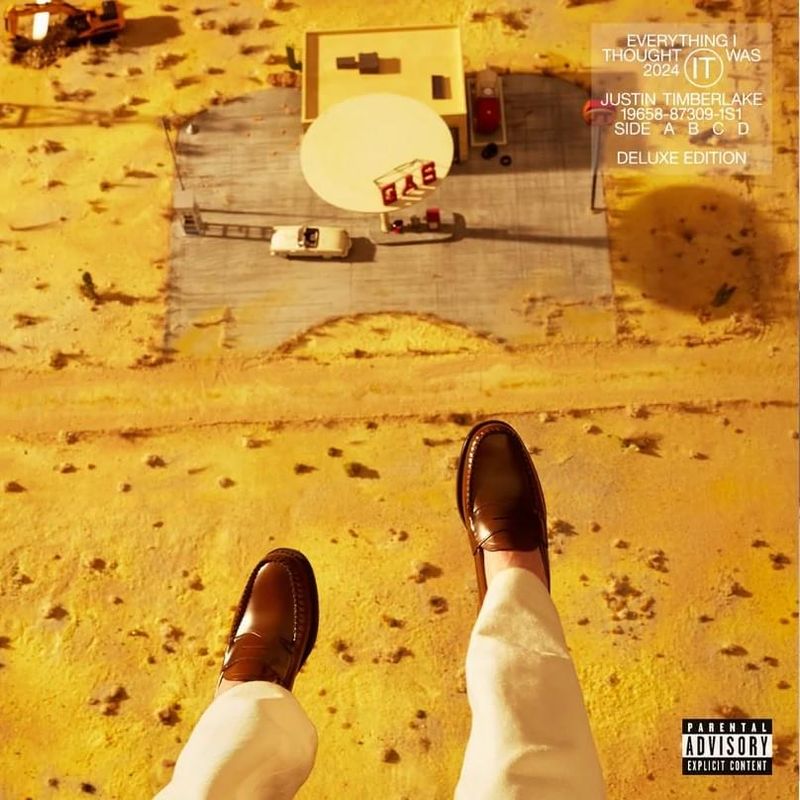
Justin Timberlake’s pivot to a woodsy, country-folk sound on Man of the Woods in 2018 caught fans completely off guard — and not in a good way. The tonal shift felt forced, and critics called it an “awkward pivot” that didn’t suit his strengths.
His 2024 follow-up, Everything I Thought It Was, fared even worse, posting his worst-ever debut sales figures.
Two consecutive commercial stumbles from one of pop’s most reliable hitmakers was genuinely surprising. Even the most talented artists can lose the thread when they stray too far from what made them great.
18. Katy Perry – 143 and Woman’s World (2024)
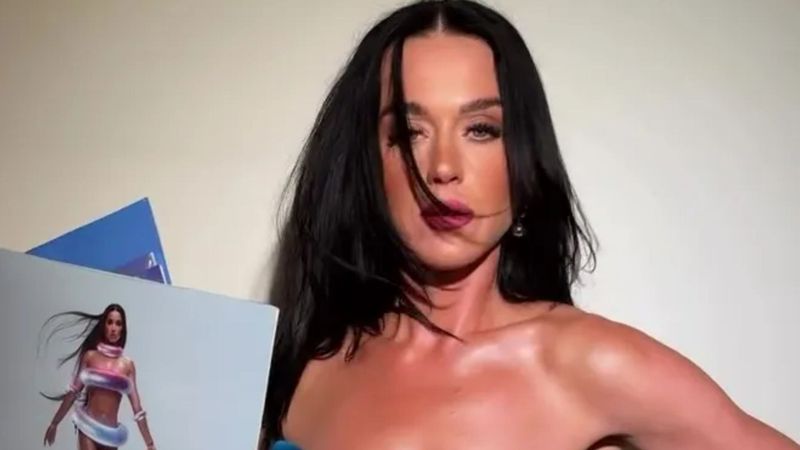
Katy Perry once dominated pop radio with back-to-back smashes that made her nearly unstoppable. Her 2024 comeback with the single “Woman’s World” and the album 143 was supposed to reignite that fire.
Instead, the single drew criticism for its “dated sound” and shallow feminist messaging, while the album scored a brutal 31 on Metacritic.
First-week sales collapsed well below expectations, making it one of the most talked-about commercial disappointments of the year. A comeback needs more than a catchy concept — it needs songs that genuinely connect.