
The ’90s gave us some truly unforgettable movies, but not all of them hold up as well as we remember. Looking back with fresh eyes, some beloved classics are filled with jokes, storylines, and attitudes that feel uncomfortable or just plain wrong today.
Society has changed a lot since then, and films that once seemed funny or romantic can now come across as hurtful or problematic. Here are 15 movies from that decade that time has not been kind to.
1. Ace Ventura: Pet Detective (1994)
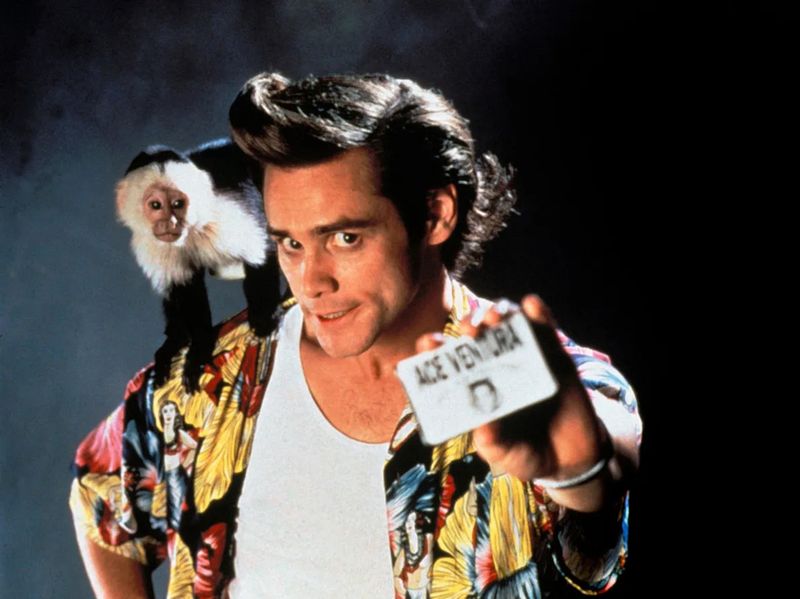
Jim Carrey’s wild, rubber-faced performance made Ace Ventura a massive hit in 1994. But underneath all the slapstick laughs hides a deeply troubling scene involving a transgender character whose identity is revealed as a punchline, triggering widespread disgust from other characters onscreen.
That moment, which audiences once laughed along with, is now widely recognized as transphobic and hurtful. What felt edgy back then just feels mean-spirited today, making it hard to rewatch without cringing.
2. Never Been Kissed (1999)
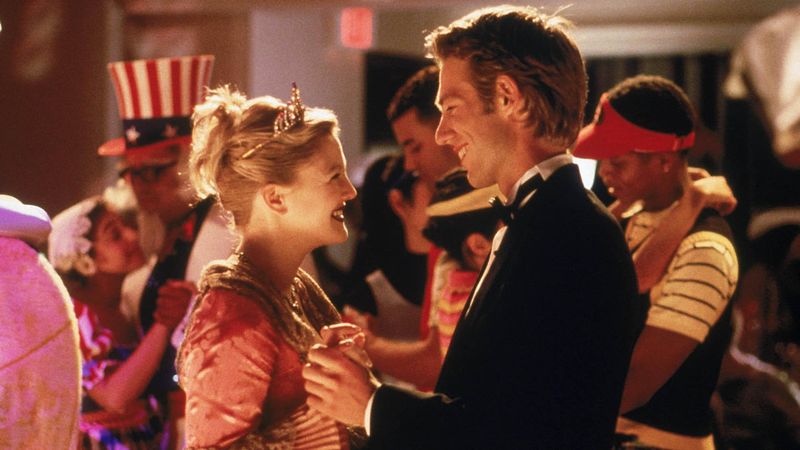
Drew Barrymore was absolutely charming in this late-’90s rom-com, but the central plot has not aged well at all. Her character, a 25-year-old journalist, goes undercover at a high school and falls for her English teacher, who genuinely believes she is a teenage student.
That student-teacher romance is played as sweet and aspirational, which feels wildly inappropriate now. The film essentially romanticizes a relationship built on deception involving someone the teacher thought was a minor.
3. Basic Instinct (1992)
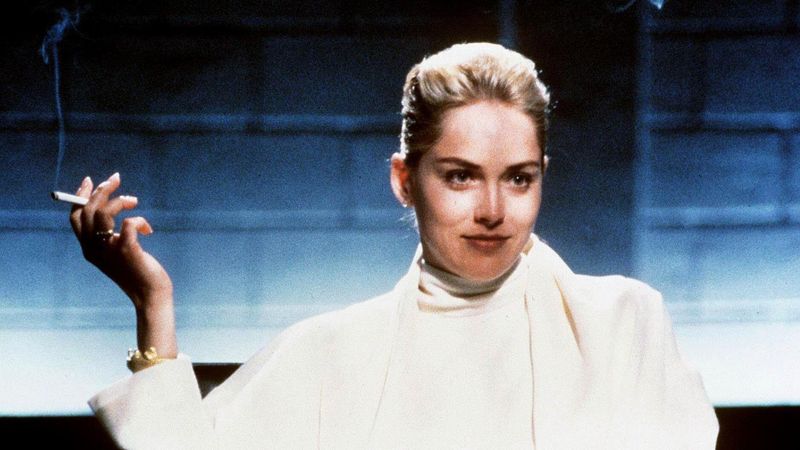
Basic Instinct was a box office smash that made Sharon Stone a household name, but LGBTQ+ activists were protesting it before it even hit theaters. The film repeatedly links bisexuality with manipulation, murder, and psychological instability, essentially treating sexual orientation as a sinister character trait.
Critics called it misogynistic and irresponsible, and those criticisms only feel more valid with time. Pairing sex and violence in such a loaded way reinforced harmful stereotypes that took years to unpack.
4. Dazed and Confused (1993)
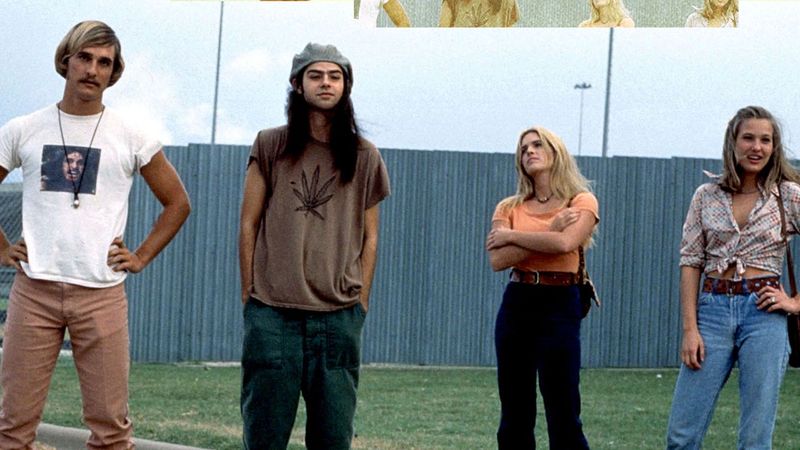
Richard Linklater’s laid-back coming-of-age film has a devoted fan base, and it launched careers for actors like Matthew McConaughey and Ben Affleck. But revisiting it today means sitting through hazing rituals, casual drug use, and scenes involving guns that are treated as totally normal teenage fun.
Today’s audiences view those behaviors through a very different lens. What once read as carefree rebellion now looks like a troubling glorification of harmful and potentially illegal behavior among minors.
5. Space Jam (1996)
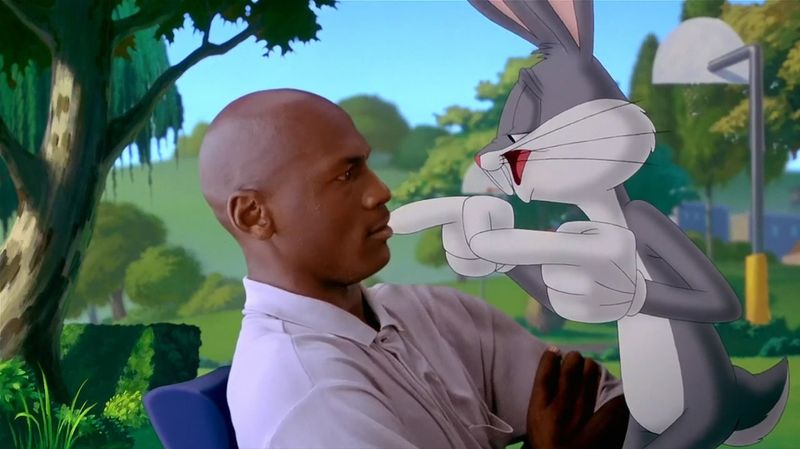
Space Jam was every kid’s dream in 1996, mixing live-action NBA legend Michael Jordan with beloved Looney Tunes cartoons. Nostalgia keeps it alive in pop culture, but honest rewatches reveal some serious flaws.
Jordan’s acting is stiff, the script is thin, and some visual choices feel genuinely uncomfortable by modern standards.
The hand-drawn 2D animation still holds its charm, but the overall product feels more like a feature-length toy commercial than a real movie. Nostalgia does a lot of heavy lifting here.
6. The Crush (1993)
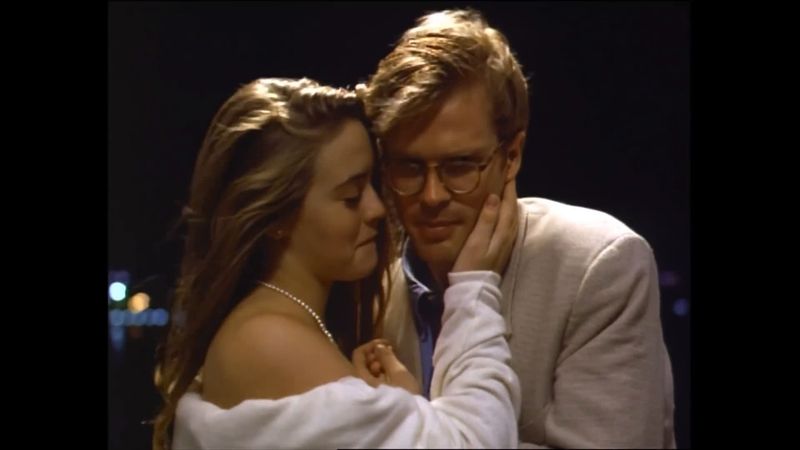
At the center of this psychological thriller is a 28-year-old man who becomes the obsessive target of a 14-year-old girl next door. Even accounting for the fact that Alicia Silverstone was actually 17 at the time of filming, the premise is deeply uncomfortable from start to finish.
Critics today describe it as “creepy in every possible way,” and that assessment is hard to argue with. The film frames the adult male lead as the real victim, which makes the whole thing even more unsettling to revisit.
7. American Pie (1999)
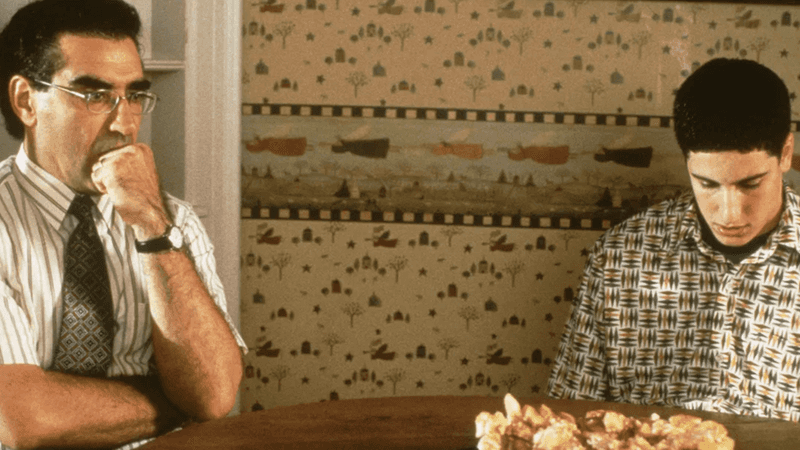
American Pie defined a whole generation of teen comedies with its raunchy, boundary-pushing humor. At the time, audiences roared with laughter, but certain scenes simply would not get a pass today.
The infamous webcam incident, where a girl is secretly broadcast online without her knowledge or consent, is a standout example.
That scene is essentially played for laughs, but it describes a serious violation of privacy that we now recognize as deeply wrong. What felt shocking and funny in 1999 lands very differently in the age of digital consent awareness.
8. She’s All That (1999)
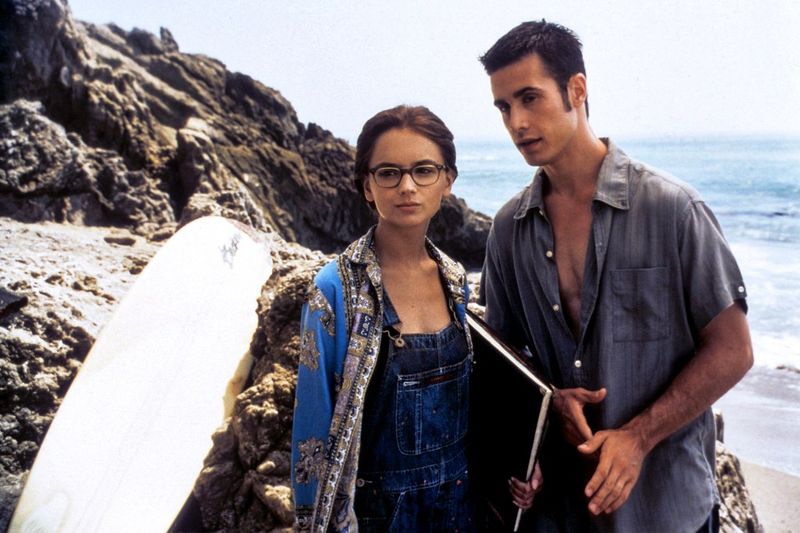
Few ’90s teen movies leaned harder into the makeover trope than She’s All That. The entire premise rests on the idea that an artsy, “uncool” girl only becomes worthy of romantic attention after she ditches her glasses and gets a wardrobe upgrade from the popular crowd.
That message sends a pretty damaging signal to young viewers: that women must change their appearance to earn love and acceptance. Looking back, the film treats its female lead more like a project than a person, which stings.
9. Mrs. Doubtfire (1993)
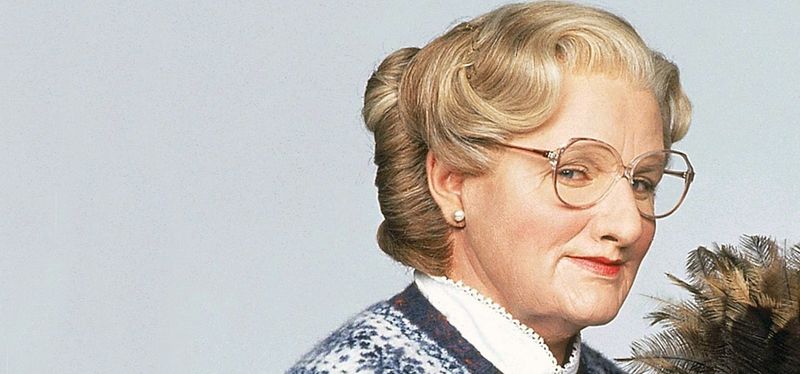
Robin Williams was a comedic genius, and his performance in Mrs. Doubtfire is undeniably entertaining. However, much of the film’s humor is built on treating a man dressed as a woman as inherently ridiculous and laughable, which many viewers today recognize as rooted in misogyny and transphobia.
The jokes rely on the audience finding the idea of femininity on a male body funny in itself. That kind of humor feels outdated and unkind now, even when it comes wrapped in Williams’ undeniable warmth and charm.
10. Star Wars: Episode I – The Phantom Menace (1999)
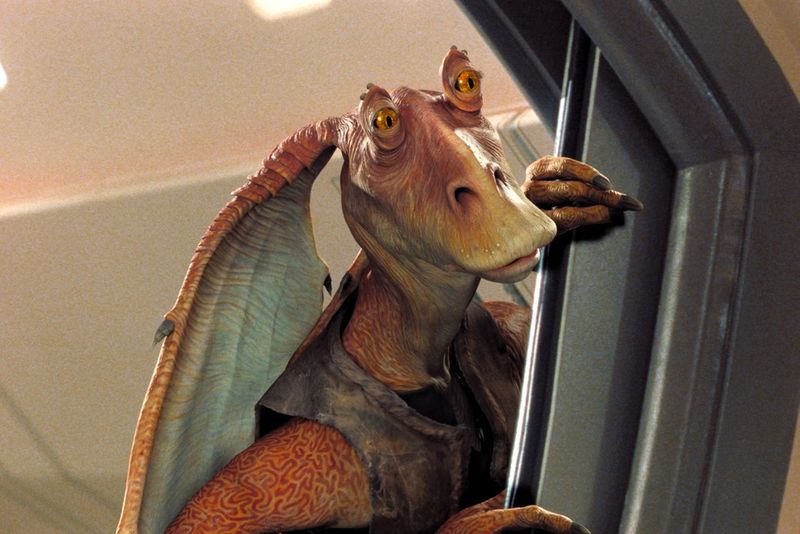
When The Phantom Menace hit theaters in 1999, the hype was absolutely enormous. But the backlash that followed was just as massive.
Jar-Jar Binks quickly became one of cinema’s most disliked characters, and the CGI effects that once felt groundbreaking now look noticeably clunky and artificial.
Beyond the technical issues, the story itself is bogged down by trade disputes and wooden dialogue. The film promised a new era for Star Wars but delivered something that frustrated more fans than it thrilled.
11. Forrest Gump (1994)
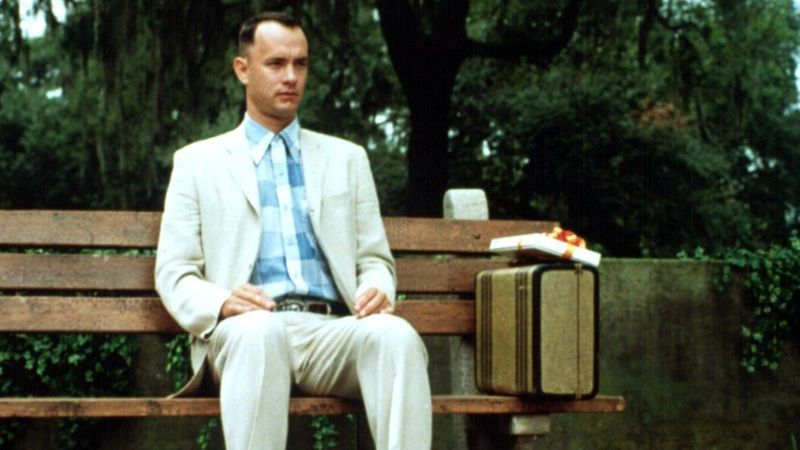
Forrest Gump swept the Oscars and became a cultural phenomenon, but a growing number of critics now view it as an overly sentimental fantasy that rewards passivity and glosses over real historical trauma. The film uses major American events as a quirky backdrop for one man’s charmed life.
Tom Hanks’ portrayal of a cognitively disabled man has also drawn renewed scrutiny, with some arguing it would not be considered an acceptable representation today. The feel-good packaging hides some genuinely troubling ideas about intelligence and success.
12. Chasing Amy (1997)
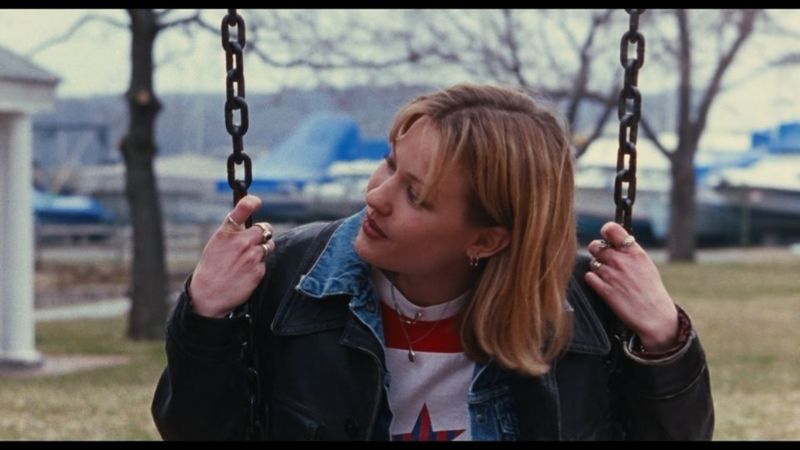
Kevin Smith’s Chasing Amy was celebrated as a smart, honest indie romance when it came out, but its central premise reads very differently now. The film suggests that a lesbian woman might reconsider her sexuality if she simply meets the right man, which many LGBTQ+ viewers find reductive and offensive.
Most of the emotional weight is placed on the male lead’s insecurity about his girlfriend’s romantic history rather than her own experience. The film centers the wrong character entirely, and it shows.
13. Hackers (1995)
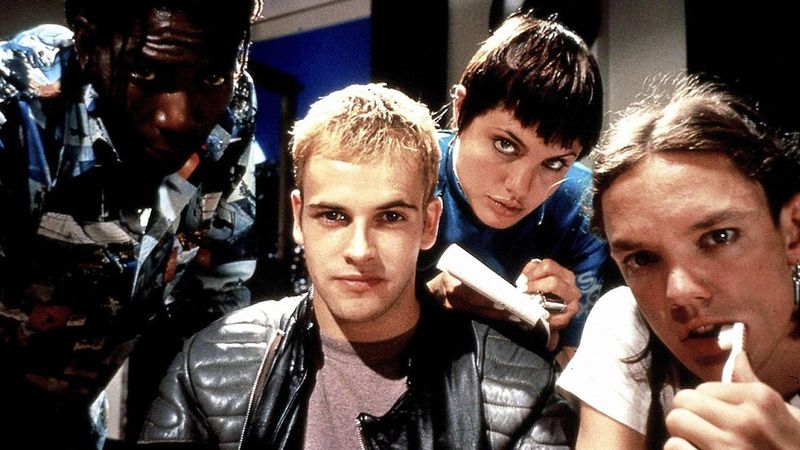
Hackers arrived in 1995 with neon lights, rollerblades, and a vision of cyberspace that looked like a futuristic video game. At the time, it felt cool and cutting-edge.
Today, it is one of the most unintentionally hilarious depictions of computer technology ever committed to film.
The way characters talk about hacking, viruses, and the internet bears almost no resemblance to reality, which makes every scene a bit of a time capsule. It’s a fascinating artifact, but not exactly a credible one.
14. The Sandlot (1993)
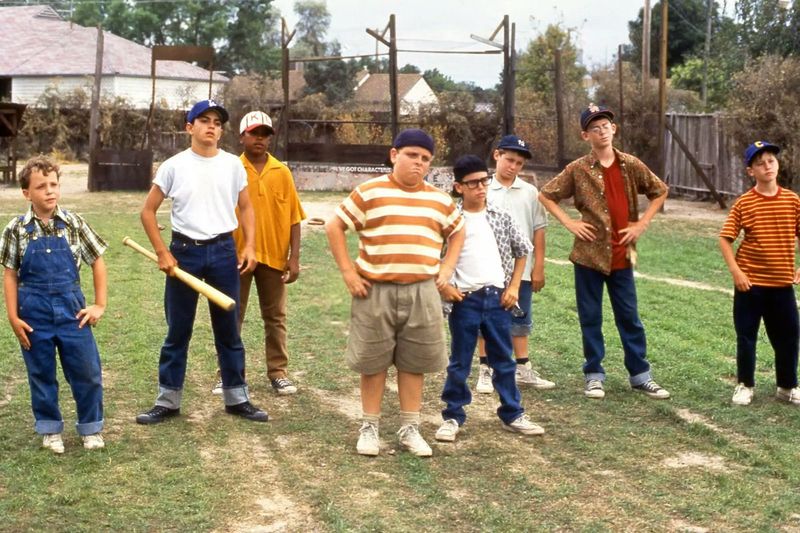
The Sandlot has a warm, golden reputation as the ultimate childhood summer movie, and its charm is real. But beneath the nostalgia lies a film that idealizes a very specific, narrow version of childhood that excludes a lot of kids.
Several scenes also involve questionable attitudes toward girls and consent that don’t hold up well.
There’s a fine line between celebrating nostalgia and being blind to its blind spots. The Sandlot crosses that line just enough to make modern viewers a little uncomfortable between the heartfelt moments.
15. You’ve Got Mail (1998)
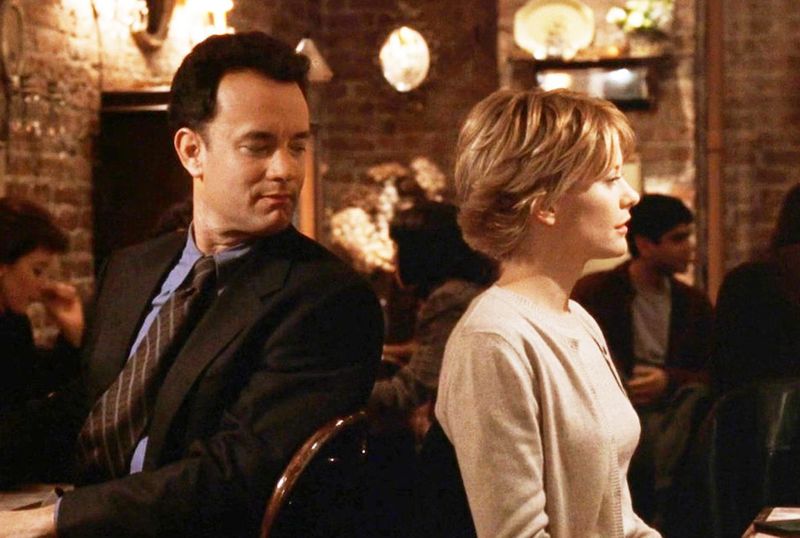
You’ve Got Mail is remembered as one of the sweetest romantic comedies of the ’90s, but look a little closer and the story gets uncomfortable fast. Tom Hanks’ character uses an anonymous online identity to build an emotional connection with Meg Ryan’s character while simultaneously destroying her small bookstore business in real life.
When the truth finally comes out, she forgives him almost immediately. That ending now reads less like romance and more like a textbook example of manipulation and gaslighting dressed up with a charming soundtrack.