
Some of your favorite foods have been around way longer than you might expect. Many dishes we enjoy today were actually invented thousands of years ago by ancient civilizations.
From bread to noodles to cheesecake, the history on your plate is truly surprising. Get ready to look at your next meal in a whole new way.
1. Bread
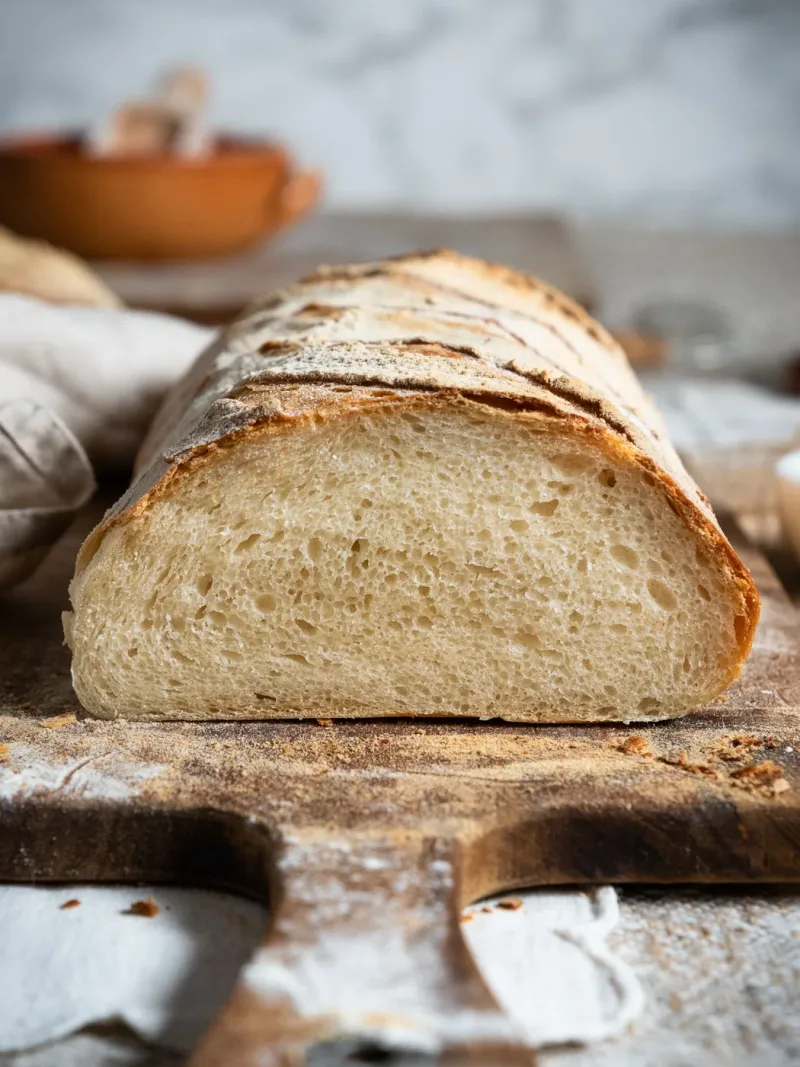
Long before bakeries existed, hunter-gatherers in Jordan were already making flatbread from wild wheat and barley over 14,000 years ago. Charred crumbs found at archaeological sites prove this ancient staple has been feeding humans for millennia.
Leavened bread came later, developed by ancient Egyptians around 3000 BC. Grinding stones discovered in Australia suggest seed processing as far back as 60,000 years ago, hinting that bread-like foods may be even older than we realize.
2. Soup

Soup might be the ultimate comfort food, and humans have been slurping it for a very long time. Scorch marks on ancient pottery found in Xianrendong Cave in China suggest people were making hot soup as far back as 20,000 BC.
By around 6000 BCE, cooks in Mesopotamia and Egypt were simmering grains, vegetables, and meat together in water. That slow-cooked, nourishing bowl of goodness has barely changed in concept since then.
3. Pancakes
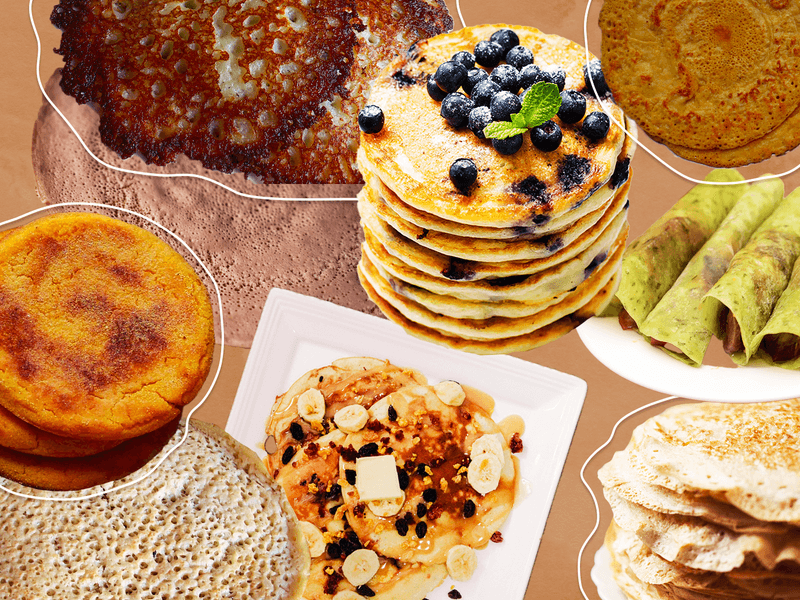
Pancakes have a surprisingly wild origin story. Researchers found remnants of a proto-pancake in Iraq made from soaked and mashed plant seeds cooked on a hot surface, estimated to be about 70,000 years old.
Ötzi the Iceman, who lived 5,300 years ago, had a pancake-like meal in his stomach when his frozen body was discovered. Ancient Greeks and Romans were also fans, describing flat cakes sweetened with honey in writings from around 500 BCE.
4. Noodles
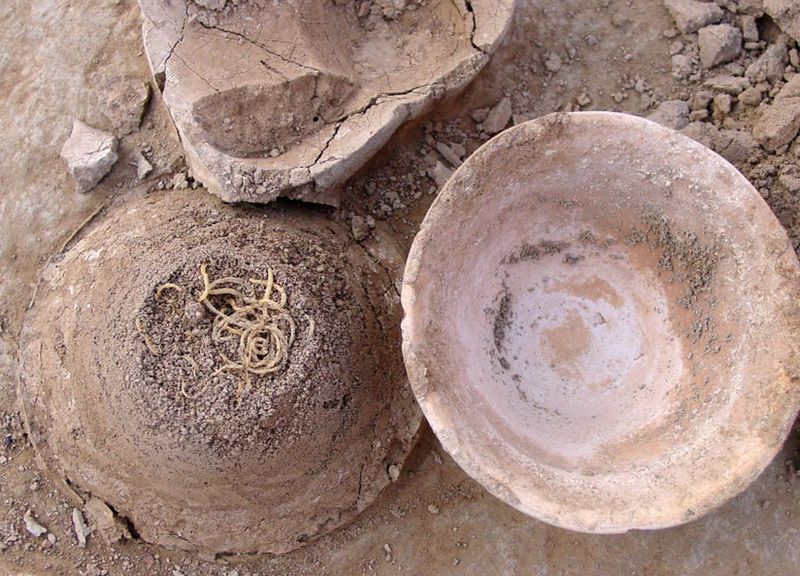
Picture this: a bowl of noodles sitting undisturbed for 4,000 years. That is exactly what archaeologists found at the Lajia site in China, making it the oldest known noodle discovery in the world.
The thin, yellow strands were made from millet, not wheat, and closely resembled modern lamian noodles. This find pushed the history of noodles back further than anyone expected and sparked a lively debate about who truly invented them first.
5. Tamales
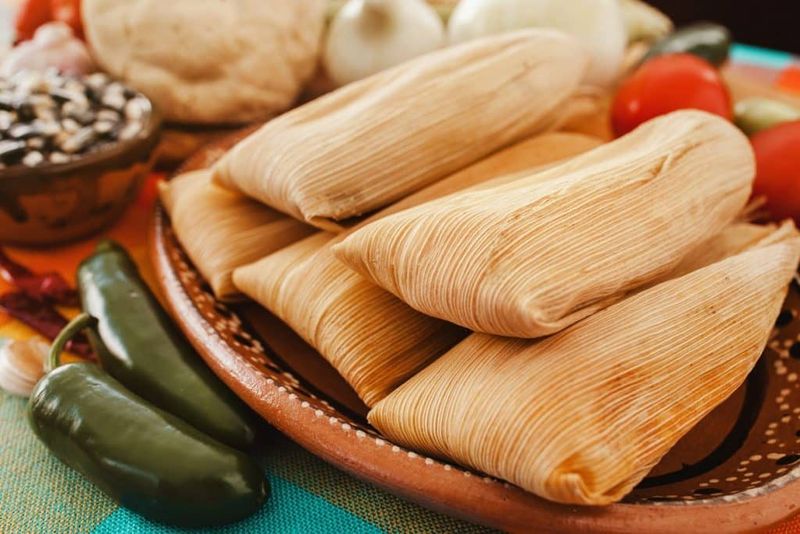
Warriors, hunters, and travelers in ancient Mesoamerica relied on tamales as a portable, high-energy meal as far back as 8000 to 5000 BCE. Civilizations like the Aztecs, Mayans, Olmecs, and Toltecs all had their own versions of this wrapped corn staple.
Pictorial references to tamales appear in Guatemalan murals dating to around 100 AD. That means tamales were already a well-established food with centuries of tradition behind them by the time those murals were painted.
6. Sausage
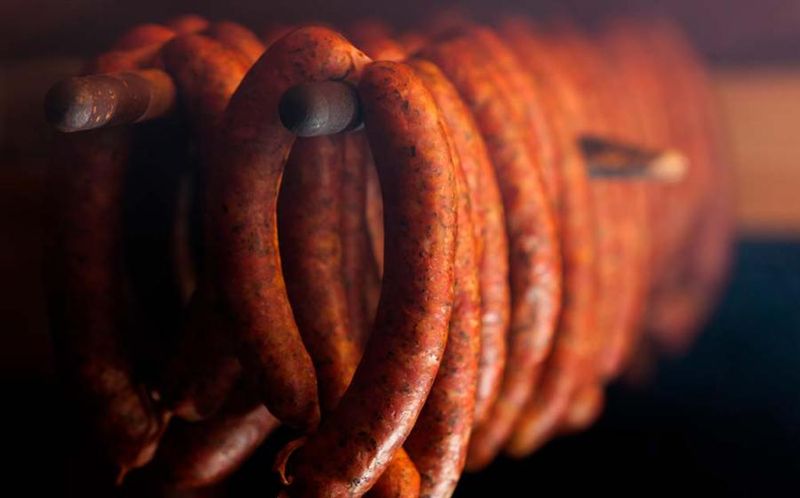
Sausage was invented out of practicality, not gourmet ambition. Sumerian cooks in ancient Mesopotamia around 3000 BCE figured out that stuffing chopped meat into animal intestines was a smart way to preserve food and reduce waste.
Homer even gave sausage a literary shoutout. In the Odyssey, written around 800 BC, blood sausages get a direct mention, proving this humble food had already worked its way into storytelling.
Few foods can claim both culinary and literary fame that early.
7. Cheesecake

Cheesecake fans might be surprised to learn their favorite dessert has roots going back to 2000 BC. Cheese molds excavated on the Greek island of Samos suggest this creamy treat was being enjoyed long before modern bakeries existed.
Greek physician Aegimus even wrote an entire book about cheesecake-making in the 5th century BCE. Athletes at the very first Olympic Games in 776 BC were reportedly served cheesecake as an energy-boosting food.
Talk about a power dessert.
8. Kebab

Grilling meat on a stick might be the most ancient cooking technique of all. The concept behind kebabs traces back to the Paleolithic era, roughly 1.8 million years ago, when early humans first began cooking meat over open flames.
Persian soldiers in the Achaemenid Empire during the 6th century BCE are said to have grilled meat directly on their swords over campfires. Archaeological tools found in Mesopotamia also point to grilled meat preparation as early as the 17th century BCE.
9. Falafel
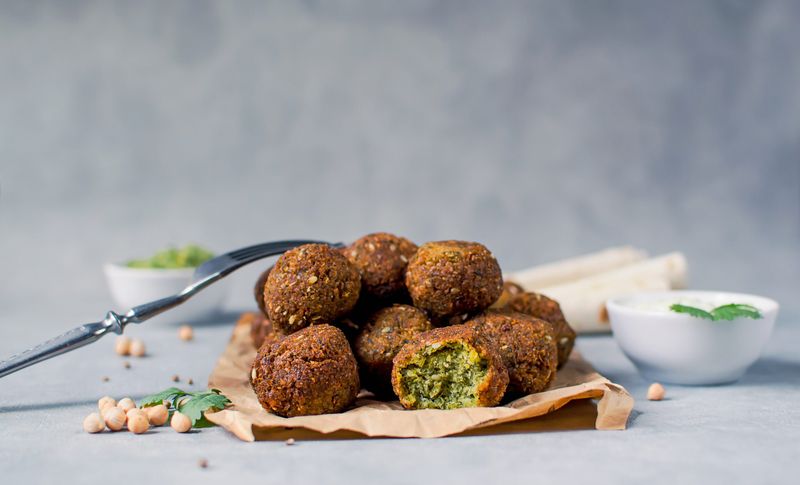
Falafel has a deeper history than most people give it credit for. Most evidence points to Egypt, possibly Alexandria, as its place of origin, where Coptic Christians fried fava beans as a meat substitute during Lent roughly 1,000 years ago.
The swap from fava beans to chickpeas likely happened as the dish traveled across the Middle East over the centuries. What started as a religious dietary workaround became one of the most beloved street foods on the planet.
10. Pilaf
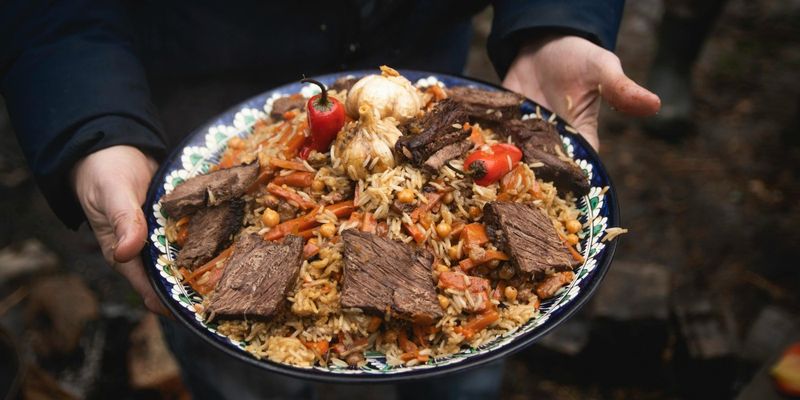
Pilaf has been filling plates for thousands of years across Mesopotamia and Persia. One of its earliest recorded mentions comes from a history of Alexander the Great, describing a feast in Persia around 330 BC where a rice dish resembling pilaf was served.
The dish spread widely through trade routes, evolving into dozens of regional variations along the way. Whether called pilau, pulao, or plov, this aromatic rice preparation carries centuries of cultural exchange in every single grain.
11. Porridge
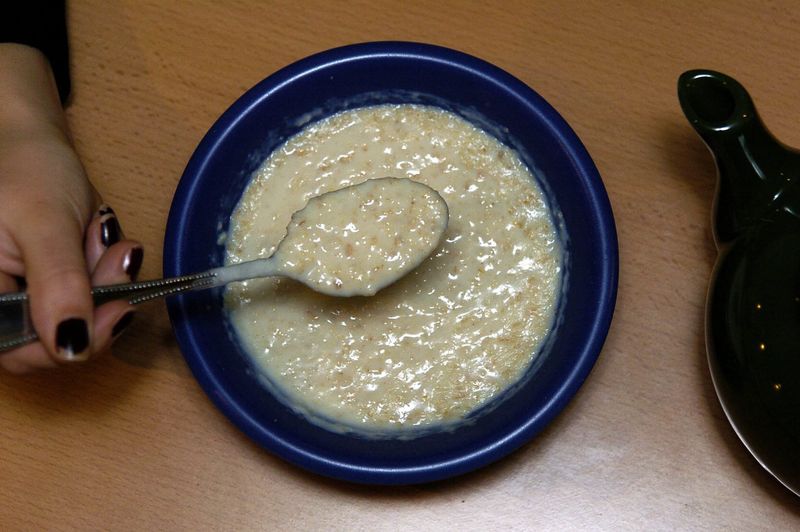
Before anyone had a stovetop, porridge was already the go-to breakfast. Grinding stones dating back 30,000 years show that ancient humans were already processing cereals and grains to mix with water into thick, filling porridges.
Simple and endlessly adaptable, porridge fed countless generations across nearly every culture on Earth. Whether made from oats, millet, barley, or corn, this humble dish has outlasted empires, survived ice ages, and somehow still shows up on modern breakfast menus every single morning.
12. Curry

Curry is not a modern invention. Archaeological evidence from the Indus Valley Civilization, dating back over 4,000 years, shows that people were already combining spices like turmeric, ginger, and garlic with food in what is now India and Pakistan.
These early spice mixtures were the building blocks of what we now call curry. Long before recipes were written down, ancient cooks were already experimenting boldly with flavor combinations that would shape entire culinary traditions across Asia and beyond.
13. Hummus
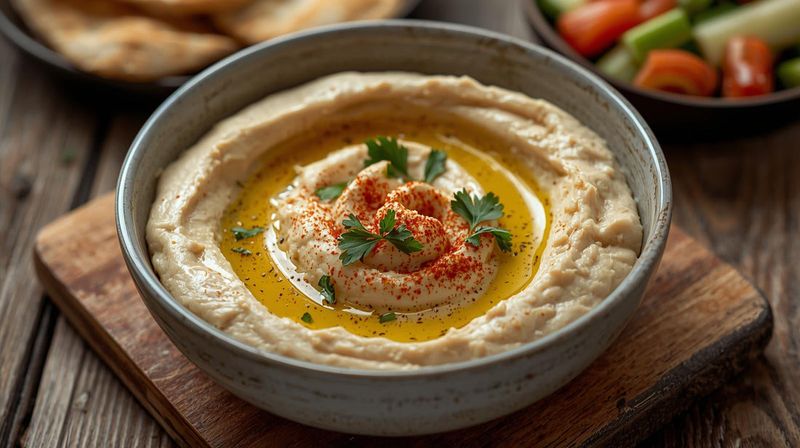
Chickpeas have been cultivated in the Middle East for thousands of years, which means mashed legume dishes similar to hummus likely existed long before anyone wrote a recipe down. The creamy dip we know today is often linked to the Ottoman Empire, but its roots run much deeper.
Tahini, lemon, and garlic were all available in the ancient world, making early versions of hummus entirely plausible. This simple, protein-rich dish has quietly been nourishing people across the region for millennia.
14. Yogurt

Nobody invented yogurt on purpose. Nomadic herders in Central Asia over 5,000 years ago accidentally discovered it when milk stored in animal-skin pouches fermented naturally due to heat and wild bacteria.
The result was tangy, thick, and surprisingly delicious.
Once people realized fermented milk lasted longer and tasted great, it spread rapidly across cultures. Today yogurt is eaten in dozens of forms worldwide, but every cup traces back to that happy accident on the ancient steppe.
15. Lentil Dishes
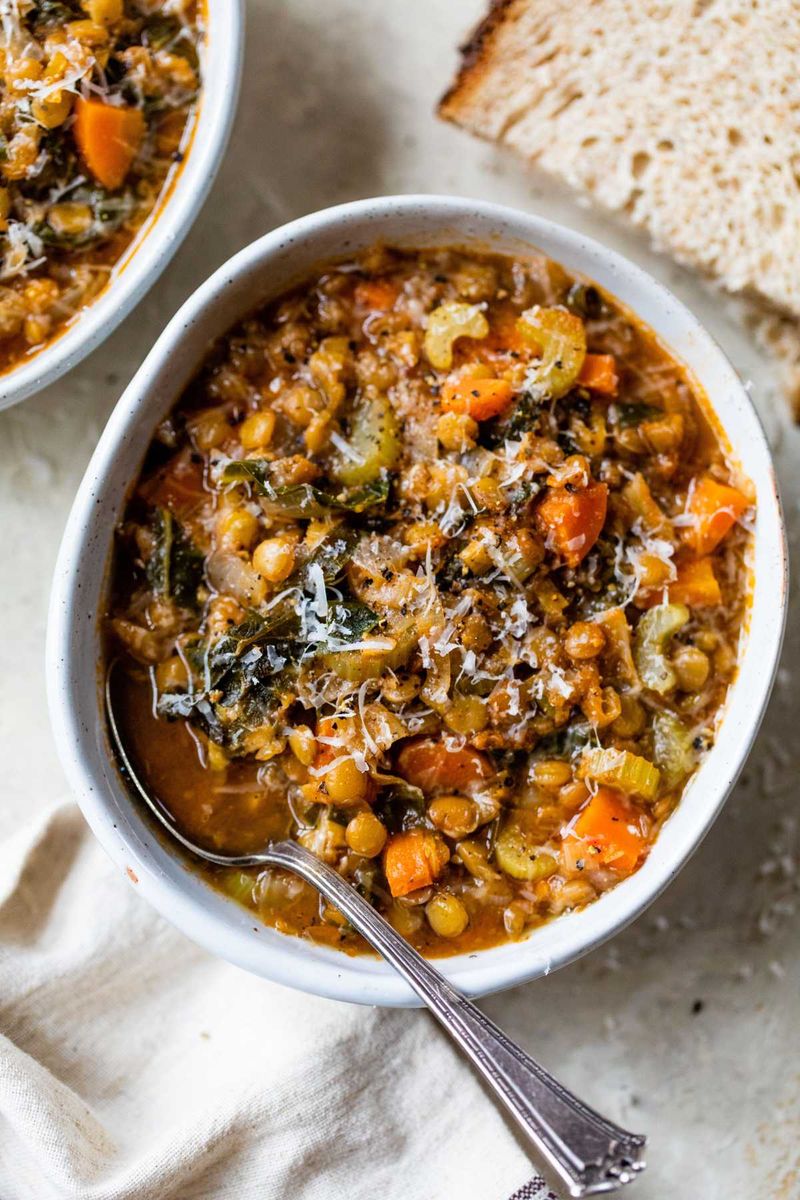
Lentils rank among the oldest cultivated crops on Earth. Archaeological findings from the Fertile Crescent show that people were eating lentils between 9,500 and 13,000 years ago, making lentil stew one of the earliest cooked meals in human history.
Packed with protein and easy to grow, lentils became a cornerstone of ancient diets from the Middle East to South Asia. The humble lentil dish has fed civilizations across thousands of years without ever really going out of style.
16. Dumplings
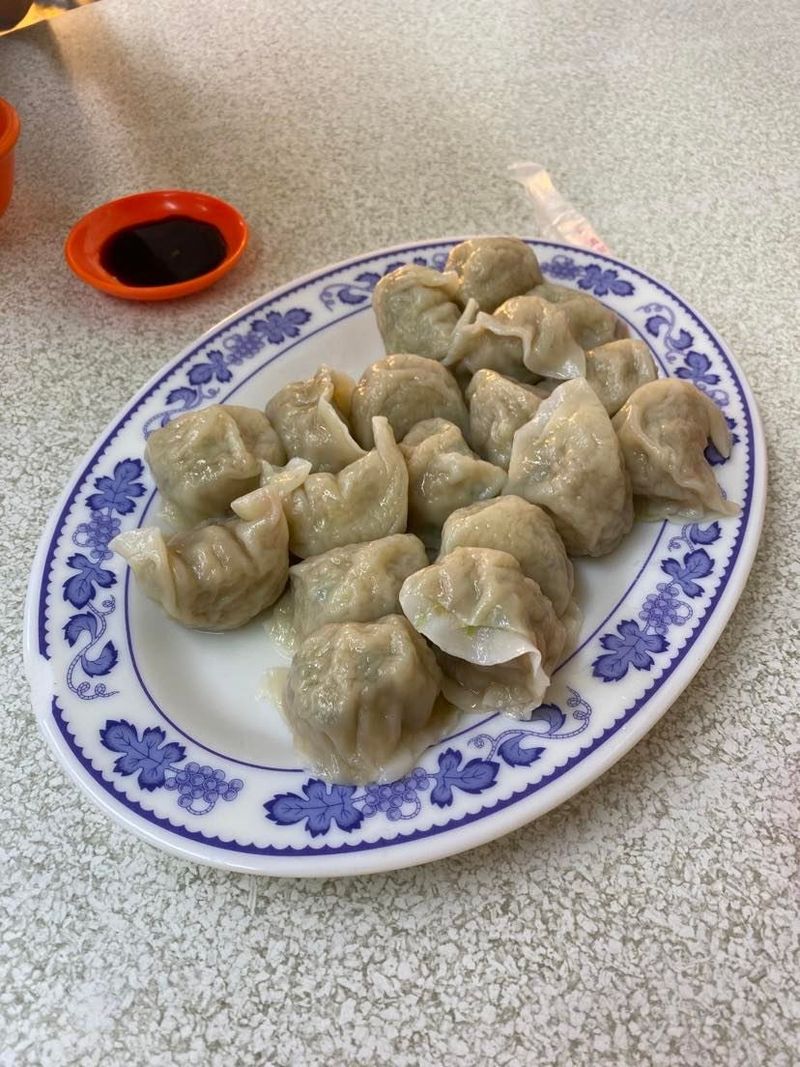
Dumplings show up across so many cultures that their origin story is genuinely hard to pin down. Evidence from China suggests they existed during the Han Dynasty between 206 BCE and 220 CE, though earlier forms likely predate even that.
The basic concept, dough wrapped around a filling and cooked by steaming, boiling, or frying, is brilliantly simple and endlessly versatile. From Chinese jiaozi to Polish pierogi, cultures worldwide independently arrived at the same genius idea thousands of years ago.
17. Early Pizza
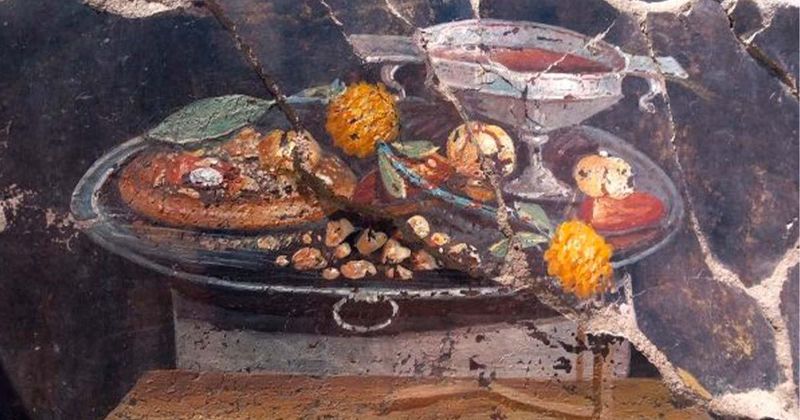
Pizza as we know it is modern, but the idea behind it is ancient. Greeks and Romans were already eating flatbreads topped with olive oil, herbs, and cheese thousands of years ago, creating what food historians consider the direct ancestors of modern pizza.
These early topped flatbreads were practical, affordable, and easy to customize, which is probably why the concept never really went away. The toppings changed over the centuries, but the core idea of bread plus flavor has been irresistible since antiquity.
18. Stew
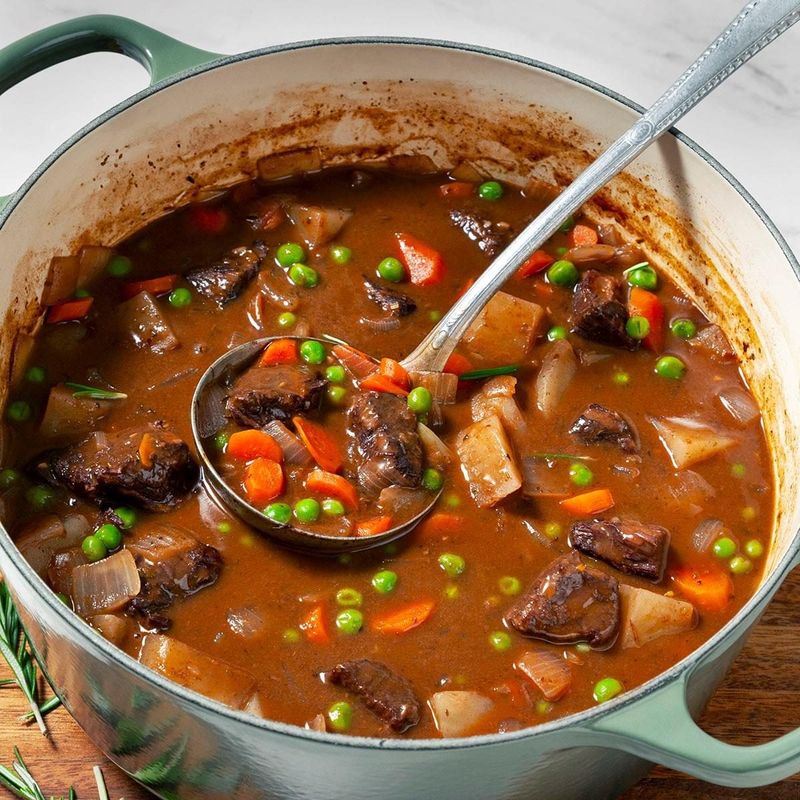
Stew may be the oldest cooked meal concept that exists. Long before pottery was invented, early humans were dropping hot stones into water-filled animal hides or hollowed logs to slowly cook meat and vegetables together into thick, hearty stews.
This method predates formal cooking tools by thousands of years. As one of the most efficient ways to extract nutrition from tough cuts of meat and fibrous plants, stew was essentially the original one-pot meal, feeding pre-Neolithic communities long before agriculture began.
19. Meat Preserves
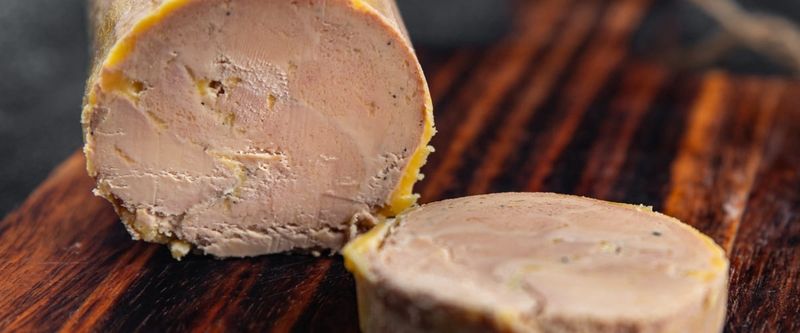
Before refrigerators existed, ancient Egyptians and Romans were already mastering the art of meat preservation. They chopped, seasoned, and packed meat with fat into vessels, creating preparations remarkably similar to what we now call pate or terrine.
These early meat preserves were not just about survival. They reflected real culinary creativity and an understanding of how fat and salt could extend shelf life.
The techniques developed thousands of years ago laid the foundation for entire categories of charcuterie still enjoyed today.