
Baby Boomers and younger generations do not always see eye to eye, and sometimes the gap between them feels enormous. From phone habits to unsolicited advice, certain Boomer behaviors can leave millennials and Gen Z scratching their heads.
While most of these habits come from a good place, they can still rub people the wrong way. Here are 16 things Boomers often do that drive nearly everyone a little crazy.
1. Prioritizing Phone Calls Over Everything

Without warning, the phone rings — and it is your Boomer relative calling just to ask a quick question they could have texted. Many Boomers grew up when phone calls were the main way to connect, so calling feels natural to them.
For younger people who prefer quick texts or emails, unexpected calls can feel disruptive. Understanding this generational habit can help both sides find a middle ground that works for everyone.
2. Using Speakerphone in Public Places

Picture this: you are quietly shopping, and suddenly someone’s entire phone conversation fills the aisle. Boomers using speakerphone in public is a habit that consistently drives people crazy.
Most younger people use earbuds or keep conversations private out of respect for those nearby. The speakerphone habit likely comes from a time before earbuds were common.
A simple fix would be stepping outside or lowering the volume, but old habits can be surprisingly hard to break.
3. Struggling and Resisting New Technology

Technology moves fast, and not everyone keeps up at the same pace. Many Boomers resist adopting new apps, devices, or digital tools, often sticking to outdated methods that younger generations left behind years ago.
Some even send chain emails or overshare personal information online without realizing the risks. Rather than judging, younger folks can offer patient guidance.
After all, every generation has something new to learn, and a little kindness goes a long way.
4. Leaving Long, Detailed Voicemails
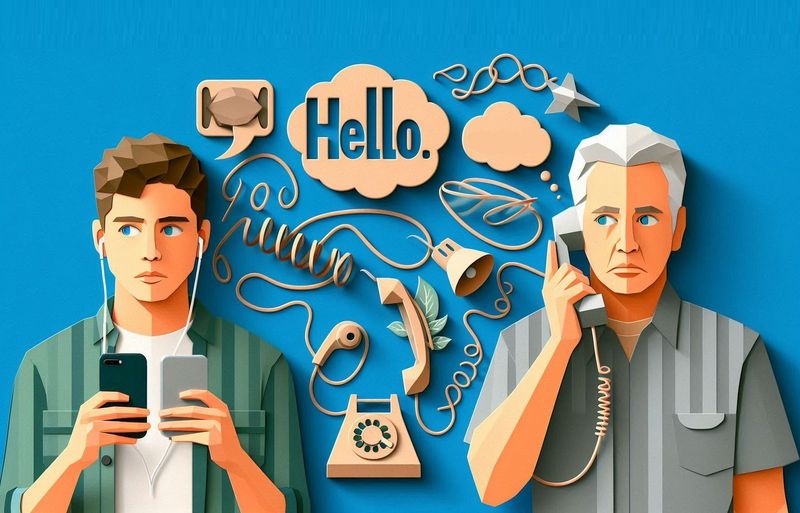
Few things make a millennial’s eye twitch faster than seeing a three-minute voicemail waiting in their inbox. Boomers love voicemails because they grew up using answering machines to pass along messages.
For younger generations, voicemails feel like homework — you have to stop everything, listen, and then transcribe the information anyway. A short text could deliver the same message in seconds.
Still, Boomers see voicemails as thorough and polite, which is actually kind of sweet when you think about it.
5. Dismissing Remote Work as Laziness

Working from home is normal for millions of people today, but many Boomers still raise an eyebrow at the idea. They built careers around showing up in person every single day, so remote work can look like slacking off to them.
Research actually shows remote workers are often more productive than office workers. Younger employees who work from home are not lazy — they are just working differently.
Bridging this mindset gap is key to healthier workplace relationships across generations.
6. Offering Unsolicited Financial Advice

“Just save up and buy a house” sounds reasonable — until you realize the average home price has skyrocketed while wages barely moved. Boomers often give financial advice rooted in an era when things were genuinely more affordable.
Student debt, skyrocketing rent, and economic instability are realities many younger people face daily. The advice is usually well-meaning, but it can feel tone-deaf.
Acknowledging how much the financial landscape has changed would make these conversations far more helpful and relatable.
7. Showing Up Unannounced at Your Door

Back in the day, dropping by a neighbor’s or family member’s house without calling first was totally normal. Boomers carry that tradition forward, sometimes arriving at your door completely out of the blue.
Younger generations, however, treat personal space and scheduled time like precious resources. An unexpected visitor can throw off an entire day’s routine.
While the intention is warm and social, a quick heads-up text beforehand would save everyone a lot of stress and awkward surprise faces.
8. Insisting Face-to-Face Is Always Best

There is something Boomers deeply trust about looking someone in the eye during a conversation. For them, face-to-face interaction signals respect, seriousness, and genuine connection that no screen can replicate.
Younger generations, though, handle serious conversations via video call, email, or text without a second thought. Demanding in-person meetings for every situation can feel unnecessarily time-consuming.
Both styles have real value — the trick is knowing when each approach actually makes the most sense for everyone involved.
9. Making Comments About Weight and Appearance

“You look like you have gained weight” is not a greeting — but some Boomers deliver it with a warm smile like it is a compliment. Comments about body size, skin, or hair were once considered normal conversation in many households.
Today, those remarks land very differently and can seriously affect someone’s mental health. Younger generations are far more body-positive and protective of emotional boundaries.
What feels like casual observation to a Boomer can feel deeply hurtful to the person on the receiving end.
10. Giving Advice Nobody Asked For

Unsolicited advice is practically a Boomer love language. Whether it is about your career, relationships, diet, or life choices, they often share their wisdom freely — even when you never asked for it.
The challenge is that their advice sometimes ignores the very real differences between their generation’s experiences and yours. Rather than feeling lectured, try asking a clarifying question to redirect the conversation.
And Boomers — sometimes the best advice is simply listening and trusting younger people to figure things out on their own.
11. Sharing Unverified News and Chain Messages
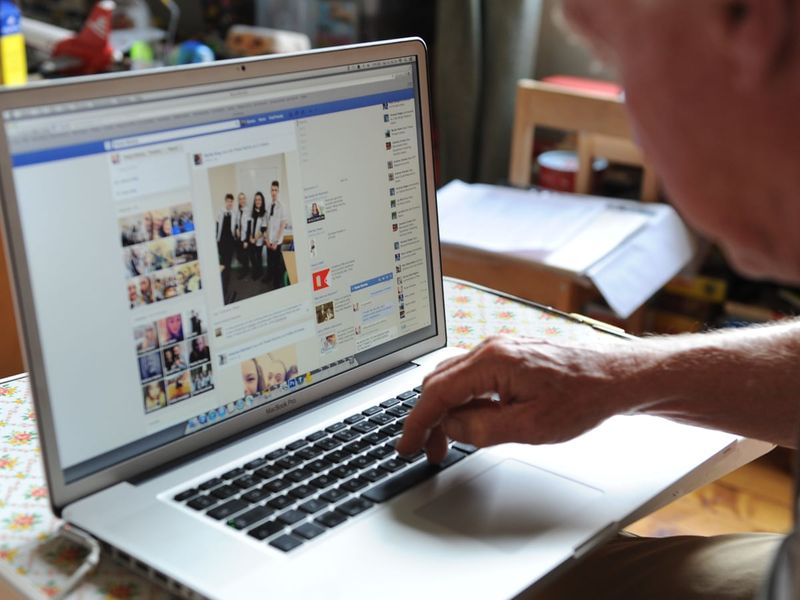
Did you know that false information spreads six times faster than true stories online? Boomers who grew up trusting traditional news sources sometimes struggle to spot misinformation on social media platforms.
Chain letters and unverified health claims regularly make the rounds in Boomer Facebook groups. Younger generations, who grew up online, tend to fact-check more instinctively.
Helping older relatives verify sources before sharing is a small act that can prevent a lot of confusion — and a few awkward family group chat moments.
12. Hitting Reply All on Every Single Email

Nothing clutters an inbox quite like a chain of unnecessary Reply All emails. In professional settings, Boomers are notorious for responding to group emails in a way that copies every single person, even when only one person needed the answer.
It might seem thorough to them, but it buries important messages under a pile of “Thanks!” and “Sounds good!” replies. A gentle office policy about email etiquette can solve this quickly — if anyone is brave enough to bring it up.
13. Meddling and Complaining About Neighbors

Some Boomers have perfected the art of neighborhood surveillance. They know exactly who parks where, whose lawn needs mowing, and which dog left a mess on the sidewalk — and they are not shy about mentioning it.
While community awareness has genuine benefits, constant meddling can make neighbors feel judged and uncomfortable. Younger residents especially value privacy and tend to mind their own business.
A friendly wave is always welcome; a running commentary on everyone else’s choices is a bit much.
14. Taking the Same Vacation Every Single Year

Loyalty is a virtue, but going to the exact same timeshare in the exact same Florida resort for the fifteenth year in a row might test everyone’s patience. Many Boomers have a deep attachment to familiar vacation spots.
For younger family members dragged along, the predictability can feel stifling. Boomers often find comfort in routine and the reliability of a known destination.
A compromise — like adding one new activity to an old favorite trip — could make the vacation enjoyable for the whole crew.
15. Calling Younger Generations Lazy and Entitled

“Kids today don’t want to work hard” — a phrase heard at nearly every family gathering involving a Boomer and a millennial. Labeling entire generations as lazy or entitled ignores the massive structural challenges younger people navigate every day.
Student loans, competitive job markets, and rising living costs are real obstacles, not excuses. Younger generations are working incredibly hard under very different conditions.
A little curiosity about their experiences, rather than quick judgment, would go a very long way.
16. Constant Nostalgia for the Good Old Days
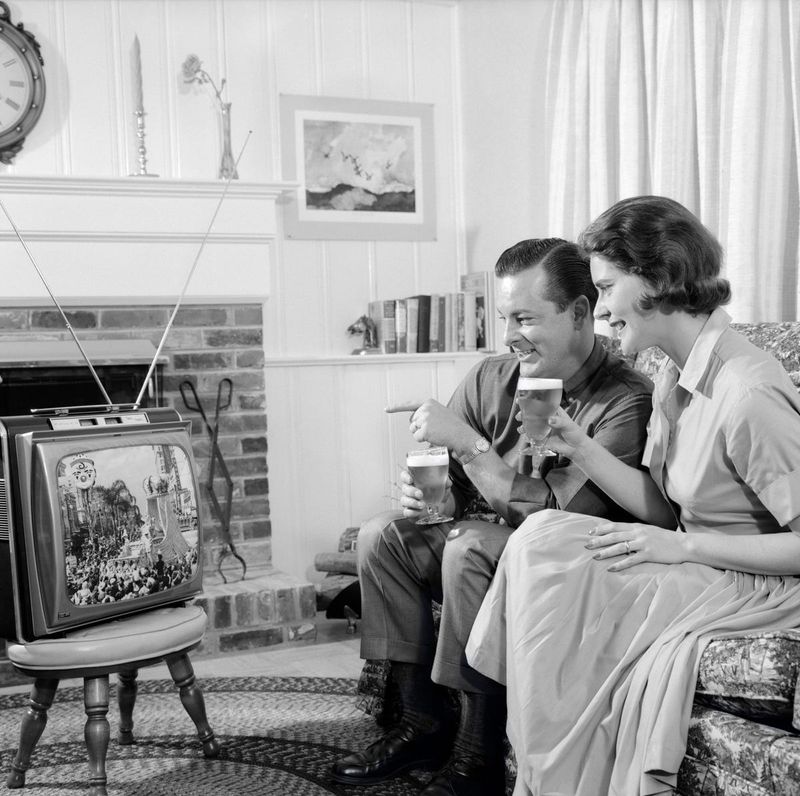
“Back in my day, things were so much simpler” — and yes, maybe some things were. But constantly comparing the present unfavorably to the past can feel dismissive to people dealing with very real challenges right now.
Nostalgia is a powerful emotion, and Boomers lived through genuinely remarkable decades. Still, younger generations are building their own meaningful experiences worth celebrating.
Honoring the past is lovely; suggesting the present is somehow lesser just because it looks different is where things start to sting a little.