
Every year, the Best Picture Oscar is supposed to go to the greatest film of the year. But sometimes, the Academy’s choice leaves audiences scratching their heads.
Some winners beat out beloved classics, while others simply faded from memory over time. Here are 18 Best Picture winners that never quite won over the hearts of everyday moviegoers.
1. Crash (2004)
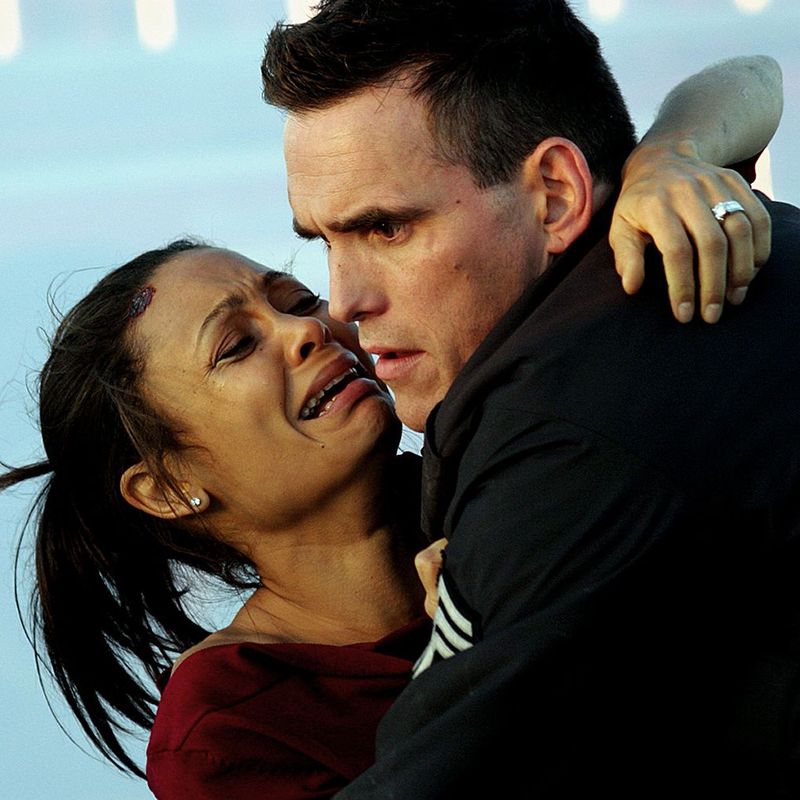
Few Oscar upsets stirred as much outrage as Crash beating Brokeback Mountain in 2006. Critics and fans alike called the win undeserved, arguing the film painted race relations in clumsy, over-the-top strokes.
Even director Paul Haggis admitted he was surprised it won.
The backlash only grew over the years, turning the win into a symbol of Academy missteps. Today, it is regularly listed among the most controversial Best Picture choices ever made.
2. Driving Miss Daisy (1989)
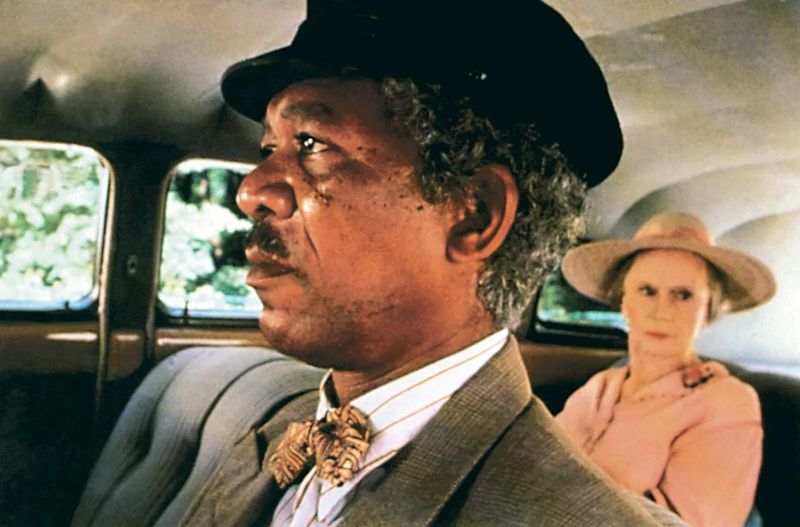
When Driving Miss Daisy took home Best Picture, Spike Lee’s Do the Right Thing had not even received a nomination. That snub alone made the win feel deeply off to many viewers and critics who felt the Academy played it safe.
The film’s soft-pedaled look at racism felt outdated even at the time. Looking back, most film historians agree it was a missed opportunity to honor something bolder and more honest.
3. Green Book (2018)
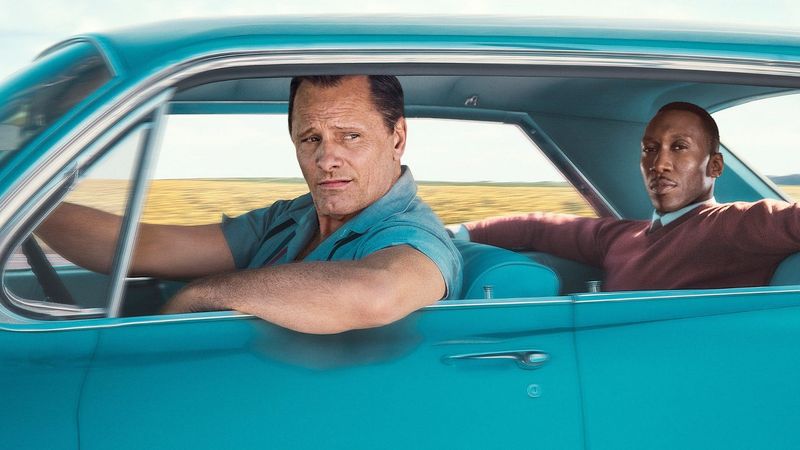
Green Book pulled off a major surprise by beating Roma, Alfonso Cuaron’s visually stunning masterpiece, at the 2019 Academy Awards. Many viewers felt the film offered a feel-good but watered-down view of racism in 1960s America.
Critics described it as a movie stuck in an older, simpler era of storytelling. Family members of the real people depicted even publicly disputed how they were portrayed, adding fuel to an already heated debate.
4. Shakespeare in Love (1998)
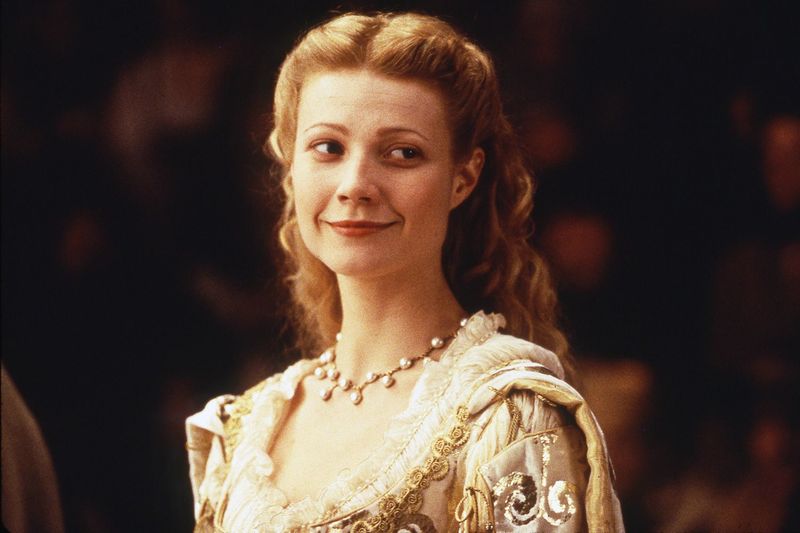
Beating Saving Private Ryan for Best Picture is still considered one of the biggest shocks in Oscar history. Many blamed an aggressive campaign by producer Harvey Weinstein rather than the film’s actual quality for the upset.
Modern audiences often describe Shakespeare in Love as a perfectly enjoyable romantic comedy, but not a film that changed cinema. Rewatching it today, most agree it feels more like a charming romp than a true best-of-the-year winner.
5. Forrest Gump (1994)
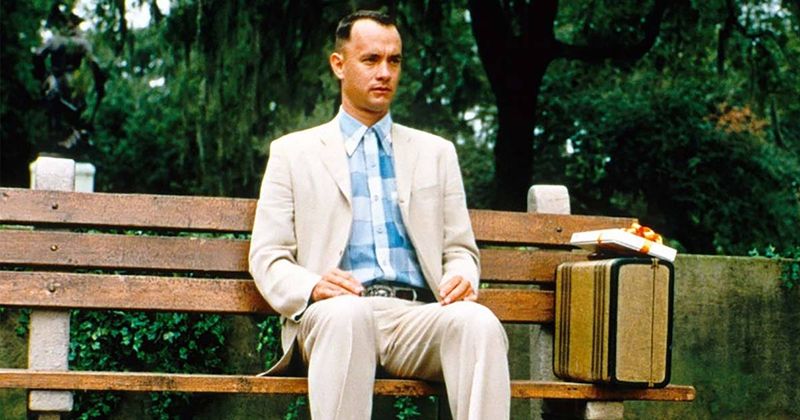
Forrest Gump is genuinely loved by millions, so calling it “unembaced” might feel strange. But its Best Picture win over Pulp Fiction and The Shawshank Redemption still stings for many film lovers who see those films as far more groundbreaking.
Cinephiles have long argued that Gump’s sentimental nostalgia won out over genuine artistic daring. The debate around this particular Oscar race never really went away, making it one of the most discussed Best Picture outcomes of the 1990s.
6. The Greatest Show on Earth (1952)
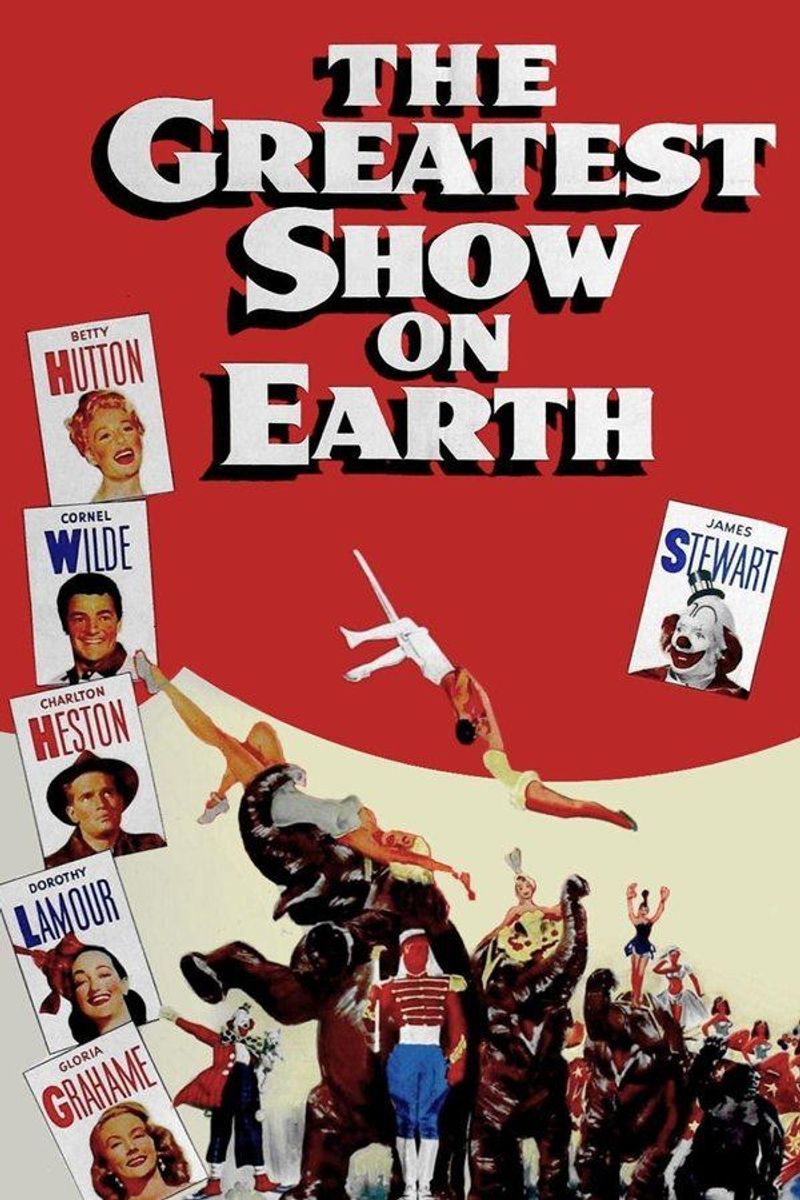
Ask any film historian to name the worst Best Picture winner ever, and The Greatest Show on Earth usually tops the list. It beat High Noon and Singin’ in the Rain, two films that are still celebrated as classics today.
Some historians believe the film won partly because of the political climate of the McCarthy era, making it a safe, uncontroversial pick. By today’s standards, it feels like a dated circus spectacle that never deserved the Academy’s top prize.
7. How Green Was My Valley (1941)
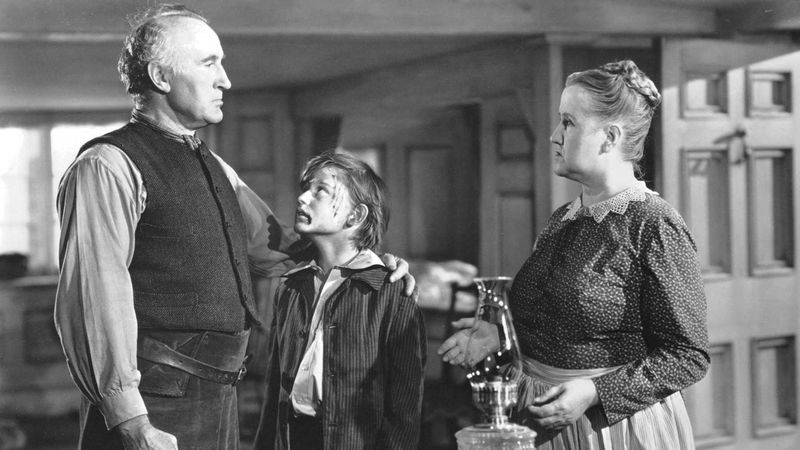
Orson Welles’ Citizen Kane is now almost universally considered the greatest film ever made. Yet it lost Best Picture to How Green Was My Valley, a decision that has haunted Oscar history for over 80 years.
The Welsh family drama is not a bad film by any measure, but it has faded into near-obscurity while Kane’s reputation has only grown. Most modern viewers describe it as overly sentimental and largely forgettable compared to what it beat.
8. Cimarron (1931)
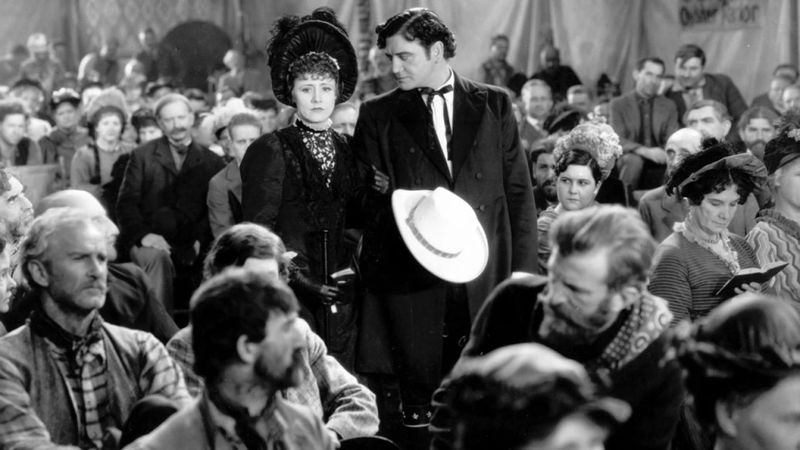
Cimarron holds the rare distinction of being both a Best Picture winner and a box office flop that reportedly failed to recoup its own budget. That combination alone sets it apart from most Oscar champions.
Modern viewers who track down the film often find its racial portrayals deeply uncomfortable and its storytelling inconsistent. Film critics today rank it among the least deserving winners in Academy history, describing its social commentary as ham-fisted at best.
9. Cavalcade (1933)
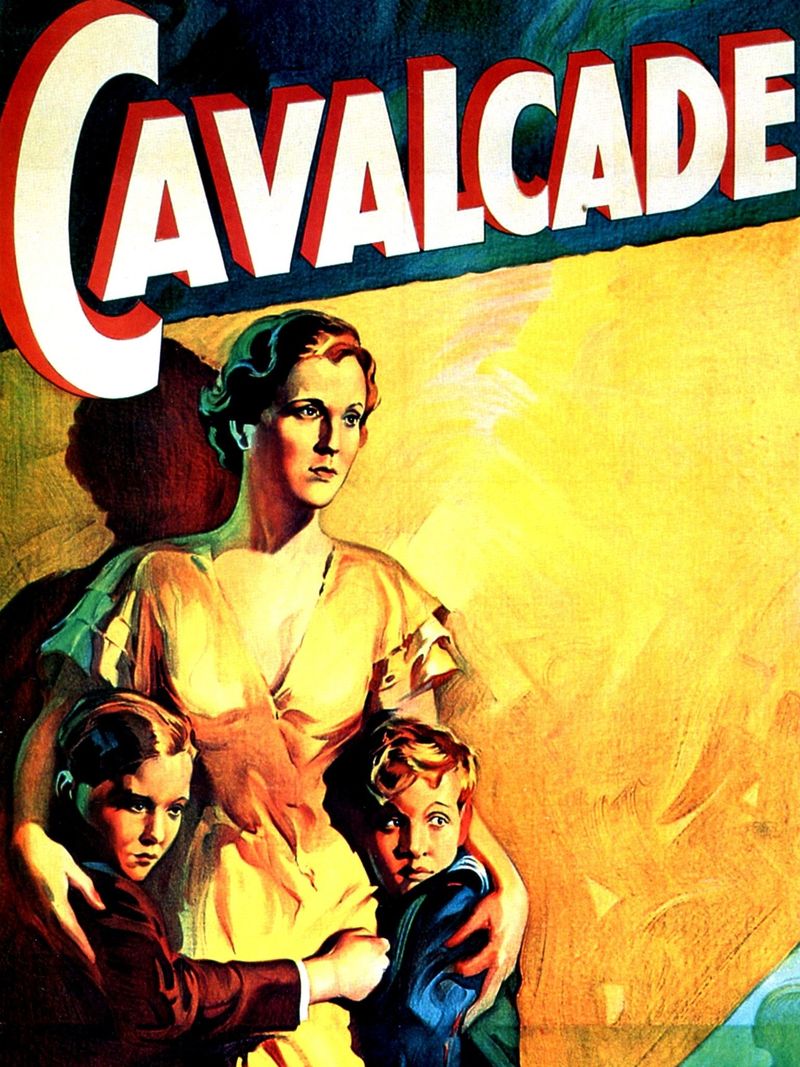
Cavalcade is a film that most modern moviegoers have never heard of, let alone seen. Winning Best Picture in 1934, this sweeping British drama about a wealthy family through decades of history now feels extremely old-fashioned.
Many viewers who attempt a rewatch describe it as a genuine chore to sit through. It lacks the energy or emotional depth that keeps classic films alive in the public imagination, making it one of the least-watched Oscar winners of all time.
10. The Broadway Melody (1929)
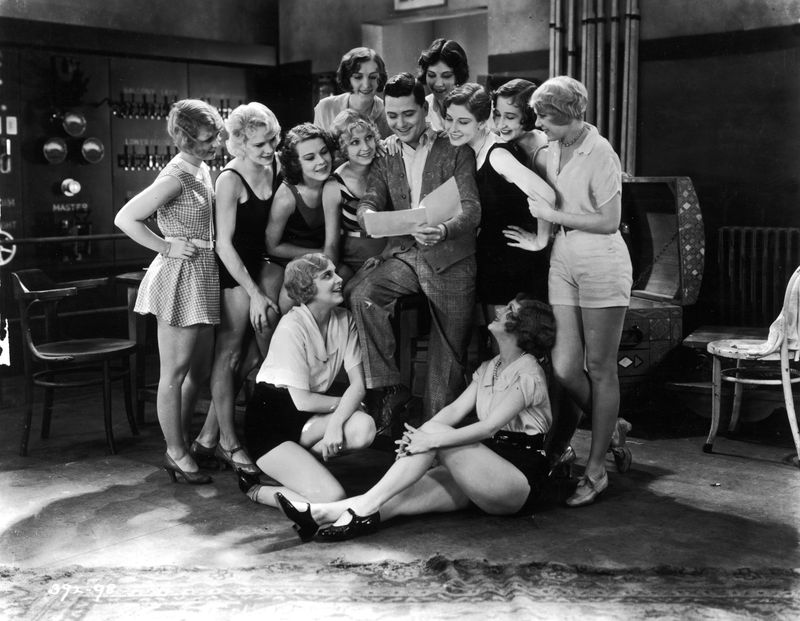
As one of the very first sound films to win Best Picture, The Broadway Melody deserves credit for being a technical milestone. But watching it today is a genuinely awkward experience for most audiences.
The dialogue feels clunky, the musical numbers border on laughable by modern standards, and the story barely holds together. It is a fascinating historical artifact, but calling it a great film requires more nostalgia than most viewers can muster.
11. Going My Way (1944)
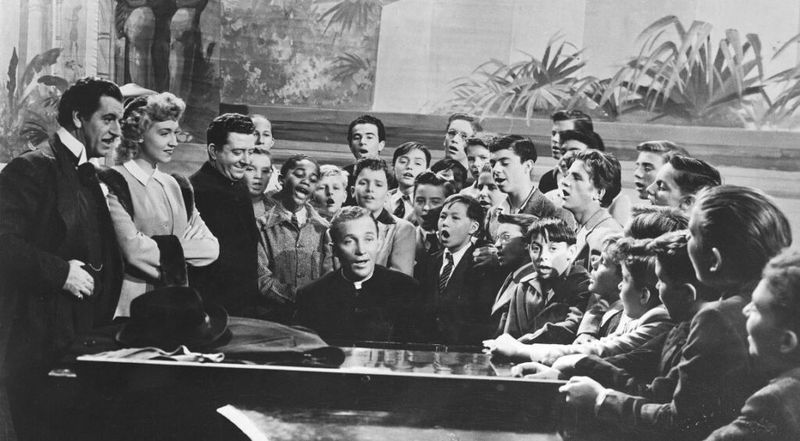
Bing Crosby was one of the biggest stars in the world in 1944, and his charm carried Going My Way to a massive Oscar sweep. But the competition that year included Double Indemnity and Gaslight, two films that have aged far more gracefully.
Strip away Crosby’s star power, and what remains is a pleasant but lightweight story about a singing priest. Critics today largely agree it was a popularity contest win rather than a true recognition of cinematic excellence.
12. The Life of Emile Zola (1937)
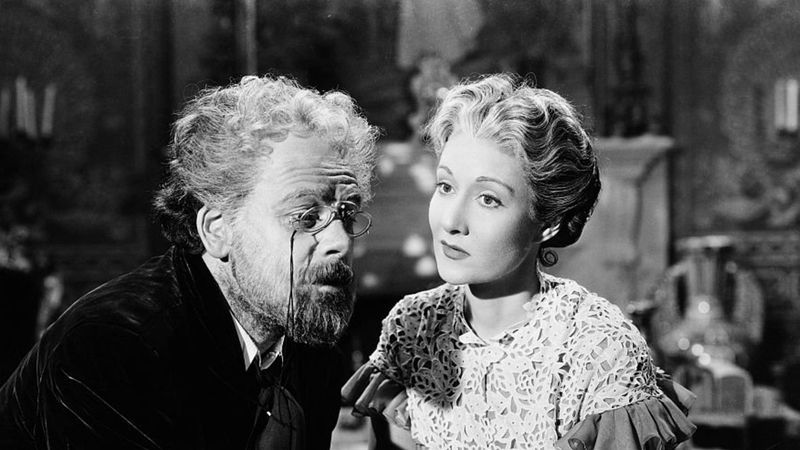
Historical biopics have always been Oscar favorites, and The Life of Emile Zola fit that mold perfectly in 1937. At the time, it was praised as a serious and important film about truth and justice.
Today, however, most viewers find it a solid but unremarkable watch. It lacks the spark that keeps classic films in rotation, and few people outside dedicated film historians could tell you much about it.
Average is probably the kindest word modern audiences reach for.
13. The Great Ziegfeld (1936)
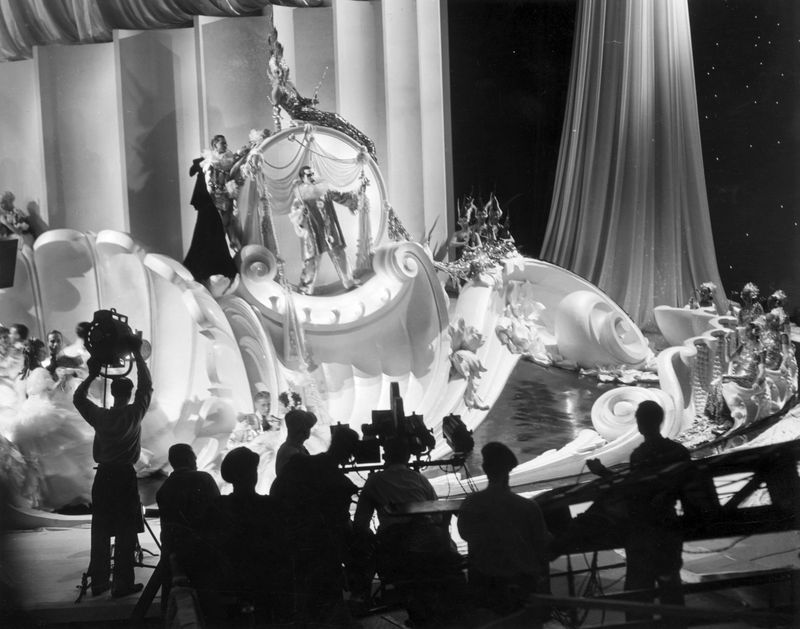
Running nearly three hours, The Great Ziegfeld was a blockbuster event when it premiered in 1936. Audiences at the time loved its lavish musical sequences and the big-screen glamour of early Hollywood showmanship.
Modern viewers, though, tend to find it exhausting and excessively showy. The pacing drags, the story feels thin stretched across that runtime, and the spectacle no longer dazzles the way it once did.
Its accolades have not translated into lasting cultural affection.
14. Out of Africa (1985)
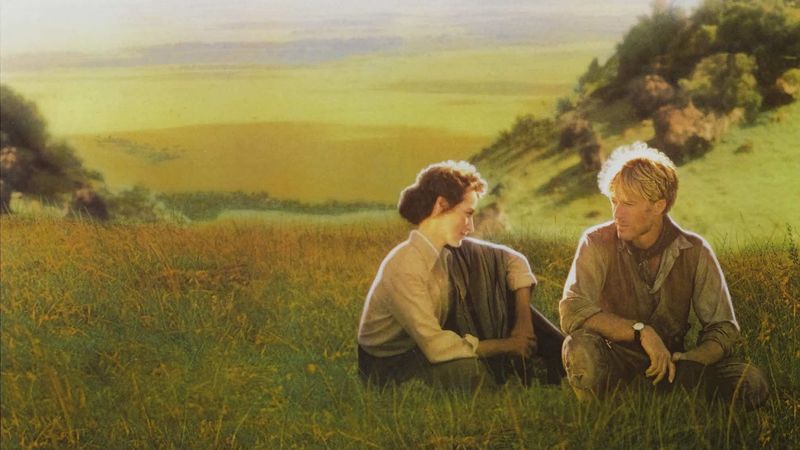
Out of Africa is undeniably beautiful to look at, with sweeping cinematography across the Kenyan landscape that still holds up today. But beauty alone does not make a gripping film, and many viewers find the pacing frustratingly slow.
The romantic drama between Meryl Streep and Robert Redford never quite ignites the way the scenery does. For a film that won seven Oscars, it has left surprisingly little impression on popular culture, earning it a spot among the more forgettable champions.
15. Gigi (1958)
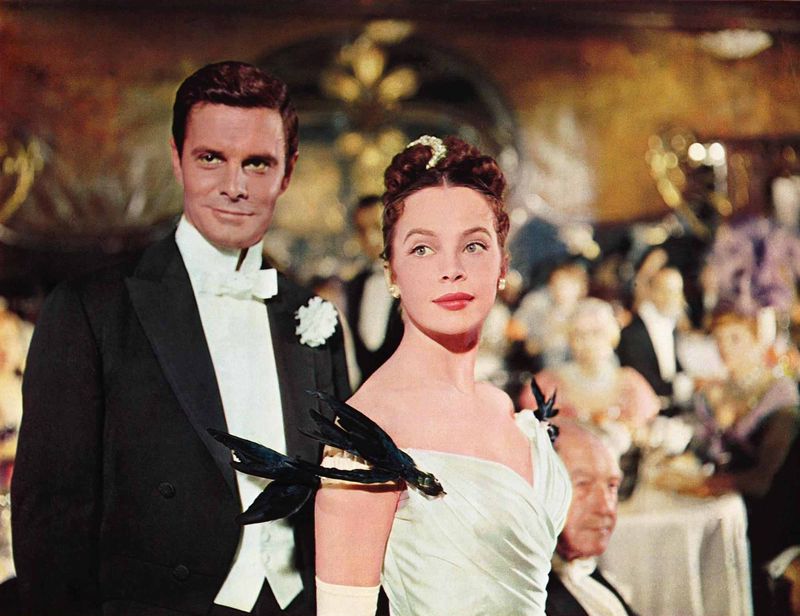
Gigi swept the 1959 Oscars, winning all nine awards it was nominated for, which at the time set a record. On paper, that sounds like a towering achievement.
In practice, most modern viewers find the film bland and oddly uncomfortable.
The story of a young girl being groomed for a wealthy man’s companionship has not aged well at all. Its musical numbers are pleasant enough, but nothing about it feels truly special or memorable compared to the classic musicals of its era.
16. The English Patient (1996)
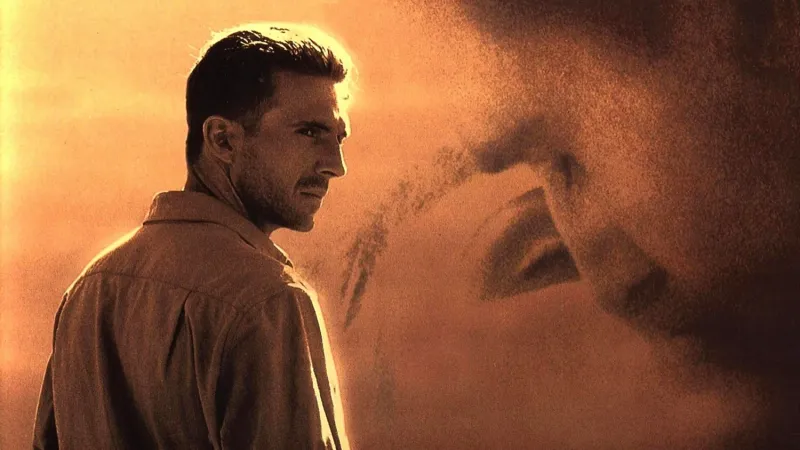
Fans of the show Seinfeld may remember Elaine’s passionate hatred of The English Patient, which became one of the series’ most beloved running jokes. That cultural punchline says a lot about how audiences actually felt about the film.
While critics adored its sweeping wartime romance, many regular viewers found it painfully slow and overly long. It remains one of the most polarizing Best Picture winners, beloved by some and genuinely dreaded by others who still shudder at its runtime.
17. Dances With Wolves (1990)
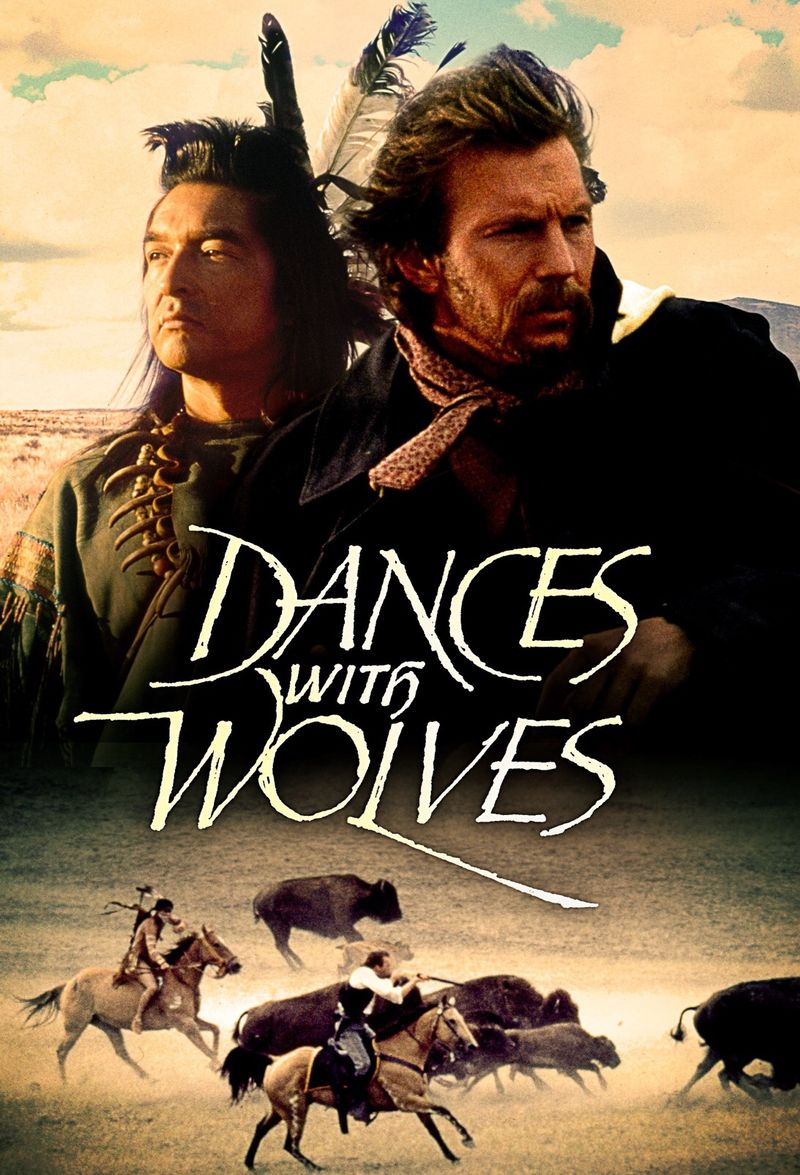
Martin Scorsese’s Goodfellas is widely considered one of the greatest films ever made. So when Dances With Wolves beat it for Best Picture, the backlash from film fans was swift and lasting.
Kevin Costner’s epic Western has its admirers, but retrospective reviews often describe it as a well-meaning but overlong film that romanticizes a complex era. The win denied Scorsese a long-overdue Oscar and remains a sore spot for cinephiles who still debate it decades later.
18. The Hurt Locker (2009)
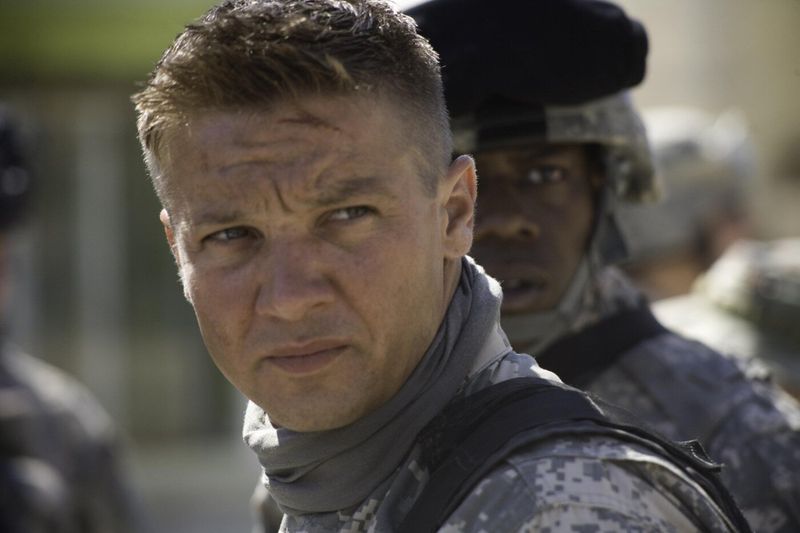
The Hurt Locker made history as the lowest-grossing Best Picture winner ever, earning a tiny fraction of what fellow nominee Avatar pulled in at the box office. Audiences simply were not rushing to theaters for another Iraq War drama.
The film is genuinely tense and well-crafted, and critics gave it strong marks. But its limited commercial appeal meant most viewers discovered it only after the Oscar win, if at all.
It remains respected but rarely revisited by general audiences.