
Classic cars have a certain magic about them — the gleaming chrome, the roaring engines, and that unmistakable old-school style. But beneath all that beauty, vintage vehicles came with some seriously frustrating problems that modern drivers would never put up with today.
From sketchy brakes to zero air conditioning, owning an old car was often more headache than highway cruise. Here are 19 things about vintage cars that we are genuinely happy to leave in the past.
1. Limited Safety Features
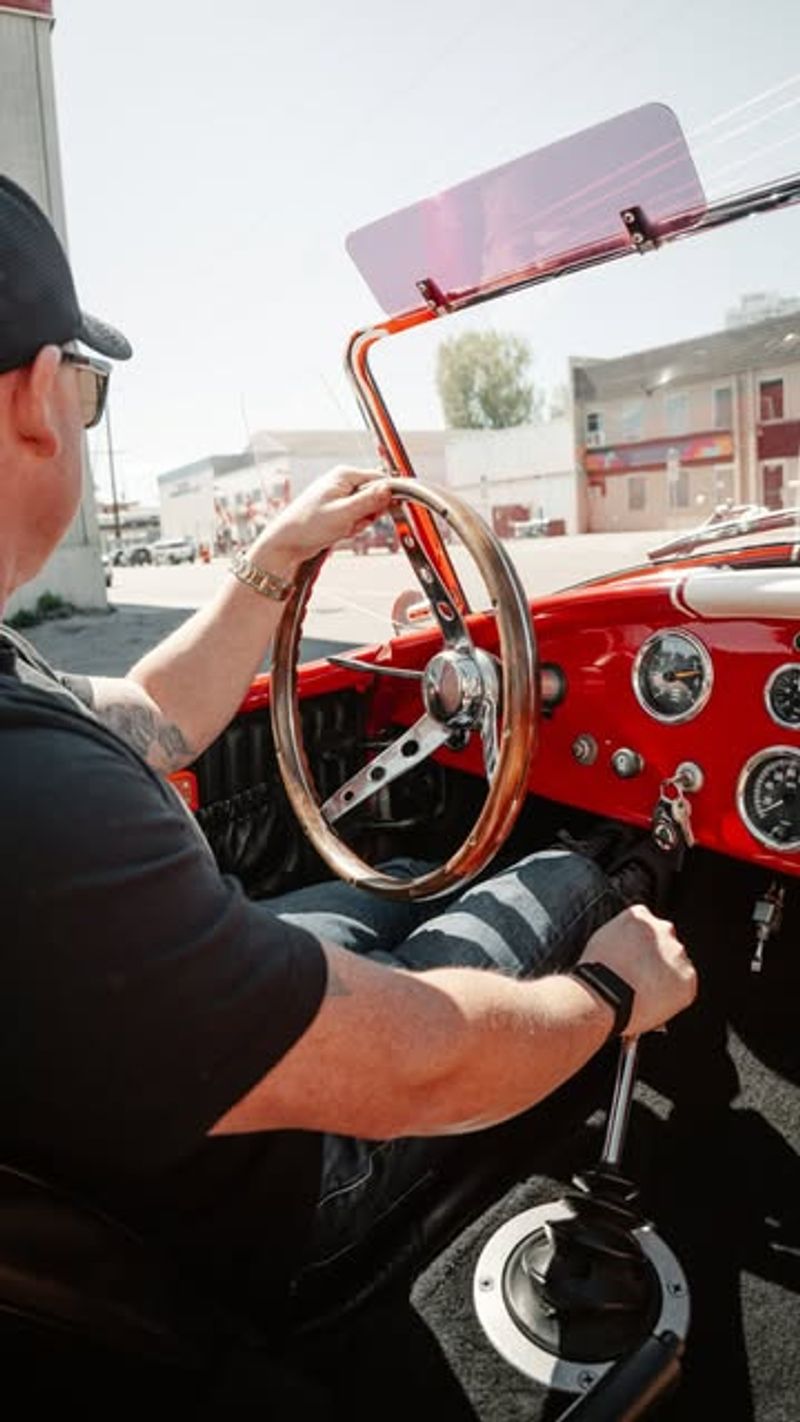
Picture cruising down the highway in a stylish 1965 muscle car with absolutely nothing between you and the windshield if things went wrong. No airbags, no ABS, no backup cameras — just your reflexes and a prayer.
Modern vehicles pack in dozens of life-saving technologies that vintage cars never dreamed of. Driving back then was genuinely risky business, and the accident fatality rates from that era prove just how dangerous the open road really was.
2. Ineffective Drum Brakes
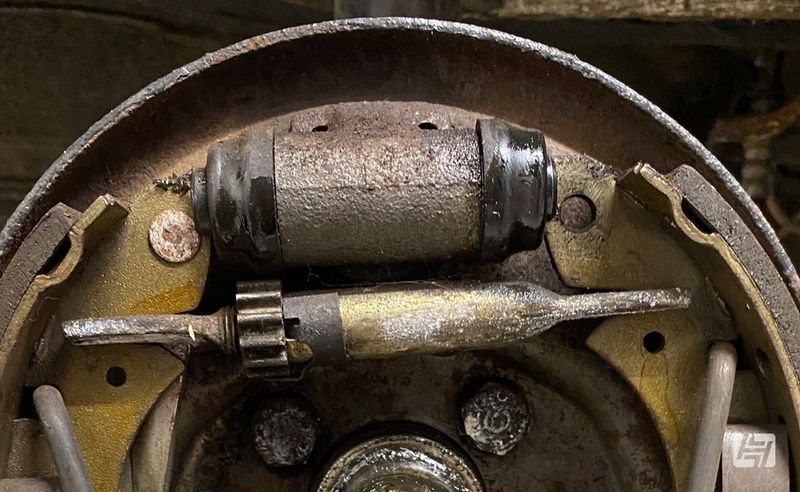
Stopping a vintage car was less of a certainty and more of a hopeful suggestion. Drum brakes, common on older vehicles, were notorious for fading under pressure — meaning the harder you braked, the less effective they became.
Modern disc brakes changed everything by offering consistent, reliable stopping power even under intense conditions. Drum brakes also needed far more frequent adjustments and repairs.
Mechanics who worked on classic cars in their prime knew brake jobs were practically a monthly ritual.
3. Unreliable Engines
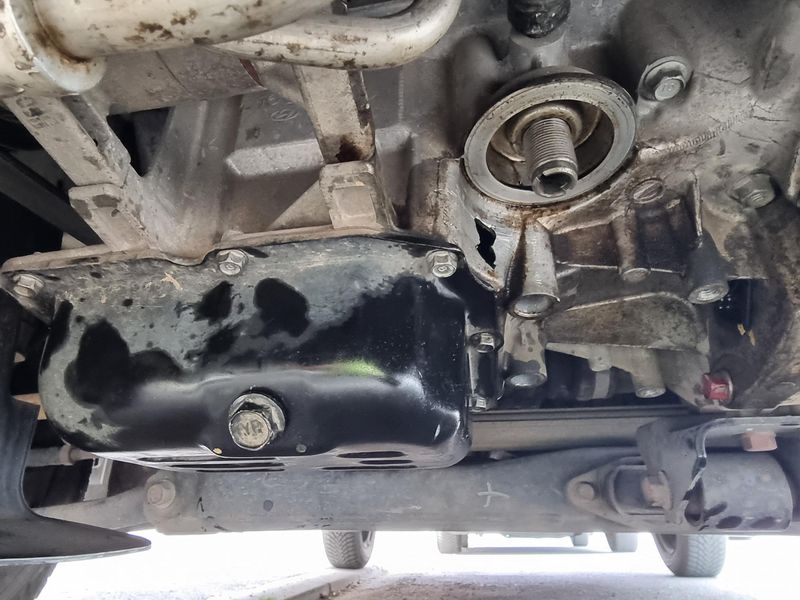
Back in the golden age of classic cars, breaking down on the side of the road was almost a rite of passage. Older engines leaked oil like it was a hobby, knocked and pinged under load, and wore out far faster than anything rolling off assembly lines today.
Manufacturing tolerances were loose, materials were less refined, and engine technology was still evolving. Thankfully, modern engineering has turned the once-common roadside breakdown into a rare and genuinely surprising event for most drivers.
4. Persistent Overheating Problems
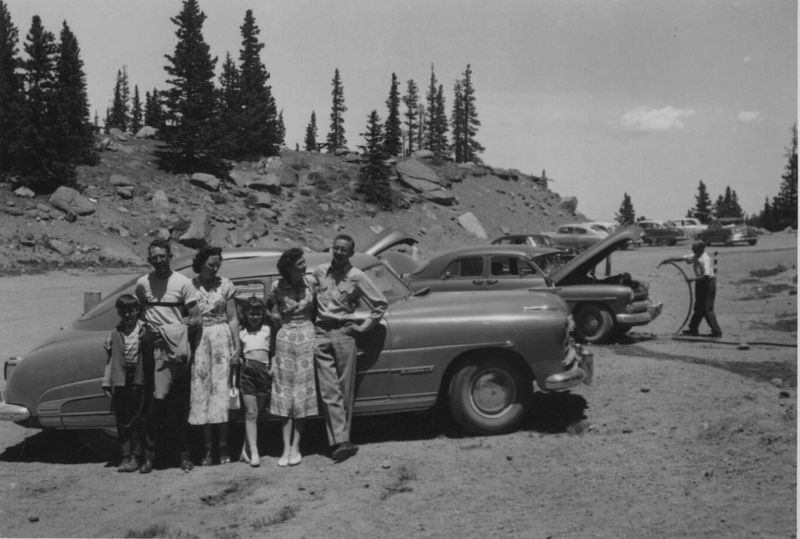
Summer road trips in a classic car often came with an unwanted bonus: watching the temperature gauge creep dangerously into the red zone. Vintage cooling systems were simply not built to handle stop-and-go traffic or prolonged highway driving in warm weather.
Radiators clogged easily, water pumps failed without warning, and coolant hoses split at the worst possible moments. Modern vehicles use advanced cooling technology that keeps engines running smoothly even in brutal heat — a comfort classic car owners could only dream about.
5. Faulty Electrical Systems
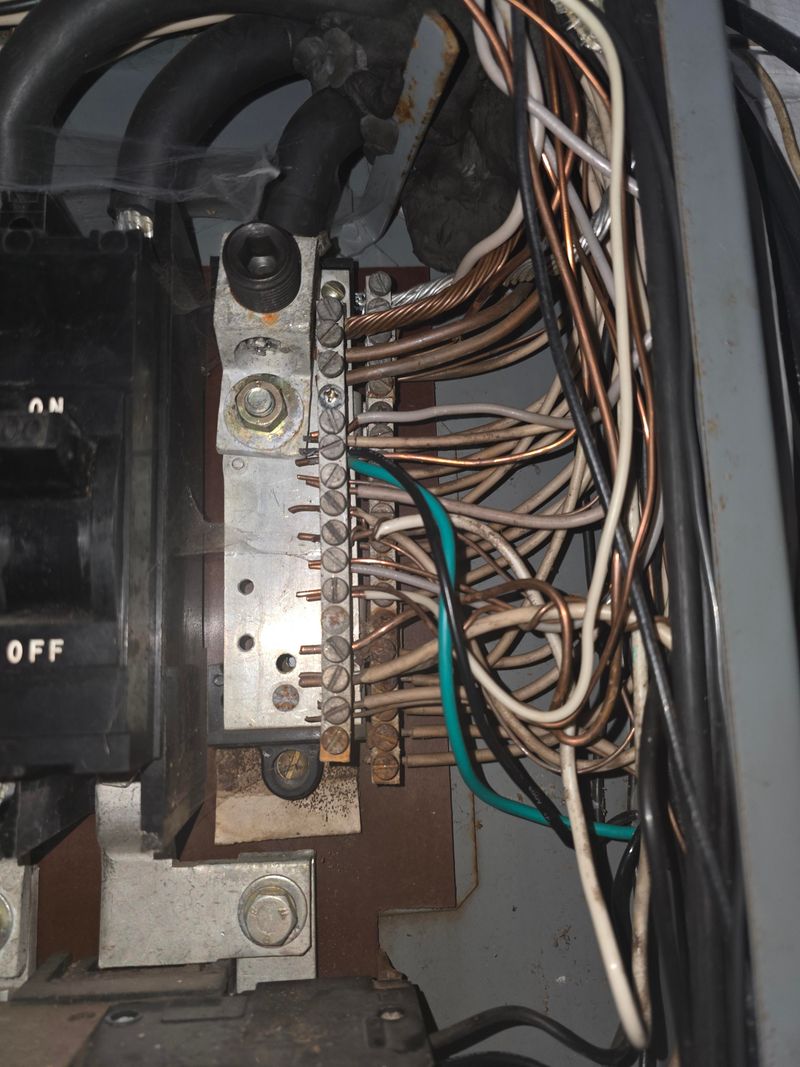
Ask any classic car restorer about vintage electrical systems and watch their eye twitch a little. Old wiring insulation became brittle and cracked over time, leading to short circuits, flickering headlights, and complete electrical meltdowns at the worst moments.
British cars from the 1960s and 70s were especially notorious for their unreliable electrics — so much so that mechanics coined dark jokes about them. Modern vehicles use sealed, computer-managed wiring harnesses that make electrical gremlins a thing of the past.
6. Hard Starting in Cold Weather
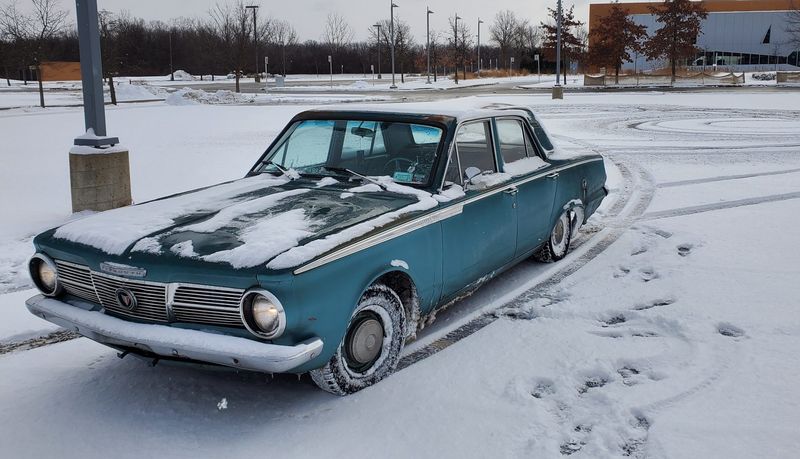
Cold winter mornings and vintage carbureted engines were sworn enemies. Carburetors struggled to deliver the right fuel-to-air mixture in freezing temperatures, leaving drivers pumping the gas pedal and grinding the starter in desperate hope.
Sometimes the engine would cough to life; often it just refused entirely.
Modern fuel injection systems eliminated this battle by precisely controlling fuel delivery in any temperature. Today, your car starts reliably whether it is zero degrees or blazing hot — a luxury that vintage drivers genuinely envied.
7. Poor Fuel Economy
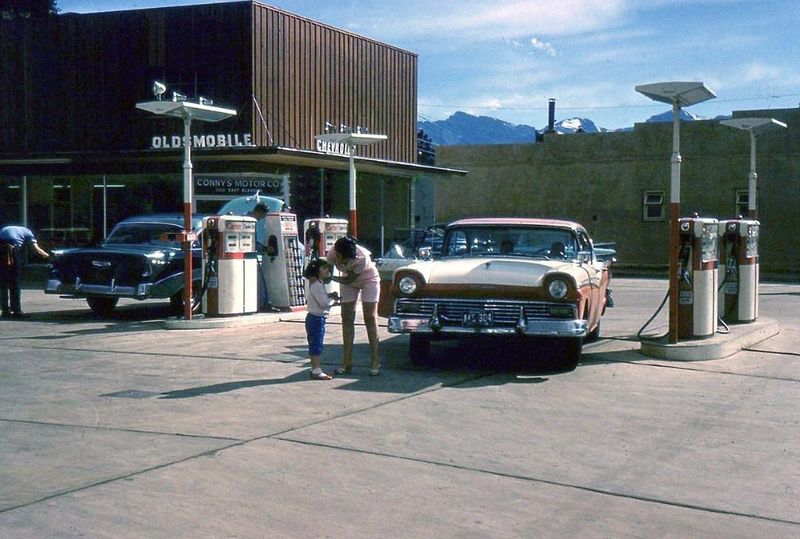
Filling up a classic car was practically a part-time job. Big-block engines from the 1960s and 70s routinely got eight to twelve miles per gallon — and that was considered acceptable at the time.
Gas was cheap back then, so nobody worried too much about efficiency.
Today, with fuel prices fluctuating wildly, those numbers would be completely unacceptable. Modern engines produce more power while using a fraction of the fuel, thanks to turbocharging, direct injection, and sophisticated engine management systems that older engineers never had access to.
8. Vapor Lock and Ethanol Fuel Issues
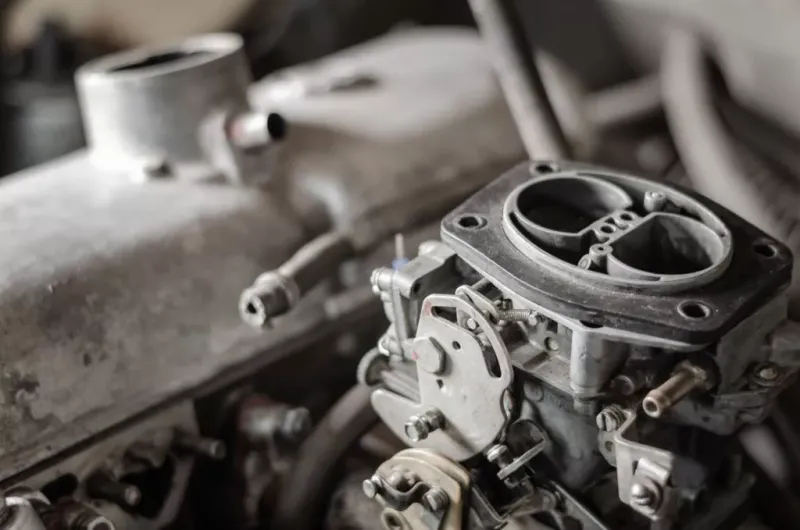
Modern pump gas contains ethanol, which sounds harmless but wreaks havoc on fuel systems designed decades before ethanol blends existed. Vintage rubber fuel lines, gaskets, and carburetor components were never built to handle ethanol, causing them to swell, crack, and deteriorate rapidly.
Vapor lock — where fuel vaporizes in the fuel line before reaching the engine — was another maddening issue that left drivers stranded on hot days. Classic car owners today must use specially formulated fuels or upgrade their fuel systems entirely just to stay on the road.
9. Subpar Headlights and Visibility
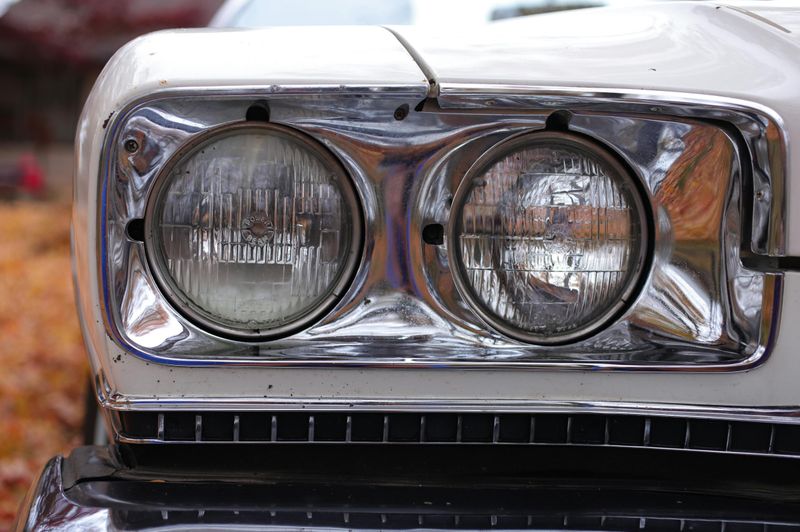
Driving a classic car at night felt a little like navigating with a flashlight taped to the bumper. Original sealed-beam headlights cast a weak, yellowish glow that barely reached far enough to react to obstacles in time.
Turn signals and tail lights were equally underwhelming, making vintage cars far less visible to other drivers. Modern LED and adaptive headlight systems throw brilliant, wide beams that transform night driving into a safe and confident experience — a world apart from the dim uncertainty of vintage-era lighting.
10. Lack of Proper Seatbelts
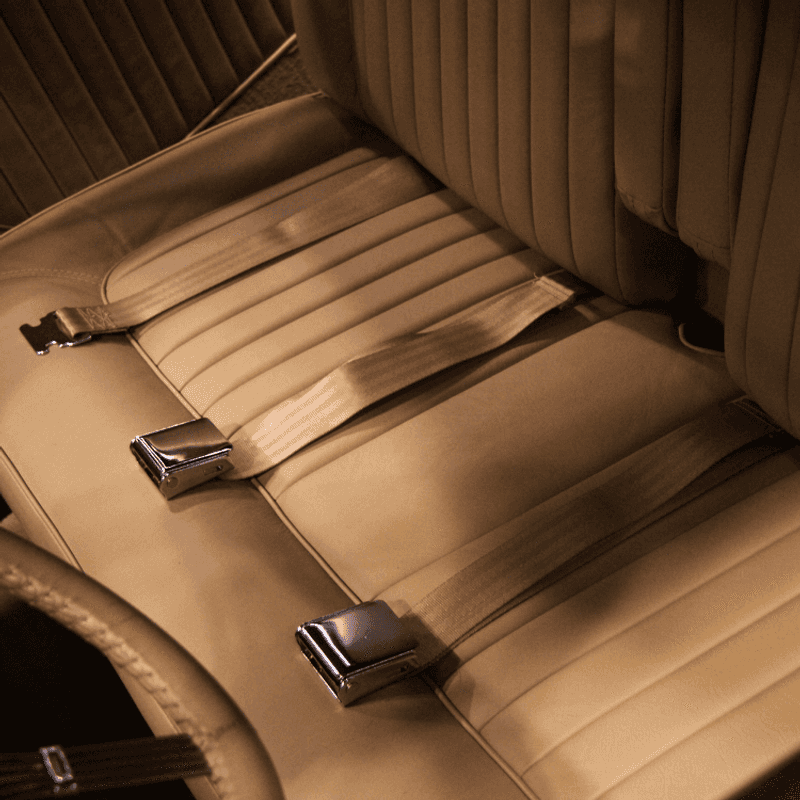
Believe it or not, many cars built before the mid-1960s came with no seatbelts at all. When lap belts finally became standard, they offered only minimal protection compared to the three-point shoulder-and-lap belts we rely on today.
In a serious collision, a lap-only belt could actually cause severe internal injuries rather than preventing them. Modern seatbelt systems, combined with pretensioners and load limiters, are engineered to distribute crash forces safely.
It is one safety upgrade that has saved countless lives since its widespread adoption.
11. Rust and Corrosion Everywhere
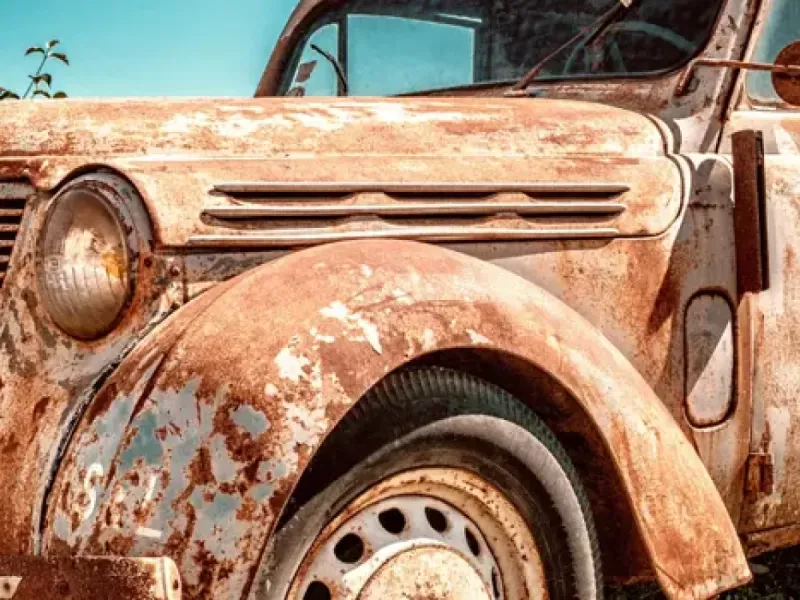
Rust was the silent killer of classic cars, and it showed absolutely no mercy. Manufacturers in earlier decades used steel with little to no corrosion protection, meaning moisture, road salt, and time combined into a relentless attack on every panel and structural component.
Entire floor pans could rot away within a decade in northern climates. Modern vehicles benefit from galvanized steel, rust-resistant coatings, and advanced paint technology that dramatically extends body life.
The days of poking your finger through a car door are mostly behind us — thankfully.
12. High Maintenance Demands

Owning a classic car was practically a second job. Spark plugs needed replacing every few thousand miles, points and condensers in the ignition required constant adjustment, and oil changes were needed far more frequently than modern intervals allow.
Valve clearances needed regular checking, carburetors needed tuning, and timing adjustments were a routine weekend task. Modern engines can go 10,000 miles or more between oil changes and rarely need hands-on attention between services — a level of reliability that vintage car owners would have found almost unbelievable.
13. Hard-to-Find and Expensive Parts
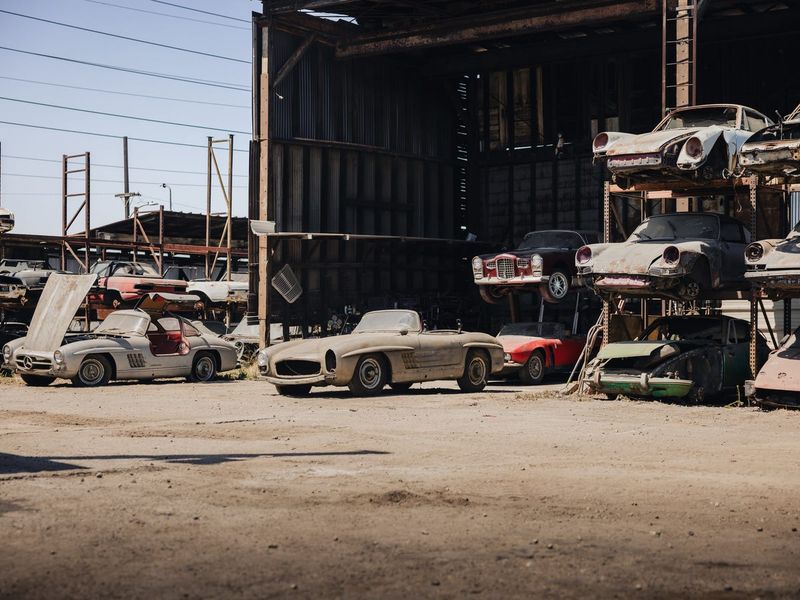
Tracking down a replacement part for a rare vintage car could turn into a months-long treasure hunt. Some components were only produced for a few model years, making them nearly impossible to find without scouring swap meets, specialty dealers, and online forums.
When parts were found, prices were often eye-watering. Custom fabrication became the only option for truly obscure pieces.
Modern cars benefit from global supply chains and standardized parts that keep repair times short and costs predictable — a luxury classic car enthusiasts rarely enjoyed.
14. No Air Conditioning or Climate Control
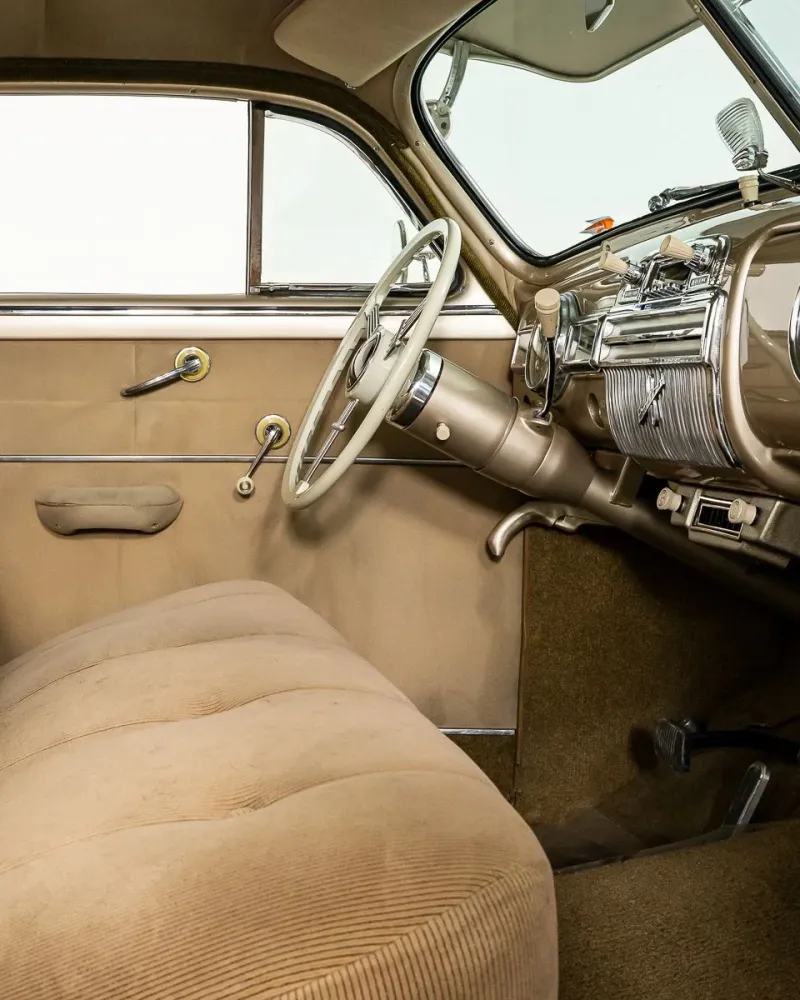
Rolling down the windows and sweating through your shirt was the original climate control system for most vintage car owners. Air conditioning was an expensive luxury option that many buyers skipped, and early AC systems were notoriously inefficient and unreliable when they were installed.
Winter heating was not much better — early heater cores were weak and took forever to warm a cold cabin. Modern climate control systems maintain precise cabin temperatures automatically, making extreme weather driving genuinely comfortable in ways that vintage drivers simply could not experience.
15. Ineffective Windshield Wipers
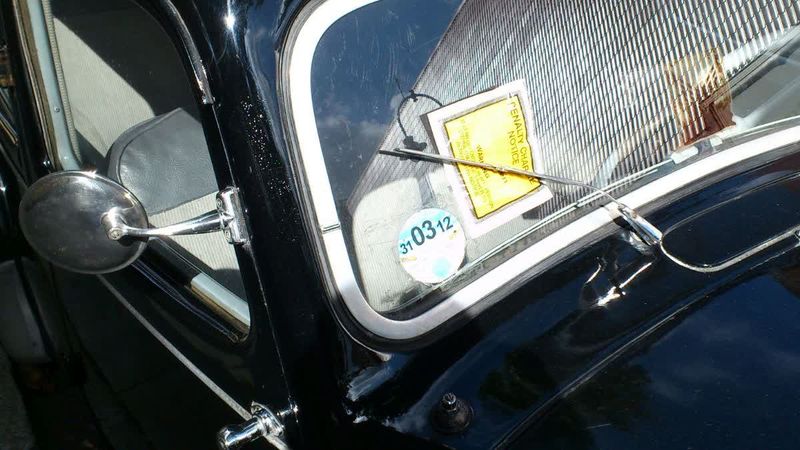
One-speed windshield wipers and a heavy rainstorm were a genuinely terrifying combination. Many vintage cars offered only a single wiper speed — slow — which was completely overwhelmed in anything heavier than a light drizzle.
Some early systems were even vacuum-powered, meaning wiper speed actually slowed down when you pressed the accelerator.
Modern wiper systems offer multiple speeds, intermittent settings, and even rain-sensing automation. Clear visibility in any weather is something we take for granted today, but classic car drivers knew the white-knuckle reality of driving blind in a downpour.
16. Challenging Manual Steering
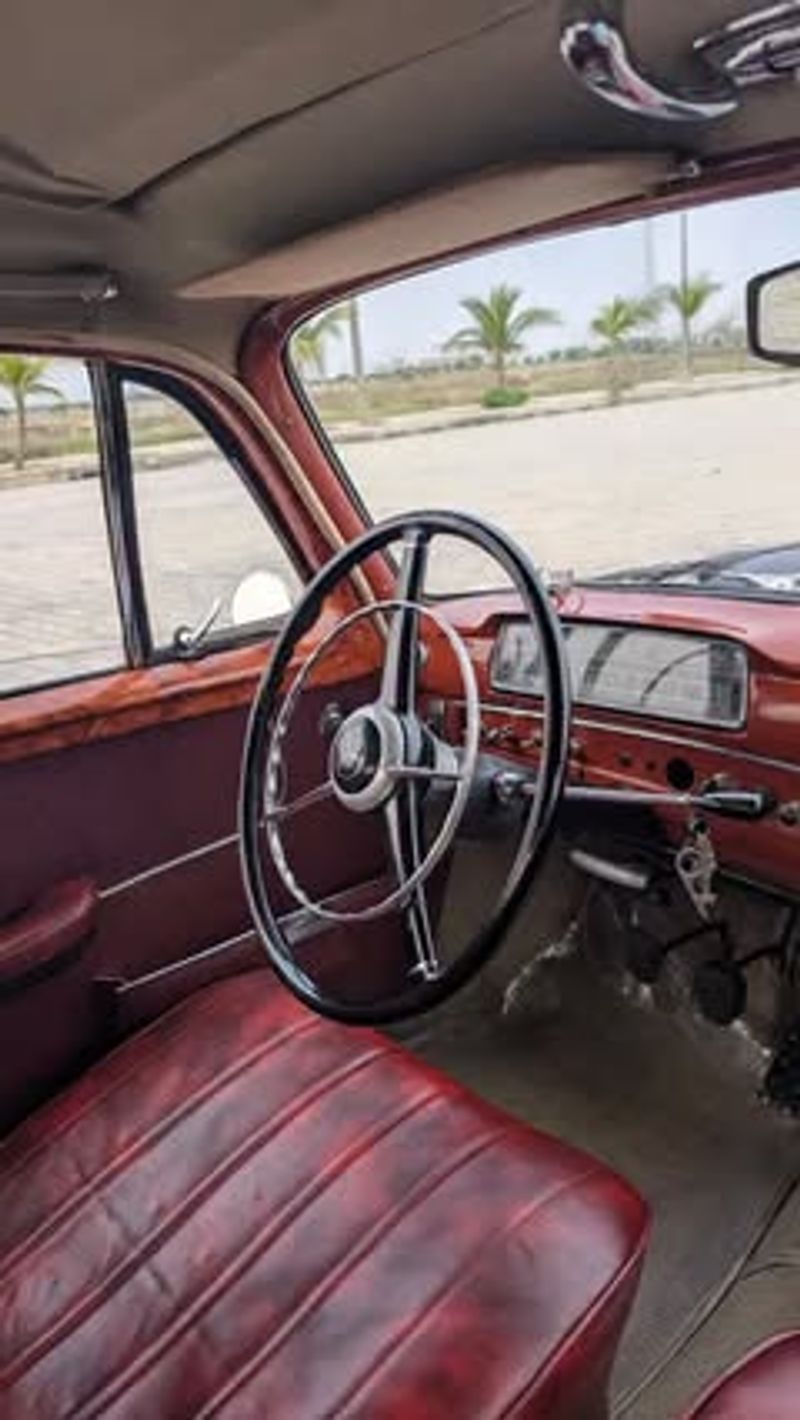
Parallel parking a vintage car without power steering was a full upper-body workout. Large, heavy vehicles combined with thick bias-ply tires required enormous steering effort at low speeds, leaving drivers genuinely fatigued after navigating tight spaces.
Power steering was available on some models but was often an expensive add-on that many buyers passed on. Modern electric power steering adjusts its assistance based on speed, making parking effortless while maintaining excellent road feel at highway speeds — a balance that old recirculating-ball steering systems could never achieve.
17. Uncomfortable Ride Quality
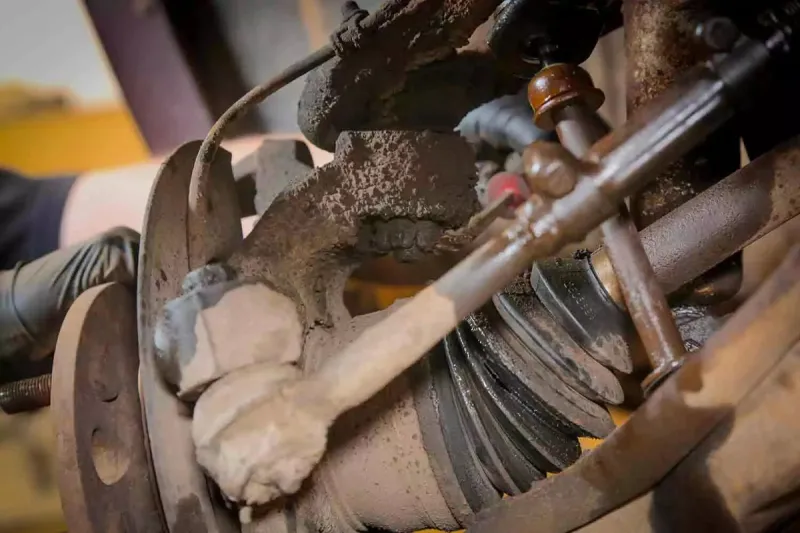
Decades-old suspension components did not age gracefully. Worn leaf springs, deteriorated rubber bushings, and tired shock absorbers turned every pothole into a jarring full-body experience.
Roads back then were not always smooth either, which made the combination particularly punishing on long trips.
Vintage suspension geometry was also less sophisticated, leading to body roll, dive under braking, and squat during acceleration that would feel alarming by today’s standards. Modern multi-link suspensions and adaptive dampers soak up road imperfections with an ease that classic car engineers could only sketch out in theory.
18. Bias-Ply Tire Technology
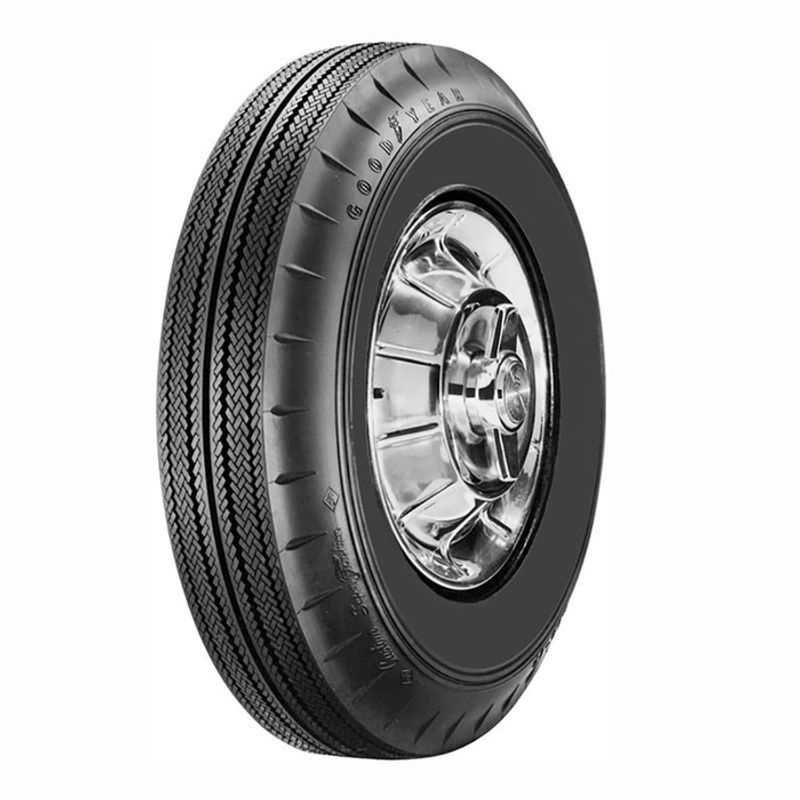
Bias-ply tires, standard on vintage vehicles, were essentially the participation trophy of tire technology. They generated significantly more heat during driving, wore unevenly, and offered grip levels that would horrify any modern performance driver.
Handling on wet roads was particularly sketchy.
Radial tires, which became widely adopted in the 1970s, transformed vehicle dynamics by offering better grip, longer tread life, and improved fuel efficiency. Today’s performance tires have grip levels that would have seemed like science fiction to engineers working on classic cars in their prime.
19. Paint That Could Not Last

Original factory paint on classic cars was beautiful when new but had absolutely no defense against the elements over time. Without modern clear coat protection, UV rays baked the color right out of the finish, leaving chalky, oxidized surfaces that looked decades older than the car itself.
Stone chips exposed bare metal almost immediately, inviting rust to take hold. Modern multi-layer paint systems with UV-resistant clear coats, and even self-healing coatings on premium vehicles, protect finishes far longer.
Keeping a vintage car looking showroom-fresh required constant waxing, polishing, and touch-up work that never really ended.