
Some books grab you before you even turn the first page. The very first sentence can send a chill down your spine, make you laugh, or leave you completely puzzled in the best way possible.
Great opening lines have a kind of magic that stays with readers for years, even decades. Here are 19 of the most unforgettable first lines in literary history and what makes each one so special.
1. “Call me Ishmael.” – Moby Dick by Herman Melville
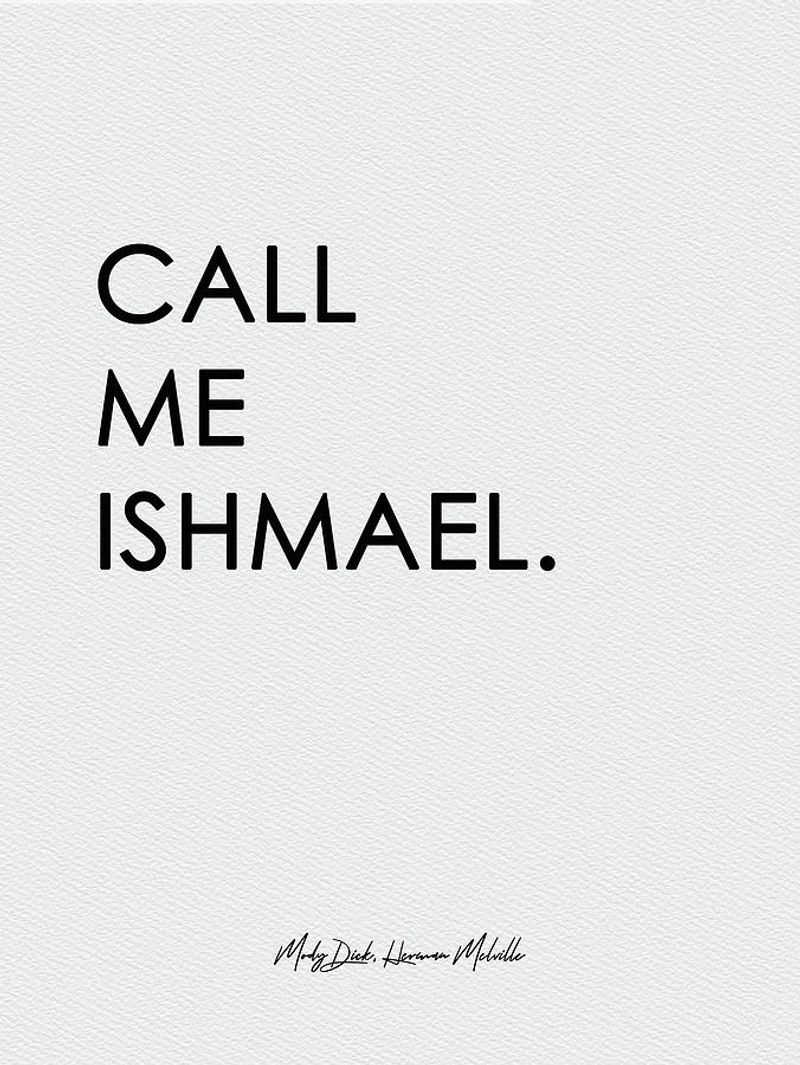
Three words. That is all Herman Melville needed to hook millions of readers. “Call me Ishmael” is one of the shortest yet most powerful opening lines ever written.
It feels like a stranger walking up to you and introducing himself in a smoky tavern.
What makes it brilliant is what it does NOT say. We do not know if Ishmael is even his real name.
That mystery pulls you straight into the story without a single wasted word.
2. “It is a truth universally acknowledged…” – Pride and Prejudice by Jane Austen
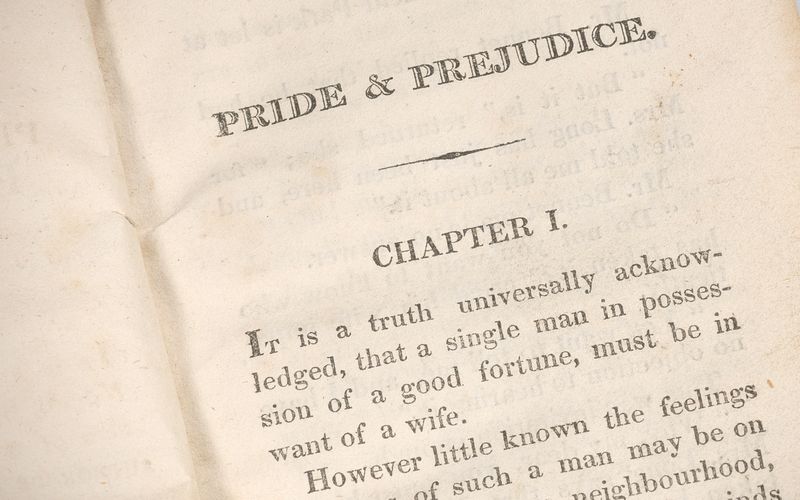
Jane Austen was a master of irony, and this opening line proves it instantly. She calls something a “universal truth” while quietly making fun of the social pressure on women to marry wealthy men.
The humor is layered and razor sharp.
Written in 1813, this sentence still feels surprisingly relevant today. Readers immediately sense that Austen is winking at them, inviting them into a world of wit, romance, and social commentary that unfolds beautifully over every page.
3. “A screaming comes across the sky.” – Gravity’s Rainbow by Thomas Pynchon
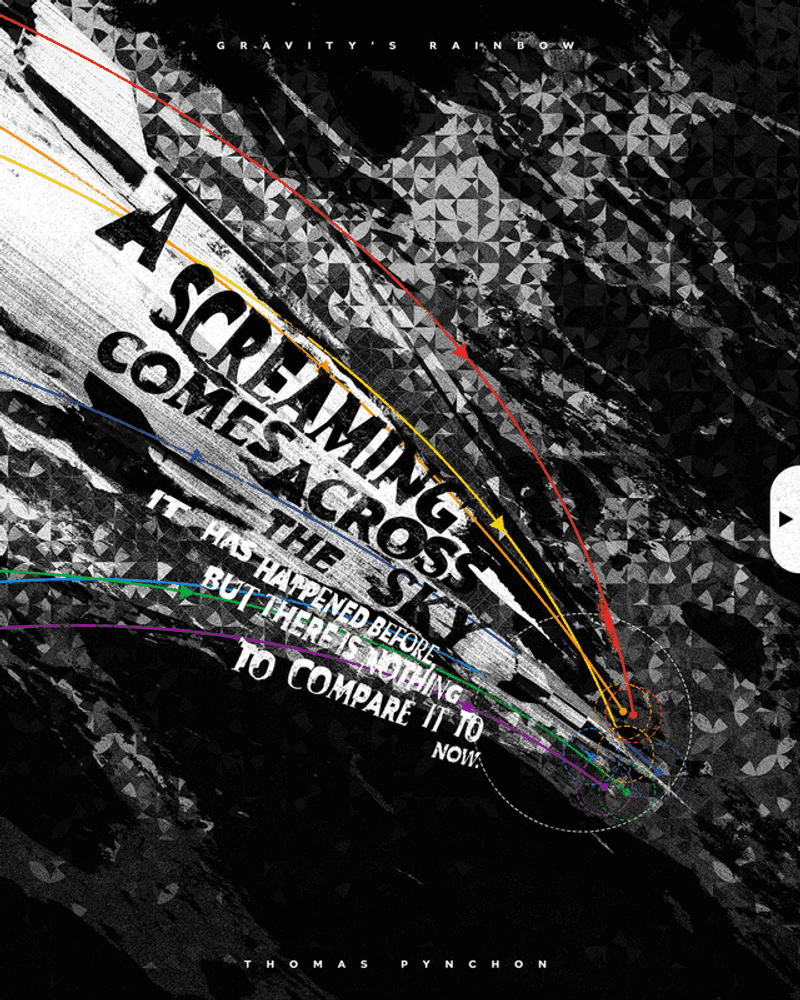
Few opening lines feel as physically jarring as this one. Thomas Pynchon drops you into a war-torn world with zero warning, and that single sentence sounds almost like a sound effect.
You can practically hear it.
Published in 1973, Gravity’s Rainbow is notoriously complex, but its first line is strikingly simple. That contrast is part of what makes it so effective.
Pynchon grabs your attention with raw sensory impact before the story’s full weight crashes down on you.
4. “Many years later, as he faced the firing squad…” – One Hundred Years of Solitude by Gabriel Garcia Marquez
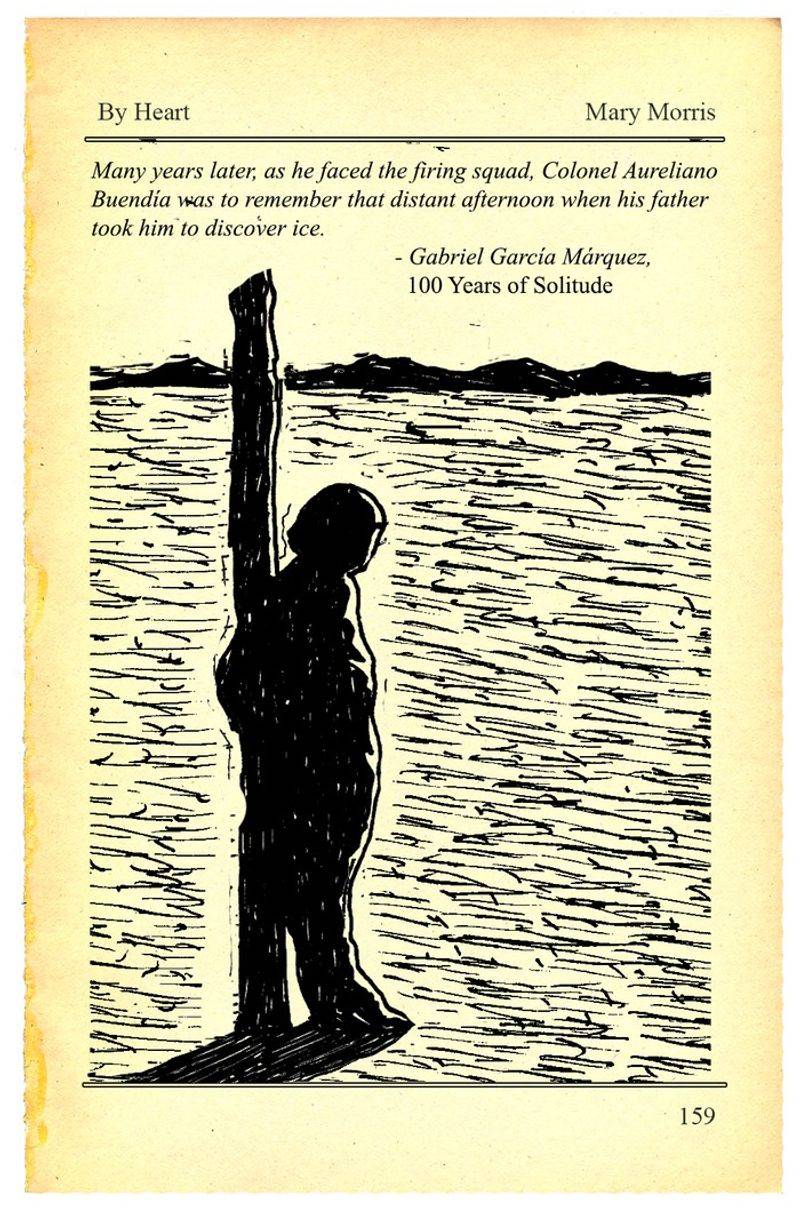
This sentence does something incredibly clever: it starts at the end, then immediately jumps back to a childhood memory. You know the character survives long enough to face a firing squad, yet you also know he is thinking about ice.
Ice! That detail is so unexpected it is almost funny.
Gabriel Garcia Marquez pioneered magical realism, and this opening captures it perfectly. Time bends, history overlaps, and wonder hides inside tragedy all in a single extraordinary sentence.
5. “Lolita, light of my life, fire of my loins.” – Lolita by Vladimir Nabokov
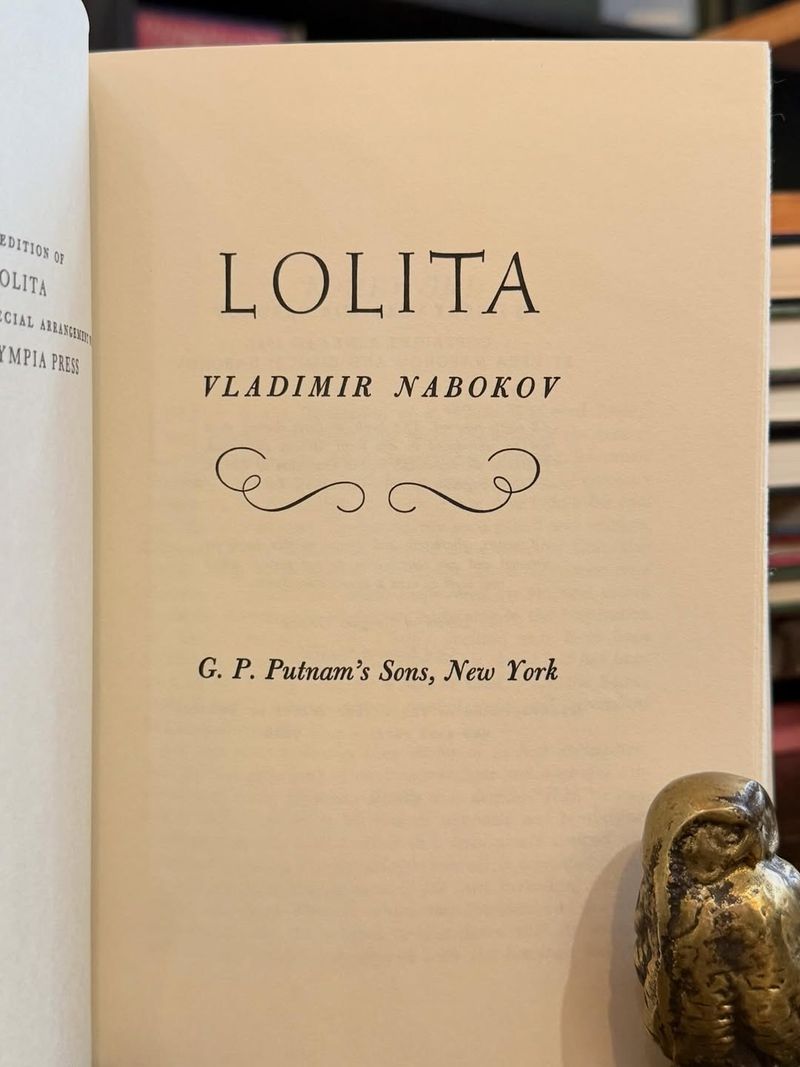
Vladimir Nabokov was a poet disguised as a novelist, and nowhere is that clearer than here. The alliteration in “Lolita, light of my life, fire of my loins” creates an almost musical rhythm that feels beautiful and deeply unsettling at the same time.
That tension is entirely intentional. Nabokov forces readers to sit inside the mind of an unreliable, morally corrupt narrator.
The gorgeous language makes the discomfort even sharper, which is exactly the point he wanted to make.
6. “Happy families are all alike…” – Anna Karenina by Leo Tolstoy
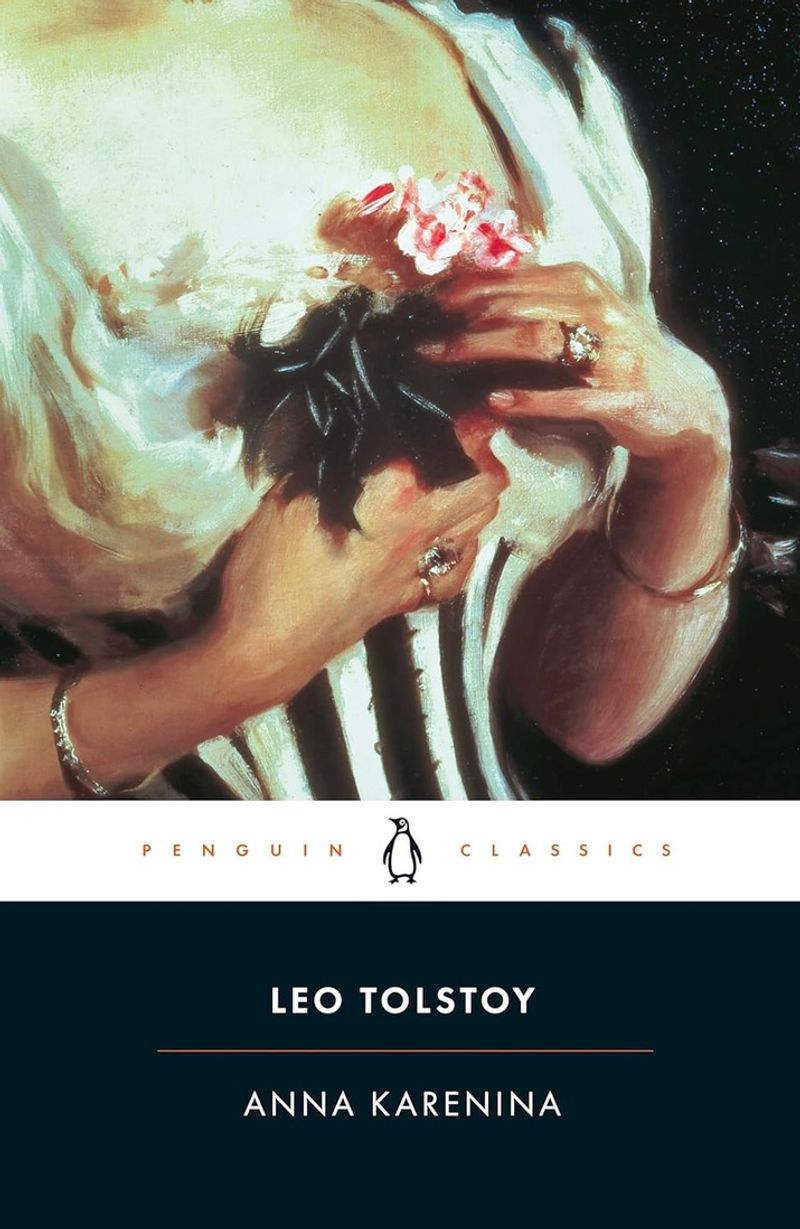
Tolstoy opens with what sounds like a simple observation, but it is actually a philosophical statement about human nature. Happy people, he suggests, are boring to write about.
Misery, on the other hand, is endlessly unique and fascinating.
Anna Karenina goes on to prove his point spectacularly. The novel is a sprawling portrait of broken marriages, social scandal, and personal ruin.
That one opening line quietly sets the entire emotional tone of a story that spans hundreds of unforgettable pages.
7. “It was a bright cold day in April, and the clocks were striking thirteen.” – Nineteen Eighty-Four by George Orwell
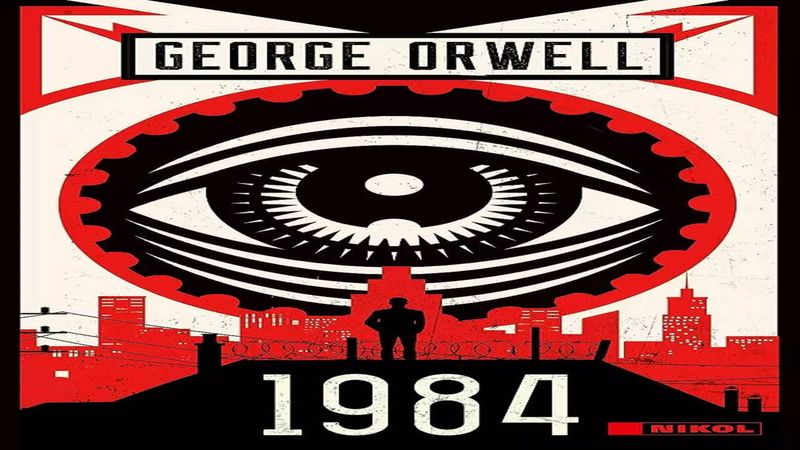
Everything seems normal until that last word: thirteen. Clocks do not strike thirteen.
That single detail signals immediately that something is deeply wrong with this world. George Orwell plants unease in your chest before you even meet the main character.
Published in 1949, Nineteen Eighty-Four imagined a terrifying future of surveillance and propaganda. Orwell’s genius was making that world feel almost familiar before twisting it just enough to make your skin crawl.
This opening line remains one of his greatest achievements.
8. “It was a pleasure to burn.” – Fahrenheit 451 by Ray Bradbury
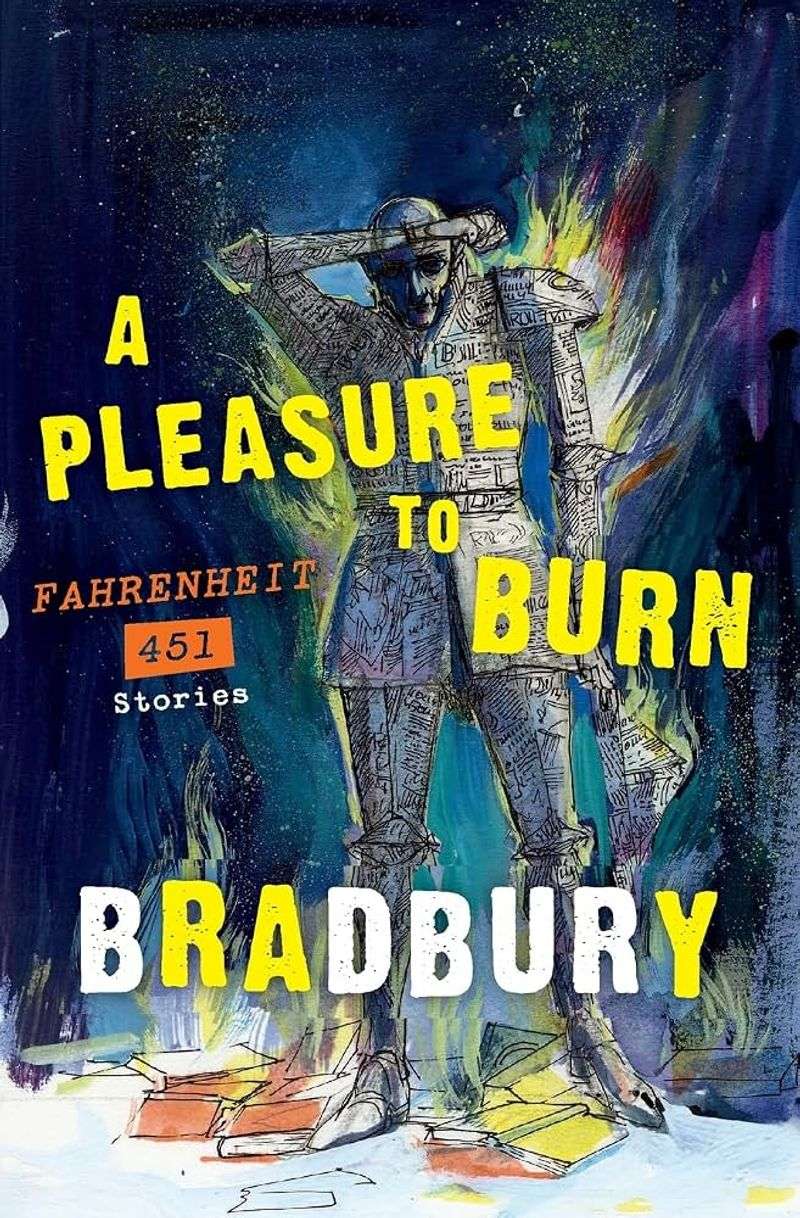
Ray Bradbury wrote about a future where firemen do not put out fires. They start them, burning books.
That context makes this opening line chilling from the very first read. “Pleasure” and “burn” should not go together, yet here they do.
Bradbury had a gift for making the horrifying feel seductive. By putting us inside the head of someone who genuinely enjoys destruction, he forces an uncomfortable question: could any of us be taught to love the wrong things?
That question echoes through the whole novel.
9. “Last night I dreamt I went to Manderley again.” – Rebecca by Daphne du Maurier
There is something haunting about dreaming of a place you can never return to. Daphne du Maurier captures that ache in just ten words, and readers immediately feel a sense of loss without knowing anything yet about Manderley or why it matters.
Published in 1938, Rebecca is a gothic masterpiece built on secrets, jealousy, and obsession. This opening line is a ghost story in miniature.
The narrator is mourning a place, and possibly a life, that no longer exists. That sadness never quite leaves you.
10. “I am an invisible man.” – Invisible Man by Ralph Ellison
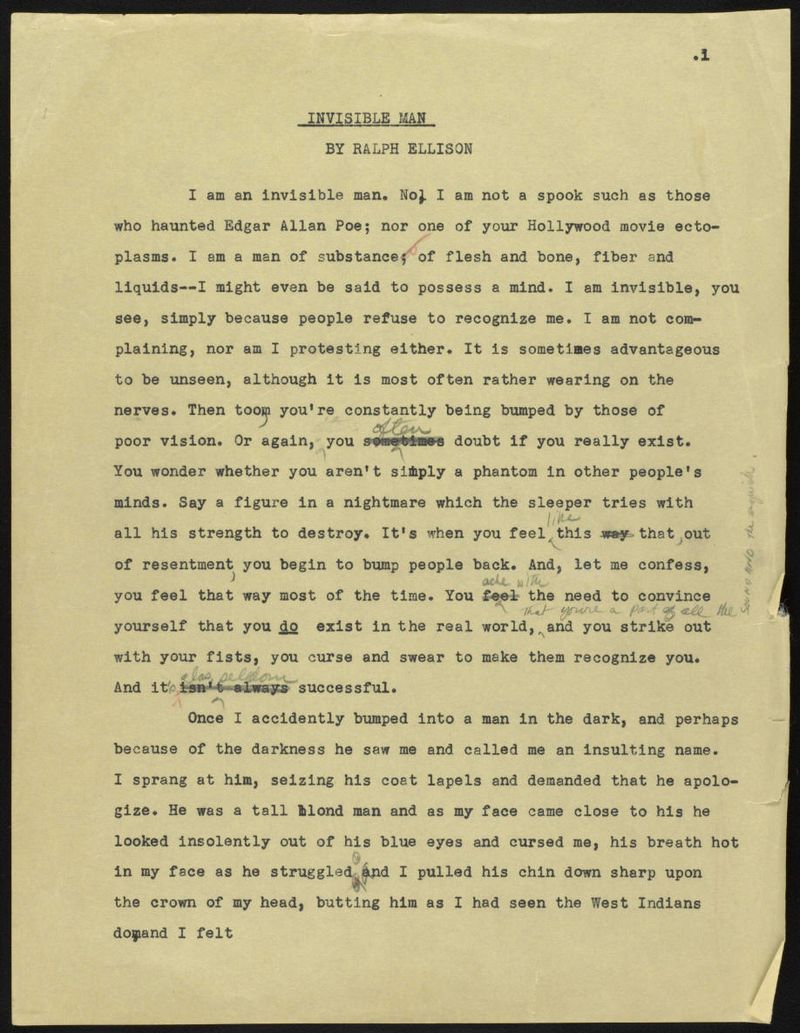
Ralph Ellison is not talking about science fiction here. His narrator is invisible because society refuses to truly see him as a Black man in America.
That metaphor hits hard and fast, establishing the novel’s entire emotional and political core in five words.
Winner of the National Book Award in 1953, Invisible Man is one of the most important American novels ever written. Ellison’s opening immediately demands that you pay attention, not just to the story, but to the real world injustice it reflects so powerfully.
11. “In a hole in the ground there lived a hobbit.” – The Hobbit by J.R.R. Tolkien
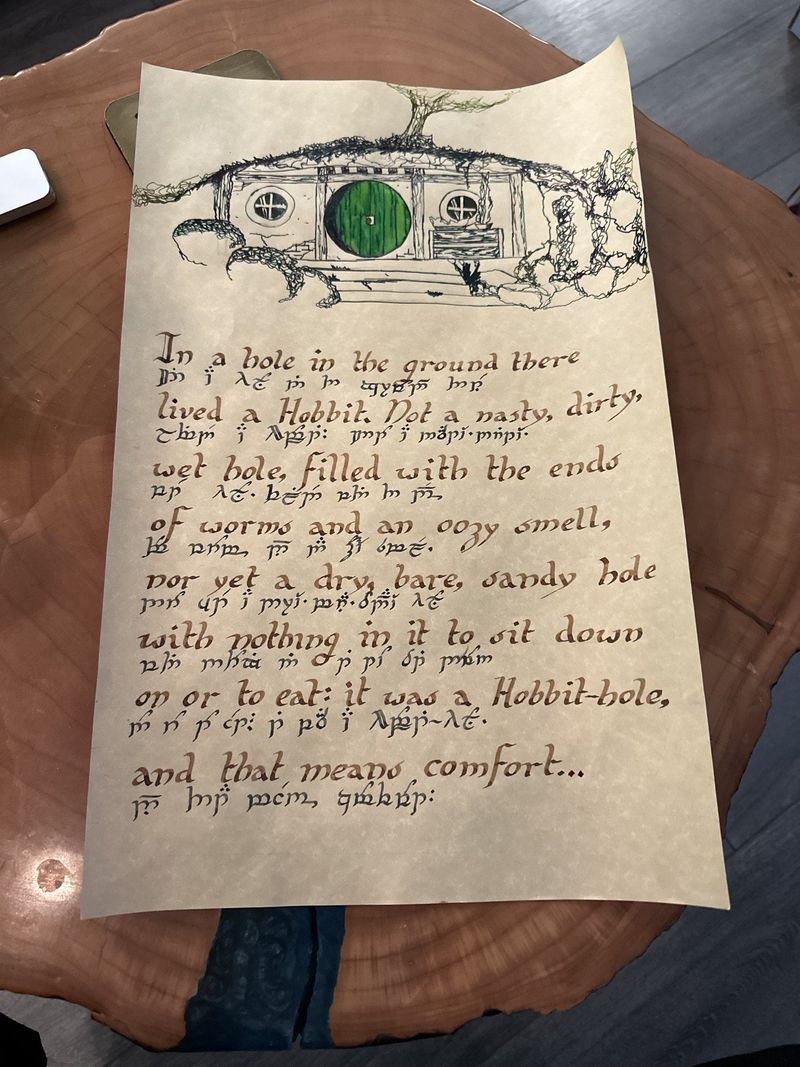
Legend has it that J.R.R. Tolkien scribbled this line on a blank exam paper he was grading, almost by accident.
From that random moment, an entire world was born. It is hard to imagine a more comfortable, inviting opening for a grand adventure.
The word “hobbit” did not exist before Tolkien wrote it. Yet somehow it sounds exactly right, like a word you have always known.
That is the magic of Tolkien’s language, and it starts working on you from the very first sentence.
12. “All this happened, more or less.” – Slaughterhouse-Five by Kurt Vonnegut
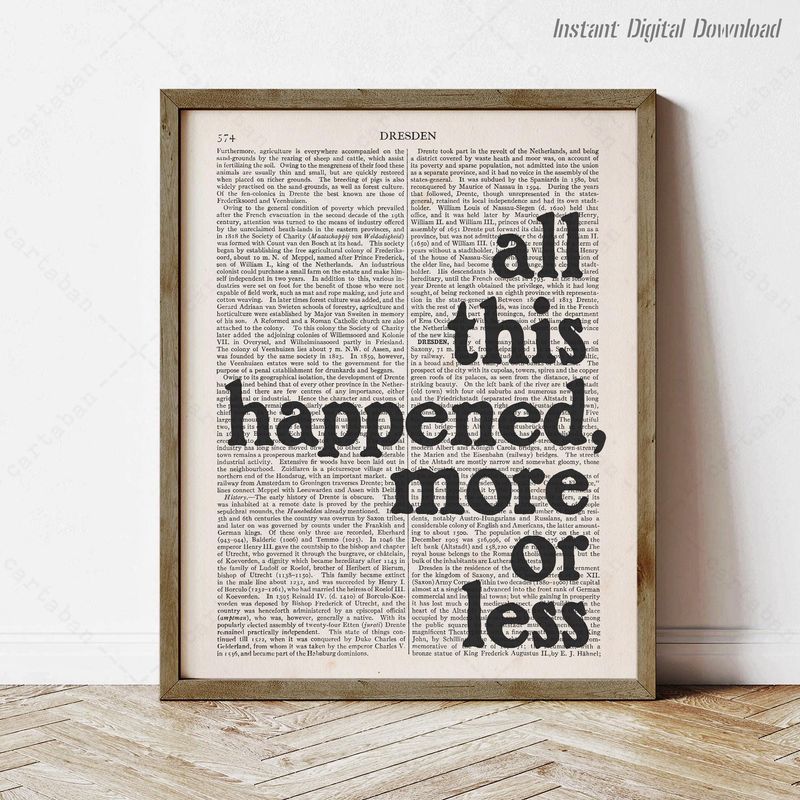
Kurt Vonnegut was a survivor of the firebombing of Dresden, and this opening line carries the weight of that experience. “More or less” is the most honest thing a trauma survivor can say about their own memories. It is funny and devastating at the same time.
Vonnegut spent years struggling to write about Dresden because the horror felt impossible to capture. That opening admission of imperfection is itself a literary act of courage.
He is warning you upfront: this story is true, and also not quite true, and that is the only honest way to tell it.
13. “Mother died today. Or maybe it was yesterday, I don’t know.” – The Stranger by Albert Camus
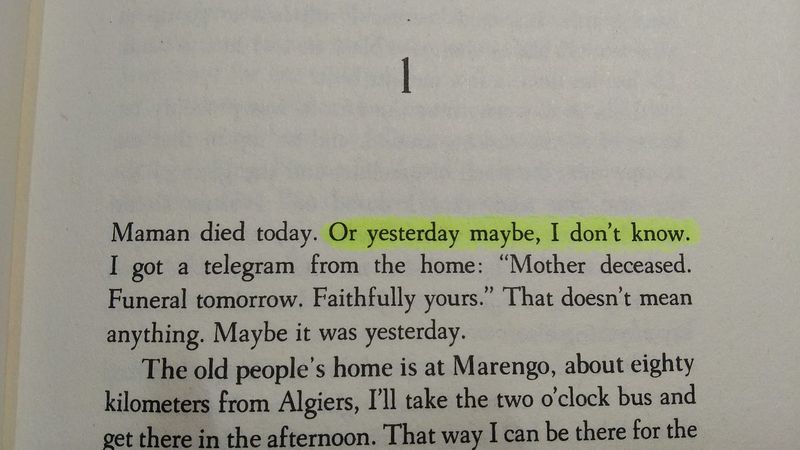
Most people would remember the day their mother died. Meursault does not, and that emotional blankness is the entire point.
Albert Camus introduces his main character’s strange disconnection from life and feeling in the most shocking way possible: through grief that is not quite grief.
The Stranger is a novel about a man who simply does not respond to life the way society expects. That unsettling opening prepares you perfectly for everything that follows.
Camus makes indifference feel more disturbing than anger ever could.
14. “I write this sitting in the kitchen sink.” – I Capture the Castle by Dodie Smith
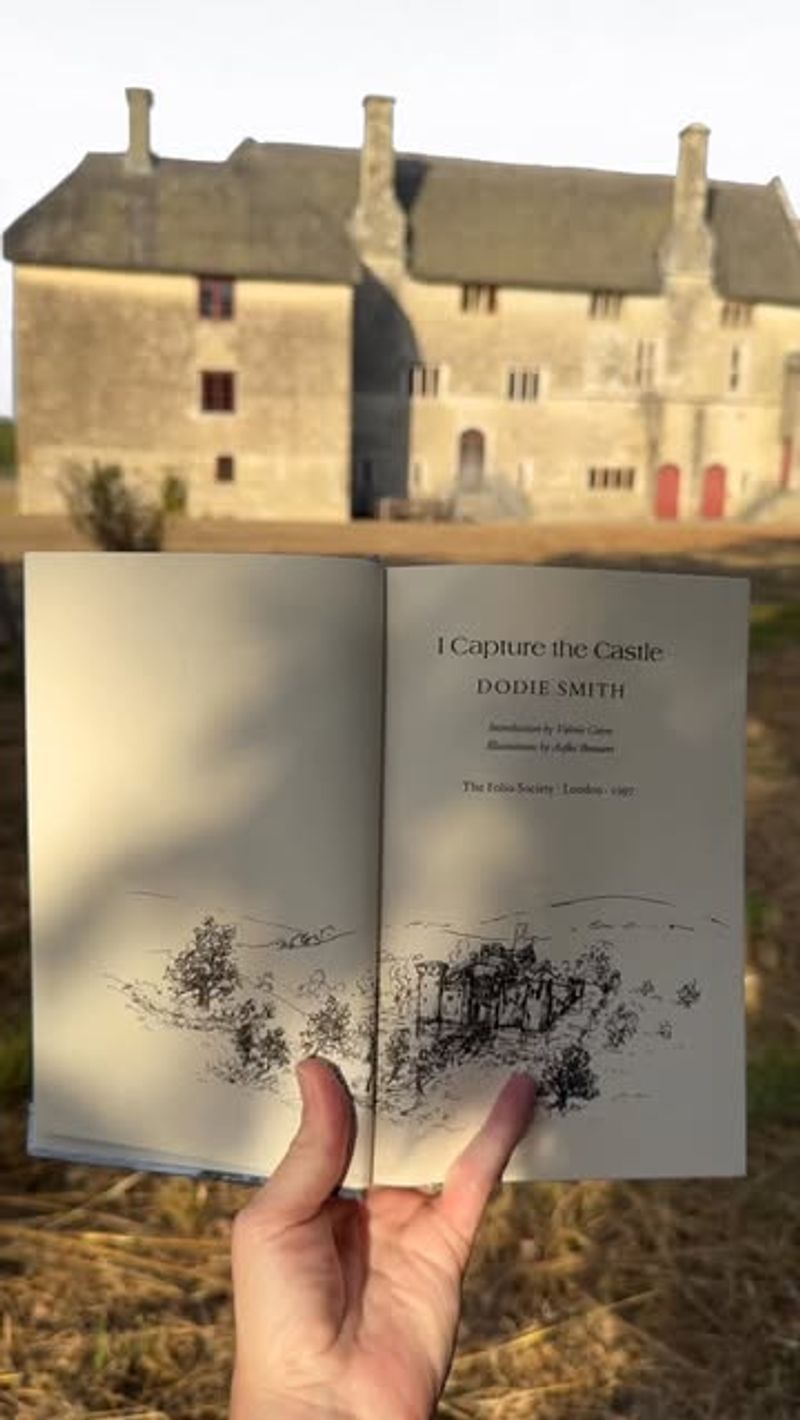
What a wonderfully odd place to begin a story. Dodie Smith’s narrator, Cassandra, is sitting in a sink and writing in her journal, and somehow that feels completely believable.
You immediately sense her quirky, observant personality without a single word of explanation.
Published in 1948, I Capture the Castle is beloved for its warmth and originality. This opening line tells you everything about Cassandra before you even know her name.
She is unconventional, creative, and completely charming. Readers fall for her instantly, and that is no accident at all.
15. “It was the best of times, it was the worst of times…” – A Tale of Two Cities by Charles Dickens
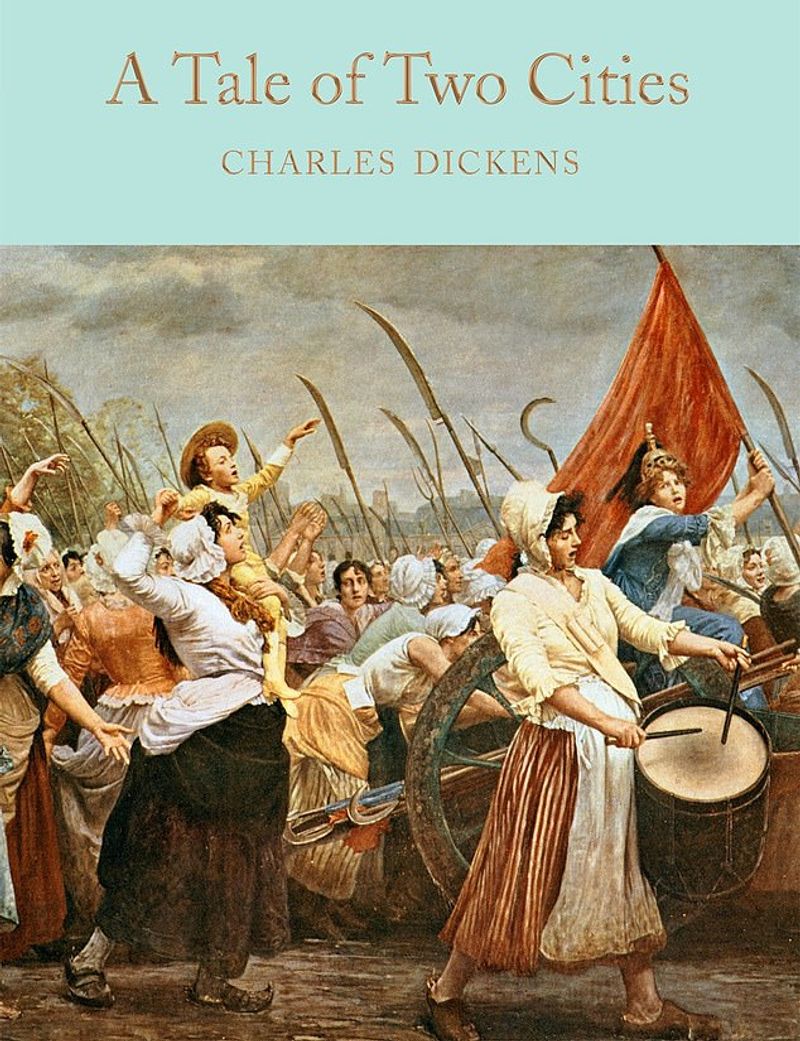
Charles Dickens wrote one of the most quoted opening paragraphs in all of literature. The rhythm of “it was the best, it was the worst” creates a rocking, almost hypnotic effect that mirrors the chaos of the French Revolution itself.
Brilliant structure meets brilliant storytelling.
What makes this line timeless is how universal it feels. Almost any era of history could be described this way.
Dickens was writing about the 1790s, but readers in every generation since have recognized their own turbulent times inside these words.
16. “Whether I shall turn out to be the hero of my own life…” – David Copperfield by Charles Dickens
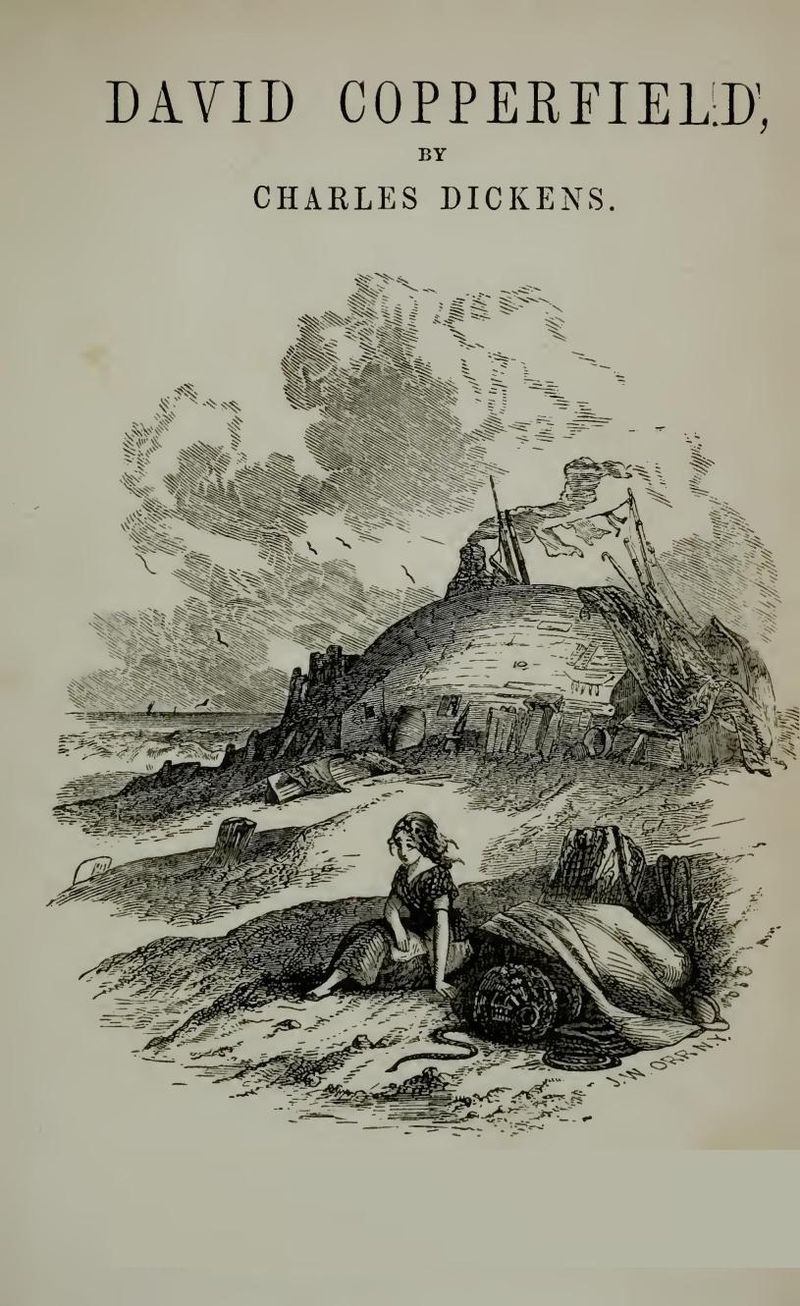
Charles Dickens was a genius at making readers feel personally invested right away. This opening raises a question that almost every person has quietly asked about themselves: am I actually the hero of my own story, or is someone else running the show?
David Copperfield was Dickens’ most autobiographical novel, drawing heavily from his own difficult childhood. That personal honesty gives the opening line an emotional rawness that feels almost like a confession.
It is not just a story beginning. It is a human being wondering who they really are.
17. “In my younger and more vulnerable years…” – The Great Gatsby by F. Scott Fitzgerald
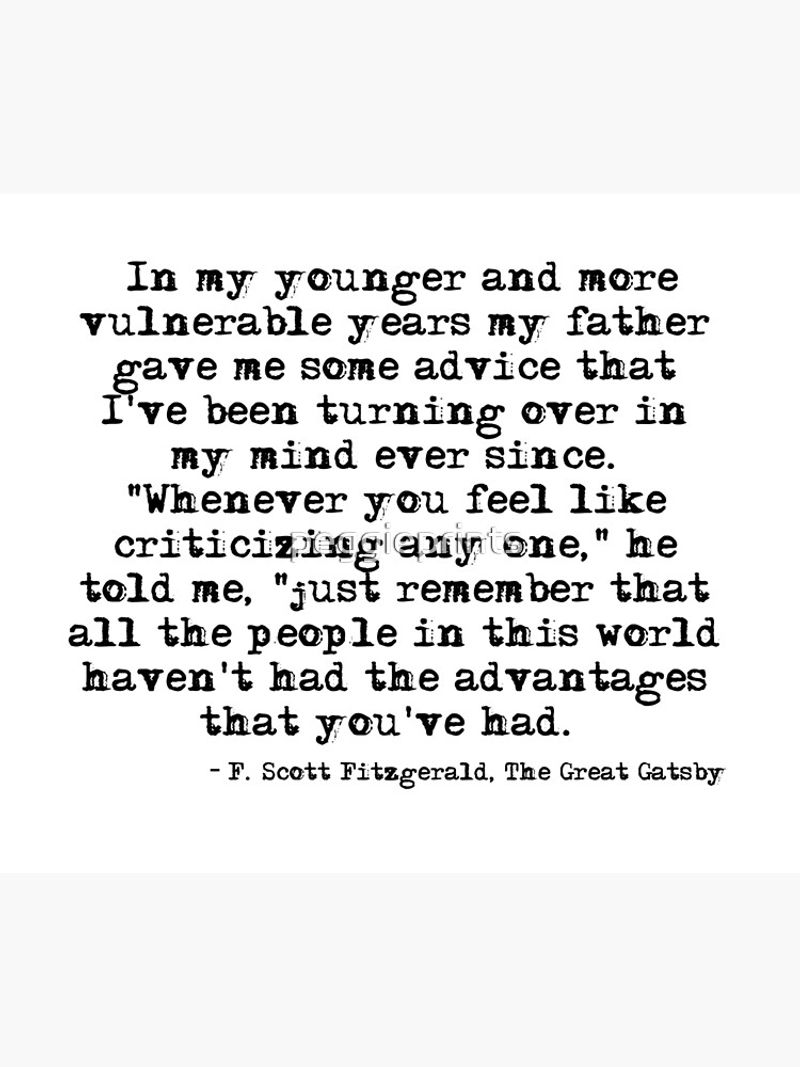
Nick Carraway opens The Great Gatsby by admitting he was once vulnerable, which immediately sets him apart as a narrator willing to be honest. F.
Scott Fitzgerald gives us a man looking back on a formative period of his life with hard-won wisdom and a touch of regret.
That reflective tone is key to the whole novel. Gatsby is already over before it begins, told entirely in hindsight.
The opening line quietly signals that something went wrong, and that quiet warning makes every glittering party scene feel just a little bit sad.
18. “If you really want to hear about it…” – The Catcher in the Rye by J.D. Salinger
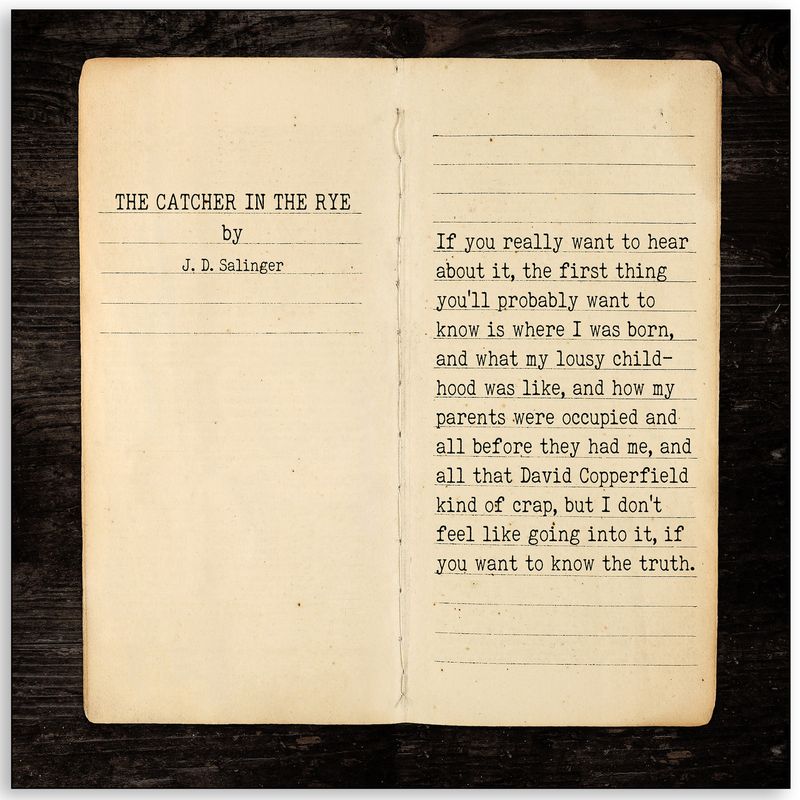
Holden Caulfield does not want to tell you his story. Or maybe he does, but he will not admit it.
That push-and-pull attitude is packed into the very first sentence, and it perfectly captures the voice of one of literature’s most famous and frustrating teenagers.
J.D. Salinger made Holden sound so real that generations of young readers felt like he was speaking directly to them.
The casual, almost dismissive tone of the opening is a masterclass in character voice. You either connect with Holden immediately, or you absolutely do not, and Salinger was fine with both.
19. “Marley was dead, to begin with.” – A Christmas Carol by Charles Dickens
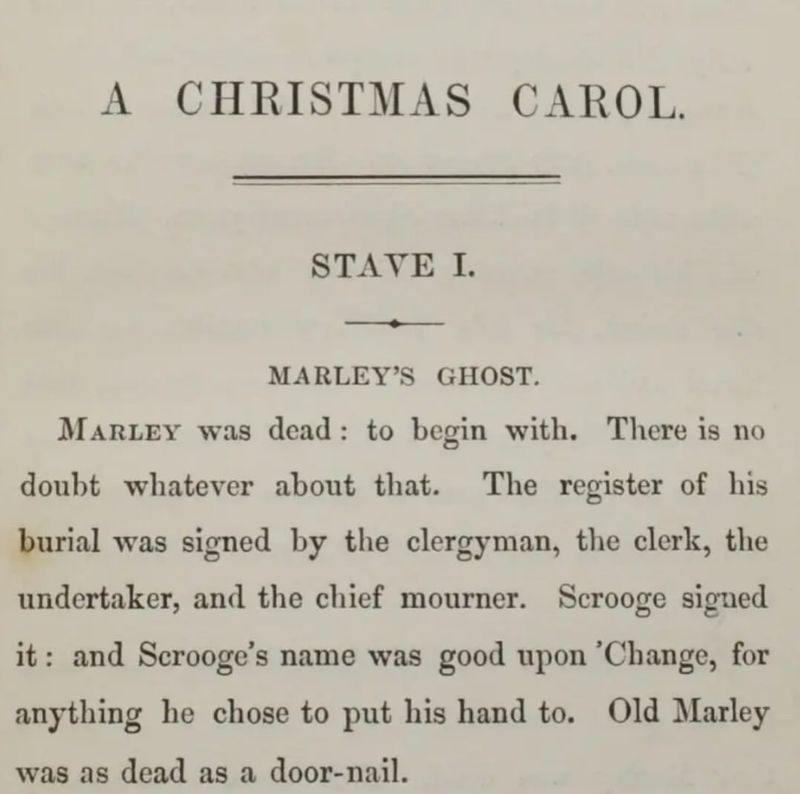
Charles Dickens knew exactly what he was doing when he opened with a dead man. By establishing Marley’s death as fact right away, he sets up every ghostly event that follows.
If Marley is truly dead, then his ghost is truly terrifying. The logic is airtight.
Dickens even jokes about the phrase “to begin with,” acknowledging it is a strange way to start. That self-awareness adds charm to a line that could have felt cold.
A Christmas Carol has been retold hundreds of times, but no version has ever needed a better opening than this one.