
Step back in time to a quieter era when neighbors waved from front porches and the smell of fresh-baked bread drifted down tree-lined streets. Small-town America in the 1950s had a unique charm that many people still look back on with warmth and wonder.
From drive-in movies to milkmen making their morning rounds, everyday life felt both simple and full of meaning. These snapshots bring that world back to life in vivid detail.
1. Main Street on a Saturday Morning
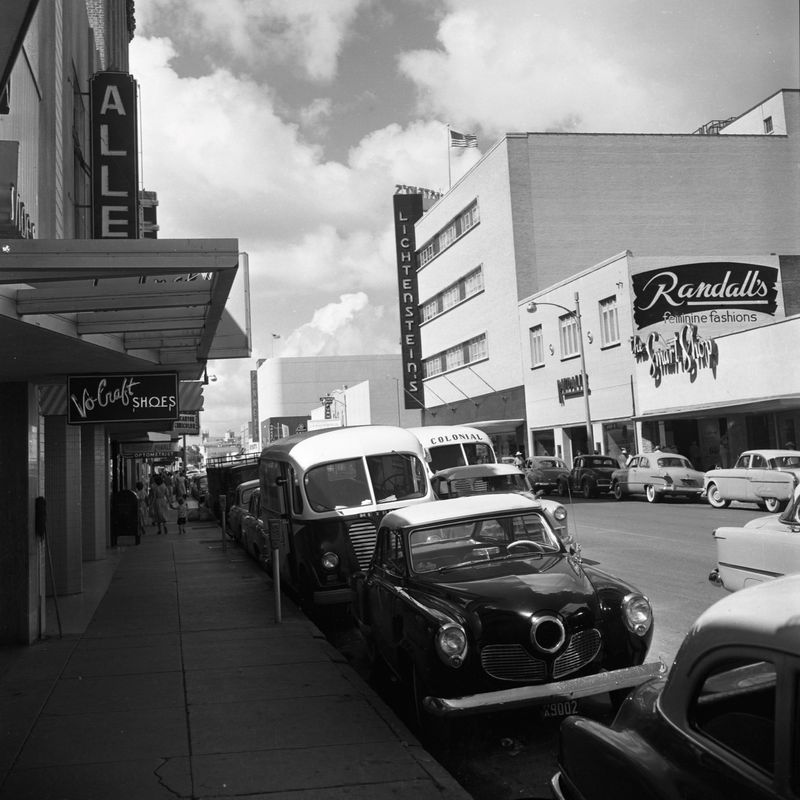
Saturday mornings on Main Street had a rhythm all their own. Families poured out of their homes and headed downtown, where butchers, bakers, and hardware store owners greeted them by name.
Plate glass windows displayed the latest goods, and parking meters lined the curb beside gleaming chrome bumpers.
Shopping wasn’t just an errand back then – it was a social event. Post-war optimism made every purchase feel like proof that better days had truly arrived.
2. The Milkman’s Early Morning Delivery
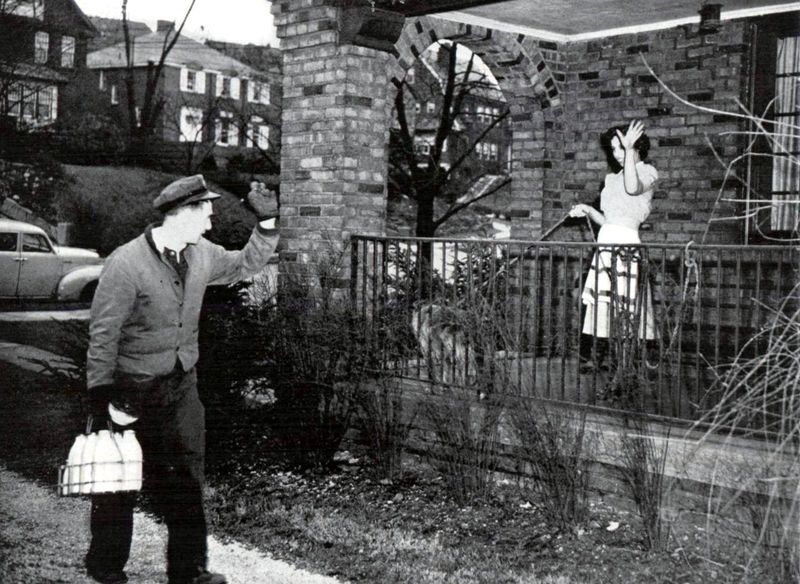
Long before alarm clocks went off, the milkman was already at work. Glass bottles clinked softly on front porches across town, left fresh and cold before most families had even rubbed the sleep from their eyes.
Milk delivery was more than convenience – it was a quiet promise that the town was running smoothly. Residents trusted these early-morning routines the way they trusted the sunrise itself to show up every single day.
3. Kids Playing Outdoors Until Dark
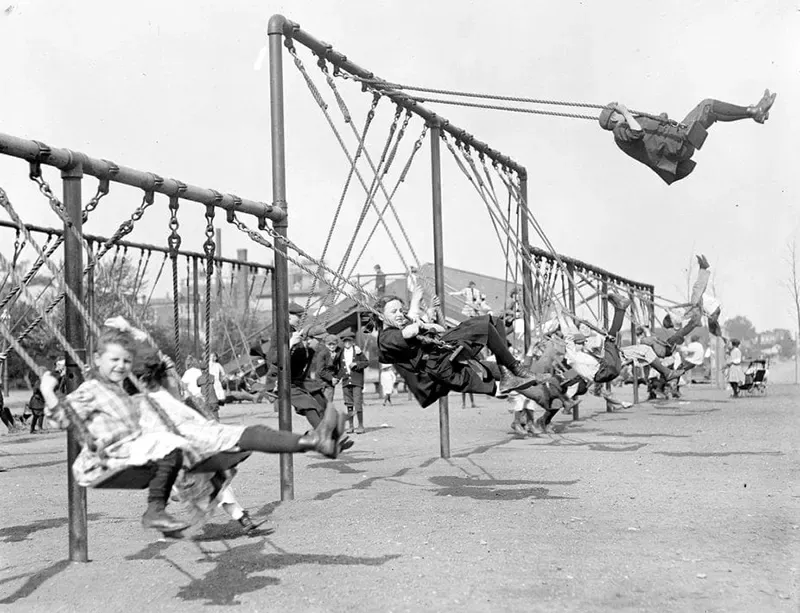
Nobody had to remind kids to go outside in the 1950s – they were already gone. From building treehouses to chasing fireflies at dusk, the outdoors was one giant, unsupervised playground.
Parents rarely worried, and kids rarely stopped moving. The unwritten rule was simple: be home when the streetlights come on.
That freedom shaped a generation that knew how to entertain itself and genuinely loved the world just outside the front door.
4. The Corner Diner at Lunchtime
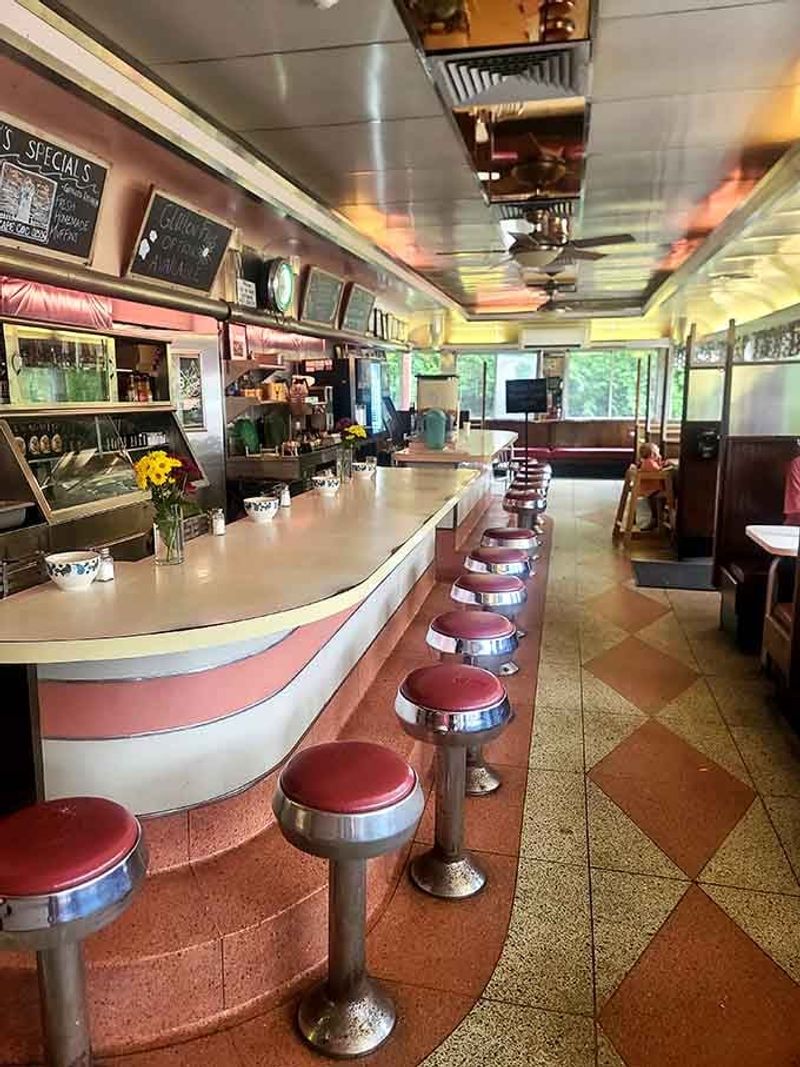
Chrome counters, spinning stools, and a jukebox humming in the corner – the local diner was the heartbeat of any 1950s small town. Teenagers gathered after school, and farmers grabbed coffee before heading back to the fields.
Waitresses knew every regular’s order by heart. The diner wasn’t just a place to eat; it was where news traveled fastest, friendships deepened, and the whole community somehow ended up at the same table, at least once a week.
5. The Drive-In Movie Theater on a Friday Night
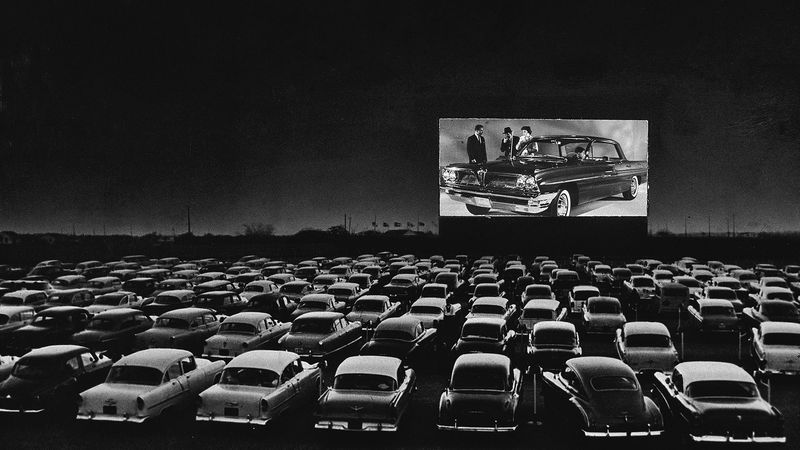
Friday nights belonged to the drive-in. Families loaded into station wagons, couples parked under starry skies, and the big outdoor screen flickered to life as dusk settled in.
Speaker boxes hooked onto car windows crackled with dramatic movie sound.
By 1958, there were over 4,000 drive-in theaters across the country. For small towns, they were the ultimate blend of car culture and community fun – proof that the best entertainment sometimes happens right from your front seat.
6. Front Porch Socializing on a Summer Evening
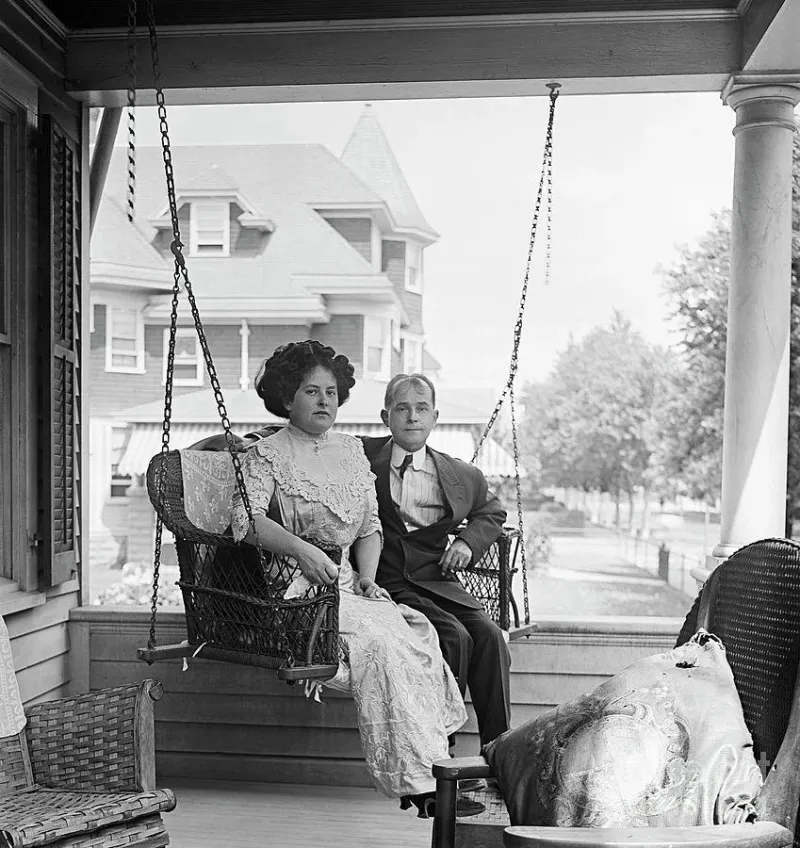
Before air conditioning took over, the front porch was where life really happened. Neighbors hollered greetings from the sidewalk, kids chased lightning bugs in the yard, and adults swapped stories until the mosquitoes drove everyone inside.
There was no agenda and no schedule. Porch sitting was the original social network – low-tech, high-warmth, and completely free.
It built the kind of trust between neighbors that made people genuinely feel they belonged somewhere meaningful and safe.
7. The County Fair in Full Swing
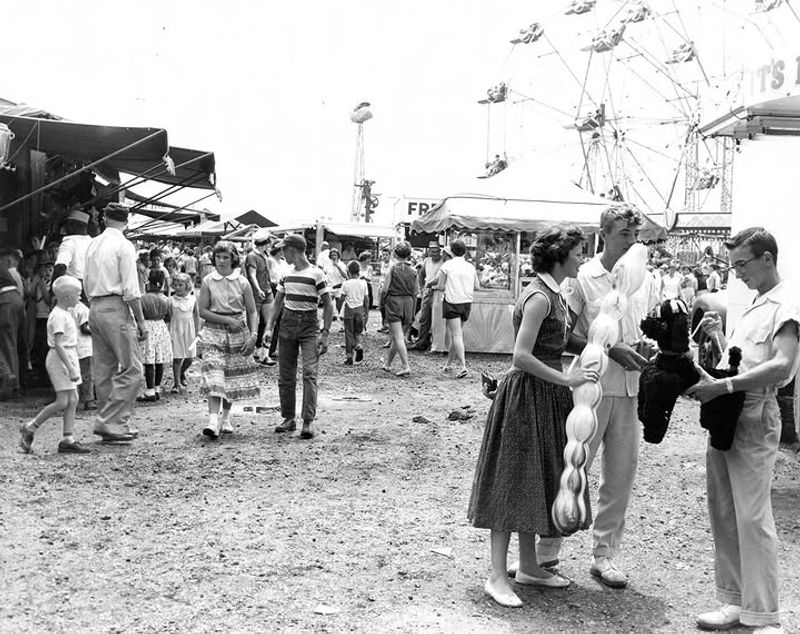
Every summer, the county fair transformed an ordinary field into the most exciting place in the whole region. Livestock competitions, pie-judging contests, carnival rides, and the sweet smell of cotton candy created a sensory overload that kids talked about for weeks afterward.
For farming families especially, the fair was a proud tradition. It celebrated hard work and community spirit in the most colorful way possible.
Winning a blue ribbon meant something real – neighbors noticed, and that mattered deeply.
8. The Telephone Operator Connecting the Town
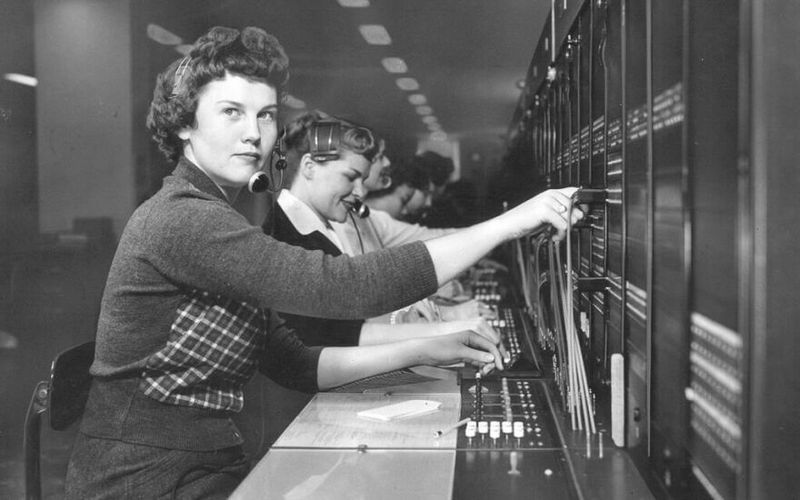
Before direct dialing became standard, a real human being connected every phone call. The town telephone operator sat at her switchboard knowing more about daily life than almost anyone else in town – who was calling the doctor, who was ordering flowers.
She was a quiet backbone of communication. In emergencies, she was often the first point of contact.
Her job required patience, a sharp memory, and genuine care for the community she served one plugged-in connection at a time.
9. Baseball at the Town Sandlot
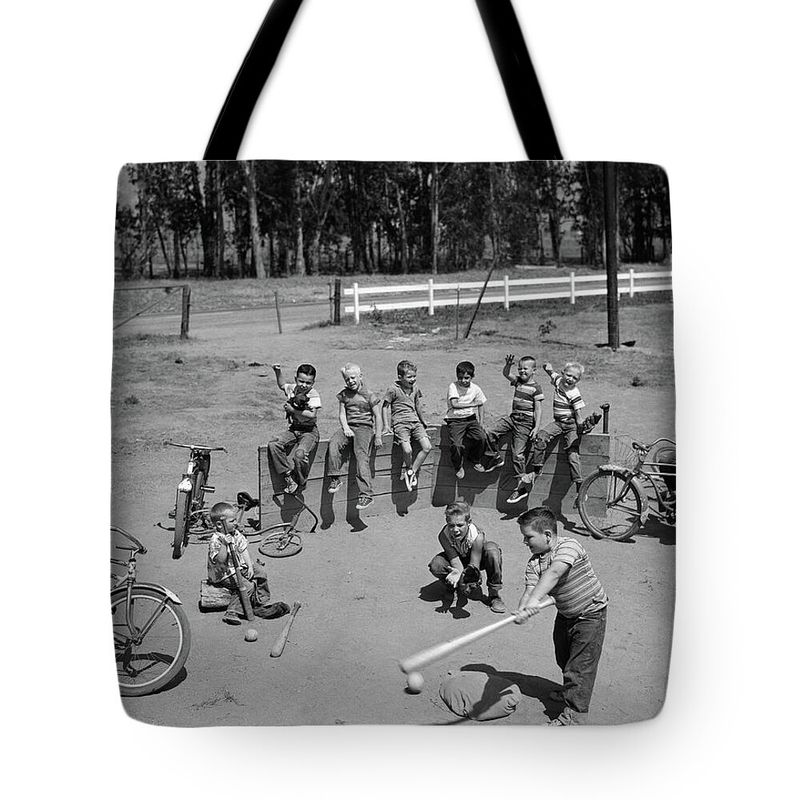
Sandlot baseball was practically a religion in small-town America during the 1950s. No uniforms required, no coaches needed – just a bat, a ball, and enough kids to fill the bases.
Arguments over close plays were settled loudly and quickly forgotten.
These games built something more than athletic skill. They taught negotiation, resilience, and how to shake hands after a tough loss.
Many adults from that era still recall those dusty afternoons as some of the best hours of their entire childhood.
10. The Barbershop Where Men Gathered
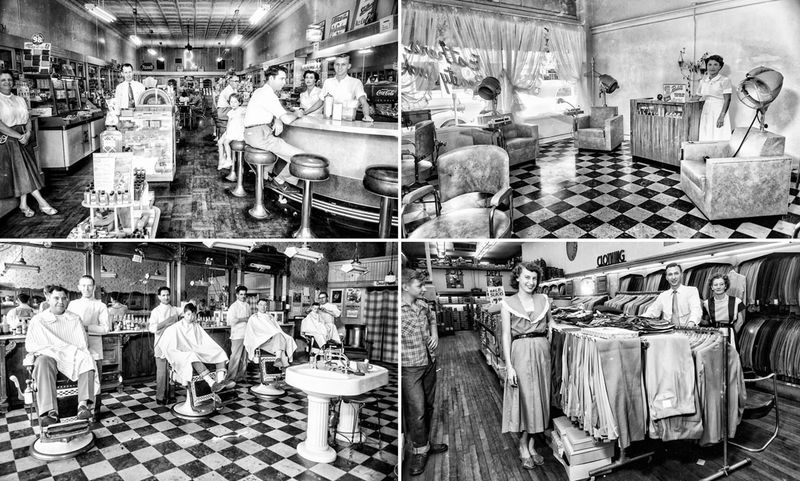
Walk into any 1950s barbershop and you’d find more opinions than haircuts. Men gathered there not just for a trim but for conversation, debate, and the particular comfort of a room where everyone spoke freely.
The barber was often the unofficial town historian. He remembered your father’s haircut and would remember your son’s too.
A visit cost little money but delivered something priceless – the feeling of being known and genuinely welcome in your own community.
11. The Schoolhouse and Walking Home for Lunch
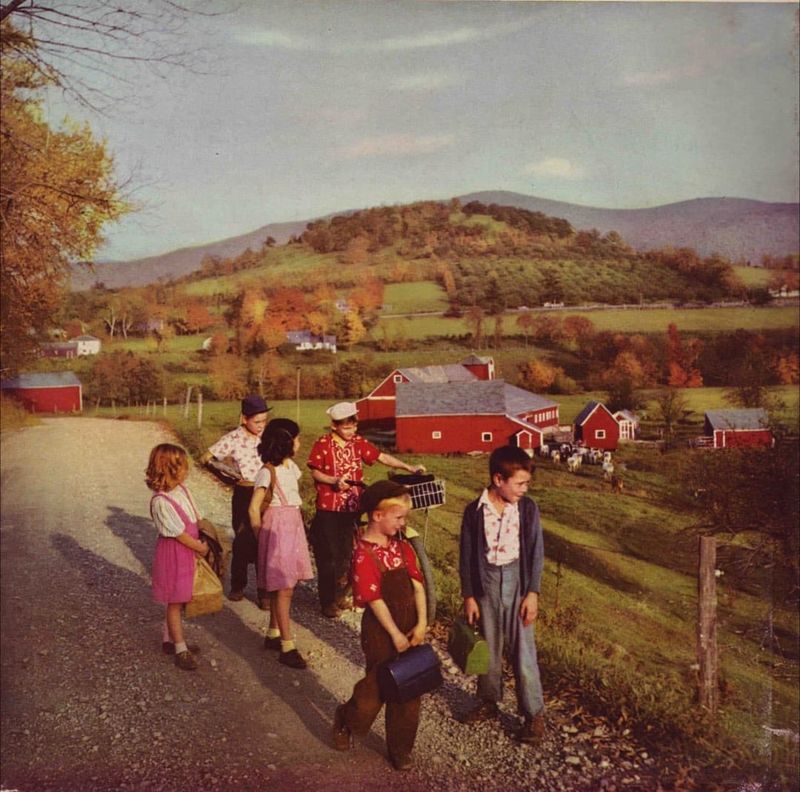
Lunch at home was completely normal for 1950s schoolchildren. Schools were close enough to neighborhoods that kids simply walked back, ate a hot meal with mom, then returned before the afternoon bell rang.
It sounds almost unbelievable today.
That midday walk was a small but meaningful ritual. It kept families connected during the day and gave kids a natural break from classroom energy.
The simplicity of it – shoes on pavement, a sandwich waiting – captures something genuinely lost in modern school life.
12. The Fire Department Siren Marking High Noon
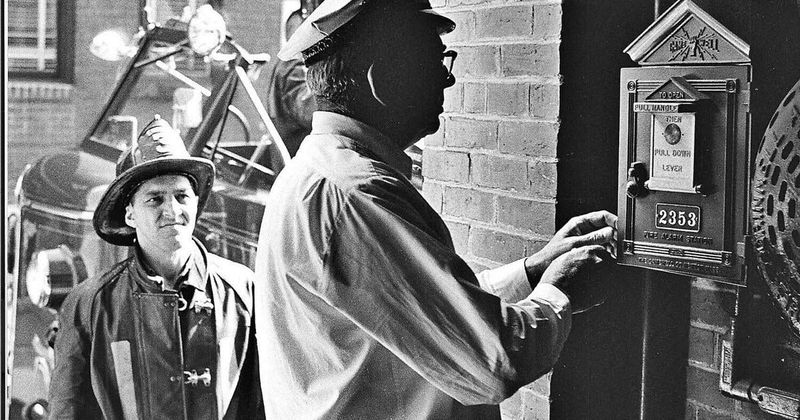
At exactly noon each day, the fire department siren let out a long, piercing wail that echoed across every rooftop in town. It wasn’t an emergency – it was the lunch signal, reliable as clockwork and louder than any watch.
Farmers in the fields, workers at the mill, kids on the playground – everyone knew what that sound meant. It was a shared moment that stitched the whole town together with one simple, unmistakable sound that said: stop, breathe, eat together.
13. The Rise of the Television in the Living Room
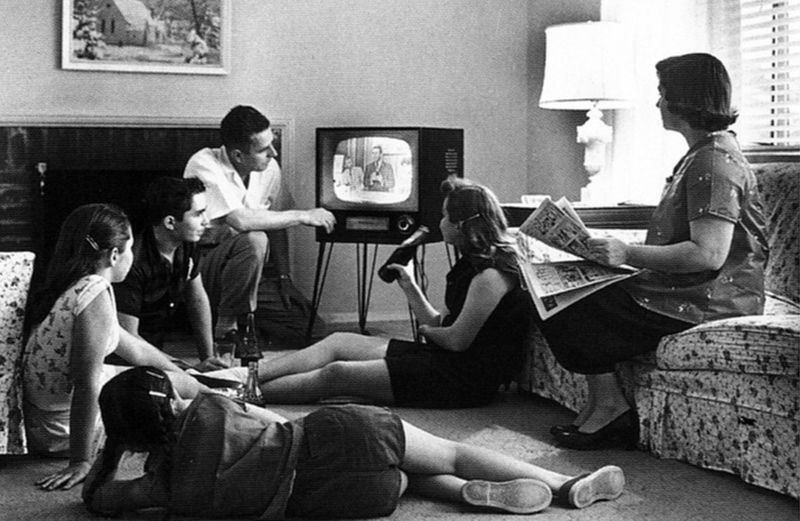
Television swept through small-town America like nothing before it. In 1950, only about 9% of households owned a TV set.
By 1959, that number had skyrocketed to nearly 86%. Families rearranged their living rooms – and their evenings – around the glowing screen.
New ideas, new fashions, and new ways of thinking arrived nightly through the broadcast signal. For small towns that had long operated in their own quiet bubble, television quietly began reshaping what felt normal, familiar, and possible.
14. The Town Square Band Concert on a Summer Night
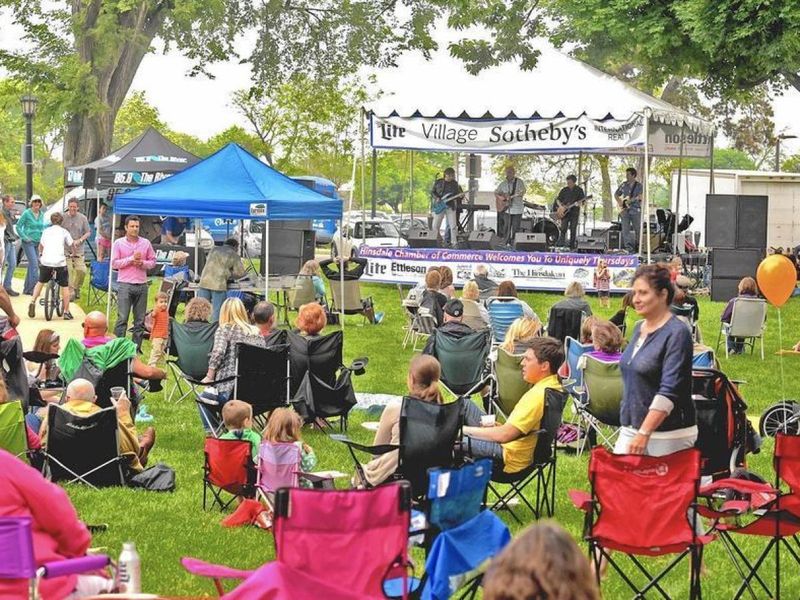
Summer evenings in the town square had a magical, unhurried quality. Families spread blankets on the grass while the community band launched into familiar tunes from the bandstand gazebo.
Kids darted between lawn chairs as fireflies blinked in the warm dark.
Nobody needed a ticket or a reason to show up. The music was free, the company was easy, and the night stretched out lazily.
These concerts were proof that joy didn’t require much – just neighbors, open air, and a little music.
15. The Backyard Fallout Shelter and Cold War Anxiety
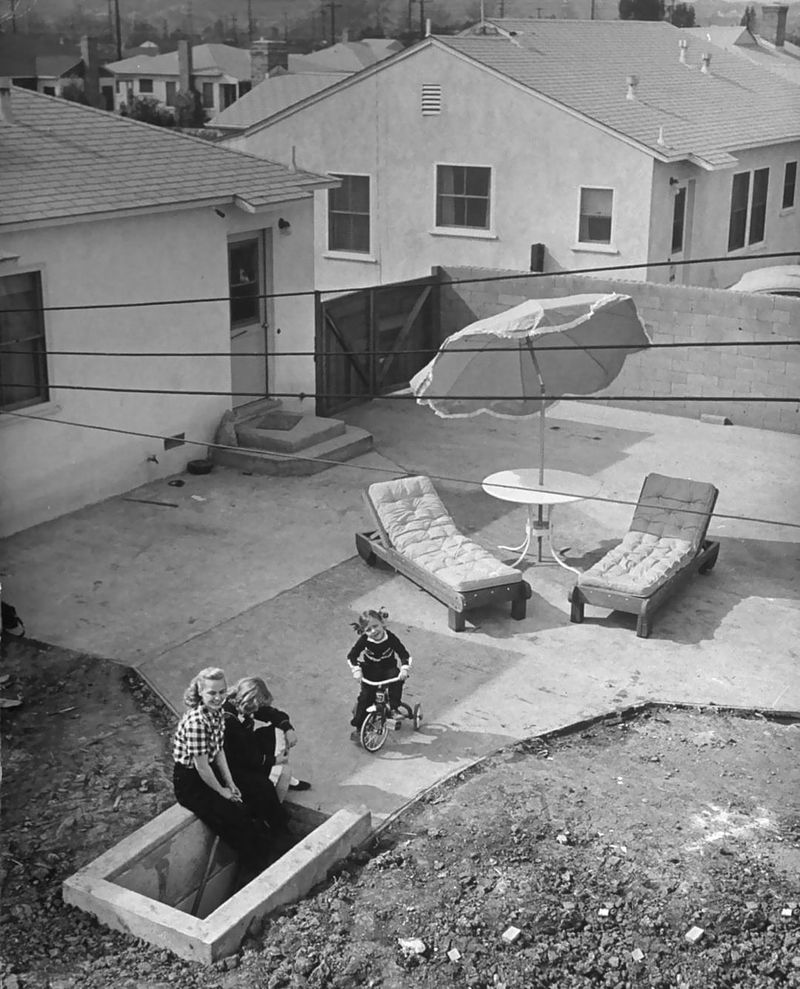
Beneath the cheerful surface of 1950s small-town life ran a quiet current of Cold War fear. Some families dug fallout shelters in their backyards, stocking them with canned goods and water, hoping they’d never need them but not willing to gamble on it.
School drills taught children to duck under desks. Civil defense pamphlets arrived in mailboxes.
It was a strange contrast – neighbors sharing pie recipes while quietly planning for the unthinkable. That tension was a real, if rarely discussed, part of daily small-town life.