
Have you ever looked back at your past relationships and noticed they all felt strangely similar? Many people unknowingly fall into patterns that keep pulling them toward unhealthy connections.
Understanding why this happens is the first step to changing it. Once you recognize the signs, you can start building the loving, respectful relationships you truly deserve.
1. You Keep Repeating the Same Relationship Patterns

Ever notice how your relationships seem to follow the same script, just with different actors? Repeating negative dynamics, like choosing emotionally unavailable partners or people who are controlling, is one of the clearest signs something deeper is going on.
Your past experiences create a kind of invisible blueprint for who you attract. Recognizing this cycle is powerful.
Journaling about your relationship history can help you spot the pattern and begin breaking free from it.
2. Ignoring Red Flags Early On

That uneasy feeling you brush off during the first few dates? That might be your instincts waving a giant red flag.
Overlooking early warning signs is extremely common, especially when you really want a relationship to work out.
Red flags can include disrespect, dishonesty, or possessiveness that appears early on. Make a habit of pausing and honestly evaluating a partner’s behavior instead of explaining it away.
Acknowledging problems early can save you a lot of heartache later.
3. Struggling With Low Self-Esteem

When you do not feel truly worthy of love, you may unconsciously settle for partners who confirm that belief. Low self-esteem creates a vulnerability that some manipulative people are quick to exploit, using flattery and control to keep you dependent on their approval.
Building your self-worth starts with small daily actions, like setting personal goals, practicing positive self-talk, and surrounding yourself with people who genuinely lift you up. You deserve love that does not come with conditions.
4. Unresolved Childhood Wounds Driving Your Choices

Childhood experiences shape the way we see love long before we ever date anyone. Growing up with inconsistent caregivers or feeling like affection had to be earned can quietly program you to seek out familiar, even painful, dynamics as an adult.
Therapists call this your relational blueprint. Healing these old wounds often means revisiting painful memories with professional support.
Once you understand where your patterns come from, you gain real power to change them and choose differently.
5. A Deep Fear of Being Alone

Staying in a toxic relationship because the alternative feels unbearable is more common than most people admit. Fear of abandonment or loneliness can push someone to tolerate disrespect, manipulation, or emotional neglect just to avoid being single.
Here is something worth considering: being alone is not the same as being lonely. Learning to enjoy your own company and build a fulfilling solo life actually makes you far less likely to cling to unhealthy connections out of desperation.
6. Mistaking Intensity for Real Connection

Butterflies, obsessive thoughts, and constant emotional highs and lows can feel like passionate love, but they might actually be anxiety in disguise. Many people confuse emotional intensity with genuine chemistry, especially if chaotic relationships feel normal to them.
Real connection tends to feel calm, consistent, and safe, not like a rollercoaster. If a relationship keeps you constantly on edge wondering where you stand, that tension is not romance.
It is a warning sign worth paying close attention to.
7. Not Having Clear Personal Boundaries

Boundaries are not walls meant to keep people out. They are guidelines that protect your emotional and physical well-being.
Without them, others may push, test, and eventually cross lines that leave you feeling drained, disrespected, or used.
Start small by identifying what behaviors you will and will not accept. Practice saying no without apologizing for it.
Clear boundaries communicated calmly and consistently attract partners who respect you, and naturally discourage those who were only interested in taking advantage.
8. Dismissing Your Gut Feelings

Your gut is basically your body’s built-in alarm system. When something feels off in a relationship, that quiet inner voice is rarely wrong.
Yet many people talk themselves out of their instincts, labeling them as overthinking or paranoia.
Research consistently shows that intuition, especially in social situations, carries real information worth heeding. Next time something feels wrong, pause before dismissing it.
Give yourself permission to ask questions, slow things down, or walk away if your gut is persistently telling you something is not right.
9. Constant People-Pleasing Behavior
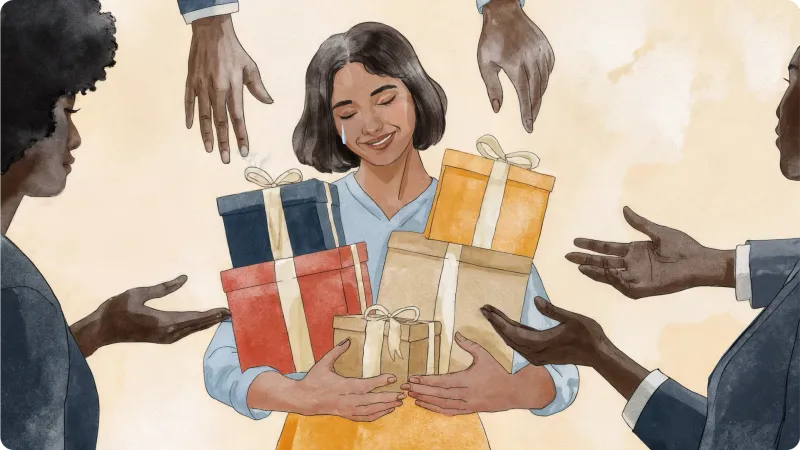
Always saying yes, shrinking your own needs, and bending over backward to keep others happy might seem like kindness, but it often signals a deeper fear of rejection. People-pleasers tend to attract partners who take advantage of their giving nature.
Breaking this habit means recognizing that your needs matter just as much as anyone else’s. Practice expressing your preferences honestly, even when it feels uncomfortable.
Healthy partners will appreciate your honesty, while those who do not were never truly right for you.
10. Falling for Someone’s Potential Instead of Their Actions

Falling for who someone could be rather than who they actually are is a surprisingly easy trap. Taking on a “savior” role, believing your love will inspire someone to change, often leads to exhaustion, disappointment, and resentment.
People show you who they are through consistent behavior over time. Pay attention to actions, not promises or potential.
A partner worth keeping will not require you to endlessly hope they become someone better. Love someone for who they are right now, not who you imagine they might become.
11. Living in a Constant State of Anxiety

Walking on eggshells every single day is exhausting, and it is not what love is supposed to feel like. When a relationship causes more anxiety than peace, that imbalance is a serious red flag that something is fundamentally unhealthy.
Healthy relationships should feel like a safe harbor, not a storm. If you notice that you are constantly bracing for the next argument, second-guessing your words, or feeling tense around your partner, trust that signal.
You deserve a relationship where you feel genuinely at ease.
12. Getting Overwhelmed by Love Bombing
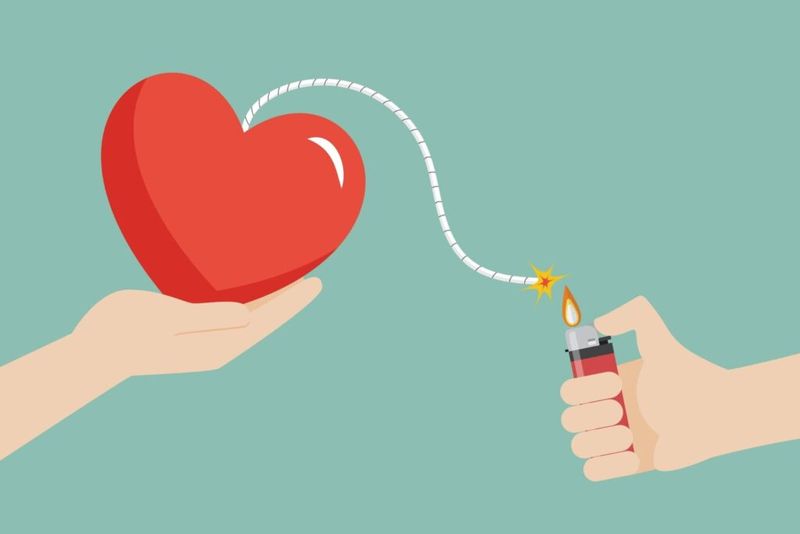
When a new partner showers you with constant compliments, grand gestures, and intense devotion right from the start, it can feel like a fairy tale. But love bombing is often a deliberate tactic used to lower your defenses and create emotional dependency fast.
Genuine affection builds gradually. If someone’s attention feels almost too overwhelming or too perfect in the early stages, slow things down intentionally.
Pay attention to whether the intensity fades once you are emotionally invested. That shift can reveal a lot about someone’s true intentions.
13. Noticing Gradual Escalation of Negative Behaviors
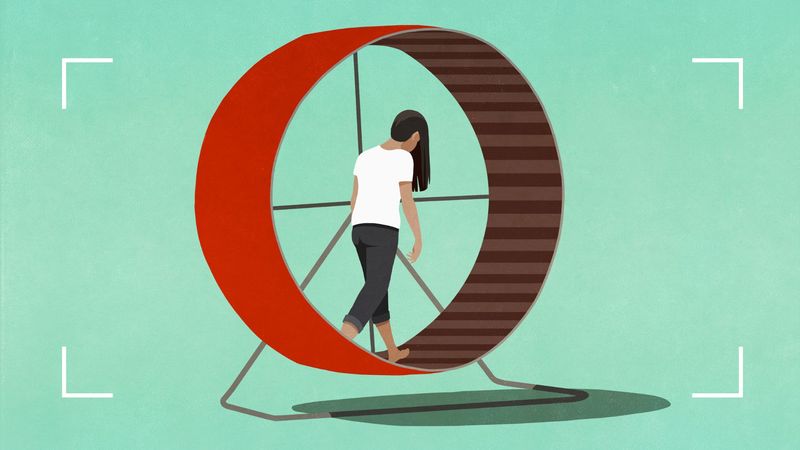
Unhealthy relationships rarely start out obviously toxic. More often, negative behaviors begin with small boundary pushes, a dismissive comment here, a guilt trip there, that slowly grow more severe over time as they go unchallenged.
This gradual escalation is intentional in many cases. By the time things get truly harmful, you may feel too invested to leave.
Staying alert to small patterns of disrespect early on and addressing them directly gives you the best chance of stopping unhealthy dynamics before they take hold.
14. Jumping From One Relationship to the Next

Skipping straight from one relationship to the next without pausing to reflect might feel like moving on, but it often means carrying unresolved baggage right into a fresh start. Without time for inner work, the same patterns tend to resurface with a new face.
Give yourself the gift of intentional solo time between relationships. Use that space to heal, reflect, and rediscover what you truly want and need.
The next relationship you enter will be far healthier if you show up as a more self-aware version of yourself.
15. Struggling to Communicate Your Needs Openly
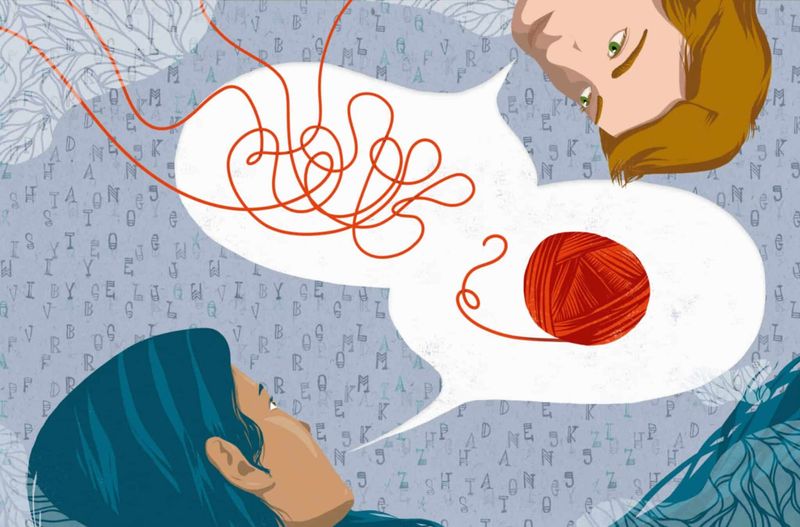
Swallowing your feelings to avoid conflict might feel like keeping the peace, but it actually builds resentment over time. When you cannot express your needs clearly, misunderstandings pile up and partners may never truly understand what you require to feel loved and respected.
Healthy communication is a skill, and it can absolutely be learned. Start by practicing honest conversations about small, low-stakes topics.
Over time, you will build the confidence to speak up about bigger issues, making your relationships stronger and far more fulfilling in the long run.
16. Refusing to Seek Professional Support
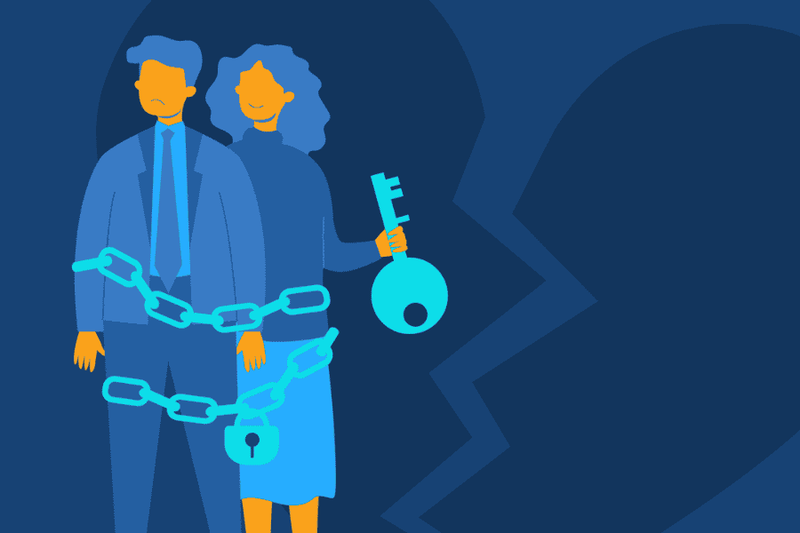
There is a persistent myth that needing therapy means something is seriously wrong with you. The truth is, working with a therapist who specializes in attachment styles or relationship trauma is one of the most empowering choices you can make for your future.
A skilled therapist helps you uncover root causes, challenge harmful beliefs, and develop healthier relationship habits with real guidance. If cost is a concern, many therapists offer sliding scale fees, and online options have made professional support more accessible than ever before.
17. Lacking a Strong Supportive Social Network

When your entire world revolves around one person, unhealthy dynamics can take root far more easily. A strong circle of friends, family, or community gives you perspective, emotional support, and an outside view of your relationship that you simply cannot get from within it.
Nurturing friendships and maintaining connections outside your romantic relationship is not a sign of distrust. It is a sign of emotional maturity.
Surround yourself with people who celebrate your growth, challenge you kindly, and remind you of your worth when you forget it yourself.